
Welding Fume Extraction PPE: When Respirators Are Not Enough for Shop Safety





A respirator can reduce what a welder inhales, but it does not remove welding fume from the work area. That distinction becomes critical when a shop is dealing with extended arc time, confined work zones, stainless or coated materials, multiple welders sharing an area, or tasks that force the operator close to the plume. In those conditions, welding fume extraction PPE should be treated as part of a layered control system, not as a substitute for controlling the fume at its source.
For safety and quality managers, the practical question is usually not whether workers need respiratory protection. It is whether respirators are being asked to compensate for a ventilation problem that should be addressed through local extraction, process control, or work-area design. When that happens, exposure risk rises, compliance becomes harder to manage, and weld productivity can suffer along with worker comfort.
Why Respirators Reach Their Limit
Respirators protect the individual wearing them only when the selected equipment, filter type, fit, seal, maintenance condition, and wearing behavior all remain correct. Welding is a demanding environment for that level of consistency. Workers may move between positions, sweat heavily, lift face shields repeatedly, work around obstructions, or need to communicate with nearby personnel. A respirator that performs well in a controlled assessment may deliver less effective protection when it is worn for a full shift under real production pressure.
More importantly, the fume remains in the shop. A properly fitted respirator may reduce an individual worker's inhalation exposure, but it does not protect nearby assemblers, material handlers, inspectors, maintenance staff, or visitors entering the same zone. It also does not prevent fine particles from settling on fixtures, equipment enclosures, work surfaces, and finished components.
Welding fume is not a single, uniform hazard. Its composition and behavior depend on the base metal, filler, coating, welding method, shielding gas, amperage, surface contamination, and task geometry. Stainless steel, galvanized material, painted or coated parts, hardfacing consumables, and repair work on unknown surfaces all deserve particular scrutiny because they can introduce contaminants beyond the particulate generated by routine mild-steel welding.
Respirators also have operational limits. Negative-pressure respirators can increase breathing resistance, particularly during physically demanding work. Workers who feel restricted are more likely to adjust equipment, break the face seal, or remove protection away from formal break areas. Facial hair, eyewear, and facial features can further complicate seal-dependent protection. Powered air-purifying respirators can improve comfort for some applications, but they still require correct selection, battery management, cleaning, airflow checks, and a work environment within the equipment's intended use.
None of this makes respiratory PPE optional. It clarifies its role: PPE is the final protective layer after reasonable efforts have been made to eliminate, reduce, isolate, or capture the contaminant.
Start With the Fume Path, Not the PPE Catalog
The most useful assessment begins by observing where the plume travels from the arc to the worker's breathing zone. In many welding bays, the problem is visible within seconds. The plume rises directly into the operator's face because the workpiece is positioned too high, the welder leans over the joint, or cross-drafts carry fume toward the worker. In other cases, the plume appears to clear the immediate area but migrates across adjacent stations because general ventilation is dispersing it rather than capturing it.
That observation should drive the control approach. A shop may need a portable extraction unit for intermittent repair work, a movable extraction arm for bench welding, downdraft or backdraft capture for repeatable fabrication, or integrated torch extraction for long production runs. The right choice depends less on the popularity of a device and more on whether the hood or capture point can remain close enough to the fume source without interfering with access, visibility, and weld quality.
Source capture is generally more effective when the hood can be positioned consistently and the welding task remains relatively stable. A fixed bench operation with repeatable part geometry is often well suited to engineered capture. Large fabricated structures, field repair, vessel work, and variable-position welding are more difficult. These applications may require a combination of portable extraction, work-positioning changes, restricted access around the task, and higher levels of respiratory protection.
Questions That Expose Weak Control Design
- Can the welder keep the capture point near the plume throughout the weld, or does it need constant repositioning?
- Does the fume move toward the worker before it reaches the hood?
- Are fans, open doors, vehicle traffic, or process equipment creating cross-drafts that pull fume away from extraction?
- Does the selected extraction arrangement still work when parts are large, rotated, clamped, or welded in awkward orientations?
- Can workers see the weld puddle and manipulate the torch naturally with the hood in place?
- Does the work involve coatings, residues, or base materials that require a separate hazard review before welding begins?
If the answer to several of these questions is unfavorable, issuing a higher-rated respirator alone may leave the underlying exposure scenario unchanged. The shop may be relying on behavior rather than a reliable engineering control.
Local Extraction Must Be Usable in Production
A fume extraction system that is technically capable but routinely parked out of position is not an effective control. Safety managers should evaluate usability with the same seriousness applied to airflow capacity and filtration specifications. Operators often bypass extraction when it blocks access to the joint, obscures line of sight, creates hose drag, interferes with fixtures, or requires too many adjustments between welds.
This is where safety and quality objectives overlap. Poorly positioned extraction can disturb shielding gas coverage, especially when capture airflow is excessive or directed improperly near the arc. The result may be porosity, inconsistent bead appearance, or other quality concerns that lead operators to disengage the system. Conversely, a poorly ventilated environment can allow haze and particulate contamination to obscure inspection conditions, contaminate sensitive equipment, and make it harder to identify defects during in-process checks.
Capture design should therefore be validated against the actual welding procedure, not only with the arc off or during a short demonstration. Observe representative part sizes, production rates, torch angles, tack welding, root passes, fill passes, overhead work, and any rework that changes the normal work position. If extraction is only practical for the simplest weld configuration, it is unlikely to deliver consistent protection across the full job mix.
Where PPE Fits in a Layered Shop-Safety Program
Respiratory PPE remains essential when residual exposure cannot be adequately controlled by extraction alone, when work is intermittent or mobile, when setup changes are unavoidable, or when maintenance and upset conditions temporarily reduce the effectiveness of normal ventilation. It should also be considered during tasks such as grinding, gouging, cleanup, and repairs, where the worker may encounter airborne contaminants outside the normal weld plume.
The selection process should match the equipment to the assessed hazard and the work conditions. Filter efficiency is only one part of the decision. Managers should consider whether the respirator is compatible with welding helmets, face shields, hearing protection, prescription eyewear, and protective clothing. A system that creates conflicts between PPE items invites inconsistent use.
For seal-dependent respirators, fit testing and seal checks are operational controls, not administrative paperwork. A clean-shaven sealing surface, correct size, compatible eyewear, and training on donning and removal determine whether the rated performance is even plausible. A worker who cannot achieve an acceptable seal needs an alternative protective approach rather than informal workarounds.
Filter change practices also need structure. Replacing filters only when they look dirty is not a reliable method, especially where particles are fine or where filters may become loaded without obvious visual warning. Shops should establish replacement criteria that account for the respirator type, use pattern, manufacturer instructions, breathing resistance, contamination conditions, and any task-specific hazards. Storage matters as well: contaminated respirators left on welding benches or in open work areas can become a source of exposure themselves.
Do Not Treat General Ventilation as Source Capture
Roof fans, wall exhausters, open bay doors, and facility HVAC can improve overall air conditions, but they rarely solve a welder's immediate breathing-zone exposure on their own. General ventilation dilutes contaminants after they enter the room. Local extraction attempts to intercept them before that happens.
There is also a practical downside to relying heavily on general airflow. Strong room air movement can redirect fume across the work area, disrupt shield gas, create temperature discomfort, and make the performance of a local hood unpredictable. A shop can appear well ventilated while still exposing welders to concentrated plumes at the point of work.
That does not mean general ventilation has no role. It supports background air quality, helps manage heat, and reduces the accumulation of contaminants that escape source capture. The control strategy is stronger when the two systems are coordinated: local extraction handles the weld plume, while general ventilation manages the residual load without creating unfavorable drafts around the arc.
Inspection Should Include the Control System
Safety inspections often focus on whether a respirator is available, whether welders are wearing it, and whether extraction equipment is powered on. Those checks are necessary but incomplete. The more revealing question is whether the system is working during the tasks that create the highest exposure.
A practical inspection routine can include observing plume direction, checking whether hoods are positioned correctly, confirming that dampers and extraction arms move freely, reviewing filter and cartridge maintenance, and identifying damaged hoses or clogged capture points. Filtered extraction equipment needs attention at the collection and disposal stage as well. Dust removal can expose maintenance personnel if housekeeping and waste handling are treated as an afterthought.
Production changes should trigger a similar review. A new filler metal, different wire diameter, revised welding procedure, altered fixture, higher duty cycle, relocated welding cell, or change in part coating can all alter the fume-control assumptions made when the original setup was approved. Quality teams are often among the first to see these changes because they track new work instructions, rework patterns, and variation in weld outcomes. Their involvement can prevent safety controls from drifting behind process reality.
A Better Decision Rule for Safety Managers
When workers must keep their faces in or near a visible plume, when the air remains hazy despite respiratory PPE, when nearby employees are exposed, or when extraction is routinely moved aside to complete the work, the shop should assume respirators are carrying too much of the control burden. The next step is to examine task geometry, capture location, airflow interference, material hazards, and the usability of the extraction arrangement.
The goal is not to eliminate PPE from welding work. It is to make PPE the reliable final layer it is intended to be, supported by extraction that captures fume before it enters the worker's breathing zone and before it spreads through the shop. A well-designed approach protects people more consistently, preserves welding access, and gives safety and quality teams a control system they can actually verify on the floor.
Related News
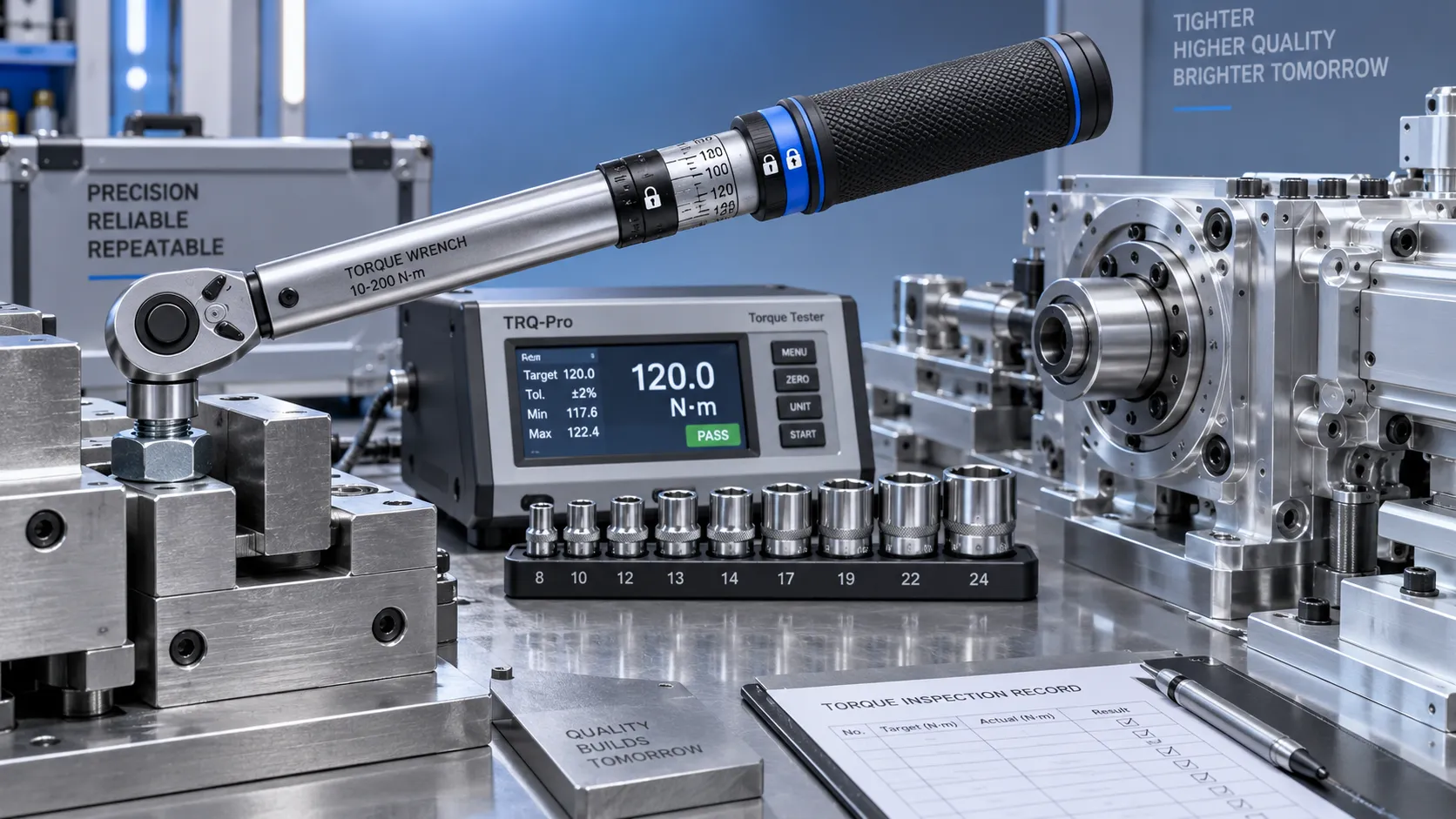
Selecting Adjustable Torque Tools for Repeatable Fastener Assembly
Adjustable torque tools: learn how to match range, accuracy, control methods, calibration, and ergonomics for repeatable, reliable fastener assembly.
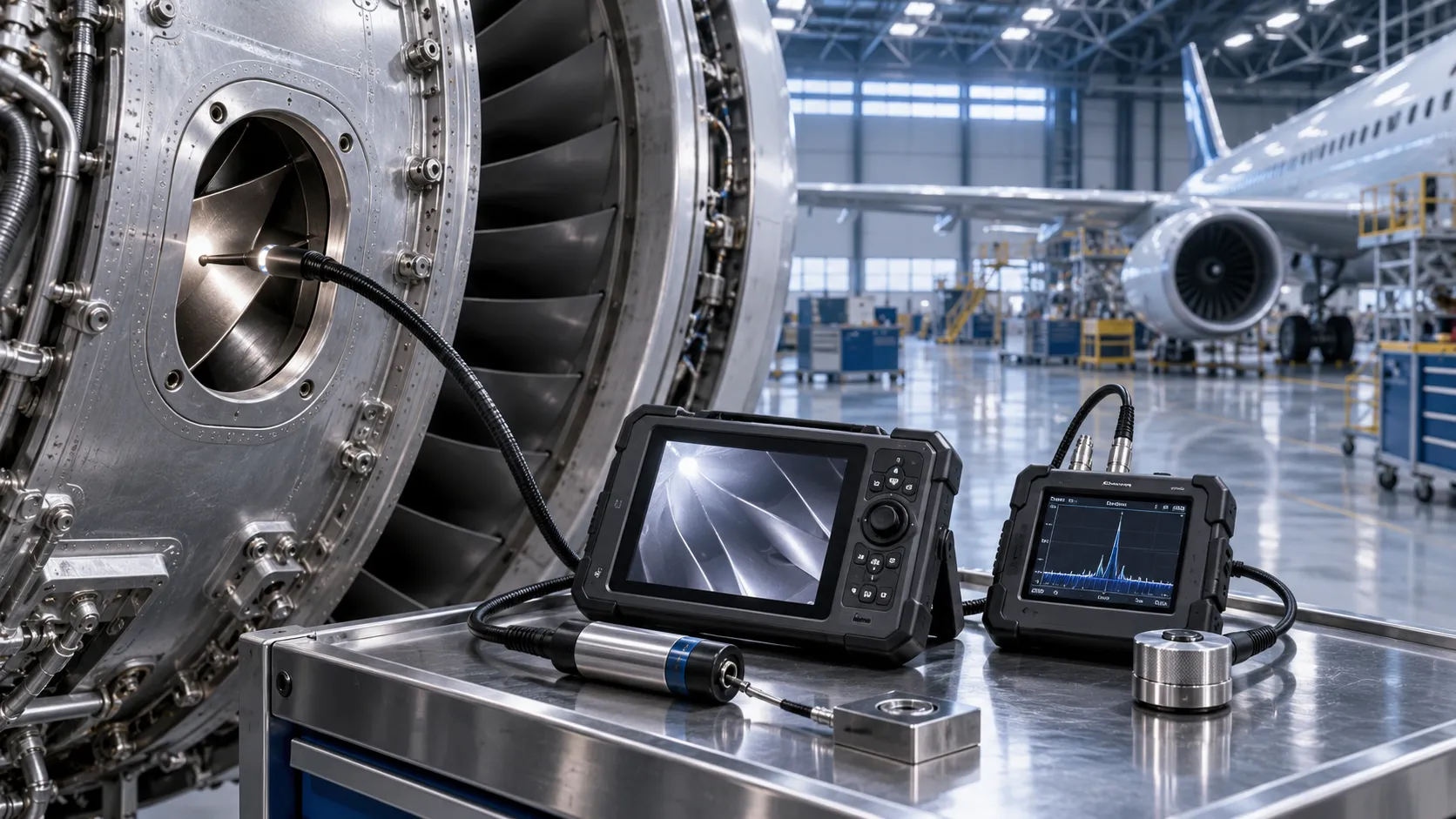
How to Select Aerospace Inspection Tools for Aircraft Maintenance Tasks
Aerospace maintenance inspection tools: learn how to select reliable, traceable equipment for aircraft access, accuracy, calibration, and compliant maintenance decisions.

How to Select Wire Bonding Tools for Fine-Pitch Semiconductor Packaging
Explore semiconductor manufacturing tools for wire bonding and learn how to select precision solutions for fine-pitch packaging, reliable loops, accuracy, and yield.
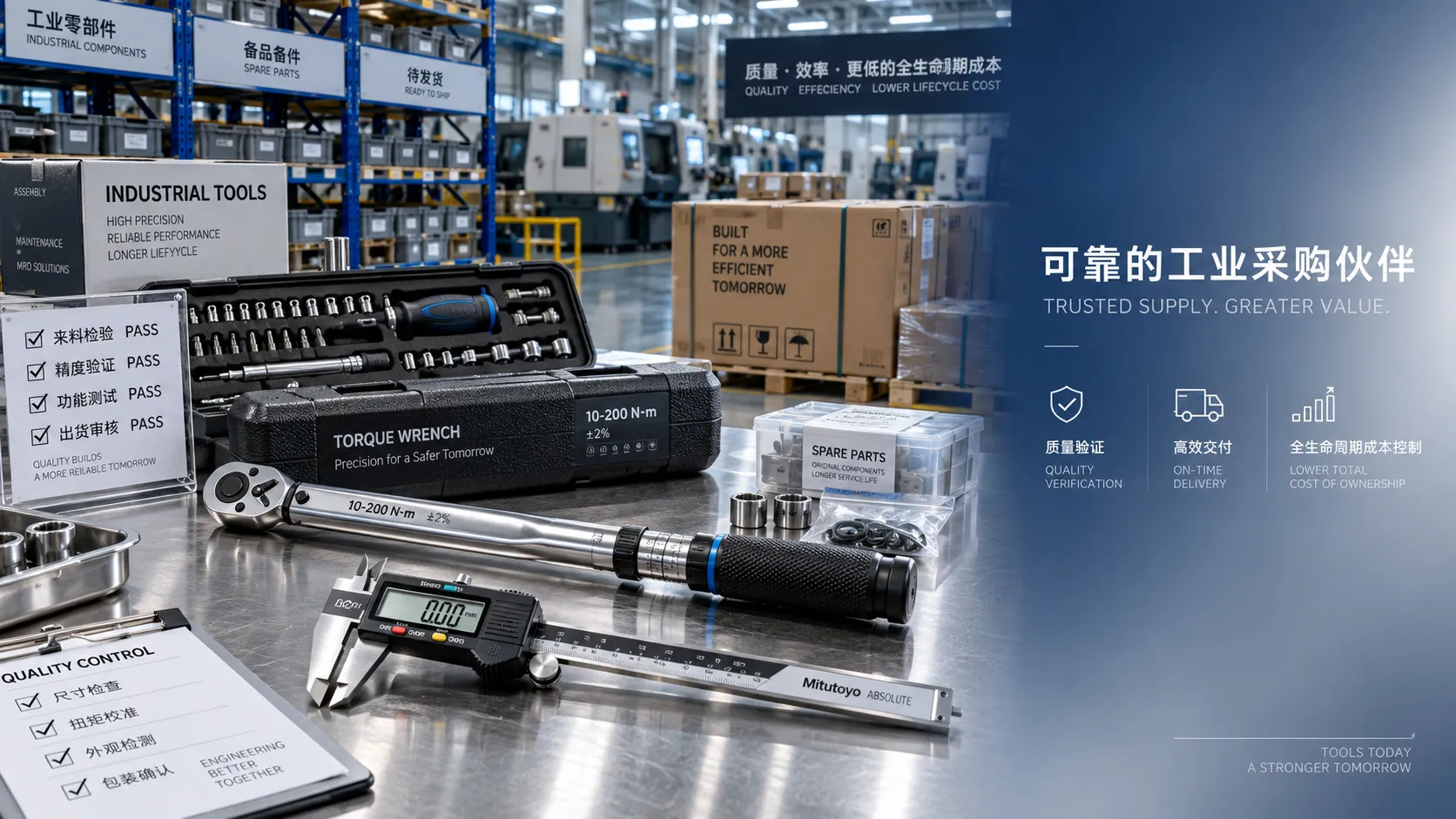
How to Compare Industrial Tool Suppliers for Quality, Lead Time, and Total Cost
Industrial tool selection supplier comparison made simple: evaluate quality, lead times, total cost, service, and supply resilience for confident sourcing decisions.
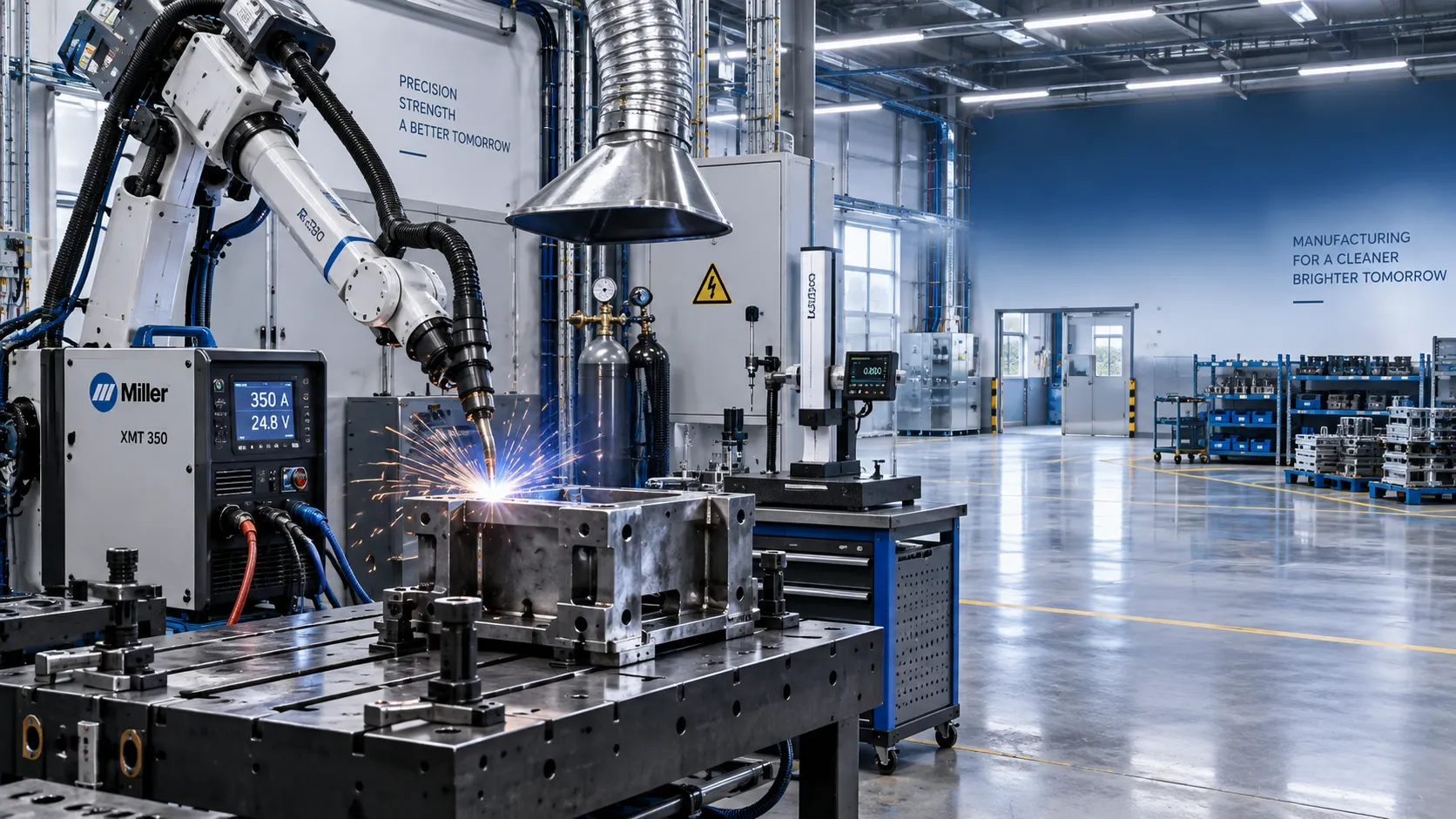
Industrial Equipment Application Guidance: Match Machines to Operating Conditions
Application guidance industrial equipment: match capacity, duty cycle, materials, site conditions, safety, and lifecycle cost to improve reliable output. Read the guide.
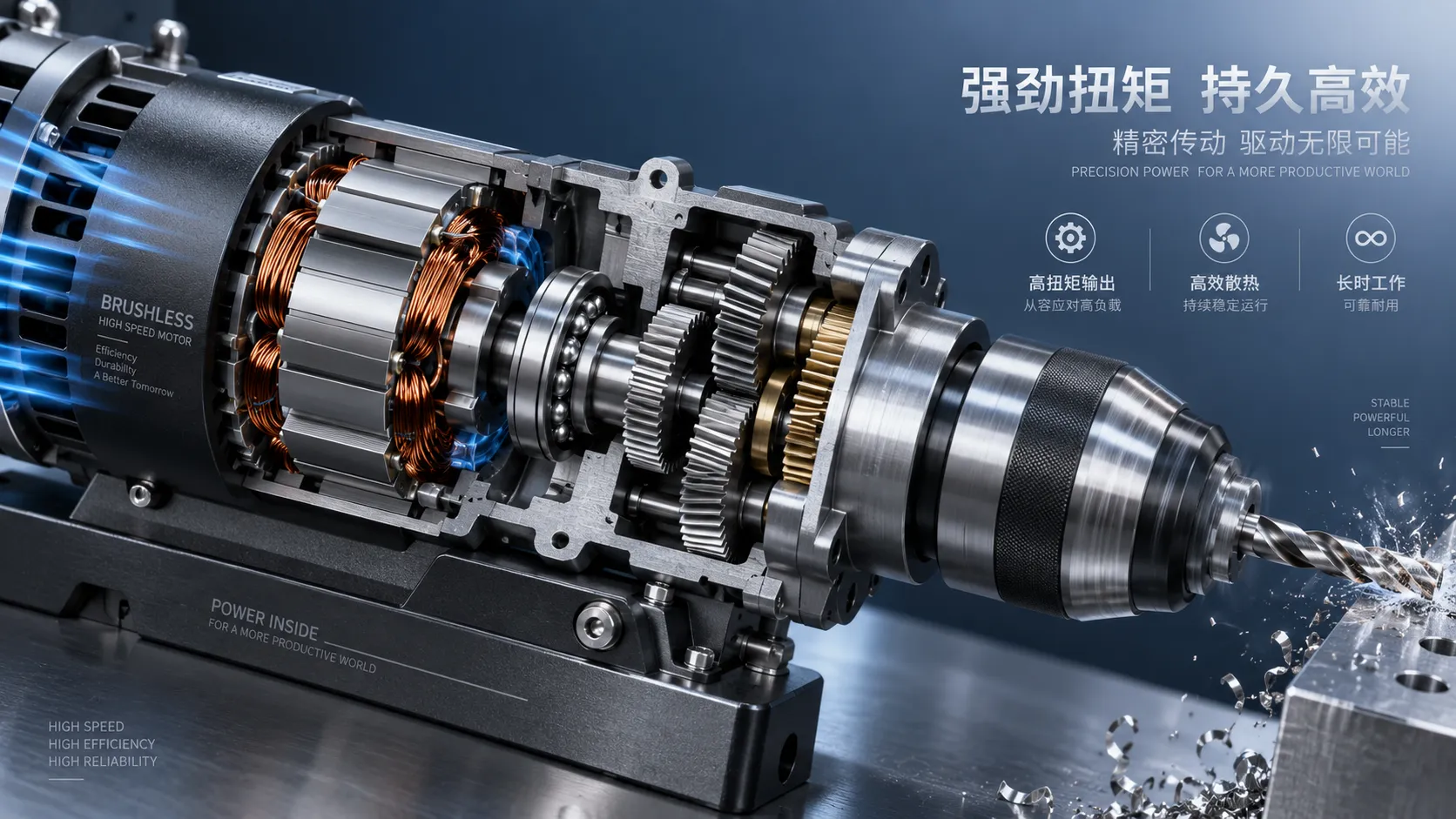
Selecting High-Speed Brushless Tool Motors for Torque, Heat, and Duty Cycle
High speed brushless tool motors: learn how to balance torque, heat, gearing, and duty cycle for reliable industrial tool performance and longer service life.
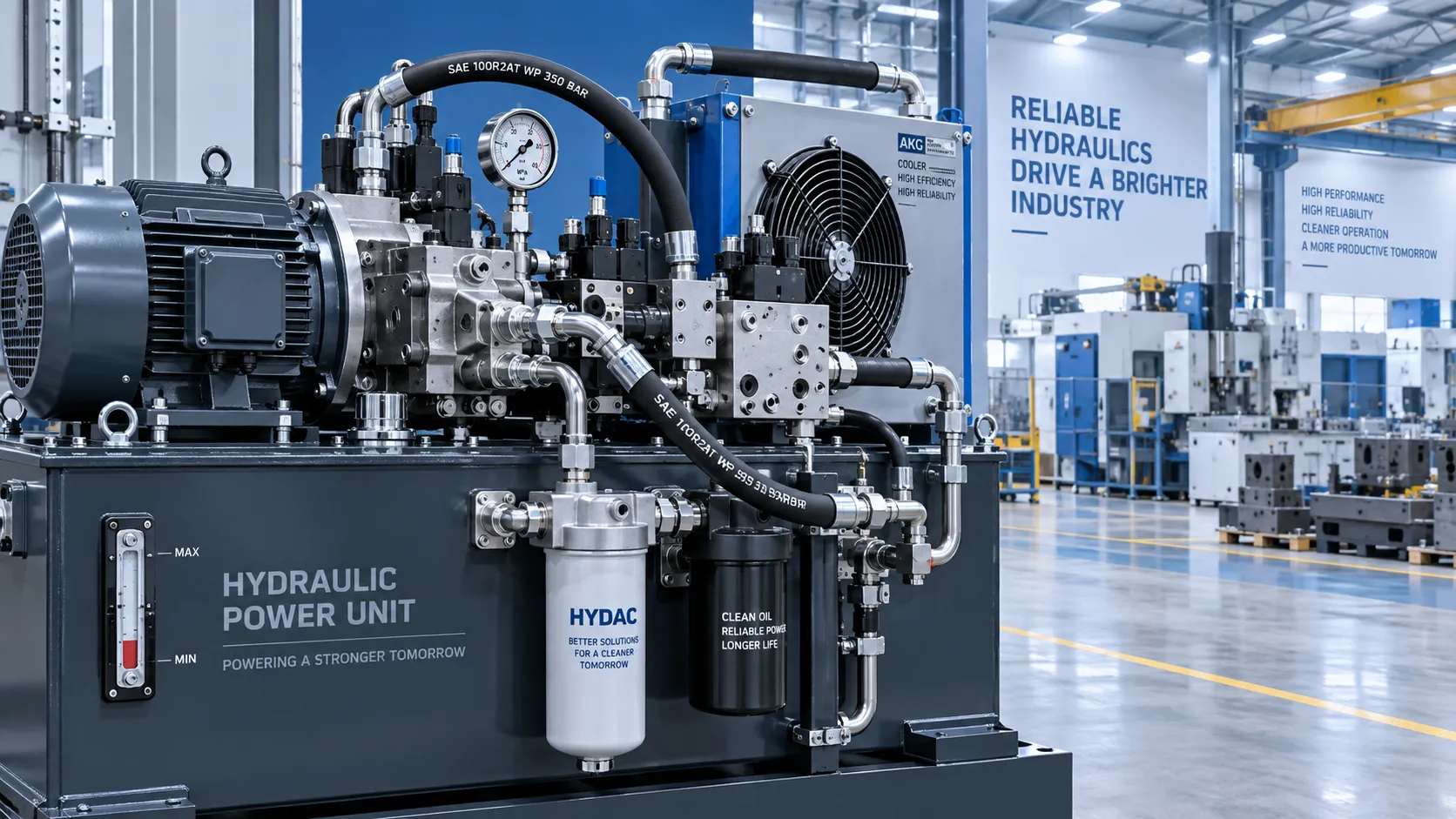
What Determines Industrial Hydraulic System Price for Heavy-Duty Equipment?
Industrial hydraulic system price depends on duty cycle, pressure, components, cooling, and integration. Compare quotes intelligently to secure reliable heavy-duty performance.
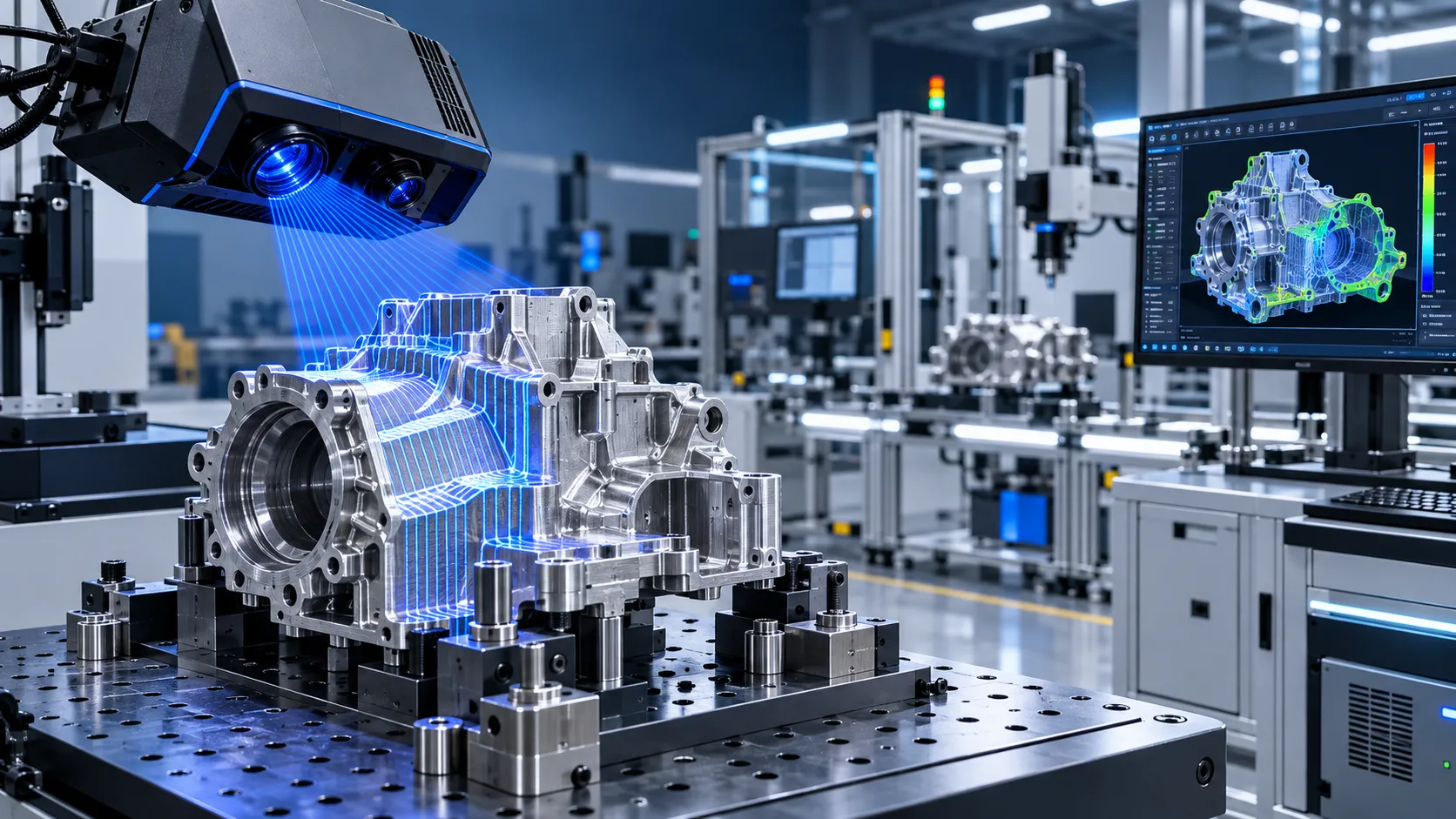
How to Select Optical Metrology Solutions for Tight-Tolerance Manufacturing
Optical industrial metrology solutions for tight-tolerance manufacturing: evaluate accuracy, surface compatibility, workflow, and traceability to select with confidence.
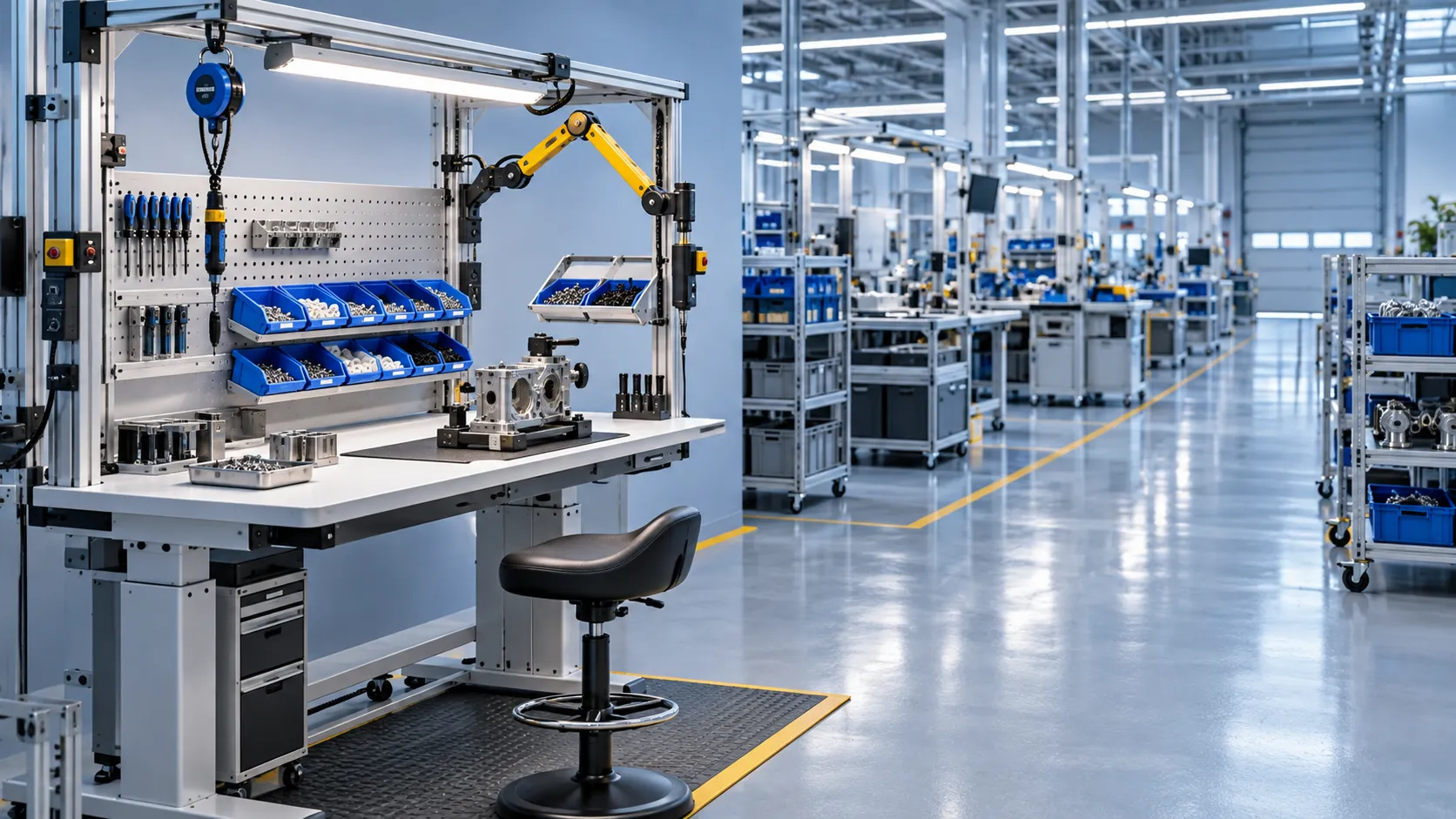
Ergonomic Standards for Assembly Workstations: A Practical Compliance Checklist
Ergonomic standards assembly checklist for safer, compliant workstations—optimize posture, reach, tools, manual handling, lighting, and repetition while supporting quality and productivity.
Related News
- 00
0000-00
Welding Fume Extraction PPE: When Respirators Are Not Enough for Shop Safety - 00
0000-00
Which ANSI Standards Apply to Welding Equipment in Industrial Fabrication? - 00
0000-00
How Energy-Efficient Welding Equipment Cuts Power Use in High-Volume Fabrication - 00
0000-00
Which ISO Standards Govern Welding Technology Quality Control and Qualification? - 00
0000-00
North American Welding Innovations Reshaping Automation, Quality, and Labor Productivity
Welding Metallurgy Expert
Weekly Insights
Stay ahead with our curated technology reports delivered every Monday.