
Brushless Motors or Brushed Motors for Long Duty Cycles?





For long duty cycles, choosing between brushed and brushless motors affects uptime, maintenance costs, thermal stability, and overall tool efficiency. For enterprise decision-makers evaluating industrial power tools, understanding how brushless motors perform under continuous operation is essential to balancing productivity, reliability, and lifecycle value. This article examines the key trade-offs to support smarter purchasing and equipment planning.
Understanding the Motor Choice in Continuous Industrial Work
In industrial environments, the question is rarely just whether a tool works. The more important question is how long it can work at a stable output, with acceptable heat, predictable maintenance, and manageable operating cost. This is where the comparison between brushed motors and brushless motors becomes highly relevant. In applications with long duty cycles, such as repetitive fastening, continuous grinding, fabrication support, inspection equipment handling, and repair operations, motor architecture directly influences productivity and asset performance.
Brushed motors use mechanical brushes to transfer electrical current to the rotating armature. Brushless motors replace this contact-based design with electronic commutation, usually supported by sensors and control electronics. On paper, both can power industrial tools effectively. In practice, however, long-duration work changes the equation. Heat buildup, wear rate, energy loss, and speed consistency become more important than simple starting torque or upfront purchase price.
For decision-makers in manufacturing, maintenance, metal joining, and precision tool management, the rise of brushless motors is tied to a broader shift toward efficiency, digital monitoring, and lower lifecycle disruption. This is especially relevant in sectors observed by industrial intelligence platforms such as GPTWM, where assembly tools, welding support equipment, and metrology-adjacent devices are increasingly evaluated on total value rather than initial unit cost alone.
What Brushless Motors Mean for Long Duty Cycles
A long duty cycle refers to equipment operating for extended periods, with limited cooling intervals or frequent repeated use. In such settings, the advantages of brushless motors become more visible because the motor is not just being tested for power, but for endurance. Electronic commutation reduces friction caused by brush contact, which helps lower wear and often improves efficiency. Less internal friction generally means less wasted energy converted into heat.
This matters because thermal stability is one of the main constraints on industrial tool performance. When motors overheat, operators may experience output drop, battery drain acceleration in cordless systems, shortened insulation life, and more frequent shutdowns. Brushless motors typically handle sustained workloads better because they can be designed to maintain speed under load with more intelligent current management. Many advanced systems also include overload protection and power optimization features that contribute to consistent performance over long duty cycles.
By contrast, brushed motors remain common in cost-sensitive tools and lighter-duty equipment. They are proven, simple, and easier to service in some contexts. Yet under continuous use, brush wear becomes a recurring factor. As brushes degrade, sparking, friction, and maintenance intervals can increase, which affects operational continuity. For enterprise users, the key issue is not that brushed motors are obsolete, but that their performance profile may be less favorable when uptime is a strategic priority.
Why the Industry Pays Attention to This Shift
The growing preference for brushless motors is linked to several broader industrial trends. First, labor efficiency has become more important as manufacturers and service providers try to reduce unplanned downtime and operator interruptions. Second, tool fleets are now managed more strategically, with purchasing teams looking beyond initial capex toward maintenance history, energy consumption, and service life. Third, cordless power systems and electronically controlled tools have matured, making brushless platforms more practical and scalable than they were a decade ago.
This shift also aligns with the increasing intelligence of industrial equipment. In assembly lines, field maintenance, and welding support applications, tools are no longer isolated devices. They are becoming part of connected workflows that involve torque traceability, usage analytics, and operator safety controls. Brushless motors fit well into this environment because they are inherently compatible with advanced electronic control. For organizations following trends in ergonomic standards, intelligent torque management, and equipment reliability, brushless motors often represent a stronger long-term platform.
At the same time, market volatility in materials, service labor, and compliance expectations has made lifecycle resilience more valuable. A tool that runs cooler, lasts longer, and needs fewer wear-part interventions may create measurable benefits across distributed operations, especially where replacement logistics or maintenance access are costly.
Core Performance Factors for Enterprise Evaluation
When comparing brushed and brushless motors for long duty cycles, enterprise buyers should avoid reducing the decision to a single performance claim. The better approach is to assess how the motor type affects a full operating profile. Several factors consistently matter in industrial decision-making.
The first is thermal behavior. Brushless motors typically generate less friction-related heat and can be paired with controls that better regulate current draw. The second is maintenance demand. Brushed motors require brush inspection and eventual replacement, while brushless motors usually shift the focus toward electronics quality and system-level durability. The third is energy efficiency. In battery-powered tools especially, better efficiency can mean longer runtime per charge and fewer charging interruptions. The fourth is speed and torque consistency under varying load conditions, which is important for repeatability in industrial processes.
Noise, vibration, and operator comfort may also influence the final decision. While these factors depend heavily on overall tool design, brushless motors often support smoother control characteristics that contribute to better usability over extended shifts. In environments where process quality depends on steadiness, this can matter as much as motor durability itself.
Industry Overview Table
The table below summarizes how brushed and brushless motors are typically viewed in long-duty industrial contexts.
Where Brushless Motors Deliver the Most Business Value
Not every industrial operation needs brushless motors, but some environments benefit more than others. High-cycle assembly stations are a strong example. If fastening tools are used continuously across shifts, lower maintenance interruption and stable output can improve throughput and quality consistency. The same logic applies to fabrication and metalworking support tools, where prolonged grinding, cutting assistance, or repetitive positioning tasks can stress the motor over time.
Field service operations also see clear value. Maintenance teams working in construction, heavy equipment support, or remote industrial sites often prioritize reliability and runtime because downtime is amplified by travel, access constraints, and service scheduling. Brushless motors may reduce the risk of mid-task failure or excessive heat during extended use, particularly in cordless platforms.
Even in precision-related workflows, such as tool-assisted inspection setups or controlled adjustment devices, brushless motors can support better repeatability. While these are not always the highest-power applications, they often require stable behavior over time. For decision-makers balancing process accuracy with tool longevity, the motor choice becomes part of broader equipment standardization strategy.
Application Classification Table
Common Misunderstandings in Motor Selection
A common mistake is assuming brushless motors are always the correct choice simply because they are newer or more advanced. In reality, suitability depends on workload profile, tool quality, control system design, and service strategy. A poorly engineered brushless tool may underperform a high-quality brushed tool in real operations. Decision-makers should evaluate the full platform, not just the motor label.
Another misunderstanding is focusing only on maintenance frequency while ignoring process risk. In long duty cycles, output instability, overheating, or speed variation can create hidden quality costs that exceed routine repair expenses. This is particularly important in welding preparation, assembly verification, and precision handling tasks, where performance drift may affect downstream outcomes.
It is also important not to separate motor selection from ergonomics and safety. As industrial tool standards evolve toward lighter, smarter, and more operator-friendly systems, brushless motors often support compact design and improved electronic safeguards. These benefits may not appear immediately in a simple cost comparison, but they matter in enterprise-scale deployment.
Practical Evaluation Guidance for Decision-Makers
A structured evaluation process helps organizations determine whether brushless motors justify the investment. First, map the actual duty cycle of each tool category. Separate high-cycle, mission-critical tools from intermittent-use tools. Second, collect performance data on heat buildup, maintenance intervals, runtime, and operator feedback. Third, compare total cost of ownership over realistic service periods rather than annual purchase price alone.
Pilot programs are especially useful. Instead of converting an entire fleet at once, test brushless motors in the applications most exposed to downtime or thermal stress. This can reveal whether the expected benefits appear under real load conditions. Decision-makers should also review supplier support, electronics durability, spare parts access, and integration compatibility with existing battery or control ecosystems.
Finally, connect the motor decision to broader operational strategy. If the organization is moving toward connected tools, digital traceability, lower maintenance intervention, or global standardization, brushless motors may offer stronger alignment. If usage remains light and budgets are highly constrained, brushed motors can still be a rational option in selected categories.
A Balanced Path Forward
For long duty cycles, brushless motors usually provide meaningful advantages in efficiency, thermal control, reliability, and lifecycle stability. These advantages become more valuable as industrial operations seek higher uptime, better process consistency, and more intelligent equipment management. However, the strongest decisions come from matching motor technology to workload reality rather than following market trends blindly.
For enterprise leaders in assembly, welding support, maintenance, and precision tool management, the right question is not simply brushed versus brushless. It is which motor platform best supports output continuity, service strategy, and long-term operational value. By evaluating duty cycle demands carefully and using lifecycle metrics instead of headline specifications alone, organizations can make better tool investments and build a more resilient industrial equipment portfolio.
If your team is reviewing power tool strategy, fleet modernization, or application-specific performance standards, now is the right time to benchmark where brushless motors can create measurable gains and where traditional solutions still remain practical.
Related News
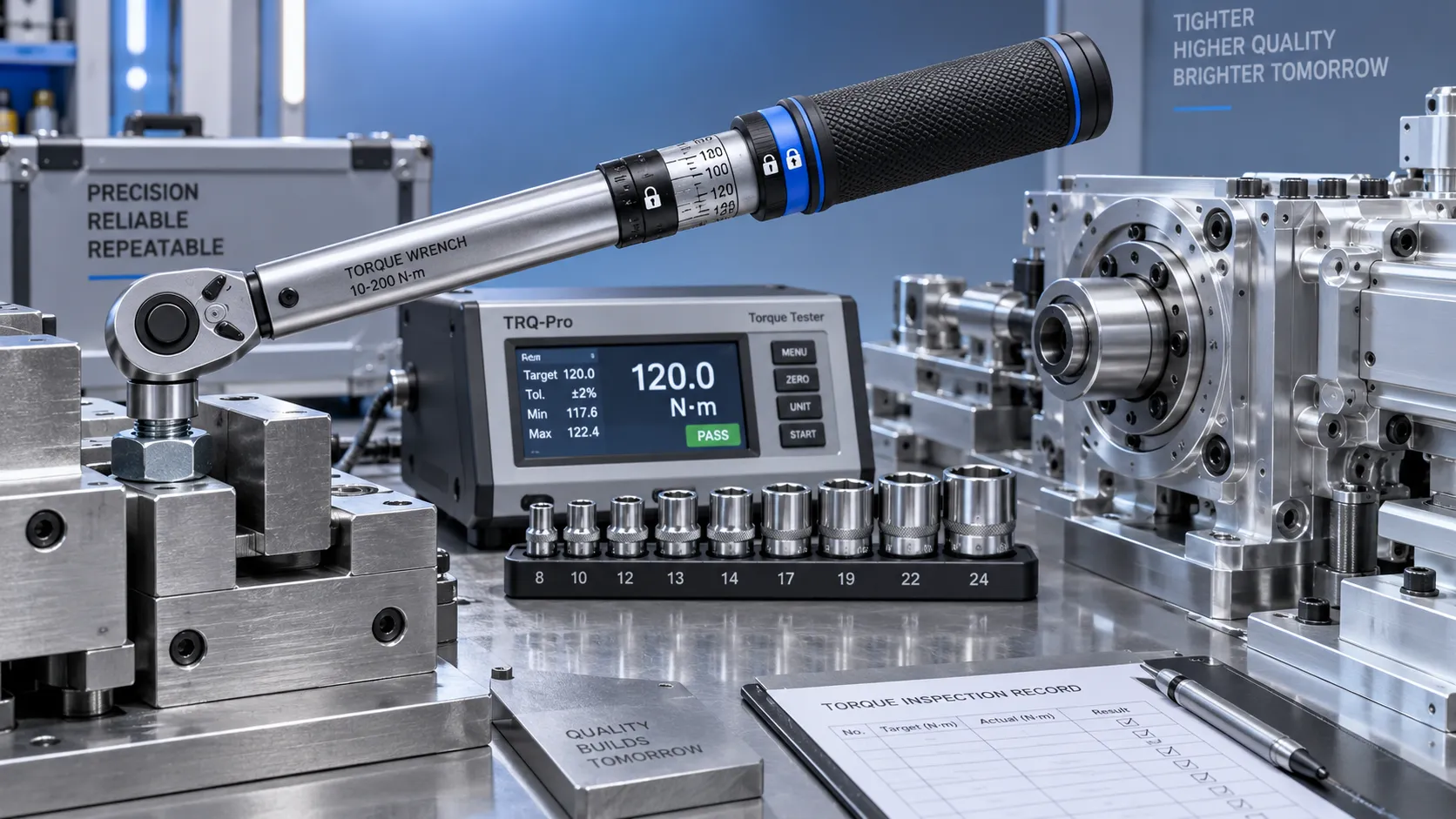
Selecting Adjustable Torque Tools for Repeatable Fastener Assembly
Adjustable torque tools: learn how to match range, accuracy, control methods, calibration, and ergonomics for repeatable, reliable fastener assembly.
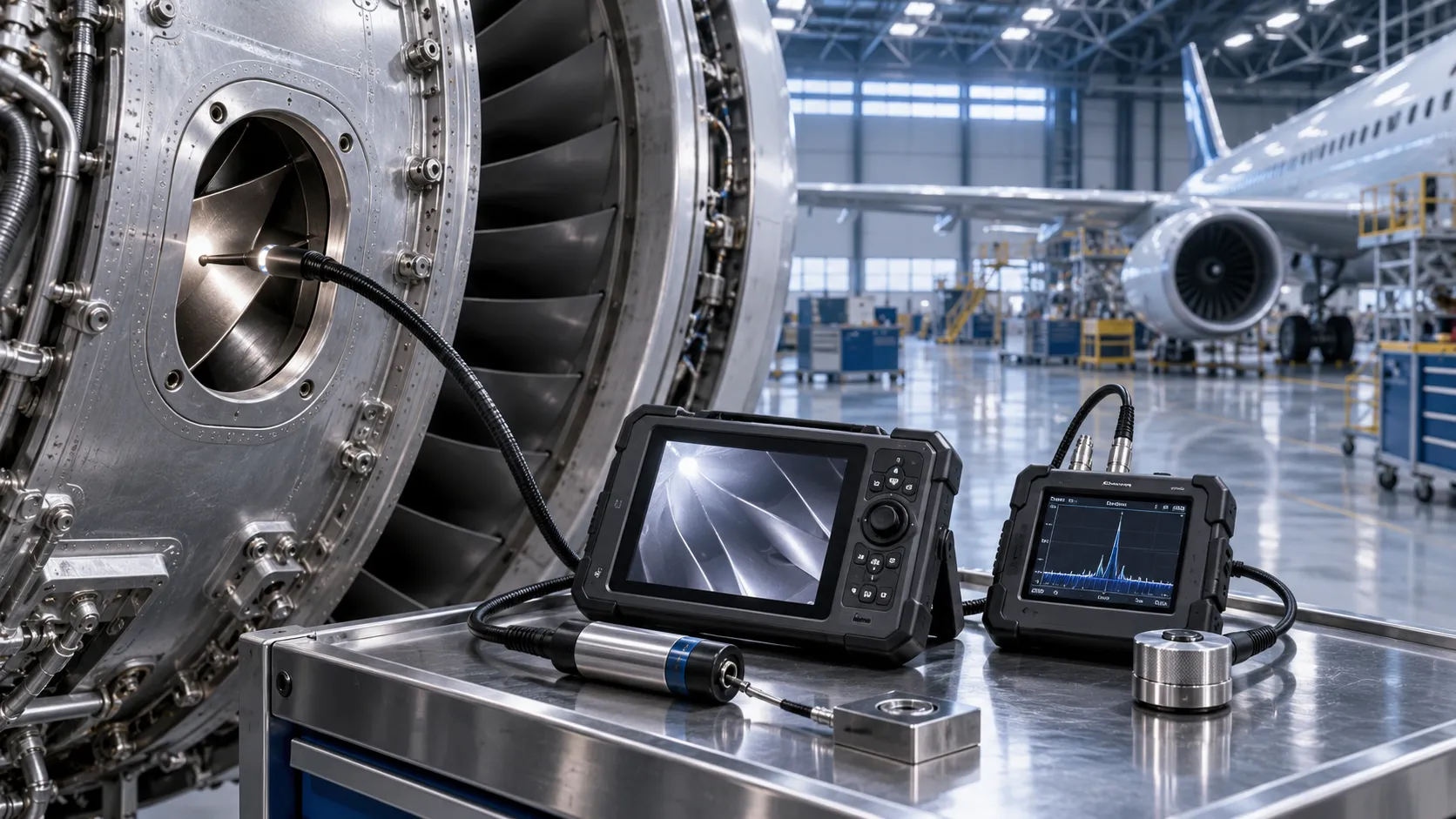
How to Select Aerospace Inspection Tools for Aircraft Maintenance Tasks
Aerospace maintenance inspection tools: learn how to select reliable, traceable equipment for aircraft access, accuracy, calibration, and compliant maintenance decisions.
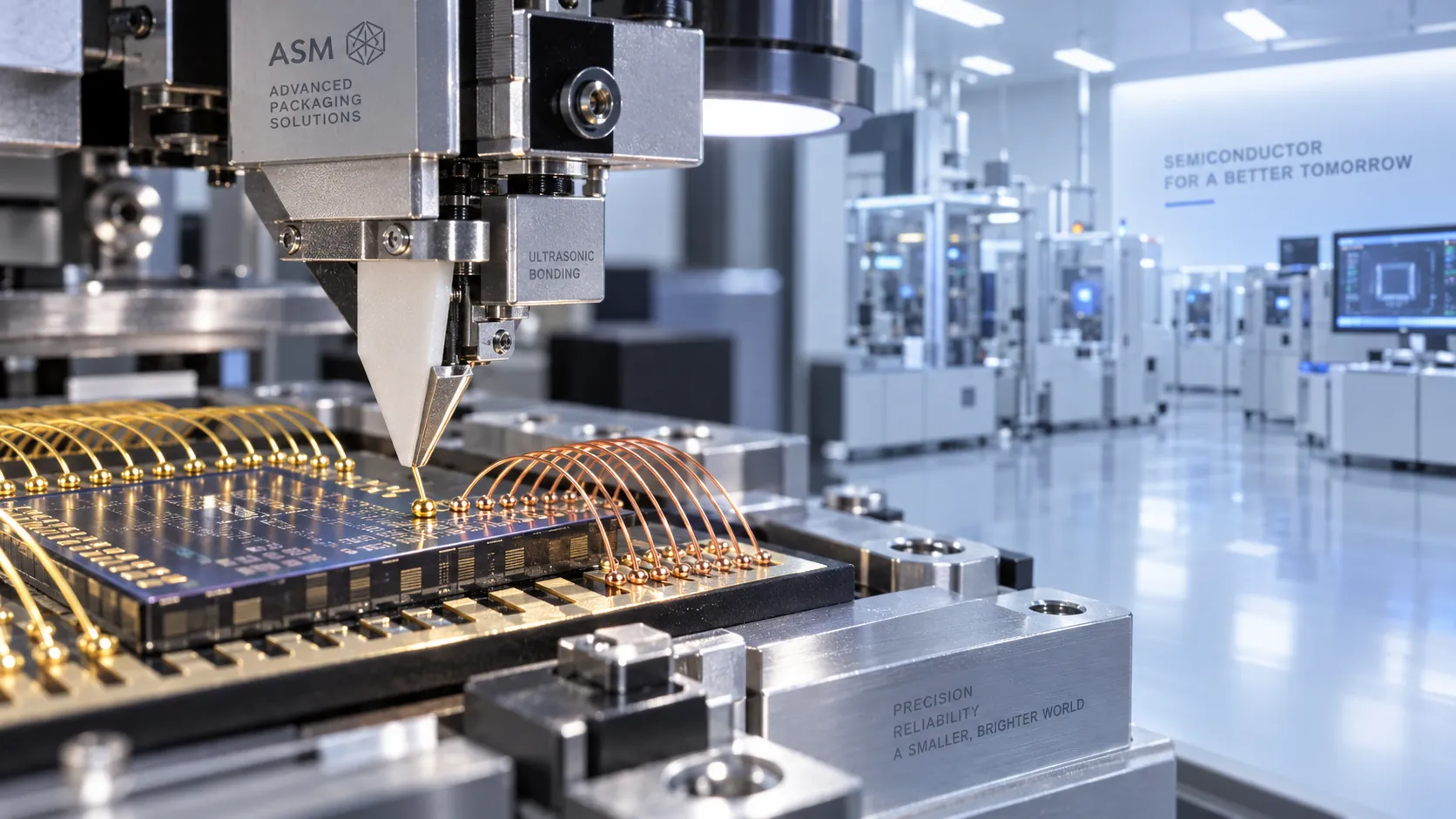
How to Select Wire Bonding Tools for Fine-Pitch Semiconductor Packaging
Explore semiconductor manufacturing tools for wire bonding and learn how to select precision solutions for fine-pitch packaging, reliable loops, accuracy, and yield.
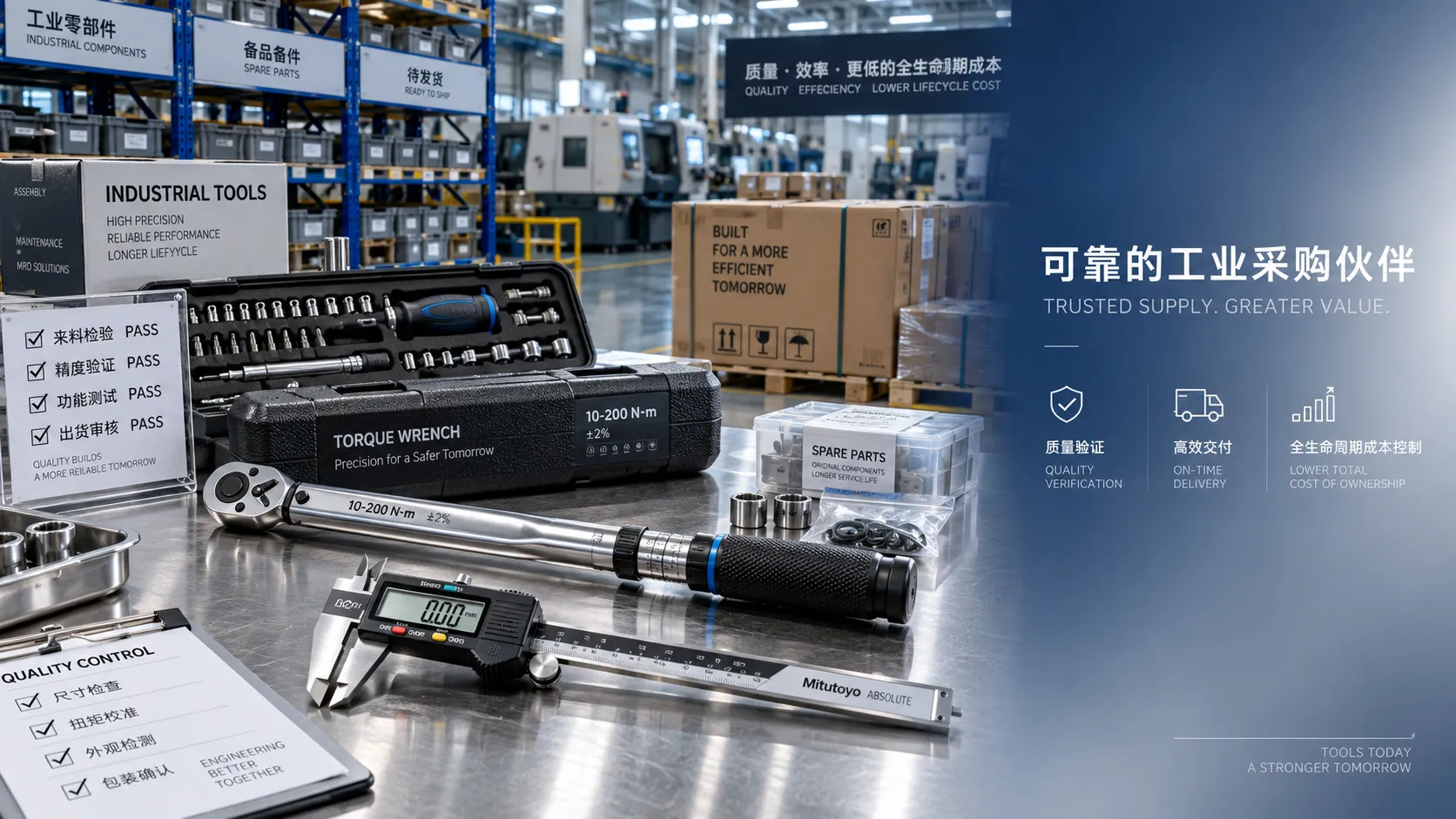
How to Compare Industrial Tool Suppliers for Quality, Lead Time, and Total Cost
Industrial tool selection supplier comparison made simple: evaluate quality, lead times, total cost, service, and supply resilience for confident sourcing decisions.
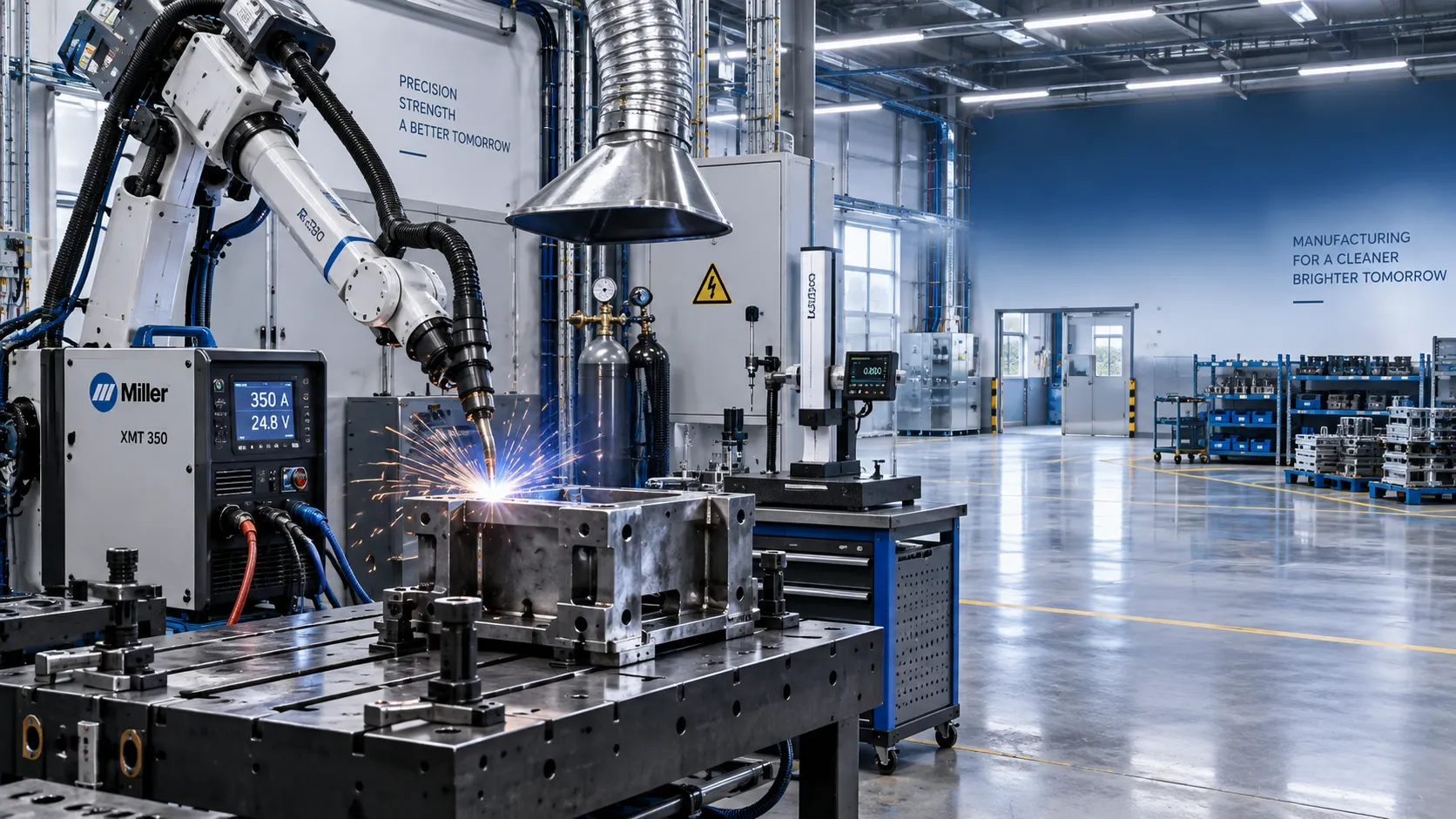
Industrial Equipment Application Guidance: Match Machines to Operating Conditions
Application guidance industrial equipment: match capacity, duty cycle, materials, site conditions, safety, and lifecycle cost to improve reliable output. Read the guide.
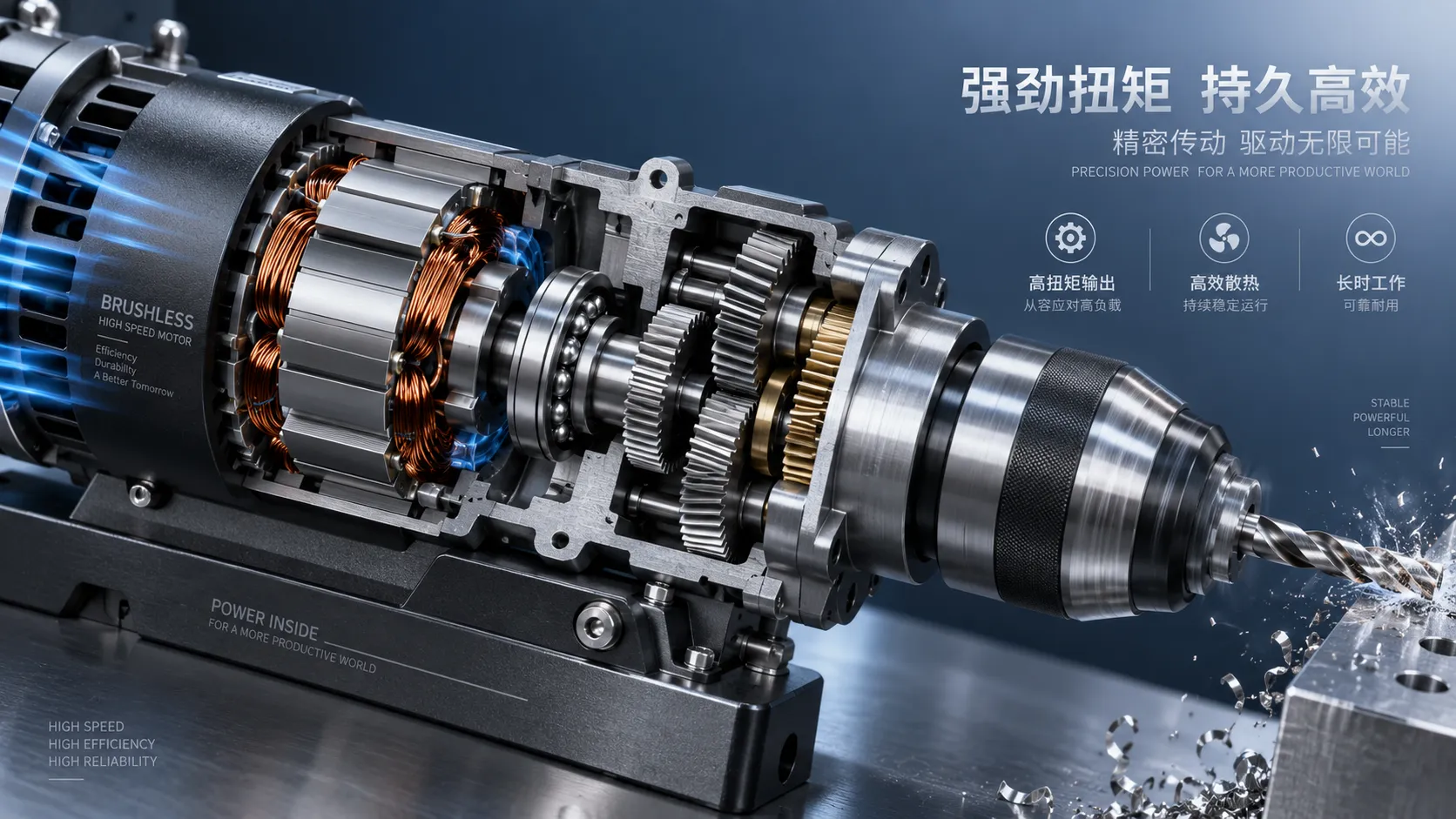
Selecting High-Speed Brushless Tool Motors for Torque, Heat, and Duty Cycle
High speed brushless tool motors: learn how to balance torque, heat, gearing, and duty cycle for reliable industrial tool performance and longer service life.
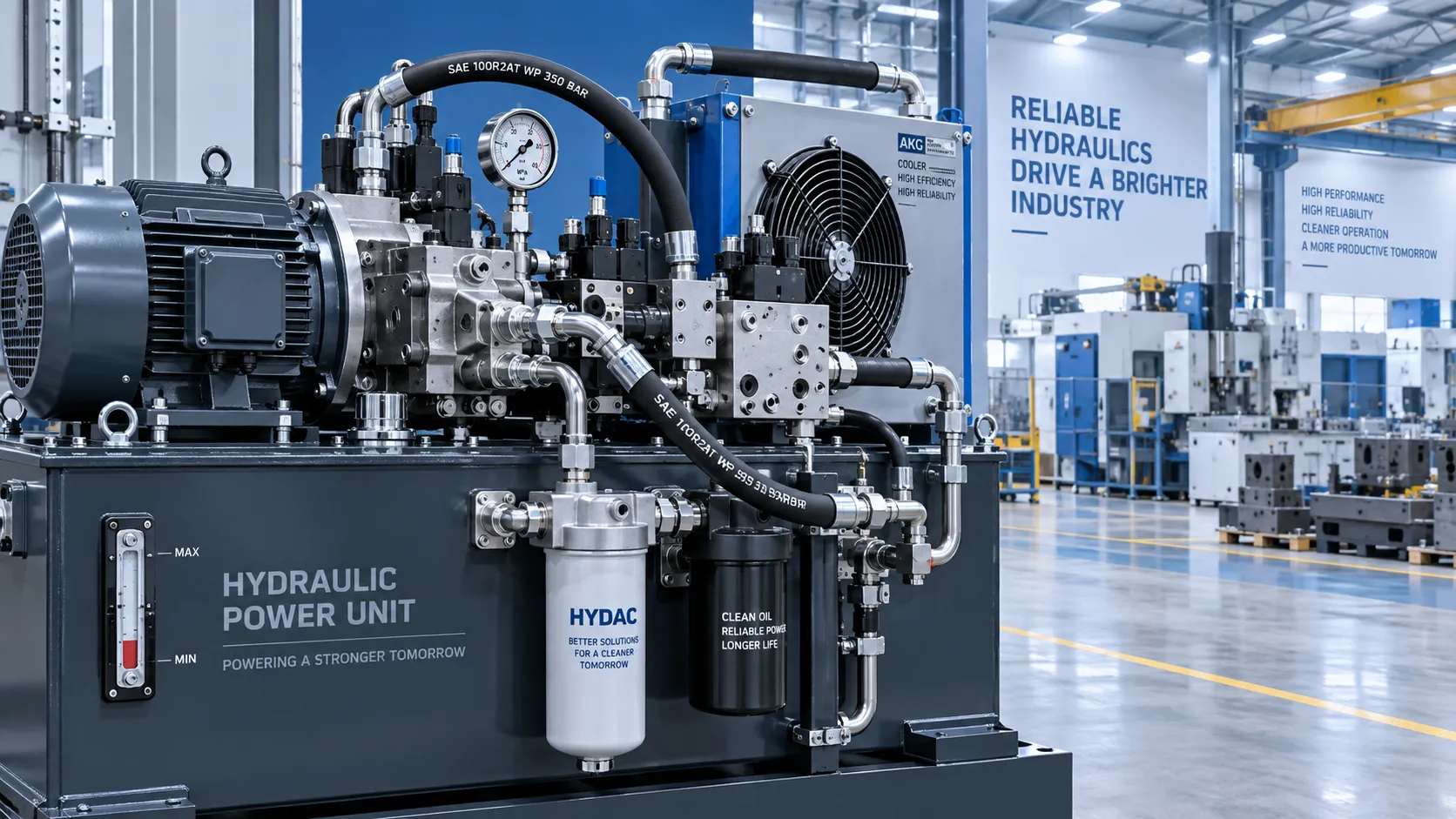
What Determines Industrial Hydraulic System Price for Heavy-Duty Equipment?
Industrial hydraulic system price depends on duty cycle, pressure, components, cooling, and integration. Compare quotes intelligently to secure reliable heavy-duty performance.
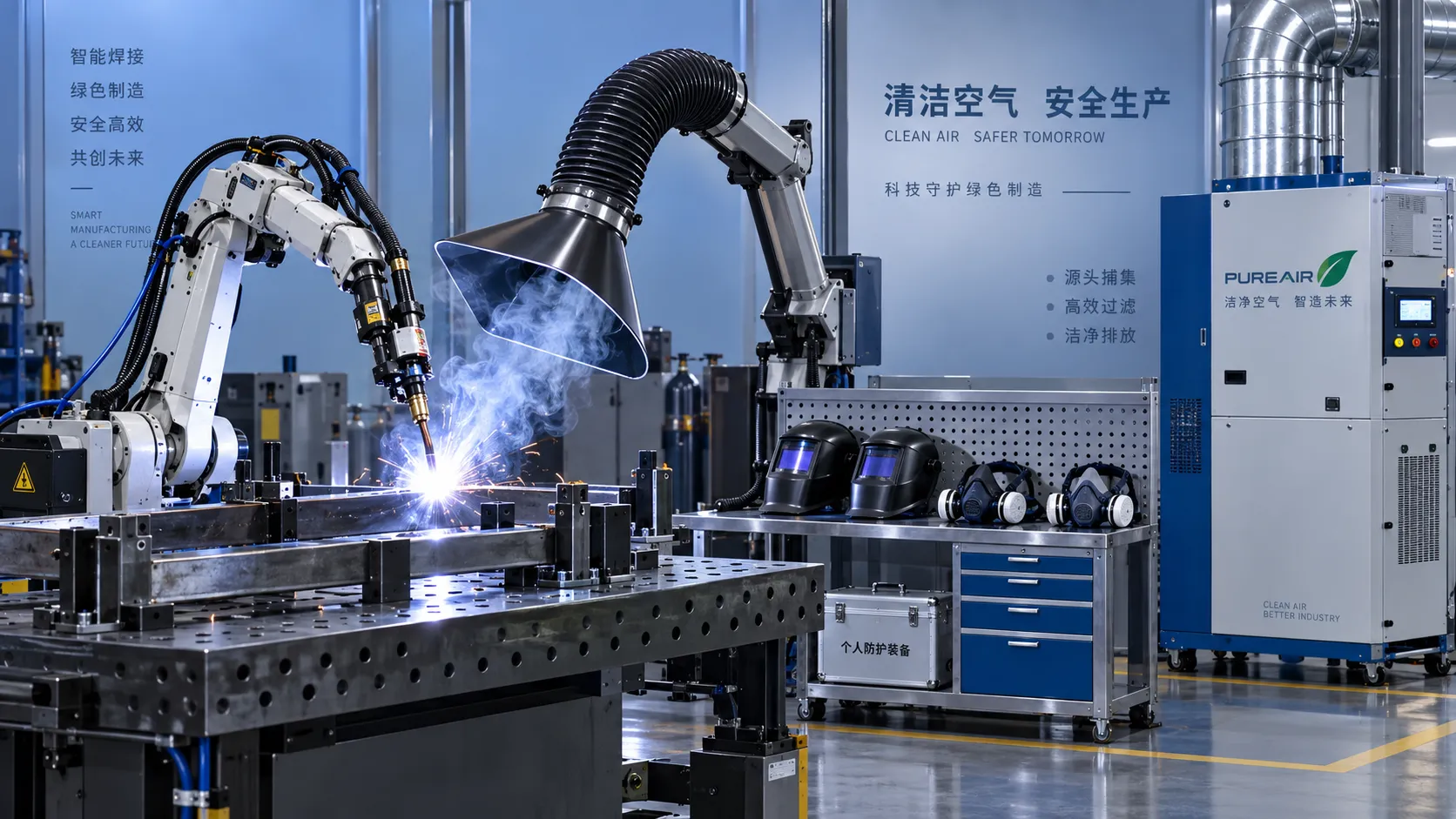
Welding Fume Extraction PPE: When Respirators Are Not Enough for Shop Safety
Welding fume extraction PPE: learn why respirators alone fall short and how source capture, ventilation, and layered controls improve shop safety.
How to Select Optical Metrology Solutions for Tight-Tolerance Manufacturing
Optical industrial metrology solutions for tight-tolerance manufacturing: evaluate accuracy, surface compatibility, workflow, and traceability to select with confidence.
Related News
- 00
0000-00
How to Select Battery Assembly Tools for Torque Control and High-Volume Production - 00
0000-00
How Battery, Torque, and Duty Cycle Affect Cordless Power Tool Efficiency - 00
0000-00
How to Size High-Torque Tool Motors for Continuous-Duty Assembly Lines - 00
0000-00
How to Choose 24V Brushless Tool Motors for Torque, Runtime, and Duty Cycle? - 00
0000-00
Automotive Repair Tools List: What Every Workshop Needs for Daily Service Jobs
Electro-Mech Tool Designer
Weekly Insights
Stay ahead with our curated technology reports delivered every Monday.