
Industrial Tools Prices Stay High Even as Demand Slows





Industrial tools prices remain elevated even as buying momentum weakens, creating fresh uncertainty for manufacturers, distributors, and sourcing teams. For information researchers tracking cost pressure and market direction, this shift raises critical questions about supply constraints, raw material trends, and demand resilience. In this article, GPTWM examines why industrial tools continue to command high prices and what this means for global industrial decision-making.
Why a checklist approach is the best way to read the current industrial tools market
When demand slows, many observers expect prices to fall quickly. In the industrial tools market, that assumption often fails. Pricing is shaped not only by order volume, but also by steel and alloy inputs, energy costs, freight, labor, compliance requirements, inventory quality, and the replacement cycle of professional users. For information researchers, a checklist approach is more useful than a broad market summary because it helps separate short-term noise from structural pricing pressure.
This matters across the broader industrial economy. Industrial tools are tied to assembly, metal joining, repair operations, maintenance cycles, and precision measurement. Even if construction, automotive aftermarket activity, or export manufacturing slows, buyers may still prioritize mission-critical tools, calibrated instruments, and welding equipment. That is why high industrial tools prices can coexist with weaker visible demand.
First check: the six signals that explain why industrial tools prices stay high
Before drawing conclusions, researchers should confirm the following signals. These are the most practical checkpoints for interpreting today’s industrial tools pricing environment.
- Raw material costs remain sticky. Tool steel, alloy components, copper, aluminum, engineered plastics, and electronic parts may soften more slowly than finished goods demand. In many product lines, cost reductions lag market slowdowns by one or two procurement cycles.
- Energy and manufacturing overhead still matter. Heat treatment, forging, machining, battery pack assembly, and metrology calibration all carry energy-intensive cost structures. Even when order books slow, factories cannot instantly remove these fixed expenses.
- Inventory is not always low-cost inventory. Many distributors are still selling stock acquired during higher-cost periods. This delays price declines because sellers must protect gross margin and avoid writing down inventory too aggressively.
- Product mix is shifting toward higher-value categories. Basic hand tools may face weaker turnover, but cordless systems, laser-assisted equipment, welding safety accessories, and precision measuring devices can keep average industrial tools prices elevated.
- Compliance and certification add cost. Export standards, battery transport rules, worker safety requirements, and calibration traceability all increase the cost base, especially for tools sold into regulated industrial sectors.
- Professional buyers delay purchases but do not eliminate them. Maintenance, repair, aerospace servicing, infrastructure work, and plant reliability programs still require dependable industrial tools, even when new capital spending slows.
Core checklist: how to judge whether current price strength is temporary or structural
A useful research question is not simply “Are prices high?” but “What type of price strength are we seeing?” The checklist below helps identify whether the industrial tools market is experiencing temporary resistance or a deeper structural shift.
1. Check input cost direction, not just spot prices
Researchers should compare spot commodity prices with contract pricing, lead times, and supplier pass-through timing. A decline in headline steel prices does not automatically reduce industrial tools prices if manufacturers are still processing older, expensive material commitments. The key standard is whether cost declines are broad, sustained, and visible in supplier invoices.
2. Check channel inventory age and discount behavior
Ask whether distributors are carrying aged inventory, premium branded stock, or recent imports at elevated landed cost. If discounting is selective and limited to slow-moving SKUs rather than broad catalog price cuts, pricing remains structurally supported. Deep markdowns in entry-level products alone do not mean the whole industrial tools market is softening.
3. Check replacement demand versus expansion demand
Expansion demand comes from new projects and capital build-outs. Replacement demand comes from wear, safety requirements, calibration drift, and operational uptime needs. If replacement demand remains steady, industrial tools prices can stay firm despite weak project-led purchasing. This is especially true in welding, measurement, and critical maintenance tools.
4. Check labor economics and productivity value
A high tool price may still be acceptable if it reduces labor time, rework, or operator fatigue. In today’s market, many buyers evaluate industrial tools on total productivity rather than purchase price alone. Tools with better ergonomics, brushless systems, torque accuracy, or digital traceability often hold pricing because they solve labor efficiency problems.
5. Check regional supply chain friction
Freight normalization has improved in many corridors, but regional friction remains. Customs checks, export restrictions, battery shipping rules, and local certification delays can keep industrial tools prices high in specific markets even if global demand weakens. Researchers should avoid relying on one-country data to explain a worldwide pattern.
A practical comparison table for information researchers
The table below provides a quick judgment framework for analyzing industrial tools prices under slowing demand conditions.
What different market participants should check first
For manufacturers
Manufacturers should first confirm whether price resistance is coming from real cost pressure or from strategic margin protection. Review component sourcing contracts, calibration and certification costs, energy intensity by product family, and the share of premium products in shipments. In the industrial tools sector, margin quality often depends more on mix than on volume alone.
For distributors and importers
Distributors should focus on inventory age, reorder timing, and customer segment behavior. If customers are postponing large orders but still replenishing core maintenance items, broad price cuts may be unnecessary. The more useful action is to separate slow-moving promotional stock from strategic industrial tools lines that still carry pricing power.
For procurement and sourcing teams
Procurement teams should not measure value by unit cost only. They should compare tool life, battery cycle performance, downtime risk, calibration intervals, service availability, and operator productivity. In a slower market, the temptation is to trade down; however, for many industrial tools applications, a cheaper product may increase total operating cost.
For information researchers and analysts
Analysts should triangulate trade data, distributor commentary, industrial output trends, and pricing by category. It is important to separate hand tools, power tools, welding equipment, and precision metrology devices, because each responds differently to demand softness. A single “industrial tools” average can hide major differences between commodity lines and mission-critical equipment.
Commonly overlooked risks that distort price analysis
- Confusing lower order frequency with collapsing demand. Buyers may order less often while keeping annual consumption relatively stable.
- Ignoring after-sales cost. Warranty support, spare parts, calibration service, and training influence real industrial tools economics.
- Using headline inflation as the only benchmark. Category-specific cost pressure matters more than general inflation numbers.
- Missing regulatory timing. A new safety or shipping rule can raise cost before end users fully recognize the impact.
- Assuming all geographies move together. Regional industrial policies, labor costs, and port efficiency create uneven pricing outcomes.
Execution guide: what to prepare before making a market judgment or sourcing decision
If a company needs to interpret the current industrial tools market with confidence, it should prepare a short but disciplined information pack. This improves both internal decision-making and supplier negotiation quality.
- A category breakdown showing which industrial tools are critical, replaceable, or deferrable.
- A 6- to 12-month view of consumption, not just the latest purchase cycle.
- Supplier-level data on lead times, minimum order quantities, and surcharge trends.
- A landed-cost comparison by origin, including freight, duty, certification, and service support.
- Field feedback from operators, maintenance teams, and quality personnel on real performance differences.
- Scenario planning for price normalization, price stickiness, or renewed cost escalation.
FAQ: key questions about industrial tools prices under soft demand
Are high industrial tools prices a sign of strong end demand?
Not necessarily. High prices may reflect sticky input costs, premium product mix, compliance burdens, or inventory carried at higher cost. Demand can be slow while prices remain firm.
Which categories tend to resist price declines the most?
Precision measurement tools, specialized welding systems, cordless professional platforms, and safety-linked equipment often resist price declines better than basic commodity tools because users depend on performance, reliability, and traceability.
What is the clearest sign that prices may finally soften?
Broad-based discounting across brands, lower reorder cost from manufacturers, improving inventory turnover, and visible reductions in total landed cost together are stronger signals than isolated promotions.
Final takeaway and next-step guidance
For researchers, the central lesson is clear: industrial tools prices should be judged through a multi-factor checklist, not through demand data alone. Slower buying momentum can coexist with elevated pricing when material costs are sticky, inventory was acquired at high cost, compliance burdens rise, and professional users continue to prioritize uptime and precision. That is why the industrial tools market still deserves close, category-by-category analysis.
If your team needs to move from observation to action, the most useful next step is to confirm five items with suppliers or market partners: current cost drivers, category-specific demand changes, stock age, lead-time direction, and the real performance gap between standard and premium industrial tools. For companies evaluating sourcing plans, product positioning, or market entry opportunities, those questions will produce better decisions than simply waiting for prices to fall.
Related News
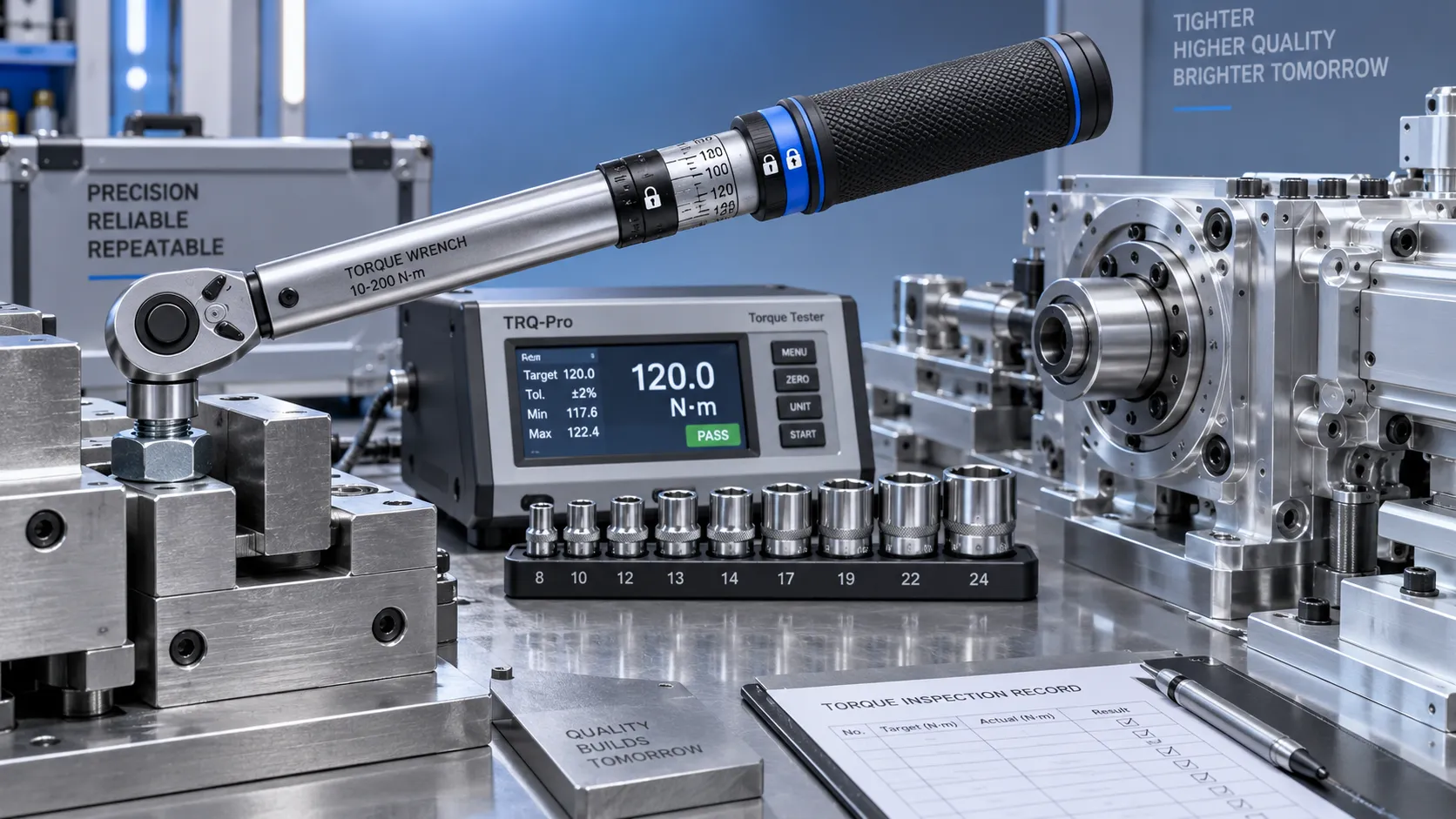
Selecting Adjustable Torque Tools for Repeatable Fastener Assembly
Adjustable torque tools: learn how to match range, accuracy, control methods, calibration, and ergonomics for repeatable, reliable fastener assembly.

How to Select Aerospace Inspection Tools for Aircraft Maintenance Tasks
Aerospace maintenance inspection tools: learn how to select reliable, traceable equipment for aircraft access, accuracy, calibration, and compliant maintenance decisions.

How to Select Wire Bonding Tools for Fine-Pitch Semiconductor Packaging
Explore semiconductor manufacturing tools for wire bonding and learn how to select precision solutions for fine-pitch packaging, reliable loops, accuracy, and yield.
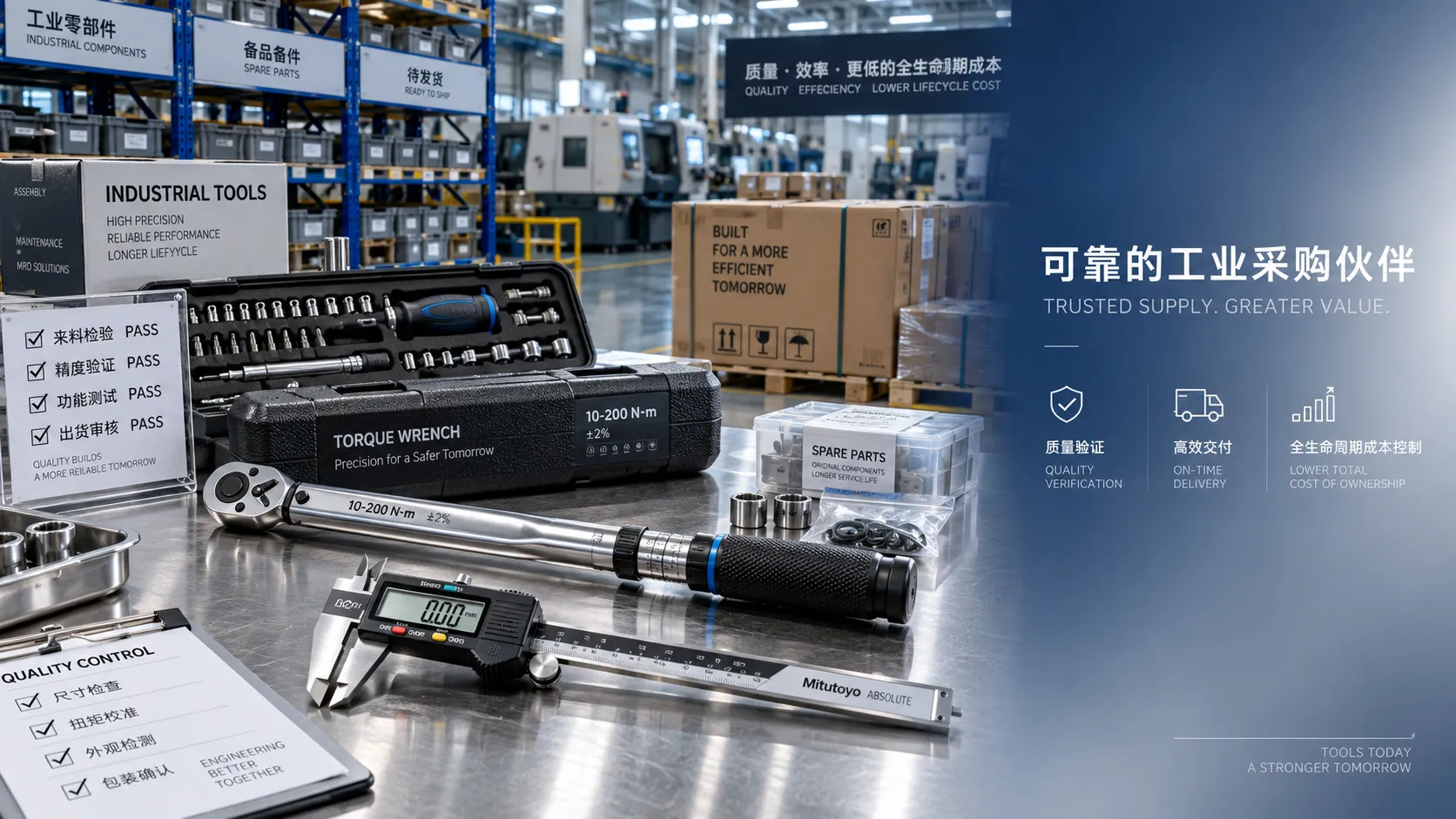
How to Compare Industrial Tool Suppliers for Quality, Lead Time, and Total Cost
Industrial tool selection supplier comparison made simple: evaluate quality, lead times, total cost, service, and supply resilience for confident sourcing decisions.

Industrial Equipment Application Guidance: Match Machines to Operating Conditions
Application guidance industrial equipment: match capacity, duty cycle, materials, site conditions, safety, and lifecycle cost to improve reliable output. Read the guide.

Selecting High-Speed Brushless Tool Motors for Torque, Heat, and Duty Cycle
High speed brushless tool motors: learn how to balance torque, heat, gearing, and duty cycle for reliable industrial tool performance and longer service life.
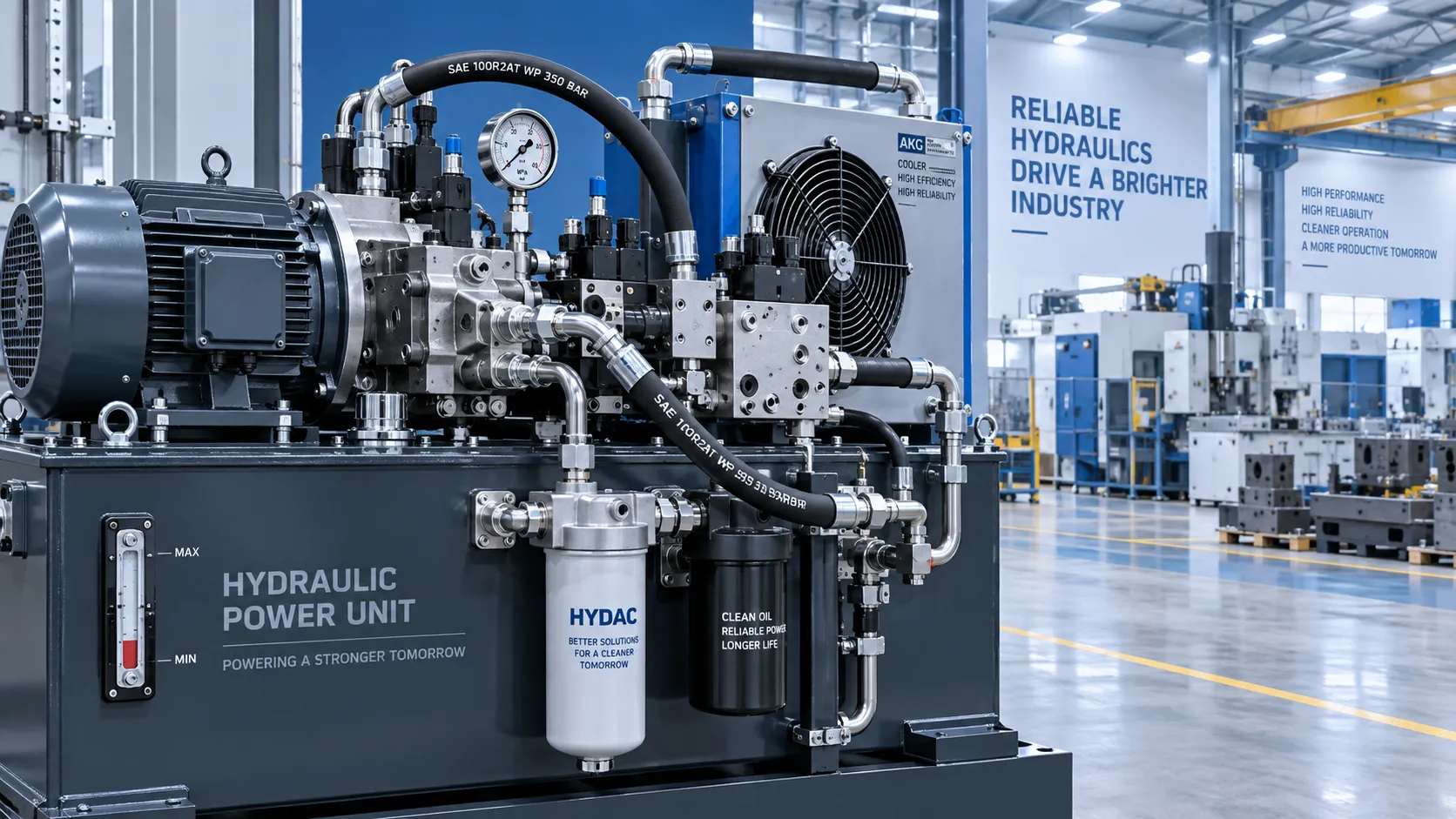
What Determines Industrial Hydraulic System Price for Heavy-Duty Equipment?
Industrial hydraulic system price depends on duty cycle, pressure, components, cooling, and integration. Compare quotes intelligently to secure reliable heavy-duty performance.

Welding Fume Extraction PPE: When Respirators Are Not Enough for Shop Safety
Welding fume extraction PPE: learn why respirators alone fall short and how source capture, ventilation, and layered controls improve shop safety.

How to Select Optical Metrology Solutions for Tight-Tolerance Manufacturing
Optical industrial metrology solutions for tight-tolerance manufacturing: evaluate accuracy, surface compatibility, workflow, and traceability to select with confidence.
Related News
- 00
0000-00
Why Data-Driven Intelligence Costs Are Reshaping Enterprise Automation Budgets - 00
0000-00
What Does Data-Driven Intelligence Cost? Budgeting for Data, Tools, and Talent - 00
0000-00
What Determines Metrology Technology Prices for Factory Inspection Systems? - 00
0000-00
Welding Tools Price Guide: What Affects Cost and How Buyers Can Compare Options - 00
0000-00
What Drives Industrial Tools Cost? A Buyer’s Guide to Materials, Volume, and Lifecycle Expenses
Ms. Elena Rodriguez
Weekly Insights
Stay ahead with our curated technology reports delivered every Monday.