
IoT Torque Control Looks Smart, but Where Is the Payback?





IoT torque control sounds like a compelling upgrade for modern assembly lines, but finance leaders need more than smart features—they need measurable return. Before approving budgets, decision-makers must weigh reduced rework, traceability gains, uptime improvements, and compliance benefits against integration costs, training, and system complexity. The real question is not whether the technology is advanced, but when and how the investment starts paying back.
For CFOs, controllers, plant finance managers, and capital approval committees, the investment case is rarely about the tool alone. It is about how digital fastening data affects warranty exposure, scrap rates, labor efficiency, customer audits, and the cost of poor quality across multiple production cells. In industrial assembly, especially where precision tools and metrology already influence throughput, IoT torque control becomes relevant only when it improves financial performance within a clear 12–36 month horizon.
From GPTWM’s perspective as an intelligence platform focused on the last mile of manufacturing, the debate is not whether connected torque systems are technically feasible. That debate is over. The practical question is where the payback emerges first: high-mix low-volume lines, regulated maintenance operations, export-oriented assembly, or labor-constrained plants where rework and traceability failures already erode margin.
Why IoT Torque Control Enters the Budget Discussion
In conventional fastening, torque verification may happen at 3 points: tool setup, operator use, and final inspection. Each point creates manual effort and leaves room for undocumented variation. IoT torque control replaces part of that uncertainty with live data capture, parameter lockout, operator guidance, and digital records. For finance teams, this matters because variation often shows up later as returns, claims, delayed shipments, or excessive containment labor.
The strongest business case usually appears in industries or processes where incorrect torque leads to either safety risk or expensive downstream failure. Automotive service assemblies, aerospace maintenance tasks, heavy equipment, electrical enclosures, and industrial machinery subassemblies often fit this profile. A single escaped fastening error can trigger 4 cost layers: rework labor, replacement material, customer disruption, and reputation damage.
What changes financially when torque data becomes connected
- Manual documentation time can drop from 20–60 seconds per fastening event to near-automatic recording.
- Rework loops may shrink when out-of-spec torque is flagged immediately instead of at end-of-line inspection.
- Audit preparation time often declines because fastening records are searchable by operator, station, batch, or timestamp.
- Tool calibration control improves when usage cycles and exceptions are visible across shifts and plants.
However, not every plant benefits equally. On low-risk assemblies with wide torque tolerance and limited customer documentation requirements, a smart tool network may deliver convenience more than hard savings. Finance approval should therefore begin with process criticality, not technology novelty.
Where the cost of poor fastening is often hidden
Many plants underestimate fastening-related costs because they sit in different accounts. Scrap may be visible, but line stoppages under 10 minutes, quality sorting, engineering investigation time, and premium freight often remain scattered. When these costs are consolidated over 6–12 months, even a modest defect rate of 0.5%–1.5% on critical joints can justify targeted digital control.
The table below helps financial approvers distinguish between weak and strong use cases before deeper technical evaluation.
The key takeaway is simple: IoT torque control does not create value evenly across all operations. It pays back fastest where failure costs are concentrated, traceability is commercially important, or manual oversight is already consuming measurable labor hours.
The Real Cost Stack Behind a “Smart” Torque Upgrade
Finance teams should resist evaluating connected torque tools on unit price alone. A complete project usually includes 5 cost layers: hardware, software or licensing, integration, operator training, and ongoing support. In many factories, the tool itself represents only 35%–55% of first-year spend. The rest sits in infrastructure, workflow redesign, and data handling.
Typical cost categories to model
- Connected torque tools, controllers, sockets, and accessories.
- Station software, dashboard licensing, or MES/ERP interface work.
- Network readiness, cybersecurity review, and device provisioning.
- Training for operators, quality engineers, maintenance, and supervisors.
- Calibration planning, spare tool coverage, and service response agreements.
A pilot cell may be implemented in 4–8 weeks, but multi-line deployment often stretches to 3–6 months once validation and data mapping are included. This matters because delayed stabilization shifts the payback curve. The most common finance mistake is assuming savings begin on day 1 of installation rather than after process adoption reaches stable usage.
The hidden costs that often surprise approvers
Integration friction
If torque records must sync with barcode data, operator IDs, serial numbers, and repair history, integration effort can exceed initial expectations. Plants with older PLC environments or fragmented quality systems may need interface middleware, manual exception handling, or phased data architecture.
Training and change management
A connected system only works if operators respond correctly to alarms, lockouts, and guided sequences. In practice, 2–3 training waves are common: launch training, post-go-live correction, and refresher training after shift rotation. Without that, the tool records data, but process discipline does not improve.
Service continuity
When one smart tool becomes unavailable, the line may not easily substitute a conventional tool without losing digital traceability. Plants should budget for backup coverage, maintenance windows, and service turnaround targets such as 24–72 hours depending on line criticality.
Where the Payback Usually Comes From
A reliable ROI model for IoT torque control should start with no more than 4 savings buckets. Adding too many assumptions makes the business case fragile. In most industrial settings, the largest measurable gains come from reduced rework, lower inspection effort, less downtime linked to fastening errors, and stronger documentation for customer or regulatory compliance.
Savings bucket 1: rework and scrap reduction
If a line currently detects fastening mistakes only at final inspection, every defect carries accumulated value-added cost. Real-time torque validation can stop the error after one event instead of after a full assembly sequence. On lines with 8–20 critical fasteners per unit, even a small reduction in escapes can materially improve gross margin.
Savings bucket 2: labor efficiency in documentation and inspection
Paper-based recording, spreadsheet logging, and manual signoff consume labor in ways that are easy to ignore. If 6 operators each spend 25 minutes per shift handling torque-related verification tasks, that exceeds 12 labor hours per week on a single line. Digital records do not eliminate quality work, but they shift it from data collection to exception management.
Savings bucket 3: downtime avoidance
When connected tools track cycles, deviations, and maintenance triggers, plants can reduce unexpected stoppages caused by drifting tools or missed calibration intervals. The financial value depends on hourly line cost. In plants where one lost hour costs more than one day of technician labor, uptime gains can dominate the investment case.
Savings bucket 4: auditability and customer confidence
This is harder to quantify but still important. For export-driven manufacturers and maintenance organizations, searchable torque data helps support claims defense, customer acceptance, and process qualification. The benefit may not appear as monthly savings, but it can reduce the probability of expensive disputes or blocked shipments.
The following table translates those drivers into a finance-friendly view.
For finance approval, the strongest models assign direct cash value to the first 3 drivers and treat compliance as a risk-reduction bonus rather than the sole justification. That makes the business case more durable during capex review.
How Financial Decision-Makers Should Evaluate a Proposal
Not every vendor proposal presents ROI in a decision-ready format. Finance leaders should ask for a line-level business case, not a generic automation presentation. The goal is to isolate one production family, one failure mode, one current cost baseline, and one expected savings range under realistic adoption conditions.
A 6-point approval checklist
- Is the fastening process critical enough to justify digital control?
- What is the current annual cost of torque-related defects, inspection, and downtime?
- How many stations, shifts, and operators are included in phase 1?
- What portion of cost is one-time versus recurring over 3 years?
- How will adoption be verified after 30, 60, and 90 days?
- What fallback process exists if the connected system is temporarily unavailable?
Pilot first, scale second
For most organizations, a 1-line or 1-cell pilot is the most financially disciplined path. A pilot lasting 8–12 weeks can reveal whether the promised reduction in rework and manual recording is real. It also exposes integration effort before a broader rollout. This staged approach reduces capital risk while generating site-specific evidence for future budget rounds.
What should be measured in the pilot
At minimum, measure defect frequency, rework hours, operator cycle impact, alarm rates, calibration events, and record retrieval time. If possible, compare one digitally controlled station with one conventionally managed station over the same 30–60 day operating window.
Common approval mistakes
One mistake is approving the system solely because a plant wants to “modernize.” Another is rejecting it because labor savings alone seem small. In reality, the best cases often combine several moderate gains rather than one dramatic gain. A third mistake is underfunding deployment support, which can delay value realization by a full quarter or more.
Procurement, Governance, and Long-Term Value
A connected torque system should be treated as an operational control layer, not just a smarter hand tool. That means procurement must evaluate interoperability, data ownership, service model, and lifecycle support over at least 3 years. For multi-site groups, standardization can be worth as much as direct defect savings because it improves comparability between plants.
Questions to ask suppliers before approval
Can the system export data to existing manufacturing or quality platforms? How are torque limits managed across product revisions? What happens if network connectivity drops for 15 minutes or more? How are calibration reminders, firmware updates, and tool replacement handled? These questions affect both operational resilience and total cost of ownership.
Why intelligence matters beyond the purchase
This is where industrial intelligence platforms such as GPTWM add value. Financial approvers do not need promotional claims; they need sector context. Understanding whether IoT torque control is gaining traction in automotive maintenance, export assembly, or precision subassembly helps determine whether the investment is a local experiment or part of a broader shift in process assurance and digital manufacturing discipline.
When procurement combines market intelligence with line-specific economics, the result is a more defensible decision. That is especially important in periods of raw material volatility, margin compression, and stricter customer documentation demands, where every capital request must compete against other productivity investments.
IoT torque control looks smart because it is smart, but finance approval depends on something more concrete: whether it reduces costly variation, protects throughput, and strengthens traceability in places where those outcomes have real financial weight. The most successful projects are narrowly targeted, measured against a clear 12–36 month return window, and supported by realistic rollout planning rather than broad digital ambition alone.
If you are assessing connected fastening tools for assembly, maintenance, or precision manufacturing environments, GPTWM can help you translate technology claims into commercially relevant evaluation criteria. Contact us to discuss your application, request a tailored decision framework, or explore more industrial intelligence on precision tools, metrology, and smart assembly solutions.
Related News
Selecting Adjustable Torque Tools for Repeatable Fastener Assembly
Adjustable torque tools: learn how to match range, accuracy, control methods, calibration, and ergonomics for repeatable, reliable fastener assembly.
How to Select Aerospace Inspection Tools for Aircraft Maintenance Tasks
Aerospace maintenance inspection tools: learn how to select reliable, traceable equipment for aircraft access, accuracy, calibration, and compliant maintenance decisions.

How to Select Wire Bonding Tools for Fine-Pitch Semiconductor Packaging
Explore semiconductor manufacturing tools for wire bonding and learn how to select precision solutions for fine-pitch packaging, reliable loops, accuracy, and yield.
How to Compare Industrial Tool Suppliers for Quality, Lead Time, and Total Cost
Industrial tool selection supplier comparison made simple: evaluate quality, lead times, total cost, service, and supply resilience for confident sourcing decisions.
Industrial Equipment Application Guidance: Match Machines to Operating Conditions
Application guidance industrial equipment: match capacity, duty cycle, materials, site conditions, safety, and lifecycle cost to improve reliable output. Read the guide.
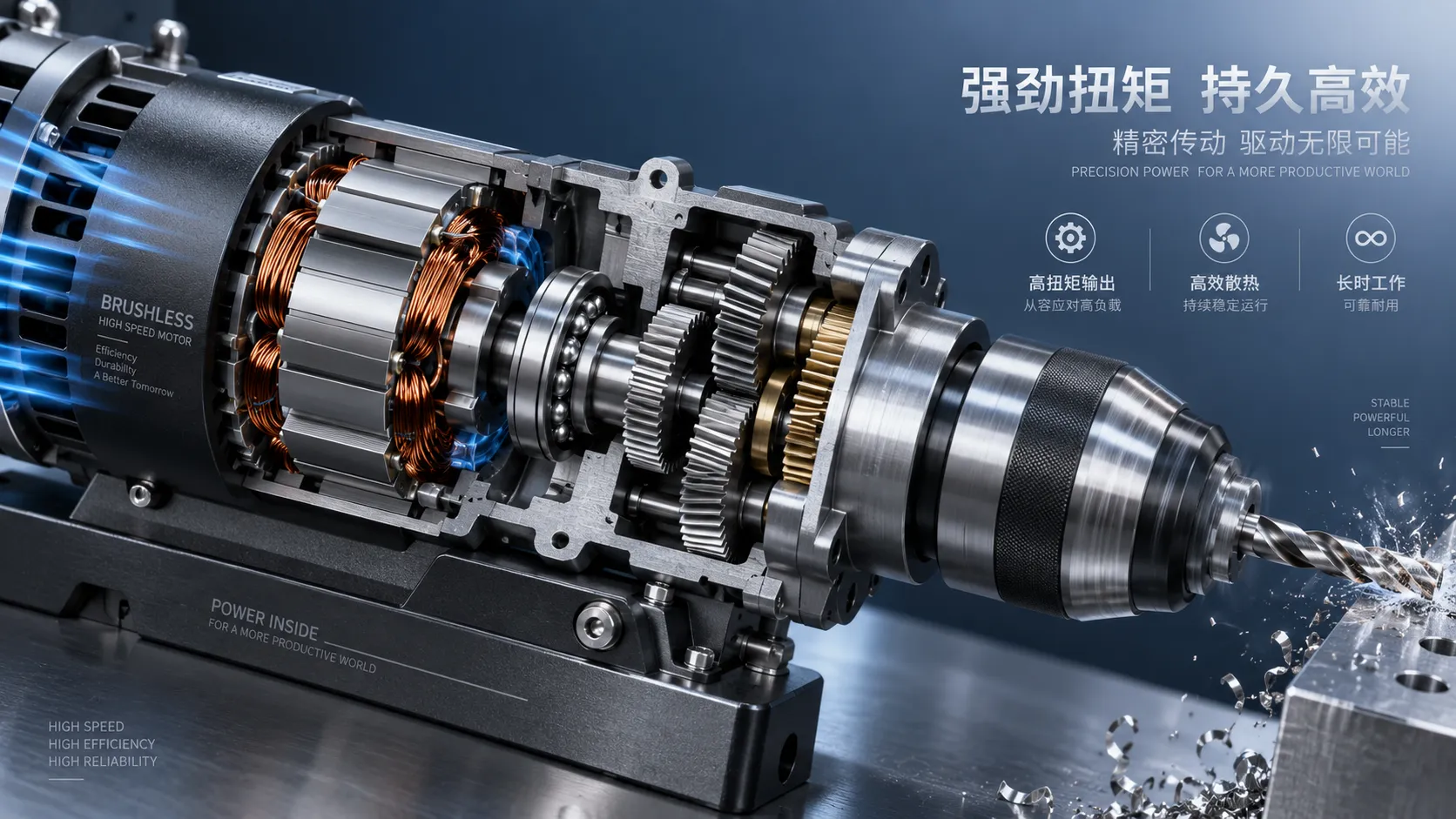
Selecting High-Speed Brushless Tool Motors for Torque, Heat, and Duty Cycle
High speed brushless tool motors: learn how to balance torque, heat, gearing, and duty cycle for reliable industrial tool performance and longer service life.
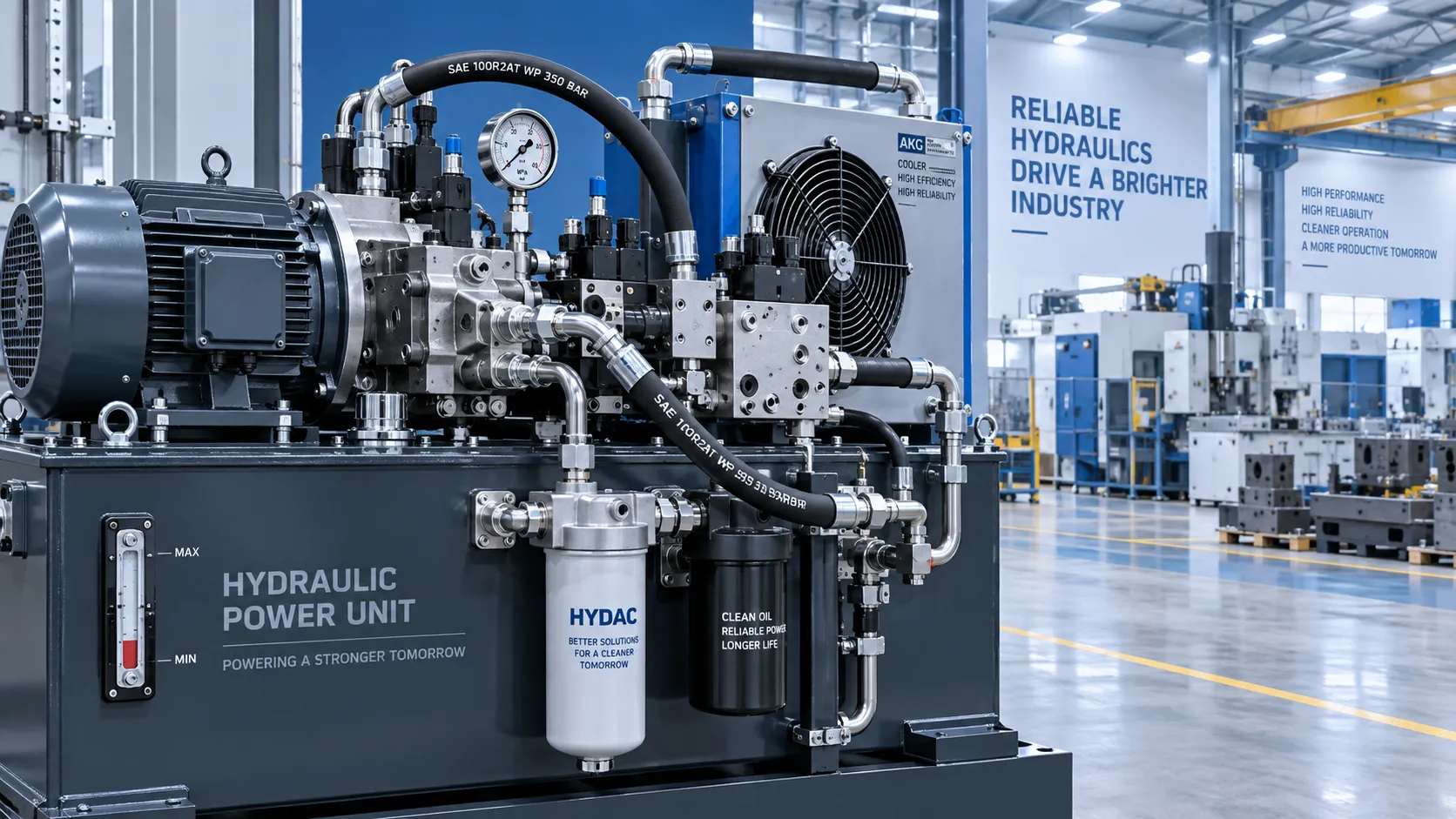
What Determines Industrial Hydraulic System Price for Heavy-Duty Equipment?
Industrial hydraulic system price depends on duty cycle, pressure, components, cooling, and integration. Compare quotes intelligently to secure reliable heavy-duty performance.
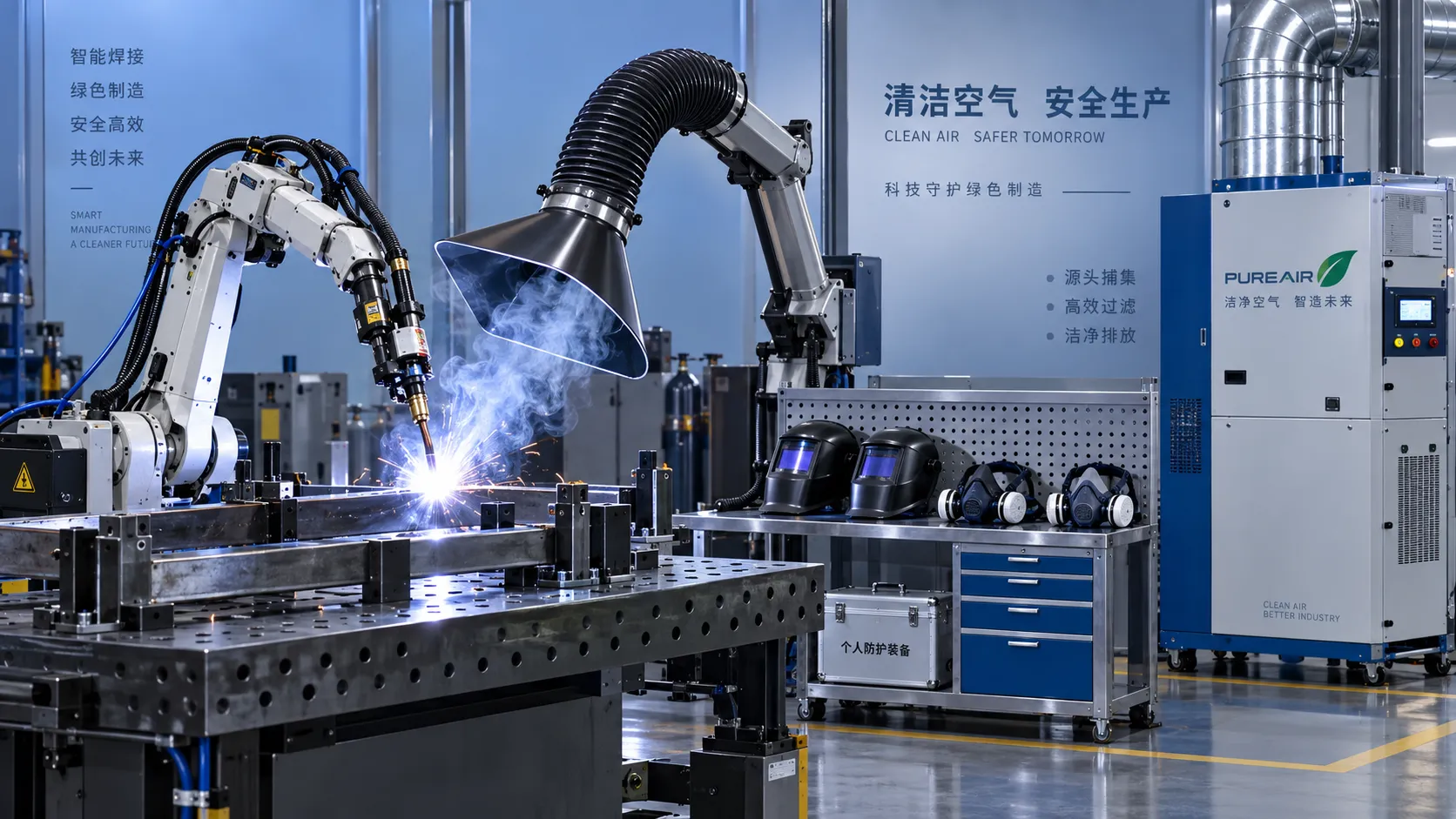
Welding Fume Extraction PPE: When Respirators Are Not Enough for Shop Safety
Welding fume extraction PPE: learn why respirators alone fall short and how source capture, ventilation, and layered controls improve shop safety.

How to Select Optical Metrology Solutions for Tight-Tolerance Manufacturing
Optical industrial metrology solutions for tight-tolerance manufacturing: evaluate accuracy, surface compatibility, workflow, and traceability to select with confidence.
Related News
- 00
0000-00
Selecting Adjustable Torque Tools for Repeatable Fastener Assembly - 00
0000-00
How to Select Aerospace Inspection Tools for Aircraft Maintenance Tasks - 00
0000-00
How to Select Wire Bonding Tools for Fine-Pitch Semiconductor Packaging - 00
0000-00
Industrial Equipment Application Guidance: Match Machines to Operating Conditions - 00
0000-00
Selecting High-Speed Brushless Tool Motors for Torque, Heat, and Duty Cycle
Prof. Marcus Chen
Weekly Insights
Stay ahead with our curated technology reports delivered every Monday.