
What Changed in Welding Technology for Thin Materials?





As thin-gauge metals become essential in automotive, electronics, and precision fabrication, welding technology has undergone significant changes to meet stricter demands for heat control, joint quality, and production speed. For technical evaluators, understanding what changed in welding technology for thin materials is key to comparing process stability, safety, and long-term manufacturing efficiency.
Why thin-material welding must be judged by application scenario
The biggest change in welding technology is not just the arrival of new equipment. It is the shift from “can this metal be joined?” to “can this process protect thin material performance in a real production setting?” Thin sheets, foils, and light structural parts react very differently to heat, fit-up variation, surface coatings, and cycle-time pressure. That means the right welding technology for one thin-material job can be a poor choice for another.
For technical evaluators, this is especially important because thin-material welding failures often appear as distortion, burn-through, undercut, cosmetic inconsistency, weak fatigue life, or unstable downstream assembly. In modern manufacturing, welding technology is therefore evaluated less as a standalone machine category and more as a process capability matched to a scenario: automotive body panels, battery tabs, appliance housings, medical enclosures, HVAC ducts, stainless kitchen systems, or repair work in confined spaces.
This scenario-based view also fits how industrial decision-making has evolved. Portals such as GPTWM increasingly track not only equipment releases, but also application-specific intelligence around safety, productivity, metrology, ergonomic design, and digital process control. In thin-material operations, those factors now define whether welding technology creates value or hidden cost.
What changed in welding technology for thin materials
Several advances have changed how thin materials are welded across industries. First, heat input control became far more precise. Inverter-based power sources, pulsed arc modes, waveform control, and low-spatter transfer processes have improved the ability to join light-gauge steel, stainless steel, and aluminum without excessive deformation. Instead of relying mainly on operator feel, welding technology now uses programmed current and voltage behavior to stabilize the arc in delicate applications.
Second, laser welding moved from a niche option to a practical solution in more production environments. For thin materials, handheld laser systems and automated laser cells offer small heat-affected zones, high travel speed, and cleaner seams when conditions are right. This does not mean laser replaces all arc processes, but it has changed the competitive benchmark for appearance, post-processing, and throughput in selected scenarios.
Third, fixturing and sensing became part of the welding technology conversation. Thin parts are sensitive to gap variation, edge condition, and clamping strategy. Modern systems increasingly combine seam tracking, vision assistance, wire feed optimization, and digital parameter logging. As a result, evaluators must consider the full process package, not only the torch or power source.
Fourth, safety and usability standards improved. This matters because some newer welding technology, especially laser systems, changes the operator skill profile and the required protection measures. In many facilities, adoption now depends as much on enclosure design, fume extraction, training, and compliance discipline as on weld speed.
Typical application scenarios where the changes matter most
Automotive body and lightweight structures
In automotive and transport manufacturing, thin materials are used to reduce weight while preserving stiffness. Here, welding technology changed toward repeatable low-distortion joining, compatibility with coated steels and aluminum, and integration with robotic production. Evaluators usually focus on seam consistency, cycle time, splash reduction, and how the process behaves over long production runs. Small quality variation can affect painting, panel fit, corrosion resistance, and fatigue performance.
Electronics, battery, and fine conductive parts
For electronics and battery applications, the challenge is extreme localization of energy. Thin tabs, busbars, and precision enclosures require welding technology that protects sensitive surrounding components. Laser welding, micro-resistance welding, and tightly controlled pulse processes gained importance because they support narrow weld zones and repeatable energy delivery. In this scenario, the main concern is not just joining success, but electrical performance, thermal damage risk, and traceability.
Appliance, kitchen, and visible stainless products
When the weld is visible to the end user, cosmetic quality becomes a business requirement. Thin stainless assemblies in appliances, food equipment, and decorative products need welding technology that minimizes discoloration, grinding, and rework. Changes in pulse TIG, laser finishing capability, and better shielding control have made appearance more predictable. Technical evaluators in this space often judge success by both metallurgical quality and the cost of achieving a clean finished surface.
HVAC, ducting, and light sheet-metal fabrication
In HVAC and general sheet-metal production, throughput and ease of operation often matter more than ultra-high precision. The change in welding technology here is the spread of simpler low-heat processes that reduce burn-through and shorten training time. Portable systems, efficient MIG variants, and practical laser adoption in selected shops now compete based on speed, edge preparation tolerance, and operator productivity.
Repair, maintenance, and field service
Field welding of thin materials remains difficult because access, cleanliness, and fixture control are limited. New welding technology helps through lighter equipment, more stable power delivery, and easier parameter presets. However, this scenario still requires caution. A process that performs well in a controlled factory may struggle in variable repair conditions, especially if joint fit-up is poor or safety controls are incomplete.
Scenario comparison: what technical evaluators should compare
The table below shows how welding technology should be judged differently depending on the business context.
How process priorities differ by scenario
A common evaluation mistake is assuming that all thin-material welding should optimize the same metrics. In reality, the ranking of priorities changes sharply by use case.
- For high-volume manufacturing, welding technology must support repeatability, data capture, preventive maintenance, and low operator dependence.
- For premium visible products, surface quality, color control, and reduced finishing time may matter more than maximum speed.
- For electrically functional joints, energy precision and contact performance often outweigh conventional appearance standards.
- For distributed repair teams, mobility, setup simplicity, and safety practicality determine whether a process is usable at all.
This is why technical evaluators should compare welding technology through a decision stack: material thickness range, alloy type, joint design, fit-up stability, cosmetic expectation, labor skill level, required throughput, inspection method, and safety burden. Without that stack, it is easy to overvalue headline technology and undervalue production fit.
Scenario-fit recommendations for technical evaluators
When advanced arc welding is the better choice
If the operation involves moderate thin-gauge parts, variable joint gaps, or mixed operator skill, advanced arc-based welding technology may offer the best balance. Modern pulse MIG and precision TIG systems are often easier to integrate into existing workflows than laser systems. They also tolerate less-than-perfect preparation better in many shops. This makes them suitable for contract fabrication, metal furniture, ductwork, and many light industrial products.
When laser welding deserves serious evaluation
Laser-based welding technology becomes attractive when distortion, narrow heat impact, seam appearance, and speed create measurable business value. It is especially relevant in stainless assemblies, battery-related components, precision housings, and repetitive fine-part production. However, evaluators should confirm edge quality requirements, gap tolerance, enclosure strategy, operator safety design, and the availability of process monitoring before treating laser as an automatic upgrade.
When hybrid evaluation is necessary
Some businesses need more than one answer. A manufacturer may use laser welding technology for cosmetic external seams and controlled arc processes for brackets, reinforcements, or repair. In these cases, the decision should be based on part families and cost-to-quality ratios rather than a single plant-wide preference. The most effective thin-material strategy is often a portfolio approach.
Common misjudgments when evaluating welding technology for thin materials
Several repeated errors appear across industries. The first is equating low heat input with guaranteed quality. Thin materials still fail if clamping, shielding, cleanliness, or path control are poor. The second is treating travel speed as the main economic metric. Faster welding technology may create hidden costs in tooling, maintenance, certification, or safety infrastructure.
A third mistake is separating welding from metrology. For thin assemblies, dimensional verification is part of process success because distortion can defeat fit and function even when the weld itself passes visual inspection. A fourth mistake is underestimating training needs. Newer welding technology often reduces manual variability, but it still demands disciplined setup, inspection logic, and parameter governance.
Finally, some teams compare technologies on sample coupons rather than production reality. Thin materials are highly sensitive to coating condition, edge preparation, fixture wear, and lot-to-lot variation. Trials should therefore include realistic joints, actual takt conditions, and downstream checks such as leak testing, cosmetic review, electrical validation, or assembly fit.
Practical checklist before selecting a thin-material welding route
- Define the true scenario: production line, job shop, repair, or precision cell.
- Map the actual thickness window, alloy family, coatings, and joint geometry.
- Rank priorities: appearance, throughput, strength, electrical function, or dimensional stability.
- Evaluate fixture quality and gap control before blaming or praising the welding technology.
- Include safety, fume management, and operator training in total cost comparison.
- Require measurable production trials with process logging and inspection feedback.
FAQ for scenario-based evaluation
Is newer welding technology always better for thin materials?
No. Better results come from better scenario fit. A simpler pulse process may outperform a premium laser setup if joint gaps vary, operators are mobile, or production volume is limited.
Which scenario benefits most from laser welding technology?
Applications needing minimal distortion, fine appearance, and repeatable high-speed welding of controlled joints benefit the most, especially stainless precision products and battery-related parts.
What should technical evaluators measure first?
Start with distortion, burn-through rate, cosmetic consistency, fit-up tolerance, and total rework burden. Those indicators reveal whether the welding technology is truly suitable for thin-material production.
Conclusion: match the change in welding technology to the change in your application
What changed in welding technology for thin materials is not one single invention, but a broader shift toward precision heat control, digital consistency, safer deployment, and tighter integration with production needs. For technical evaluators, the best decision comes from comparing technologies through real application scenarios rather than generic performance claims.
If your organization is reviewing welding technology for thin metals, the next step is to classify your parts by scenario, define the dominant quality risk, and run trials that reflect actual operating conditions. That approach will produce a more reliable answer than choosing based on trend alone, and it aligns with the data-driven industrial intelligence model increasingly shaping modern manufacturing decisions.
Related News
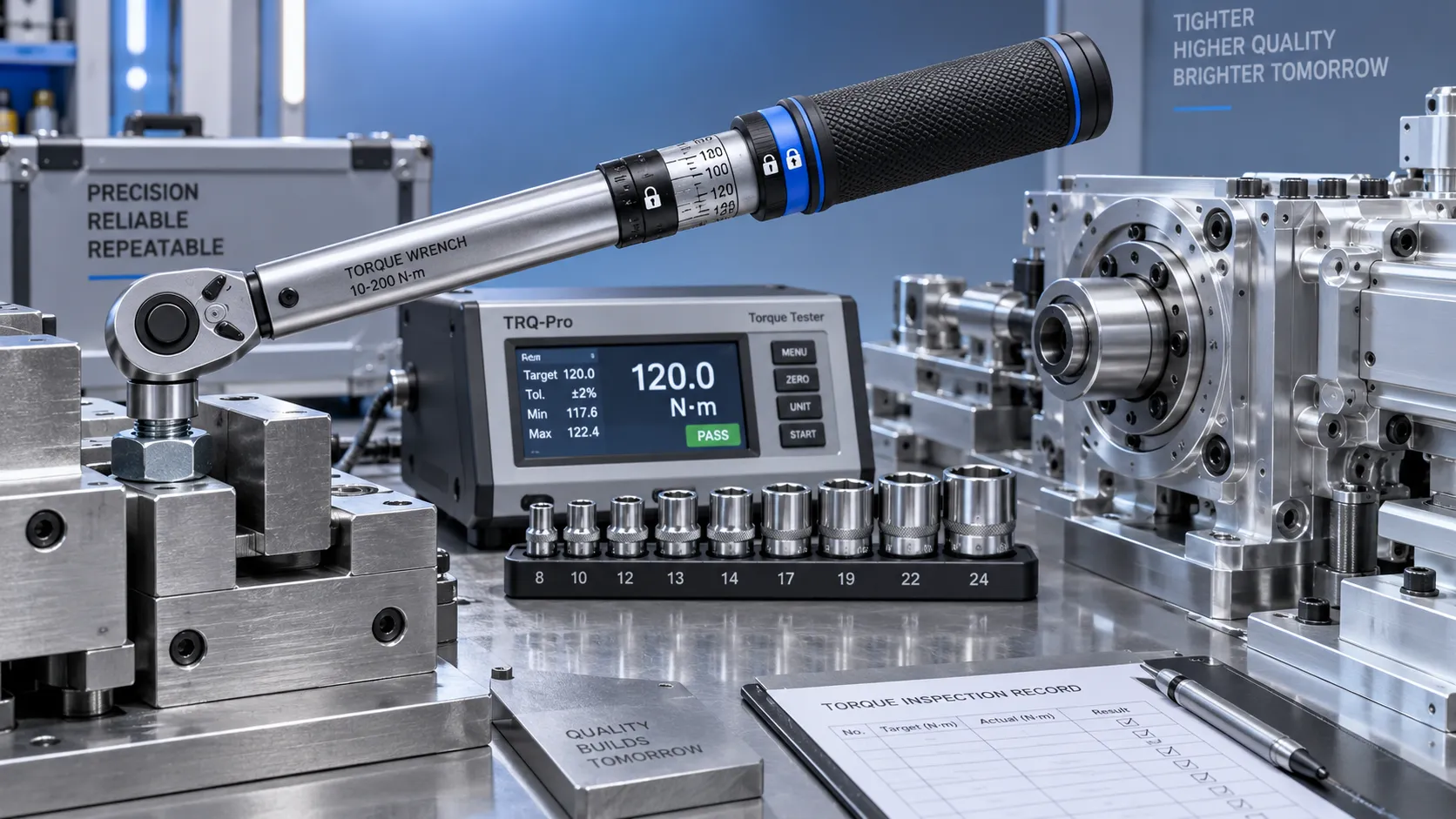
Selecting Adjustable Torque Tools for Repeatable Fastener Assembly
Adjustable torque tools: learn how to match range, accuracy, control methods, calibration, and ergonomics for repeatable, reliable fastener assembly.
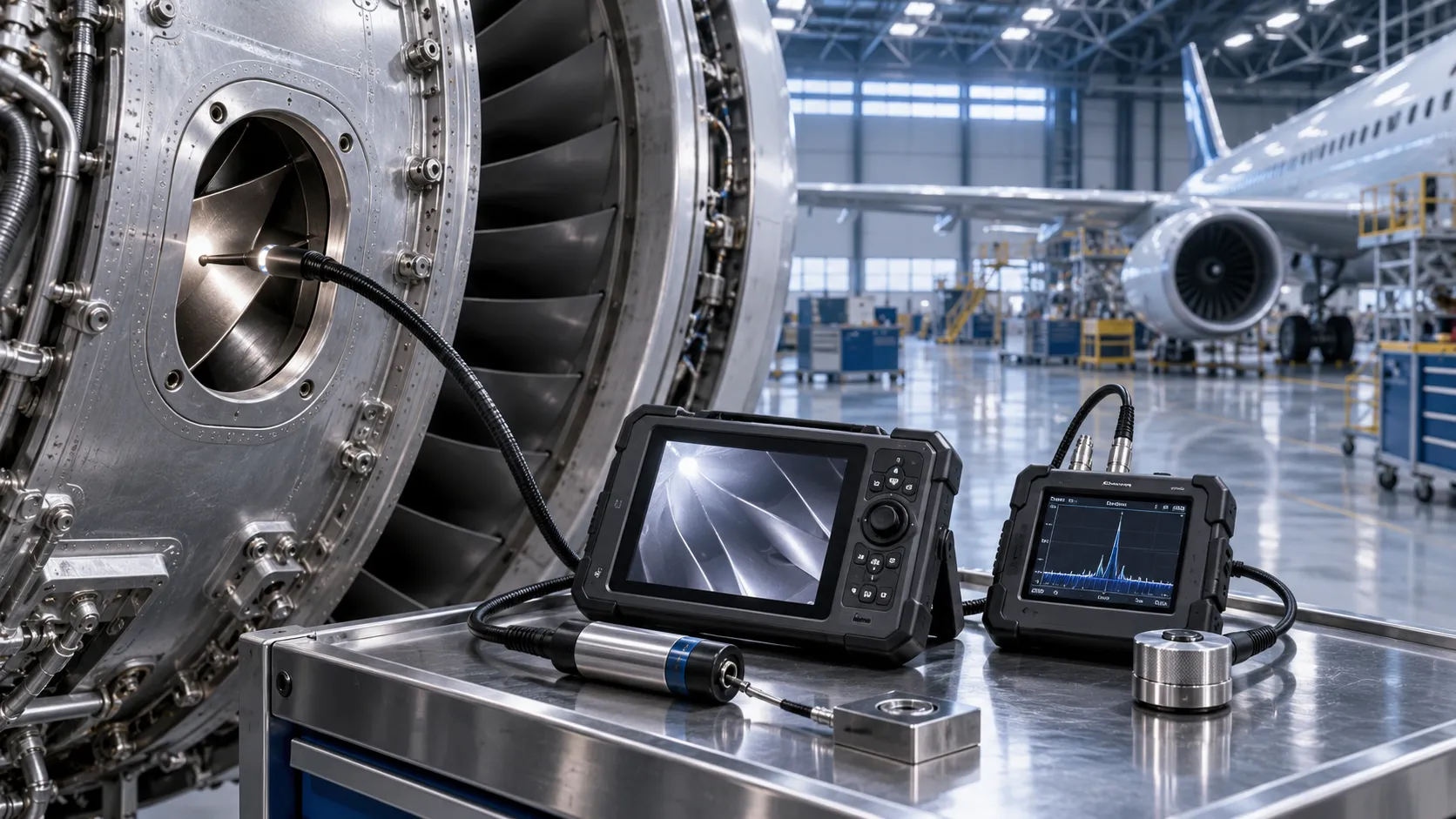
How to Select Aerospace Inspection Tools for Aircraft Maintenance Tasks
Aerospace maintenance inspection tools: learn how to select reliable, traceable equipment for aircraft access, accuracy, calibration, and compliant maintenance decisions.
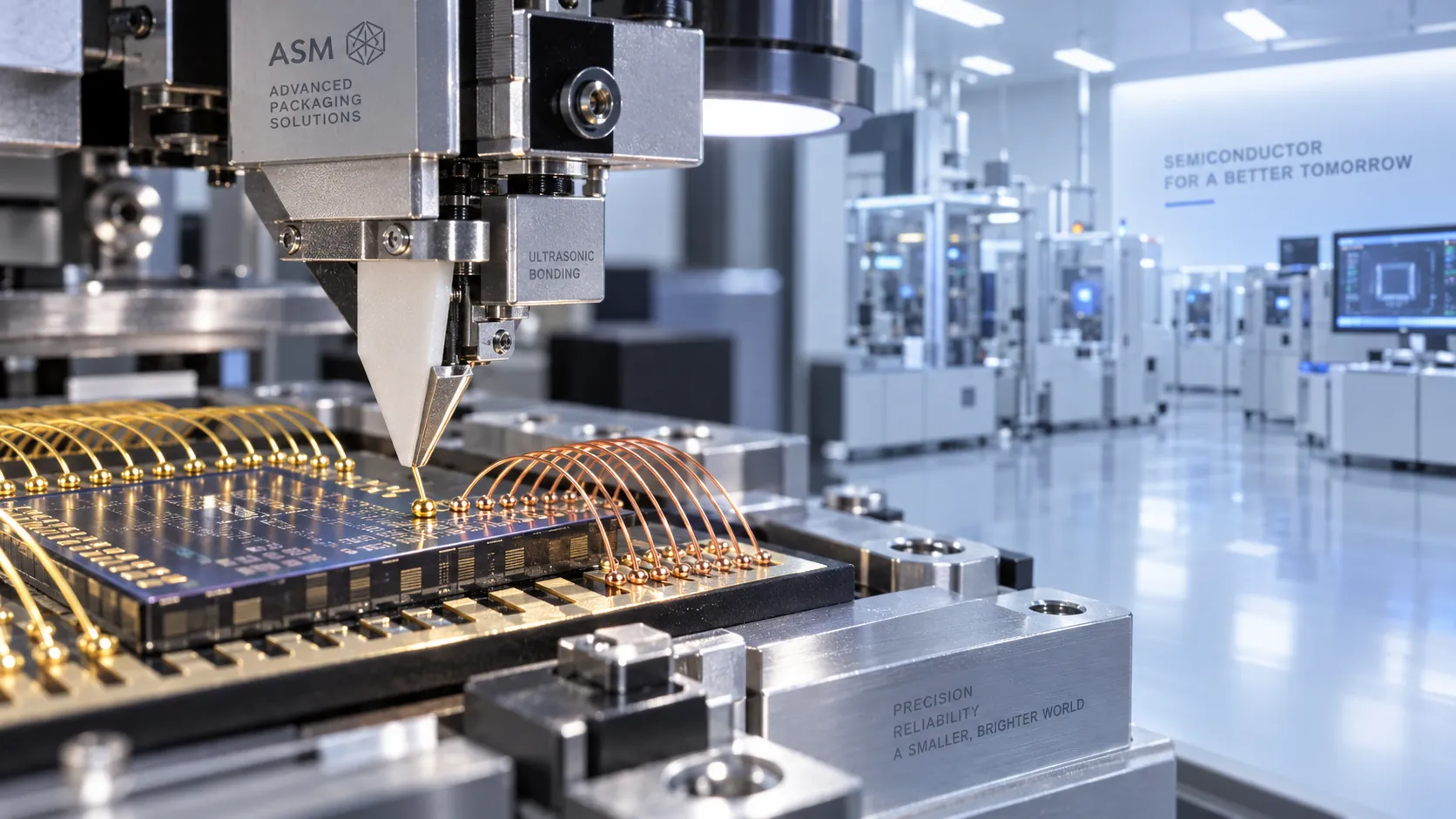
How to Select Wire Bonding Tools for Fine-Pitch Semiconductor Packaging
Explore semiconductor manufacturing tools for wire bonding and learn how to select precision solutions for fine-pitch packaging, reliable loops, accuracy, and yield.
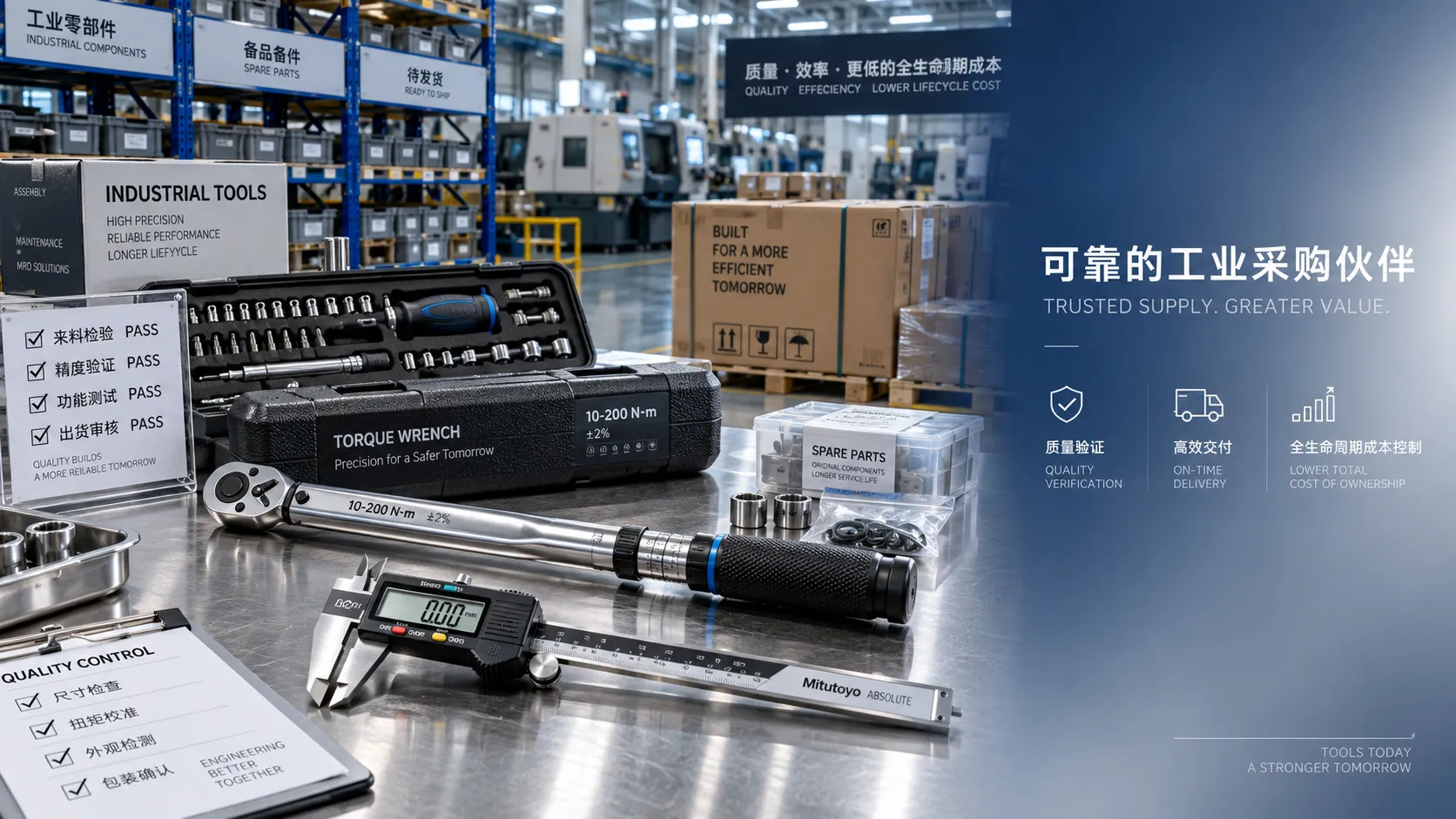
How to Compare Industrial Tool Suppliers for Quality, Lead Time, and Total Cost
Industrial tool selection supplier comparison made simple: evaluate quality, lead times, total cost, service, and supply resilience for confident sourcing decisions.
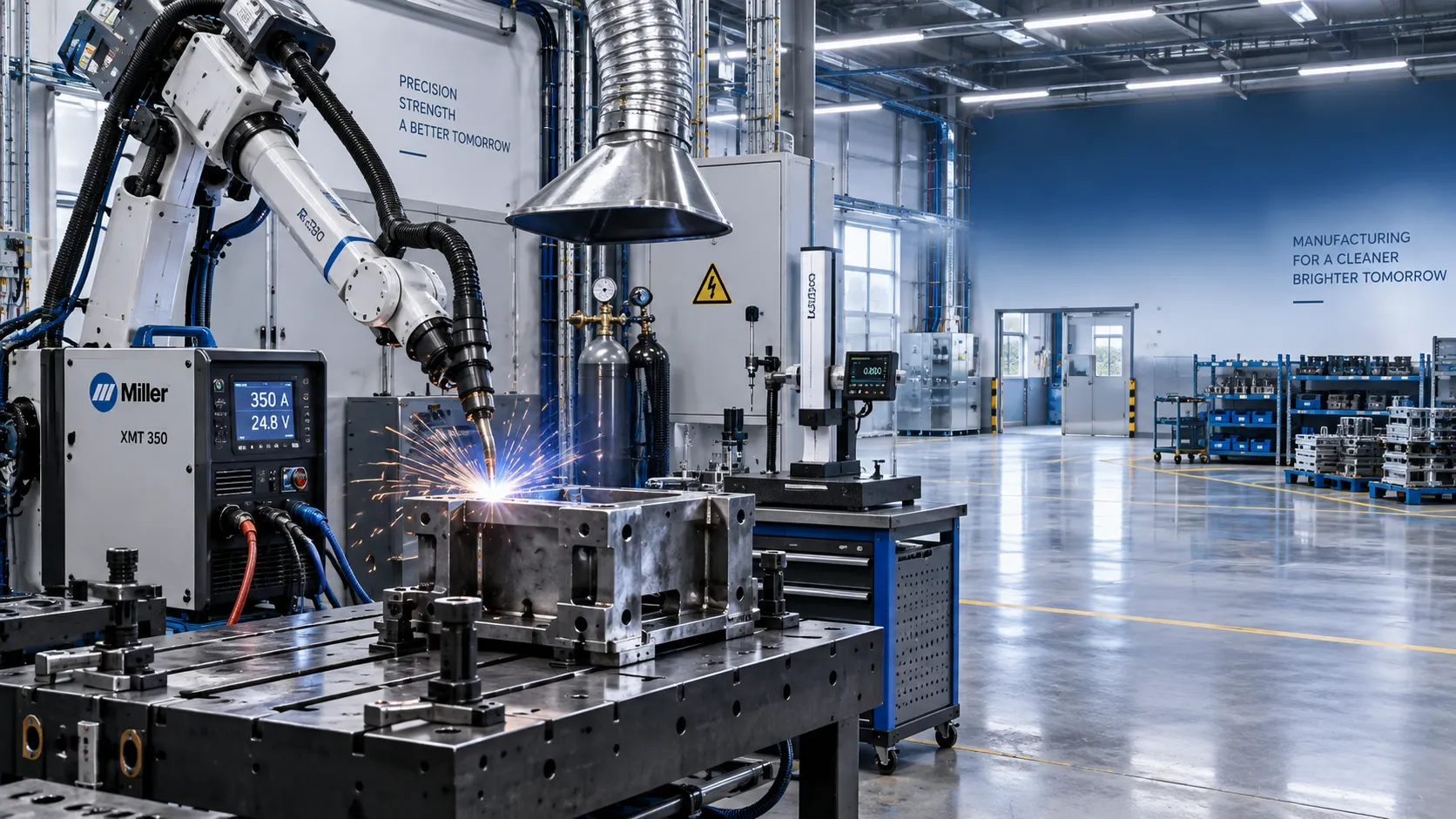
Industrial Equipment Application Guidance: Match Machines to Operating Conditions
Application guidance industrial equipment: match capacity, duty cycle, materials, site conditions, safety, and lifecycle cost to improve reliable output. Read the guide.
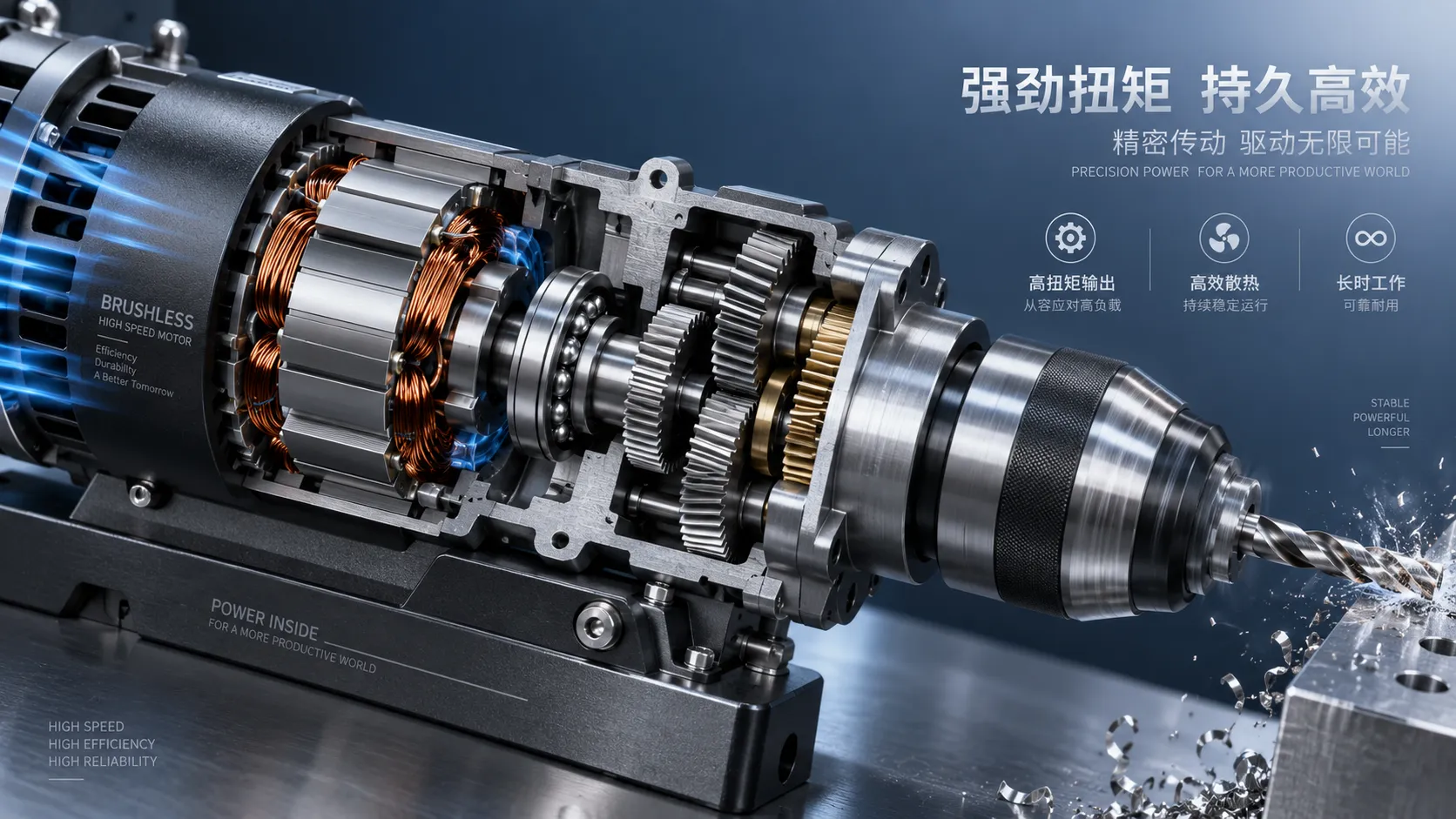
Selecting High-Speed Brushless Tool Motors for Torque, Heat, and Duty Cycle
High speed brushless tool motors: learn how to balance torque, heat, gearing, and duty cycle for reliable industrial tool performance and longer service life.
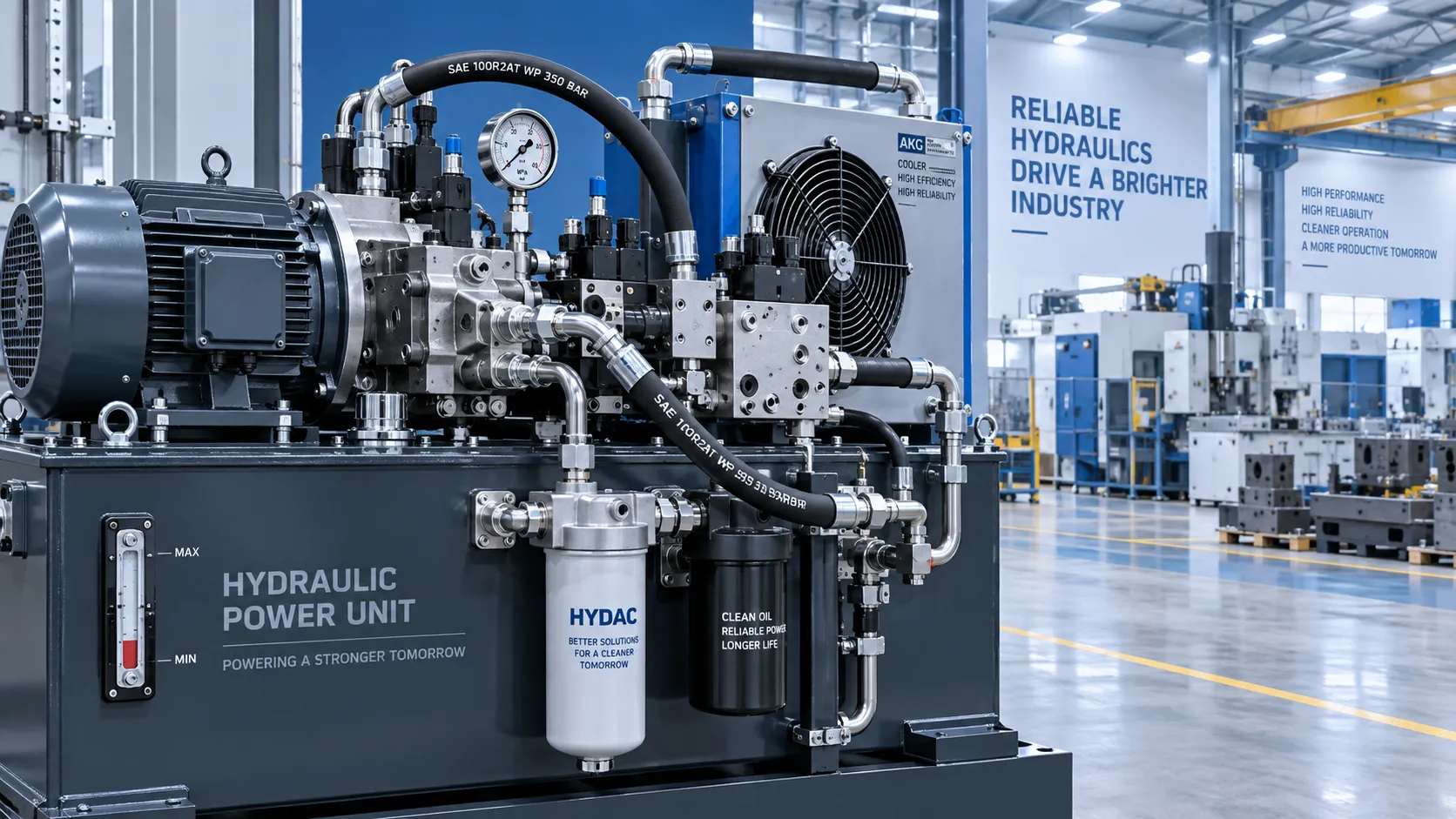
What Determines Industrial Hydraulic System Price for Heavy-Duty Equipment?
Industrial hydraulic system price depends on duty cycle, pressure, components, cooling, and integration. Compare quotes intelligently to secure reliable heavy-duty performance.
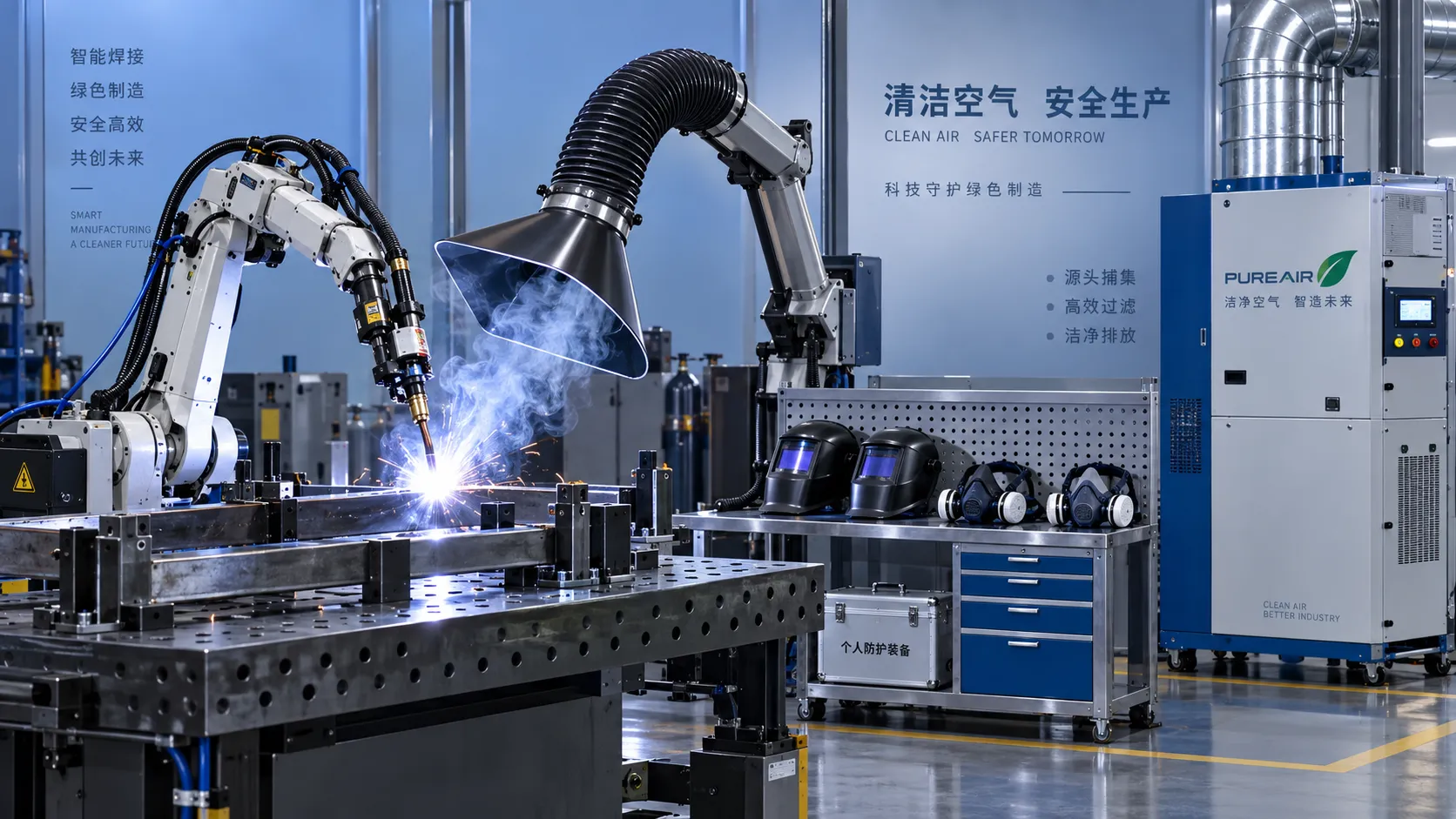
Welding Fume Extraction PPE: When Respirators Are Not Enough for Shop Safety
Welding fume extraction PPE: learn why respirators alone fall short and how source capture, ventilation, and layered controls improve shop safety.
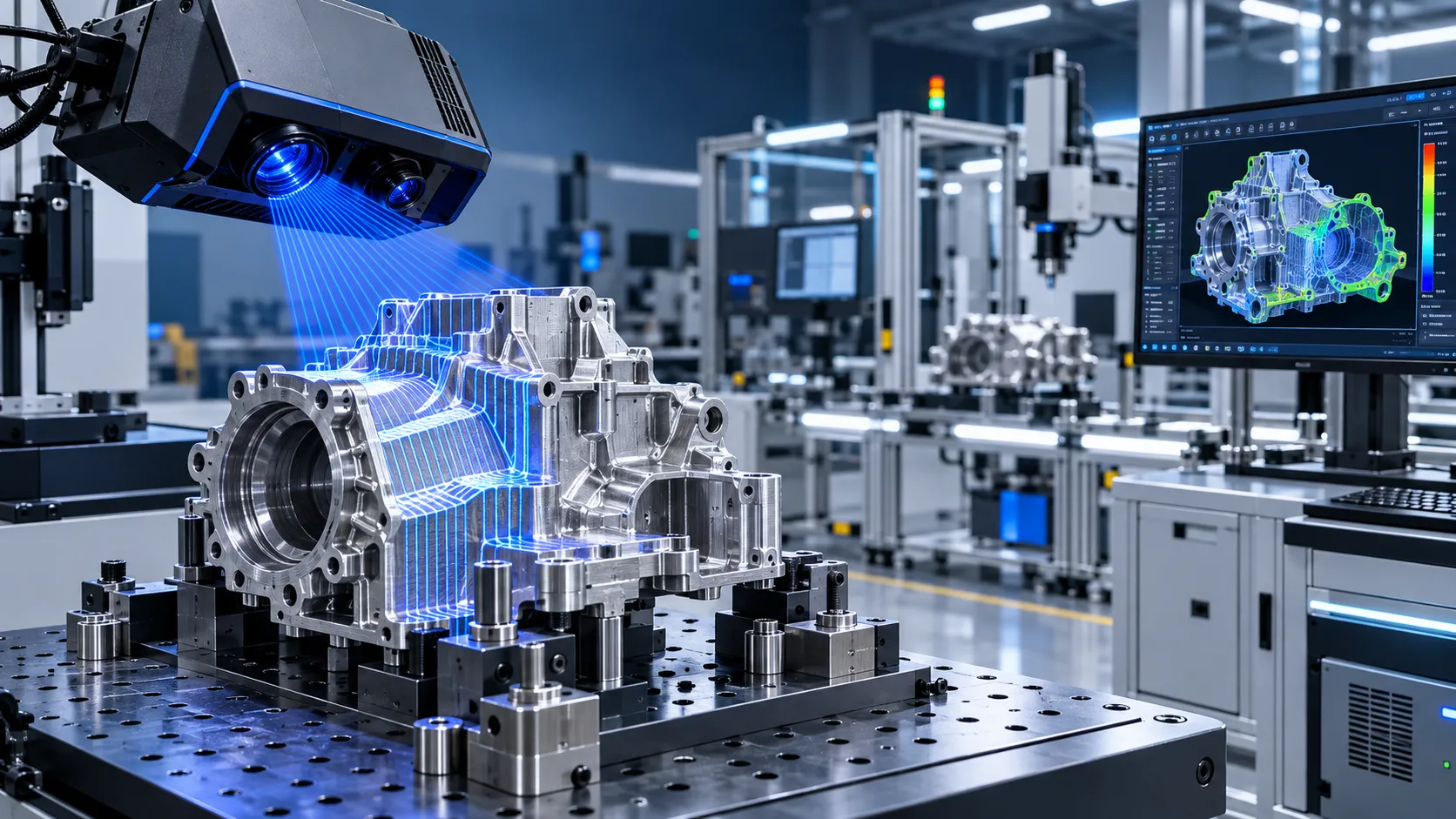
How to Select Optical Metrology Solutions for Tight-Tolerance Manufacturing
Optical industrial metrology solutions for tight-tolerance manufacturing: evaluate accuracy, surface compatibility, workflow, and traceability to select with confidence.
Related News
- 00
0000-00
Selecting Adjustable Torque Tools for Repeatable Fastener Assembly - 00
0000-00
How to Select Aerospace Inspection Tools for Aircraft Maintenance Tasks - 00
0000-00
How to Select Wire Bonding Tools for Fine-Pitch Semiconductor Packaging - 00
0000-00
Industrial Equipment Application Guidance: Match Machines to Operating Conditions - 00
0000-00
Selecting High-Speed Brushless Tool Motors for Torque, Heat, and Duty Cycle
Prof. Marcus Chen
Weekly Insights
Stay ahead with our curated technology reports delivered every Monday.