
Industrial Assembly Delays Often Start With Tolerance Drift





In industrial assembly, costly delays often begin long before a line stops—when small tolerance drift goes unnoticed across tools, parts, and processes. For project managers and engineering leads, understanding these hidden variations is essential to protecting schedules, quality, and downstream coordination. This article explores how tolerance drift disrupts assembly performance and what decision-makers can do to detect risks earlier and maintain production efficiency.
Why tolerance drift becomes a project risk in industrial assembly
Tolerance drift in industrial assembly is the gradual movement of a process, component dimension, torque value, alignment condition, or fixture reference away from its intended target. It does not always trigger an immediate failure. More often, it accumulates quietly until rework increases, fit-up worsens, weld quality changes, or final inspection begins to reject more units than planned.
For project managers, this matters because delays rarely come from a single dramatic event. They come from small, compounding deviations that slow each station, stretch troubleshooting time, consume spare capacity, and disrupt delivery commitments. In mixed-industry environments such as metal fabrication, equipment manufacturing, automotive components, construction machinery, and maintenance operations, tolerance drift can affect mechanical joining, welding, fastening, and measurement at the same time.
The challenge is especially serious when suppliers, subcontractors, and internal teams use different measurement habits, calibration intervals, or acceptance criteria. A part may still look acceptable on paper, but if the real assembly stack-up shifts beyond practical fit conditions, production speed drops. This is why industrial assembly leaders need tighter control over metrology inputs, tool behavior, and process variation before the issue reaches the line.
- Dimensional drift in incoming parts can cause force-fit conditions, gap inconsistency, and unstable datum references.
- Torque drift in powered tools can weaken clamp load consistency, especially in safety-critical or vibration-prone assemblies.
- Fixture wear or thermal change can shift positioning enough to affect downstream welding, sealing, or machining.
- Measurement drift can hide process movement, leading teams to trust data that no longer reflects actual shop conditions.
What makes tolerance drift hard to detect early?
Many organizations inspect parts but do not monitor process behavior continuously. They confirm pass or fail, yet miss the directional movement inside the tolerance band. As a result, industrial assembly teams may believe the process is stable until a late-stage threshold is crossed. By then, the cost is no longer limited to measurement or adjustment. It becomes a scheduling, procurement, and customer communication problem.
Where industrial assembly delays usually start: common drift points across the line
Project leaders often ask where to look first. In practice, tolerance drift appears at a few predictable control points. The table below helps industrial assembly teams prioritize the locations where hidden variation most often becomes a delay driver.
The pattern is clear: industrial assembly delays are often created upstream but discovered downstream. That gap between cause and detection is where schedules slip. A project team that maps drift points by stage can allocate attention more effectively than a team that simply increases end-of-line inspection.
High-risk scenarios that deserve earlier intervention
- New product introduction with incomplete tolerance stack analysis.
- Multi-supplier sourcing where equivalent parts are approved but measurement methods differ.
- Cross-border production programs affected by export restrictions, substitution pressure, or uneven calibration support.
- Manual or semi-automated assembly cells where operator compensation hides true process instability.
How to identify tolerance drift before industrial assembly performance drops
Early detection depends on using metrology as a process control tool, not only a quality gate. GPTWM consistently tracks how manufacturers improve the last mile of industrial assembly by connecting measurement discipline, tool intelligence, and field-level operating reality. This matters because a stable drawing alone does not guarantee a stable line.
The most effective detection approach combines trend monitoring, tool verification, fixture review, and supplier feedback timing. A production team should not wait for formal nonconformance counts to rise. Smaller indicators often appear first, including longer seating time, operator adjustment behavior, repeated shim use, or increased torque retries.
Practical indicators project managers should track weekly
- First-pass yield movement by station rather than only total line yield.
- Tool calibration status and actual usage cycles between verifications.
- Dimensional trend reports on critical-to-fit features, not just out-of-spec counts.
- Rework causes linked to specific fixtures, part families, or operator shifts.
- Supplier batch-to-batch variation on features that affect joint gap, alignment, and fastening load.
Detection maturity: reactive vs controlled industrial assembly
The next comparison table shows how industrial assembly teams differ when tolerance drift is handled only after disruption versus when it is controlled through structured monitoring and earlier intervention.
For engineering leads, the key message is simple: industrial assembly improves when variation data becomes operational data. Once tolerance drift is visible in time, decisions become smaller, cheaper, and faster.
What project managers should review when selecting tools, gauges, and control methods
Procurement decisions directly influence tolerance stability. A low-cost tool or gauge may appear acceptable during sourcing, yet create hidden variation under real cycle counts, temperature shifts, or mixed-operator use. This is where project leaders need clearer selection criteria tied to industrial assembly outcomes rather than purchase price alone.
Selection checklist for drift-sensitive assembly programs
- Confirm measurement resolution and repeatability against the critical feature, not only the nominal tolerance.
- Check calibration interval practicality based on usage intensity, environment, and downtime tolerance.
- Review whether fastening tools provide traceable torque records and alert functions for deviation patterns.
- Evaluate fixture maintainability, replacement parts access, and adjustment simplicity on the shop floor.
- Ask suppliers how they control batch variation on features that influence fit, alignment, or weld gap.
The following table can support procurement reviews for industrial assembly projects where tolerance drift has a high schedule impact.
This evaluation method aligns with how GPTWM examines industrial tools and assembly systems: not as isolated products, but as contributors to manufacturing efficiency across construction, automotive, aerospace maintenance, and broader equipment value chains.
Standards, compliance, and process discipline: what should not be overlooked
Tolerance control in industrial assembly is stronger when teams align technical practice with recognized standards and disciplined documentation. The exact standard set depends on product type and region, but common references include calibration and measurement management requirements, welding procedure controls, and quality management frameworks used across manufacturing supply chains.
A common mistake is to treat compliance as an audit topic instead of a delivery topic. When gauge control records are incomplete, tool verification intervals are not adapted to actual use, or supplier changes are not communicated quickly, compliance gaps quickly become operational gaps. For project managers, that means more uncertainty during launch, faster escalation under customer pressure, and weaker root-cause evidence when defects occur.
Minimum discipline areas worth formalizing
- Critical characteristic mapping between design, supplier inspection, and assembly checkpoints.
- Defined reaction plans when trend values move toward warning limits, even before nonconformance.
- Calibration and verification records linked to actual production usage, not only calendar dates.
- Controlled communication for substitute materials, revised tooling, or changed operator methods.
Common misconceptions about industrial assembly drift
“If parts pass inspection, assembly delays must come from labor.”
Not necessarily. Passed parts can still create poor assembly behavior if the process mean shifts toward one side of tolerance, if mating parts come from mixed sources, or if fixture references amplify stack-up effects. Labor often reveals the issue first, but the underlying cause may be geometric variation or tool inconsistency.
“More final inspection will solve tolerance drift.”
Final inspection can catch defects, but it rarely protects throughput by itself. Industrial assembly delays usually shrink when drift is detected where it begins: incoming parts, fixturing, tool output, and process trend movement. Late discovery only raises containment and coordination costs.
“Only high-precision industries need aggressive drift control.”
Even general industrial sectors face major risk when delivery windows are narrow, rework space is limited, or field reliability matters. Construction equipment, service parts, fabricated structures, and repair operations may tolerate broader dimensions than aerospace components, but they still suffer schedule loss when fit-up or fastening consistency breaks down.
FAQ: practical questions from industrial assembly decision-makers
How do I know whether tolerance drift is a real cause of delay in my industrial assembly line?
Look for patterns rather than isolated defects. If rework clusters around certain part families, if assembly time rises without a design change, if operators frequently adjust position or add force, or if torque retries increase, tolerance drift is a likely contributor. Compare trend data by station and supplier batch before assuming the issue is purely labor-related.
What should I prioritize first: better tools, better gauges, or supplier control?
Prioritize the factor closest to the dominant failure mode. If incoming variation drives fit-up problems, start with supplier control and critical feature verification. If fastening or joining inconsistency drives rework, review tool traceability and maintenance first. If the issue is poor visibility, strengthen gauges and measurement discipline. In many industrial assembly environments, the best result comes from coordinating all three rather than upgrading one in isolation.
Can IoT-enabled tool and torque monitoring really help with tolerance drift?
Yes, if deployed with clear reaction rules. Data alone does not prevent delays, but connected torque systems, usage-cycle records, and alert thresholds can reveal process change earlier than manual logs. GPTWM follows this trend closely because intelligent torque control is increasingly relevant where project timelines depend on consistent fastening quality and traceable assembly evidence.
What is a realistic implementation path for a busy project team?
Start small. Identify one product family, three critical features, one joining step, and one supplier with known variability. Build a weekly review using dimensional trends, tool status, and rework notes. Once that pilot shows which signals predict delay, expand the method to other stations. Industrial assembly control improves faster when teams use manageable pilots instead of trying to digitize everything at once.
Why decision-makers turn to GPTWM for industrial assembly intelligence
Industrial assembly performance depends on more than equipment catalogs or isolated product claims. Decision-makers need context: how raw material shifts affect tool demand, how export restrictions influence sourcing choices, how handheld laser welding safety adoption changes process planning, and how intelligent torque systems fit into broader manufacturing control. GPTWM is built around that context.
Through its Strategic Intelligence Center, GPTWM connects metrology expertise, electro-mechanical tool insight, and industrial economics to help project managers and engineering leads make practical decisions under schedule pressure. That includes understanding where tolerance drift is likely to emerge, which measurement and joining technologies deserve closer review, and how commercial trends affect procurement timing and risk exposure.
Contact us for focused support on industrial assembly decisions
If your team is facing recurring rework, uncertain fit-up behavior, torque consistency questions, or supplier-related variation in industrial assembly, GPTWM can help you structure the next step. You can consult on parameter confirmation for critical features, tool and metrology selection, expected delivery cycle considerations, alternative sourcing under compliance constraints, and how to compare manual, semi-automated, or data-enabled control options.
You may also reach out for support on sample evaluation criteria, quote-stage technical comparison, inspection checkpoint planning, and standard-related review points relevant to assembly, welding, and precision measurement programs. For project managers, the value is not more noise. It is better timing, clearer trade-offs, and stronger control over the last mile of manufacturing execution.
Related News
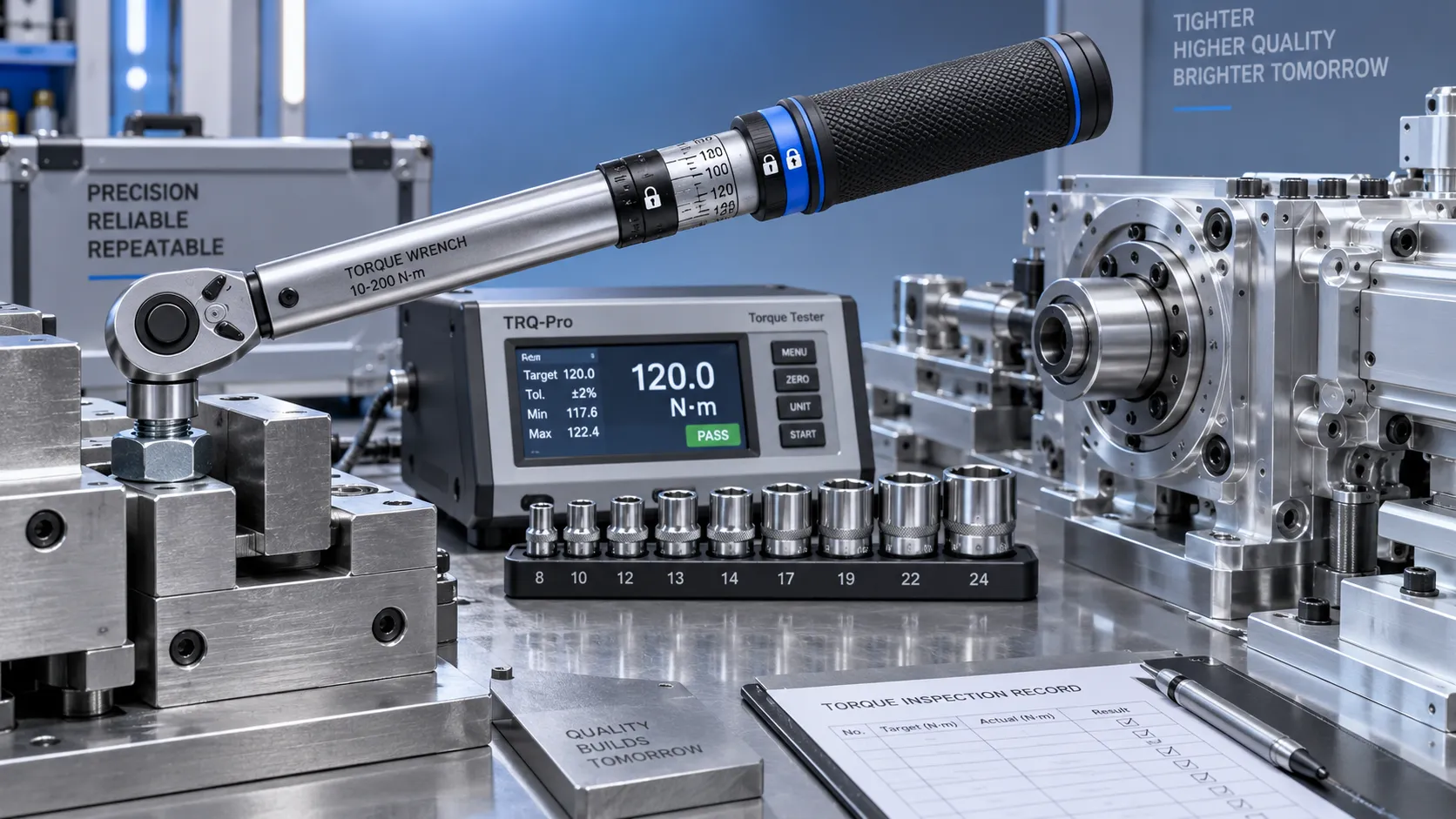
Selecting Adjustable Torque Tools for Repeatable Fastener Assembly
Adjustable torque tools: learn how to match range, accuracy, control methods, calibration, and ergonomics for repeatable, reliable fastener assembly.
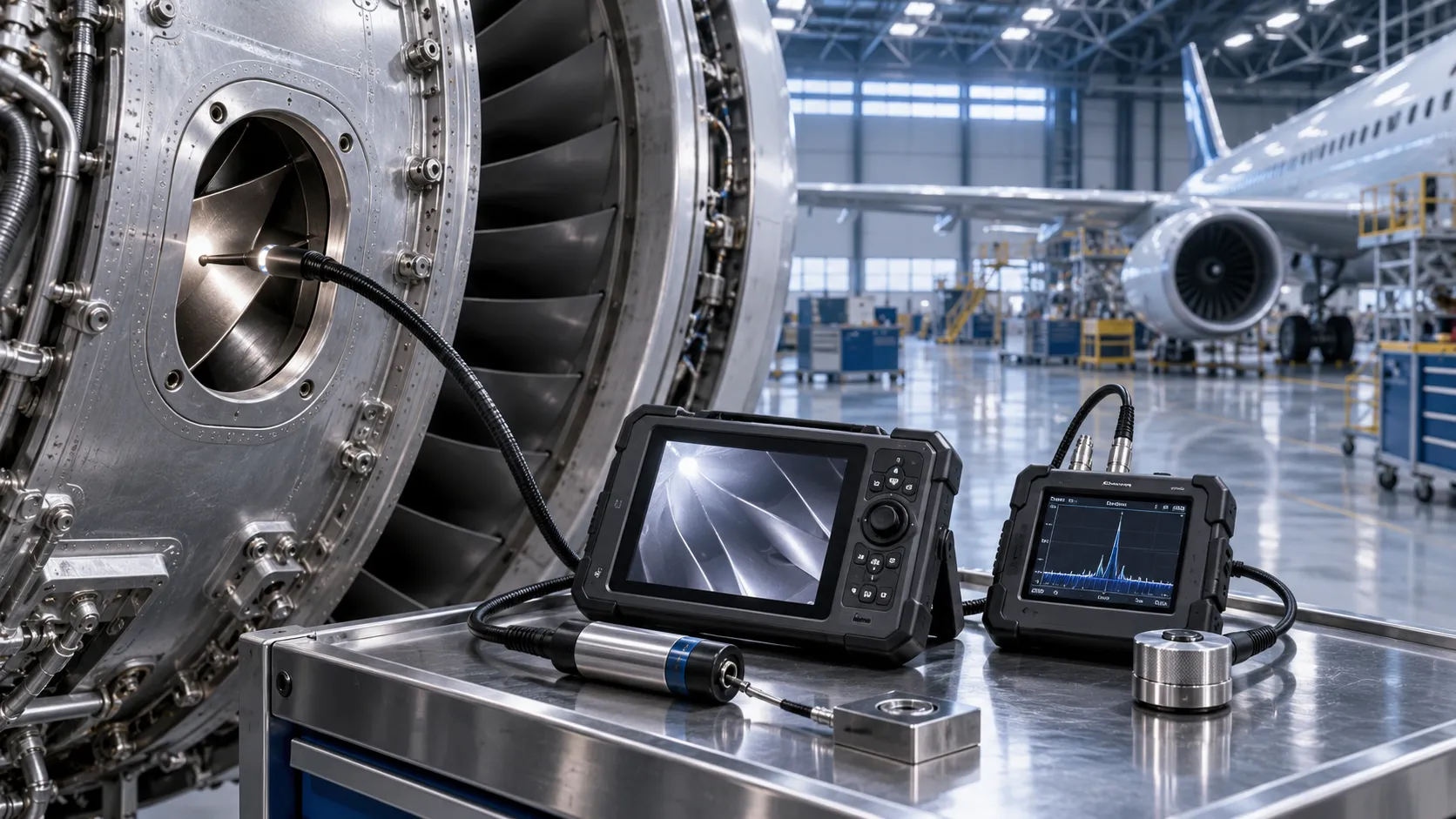
How to Select Aerospace Inspection Tools for Aircraft Maintenance Tasks
Aerospace maintenance inspection tools: learn how to select reliable, traceable equipment for aircraft access, accuracy, calibration, and compliant maintenance decisions.
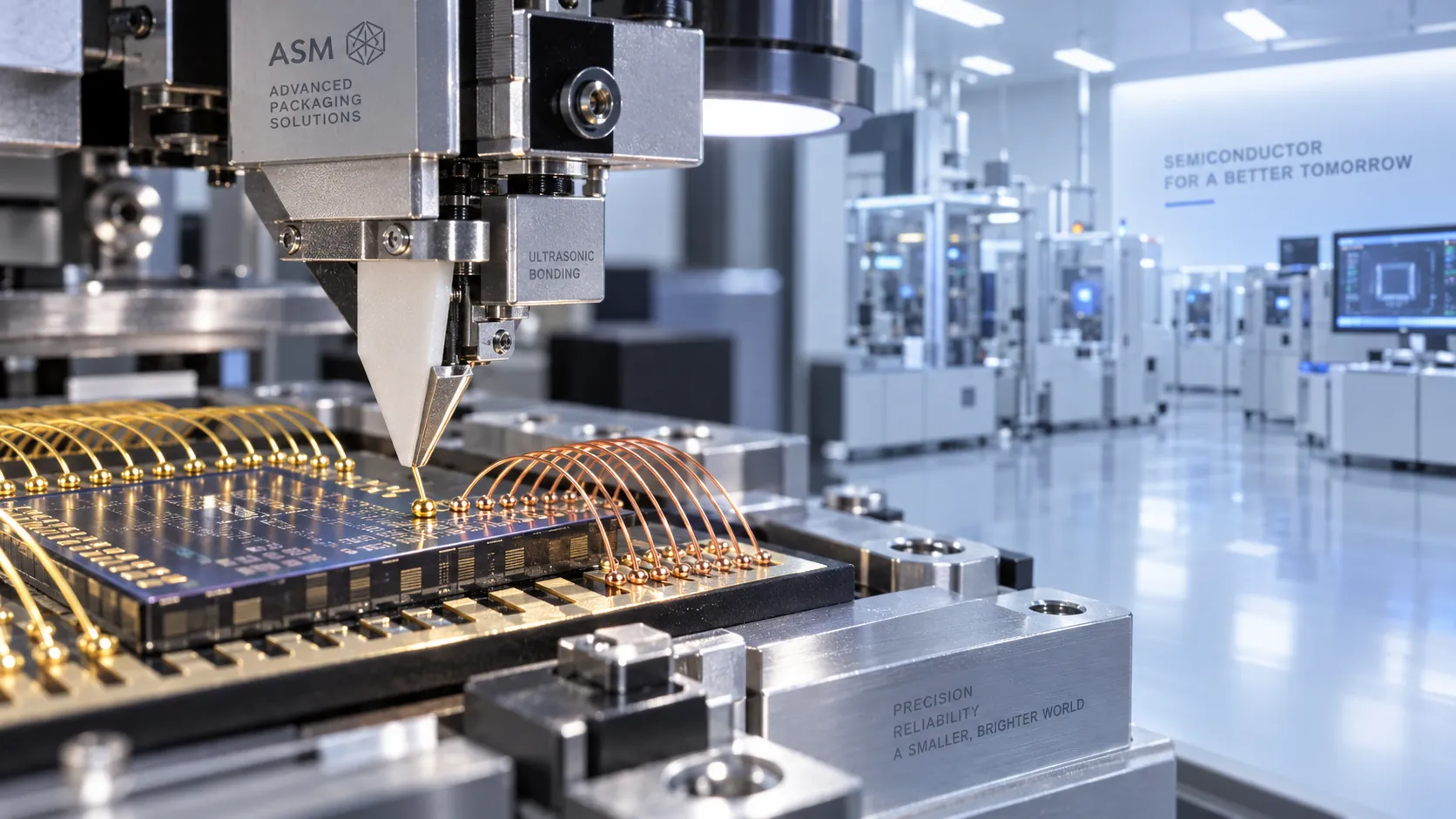
How to Select Wire Bonding Tools for Fine-Pitch Semiconductor Packaging
Explore semiconductor manufacturing tools for wire bonding and learn how to select precision solutions for fine-pitch packaging, reliable loops, accuracy, and yield.
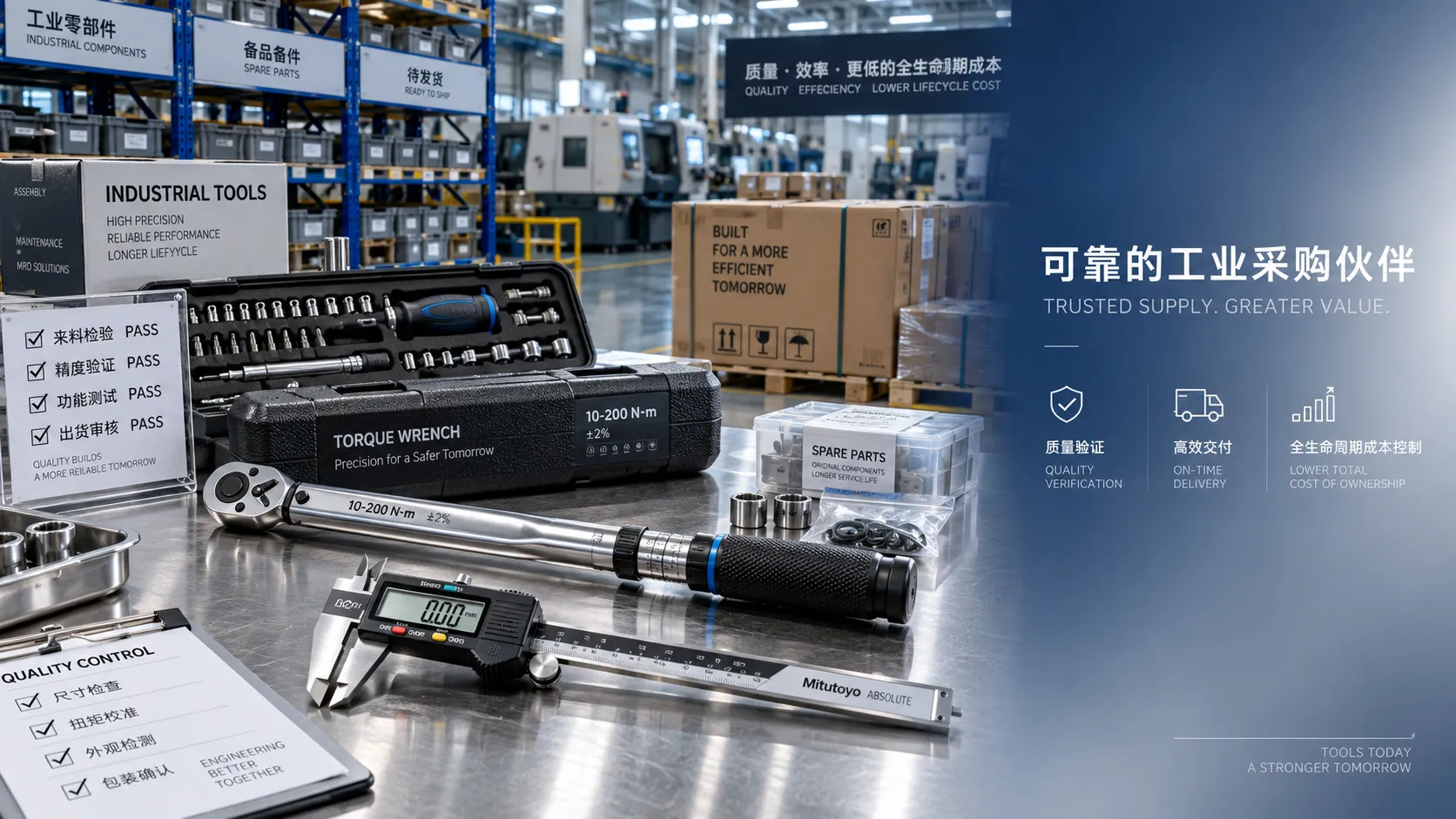
How to Compare Industrial Tool Suppliers for Quality, Lead Time, and Total Cost
Industrial tool selection supplier comparison made simple: evaluate quality, lead times, total cost, service, and supply resilience for confident sourcing decisions.
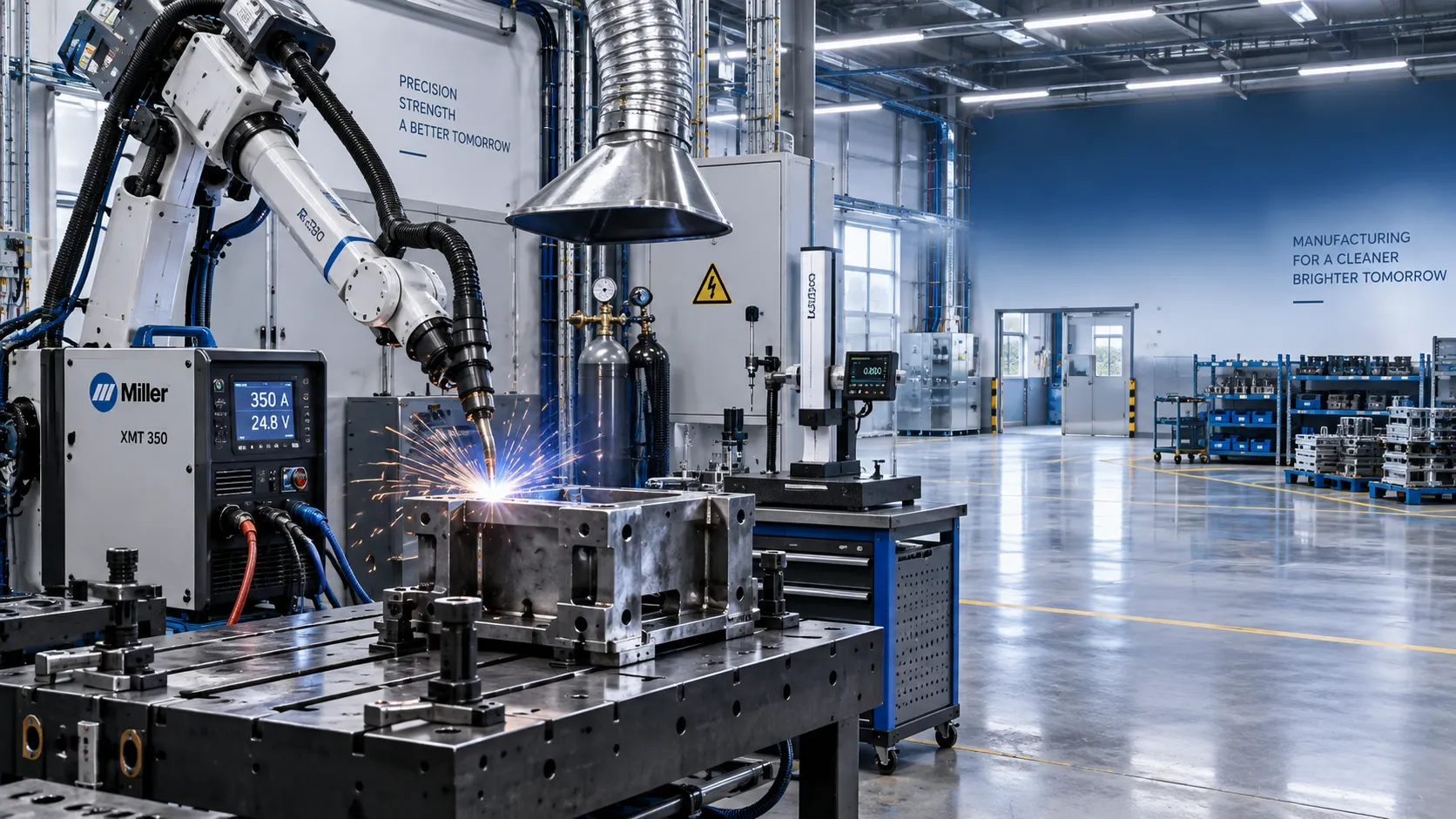
Industrial Equipment Application Guidance: Match Machines to Operating Conditions
Application guidance industrial equipment: match capacity, duty cycle, materials, site conditions, safety, and lifecycle cost to improve reliable output. Read the guide.
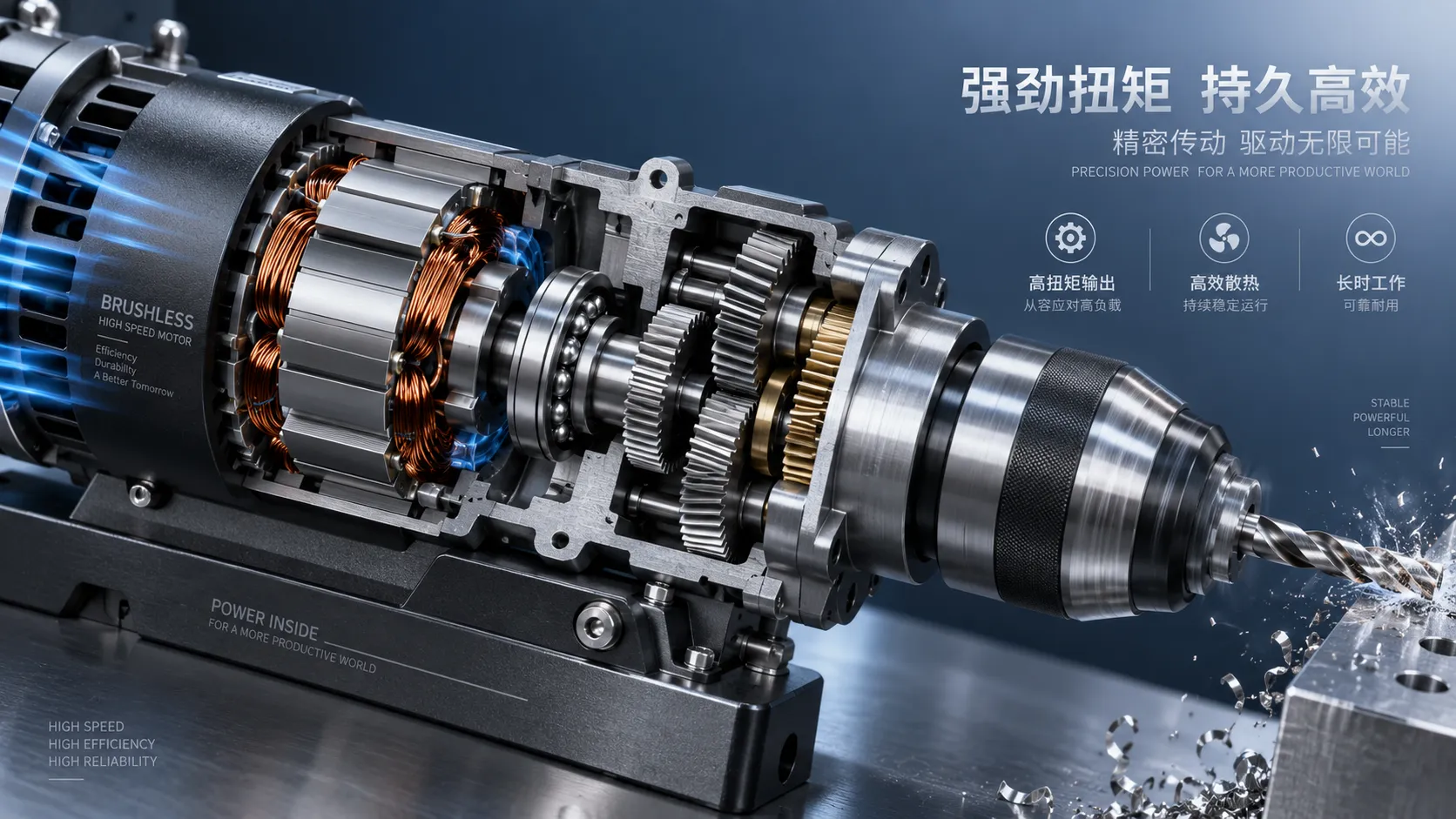
Selecting High-Speed Brushless Tool Motors for Torque, Heat, and Duty Cycle
High speed brushless tool motors: learn how to balance torque, heat, gearing, and duty cycle for reliable industrial tool performance and longer service life.
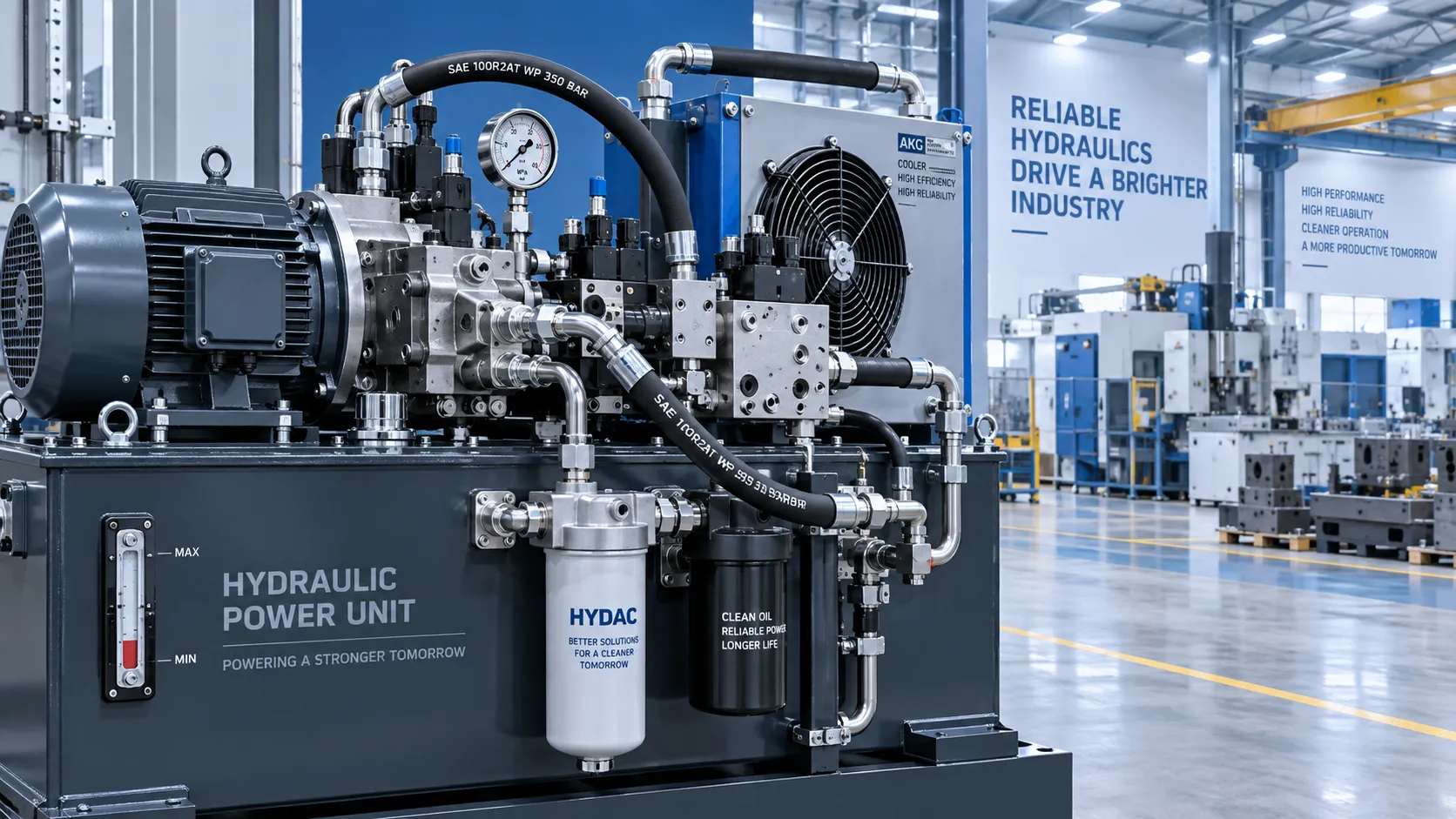
What Determines Industrial Hydraulic System Price for Heavy-Duty Equipment?
Industrial hydraulic system price depends on duty cycle, pressure, components, cooling, and integration. Compare quotes intelligently to secure reliable heavy-duty performance.
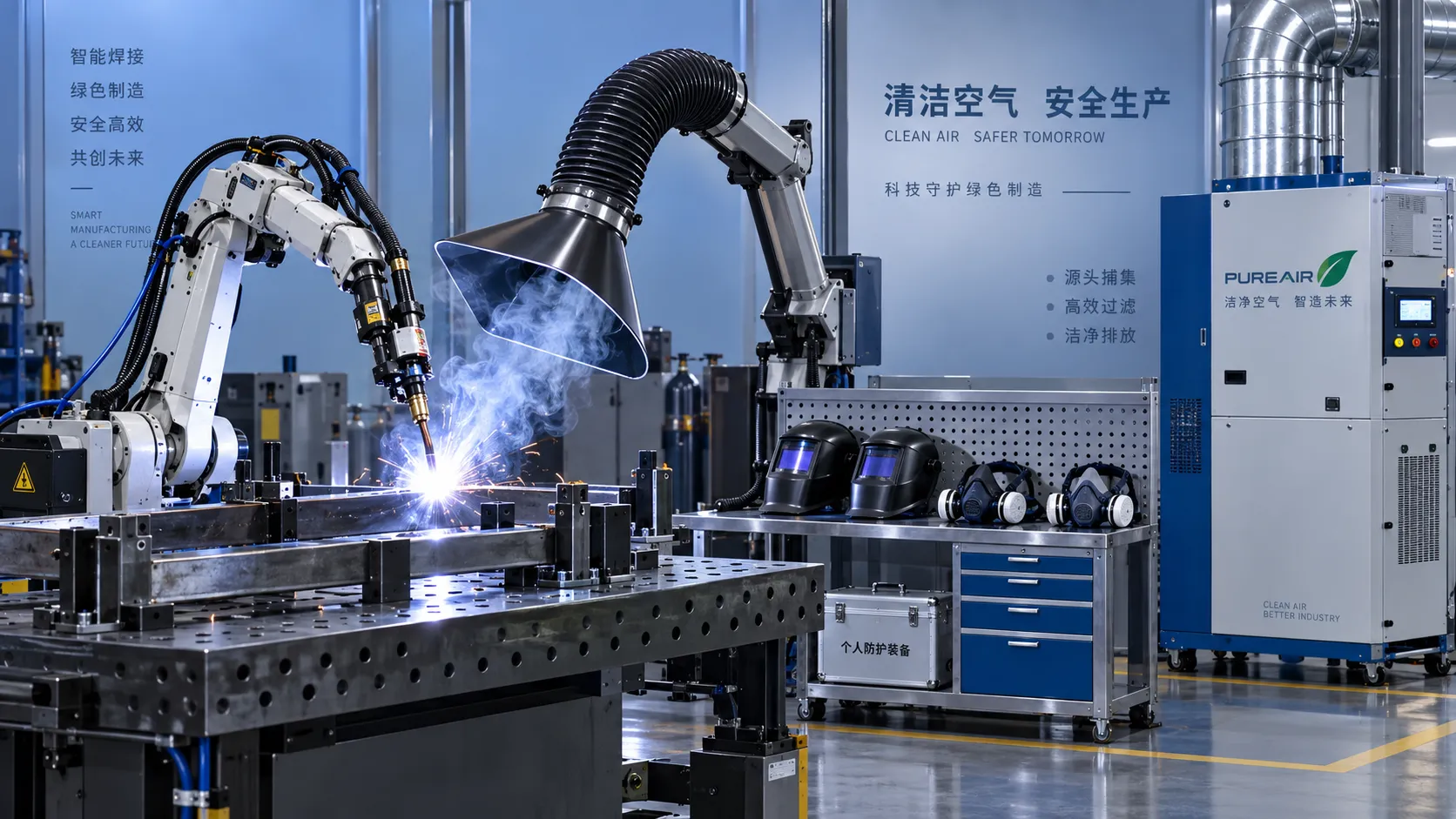
Welding Fume Extraction PPE: When Respirators Are Not Enough for Shop Safety
Welding fume extraction PPE: learn why respirators alone fall short and how source capture, ventilation, and layered controls improve shop safety.
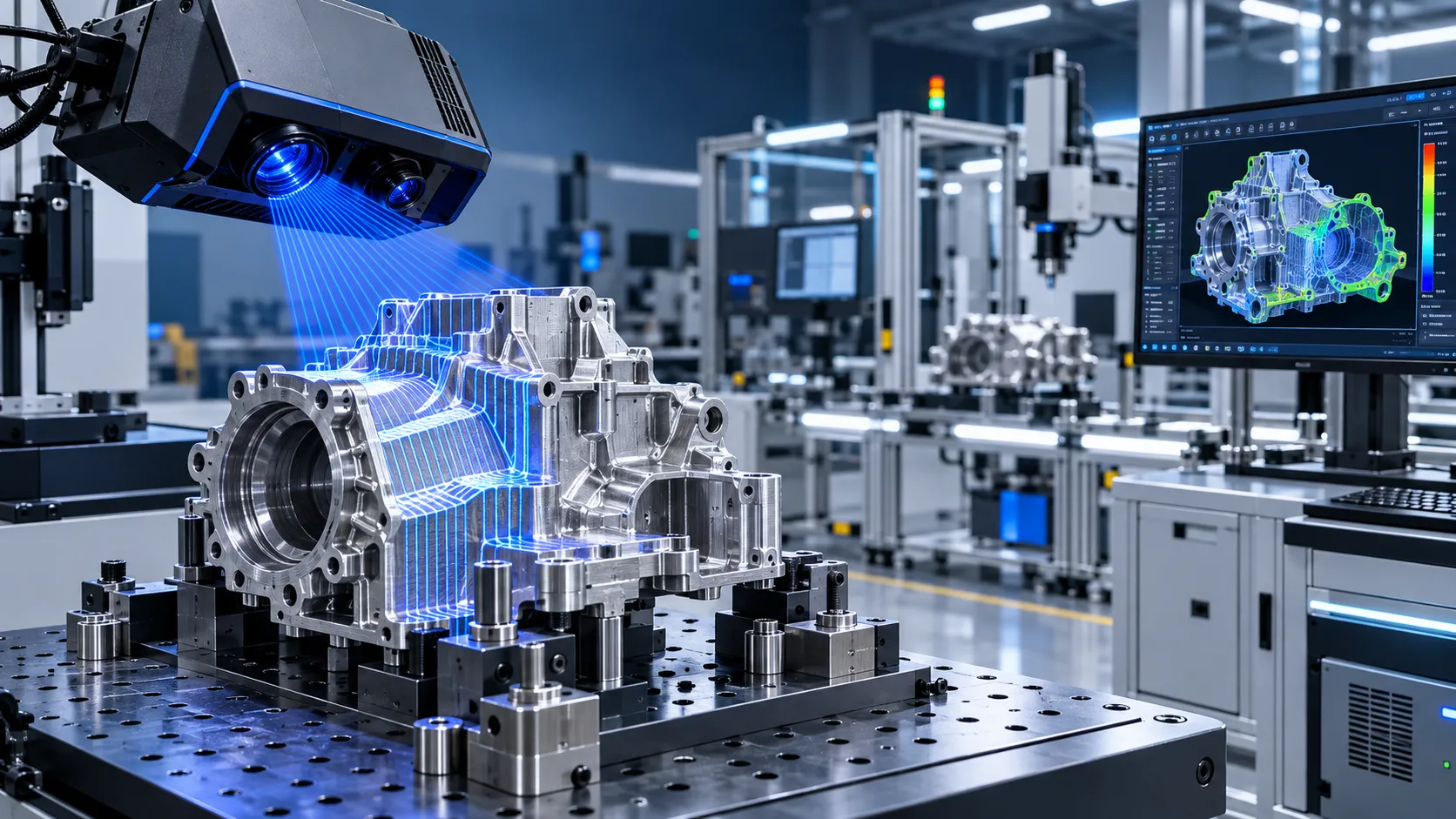
How to Select Optical Metrology Solutions for Tight-Tolerance Manufacturing
Optical industrial metrology solutions for tight-tolerance manufacturing: evaluate accuracy, surface compatibility, workflow, and traceability to select with confidence.
Related News
- 00
0000-00
Selecting Adjustable Torque Tools for Repeatable Fastener Assembly - 00
0000-00
How to Select Aerospace Inspection Tools for Aircraft Maintenance Tasks - 00
0000-00
How to Select Wire Bonding Tools for Fine-Pitch Semiconductor Packaging - 00
0000-00
Industrial Equipment Application Guidance: Match Machines to Operating Conditions - 00
0000-00
Selecting High-Speed Brushless Tool Motors for Torque, Heat, and Duty Cycle
Prof. Marcus Chen
Weekly Insights
Stay ahead with our curated technology reports delivered every Monday.