
High-Precision Measuring Instruments: Rent or Buy in 2026?





In 2026, choosing whether to rent or buy high-precision measuring instruments is no longer a simple budget decision—it is a strategic move that affects cash flow, compliance, and operational agility. For business evaluators navigating volatile demand, tighter quality standards, and faster technology cycles, the right model can directly influence ROI and competitiveness. This article examines the key factors shaping smarter procurement decisions.
Why scenario differences matter more than ever in 2026
For business evaluators, the debate around high-precision measuring instruments is not really about ownership preference. It is about fit. A calibration lab serving aerospace clients, a contract manufacturer handling mixed-volume orders, and a field inspection team supporting infrastructure projects will each use the same category of equipment in very different ways. Their uptime expectations, metrology traceability needs, operator skill levels, and funding structures are not comparable.
That is why a rent-versus-buy decision should begin with application context rather than unit price. In many industrial settings, high-precision measuring instruments such as laser measurement systems, coordinate measuring devices, digital micrometers, surface roughness testers, optical comparators, and advanced calibration tools directly affect first-pass yield, audit performance, and customer acceptance. A poor procurement model can lock capital into underused assets or expose operations to avoidable delays.
At GPTWM, where industrial assembly, welding, and precision metrology trends are monitored across global supply chains, one pattern is clear: the faster technology evolves and the more fragmented demand becomes, the more scenario-based procurement gains importance. Evaluators now need to match instrument strategy to business rhythm, not just to annual budgeting cycles.
The main business scenarios where the rent-or-buy decision appears
The need for high-precision measuring instruments usually emerges in a few recurring business situations. Recognizing which one best describes your operation is the fastest route to a sound decision.
1. Short-term project validation or customer onboarding
This scenario is common when a supplier wins a pilot order, prepares a first article inspection, or enters a new quality-controlled account. Demand is urgent, but long-term volume is uncertain. Renting is often attractive here because it reduces commitment while allowing access to certified, up-to-date equipment.
2. Stable production with predictable inspection load
When a plant runs repeatable parts, fixed tolerances, and recurring inspection routines, buying high-precision measuring instruments usually becomes more economical over time. Utilization is high, training can be standardized, and calibration planning can be embedded into normal operations.
3. Seasonal, cyclical, or bid-driven industrial demand
Construction support, heavy equipment service, energy maintenance, and export-driven manufacturing often face uneven demand. In these cases, a blended model works well: buy core tools used every week, rent specialized high-precision measuring instruments only when project peaks justify them.
4. Technology trial before standardization
If a company is evaluating optical measurement, non-contact inspection, IoT-enabled gauging, or tighter digital quality reporting, renting can serve as a low-risk test bed. This is especially useful when internal teams are unsure whether process capability gains will outweigh integration costs.
5. Compliance-heavy environments
Industries with demanding documentation standards may still rent, but only from providers with strong calibration records, maintenance history, and traceable certification support. Buying may be preferred if audit continuity and chain-of-custody control are strategic priorities.
Scenario comparison: when renting or buying fits best
The table below helps business evaluators map common operating conditions to the most suitable approach for high-precision measuring instruments.
How demand differences change the answer
Even within the same industry, the right choice can shift based on five practical variables.
Utilization rate
If high-precision measuring instruments are used daily across shifts, buying often wins. If use is occasional or tied to milestone inspections, rental can reduce idle asset burden. Evaluators should estimate actual monthly usage hours, not assumed need.
Accuracy and compliance risk
The tighter the tolerance and the more expensive the failure, the more important calibration discipline becomes. In regulated or customer-audited environments, buying may deliver stronger control over maintenance intervals, software versions, and instrument history. However, premium rental providers can also satisfy this need if contracts clearly define certification support.
Technology obsolescence
Some high-precision measuring instruments now integrate cloud reporting, wireless data capture, AI-assisted analysis, or new sensor architectures. If your workflows may change within two to three years, renting protects you from being trapped in yesterday’s capability. This is particularly relevant for growing manufacturers shifting from manual checks to digital quality systems.
Workforce readiness
A sophisticated instrument only creates value when operators can use it correctly. Renting is often the better route for teams still building metrology competence, especially if supplier training is included. Buying makes more sense once procedures, staffing, and accountability are mature.
Capital strategy
Some businesses prioritize liquidity for market expansion, automation, or inventory resilience. In those cases, renting high-precision measuring instruments can support broader strategic flexibility. Others prefer asset ownership to lower long-term operating expense. The correct answer depends on capital cost, not just equipment price.
Application-based recommendations by business type
Below are practical recommendations for common evaluator profiles in the broader industrial market.
Common misjudgments that lead to poor procurement outcomes
Many businesses make avoidable errors when selecting high-precision measuring instruments. These mistakes are especially common when procurement, quality, and operations evaluate the issue in isolation.
- Choosing based only on purchase price, without modeling calibration, downtime, software, and training costs.
- Assuming short-term projects will become permanent, then underutilizing owned assets.
- Renting specialized instruments without checking certificate validity, service response time, or damage liability terms.
- Buying advanced metrology systems before process engineers define how measurement data will actually improve decisions.
- Ignoring interoperability with existing quality systems, ERP records, or digital production reporting.
For evaluators, the lesson is simple: the best financial choice and the best operational choice are not always identical. The goal is to find the point where measurement capability, compliance confidence, and business flexibility align.
A practical decision framework for 2026
Before approving a rental or purchase plan for high-precision measuring instruments, ask five questions:
- Will this instrument be used consistently for at least 18 to 36 months?
- How costly is nonconformance if measurement quality fails?
- Is the underlying measurement technology stable, or likely to be upgraded soon?
- Can our team maintain, calibrate, and document the instrument properly?
- Would capital be better deployed elsewhere in the business this year?
If the answers point to stable usage, high audit sensitivity, and mature internal control, buying is usually justified. If they point to uncertain demand, evolving technology, and a need to preserve cash, renting is often the more strategic path. If your operation contains both conditions, a hybrid fleet is likely the most resilient answer.
FAQ: scenario-based questions business evaluators often ask
Is renting high-precision measuring instruments more expensive in the long run?
It can be, but only if the instruments are heavily used for a long period. For short-duration programs, uncertain customer demand, or technology trials, rental may be less expensive overall because it avoids idle ownership, depreciation risk, and premature obsolescence.
When should a company move from rental to purchase?
A transition usually makes sense when usage becomes consistent, operators are trained, compliance demands are recurring, and measurement data is embedded in standard workflows. The strongest signal is when the same high-precision measuring instruments are repeatedly rented for core operations.
Can a hybrid strategy really work?
Yes. Many businesses now own essential daily-use metrology tools and rent niche systems for specialized jobs, overflow demand, or customer-specific inspections. This approach balances control with flexibility and is increasingly relevant in 2026.
Final takeaway: match the model to the use case, not the headline cost
The smartest decision on high-precision measuring instruments in 2026 depends on the business scenario behind the request. Renting is usually strongest where uncertainty, project-based demand, or technology transition dominate. Buying is usually strongest where usage is stable, traceability is central, and long-term process control matters. For many industrial organizations, the best answer is not either-or, but a carefully designed mix.
If you are evaluating options across manufacturing, maintenance, assembly, or quality operations, start by mapping your real application scenarios, compliance expectations, and utilization profile. That is the foundation for a procurement decision that improves both operational confidence and financial performance.
Related News
Selecting Adjustable Torque Tools for Repeatable Fastener Assembly
Adjustable torque tools: learn how to match range, accuracy, control methods, calibration, and ergonomics for repeatable, reliable fastener assembly.
How to Select Aerospace Inspection Tools for Aircraft Maintenance Tasks
Aerospace maintenance inspection tools: learn how to select reliable, traceable equipment for aircraft access, accuracy, calibration, and compliant maintenance decisions.

How to Select Wire Bonding Tools for Fine-Pitch Semiconductor Packaging
Explore semiconductor manufacturing tools for wire bonding and learn how to select precision solutions for fine-pitch packaging, reliable loops, accuracy, and yield.
How to Compare Industrial Tool Suppliers for Quality, Lead Time, and Total Cost
Industrial tool selection supplier comparison made simple: evaluate quality, lead times, total cost, service, and supply resilience for confident sourcing decisions.
Industrial Equipment Application Guidance: Match Machines to Operating Conditions
Application guidance industrial equipment: match capacity, duty cycle, materials, site conditions, safety, and lifecycle cost to improve reliable output. Read the guide.
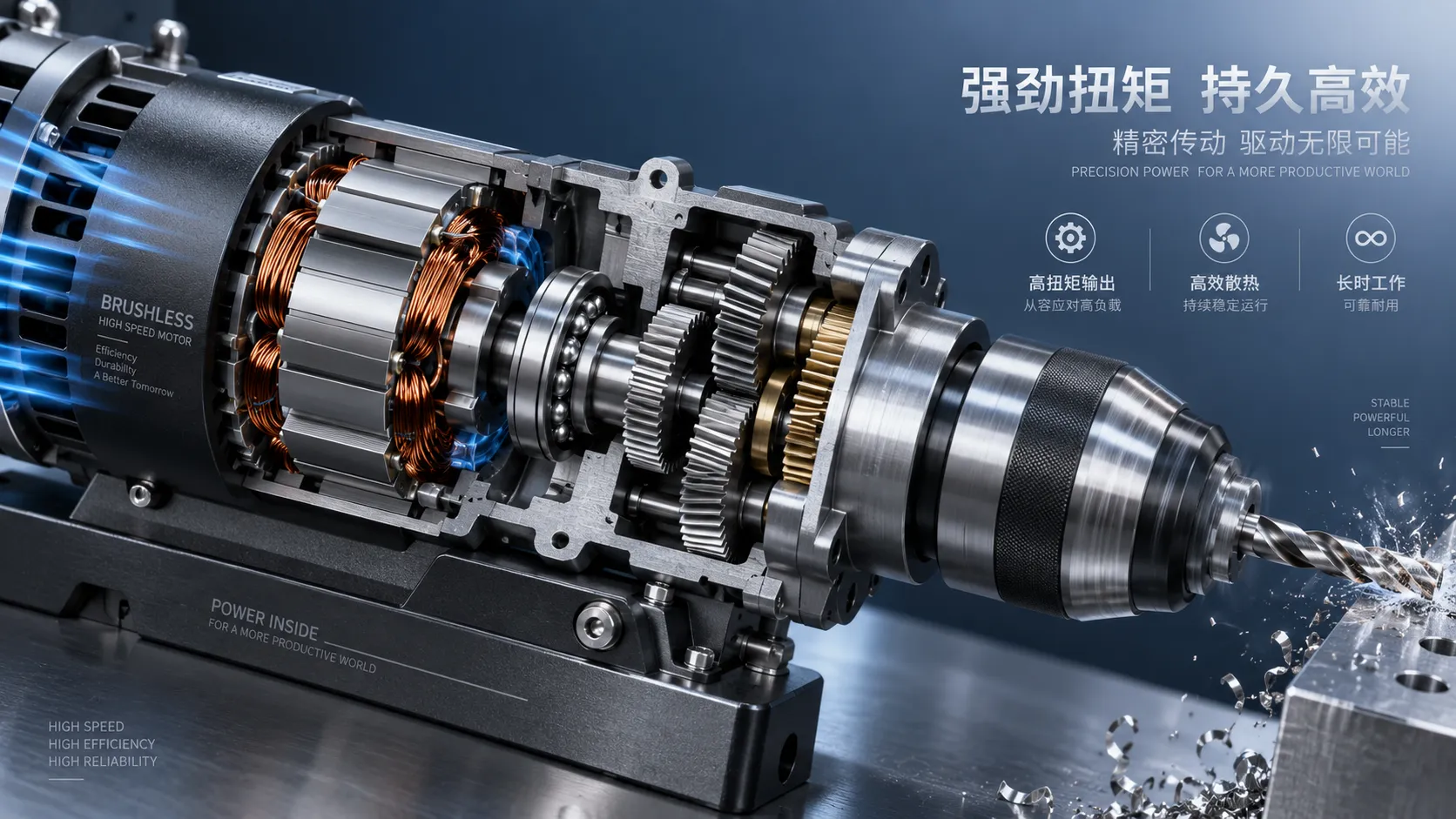
Selecting High-Speed Brushless Tool Motors for Torque, Heat, and Duty Cycle
High speed brushless tool motors: learn how to balance torque, heat, gearing, and duty cycle for reliable industrial tool performance and longer service life.
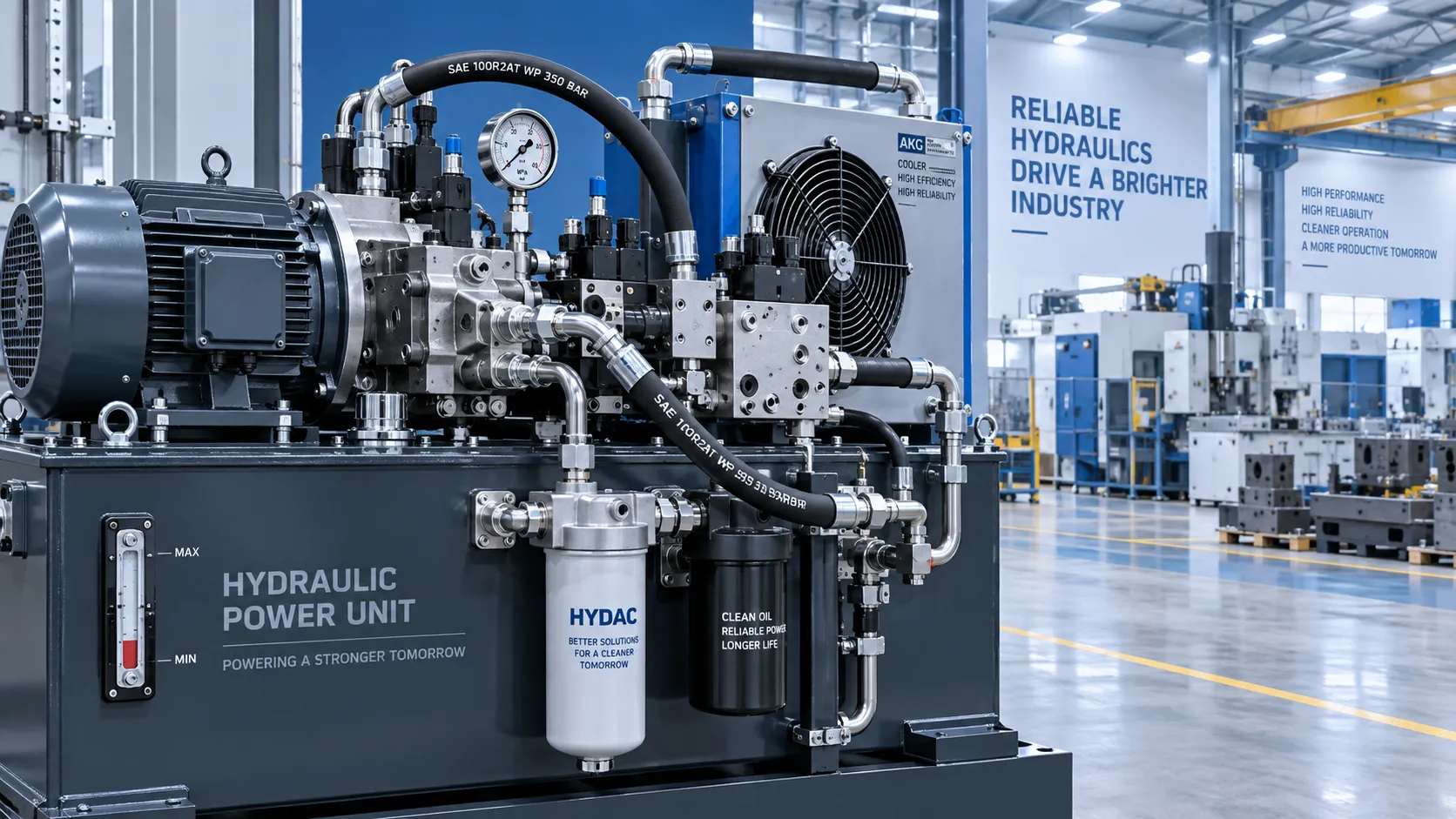
What Determines Industrial Hydraulic System Price for Heavy-Duty Equipment?
Industrial hydraulic system price depends on duty cycle, pressure, components, cooling, and integration. Compare quotes intelligently to secure reliable heavy-duty performance.
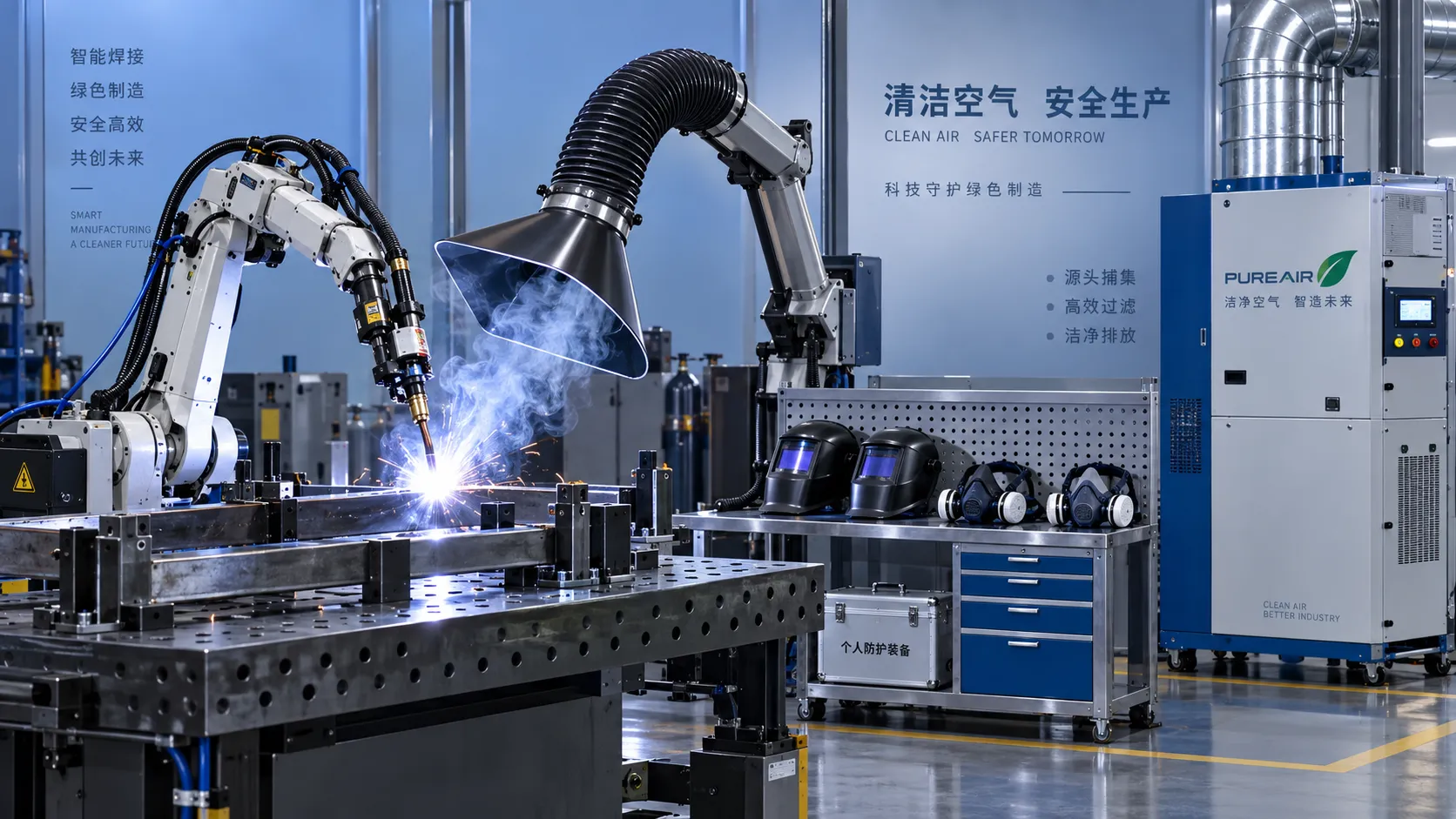
Welding Fume Extraction PPE: When Respirators Are Not Enough for Shop Safety
Welding fume extraction PPE: learn why respirators alone fall short and how source capture, ventilation, and layered controls improve shop safety.
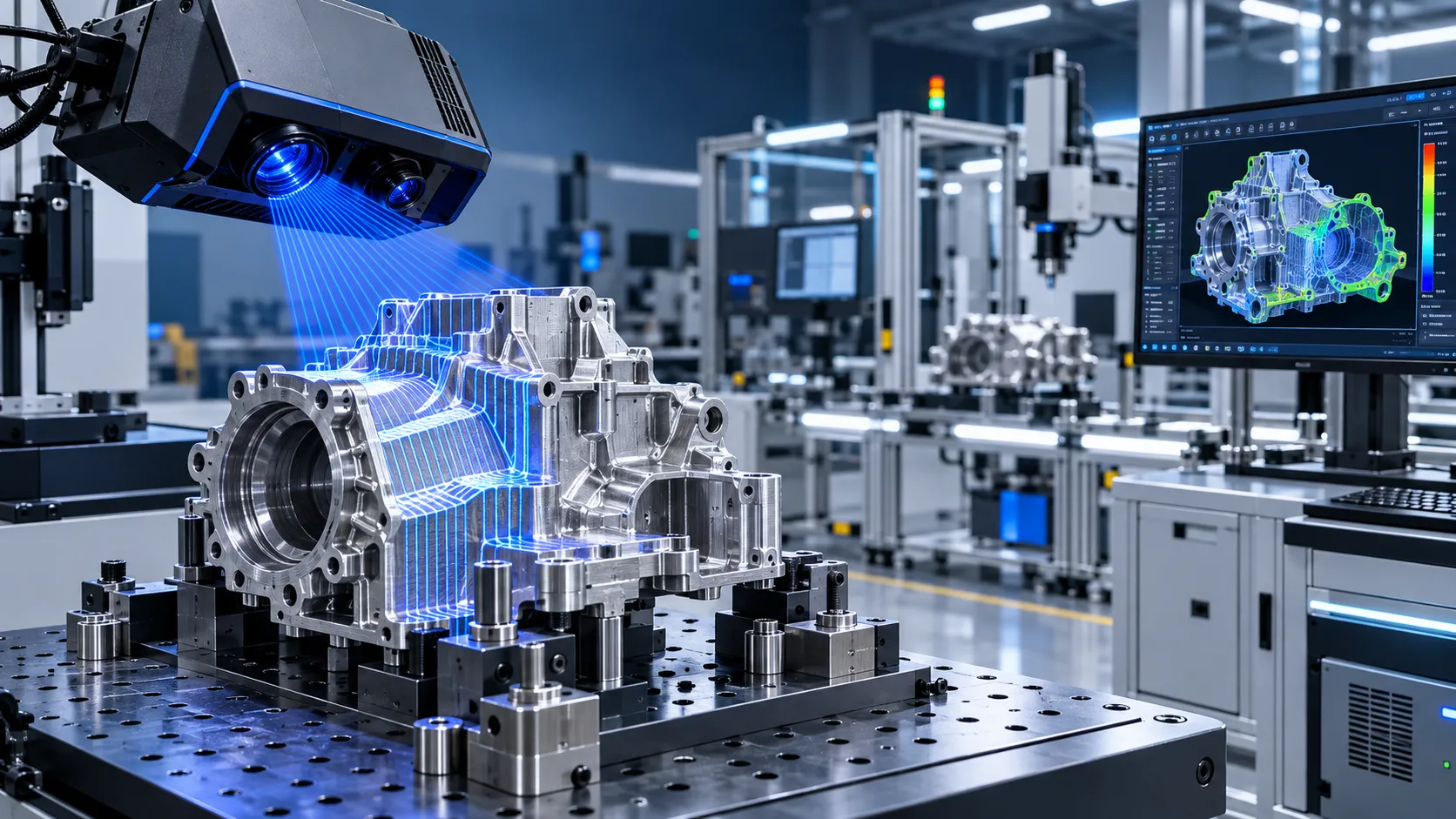
How to Select Optical Metrology Solutions for Tight-Tolerance Manufacturing
Optical industrial metrology solutions for tight-tolerance manufacturing: evaluate accuracy, surface compatibility, workflow, and traceability to select with confidence.
Related News
- 00
0000-00
Why Data-Driven Intelligence Costs Are Reshaping Enterprise Automation Budgets - 00
0000-00
What Does Data-Driven Intelligence Cost? Budgeting for Data, Tools, and Talent - 00
0000-00
What Determines Metrology Technology Prices for Factory Inspection Systems? - 00
0000-00
Welding Tools Price Guide: What Affects Cost and How Buyers Can Compare Options - 00
0000-00
What Drives Industrial Tools Cost? A Buyer’s Guide to Materials, Volume, and Lifecycle Expenses
Ms. Elena Rodriguez
Weekly Insights
Stay ahead with our curated technology reports delivered every Monday.