
When Does Handheld Laser Welding Beat MIG on Total Cost?





For procurement teams evaluating joining technologies, the answer is usually straightforward: handheld laser welding beats MIG on total cost when labor is expensive, weld appearance matters, rework is costly, and the product mix includes thin metals, stainless steel, aluminum, or visible seams. MIG often remains the lower-cost choice for thick sections, heavy deposition, lower cosmetic requirements, and shops that already run stable high-volume wire welding with trained operators. The key is not purchase price alone, but the combined economics of throughput, consumables, post-processing, training, defect rates, and the value of flexibility.
That is the real search intent behind “When does handheld laser welding beat MIG on total cost?” Buyers are not looking for a generic technology comparison. They want a decision framework: where is the break-even point, what cost items matter most, and in which production scenarios does handheld laser welding create a measurable sourcing advantage. For procurement professionals, the right comparison is lifecycle cost per acceptable weld, not machine price per unit.
What Procurement Teams Really Need to Know First
If your team is comparing handheld laser welding and MIG, the first question should be this: what are you actually buying—arc time, finished-part quality, operator productivity, or reduction of downstream work? In many purchasing reviews, MIG appears cheaper because the capital investment is lower. But that view can be misleading if labor, grinding, polishing, distortion correction, or scrap are meaningful cost drivers.
Handheld laser welding becomes economically attractive when the process removes enough hidden cost from the operation. That usually happens in fabrication environments where weld cleanup is manual, part aesthetics affect sell-through or customer acceptance, and operator availability is constrained. In those cases, a higher initial machine cost can be offset by lower cost per finished assembly.
By contrast, if your operation prioritizes low equipment cost, high filler deposition, tolerance for spatter, and proven workflows for thicker materials, MIG may still deliver the better total cost profile. Procurement should therefore avoid a “new technology versus old technology” mindset and instead evaluate fit by part family, material mix, quality target, and labor structure.
Where Handheld Laser Welding Gains a Total Cost Advantage
The strongest cost advantage for handheld laser welding appears in jobs where speed alone is not the full story. Yes, travel speed can be higher in many thin-sheet and precision applications, but the larger savings often come after the weld is complete. A cleaner seam with less spatter and lower heat input means less grinding, less straightening, less discoloration, and less operator time spent making the weld look acceptable.
For buyers, that matters because post-weld labor is frequently undercounted in sourcing models. If one process needs ten minutes of welding and another needs six minutes of welding plus one minute of cleanup, the second process may still win decisively even if the machine is more expensive. Handheld laser welding often shifts the economics by reducing the “invisible” labor that accumulates around each joint.
This advantage is especially relevant in stainless steel furniture, kitchen equipment, metal enclosures, decorative metalwork, light automotive components, HVAC assemblies, and maintenance applications where surface finish has commercial value. In those settings, a neater weld is not just a quality issue—it directly changes labor input and customer acceptance cost.
Another important benefit is distortion control. Lower heat input can reduce thermal deformation, particularly on thin materials. If MIG welding creates frequent rework to correct warping, fixture misalignment, or poor edge appearance, handheld laser welding may deliver savings well beyond the welding station itself.
Which Cost Elements Matter Most in a Real Comparison
Procurement decisions improve when cost is broken into categories. The first category is capital cost: machine, accessories, safety package, extraction, shielding gas setup, and commissioning. Handheld laser welding usually starts at a higher upfront investment than MIG, so no cost analysis should ignore that. However, this is only one piece of the total-cost picture.
The second category is direct operating cost. This includes electricity, shielding gas, consumables, contact tips or nozzles where relevant, protective lenses, and routine maintenance items. MIG often has higher ongoing consumable use through wire, tips, and cleanup-related wear, while handheld laser welding may reduce some consumables but introduce lens and protective component replacement. The exact outcome depends on usage discipline and operator handling.
The third category is labor. For many procurement teams, this is the decisive line item. Labor includes weld time, setup time, tack time, fixture dependence, training time, supervision burden, and post-processing. If labor costs are high or skilled welders are difficult to recruit, handheld laser welding can become more attractive because it can simplify certain tasks and shorten finishing work.
The fourth category is quality cost. This includes scrap, rework, distortion correction, failed inspections, inconsistent appearance, and warranty exposure. A process with a higher equipment price can still be less expensive overall if it produces a higher percentage of acceptable parts on the first pass.
The fifth category is throughput value. If handheld laser welding allows more output from the same labor base or enables shorter lead times, the benefit is not just “faster welding.” It may also mean more revenue capacity, lower overtime, improved on-time delivery, and reduced need for duplicate stations. Strategic buyers should not ignore this capacity effect.
When MIG Still Wins on Total Cost
It is a mistake to assume handheld laser welding is automatically the lower-cost modern option. MIG remains highly competitive in many environments. On thicker sections, joints requiring substantial filler deposition, outdoor or less controlled conditions, and heavy fabrication where cosmetic finish is secondary, MIG can retain a strong economic advantage.
MIG also performs well when a manufacturer already has a mature setup: trained operators, existing consumable contracts, standard fixtures, established WPS documentation, and acceptable quality outcomes. In that case, switching technologies may add disruption cost that outweighs expected savings.
Procurement should be cautious when suppliers present only best-case speed comparisons. If the target application involves large fillet welds, structural fabrication, substantial gap bridging, or rough-fit parts, MIG may offer better robustness and lower cost per joint. Handheld laser welding tends to be more rewarding where precision and finish matter, not where brute deposition is the main requirement.
In short, MIG usually wins when weld volume is heavy, tolerances are loose, material is thick, cleanup is not a major burden, and the current process already performs economically. Buyers should see handheld laser welding as a selective economic upgrade, not a universal replacement.
How to Identify the Break-Even Point
The practical break-even point is reached when annual savings from labor, quality, and throughput exceed the annualized premium paid for handheld laser welding. Procurement teams can model this with a simple five-step method rather than relying on vendor claims.
First, group parts into families by material, thickness, seam type, finish requirement, and annual volume. This matters because one process may outperform the other on only part of your product mix. A company with 20% suitable laser work and 80% heavy MIG work should not evaluate the technologies as if they serve the same portfolio equally.
Second, measure current MIG cost per accepted part. Include weld time, prep time, rework, cleanup, consumables, scrap, and inspection failures. Many organizations underestimate true MIG cost because secondary finishing is booked elsewhere in the plant and not assigned to the welding process.
Third, run controlled trials on representative parts. Use actual operators, not only vendor demo personnel. Track cycle time, operator learning curve, seam appearance, defect rate, gas use, power use, and finishing time. The point is to compare achievable shop-floor economics, not showroom results.
Fourth, annualize the cost difference. If handheld laser welding saves six minutes of labor and eight minutes of finishing per part across a meaningful annual volume, the value may quickly exceed the higher capital expense. If savings are only seconds per part on low-volume jobs, the payback may be weak.
Fifth, add strategic variables. These include reduced dependency on scarce skilled welders, shorter onboarding, less ergonomic strain, improved product appearance, and the ability to quote premium work. These benefits are harder to quantify but can still influence total cost and sourcing value.
The Hidden Variables Buyers Often Miss
One common oversight is safety infrastructure. Handheld laser welding is not simply a plug-and-play substitution for MIG. Eye protection protocols, work area controls, training discipline, fume extraction, and interlock practices may require additional investment. Procurement should include these costs early rather than treating them as minor extras.
Another hidden variable is joint preparation quality. Handheld laser welding can be very efficient, but process success depends on fit-up and consistency. If upstream cutting, bending, or assembly tolerances are poor, expected savings may shrink. Buyers should check whether the plant’s current part quality supports reliable laser adoption.
Service support is equally important. The economics of a high-tech welding asset depend on uptime, spare parts availability, training support, and local technical response. A lower quoted machine price is less attractive if service delays cause production loss. Procurement should compare vendor support capability as part of total cost, not as a separate issue.
Finally, consider utilization. A premium process only pays back if it is used often enough on the right work. If the machine will sit idle between occasional suitable jobs, even strong per-part economics may not justify the purchase. Shared use across departments or product lines can improve the business case substantially.
Best-Fit Applications for Handheld Laser Welding
For procurement teams looking for a simple rule, handheld laser welding is most likely to outperform MIG on total cost in applications with thin to medium-gauge metals, visible welds, stainless steel or aluminum parts, and moderate-to-high labor content in finishing. It is also a strong candidate where heat distortion creates downstream problems or where a cleaner seam supports product value.
Examples include stainless cabinets, food equipment, architectural metalwork, retail fixtures, elevator interiors, battery enclosures, sheet metal housings, and repair work requiring controlled heat input. In these categories, the combination of faster completion, reduced polishing, and better appearance can create a compelling total-cost advantage.
It can also make sense for contract manufacturers serving diverse customer requirements. The flexibility of handheld laser welding may help these firms quote premium cosmetic work, shorten lead times, and reduce operator bottlenecks. For buyers, that translates into broader capability from one investment.
Questions Procurement Should Ask Before Approving a Purchase
Before moving forward, procurement should ask suppliers for application-specific evidence, not generic promises. What materials and thicknesses have been tested? What cycle times were achieved on real parts? What is the expected life of critical consumables? What safety equipment is mandatory? What training time is typical for your operator profile? What local service response can be guaranteed?
Ask for side-by-side sample parts welded to your specification. Compare not just weld formation, but total finishing effort. Measure grinding time, discoloration, distortion, and reject rate. These factors often decide whether handheld laser welding truly beats MIG in your environment.
It is also wise to request a payback model based on your annual volumes and labor rates. A trustworthy supplier should be willing to help build a transparent total-cost analysis, including assumptions that can be challenged. If the case depends on unrealistic utilization or ideal fit-up, procurement should treat projections cautiously.
Final Verdict: When Does Handheld Laser Welding Beat MIG on Total Cost?
Handheld laser welding beats MIG on total cost when the operation values finished-part efficiency more than low initial machine price. If your cost structure is shaped by labor, cleanup, appearance requirements, distortion, and rework, handheld laser welding can deliver a lower lifecycle cost and faster payback than MIG. The stronger those hidden costs are, the sooner the break-even point arrives.
MIG remains the better economic choice where material is thicker, filler demand is high, cosmetic standards are modest, and the current process is already stable and cost-effective. For procurement professionals, the best decision comes from comparing cost per accepted finished part across the actual product mix—not from comparing equipment quotations in isolation.
In practical sourcing terms, handheld laser welding is not “cheaper” by default. It becomes cheaper when it removes enough labor and quality cost to outweigh its capital premium. Buyers who model the full process, run realistic trials, and match the technology to the right applications will make the most confident decision.
Related News
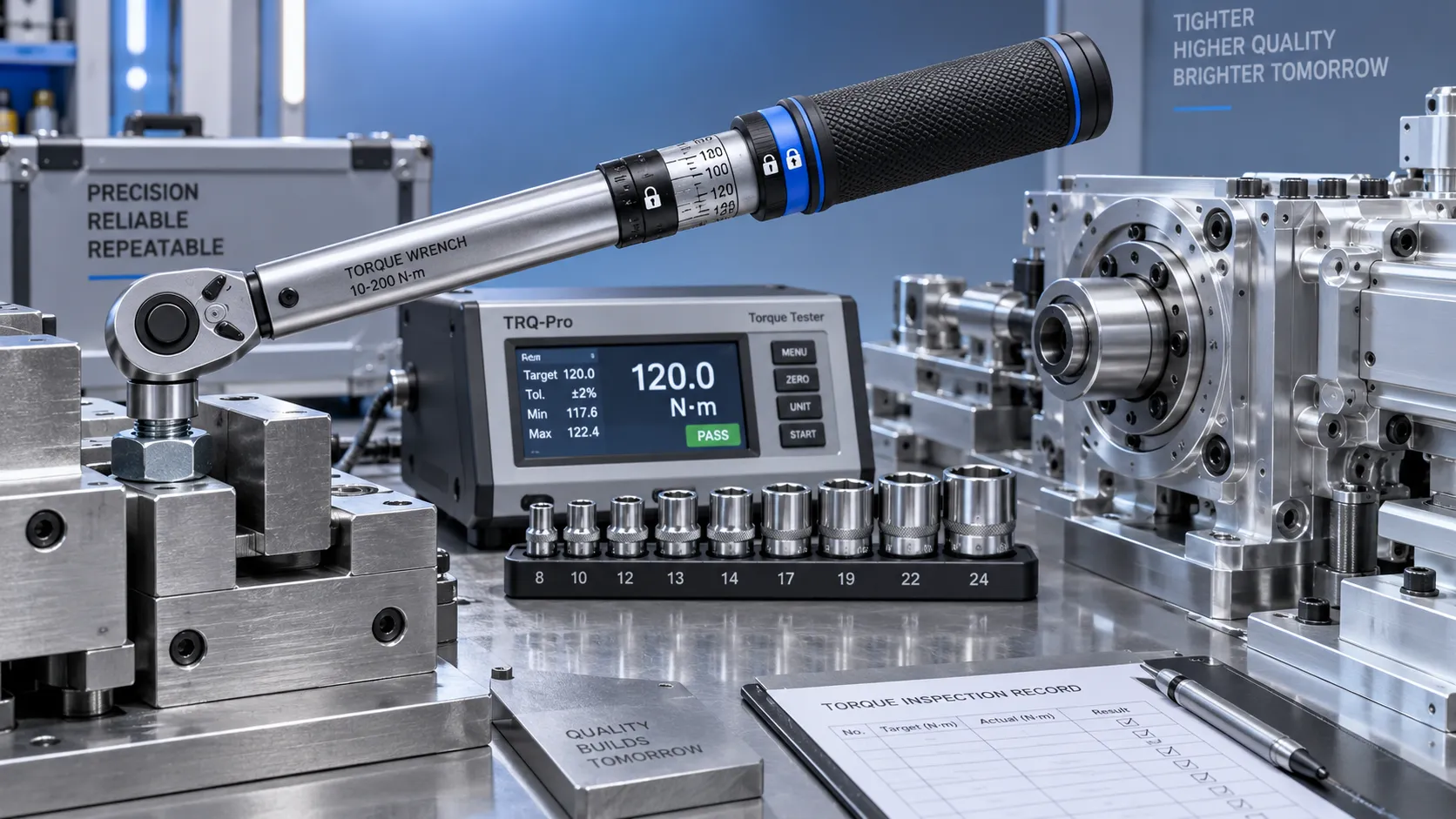
Selecting Adjustable Torque Tools for Repeatable Fastener Assembly
Adjustable torque tools: learn how to match range, accuracy, control methods, calibration, and ergonomics for repeatable, reliable fastener assembly.
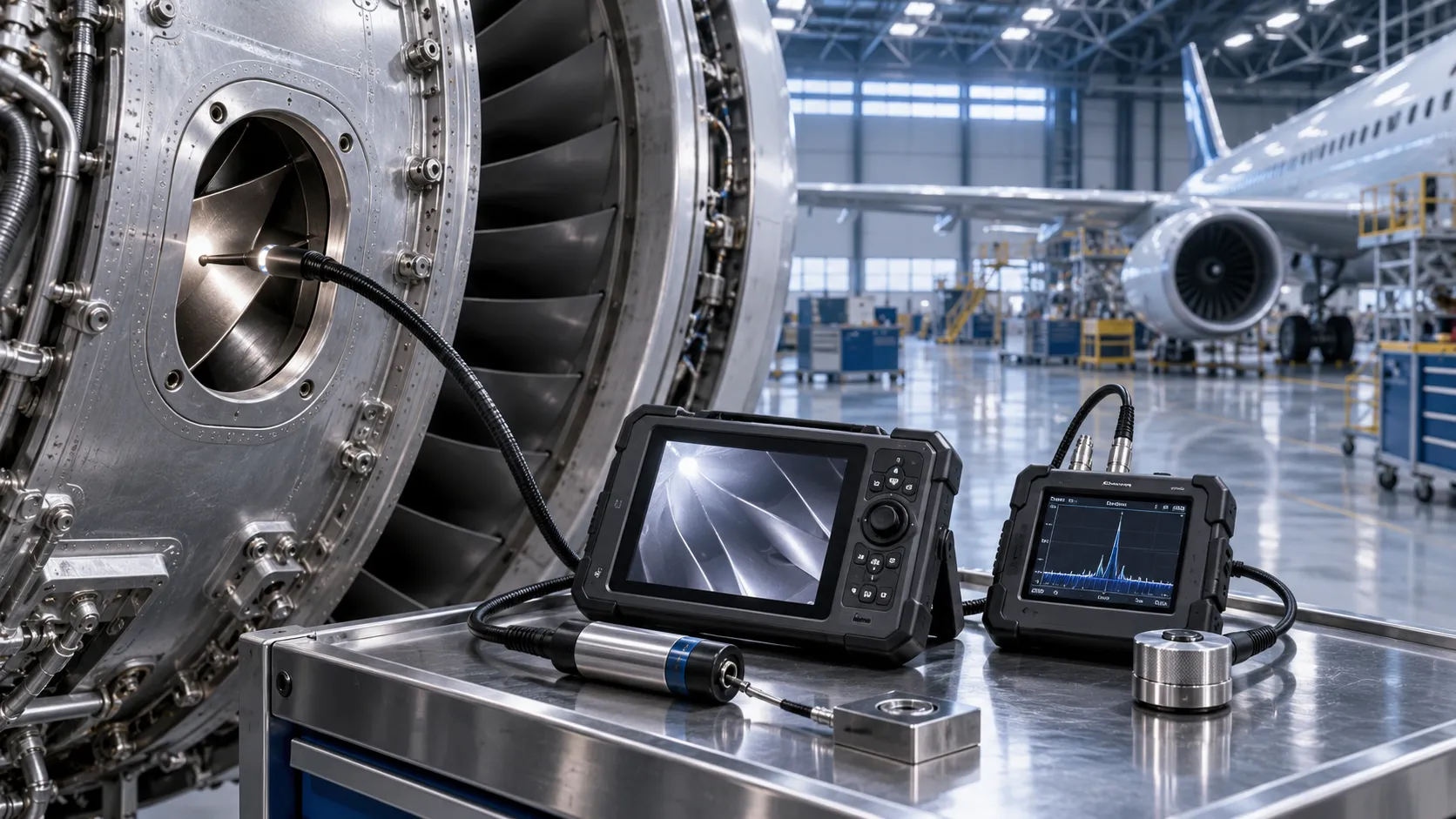
How to Select Aerospace Inspection Tools for Aircraft Maintenance Tasks
Aerospace maintenance inspection tools: learn how to select reliable, traceable equipment for aircraft access, accuracy, calibration, and compliant maintenance decisions.

How to Select Wire Bonding Tools for Fine-Pitch Semiconductor Packaging
Explore semiconductor manufacturing tools for wire bonding and learn how to select precision solutions for fine-pitch packaging, reliable loops, accuracy, and yield.
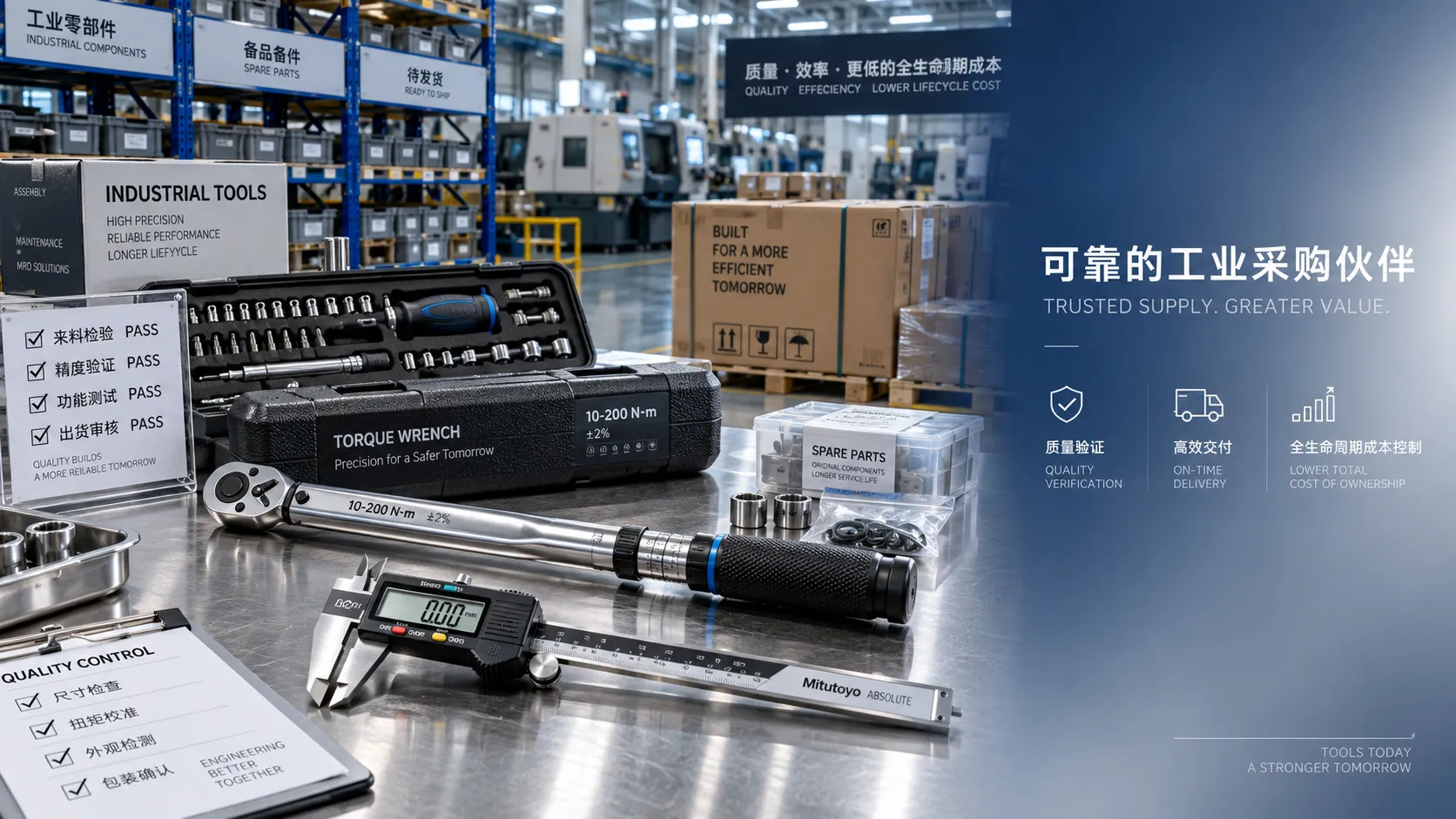
How to Compare Industrial Tool Suppliers for Quality, Lead Time, and Total Cost
Industrial tool selection supplier comparison made simple: evaluate quality, lead times, total cost, service, and supply resilience for confident sourcing decisions.
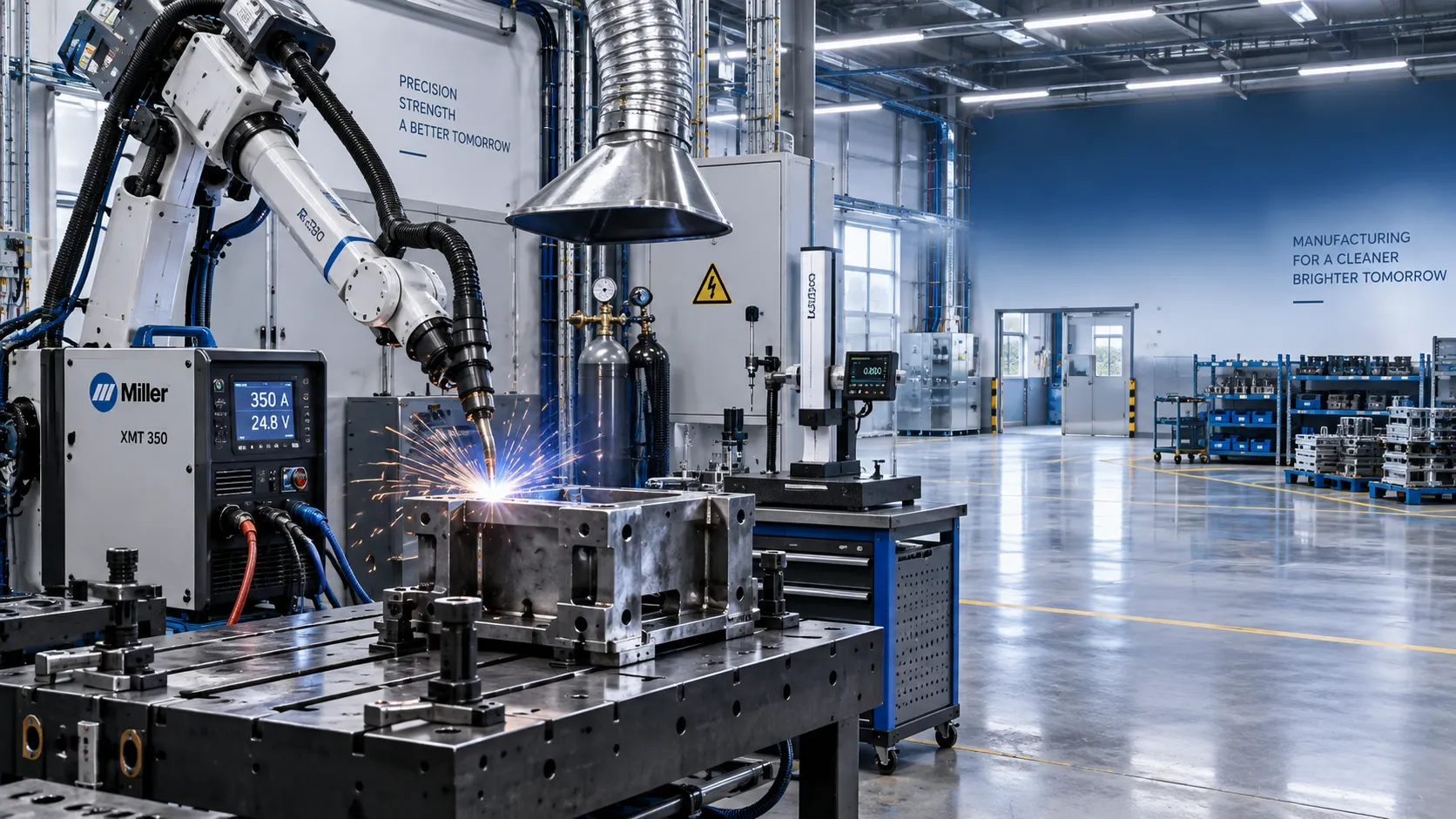
Industrial Equipment Application Guidance: Match Machines to Operating Conditions
Application guidance industrial equipment: match capacity, duty cycle, materials, site conditions, safety, and lifecycle cost to improve reliable output. Read the guide.
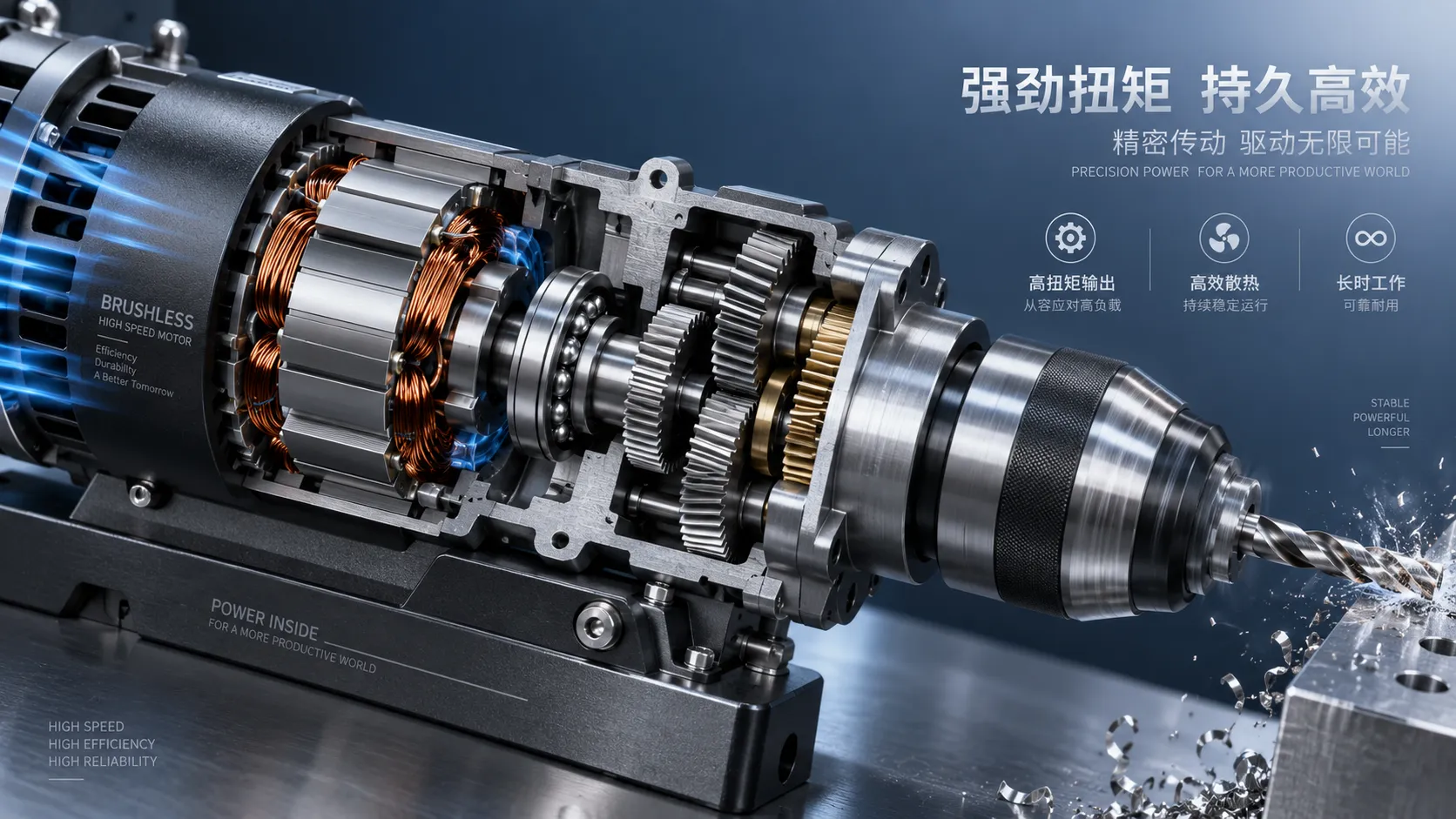
Selecting High-Speed Brushless Tool Motors for Torque, Heat, and Duty Cycle
High speed brushless tool motors: learn how to balance torque, heat, gearing, and duty cycle for reliable industrial tool performance and longer service life.
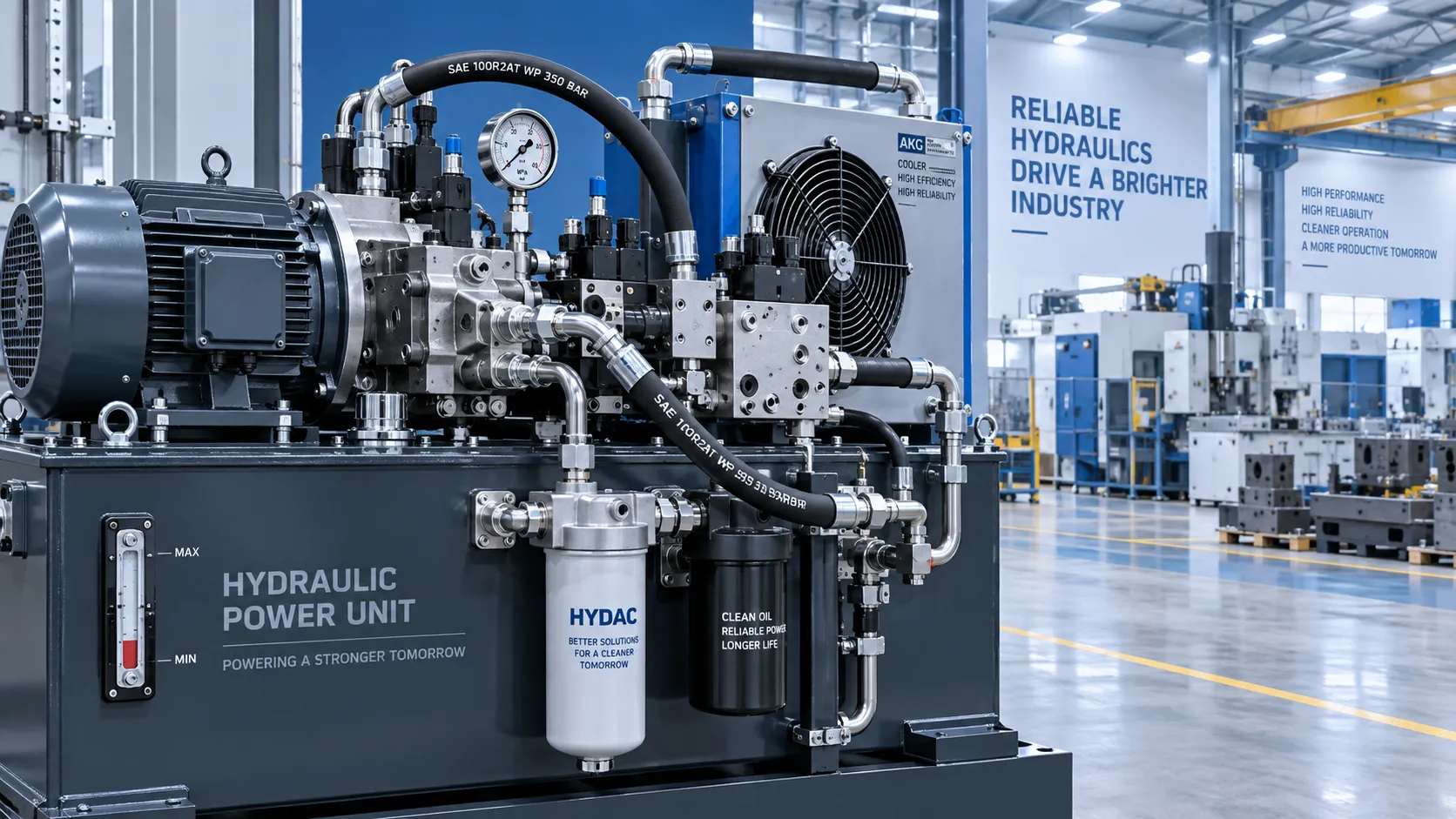
What Determines Industrial Hydraulic System Price for Heavy-Duty Equipment?
Industrial hydraulic system price depends on duty cycle, pressure, components, cooling, and integration. Compare quotes intelligently to secure reliable heavy-duty performance.
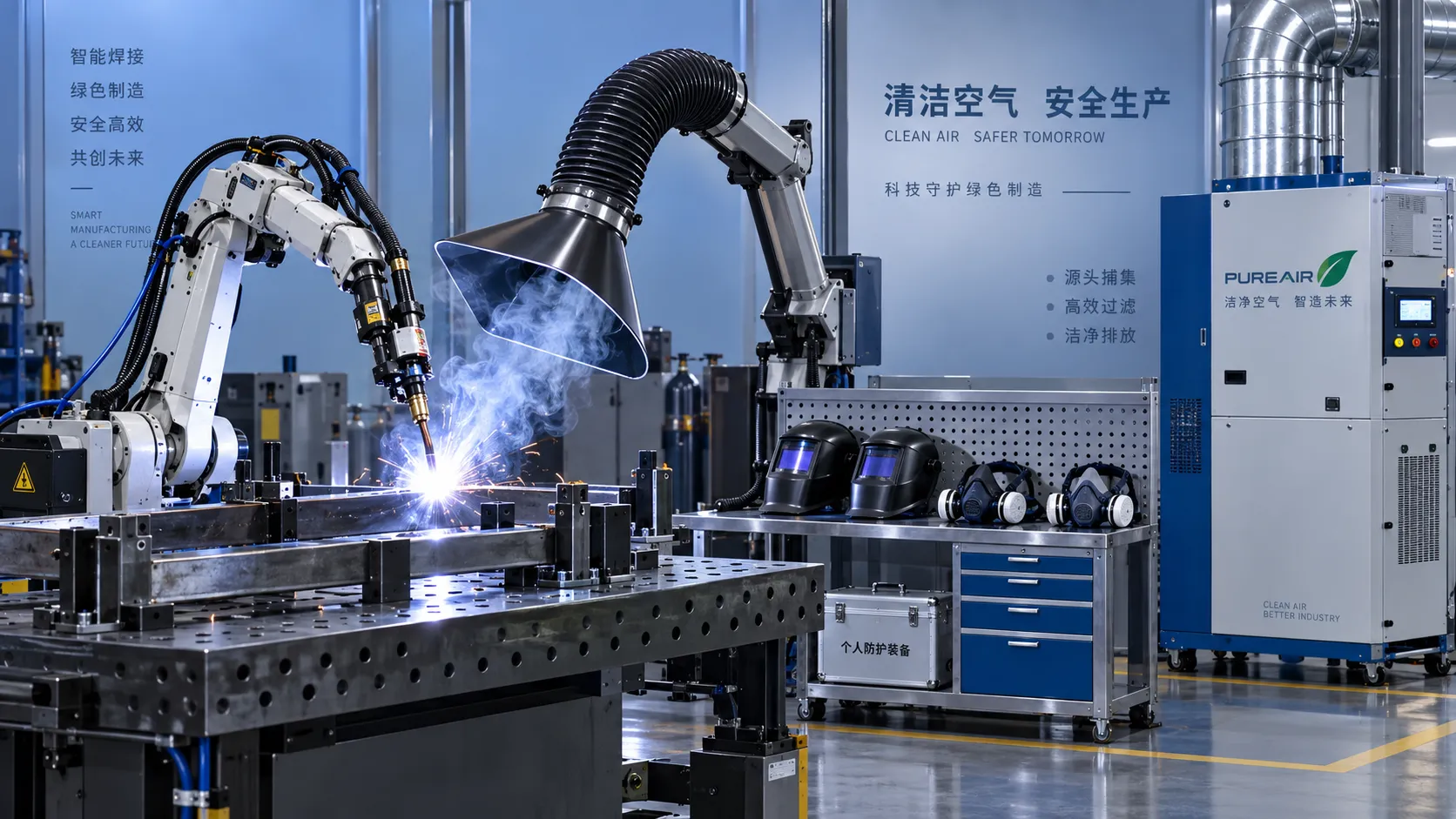
Welding Fume Extraction PPE: When Respirators Are Not Enough for Shop Safety
Welding fume extraction PPE: learn why respirators alone fall short and how source capture, ventilation, and layered controls improve shop safety.
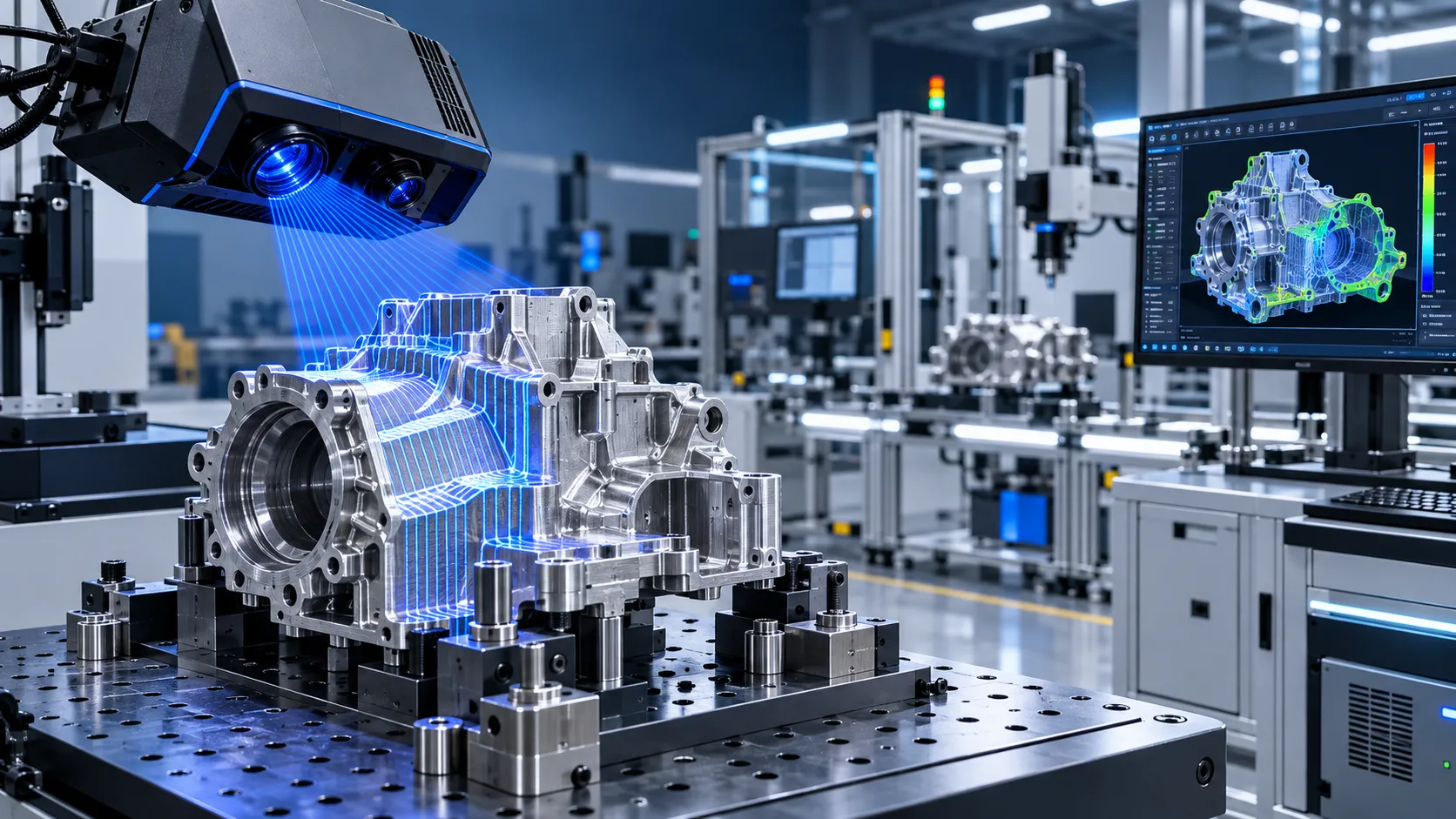
How to Select Optical Metrology Solutions for Tight-Tolerance Manufacturing
Optical industrial metrology solutions for tight-tolerance manufacturing: evaluate accuracy, surface compatibility, workflow, and traceability to select with confidence.
Related News
- 00
0000-00
Welding Fume Extraction PPE: When Respirators Are Not Enough for Shop Safety - 00
0000-00
Which ANSI Standards Apply to Welding Equipment in Industrial Fabrication? - 00
0000-00
How Energy-Efficient Welding Equipment Cuts Power Use in High-Volume Fabrication - 00
0000-00
Which ISO Standards Govern Welding Technology Quality Control and Qualification? - 00
0000-00
North American Welding Innovations Reshaping Automation, Quality, and Labor Productivity
Welding Metallurgy Expert
Weekly Insights
Stay ahead with our curated technology reports delivered every Monday.