
Hydraulic Equipment Lead Times Are Shifting Again





Hydraulic equipment lead times are shifting again, creating new pressure for distributors, agents, and channel partners managing inventory, pricing, and customer commitments. As supply conditions, component availability, and global demand continue to change, understanding what is driving these delays is essential for making faster, smarter sourcing decisions in an increasingly competitive industrial market.
Why hydraulic equipment lead times are changing again
For distributors, the issue is no longer whether hydraulic equipment can be sourced, but whether it can be sourced on schedule, at a workable margin, and with predictable compliance documents. In many markets, the old assumption that standard pumps, cylinders, valves, power units, and hose assemblies will ship within a fixed window is no longer reliable.
Lead time volatility usually comes from several layers moving at once: steel and alloy pricing, seal and electronic component availability, export control changes, freight disruption, and sudden project demand from construction, automotive service, mining, infrastructure maintenance, and aerospace support operations. A delay in one low-cost component can stall the delivery of a higher-value hydraulic equipment package.
This is where GPTWM adds value. Its Strategic Intelligence Center connects sector news, engineering interpretation, and commercial demand signals so that channel partners do not make procurement decisions based only on supplier promises. For hydraulic equipment sourcing, the difference between a six-week estimate and a realistic ten-week plan can protect margins, service levels, and customer trust.
- Component bottlenecks are shifting from raw castings and machined bodies to seals, motors, control electronics, and tested subassemblies.
- Regional demand is uneven, which means available production slots may be redirected toward sectors with urgent maintenance contracts or public infrastructure deadlines.
- Certification paperwork, export labeling, and documentation reviews can now add non-production days to the total hydraulic equipment delivery cycle.
What this means for channel partners
If you are a distributor or agent, you are absorbing risk from both directions. Upstream suppliers may give conditional schedules, while downstream buyers expect firm commitments. When hydraulic equipment lead times drift, quoting accuracy, safety stock strategy, and account retention all come under pressure. The result is not only a logistics problem, but also a commercial positioning problem.
Which hydraulic equipment categories are most exposed to delay?
Not all hydraulic equipment faces the same supply risk. Standardized items with broad manufacturing footprints may remain relatively stable, while configured systems and application-specific assemblies often see the largest schedule swings. The table below helps distributors assess where delays are most likely to emerge and how that should influence purchasing behavior.
The key takeaway is simple: the more configured the hydraulic equipment, the less reliable generic lead time assumptions become. Distributors that categorize products by supply sensitivity rather than by product family alone usually make better replenishment decisions.
High-risk sourcing signals to monitor
- Repeated supplier language such as “subject to final component confirmation” or “schedule to be reconfirmed after order release.”
- A quote that looks stable on price but remains vague on testing, documentation, or packaging completion dates.
- Long approval cycles on drawings, manifold layouts, pressure settings, or electrical control details.
How should distributors evaluate hydraulic equipment suppliers now?
A supplier that offers the lowest unit cost may still create the highest total risk if hydraulic equipment lead times are unstable. Procurement teams need a broader scorecard that reflects delivery realism, communication quality, engineering support, and substitution flexibility. This is especially important when resellers serve project contractors or maintenance accounts that cannot accept missed shutdown windows.
The following supplier evaluation table is useful when comparing hydraulic equipment sources across multiple regions or factories.
A practical lesson from current market behavior is that distributors should stop treating lead time as a single number. For hydraulic equipment, the more useful question is: which part of the cycle is uncertain, and what can be controlled before purchase order release?
A better procurement checklist
- Separate production lead time from shipping lead time and customs documentation lead time.
- Ask whether quoted hydraulic equipment includes testing, calibration, and final inspection completion.
- Confirm whether alternate parts can be used without changing end-user approval requirements.
- Identify the two or three components most likely to delay the build and ask for their current supply status.
How lead time shifts affect pricing, margins, and customer commitments
When hydraulic equipment lead times extend, margin erosion often happens before the product even ships. Distributors may expedite freight, hold customer pricing longer than planned, or split shipments to protect urgent project milestones. Each of these actions turns timing uncertainty into financial cost.
There is also a second-order effect. Buyers may compare your quote with a competitor who has stock today, even if that stock uses a slightly different configuration. This means channel partners need not only good sourcing, but also clear communication on why one hydraulic equipment option is available sooner and whether it is technically equivalent.
Common margin pressures during unstable hydraulic equipment supply
- Air freight upgrades for critical valves, pumps, or seal kits that missed planned vessel schedules.
- Customer penalties or lost credibility when shutdown maintenance cannot start on time.
- Emergency purchasing from secondary channels at higher landed cost.
- Additional labor for partial deliveries, re-invoicing, and technical revalidation.
How to protect commercial performance
Use quote validity windows tied to component-sensitive hydraulic equipment categories. Build escalation language into project quotes when steel-intensive or electronically controlled items are involved. Most importantly, provide customers with structured delivery status rather than vague updates. Buyers tolerate change better when they understand the real bottleneck and the revised plan.
What technical details should be confirmed before ordering hydraulic equipment?
Many lead time problems are not caused by factory capacity alone. They start with incomplete technical input. If the order enters production with unresolved pressure range, stroke length, seal material, voltage, manifold logic, port standard, or mounting details, the hydraulic equipment schedule will likely slip during engineering review.
For general industrial applications, distributors should gather a minimum technical package before final sourcing decisions. This reduces back-and-forth communication and improves quote comparability across suppliers.
This kind of discipline is especially important when hydraulic equipment is sold into mixed markets. Construction users may prioritize ruggedness and availability, while aerospace maintenance environments may require tighter documentation and traceability. One incomplete specification can change both lead time and compliance burden.
How GPTWM helps distributors make faster hydraulic equipment decisions
GPTWM operates as an intelligence bridge between technical detail and market execution. For distributors handling hydraulic equipment, this matters because lead time management now depends on seeing more than supplier catalogs. It requires visibility into raw material movement, export standard restrictions, demand shifts across sectors, and the practical adoption curve of related industrial technologies.
The platform’s Strategic Intelligence Center is designed to support the “last mile” of industrial manufacturing decisions. Through sector monitoring and commercial insight, GPTWM helps channel partners interpret whether a delay is temporary, structural, regional, or product-specific. That distinction supports better stocking plans, smarter quote timing, and more confident conversations with end customers.
Practical value for distributors, agents, and resellers
- Better demand reading for hydraulic equipment used in construction, automotive repair networks, and aerospace maintenance support.
- Earlier recognition of supply-side changes linked to materials, export requirements, and component restrictions.
- Stronger brand premium building through professional intelligence rather than reactive price competition alone.
- More structured purchasing decisions across precision tools, welding systems, metrology products, and hydraulic equipment portfolios.
FAQ: common questions about hydraulic equipment lead times
How long should distributors expect hydraulic equipment lead times to be?
There is no single answer because standard hose and fitting items may move quickly, while configured cylinders, valve blocks, or power units can require much longer cycles. A better approach is to ask suppliers for stage-by-stage timing: engineering confirmation, production, testing, packing, and dispatch readiness. That gives a more reliable planning view than one headline number.
What is the biggest mistake when sourcing hydraulic equipment during unstable supply periods?
The most common mistake is treating all hydraulic equipment as interchangeable and assuming any supplier can switch in without technical consequences. Small differences in pressure ratings, seals, electrical interfaces, port standards, or documentation quality can create downstream problems. Technical confirmation must happen before urgency drives a rushed purchase.
Should distributors increase stock when hydraulic equipment lead times rise?
Selective stock increases can help, but only for high-rotation and specification-stable items. Holding broad inventory across slow-moving hydraulic equipment lines can lock up cash and increase mismatch risk. The smarter method is to identify which items combine recurring demand, difficult substitution, and long replenishment cycles.
Are certifications and documents really affecting hydraulic equipment delivery?
Yes, in many cases they affect the practical shipment date even if factory assembly is finished. Label review, origin paperwork, test records, and market-specific compliance expectations can delay release. This is especially relevant for cross-border sales and for industrial customers with strict internal documentation procedures.
Why choosing the right intelligence partner matters now
In a market where hydraulic equipment lead times can shift between quoting and order execution, distributors need more than product access. They need decision support. GPTWM brings together industrial assembly insight, metal joining context, precision metrology awareness, and commercial interpretation to help channel partners act earlier and with more confidence.
If you are reviewing hydraulic equipment sourcing plans, this is the right time to discuss parameter confirmation, product selection logic, realistic delivery cycles, substitute options, documentation expectations, sample support, and quotation strategy. GPTWM can help you read the market more accurately, reduce avoidable procurement friction, and strengthen your position with customers who expect clearer answers than “lead time is changing again.”
Related News
Selecting Adjustable Torque Tools for Repeatable Fastener Assembly
Adjustable torque tools: learn how to match range, accuracy, control methods, calibration, and ergonomics for repeatable, reliable fastener assembly.

How to Select Aerospace Inspection Tools for Aircraft Maintenance Tasks
Aerospace maintenance inspection tools: learn how to select reliable, traceable equipment for aircraft access, accuracy, calibration, and compliant maintenance decisions.

How to Select Wire Bonding Tools for Fine-Pitch Semiconductor Packaging
Explore semiconductor manufacturing tools for wire bonding and learn how to select precision solutions for fine-pitch packaging, reliable loops, accuracy, and yield.
How to Compare Industrial Tool Suppliers for Quality, Lead Time, and Total Cost
Industrial tool selection supplier comparison made simple: evaluate quality, lead times, total cost, service, and supply resilience for confident sourcing decisions.

Industrial Equipment Application Guidance: Match Machines to Operating Conditions
Application guidance industrial equipment: match capacity, duty cycle, materials, site conditions, safety, and lifecycle cost to improve reliable output. Read the guide.
Selecting High-Speed Brushless Tool Motors for Torque, Heat, and Duty Cycle
High speed brushless tool motors: learn how to balance torque, heat, gearing, and duty cycle for reliable industrial tool performance and longer service life.
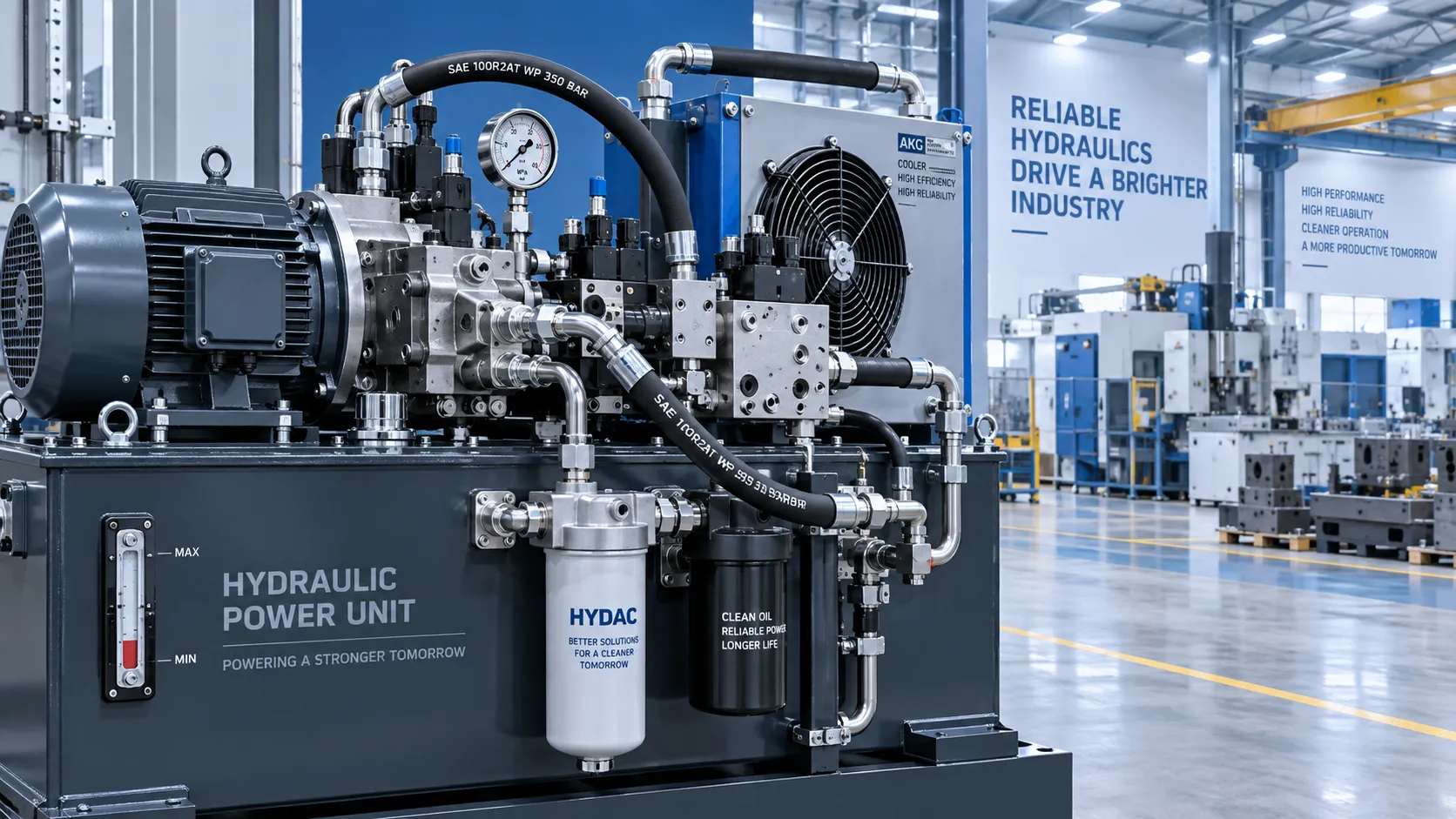
What Determines Industrial Hydraulic System Price for Heavy-Duty Equipment?
Industrial hydraulic system price depends on duty cycle, pressure, components, cooling, and integration. Compare quotes intelligently to secure reliable heavy-duty performance.
Welding Fume Extraction PPE: When Respirators Are Not Enough for Shop Safety
Welding fume extraction PPE: learn why respirators alone fall short and how source capture, ventilation, and layered controls improve shop safety.

How to Select Optical Metrology Solutions for Tight-Tolerance Manufacturing
Optical industrial metrology solutions for tight-tolerance manufacturing: evaluate accuracy, surface compatibility, workflow, and traceability to select with confidence.
Related News
- 00
0000-00
How Procurement Teams Can Map the Industrial Value Chain to Reduce Supply Risk - 00
0000-00
How Industry Category Guides Help Global Sourcing Teams Compare Suppliers Faster - 00
0000-00
Intelligent Tools in Southeast Asia: Key Market Trends, Buyers, and Supply Chain Shifts - 00
0000-00
Industrial Value Chain Europe: Where Sourcing Risks and Lead-Time Pressure Are Rising - 00
0000-00
North America's Industrial Value Chain: Key Shifts in Sourcing, Labor, and Logistics
Dr. Alistair Vaughn
Weekly Insights
Stay ahead with our curated technology reports delivered every Monday.