
Metal Joining Failures That Show Up Only After Shipping





Some metal joining defects stay hidden through inspection and only emerge after shipping—when vibration, temperature swings, and handling stresses expose weak points. For quality and safety teams, these delayed failures can trigger claims, downtime, and compliance risks. Understanding why they appear late is the first step to preventing costly surprises in transit and at the point of use.
Why post-shipping metal joining failures vary by application scenario
Not every delayed metal joining failure starts with the same root cause, and not every business feels the risk in the same way. A welded frame for warehouse equipment, a brazed HVAC assembly, and a mechanically fastened electrical enclosure may all pass outgoing checks, yet fail for different reasons after transport. For quality control personnel and safety managers, the key is not only to detect bad joints, but to understand which shipping and use conditions are most likely to expose hidden weakness.
This is where application context matters. In some scenarios, vibration is the dominant trigger. In others, thermal cycling, corrosion, packaging pressure, or repeated unloading events become the real test. A metal joining process that appears stable on the production floor may be poorly matched to overseas logistics, stacked storage, field assembly, or rough last-mile handling. That mismatch is often what turns a marginal joint into a visible failure.
From an SEO and business perspective, this topic goes beyond defect theory. The practical question is: in which scenarios are hidden metal joining problems most likely to show up, what should quality and safety teams examine first, and how should inspection strategy change based on product movement, end use, and compliance exposure?
Common scenarios where hidden metal joining defects surface after shipping
Delayed failure usually appears where transport loads interact with a joint that already has limited fatigue strength, incomplete fusion, contamination, residual stress, or poor process control. The following scenarios are especially relevant across industrial sectors.
Scenario 1: Heavy fabricated assemblies exposed to long-distance vibration
Large steel structures, machine bases, tool cabinets, and industrial carts often travel by truck, rail, or sea for extended periods. In these cases, the metal joining risk is rarely a dramatic overload. Instead, continuous low-level vibration can propagate tiny cracks from weld toes, heat-affected zones, or tack points that were never fully blended into the final joint. A unit may leave the factory looking perfect, then arrive with cracked corners, loosened brackets, or distortion around support points.
Quality teams should focus on fatigue-sensitive details, not just static strength. Safety teams should ask whether packaging isolates resonant vibration or unintentionally amplifies it at unsupported joint locations.
Scenario 2: Precision products with thin-wall joints and cosmetic acceptance pressure
In precision enclosures, metrology fixtures, stainless assemblies, and visible consumer-facing industrial products, manufacturers sometimes prioritize low spatter and appearance. The risk is that a clean-looking seam can hide low penetration, excessive heat tint, or local embrittlement. During shipping, minor impact or repeated carton compression can turn that cosmetic compromise into a structural complaint. This is especially common where TIG, laser welding, soldering, or adhesive-bonded metal joining is used on thin sections.
Here, the inspection challenge is simple: a visually attractive joint may still be mechanically underqualified for transport stress. Surface beauty should never replace application-specific validation.
Scenario 3: Mixed-material assemblies crossing climate zones
When metal joining connects dissimilar metals, inserts, coatings, or hybrid subassemblies, thermal expansion mismatch becomes a hidden transport issue. Products moving from humid ports to dry inland regions, or from hot warehouses to cold distribution hubs, experience repeated temperature swings. Brazed joints, soldered tabs, press-fit connections, and welded joints near plated interfaces may crack, loosen, or initiate galvanic corrosion after arrival rather than at shipment.
This scenario matters for electrical housings, HVAC parts, automotive service components, and instrument assemblies. The defect may not be “caused by shipping” alone; shipping simply reveals a design or process margin that was too narrow for real-world logistics.
Scenario 4: Field-installed products that are handled multiple times before use
Products for construction sites, maintenance operations, and contractor distribution often face repeated loading, unloading, temporary storage, and rough manual movement. In such applications, metal joining failures may appear only after the third or fourth handling event. Lifting lugs, brackets, hinges, and weld-nut areas are common weak points. The product may pass the receiving inspection but fail during positioning or commissioning.
For safety managers, this is a high-priority scenario because the first visible failure may happen in the field, close to workers, rather than in a controlled warehouse environment.
Scenario comparison: what quality and safety teams should watch
The table below helps align metal joining inspection priorities with actual transport and application conditions.
How quality priorities change by business need
The same metal joining method can be acceptable for one shipment model and risky for another. That is why quality and safety teams should classify products not only by process type, but by business exposure.
For exporters and global distributors
If products cross multiple logistics nodes, packaging design and transport simulation become as important as in-line weld inspection. Claims often arise because the original validation assumed controlled domestic transit while the real route included port storage, humidity swings, and re-palletization. In this setting, metal joining reliability should be reviewed against route complexity, shipment duration, and repackaging frequency.
For high-compliance sectors
When products support maintenance, energy systems, transportation assets, or safety-related infrastructure, a delayed joint failure can escalate from a warranty issue to a compliance event. Quality managers should connect inspection records, procedure qualification, operator traceability, and failure mode analysis. The question is no longer whether the metal joining process can produce a good joint, but whether every shipped batch can prove it under audit.
For high-volume manufacturers
In volume production, small variation is dangerous because post-shipping failures often affect a percentage of units rather than all units. One shift with poor shielding gas coverage, worn tooling, contamination, or poor torque control may create latent failures that surface weeks later in the distribution chain. Here, statistical process control and lot traceability matter more than isolated visual inspection.
Frequent misjudgments that allow hidden metal joining defects to escape
Several recurring mistakes explain why metal joining issues remain invisible until after delivery.
- Assuming pass/fail visual checks represent transport durability.
- Testing joints under static load while ignoring fatigue and vibration.
- Qualifying the joining process without validating packaging and restraint points.
- Using the same inspection plan for domestic delivery and export shipping.
- Overlooking climate exposure for mixed-material or coated assemblies.
- Treating field handling damage as a logistics issue only, instead of a joint design issue.
These misjudgments are costly because they separate the metal joining process from the environment in which the product actually survives. A joint should be judged by its shipped condition, not just its factory condition.
Practical fit recommendations by scenario
For quality control and safety teams, the best prevention strategy is to match verification depth to scenario risk. The following approach keeps that effort practical.
If vibration is the likely trigger
Prioritize weld profile review, support-point stiffness, transit simulation, and crack-focused non-destructive evaluation. Inspect stress raisers such as sharp weld terminations, skipped welds, and bracket transitions. Consider whether package restraints transfer shock into the joint area.
If climate change is the likely trigger
Check material pairing, coating compatibility, trapped moisture zones, and interface cleanliness. For soldered, brazed, or hybrid metal joining structures, validate with temperature-humidity cycling rather than room-temperature inspection alone.
If repeated handling is the likely trigger
Map every touchpoint from loading to installation. Then inspect the joints nearest forklift contact, lifting zones, hinges, casters, and temporary support points. Many failures blamed on operators are actually products with poor handling robustness.
A useful decision checklist before products leave the plant
Before release, quality and safety teams can ask a short set of scenario-based questions:
- What transport stresses will this specific product experience beyond factory handling?
- Which metal joining locations are fatigue-critical, climate-sensitive, or handling-sensitive?
- Does the current acceptance standard reflect real shipping conditions?
- Has packaging been reviewed as part of joint protection, not as a separate function?
- Can the organization trace process variation if claims arise weeks later?
If any answer is unclear, the product may need additional validation before shipment. That extra step is often cheaper than post-delivery containment, customer investigation, and field safety response.
FAQ: scenario-based questions about metal joining failures after shipping
Why do metal joining defects pass inspection but fail later?
Because many inspections focus on appearance or static condition at the factory. Shipping introduces vibration, impact, thermal cycling, humidity, and repeated handling that expose latent weakness not visible in routine checks.
Which products are most at risk?
Products with long logistics routes, thin-wall assemblies, mixed materials, heavy unsupported structures, and field-installed hardware are among the highest-risk categories for delayed metal joining failure.
What is the most common control gap?
A disconnect between process qualification and real shipping conditions. Many companies validate how the joint is made, but not how the joined product travels, stores, and gets handled before use.
Final takeaway for quality and safety teams
Hidden metal joining failures are rarely random. They are usually scenario-dependent events waiting for the right trigger: vibration on the road, compression in the warehouse, corrosion at the port, or shock during installation. The most effective response is to evaluate metal joining performance through the lens of actual application and logistics conditions, not only through standard shop-floor inspection.
For organizations that want fewer claims, stronger compliance confidence, and safer field performance, the next step is clear: review your highest-risk shipment scenarios, identify the joints most likely to fail late, and align process control, packaging, and validation to those realities. That is how metal joining quality becomes a true protection layer rather than a paperwork assumption.
Related News
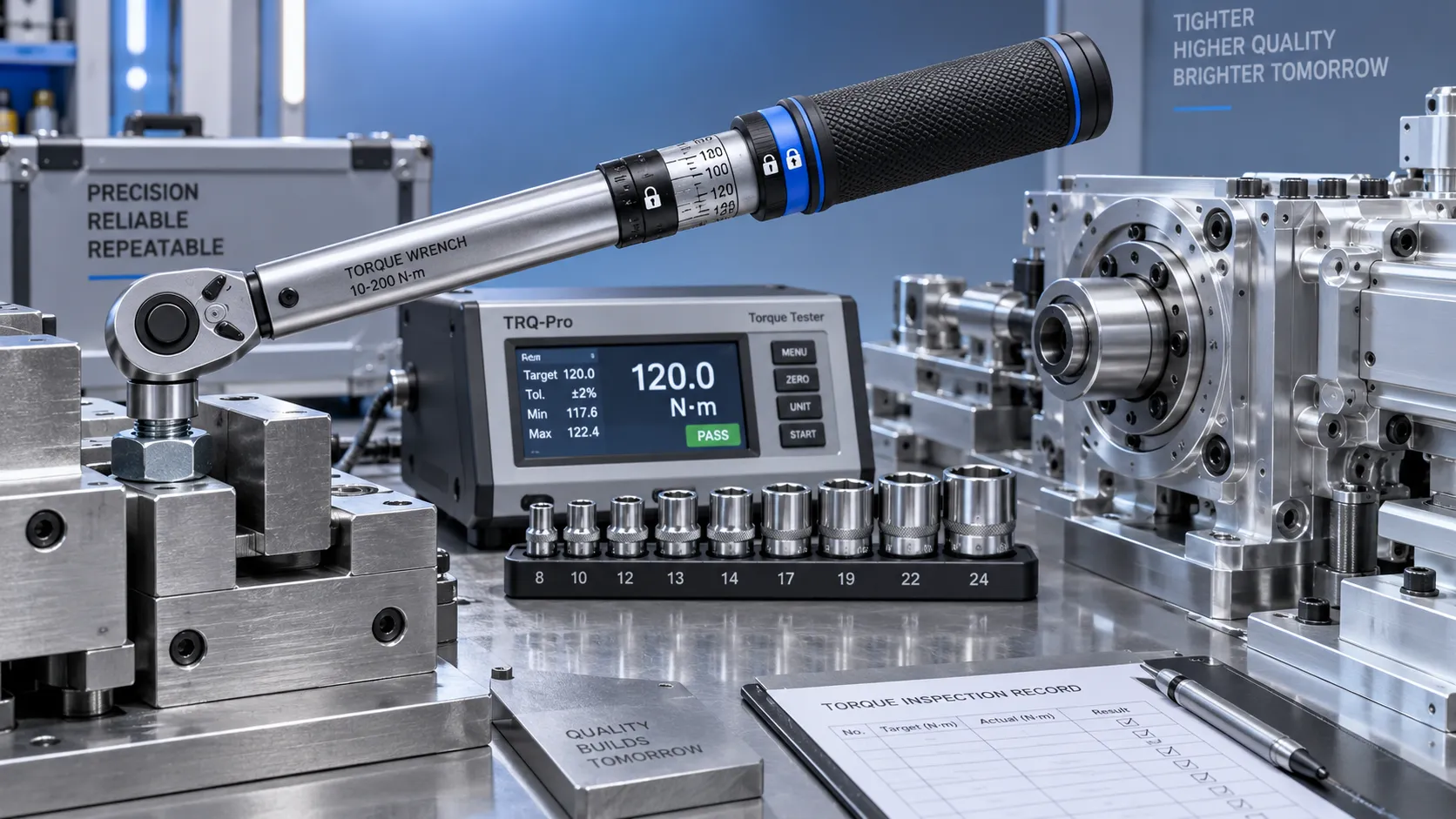
Selecting Adjustable Torque Tools for Repeatable Fastener Assembly
Adjustable torque tools: learn how to match range, accuracy, control methods, calibration, and ergonomics for repeatable, reliable fastener assembly.

How to Select Aerospace Inspection Tools for Aircraft Maintenance Tasks
Aerospace maintenance inspection tools: learn how to select reliable, traceable equipment for aircraft access, accuracy, calibration, and compliant maintenance decisions.

How to Select Wire Bonding Tools for Fine-Pitch Semiconductor Packaging
Explore semiconductor manufacturing tools for wire bonding and learn how to select precision solutions for fine-pitch packaging, reliable loops, accuracy, and yield.
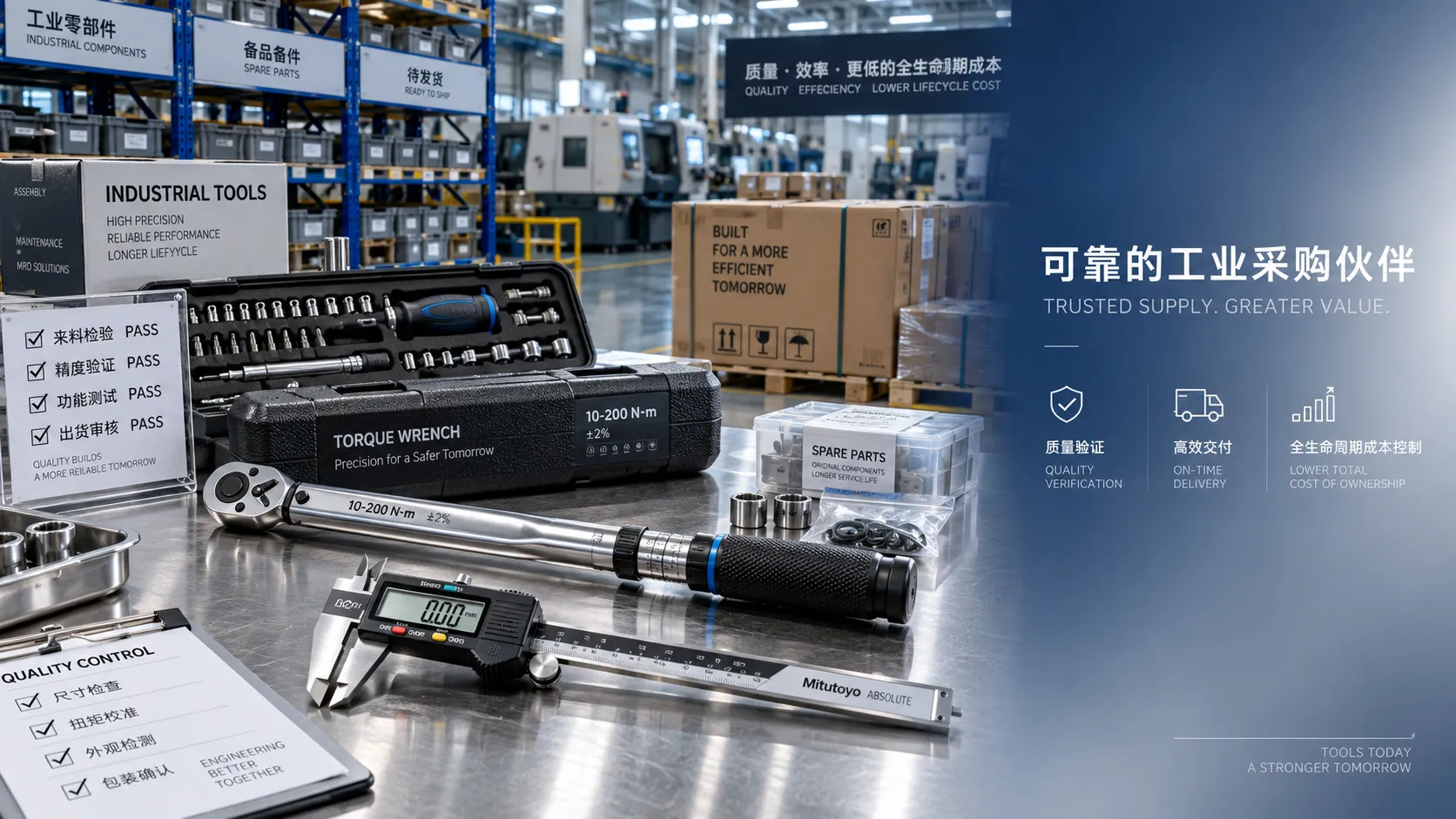
How to Compare Industrial Tool Suppliers for Quality, Lead Time, and Total Cost
Industrial tool selection supplier comparison made simple: evaluate quality, lead times, total cost, service, and supply resilience for confident sourcing decisions.
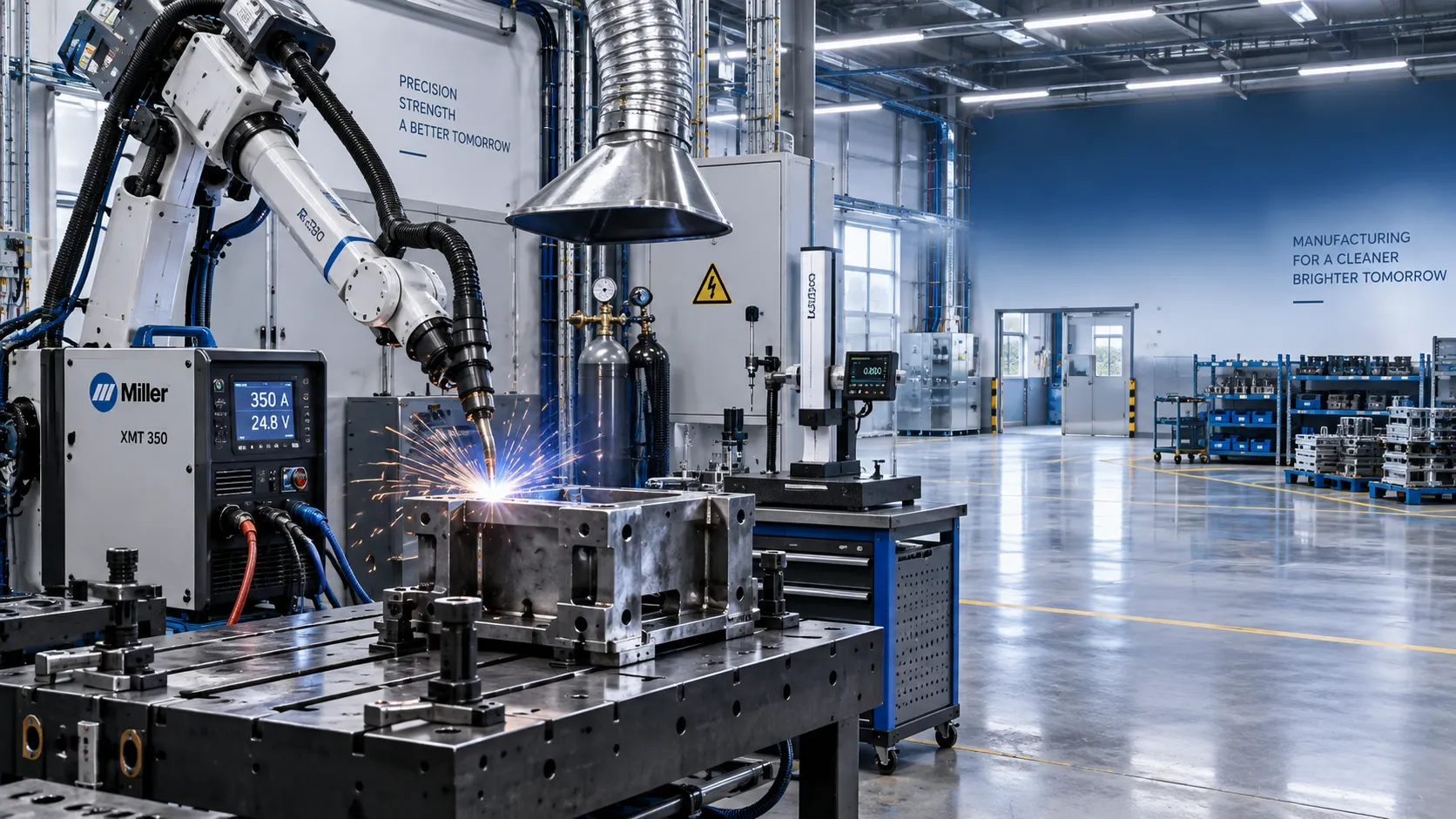
Industrial Equipment Application Guidance: Match Machines to Operating Conditions
Application guidance industrial equipment: match capacity, duty cycle, materials, site conditions, safety, and lifecycle cost to improve reliable output. Read the guide.
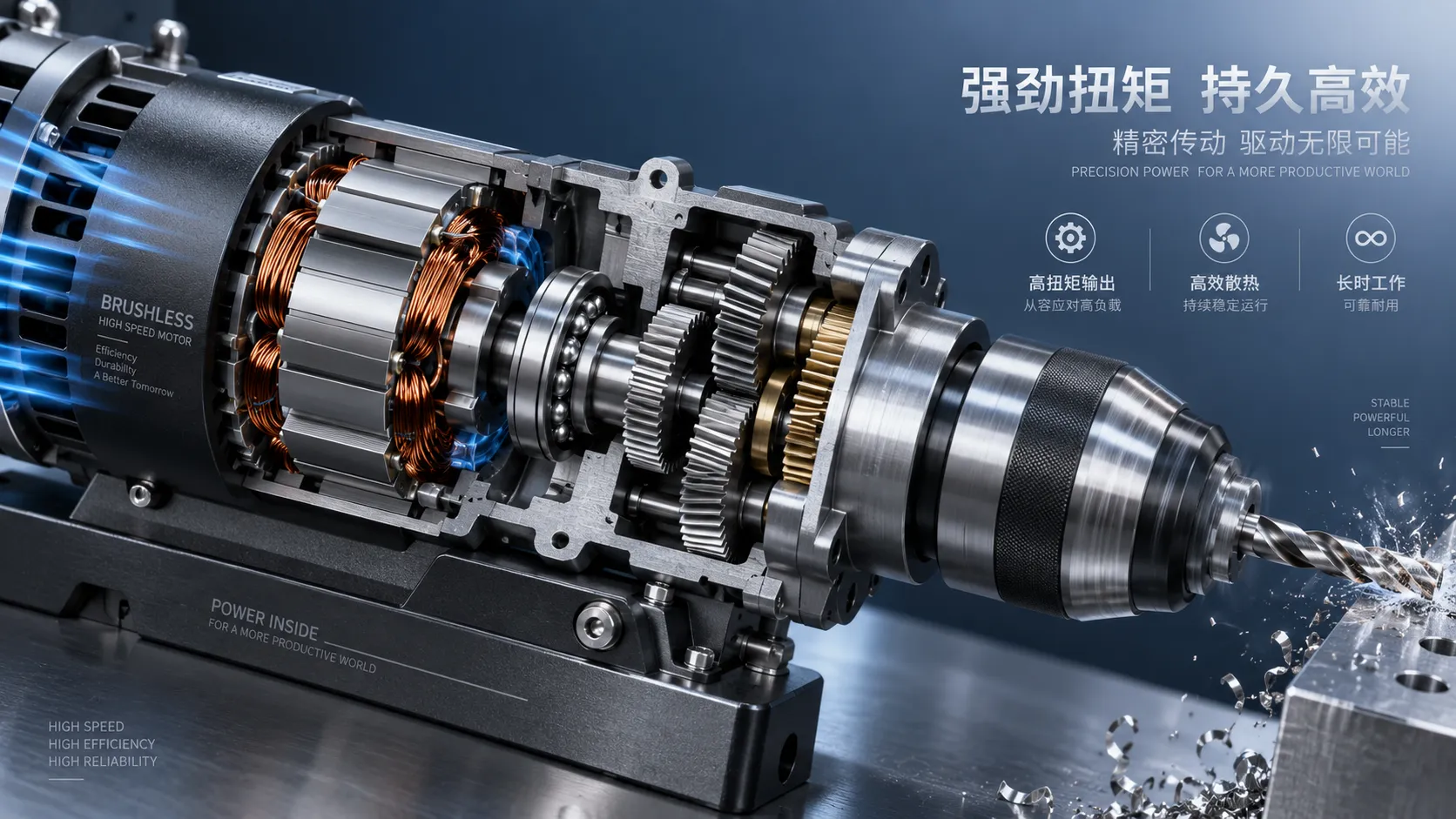
Selecting High-Speed Brushless Tool Motors for Torque, Heat, and Duty Cycle
High speed brushless tool motors: learn how to balance torque, heat, gearing, and duty cycle for reliable industrial tool performance and longer service life.
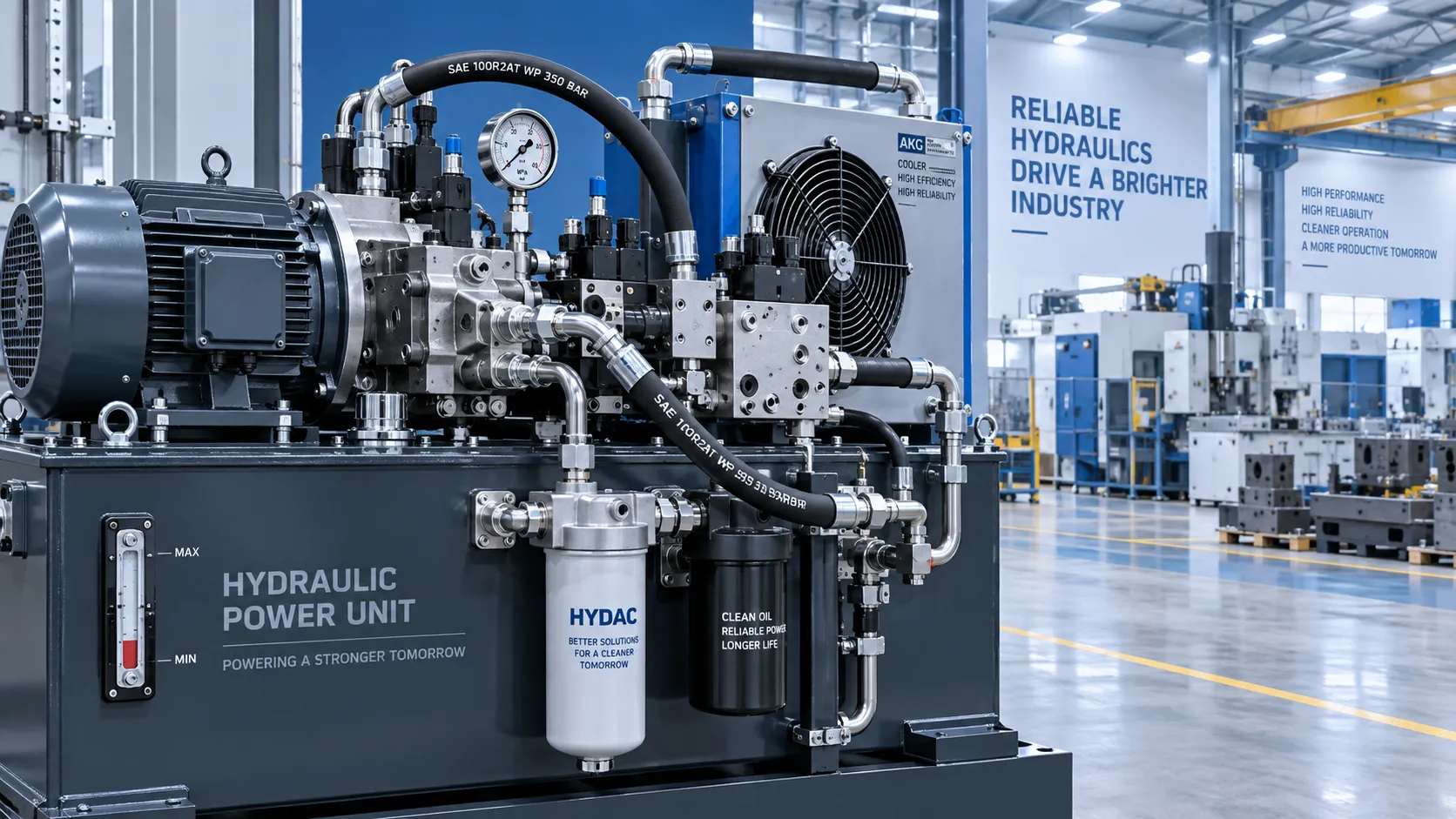
What Determines Industrial Hydraulic System Price for Heavy-Duty Equipment?
Industrial hydraulic system price depends on duty cycle, pressure, components, cooling, and integration. Compare quotes intelligently to secure reliable heavy-duty performance.
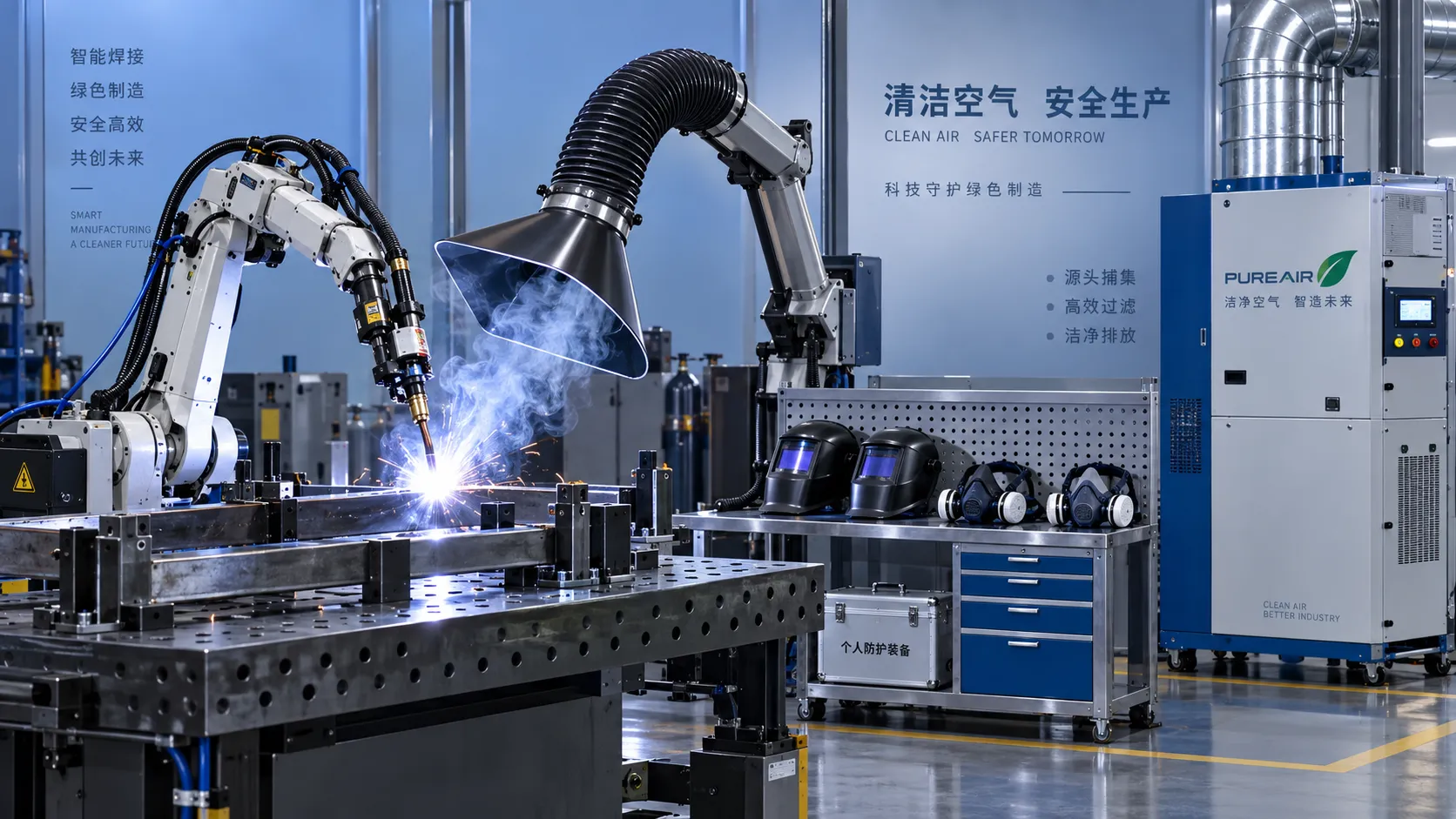
Welding Fume Extraction PPE: When Respirators Are Not Enough for Shop Safety
Welding fume extraction PPE: learn why respirators alone fall short and how source capture, ventilation, and layered controls improve shop safety.

How to Select Optical Metrology Solutions for Tight-Tolerance Manufacturing
Optical industrial metrology solutions for tight-tolerance manufacturing: evaluate accuracy, surface compatibility, workflow, and traceability to select with confidence.
Related News
- 00
0000-00
Welding Fume Extraction PPE: When Respirators Are Not Enough for Shop Safety - 00
0000-00
Which ANSI Standards Apply to Welding Equipment in Industrial Fabrication? - 00
0000-00
How Energy-Efficient Welding Equipment Cuts Power Use in High-Volume Fabrication - 00
0000-00
Which ISO Standards Govern Welding Technology Quality Control and Qualification? - 00
0000-00
North American Welding Innovations Reshaping Automation, Quality, and Labor Productivity
Welding Metallurgy Expert
Weekly Insights
Stay ahead with our curated technology reports delivered every Monday.