
Custom Metal Fabrication for Industrial Parts: How to Compare Processes and Tolerances





Custom Metal Fabrication for Industrial Parts: How to Compare Processes and Tolerances
For project managers balancing cost, lead time, and performance, custom metal fabrication is never just about making parts.
It is about choosing the right process and holding the right tolerances for real industrial demands.
This guide compares key fabrication methods, explains tolerance trade-offs, and supports better sourcing decisions for production-ready components.
Why custom metal fabrication decisions go wrong
Many industrial part programs start with a drawing and a target cost.
That sounds reasonable, but it misses the bigger sourcing question.
The real issue is whether the selected custom metal fabrication route matches function, volume, and downstream assembly needs.
A part can be technically manufacturable and still be a poor decision.
Common problems include over-tight tolerances, unsuitable materials, hidden secondary operations, and unrealistic lead time assumptions.
In actual projects, these issues show up as rework, delayed approvals, and assembly instability.
That is why custom metal fabrication should be evaluated as a system, not as an isolated shop process.
The main custom metal fabrication processes to compare
Different industrial parts call for different process combinations.
The most effective custom metal fabrication plan usually blends cutting, forming, machining, and joining.
Sheet metal cutting and forming
Laser cutting is widely used for brackets, enclosures, guards, and structural panels.
It offers fast setup, flexible geometry, and good repeatability for medium-volume industrial parts.
Press brake forming adds bends, flanges, and stiffness with relatively low tooling investment.
This custom metal fabrication route works well when part complexity is moderate and change frequency is high.
CNC machining
CNC machining is the stronger choice when features demand close dimensional control.
It suits housings, precision mounts, tool interfaces, and sealing surfaces.
Compared with formed sheet parts, machined components typically cost more per piece.
Still, they often reduce fit-up risk in critical assemblies.
Welding and metal joining
Welding is central to custom metal fabrication for frames, supports, bases, tanks, and fabricated machine structures.
MIG welding is common for speed and general structural work.
TIG welding is slower but better for appearance, thin materials, and heat-sensitive sections.
Laser welding is gaining attention where low distortion and narrow heat input matter.
Casting or forging plus finishing
For higher volumes or heavier loads, near-net-shape parts can be more economical.
Cast or forged blanks followed by machining may outperform full billet machining.
This is still part of a broader custom metal fabrication strategy, especially for industrial replacement parts.
How to compare tolerances without overpaying
Tolerance decisions have a direct effect on cost, speed, and supplier options.
Yet many drawings apply the same tight standard across every feature.
That approach usually creates unnecessary expense in custom metal fabrication.
Separate critical from non-critical features
Start with function.
Ask which dimensions control alignment, sealing, load transfer, motion, or tool engagement.
Those features deserve tighter control.
Edges, cosmetic faces, or clearance zones often do not.
Match tolerance to process capability
Every custom metal fabrication process has a natural capability window.
Laser-cut and bent parts cannot be judged by the same tolerance logic as finish-machined datums.
Welded assemblies add another layer because heat input can shift geometry.
When tolerances fight process reality, suppliers compensate with fixtures, inspections, and slower throughput.
Think about stacked variation
A single feature may look safe on paper.
But several acceptable dimensions can still produce a failed assembly when variation stacks up.
This matters in welded frames, bolt patterns, bearing seats, and multi-part custom metal fabrication kits.
A practical process and tolerance comparison table
This kind of comparison helps narrow the right custom metal fabrication path faster.
It also makes supplier discussions more concrete and less price-driven.
What to ask suppliers before choosing custom metal fabrication
A solid RFQ should test capability, not just quote speed.
The best suppliers usually clarify risks before production starts.
- Which dimensions are hardest to hold in this custom metal fabrication plan?
- What process changes would reduce cost without affecting function?
- Which features require secondary machining after forming or welding?
- How will material variation, heat input, or springback affect repeatability?
- What inspection method will verify critical tolerances?
- What is the realistic lead time for first articles and repeat batches?
These questions reveal whether the supplier understands industrial performance or is simply chasing the drawing.
Typical sourcing scenarios and the right approach
Low-volume equipment upgrades
For retrofit projects, flexible custom metal fabrication usually wins.
Laser cutting, bending, welding, and selective machining give speed without excessive tooling cost.
Precision alignment assemblies
Where alignment drives system performance, machined datums should anchor the design.
The rest of the custom metal fabrication structure can be looser if interface points stay controlled.
Repeat production with cost pressure
As volumes rise, part economics shift.
This is often the moment to revisit whether the current custom metal fabrication method is still the right one.
Stamped, cast, forged, or hybrid routes may create better total value.
A decision framework that keeps projects moving
When evaluating custom metal fabrication, use a simple sequence.
- Define the part’s real function in the assembly.
- Mark critical dimensions and tolerance-sensitive interfaces.
- Choose the fabrication route that naturally supports those features.
- Relax non-critical tolerances wherever possible.
- Confirm inspection methods before launch.
- Review total cost with lead time, scrap risk, and assembly impact included.
This framework keeps custom metal fabrication decisions tied to business outcomes, not just manufacturing preferences.
That matters even more as industrial buyers face tighter delivery windows and less room for trial-and-error sourcing.
Final takeaway
The best custom metal fabrication choice is rarely the cheapest quoted process or the tightest printed tolerance.
It is the option that fits part function, process capability, quality control, and sourcing reality at the same time.
In practical terms, better results come from matching critical features to the right method and avoiding unnecessary precision elsewhere.
That is the most reliable way to make custom metal fabrication work for lead time, cost stability, and long-term industrial performance.
For sourcing teams and technical decision-makers, that shift usually turns a difficult quote comparison into a clear manufacturing decision.
Related News
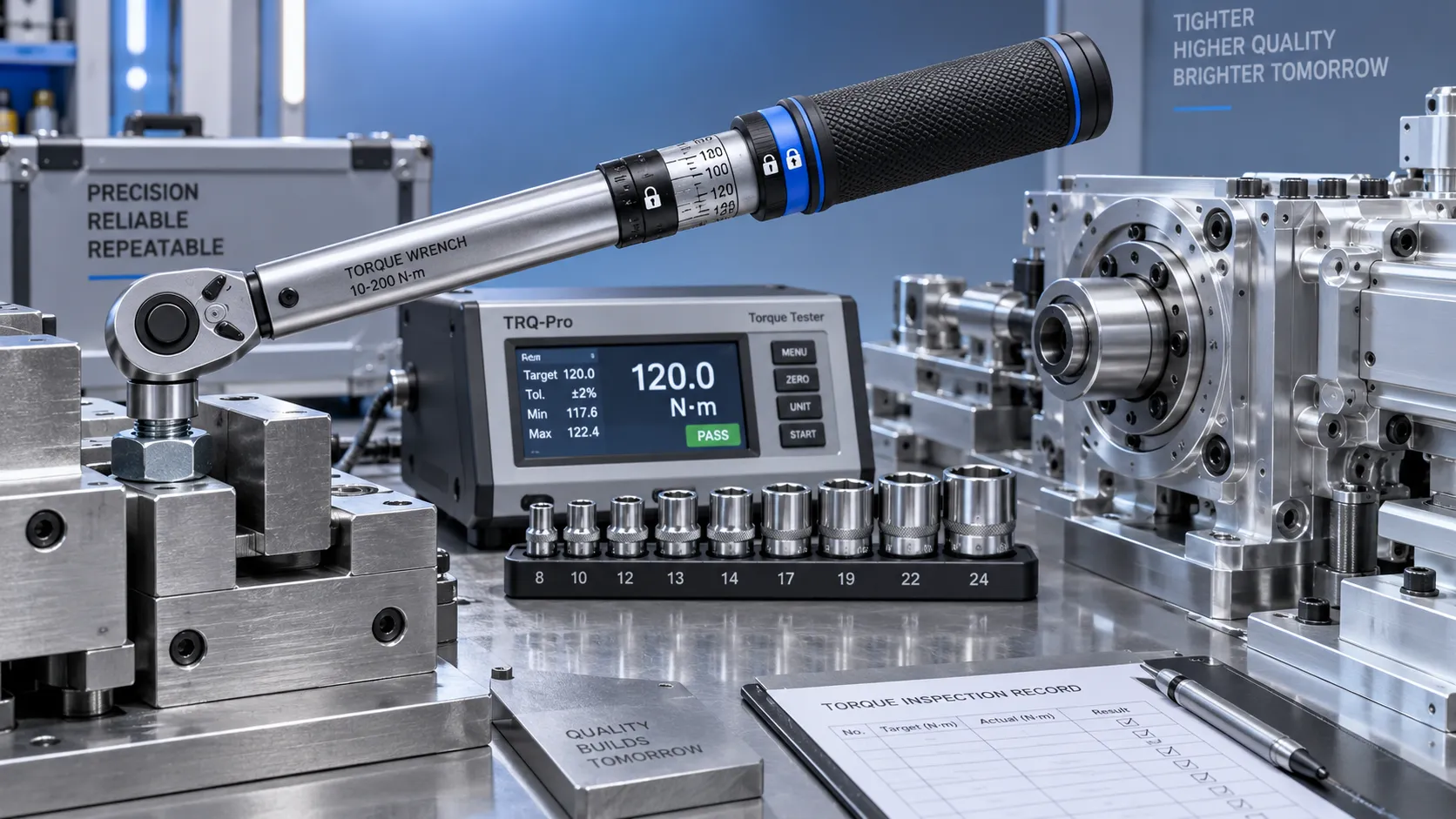
Selecting Adjustable Torque Tools for Repeatable Fastener Assembly
Adjustable torque tools: learn how to match range, accuracy, control methods, calibration, and ergonomics for repeatable, reliable fastener assembly.

How to Select Aerospace Inspection Tools for Aircraft Maintenance Tasks
Aerospace maintenance inspection tools: learn how to select reliable, traceable equipment for aircraft access, accuracy, calibration, and compliant maintenance decisions.

How to Select Wire Bonding Tools for Fine-Pitch Semiconductor Packaging
Explore semiconductor manufacturing tools for wire bonding and learn how to select precision solutions for fine-pitch packaging, reliable loops, accuracy, and yield.
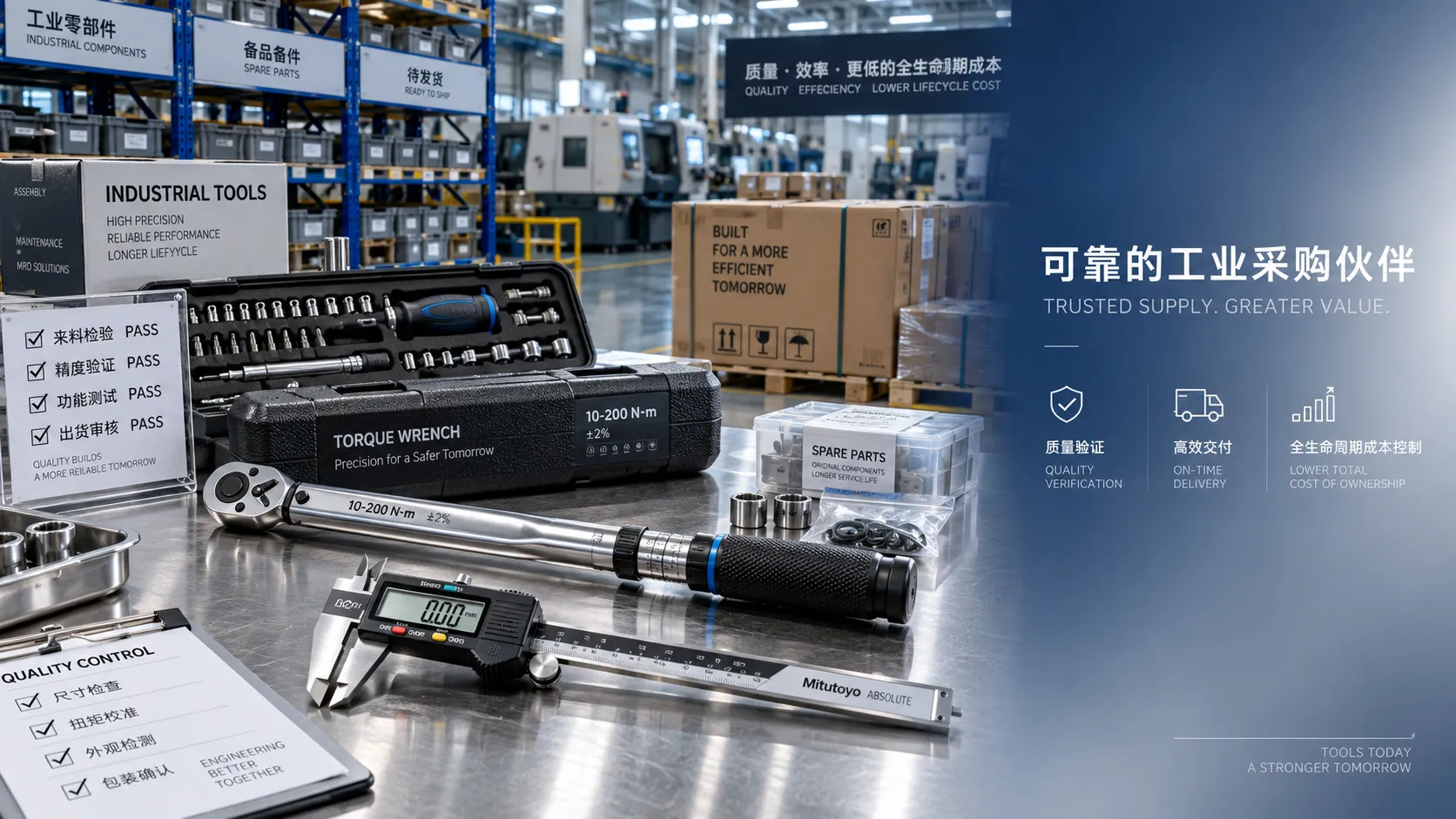
How to Compare Industrial Tool Suppliers for Quality, Lead Time, and Total Cost
Industrial tool selection supplier comparison made simple: evaluate quality, lead times, total cost, service, and supply resilience for confident sourcing decisions.
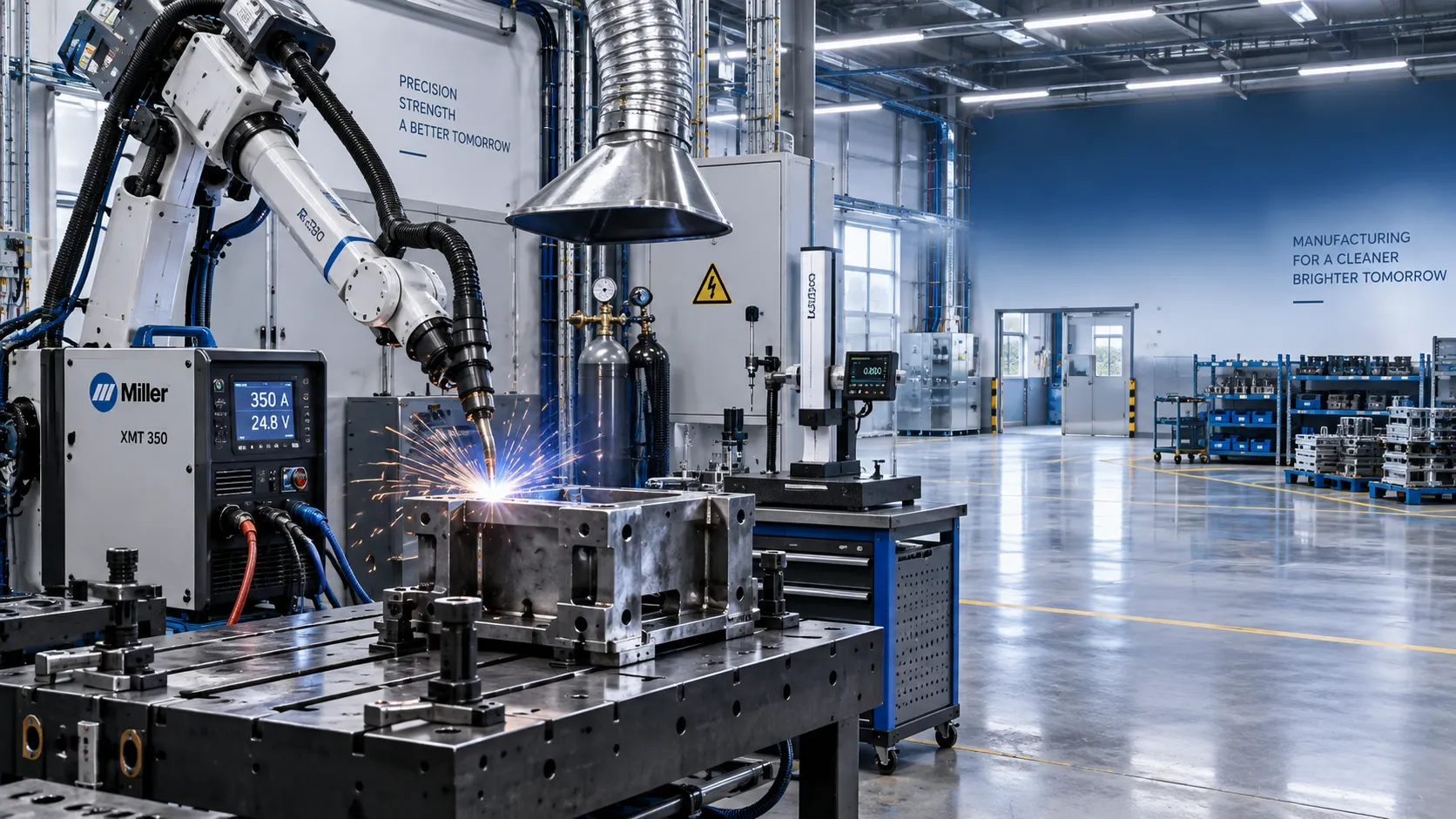
Industrial Equipment Application Guidance: Match Machines to Operating Conditions
Application guidance industrial equipment: match capacity, duty cycle, materials, site conditions, safety, and lifecycle cost to improve reliable output. Read the guide.
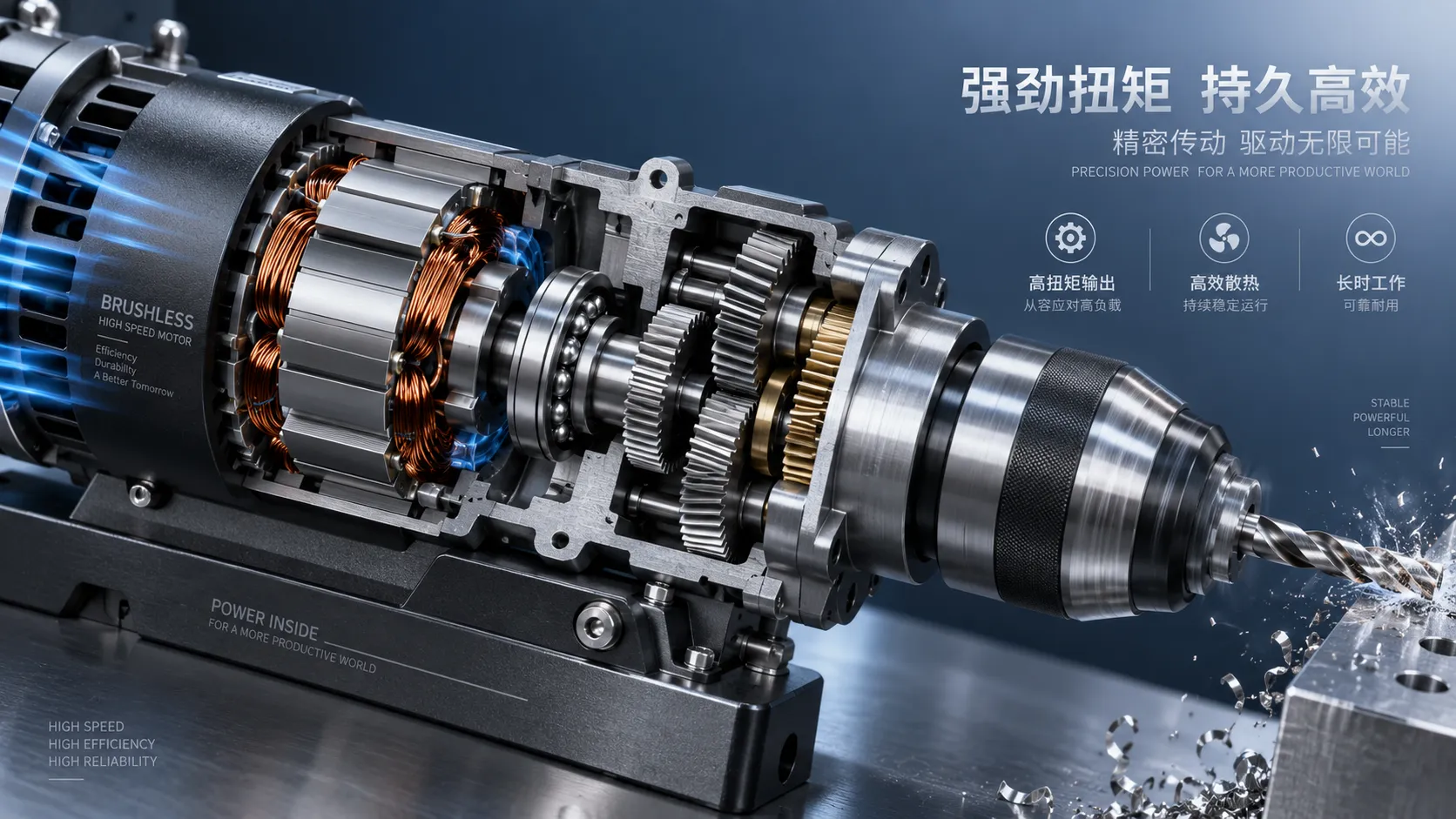
Selecting High-Speed Brushless Tool Motors for Torque, Heat, and Duty Cycle
High speed brushless tool motors: learn how to balance torque, heat, gearing, and duty cycle for reliable industrial tool performance and longer service life.
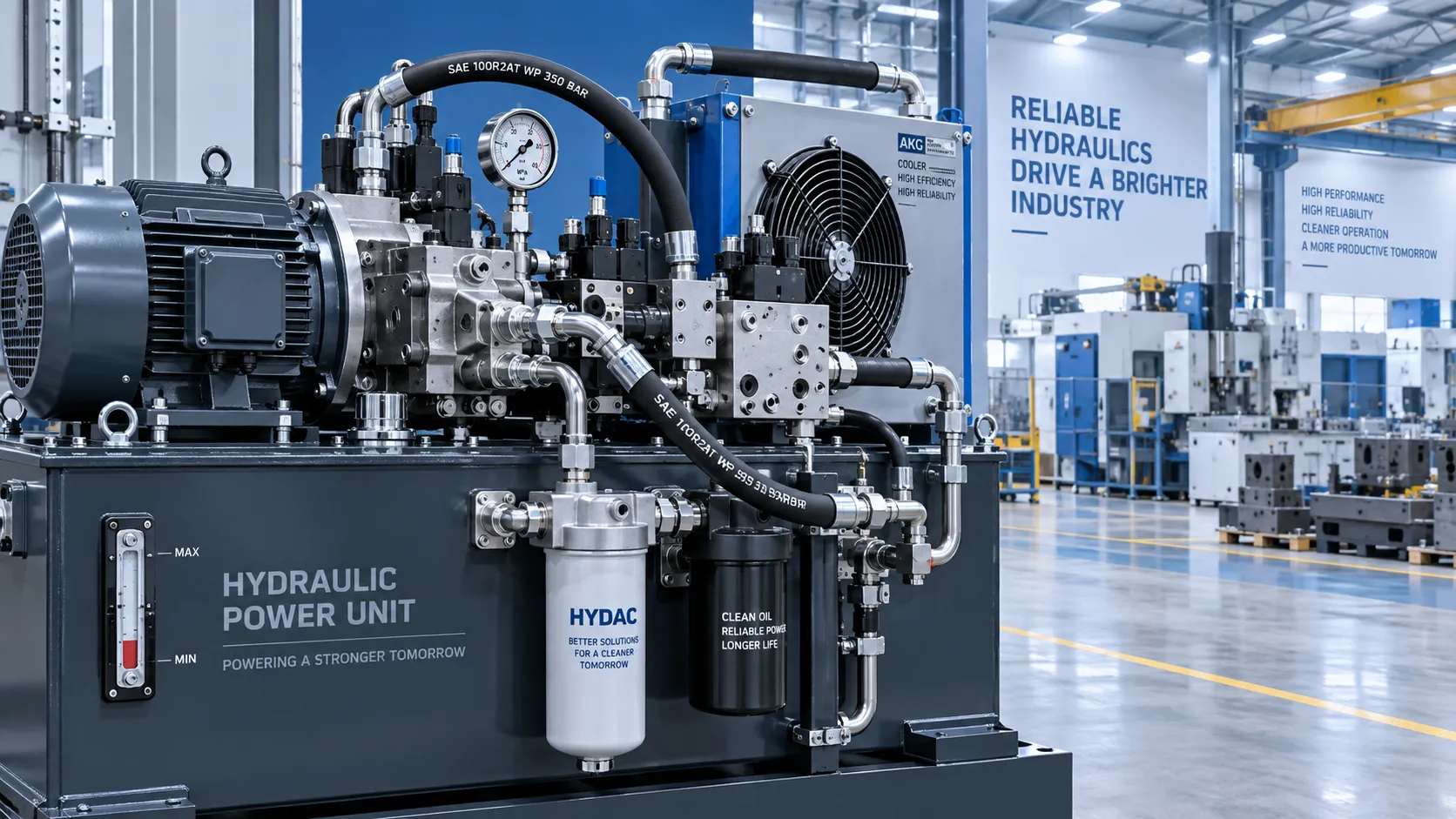
What Determines Industrial Hydraulic System Price for Heavy-Duty Equipment?
Industrial hydraulic system price depends on duty cycle, pressure, components, cooling, and integration. Compare quotes intelligently to secure reliable heavy-duty performance.
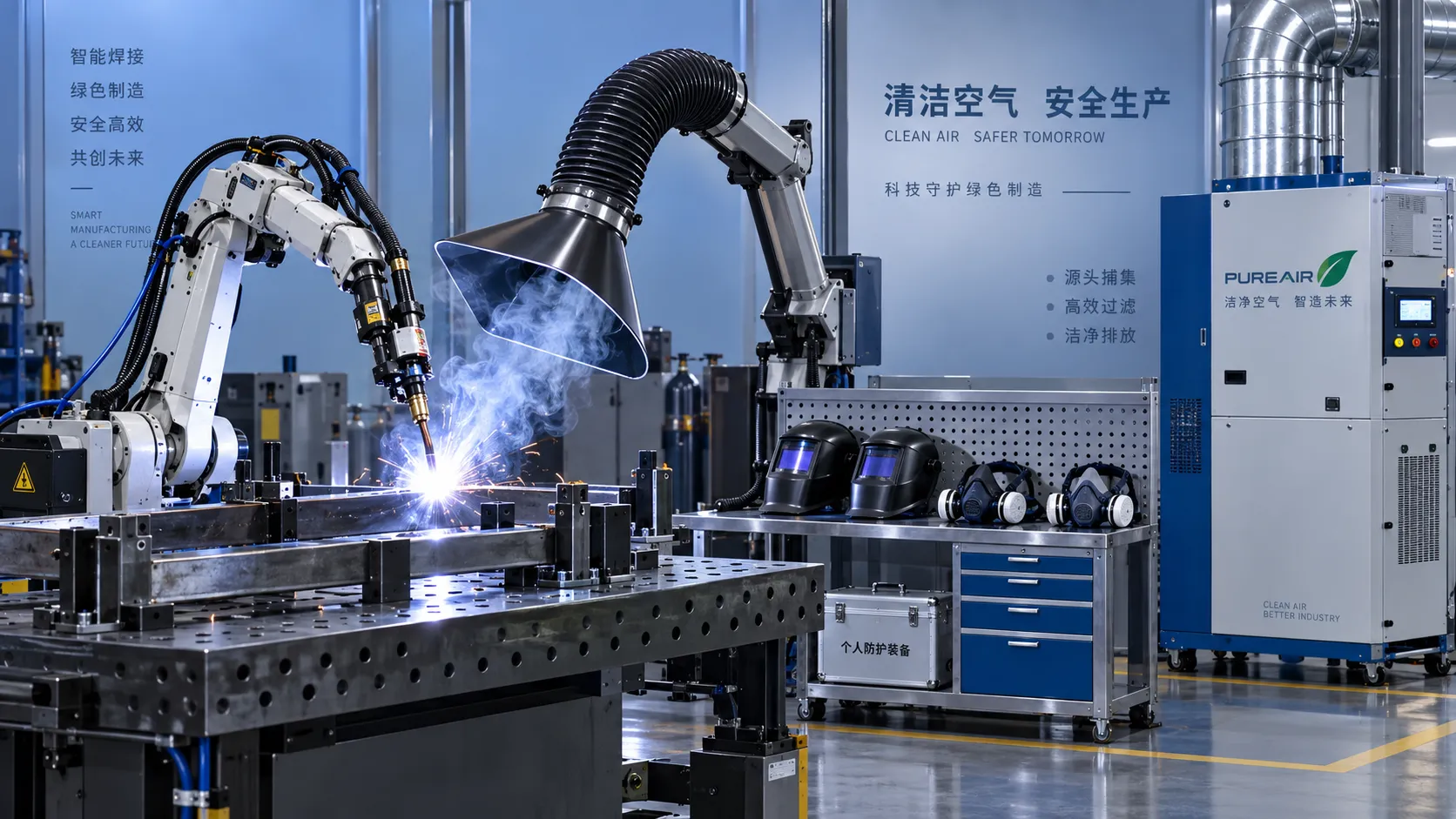
Welding Fume Extraction PPE: When Respirators Are Not Enough for Shop Safety
Welding fume extraction PPE: learn why respirators alone fall short and how source capture, ventilation, and layered controls improve shop safety.
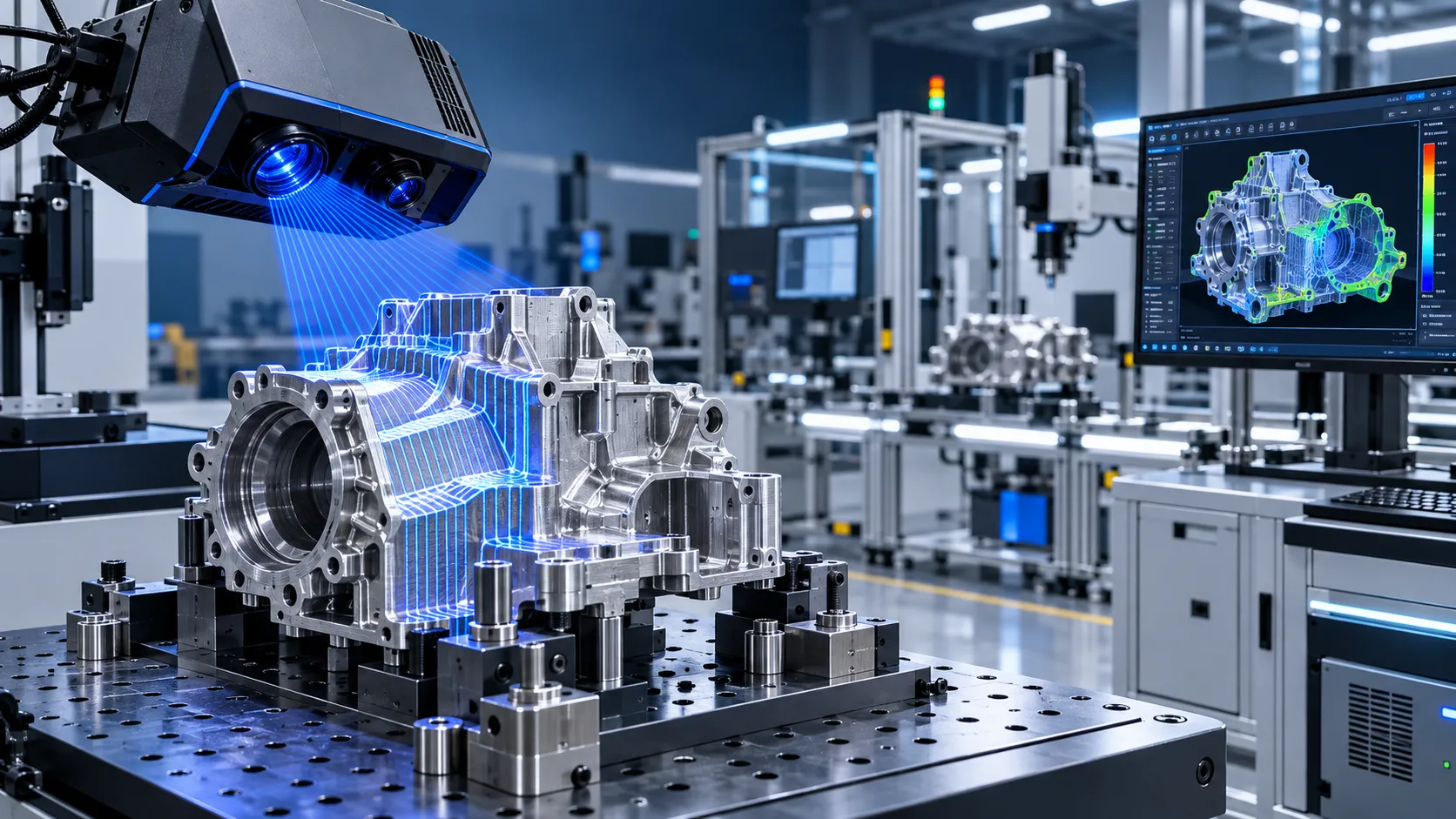
How to Select Optical Metrology Solutions for Tight-Tolerance Manufacturing
Optical industrial metrology solutions for tight-tolerance manufacturing: evaluate accuracy, surface compatibility, workflow, and traceability to select with confidence.
Related News
- 00
0000-00
Selecting Adjustable Torque Tools for Repeatable Fastener Assembly - 00
0000-00
How to Select Aerospace Inspection Tools for Aircraft Maintenance Tasks - 00
0000-00
How to Select Wire Bonding Tools for Fine-Pitch Semiconductor Packaging - 00
0000-00
Industrial Equipment Application Guidance: Match Machines to Operating Conditions - 00
0000-00
Selecting High-Speed Brushless Tool Motors for Torque, Heat, and Duty Cycle
Prof. Marcus Chen
Weekly Insights
Stay ahead with our curated technology reports delivered every Monday.