
Metrology Applications in Electronics: Where AOI, CMM, and Vision Systems Fit





Where metrology applications in electronics create real production value
Metrology applications in electronics matter most where speed and precision must coexist without creating hidden instability.
A fast line can still lose yield if inspection data arrives too late, or if the wrong tool checks the wrong risk.
That is why AOI, CMM, and vision systems rarely compete directly in well-run electronics operations.
They fit different moments of control, from defect screening to dimensional proof and inline positioning.
At GPTWM, this distinction reflects a broader industrial pattern.
The last mile of manufacturing is no longer defined only by machine capability.
It is shaped by how measurement supports assembly quality, process economics, export compliance, and repeatability across sites.
In electronics, metrology applications in electronics now influence line balance, traceability, maintenance planning, and even supplier qualification.
Actual fit depends on where the process is most fragile
Different electronics products fail for different reasons, so measurement priorities shift by scenario.
A dense SMT board usually needs rapid detection of solder bridges, polarity mistakes, and missing components.
A connector housing or fixture, however, may depend more on geometric tolerance, flatness, and datum consistency.
Inline assembly cells often sit somewhere between those extremes.
They need measurement that supports motion control, placement correction, and immediate process feedback.
In practical terms, metrology applications in electronics should be judged by three questions.
- Is the main risk visual defect, dimensional drift, or positioning error?
- Must the result stop the process instantly, or validate it after production?
- Does the application require 100 percent inspection or controlled sampling?
These questions usually reveal where AOI, CMM, and vision systems fit without forcing an artificial comparison.
When dense PCB assembly drives the decision, AOI usually leads
Among common metrology applications in electronics, AOI is strongest where defect frequency can rise faster than human verification can respond.
This is especially true on high-mix SMT lines with fine-pitch components and short product change cycles.
AOI works well because it screens large volumes quickly and catches surface-level process deviations early.
More importantly, it helps isolate whether the issue comes from stencil wear, placement offset, reflow variation, or program mismatch.
The better use case is not simply “inspect every board.”
It is “control recurring defect patterns before they spread across a full batch.”
One frequent mistake is expecting AOI to resolve dimensional truth in areas where part geometry itself is uncertain.
AOI can flag shape-related anomalies, but it does not replace rigorous geometric verification.
Another misread is ignoring false-call management.
If lighting, libraries, and golden sample logic are weak, inspection speed rises while trust in the results falls.
CMM becomes more valuable when dimensional accountability is the issue
Some metrology applications in electronics are less about visible defects and more about whether parts assemble within tight mechanical limits.
That often appears in connector systems, battery frames, shielding structures, tooling plates, and precision housings.
In these cases, CMM is not just a laboratory instrument.
It becomes the reference method for confirming that the process is building parts from the correct geometric baseline.
Where AOI tells you something looks wrong, CMM explains whether a tolerance stack has already moved outside an acceptable window.
This matters when downstream joining, fastening, or enclosure sealing depends on coordinate accuracy.
It also matters when global production sites need one common dimensional language.
That aligns with GPTWM’s focus on unifying precision practice across distributed manufacturing networks.
A common error here is treating CMM as too slow to matter in electronics.
It may be slower than inline tools, but its value is highest where one dimensional mistake can invalidate assembly reliability or compliance evidence.
Vision systems fit best where measurement must guide action in real time
Vision systems occupy a different place in metrology applications in electronics.
They often support the process while it is happening, rather than judging it only after a cycle ends.
Typical examples include robotic pick-and-place correction, connector orientation checks, code reading, micro-assembly alignment, and guided dispensing.
The strength of vision systems is their link to motion, timing, and immediate control logic.
In actual use, the key question is whether the line needs measurement as process feedback, not only as quality evidence.
If the process can self-correct from imaging data, vision usually earns its place quickly.
Still, vision systems are often overestimated.
A robust camera and smart software do not remove the need for stable fixturing, consistent illumination, and realistic tolerance logic.
Without those foundations, measurement becomes sensitive to variation that has little functional meaning.
Different scenarios shift the inspection priority
A direct comparison helps, but only if it stays tied to real operating conditions.
This is where many metrology applications in electronics move toward hybrid inspection plans rather than single-platform decisions.
Before implementation, the hidden constraints usually matter more than brochure specifications
Measurement choices often fail because the site evaluates equipment features before checking operating conditions.
In electronics production, four constraints deserve early review.
- Product mix variation, especially frequent model changes and short-run batches.
- Environmental stability, including vibration, temperature drift, and airborne contamination.
- Data architecture, because isolated measurement data rarely improves process control.
- Maintenance burden, including recalibration, recipe upkeep, optics cleaning, and operator discipline.
These factors affect long-term usefulness more than headline accuracy values.
GPTWM frequently tracks this pattern across precision tools, joining technologies, and intelligent assembly systems.
The strongest systems are not always the most advanced on paper.
They are the ones that survive real industrial variability without losing measurement credibility.
Common misjudgments in metrology applications in electronics
Several recurring mistakes appear when electronics teams expand inspection capability.
One is assuming similar products share the same inspection logic.
A consumer control board, a power module, and a medical subassembly may look comparable, yet their acceptance criteria differ sharply.
Another is choosing by purchase cost alone.
For many metrology applications in electronics, recipe maintenance, downtime recovery, and traceability effort shape total cost more than acquisition price.
A third error is separating inspection from process engineering.
When measurement is disconnected from stencil control, fixture revision, or robotic path tuning, defects are documented but not reduced.
A practical way to decide what fits next
A useful next step is to map failure modes before comparing equipment families.
List the defects that stop shipment, the dimensions that block assembly, and the positions that require inline correction.
Then check which metrology applications in electronics need immediate response and which need reference-grade validation.
After that, review implementation limits such as cycle time, changeover frequency, reporting needs, and maintenance capacity.
That sequence usually clarifies whether AOI, CMM, vision systems, or a layered combination will produce durable control.
For operations following GPTWM’s intelligence-driven approach, the goal is not broader inspection for its own sake.
It is sharper alignment between measurement, process stability, and the real economics of precision manufacturing.
Related News
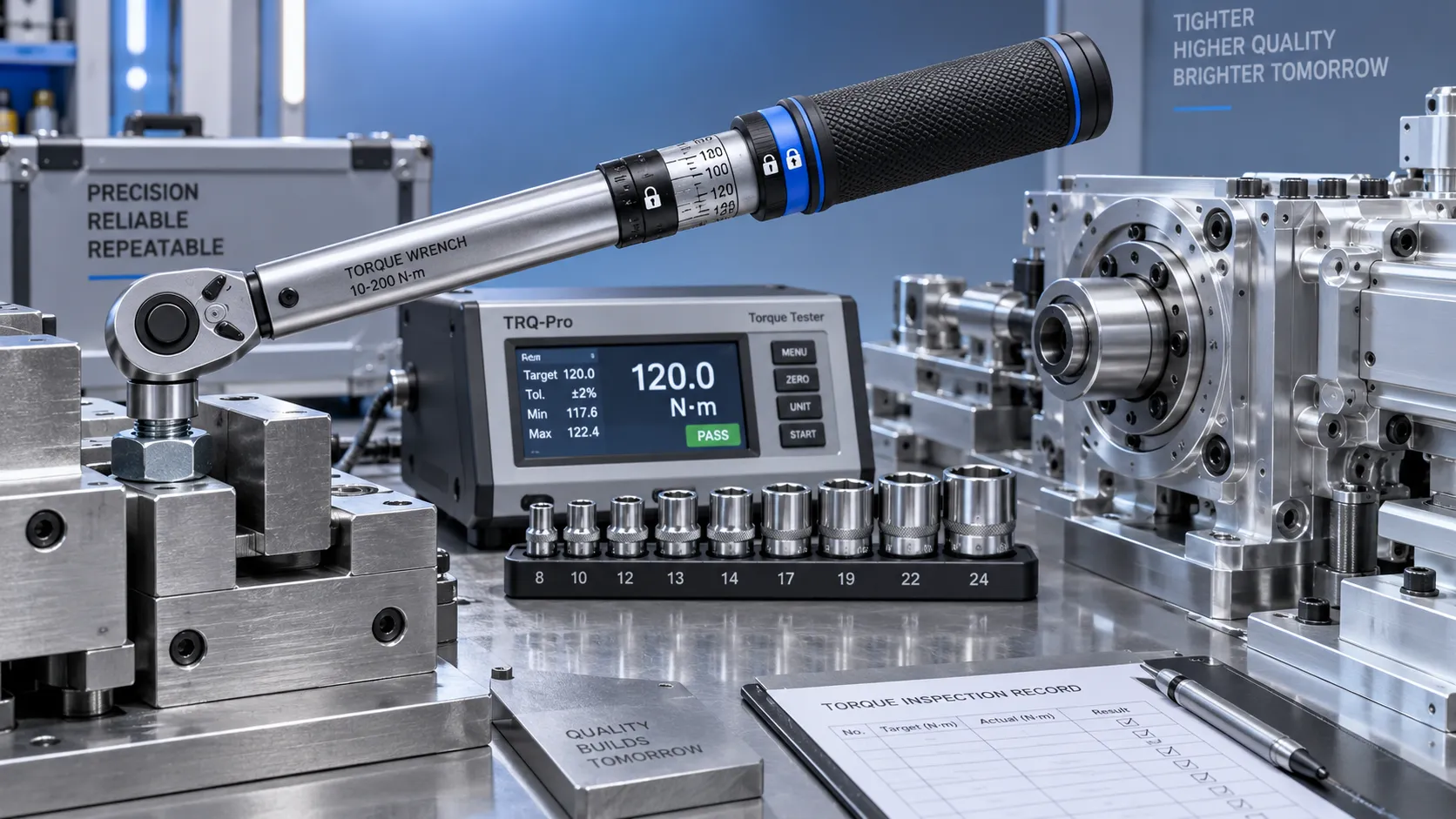
Selecting Adjustable Torque Tools for Repeatable Fastener Assembly
Adjustable torque tools: learn how to match range, accuracy, control methods, calibration, and ergonomics for repeatable, reliable fastener assembly.
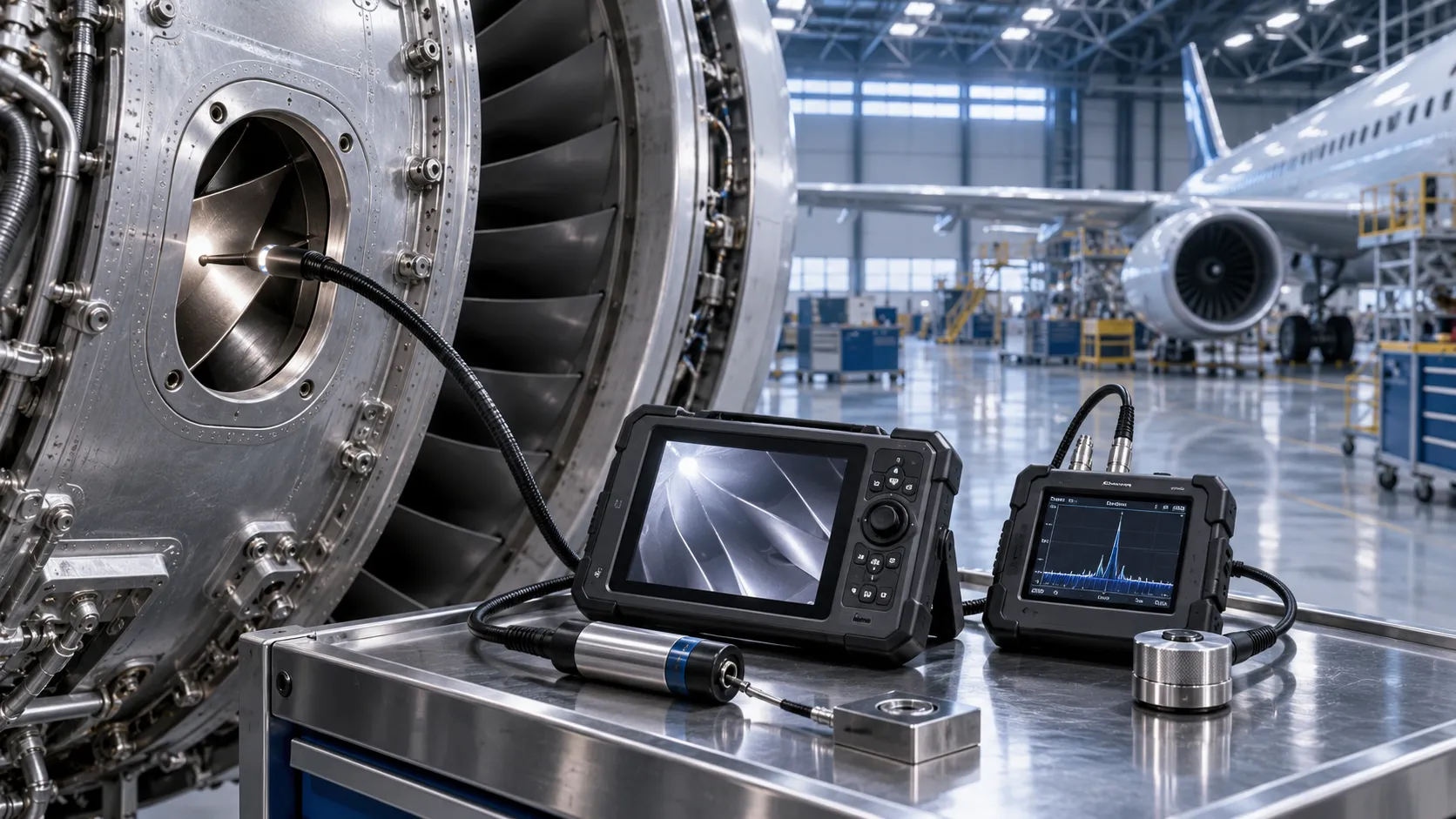
How to Select Aerospace Inspection Tools for Aircraft Maintenance Tasks
Aerospace maintenance inspection tools: learn how to select reliable, traceable equipment for aircraft access, accuracy, calibration, and compliant maintenance decisions.
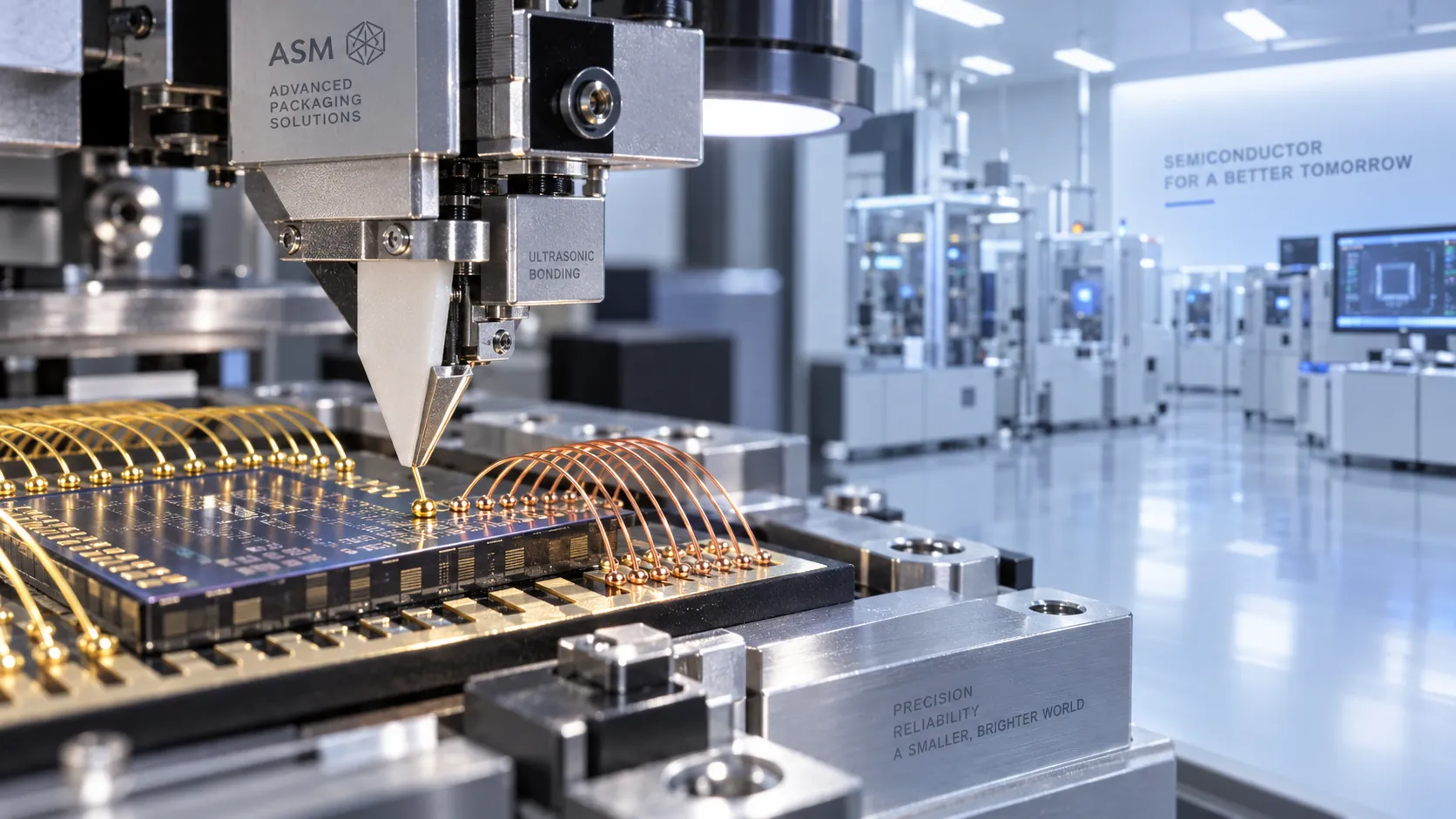
How to Select Wire Bonding Tools for Fine-Pitch Semiconductor Packaging
Explore semiconductor manufacturing tools for wire bonding and learn how to select precision solutions for fine-pitch packaging, reliable loops, accuracy, and yield.
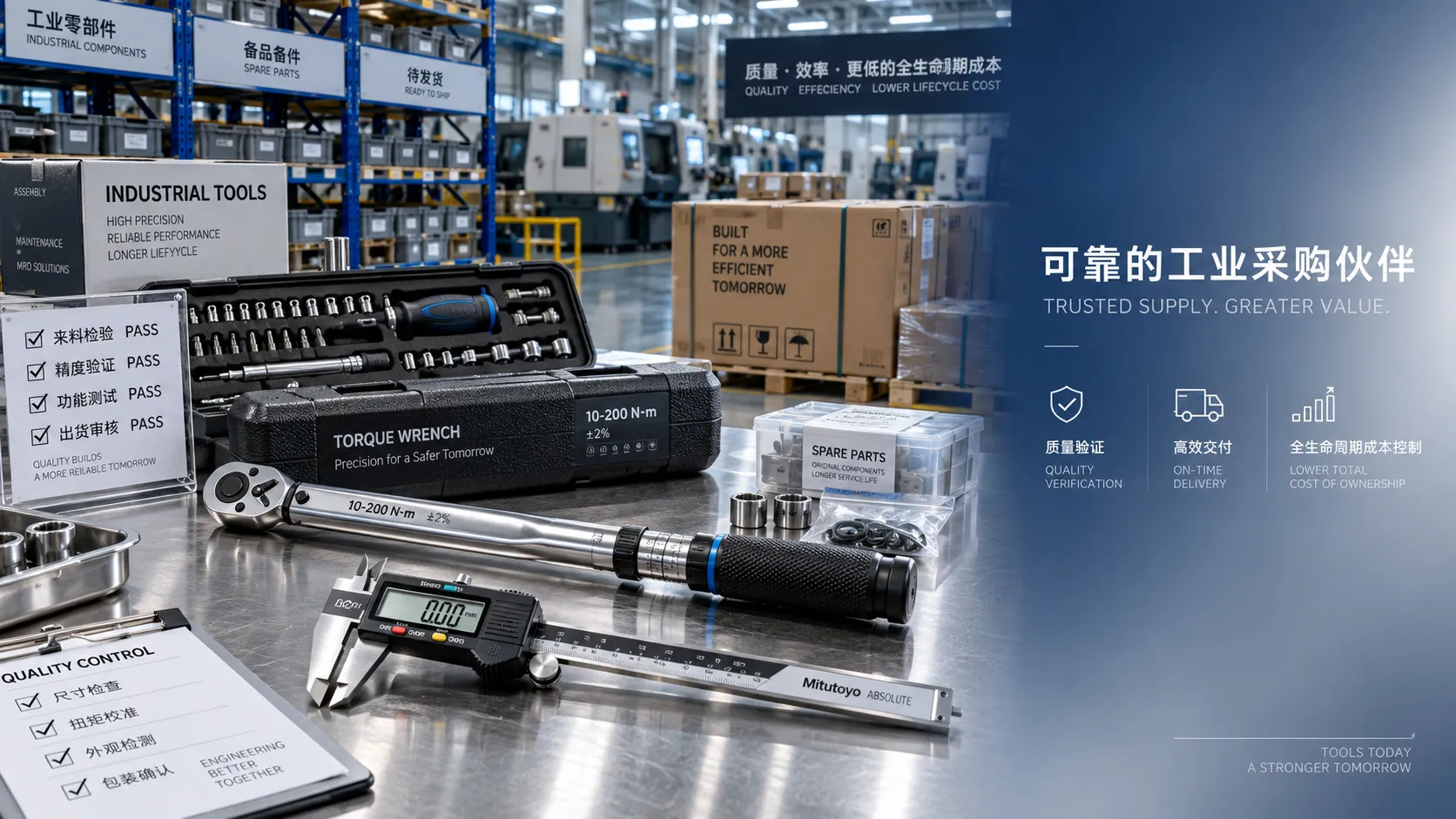
How to Compare Industrial Tool Suppliers for Quality, Lead Time, and Total Cost
Industrial tool selection supplier comparison made simple: evaluate quality, lead times, total cost, service, and supply resilience for confident sourcing decisions.
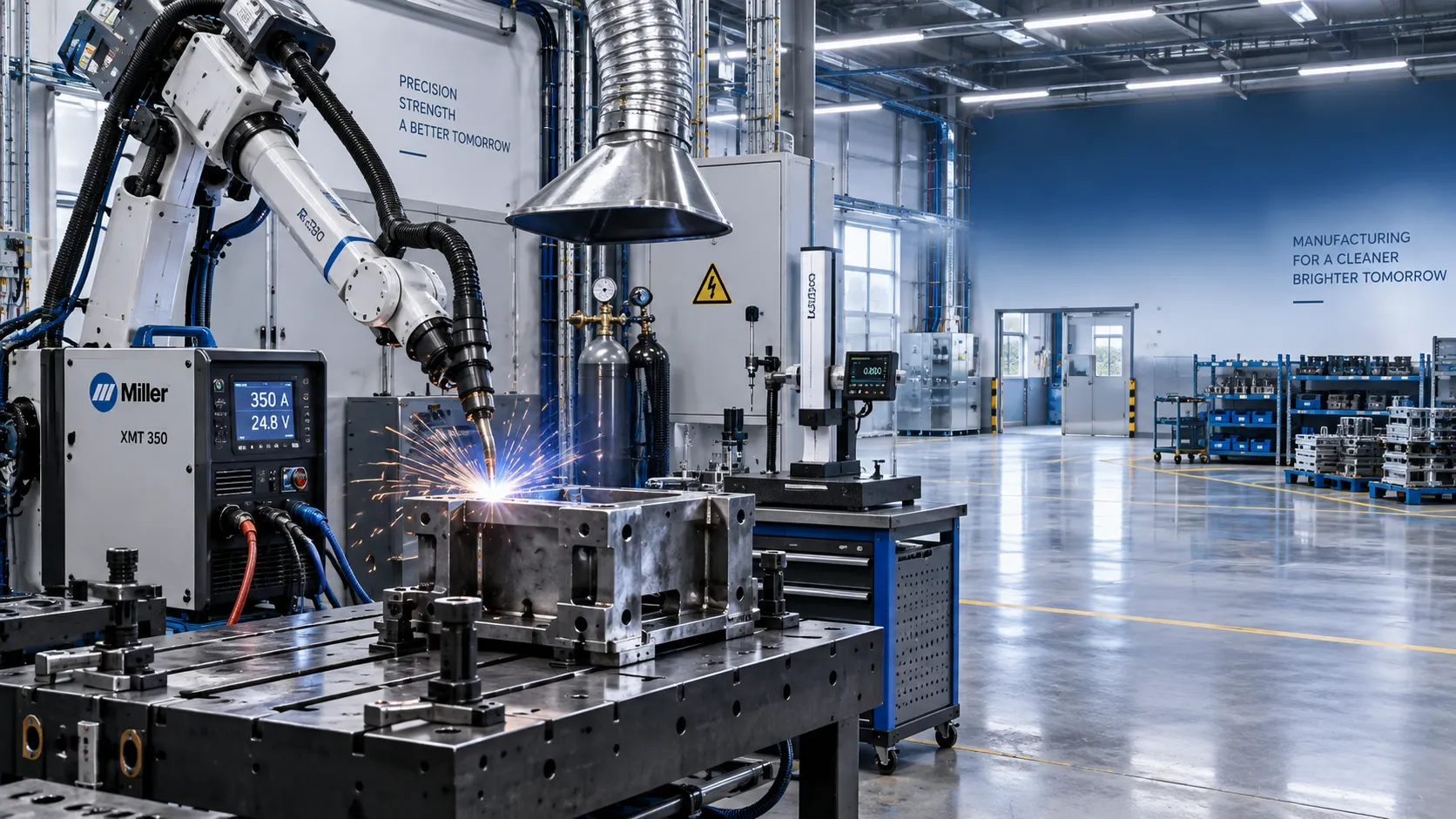
Industrial Equipment Application Guidance: Match Machines to Operating Conditions
Application guidance industrial equipment: match capacity, duty cycle, materials, site conditions, safety, and lifecycle cost to improve reliable output. Read the guide.
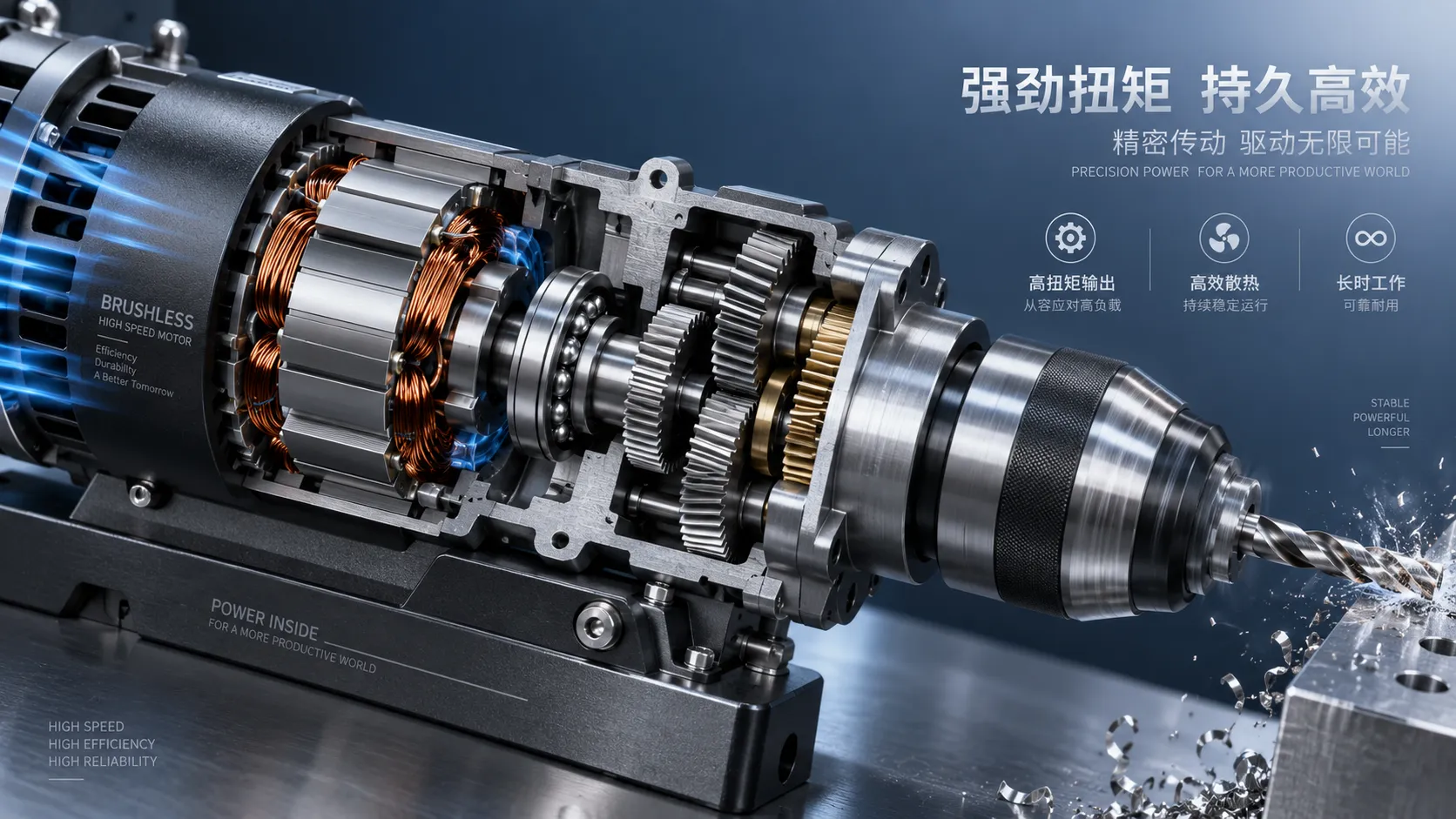
Selecting High-Speed Brushless Tool Motors for Torque, Heat, and Duty Cycle
High speed brushless tool motors: learn how to balance torque, heat, gearing, and duty cycle for reliable industrial tool performance and longer service life.
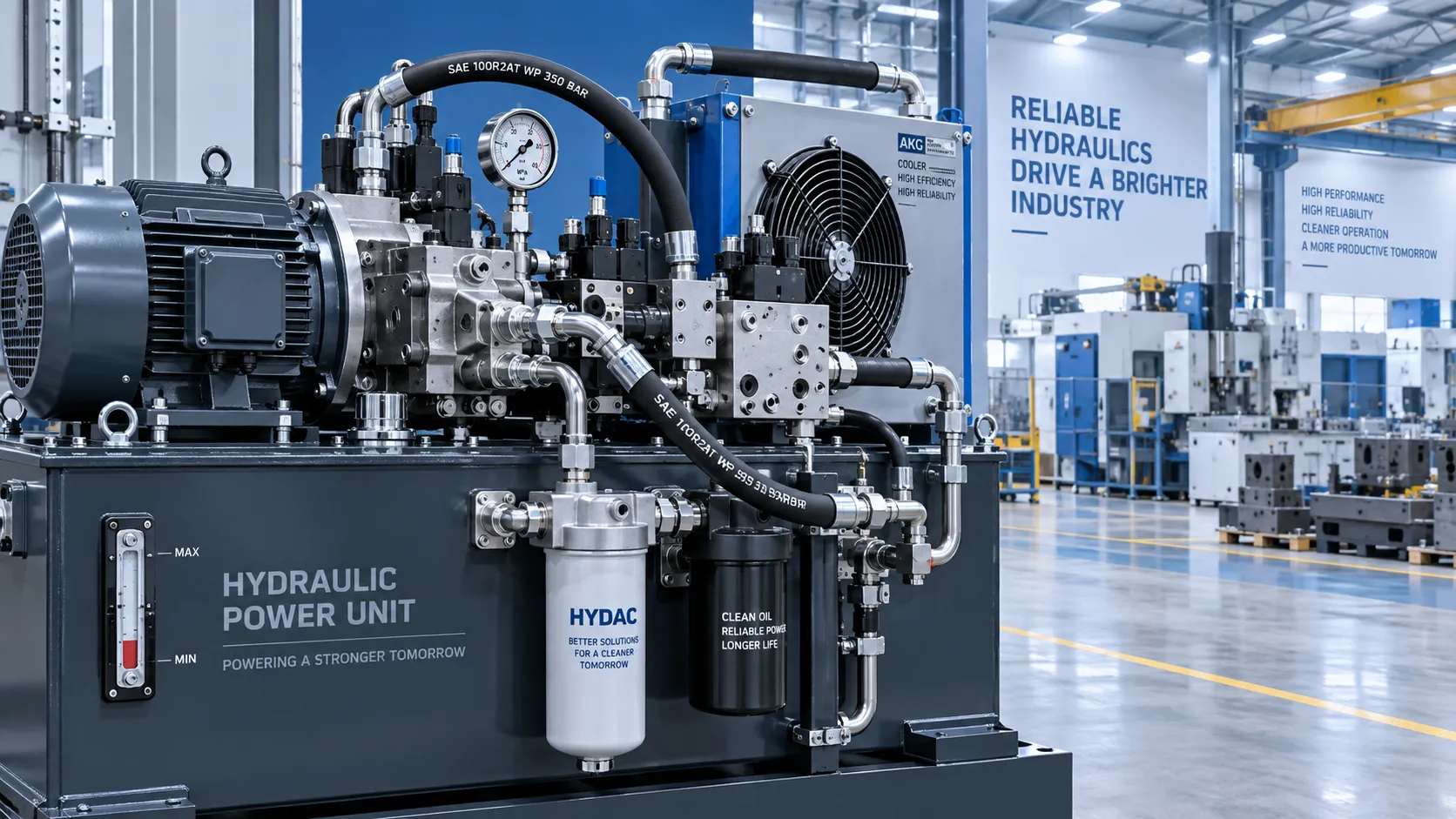
What Determines Industrial Hydraulic System Price for Heavy-Duty Equipment?
Industrial hydraulic system price depends on duty cycle, pressure, components, cooling, and integration. Compare quotes intelligently to secure reliable heavy-duty performance.
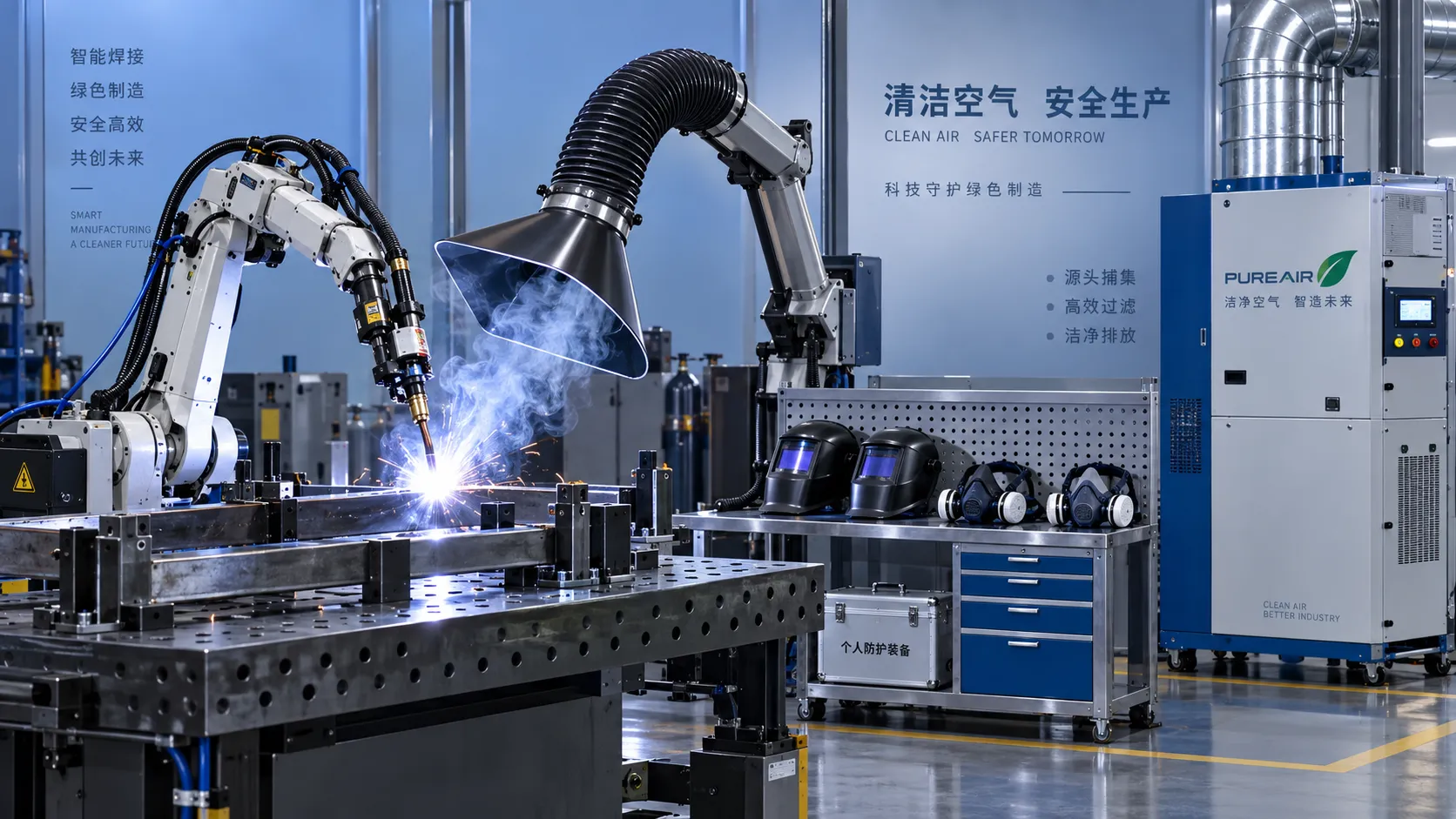
Welding Fume Extraction PPE: When Respirators Are Not Enough for Shop Safety
Welding fume extraction PPE: learn why respirators alone fall short and how source capture, ventilation, and layered controls improve shop safety.
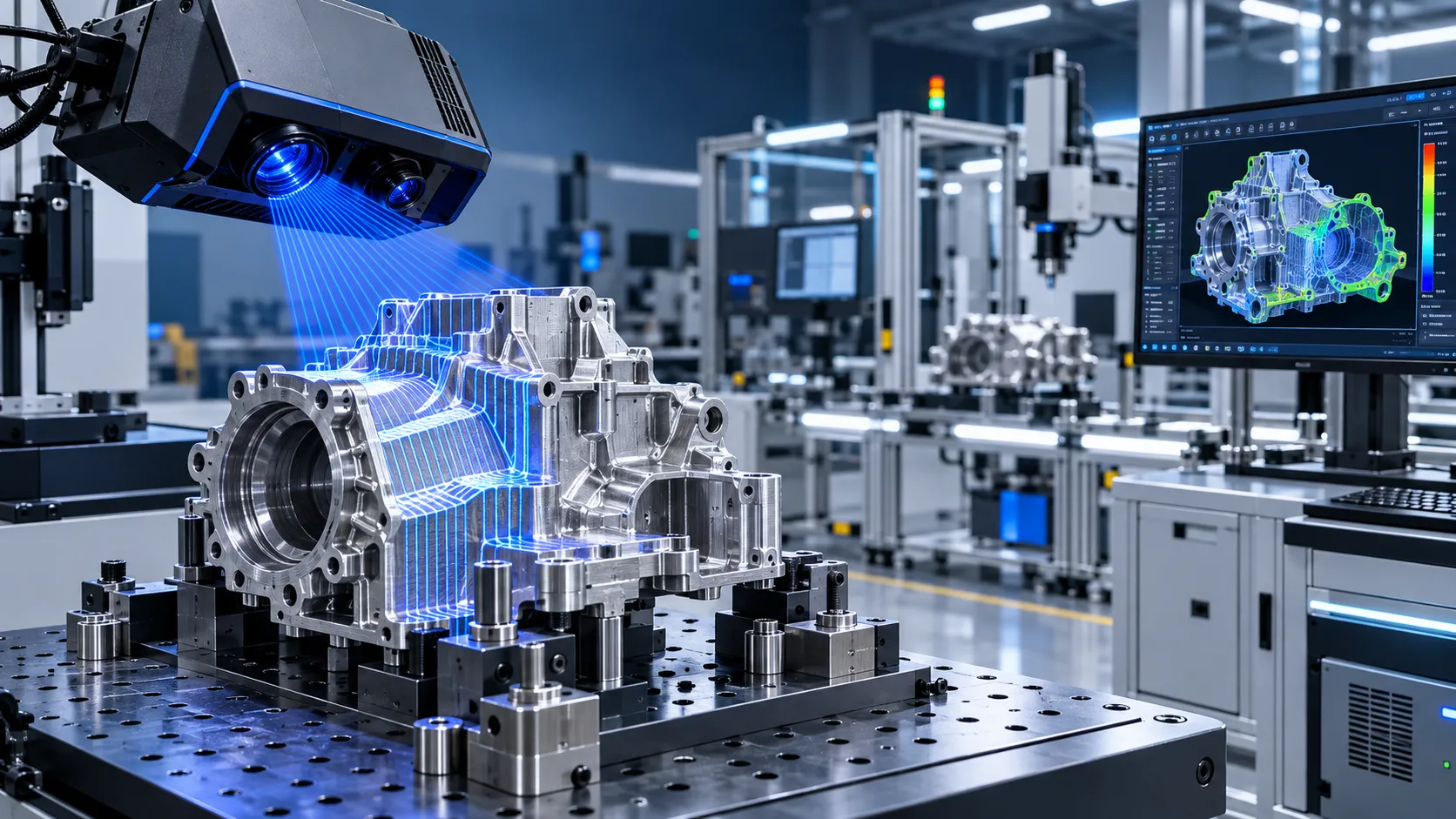
How to Select Optical Metrology Solutions for Tight-Tolerance Manufacturing
Optical industrial metrology solutions for tight-tolerance manufacturing: evaluate accuracy, surface compatibility, workflow, and traceability to select with confidence.
Related News
- 00
0000-00
Selecting Adjustable Torque Tools for Repeatable Fastener Assembly - 00
0000-00
How to Select Aerospace Inspection Tools for Aircraft Maintenance Tasks - 00
0000-00
How to Select Wire Bonding Tools for Fine-Pitch Semiconductor Packaging - 00
0000-00
Industrial Equipment Application Guidance: Match Machines to Operating Conditions - 00
0000-00
Selecting High-Speed Brushless Tool Motors for Torque, Heat, and Duty Cycle
Prof. Marcus Chen
Weekly Insights
Stay ahead with our curated technology reports delivered every Monday.