
What Does Connected Tool Intellectualization Mean in Smart Manufacturing?





What Does Connected Tool Intellectualization Mean in Smart Manufacturing?
In factory discussions, people often talk about “smart manufacturing” as if intelligence lives only in big systems: MES, ERP, robots, cloud dashboards. But on the shop floor, a lot of real quality, cost, and safety still depends on the last tool in a worker’s hand or at the end of a spindle. That is where connected tool intellectualization becomes practical rather than theoretical.
The phrase sounds abstract, but the meaning is straightforward. A connected intelligent tool is no longer just a device that performs torqueing, welding, measuring, fastening, cutting, or inspection. It also senses its own condition, records process data, communicates with upstream and downstream systems, and in some cases guides the operator or adjusts its own behavior within a defined range. The “intellectualization” part is not simply digitization. A tool with a screen is not necessarily intelligent. A tool that can capture context, compare it to expected process rules, and support traceable decisions is much closer to the point.
That distinction matters because many industrial companies have already added electronics to tools without really changing how production is controlled. A cordless torque wrench may store values locally. A handheld welding unit may have preset modes. A caliper may output measurement readings. Useful, yes—but still isolated. Connected tool intellectualization starts when those tools become part of an operating logic: the right tool, used by the right person, on the right job, with the right parameter window, and with usable feedback after the operation is complete.
Why this matters more in the “last mile” of manufacturing
The last mile of manufacturing is where process plans meet physical reality. A design may specify torque, weld quality, dimensional tolerance, or fastening sequence, but execution happens under real conditions: operator fatigue, part variation, tool wear, battery condition, cable damage, ambient dust, unstable consumables, and schedule pressure. In these moments, the tool is not a passive accessory. It is the immediate interface between process intent and production outcome.
This is one reason industry intelligence platforms such as GPTWM pay close attention to industrial assembly, metal joining, and precision metrology rather than only to top-level automation narratives. The real bottlenecks often appear in handheld laser welding safety practices, brushless motor efficiency limits in power tools, or the maturity of IoT-based torque control systems. These are not side topics. They are where “smart factory” promises either hold up or fall apart.
If a connected fastening tool can verify angle, torque, cycle completion, and operator authorization in one workflow, rework risk drops for the right reasons: not because people are being watched more closely, but because the process has fewer blind spots. If a measuring instrument pushes results directly into a quality record instead of relying on handwritten transcription, traceability becomes less fragile. If a welding system can flag parameter drift or maintenance needs early, the conversation changes from fault finding to process control.
What actually makes a tool “intellectualized”?
In practice, connected tool intellectualization usually combines several layers rather than one feature.
The first layer is data capture. This includes readings such as torque, angle, current, temperature, vibration, position, measurement value, usage count, runtime, or error state. Which signals matter depends on the process. A metrology device and a welding torch do not need the same data model.
The second layer is identification and context. The system needs to know which tool generated the data, who used it, on which job or product, at what time, and sometimes under which recipe or work instruction. Without context, data becomes a historical archive rather than operational intelligence.
The third layer is connectivity. That may mean communication with a local controller, edge gateway, manufacturing execution system, quality software, or service platform. Connectivity itself is not intelligence, but without it, learning stays trapped inside the tool.
The fourth layer is decision support. This is where the tool or the connected system can validate settings, lock out incorrect use, suggest calibration or maintenance, compare live output with target windows, or trigger alerts when results fall outside expected conditions. This does not require science-fiction autonomy. Even simple rule-based intelligence can be valuable if it reduces process ambiguity.
The fifth layer is lifecycle feedback. An intelligent tool should not only support production today; it should also reveal patterns over time. Are certain errors tied to a shift, a batch, a fixture, a consumable source, or a tool nearing service limits? This is where connected tools begin to influence purchasing, training, maintenance planning, and ergonomic redesign.
Common examples across assembly, welding, and metrology
Assembly tools are usually the easiest entry point because fastening already has measurable process parameters. Smart torque tools can record tightening results, enforce sequence logic, and reduce the chance of a correct part being assembled with the wrong parameter set. In high-mix manufacturing, that matters more than headline automation rates. The risk is often not “can we automate this station” but “can we avoid subtle assembly errors when product variants multiply.”
In welding, connected tool intellectualization is a bit more sensitive. Welding quality depends on more variables, and some of them are operator-dependent or material-dependent. So intelligence here is less about promising perfect self-correction and more about improving control boundaries: parameter history, safety interlocks, consumable status, maintenance intervals, and process traceability. For handheld laser welding especially, the industry’s growing focus on safety is a good reminder that “smart” cannot mean only faster or more digital. It also has to mean better governed.
Precision metrology gives another angle. A connected measuring tool can reduce transcription error, link inspection results to part IDs, and support SPC or quality analysis much earlier in the workflow. But there is a practical warning here: if the measurement system is not stable, calibrated appropriately, or matched to the tolerance requirement, connectivity simply makes bad data move faster. Many teams underestimate that problem.
What companies often get wrong
One common misunderstanding is to treat connected tools as an IT project. The purchasing discussion then focuses on protocols, dashboards, and device counts, while process engineering questions come late. In reality, the sequence should usually start with control points: which operations are quality-critical, which errors are hard to detect downstream, and where manual judgment currently carries too much hidden risk.
Another mistake is assuming more data automatically leads to better manufacturing decisions. It does not. If a plant captures thousands of tool events but has no clear thresholds for action, operators will learn to ignore alarms and engineers will spend time cleaning records nobody uses. Useful connected tool programs are selective. They define what needs to be measured, what needs to be stored, and what should trigger intervention.
There is also a human factor that gets overlooked. A tool can be technically advanced and still fail in real operations if it is too heavy, too complex, too slow to log in, or awkward in confined spaces. GPTWM’s attention to lightweighting and ergonomic standardization reflects a real industry tension: intelligence should reduce friction, not add it. The best smart tool setups usually respect how work is actually done.
How to judge whether the concept is mature in a real application
If you are evaluating connected tool intellectualization from a research or strategy perspective, it helps to ask a few plain questions rather than relying on marketing language.
- Does the tool capture process-relevant data, or just generic device status?
- Can the data be linked to part, batch, operator, or work order context?
- Is there any closed-loop action, such as lockout, correction prompt, or maintenance alert?
- Does the system reduce error opportunity on the floor, or merely improve reporting afterward?
- Can the tool be integrated into existing quality and production workflows without creating another isolated data silo?
Those questions tend to reveal whether a company is dealing with genuine process intelligence or with a digitized but disconnected instrument.
Why this topic has become broader than one industry
Connected intelligent tools are no longer relevant only to automotive assembly lines or large electronics plants. Construction equipment maintenance, aerospace servicing, metal fabrication workshops, contract manufacturing, and even distributed service operations are all being affected. The reason is simple: quality expectations are rising while labor conditions remain uneven and product complexity keeps increasing. In that environment, a tool that can carry embedded process knowledge becomes more valuable.
Globalization adds another layer. Export restrictions, local safety expectations, and different service capabilities all affect how tools are selected and connected. Intelligence portals that track raw material volatility, standard changes, and sector-level shifts are useful here because tool intellectualization is not only a hardware trend. It sits at the intersection of regulation, ergonomics, digital infrastructure, and after-sales support.
That is also why there is no single “best” model of connected tool deployment. A high-precision metrology workflow may prioritize traceability and calibration discipline. A field maintenance team may prioritize ruggedness, offline capability, and simple synchronization. A welding operation may put safety governance ahead of advanced analytics. The smart choice depends on what failure is most expensive in that environment.
A practical way to think about it
The cleanest way to define connected tool intellectualization is this: it is the shift from tools as standalone instruments to tools as process-aware nodes in a manufacturing system.
That shift changes what a tool is expected to do. It should not only execute force, heat, motion, or measurement. It should also provide evidence, context, and timely feedback. When done well, this does not remove craftsmanship. It actually protects it. Skilled operators and engineers still matter, but they work with better visibility and fewer silent failures.
For anyone studying industrial transformation, that is the key point to remember. Smart manufacturing is not only about adding bigger software layers above production. Often, the most meaningful intelligence starts at the point where a weld is made, a bolt is tightened, or a dimension is checked. If the tool at that moment is connected, context-aware, and governed by usable logic, the rest of the factory has something reliable to build on. If not, even sophisticated digital systems may end up managing uncertainty rather than reducing it.
Related News
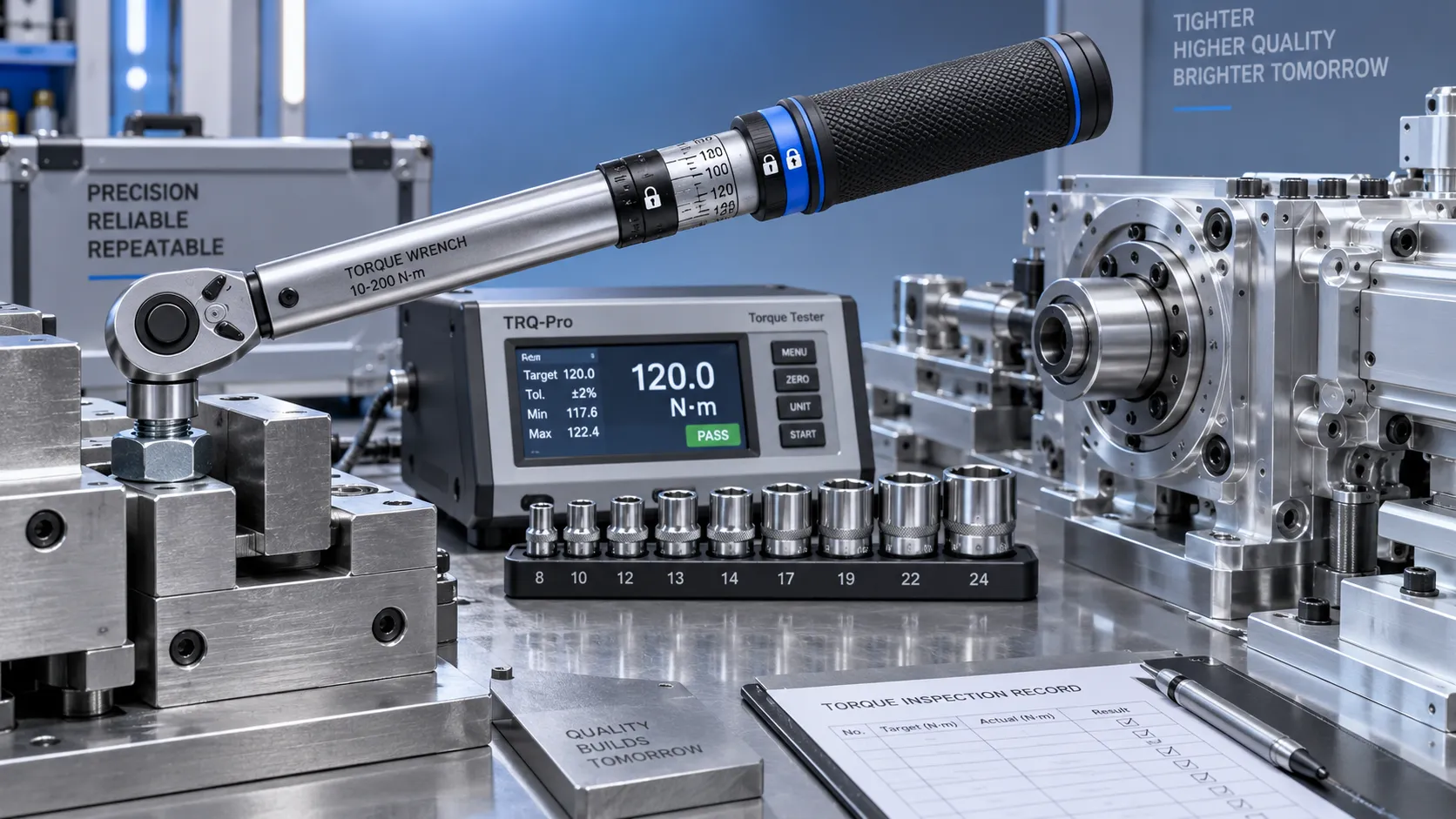
Selecting Adjustable Torque Tools for Repeatable Fastener Assembly
Adjustable torque tools: learn how to match range, accuracy, control methods, calibration, and ergonomics for repeatable, reliable fastener assembly.
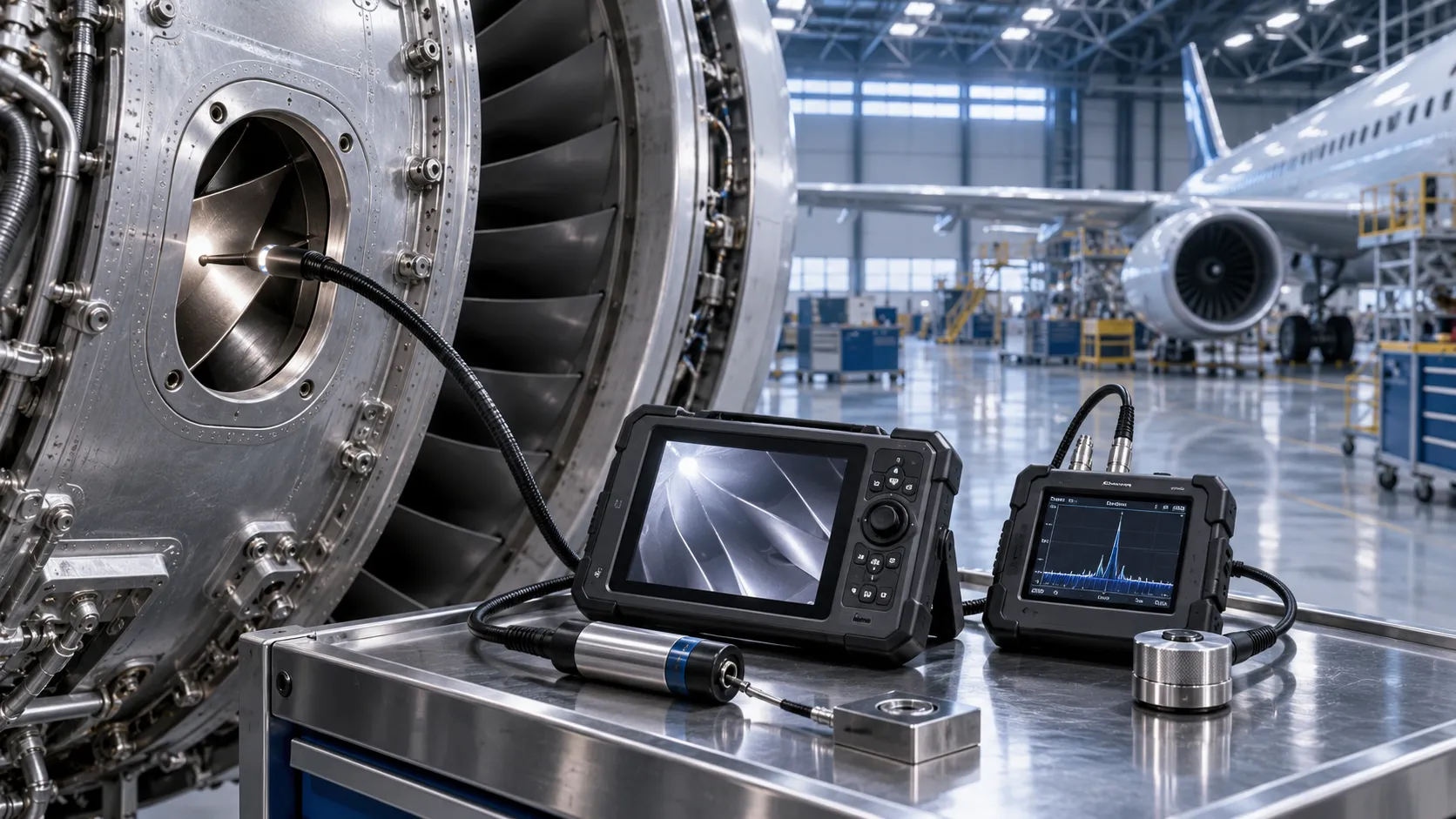
How to Select Aerospace Inspection Tools for Aircraft Maintenance Tasks
Aerospace maintenance inspection tools: learn how to select reliable, traceable equipment for aircraft access, accuracy, calibration, and compliant maintenance decisions.
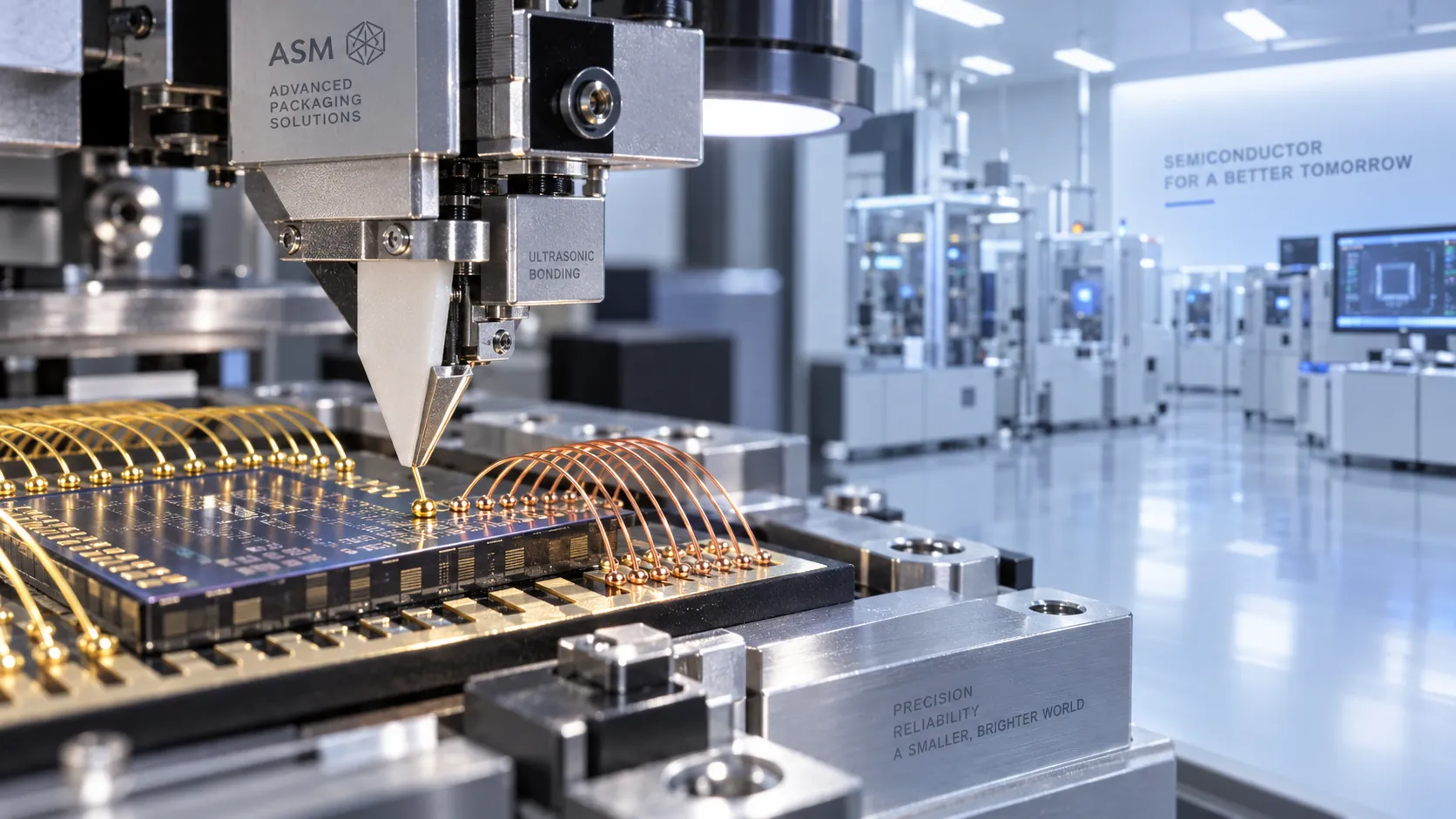
How to Select Wire Bonding Tools for Fine-Pitch Semiconductor Packaging
Explore semiconductor manufacturing tools for wire bonding and learn how to select precision solutions for fine-pitch packaging, reliable loops, accuracy, and yield.
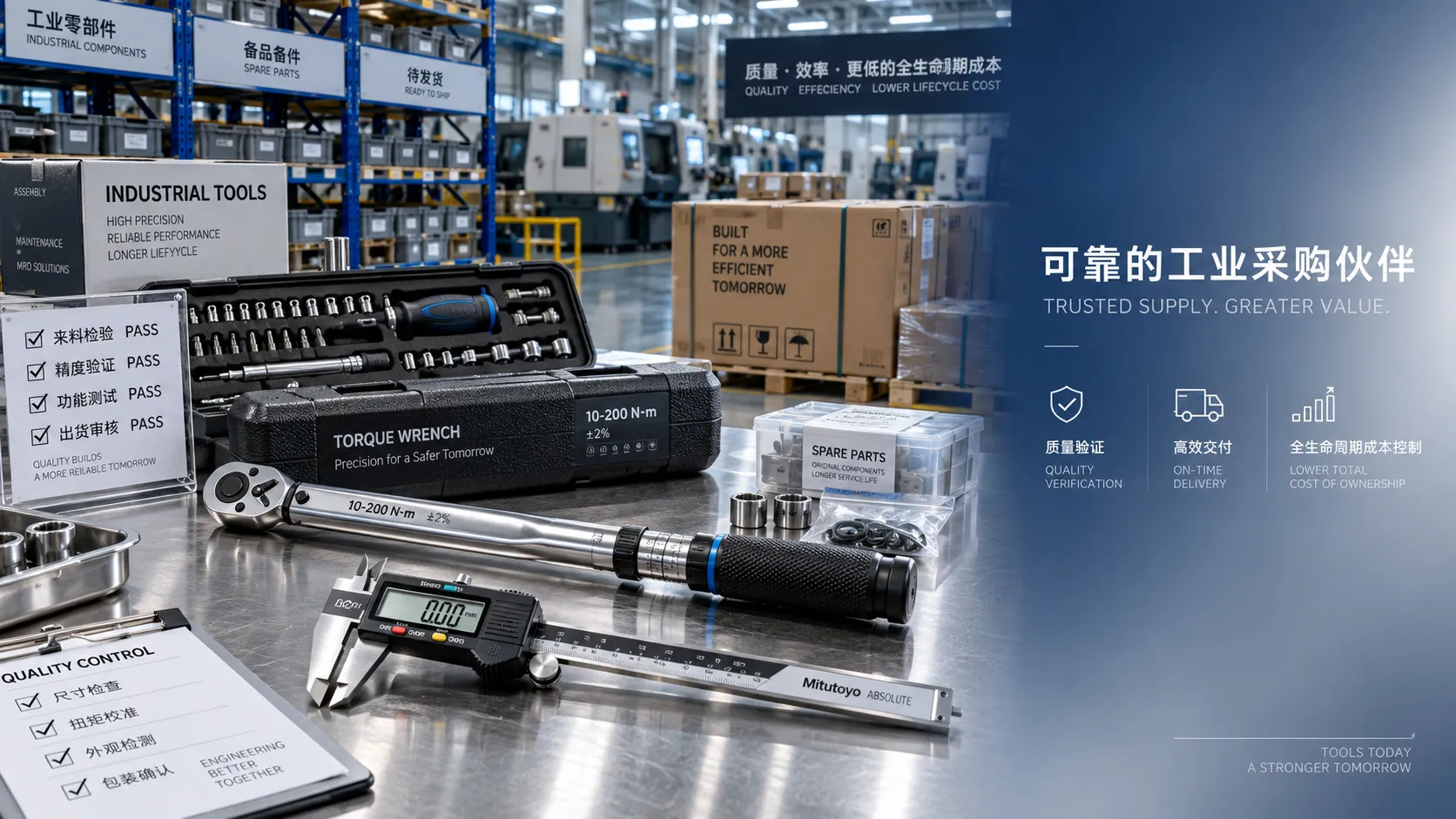
How to Compare Industrial Tool Suppliers for Quality, Lead Time, and Total Cost
Industrial tool selection supplier comparison made simple: evaluate quality, lead times, total cost, service, and supply resilience for confident sourcing decisions.
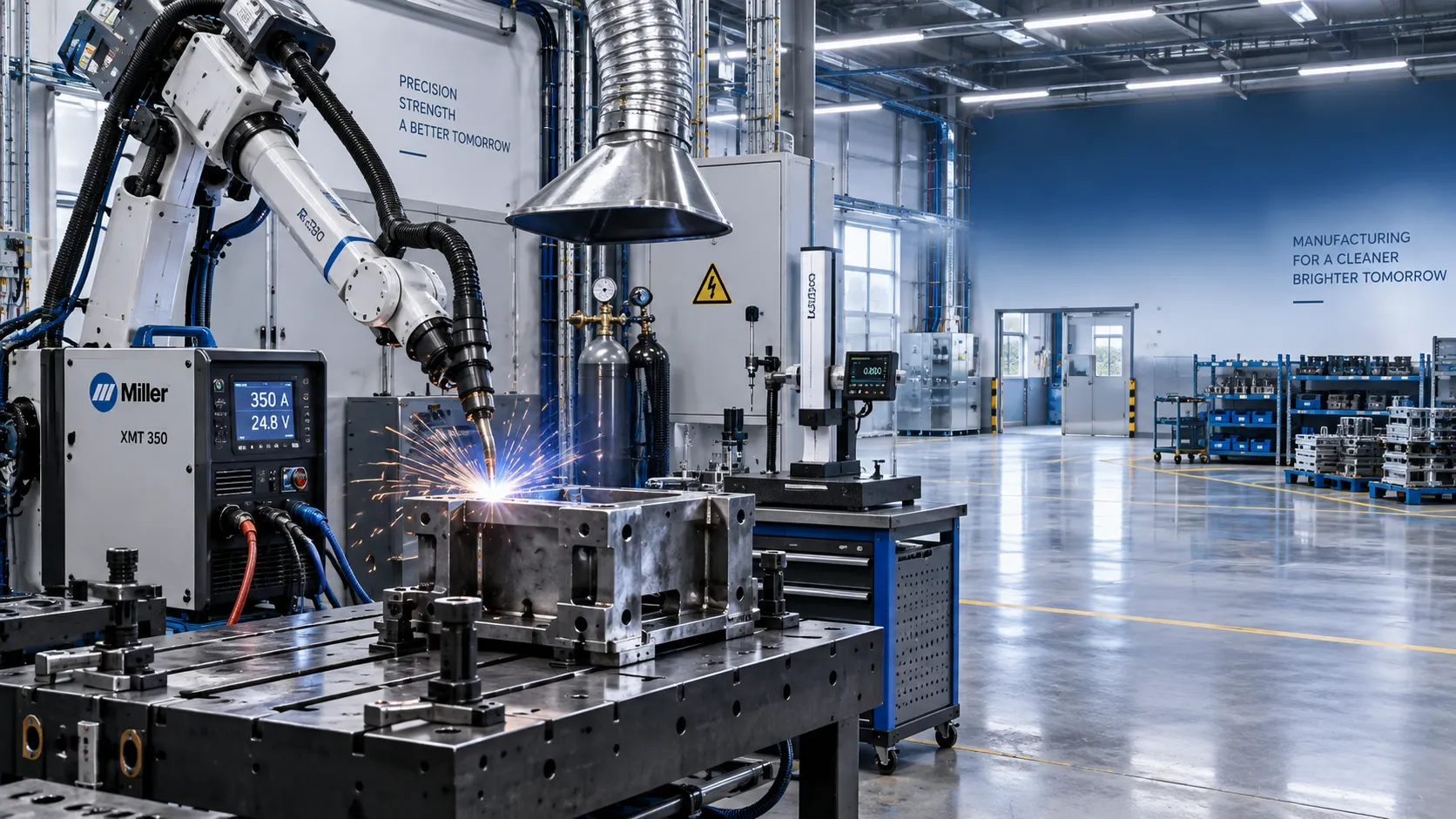
Industrial Equipment Application Guidance: Match Machines to Operating Conditions
Application guidance industrial equipment: match capacity, duty cycle, materials, site conditions, safety, and lifecycle cost to improve reliable output. Read the guide.
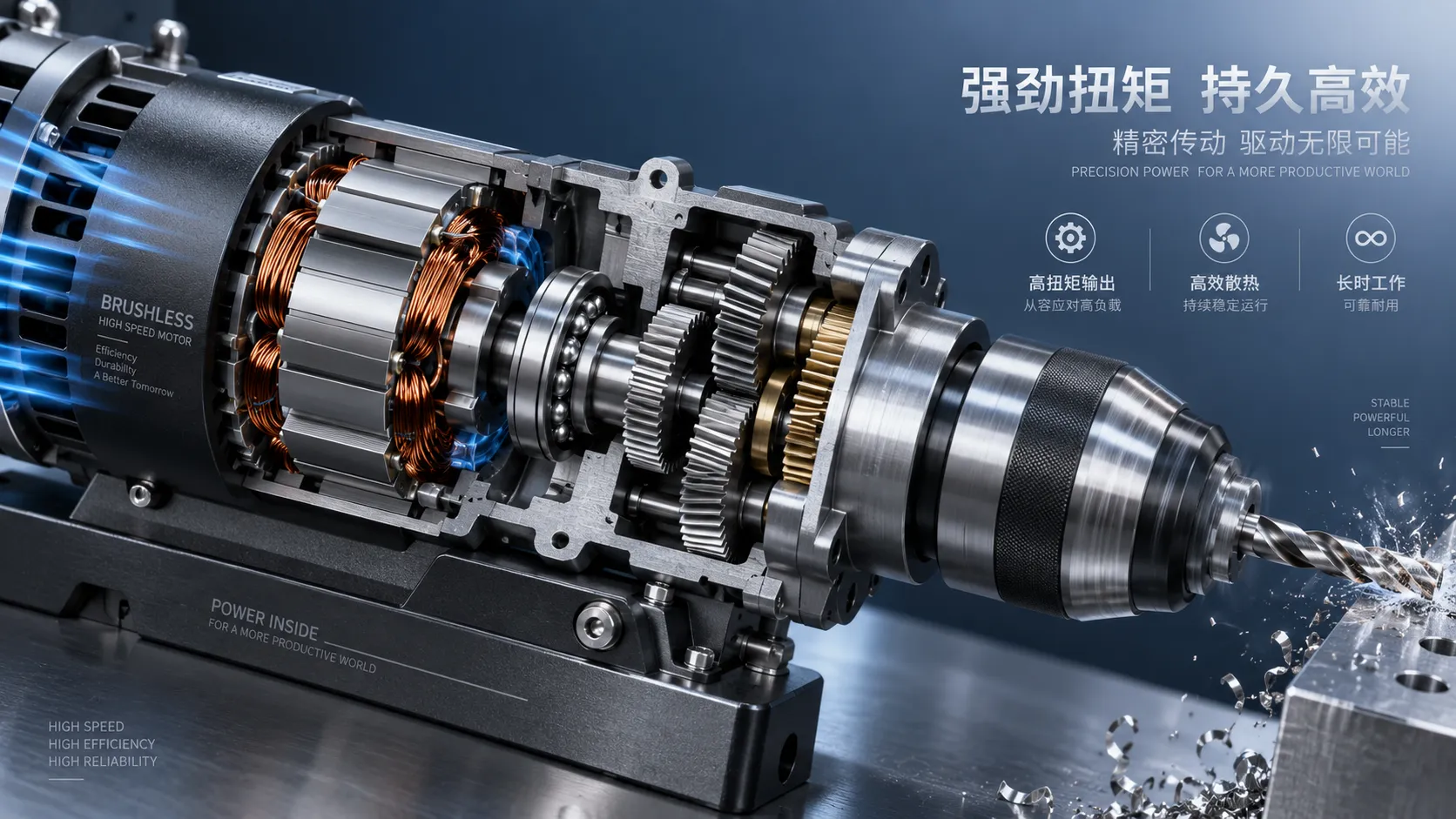
Selecting High-Speed Brushless Tool Motors for Torque, Heat, and Duty Cycle
High speed brushless tool motors: learn how to balance torque, heat, gearing, and duty cycle for reliable industrial tool performance and longer service life.
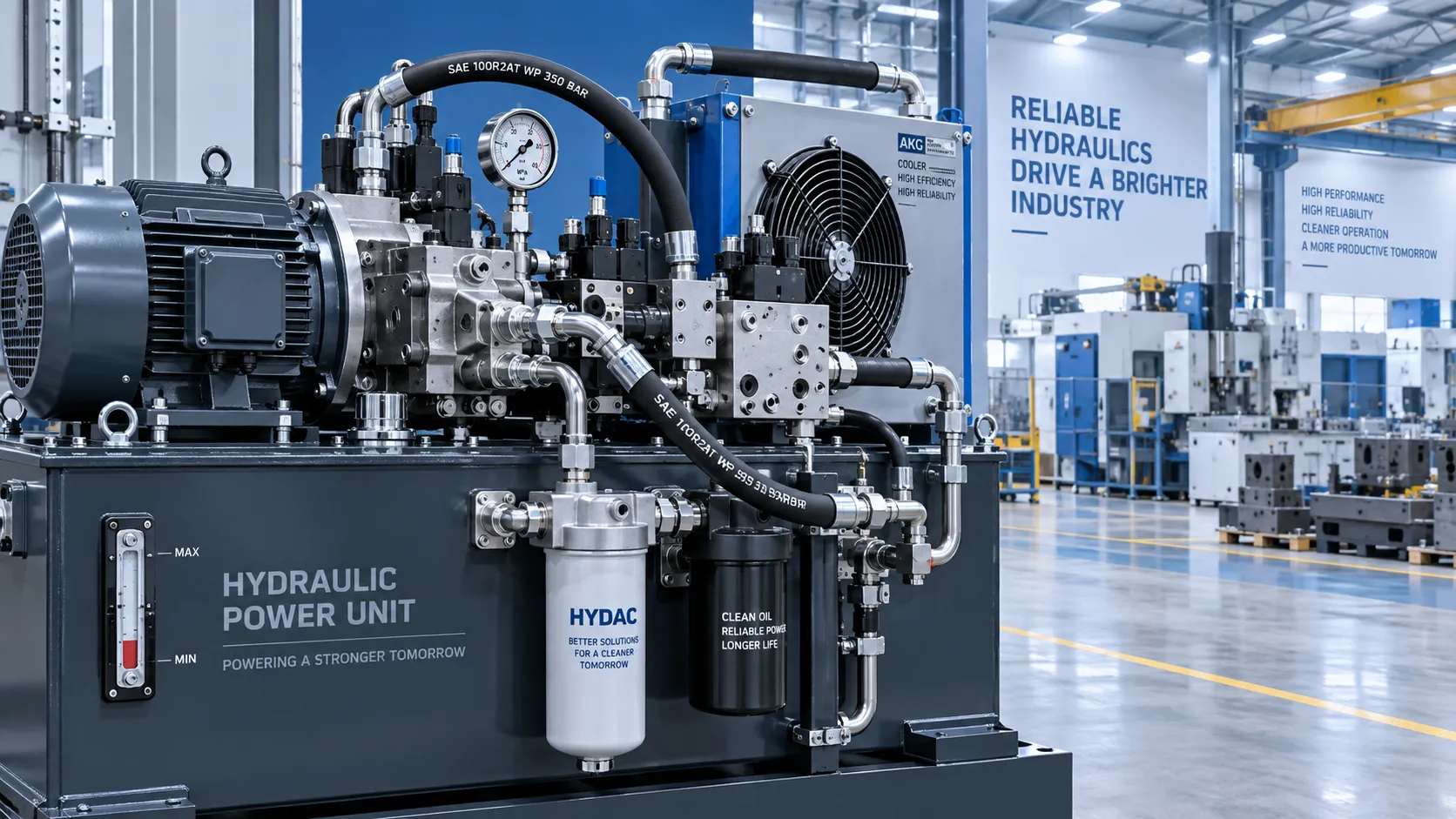
What Determines Industrial Hydraulic System Price for Heavy-Duty Equipment?
Industrial hydraulic system price depends on duty cycle, pressure, components, cooling, and integration. Compare quotes intelligently to secure reliable heavy-duty performance.
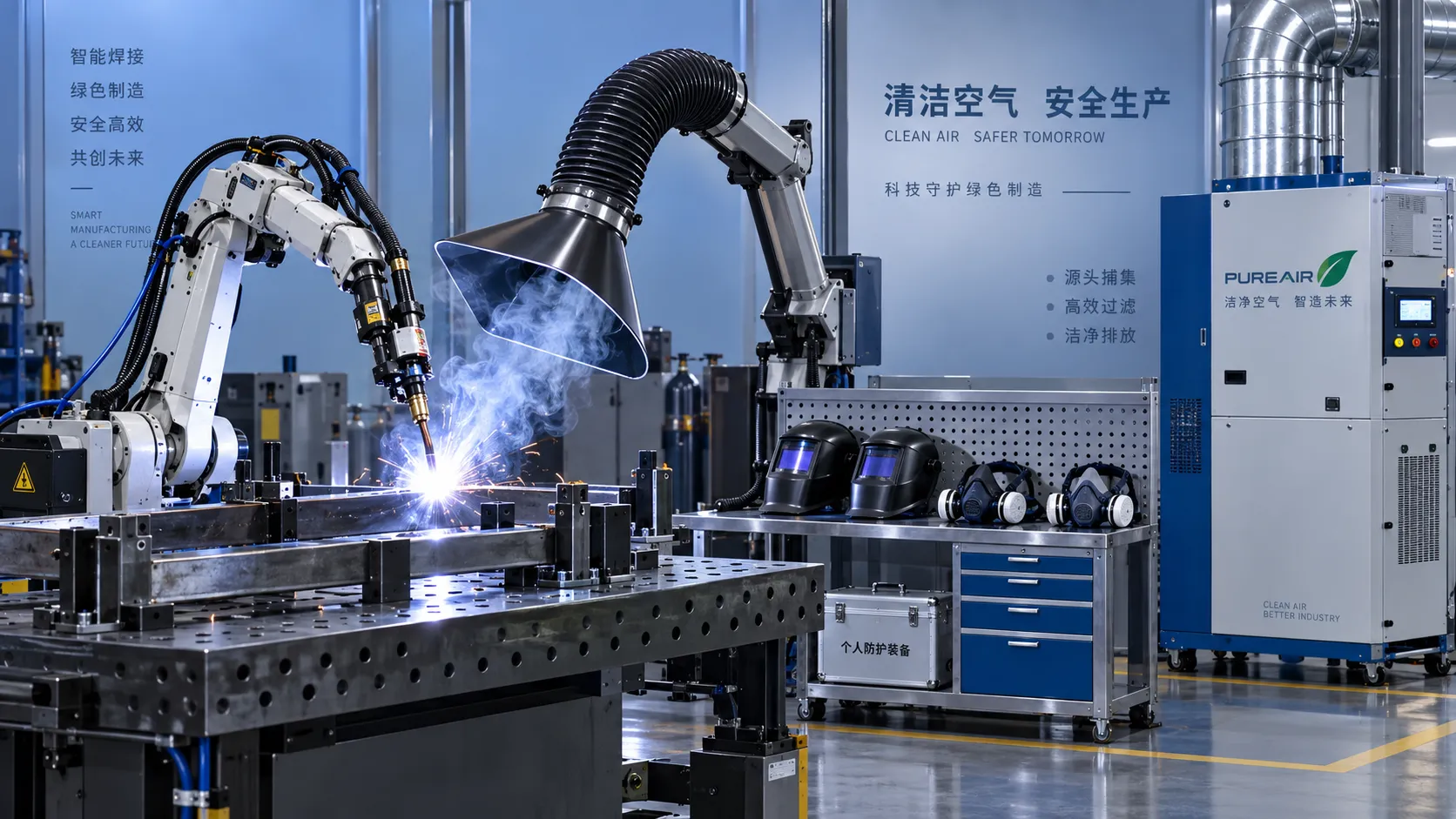
Welding Fume Extraction PPE: When Respirators Are Not Enough for Shop Safety
Welding fume extraction PPE: learn why respirators alone fall short and how source capture, ventilation, and layered controls improve shop safety.
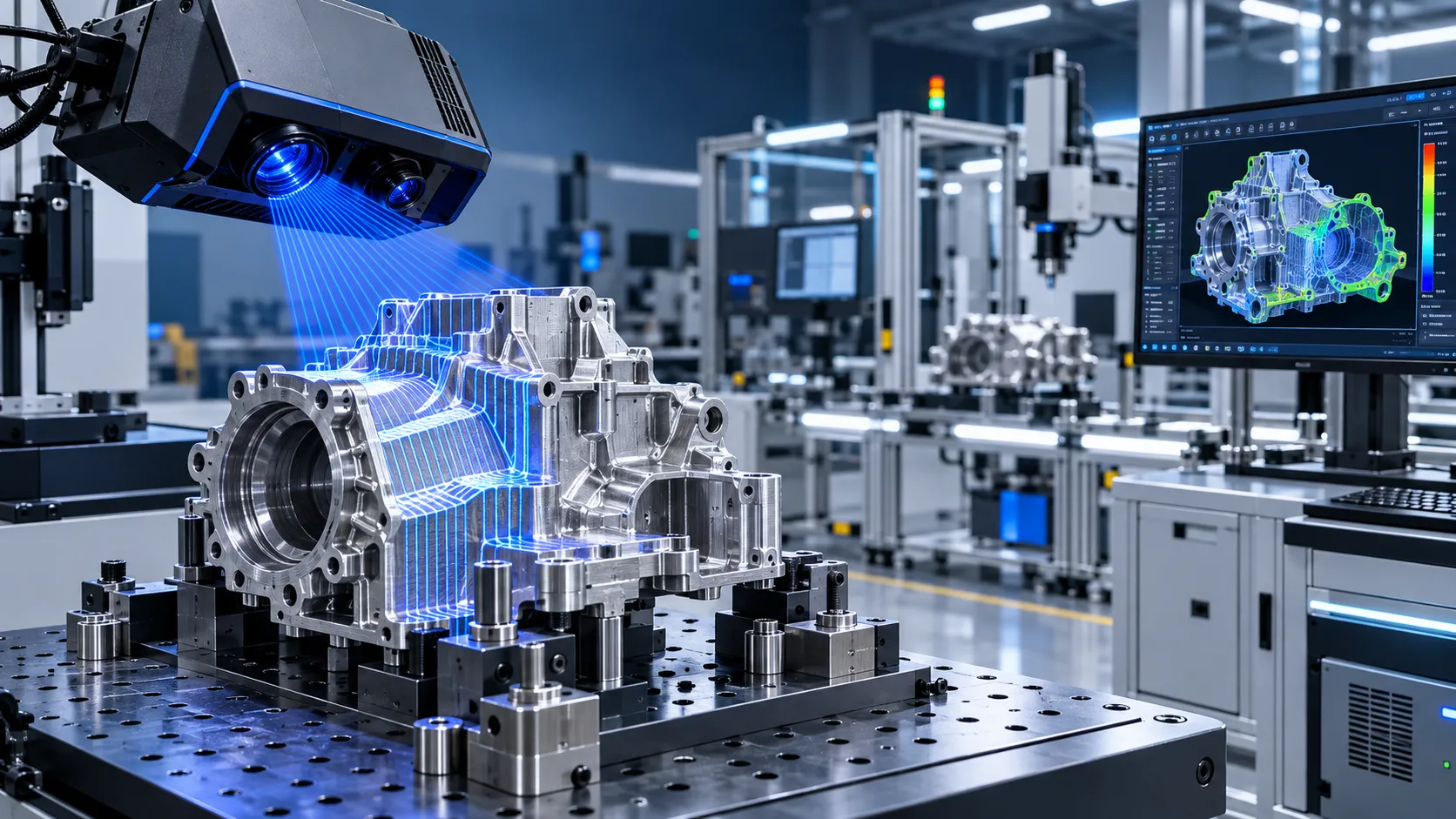
How to Select Optical Metrology Solutions for Tight-Tolerance Manufacturing
Optical industrial metrology solutions for tight-tolerance manufacturing: evaluate accuracy, surface compatibility, workflow, and traceability to select with confidence.
Related News
- 00
0000-00
Selecting Adjustable Torque Tools for Repeatable Fastener Assembly - 00
0000-00
How to Select Aerospace Inspection Tools for Aircraft Maintenance Tasks - 00
0000-00
How to Select Wire Bonding Tools for Fine-Pitch Semiconductor Packaging - 00
0000-00
Industrial Equipment Application Guidance: Match Machines to Operating Conditions - 00
0000-00
Selecting High-Speed Brushless Tool Motors for Torque, Heat, and Duty Cycle
Prof. Marcus Chen
Weekly Insights
Stay ahead with our curated technology reports delivered every Monday.