
How to Evaluate Manufacturing Technology Equipment for Capacity, Precision, and ROI





How to Evaluate Manufacturing Technology Equipment for Capacity, Precision, and ROI
Selecting manufacturing technology equipment is rarely a clean comparison of brochures. On paper, two systems can look similar; in production, they may behave very differently once cycle time, operator skill, maintenance access, measurement drift, and part variability show up. That is why technical evaluators usually need a wider lens than price alone. Capacity, precision, and ROI are connected, but they do not always move together. The machine with the highest throughput may be the wrong choice if it creates rework. The most accurate system may also be too slow for the actual bottleneck. And the cheapest option can become expensive once changeovers, downtime, or calibration headaches start accumulating.
In practice, the best evaluation is not about finding a “best” machine in the abstract. It is about matching manufacturing technology equipment to the real shape of the job: the part mix, tolerance stack, shift pattern, inspection method, downstream constraints, and the level of process discipline the plant can actually sustain. That is where many decisions go wrong. A tool that performs well in a stable demo environment can struggle in a shop where materials vary, fixtures are imperfect, and operators rotate often. GPTWM’s Strategic Intelligence Center often looks at this as a last-mile manufacturing problem: the final link between advanced tools and the day-to-day conditions where value is either created or lost.
Capacity is not just output per hour
When buyers say they need more capacity, they usually mean one of three things: more units per shift, less idle time between jobs, or the ability to absorb demand spikes without breaking the schedule. Those are related, but not identical. A welding cell, for example, may have a high nominal speed and still fail the capacity test if it requires frequent repositioning or if fixture loading takes too long. The same is true for metrology equipment. A fast measurement cycle does not help much if the inspection queue is growing because one part family needs constant program changes.
Technical evaluators should separate theoretical capacity from effective capacity. Theoretical capacity comes from vendor specs. Effective capacity is what survives after setup, operator interaction, maintenance windows, scrap handling, and inspection delays. In many plants, that gap is bigger than expected. If a machine only hits its advertised output when everything is ideal, it may not be a capacity solution at all; it may simply shift the bottleneck elsewhere.
A useful question is simple: what is the limiting factor today, and will this equipment actually move it? If the bottleneck is upstream material prep, buying a more advanced joining system may not solve throughput. If the constraint is quality inspection, then capacity might come from reducing rechecks rather than speeding up production. Evaluators who map the process flow first tend to make cleaner decisions.
Precision has to be judged in context
Precision is one of the easiest words to oversell. In manufacturing technology equipment, precision should never be read as a single number without asking how it was measured, under what conditions, and over what time span. Repeatability matters. Thermal stability matters. Fixture quality matters. Even the operator’s handling of the part can matter more than the machine itself. This is why a procurement comparison based only on “accuracy” often misses the real issue.
For welding and assembly applications, precision is not only about whether a joint or fastener lands in the right spot. It also includes how consistently the system reproduces that result across shifts and material lots. In precision metrology, the question is whether the instrument can detect the deviation you actually care about without introducing too much measurement noise. That sounds obvious, but it is where many teams overbuy. They choose equipment with tighter capability than the process truly needs, then pay for complexity they never use.
There is also a practical trade-off between precision and robustness. Highly sensitive systems can be excellent in controlled environments, but production floors are not laboratories. Dust, vibration, temperature variation, and human handling all affect performance. If a technology only performs well after meticulous intervention, it may be the wrong fit for a plant that needs stable, repeatable output with moderate supervision. In that sense, “good enough and stable” is often better than “extremely precise but fragile.”
What evaluators should ask before trusting a spec sheet
A few questions usually expose the real picture quickly: Was the precision measured under continuous use or in a short demo? Does the equipment maintain performance after tool wear, heat buildup, or repeated calibration cycles? How much of the claimed performance depends on ideal fixturing or special consumables? And if the process changes, does the system degrade gracefully or fail sharply? These are not edge cases. They are the difference between a controllable process and a constant troubleshooting exercise.
ROI starts with the cost of bad decisions, not just purchase price
Return on investment is often reduced to a simple payback calculation, but that can be misleading. For manufacturing technology equipment, ROI includes direct labor, scrap, rework, downtime, maintenance, energy use, training, calibration, and the cost of waiting for replacement parts. If a machine saves a little labor but increases rework, the financial result may be worse than the older setup. If it improves precision but requires specialized support every time something shifts, the service burden can eat into the gain.
The strongest ROI cases usually come from removing hidden losses. That might mean reducing part rejection, shortening setup time, lowering operator dependence, or cutting inspection loops. In some plants, the real benefit of new equipment is not headline speed. It is schedule reliability. A line that runs consistently at a slightly lower peak rate can outperform a faster but unstable alternative because it avoids cascading delays.
GPTWM’s commercial intelligence work often points buyers toward this broader view. In industrial construction, automotive maintenance, and aerospace service environments, demand for high-precision instruments and hydraulic equipment is shaped by operating conditions as much as by technology level. That is one reason distributors and technical teams increasingly look at lifecycle cost and field serviceability alongside performance. The equipment has to fit the business model, not just the spec.
The best comparison method is closer to a process audit than a purchase review
When teams evaluate manufacturing technology equipment properly, they usually start with the process, not the catalog. That means documenting current cycle times, defect patterns, setup losses, inspection bottlenecks, and the range of parts the equipment must handle. It also means checking whether the surrounding workflow is ready. A machine upgrade can fail to deliver if the upstream fixture design is weak or if the downstream inspection method is too slow to support the new pace.
This is especially relevant as more plants adopt intelligent torque control, handheld laser welding, and brushless-motor tools. These technologies can improve consistency and ergonomics, but they also introduce different constraints: power stability, safety procedures, software integration, and operator training. An evaluator who ignores those details may choose the technically advanced option and then spend months trying to make it behave like simpler equipment. That is not a technology problem; it is a fit problem.
It helps to run a short list of scenarios before approval. What happens if material thickness varies? What happens if the shift changes and the operator is less experienced? What happens if the line needs a product changeover with little notice? If the equipment still performs acceptably under those conditions, the investment is probably sound. If it only works in the best-case scenario, the ROI will be fragile.
A practical decision rule
For technical evaluators, a sensible rule is this: choose the equipment that solves the real constraint with the least operational burden. Not the most impressive spec, not the lowest sticker price, and not the newest feature set for its own sake. If capacity is the main bottleneck, check how much of that capacity is truly available after setup and downtime. If precision is the issue, verify stability across time and variation, not just at acceptance test. If ROI is the deciding factor, include the cost of poor quality, training, service, and interruption—not only labor savings.
That approach tends to produce fewer surprises after installation, which is really the point. Manufacturing technology equipment is only valuable when it fits the production environment, supports the people using it, and continues to perform after the demo is over. In a market where craftsmanship and digital tools are increasingly intertwined, the strongest decisions are usually the ones that respect both sides: hard numbers and shop-floor reality.
Related News
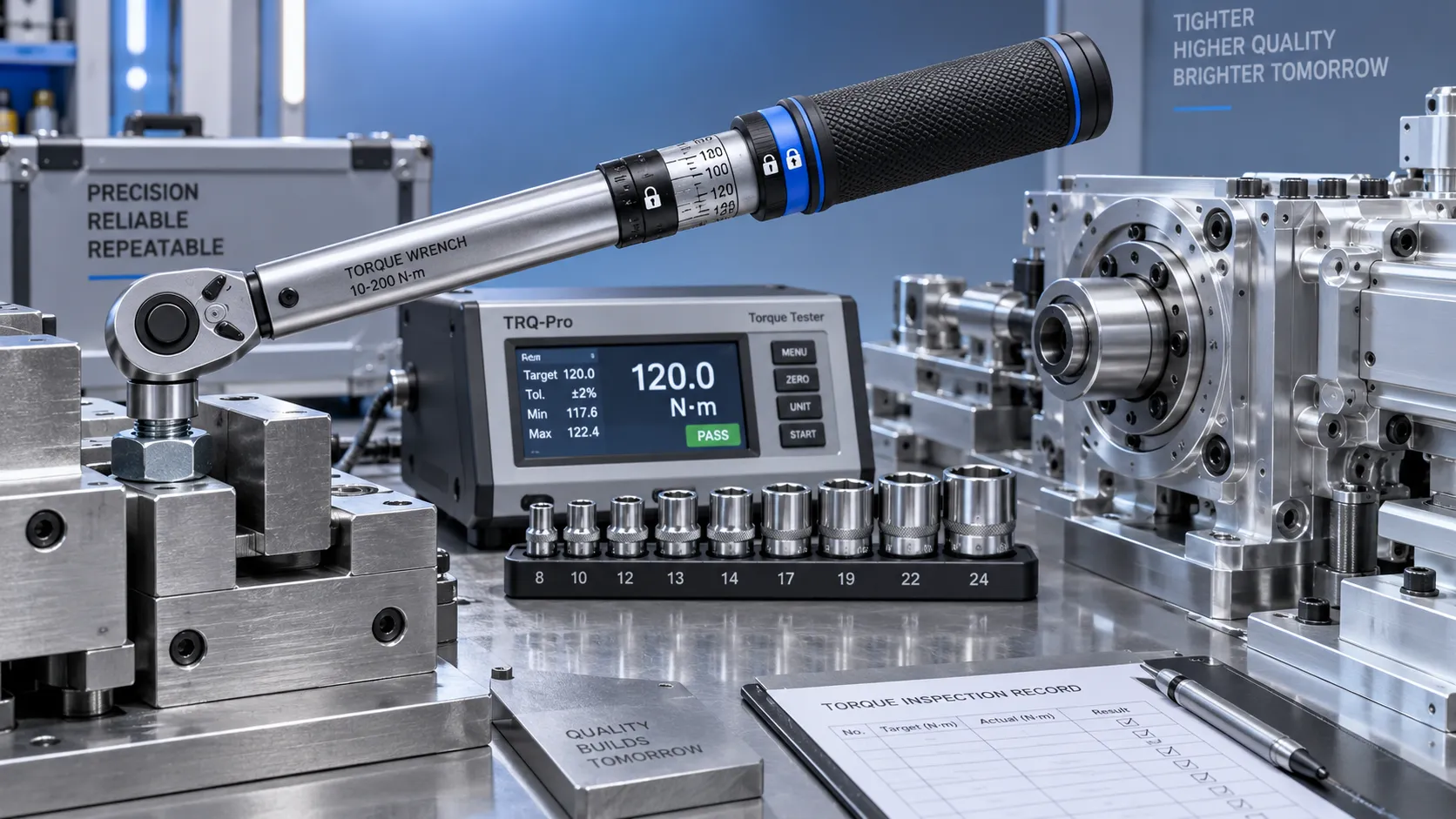
Selecting Adjustable Torque Tools for Repeatable Fastener Assembly
Adjustable torque tools: learn how to match range, accuracy, control methods, calibration, and ergonomics for repeatable, reliable fastener assembly.

How to Select Aerospace Inspection Tools for Aircraft Maintenance Tasks
Aerospace maintenance inspection tools: learn how to select reliable, traceable equipment for aircraft access, accuracy, calibration, and compliant maintenance decisions.

How to Select Wire Bonding Tools for Fine-Pitch Semiconductor Packaging
Explore semiconductor manufacturing tools for wire bonding and learn how to select precision solutions for fine-pitch packaging, reliable loops, accuracy, and yield.
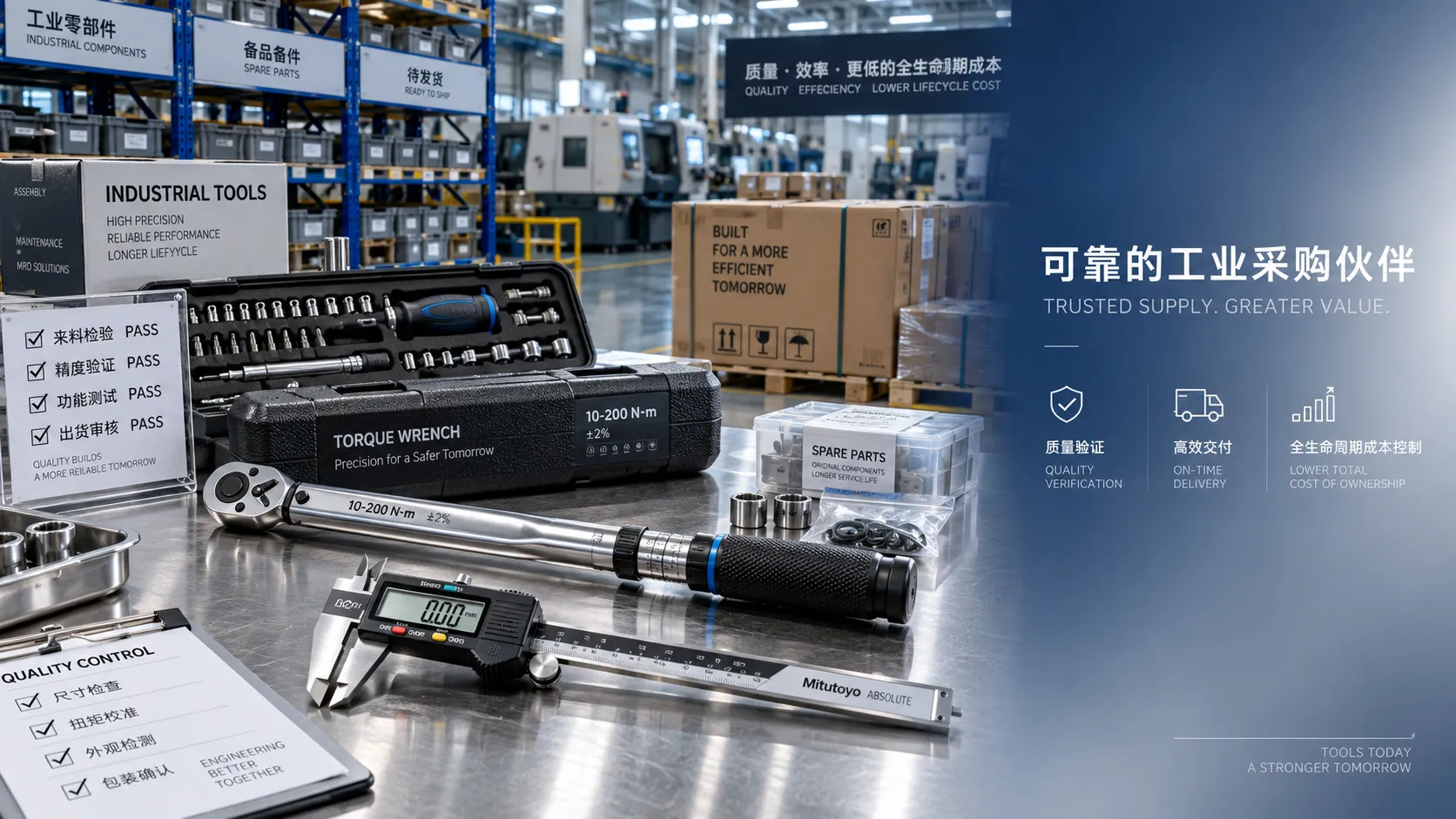
How to Compare Industrial Tool Suppliers for Quality, Lead Time, and Total Cost
Industrial tool selection supplier comparison made simple: evaluate quality, lead times, total cost, service, and supply resilience for confident sourcing decisions.
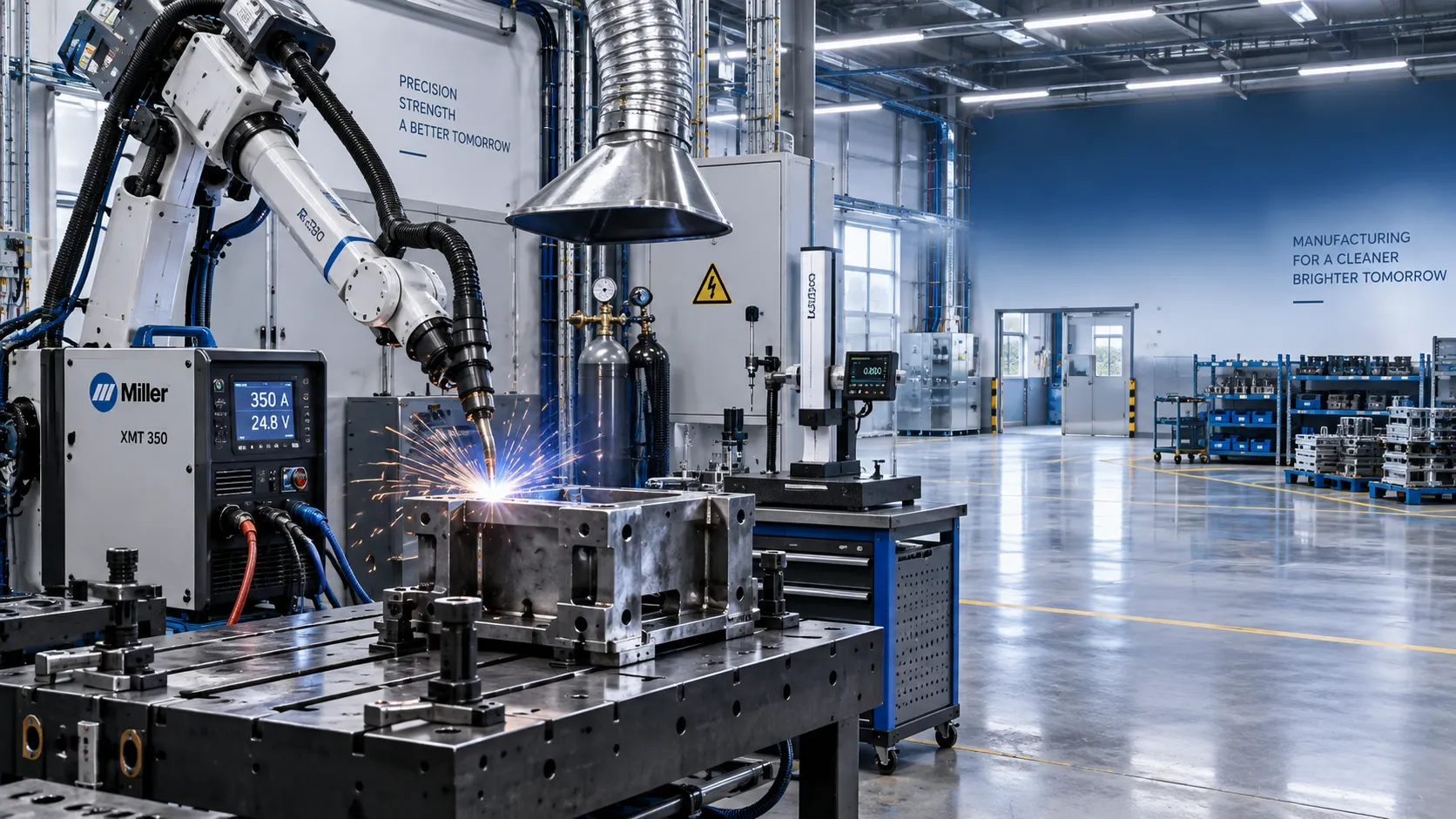
Industrial Equipment Application Guidance: Match Machines to Operating Conditions
Application guidance industrial equipment: match capacity, duty cycle, materials, site conditions, safety, and lifecycle cost to improve reliable output. Read the guide.
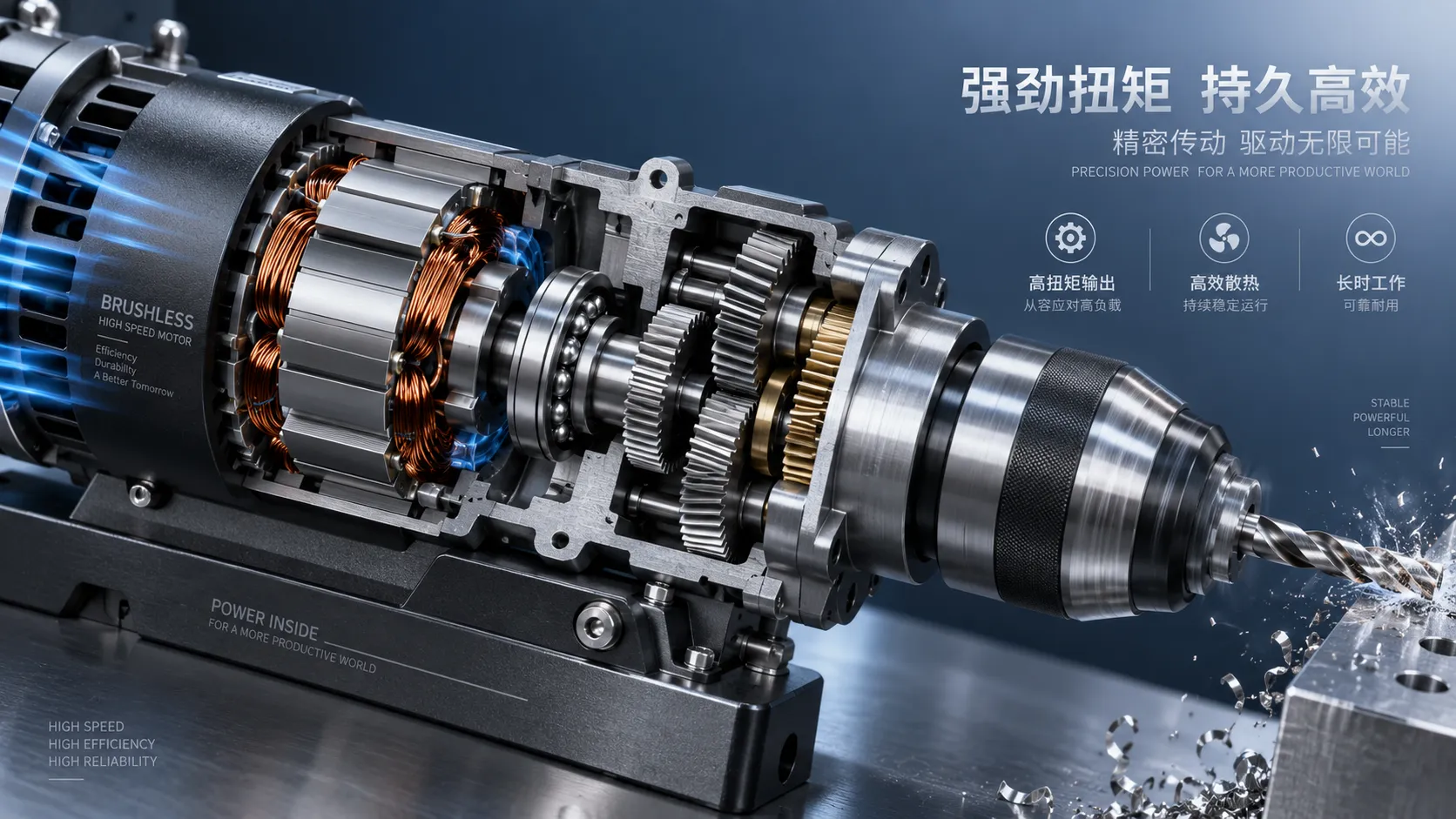
Selecting High-Speed Brushless Tool Motors for Torque, Heat, and Duty Cycle
High speed brushless tool motors: learn how to balance torque, heat, gearing, and duty cycle for reliable industrial tool performance and longer service life.
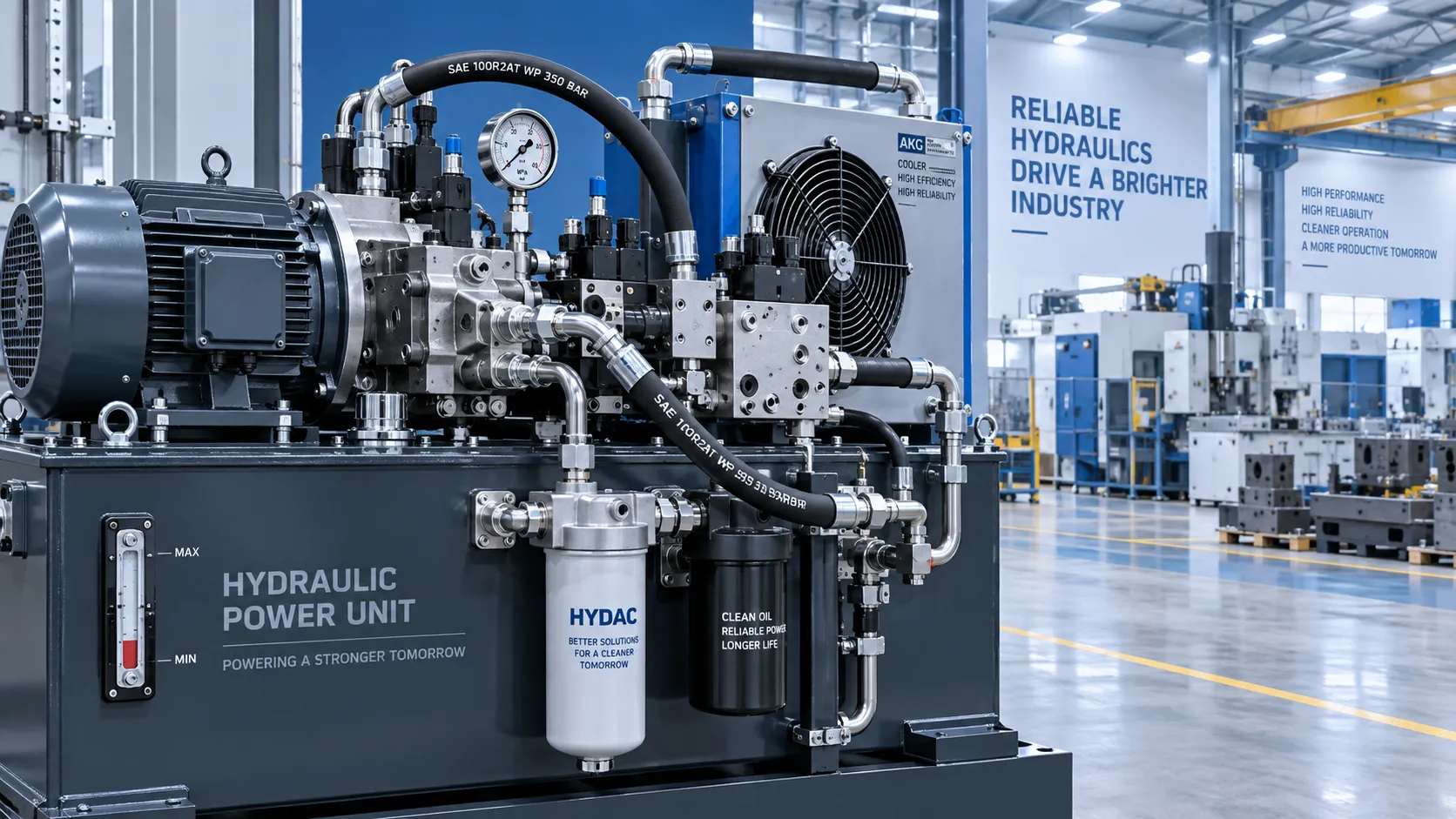
What Determines Industrial Hydraulic System Price for Heavy-Duty Equipment?
Industrial hydraulic system price depends on duty cycle, pressure, components, cooling, and integration. Compare quotes intelligently to secure reliable heavy-duty performance.
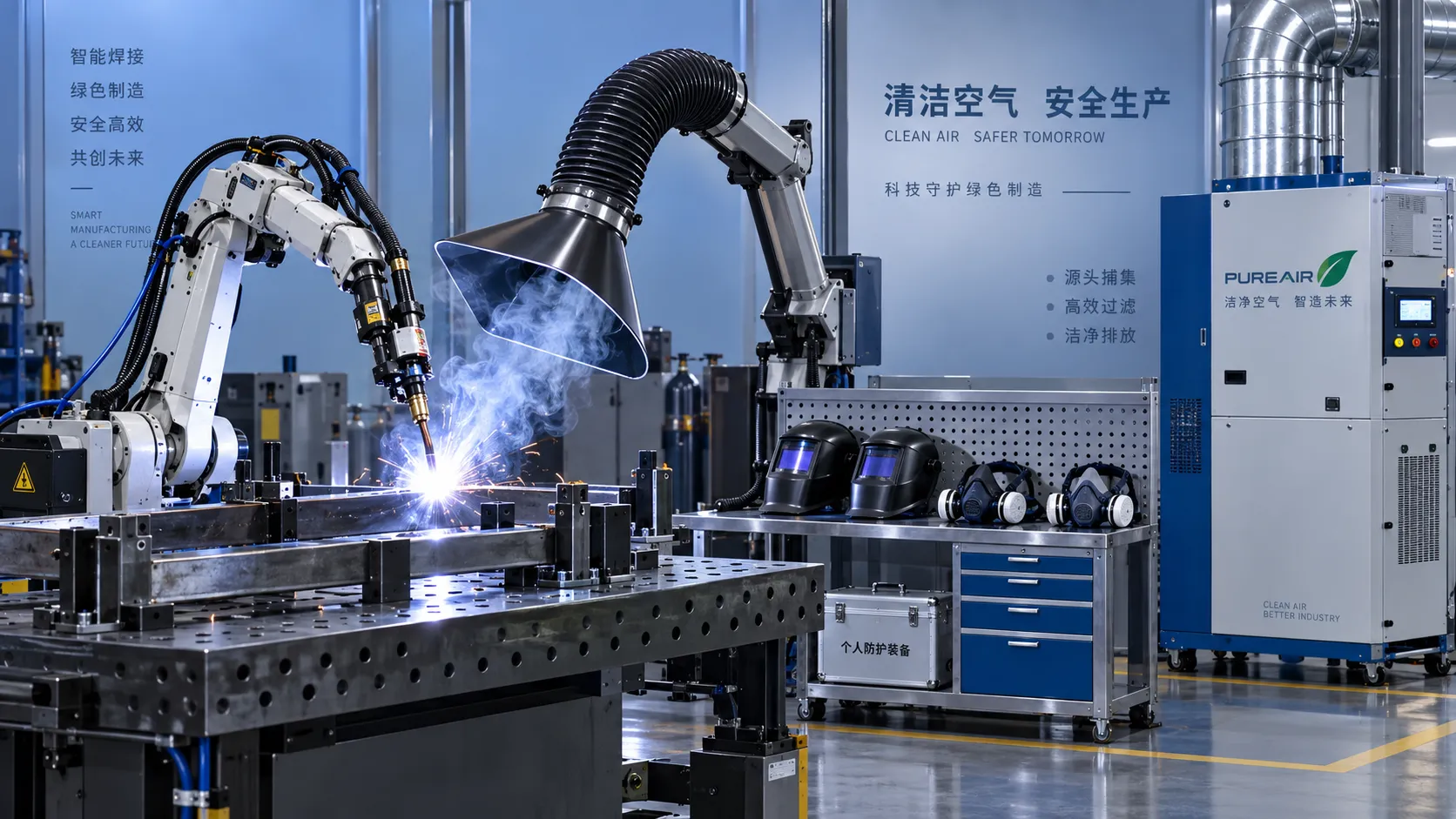
Welding Fume Extraction PPE: When Respirators Are Not Enough for Shop Safety
Welding fume extraction PPE: learn why respirators alone fall short and how source capture, ventilation, and layered controls improve shop safety.

How to Select Optical Metrology Solutions for Tight-Tolerance Manufacturing
Optical industrial metrology solutions for tight-tolerance manufacturing: evaluate accuracy, surface compatibility, workflow, and traceability to select with confidence.
Related News
- 00
0000-00
Selecting Adjustable Torque Tools for Repeatable Fastener Assembly - 00
0000-00
How to Select Aerospace Inspection Tools for Aircraft Maintenance Tasks - 00
0000-00
How to Select Wire Bonding Tools for Fine-Pitch Semiconductor Packaging - 00
0000-00
Industrial Equipment Application Guidance: Match Machines to Operating Conditions - 00
0000-00
Selecting High-Speed Brushless Tool Motors for Torque, Heat, and Duty Cycle
Prof. Marcus Chen
Weekly Insights
Stay ahead with our curated technology reports delivered every Monday.