
How to Evaluate Smart Torque Monitoring Systems for Automated Assembly Lines





If you are comparing smart torque monitoring systems for an automated assembly line, the real question is not which platform has the longest feature list. It is which system can detect fastening problems early, fit your controls architecture, support traceability requirements, and keep doing that reliably under production conditions. Many evaluation teams lose time on software dashboards and overlook signal quality, tool compatibility, and reaction speed at the station level. That is usually where the decision should start.
A good system helps you answer four operational questions with confidence: Was the fastener tightened correctly? Was it tightened in the right sequence? Can the result be traced to a specific product, tool, and cycle? And can the line react fast enough when something starts drifting?
What technical evaluators should really compare
On paper, many torque monitoring platforms look similar. They all promise connectivity, alarms, data capture, and analytics. In practice, performance gaps show up in much less glamorous areas: how cleanly the system captures torque data at cycle speed, how well it handles mixed-product assembly, and how much engineering effort is needed to connect it with PLCs, MES, and quality systems.
A short answer, if you need one: evaluate smart torque monitoring systems by checking measurement integrity first, line integration second, and usability for quality control third. If torque data is not trustworthy at the point of fastening, everything built on top of it is just polished reporting.
That may sound obvious, but it is a common mistake. Teams often start with the interface because it is easy to demo. The harder part is confirming whether the system can maintain accuracy across real takt times, tool wear, operator changes, temperature variation, and different joint conditions.
Start with the fastening process, not the software
Before comparing vendors, define the process you are trying to control. A system that performs well on a stable, single-variant assembly line may struggle in a line with frequent model changes, multiple torque windows, or safety-critical joints.
At minimum, clarify these points internally:
- What joint types are involved: hard joint, soft joint, or mixed conditions?
- Are you monitoring handheld tools, fixtured nutrunners, or multiple tool classes?
- Is the requirement pass/fail verification, full curve analysis, or closed-loop process control?
- How much traceability is needed for audit, warranty, or customer compliance?
- What happens after a fault: alarm only, line stop, lockout, or automatic rework routing?
Without this process map, technical evaluation becomes too generic. You end up comparing “system capability” instead of fit for your assembly reality.
This is especially important in automotive, aerospace maintenance, electronics, and high-mix industrial equipment assembly, where the cost of one missed fastening issue can be much higher than the cost difference between systems.
Accuracy is not just a spec sheet number
Most suppliers can provide an accuracy figure, but that number alone does not tell you enough. Ask how torque is measured, where the sensing happens, how often the system is calibrated, and how the signal behaves during dynamic tightening events.
There is a practical difference between a system that records final peak torque and one that interprets the fastening cycle in context. If your line needs to detect cross-threading, seating issues, stripped threads, or abnormal rundown behavior, a simple end-value capture may be too limited.
Look closely at:
- Sampling rate during the tightening cycle
- Ability to capture torque-angle relationships
- Stability under vibration and electrical noise
- Calibration workflow and drift management
- Correlation between system readings and your reference measurement method
A system can be technically accurate in a lab and still be operationally weak on a line. Ask for validation under representative line conditions, not just brochure data. If the fastening process is safety- or warranty-critical, confirm acceptance criteria with your internal quality and metrology teams before pilot approval.
Response speed matters more than many buyers expect
In automated assembly, delayed fault detection is expensive. If a monitoring platform flags an issue only after several downstream cycles, you are no longer controlling the process; you are sorting defects after the fact.
This is where response architecture matters. Can the system trigger a stop or interlock at the station in real time? Can it reject a failed sequence before the product moves forward? Can it separate a true torque failure from a communication delay or tool disconnect?
For technical evaluators, this often becomes a controls question as much as a quality question. Review the timing path from tool signal to controller logic to PLC response. A visually impressive dashboard is not very useful if the line reacts too late to prevent escapes.
Integration work is where many projects get underestimated
One of the biggest decision traps is assuming all “Industry 4.0 ready” systems are equally easy to deploy. They are not. Some connect cleanly into common plant architectures; others require custom middleware, manual data mapping, or extra engineering that does not show up in the initial purchase conversation.
When evaluating smart torque monitoring systems, check the integration burden in plain operational terms:
- Which industrial protocols are supported natively?
- How are tightening results linked to serial number, VIN, or batch ID?
- Can the system exchange data with MES, SCADA, ERP, or QMS platforms without heavy customization?
- How are user permissions, recipe changes, and audit logs handled?
- What happens during network loss or controller restart?
These details decide whether the system becomes part of the production backbone or stays as an isolated monitoring island.
In practical sourcing work, this is also where independent industrial intelligence can help. Platforms such as GPTWM, which track assembly technology trends, precision metrology, and IoT-based torque control developments, are often more useful for framing the evaluation criteria than for naming a “best” system. That is the right use of market intelligence here: narrowing risk, not replacing technical validation.
Traceability should match your risk level
Not every line needs the same depth of data retention. Some operations only need proof of pass/fail by unit. Others need complete fastening history tied to operator, tool, timestamp, program number, torque curve, and rework event.
Overbuying traceability can create cost and complexity without much value. Underbuying it creates problems later, especially when customers ask for root-cause evidence or when internal quality teams investigate field failures.
A sensible approach is to define the minimum traceability record required for three scenarios: routine quality checks, internal failure analysis, and external audit or customer claim. Once those are clear, system comparison becomes much easier.
Also check data retention rules, export formats, and ownership. Some buyers focus only on storage capacity and forget to ask how easily the data can be retrieved and interpreted months later.
Do not ignore tool compatibility and maintenance reality
Some monitoring systems work best within one tool ecosystem. Others are more open. Neither approach is automatically better. A tightly integrated tool-and-controller environment may give you stronger performance and easier support. An open architecture may fit better if your plant already has mixed brands or phased retrofit plans.
The right choice depends on what problem you are solving.
If you are standardizing a new line from scratch, a more integrated stack may reduce commissioning risk. If you are upgrading an existing plant with legacy tooling, openness and retrofit flexibility may matter more than a polished single-brand package.
Maintenance teams should be in the conversation early. Ask them about spare parts, calibration routines, firmware updates, diagnostics, and fault recovery. A technically advanced system that only one specialist can troubleshoot at 2 a.m. is not necessarily the strongest production choice.
Common evaluation mistakes
Several mistakes show up repeatedly in selection projects:
- Judging the system mainly by dashboard appearance
- Accepting generic accuracy claims without process-specific validation
- Ignoring the timing and logic needed for real-time containment
- Underestimating MES and PLC integration effort
- Skipping pilot tests on actual joints and actual cycle times
- Buying enterprise-level analytics for a line that mainly needs reliable station control
Another one is assuming more data automatically means better control. It does not. Data becomes valuable only when the system helps the line make the right decision quickly and consistently.
A practical way to compare shortlisted systems
If you are down to two or three options, move from brochure comparison to structured pilot evaluation. Keep the pilot narrow enough to manage, but realistic enough to expose weak points.
Use the same joint family, similar environmental conditions, and the same traceability requirements for each candidate. Then score them on:
- Measurement consistency across repeated cycles
- False reject and missed-fault behavior
- Latency from fault event to line response
- Ease of recipe setup and changeover
- Integration effort with existing controls and databases
- Clarity of diagnostics for technicians and quality staff
- Expected maintenance burden after go-live
Do not let the pilot become a pure vendor-managed demonstration. Your team should define pass criteria in advance. Otherwise, every result will be interpreted in the supplier’s favor.
When a simpler system may be the better choice
Not every plant needs a full-featured smart monitoring environment. If your assembly task is stable, low-risk, and already well controlled, a simpler torque verification approach may be more economical and easier to sustain.
The better system is not the one with the most intelligence features. It is the one that reduces fastening risk at an acceptable total cost of ownership, within the skill level and digital maturity of the plant using it.
That point gets missed when selection teams are under pressure to “modernize.” Smart torque monitoring systems earn their value when they improve control, traceability, and decision speed in a measurable way. If they mainly add complexity, the business case needs another look.
Final decision criteria that hold up in the real world
When technical evaluators make strong decisions in this category, they usually come back to the same core test: can this system produce trustworthy fastening data, react in time to protect quality, fit the existing automation environment, and stay maintainable over years of production?
If the answer is yes, you are probably looking at a workable solution. If one of those four areas is weak, the gap will show up later as nuisance stops, traceability blind spots, engineering overhead, or quality escapes.
That is the right lens for choosing smart torque monitoring systems. Not feature volume. Not marketing language. Fit, control, and reliability under actual assembly conditions.
FAQ
Should I prioritize torque accuracy or software integration first?
Start with measurement integrity. If the data is weak, clean integration only helps you distribute bad information faster.
Are smart torque monitoring systems necessary for every automated assembly line?
No. They make the most sense where fastening quality, traceability, and fault containment have meaningful production or compliance impact.
Is a single-brand tool ecosystem always the safer option?
Not always. It can simplify deployment and support, but mixed-brand environments may benefit more from open compatibility and retrofit flexibility.
What is the best way to validate a vendor claim?
Run a pilot on your actual joints, cycle times, and control architecture. Lab demos are useful, but they do not replace plant-level validation.
Internal Link Anchor Text Suggestions
- Torque traceability requirements in automated assembly: guide or knowledge base page
- How to choose industrial fastening tools for mixed-product lines: product selection article
- PLC and MES integration checklist for smart assembly systems: technical resource page
- Understanding torque-angle monitoring in precision assembly: educational article
- Metrology basics for fastening quality control: reference guide
External Authority Source Suggestions
- Brand official technical documentation for industrial fastening controllers and torque tools
- Industry association guidance on fastening quality, traceability, and manufacturing controls
- Academic or applied research materials on torque-angle analysis, process capability, and assembly quality monitoring
Related News
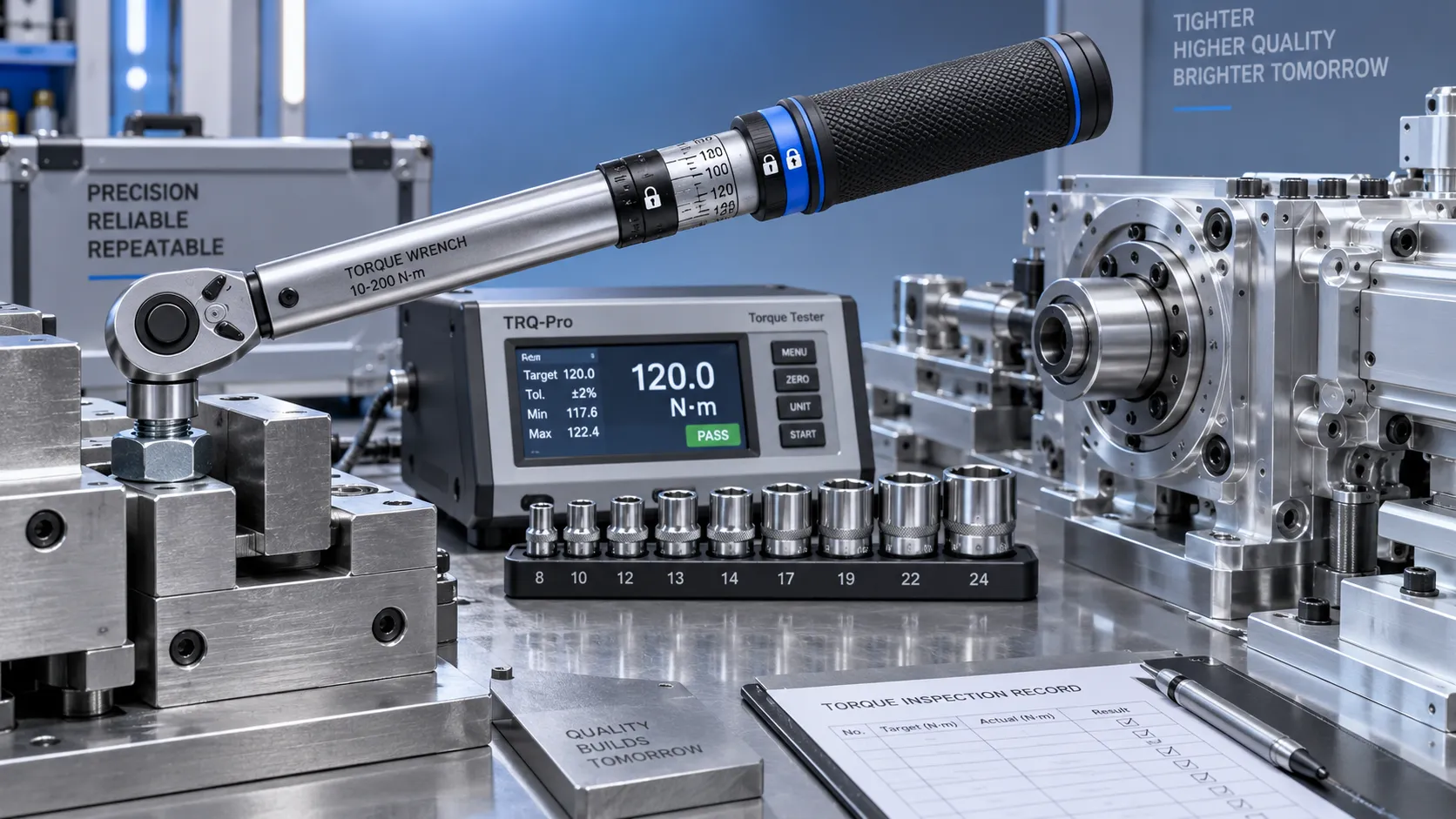
Selecting Adjustable Torque Tools for Repeatable Fastener Assembly
Adjustable torque tools: learn how to match range, accuracy, control methods, calibration, and ergonomics for repeatable, reliable fastener assembly.
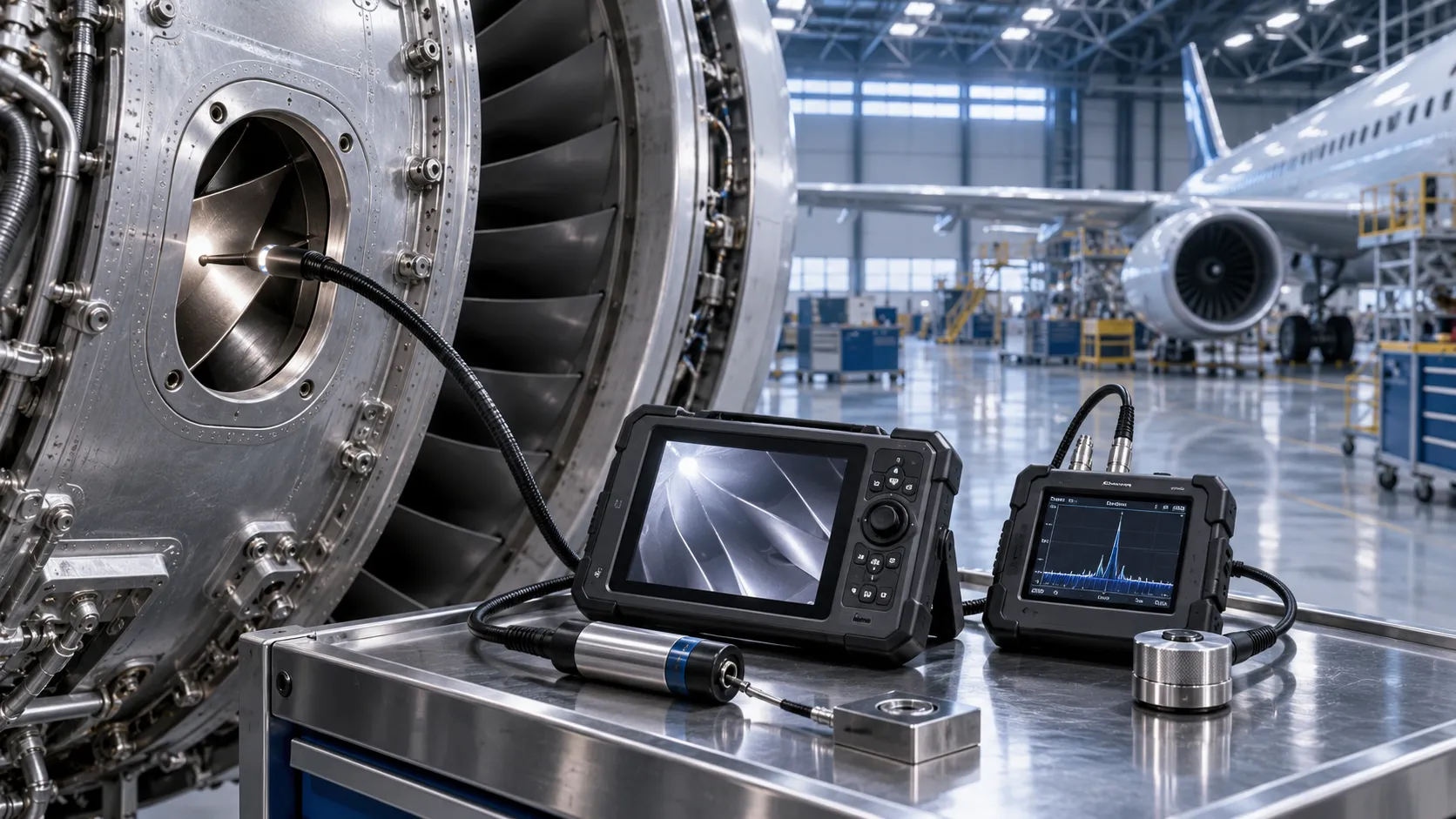
How to Select Aerospace Inspection Tools for Aircraft Maintenance Tasks
Aerospace maintenance inspection tools: learn how to select reliable, traceable equipment for aircraft access, accuracy, calibration, and compliant maintenance decisions.
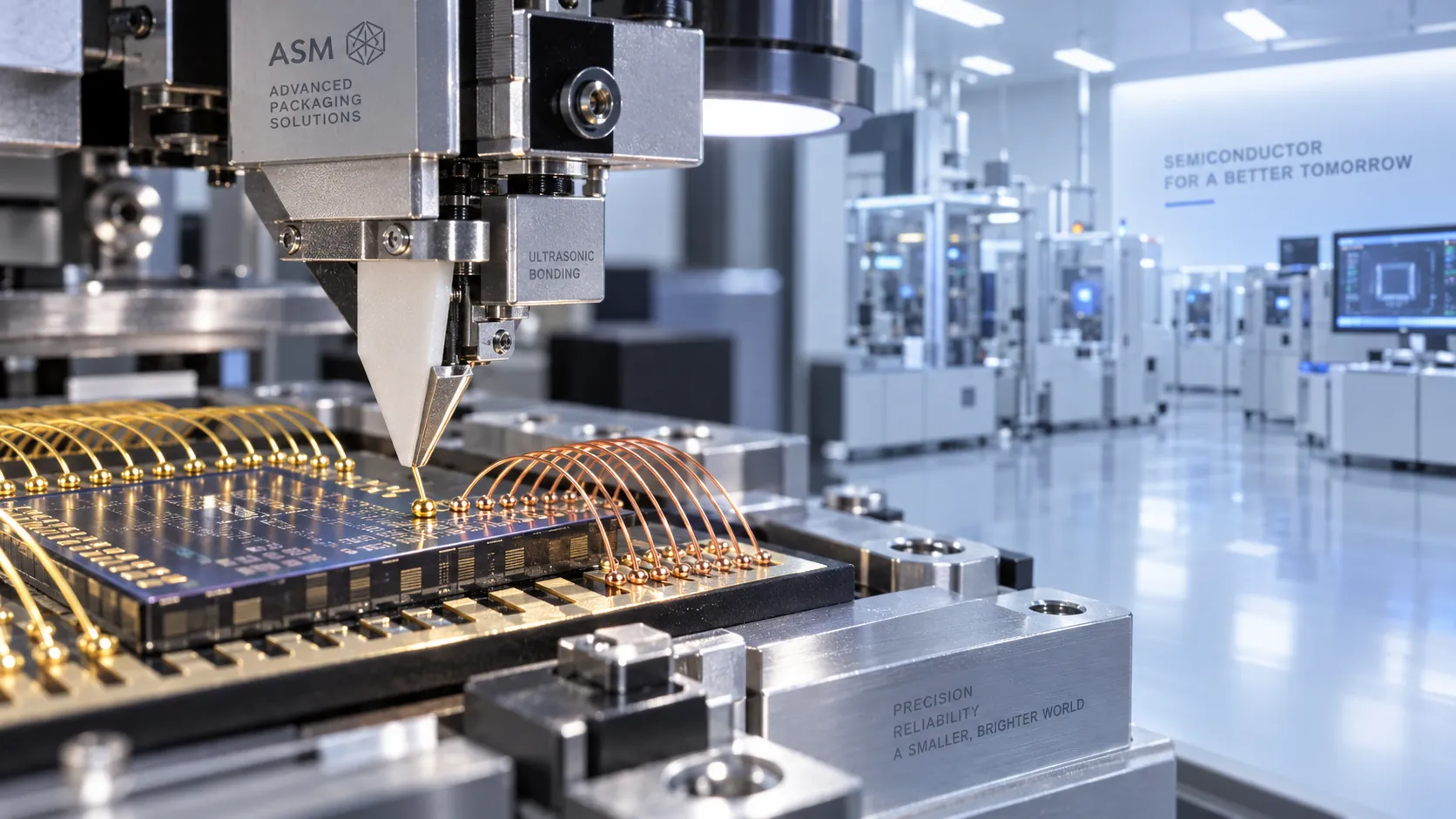
How to Select Wire Bonding Tools for Fine-Pitch Semiconductor Packaging
Explore semiconductor manufacturing tools for wire bonding and learn how to select precision solutions for fine-pitch packaging, reliable loops, accuracy, and yield.
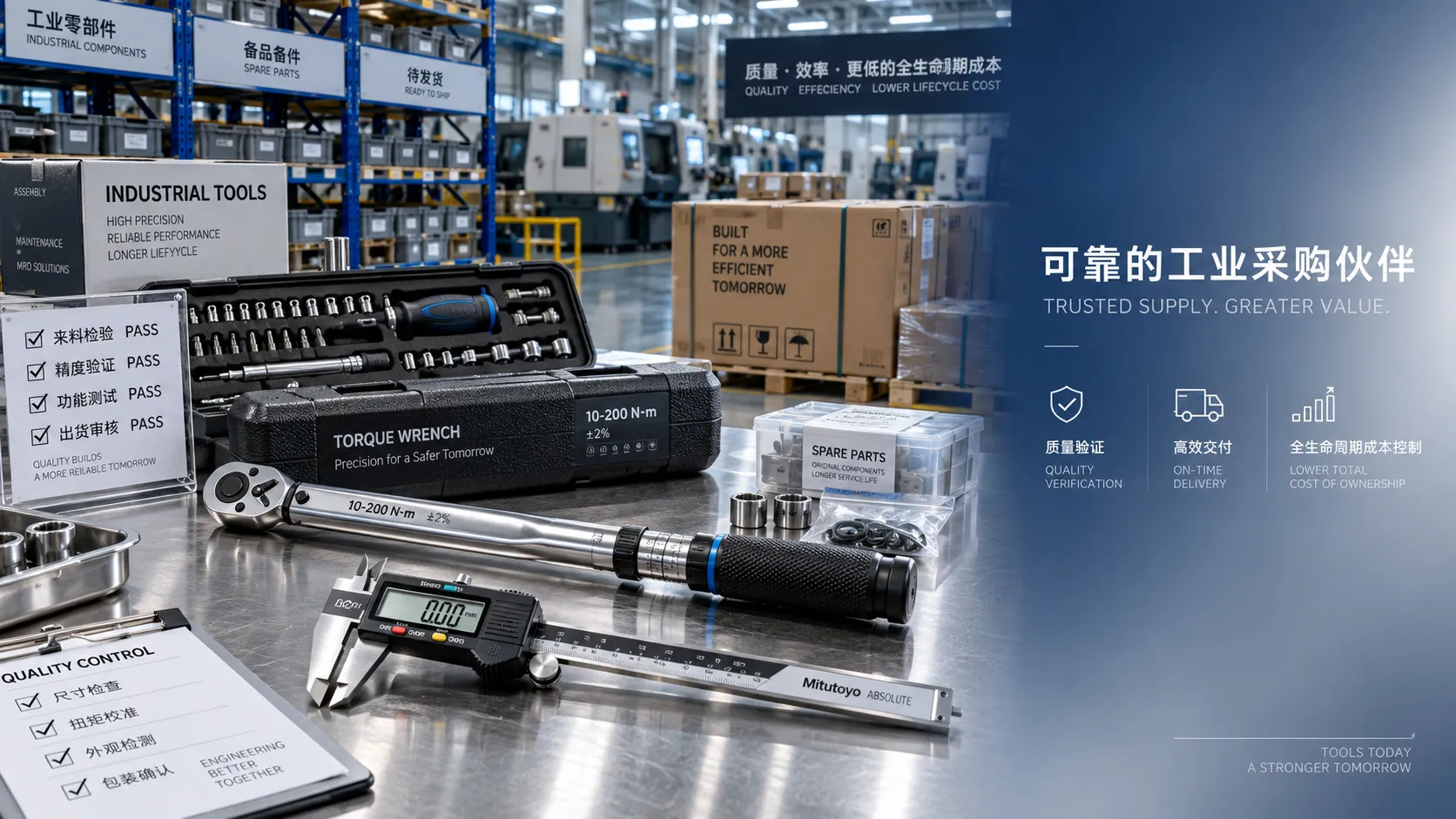
How to Compare Industrial Tool Suppliers for Quality, Lead Time, and Total Cost
Industrial tool selection supplier comparison made simple: evaluate quality, lead times, total cost, service, and supply resilience for confident sourcing decisions.
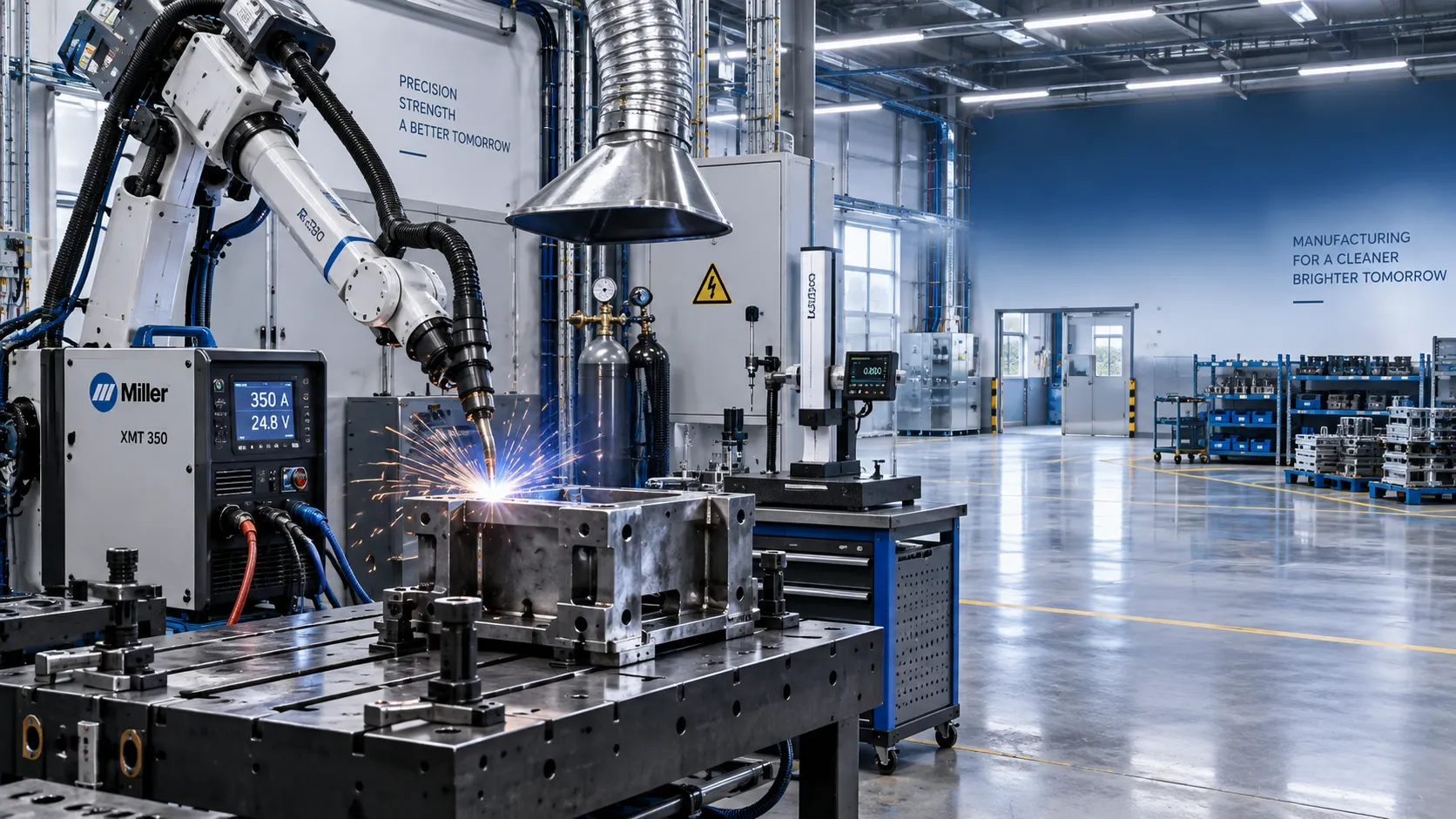
Industrial Equipment Application Guidance: Match Machines to Operating Conditions
Application guidance industrial equipment: match capacity, duty cycle, materials, site conditions, safety, and lifecycle cost to improve reliable output. Read the guide.
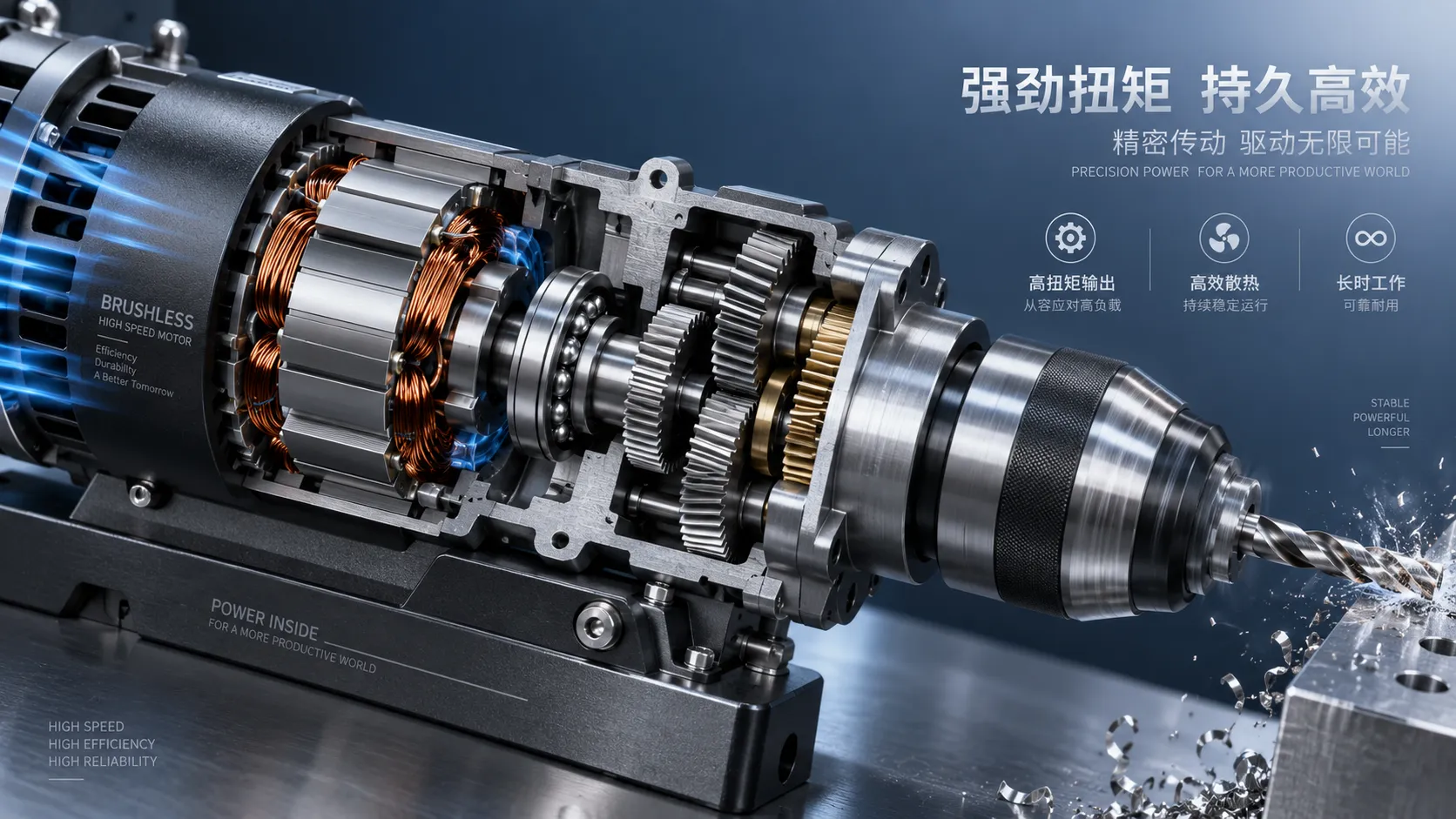
Selecting High-Speed Brushless Tool Motors for Torque, Heat, and Duty Cycle
High speed brushless tool motors: learn how to balance torque, heat, gearing, and duty cycle for reliable industrial tool performance and longer service life.
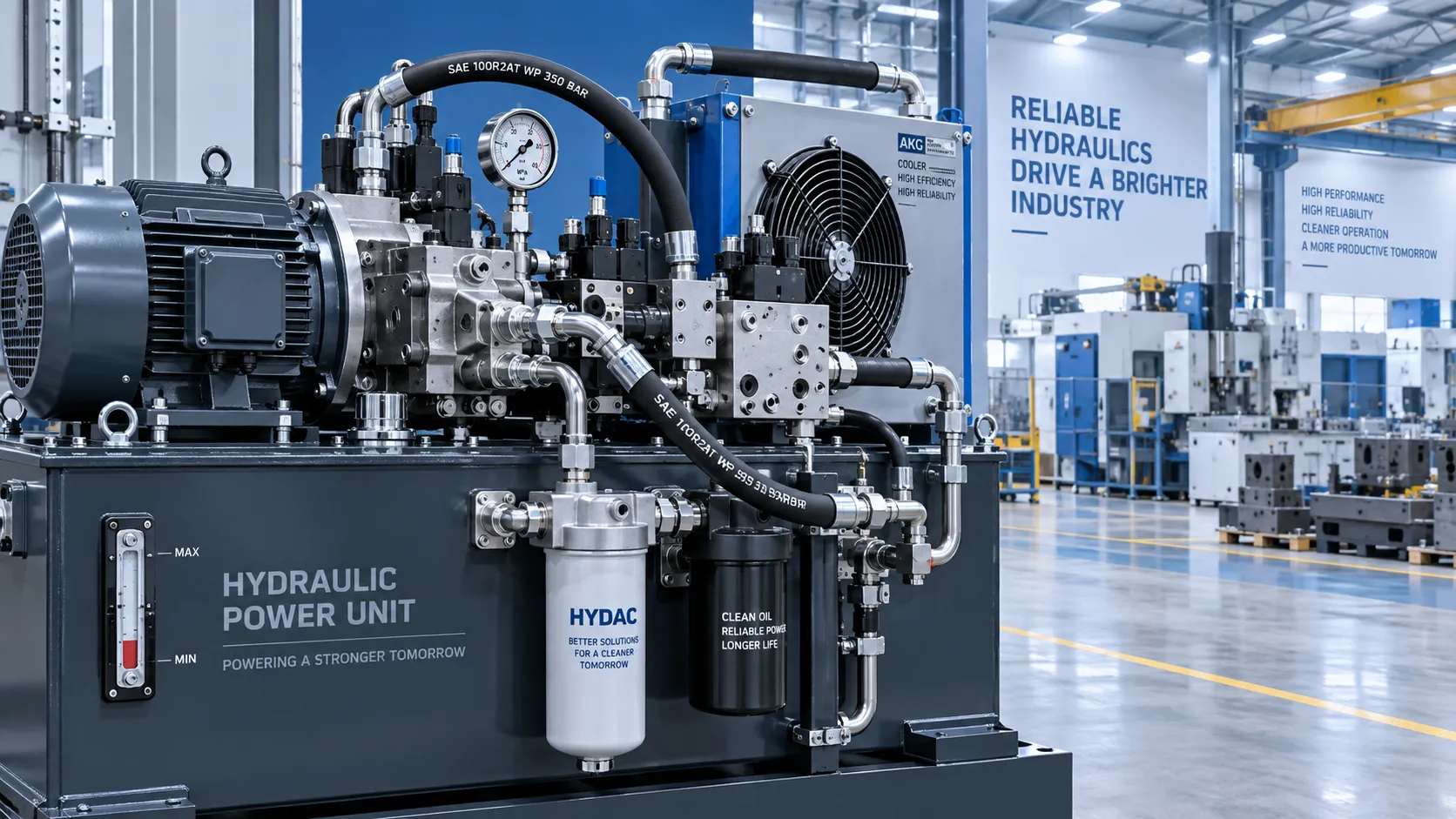
What Determines Industrial Hydraulic System Price for Heavy-Duty Equipment?
Industrial hydraulic system price depends on duty cycle, pressure, components, cooling, and integration. Compare quotes intelligently to secure reliable heavy-duty performance.
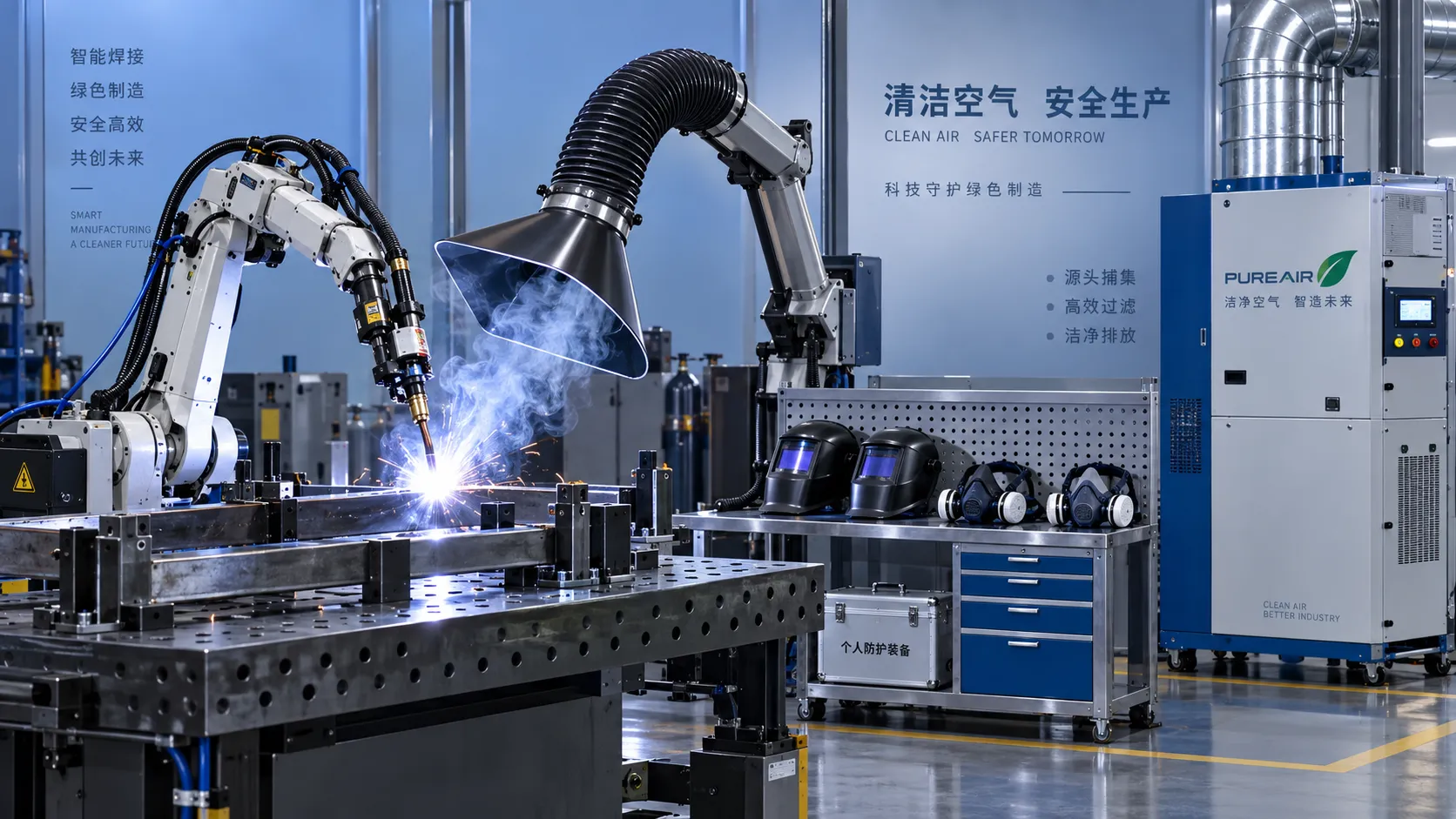
Welding Fume Extraction PPE: When Respirators Are Not Enough for Shop Safety
Welding fume extraction PPE: learn why respirators alone fall short and how source capture, ventilation, and layered controls improve shop safety.
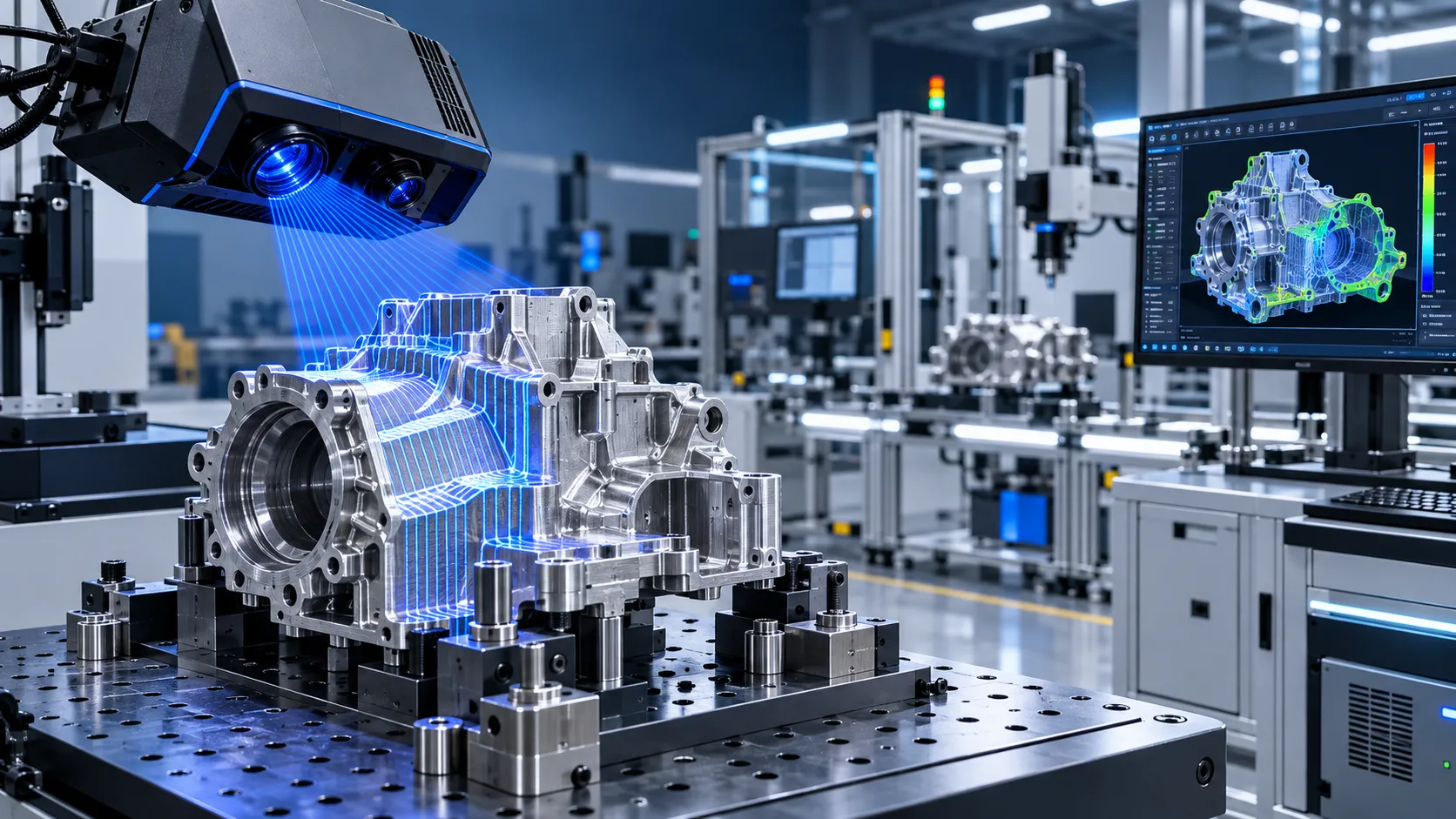
How to Select Optical Metrology Solutions for Tight-Tolerance Manufacturing
Optical industrial metrology solutions for tight-tolerance manufacturing: evaluate accuracy, surface compatibility, workflow, and traceability to select with confidence.
Related News
- 00
0000-00
Selecting Adjustable Torque Tools for Repeatable Fastener Assembly - 00
0000-00
How to Select Aerospace Inspection Tools for Aircraft Maintenance Tasks - 00
0000-00
How to Select Wire Bonding Tools for Fine-Pitch Semiconductor Packaging - 00
0000-00
Industrial Equipment Application Guidance: Match Machines to Operating Conditions - 00
0000-00
Selecting High-Speed Brushless Tool Motors for Torque, Heat, and Duty Cycle
Prof. Marcus Chen
Weekly Insights
Stay ahead with our curated technology reports delivered every Monday.