
Industrial Market Trends in 2025: What Buyers Should Watch Across Supply and Demand





If you are evaluating industrial markets in 2025, the main question is not whether demand exists. It does. The harder question is where demand is still healthy, where supply risk is hiding, and which equipment categories will hold value instead of becoming cost pressure. That is what makes current industrial market trends more difficult to read than the broad recovery narratives many buyers heard a year ago.
Across industrial assembly, metal joining, power tools, metrology, and maintenance-related equipment, the pattern is becoming clearer: buyers are rewarding reliability, compliance, serviceability, and measurable productivity gains. They are less willing to pay for vague innovation claims, and less tolerant of suppliers whose pricing changes every quarter without a clear reason.
In practical terms, 2025 looks like a year of narrower margins for poor decisions and better upside for disciplined ones.
Industrial market trends are no longer just about volume
A common mistake in market assessment is to treat industrial demand as a simple up-or-down cycle. That lens is too blunt now. In many categories, volumes may look stable while buying behavior changes sharply underneath. Orders are being split across more vendors. Qualification cycles are getting longer. Buyers are asking tougher questions about component origin, certification, after-sales response, and software compatibility.
This matters because a stable headline market can still be a difficult market to buy into. A distributor may see acceptable order flow, yet face shrinking room for error because freight volatility, export checks, and inventory financing costs are eating into what used to be manageable assumptions.
The short version is this: in 2025, the best reading of industrial market trends comes from mix, lead time, and specification behavior, not just from shipment totals.
Supply-side pressure is changing shape, not disappearing
Many buyers expected supply conditions to normalize fully after the worst disruption cycles passed. What actually happened is more uneven. Some basic inputs are easier to source than before, but exposure has shifted toward pricing swings in metals, electronic controls, motors, batteries, safety components, and specialized subassemblies.
For industrial tools and welding-related equipment, this creates a layered risk profile. The finished product may be available, but not in the exact configuration buyers need. A torque system may be quoted on time, while its sensor package faces delays. A handheld welding unit may be in stock, but required safety accessories or replacement consumables may not be.
That distinction is easy to miss during early-stage evaluation. It is also where many procurement models become too optimistic.
When you assess suppliers this year, it helps to separate three issues:
- Base product availability
- Configuration-specific availability
- Continuity of parts, consumables, and compliance documents
Plenty of buyers still focus mostly on the first item. The second and third are often what create operational delays later.
Demand is holding up best where downtime costs are visible
Not all industrial demand is equally resilient. In 2025, categories tied to visible productivity, maintenance continuity, and quality control tend to have stronger justification than categories that depend on discretionary capex alone.
That is one reason precision measuring instruments, repair tools, hydraulic equipment, torque control systems, and selected welding technologies keep drawing attention. When a plant manager can connect a tool purchase to scrap reduction, faster inspection, shorter cycle times, or fewer rework hours, the conversation changes. The purchase stops being a cost-only discussion.
By contrast, products sold mainly on generic modernization language are harder to defend. Buyers are asking for operational proof. They want to know where the gain appears, how fast it appears, and what extra training or process change is required.
This creates a useful filter for business evaluation: markets linked to maintenance, compliance, and measurable throughput are generally easier to justify than markets relying on broad optimism.
Where industrial buyers should pay close attention in 2025
There are several signals worth watching closely, especially if you are comparing suppliers, regions, or equipment categories.
1. Raw material pass-through discipline. Some suppliers manage steel, copper, aluminum, and alloy cost movement with clear pricing logic. Others use commodity volatility as a blanket excuse. The difference matters. A supplier that cannot explain its cost pass-through method is harder to trust during a long buying cycle.
2. Export controls and standards compliance. This is becoming more important in tools, electronics-enabled equipment, and products touching industrial safety. It is not enough to ask whether a shipment can leave the factory. You need to know whether destination-country certification, labeling, documentation, and end-use restrictions have been fully checked. Assumptions here get expensive quickly.
3. Replacement cycle behavior. A healthy market is not always driven by new expansion. In many segments, the stronger signal is replacement of aging tools with higher-efficiency versions. Brushless power tools, intelligent torque systems, and safer handheld joining equipment fit this pattern in some applications, but adoption speed depends heavily on labor cost, training readiness, and safety enforcement. Not every plant will move at the same pace.
4. Service infrastructure. Buyers often overvalue purchase price and undervalue field support. That works until calibration, maintenance, firmware issues, or spare-part delays stop production. In precision metrology and connected tools, service responsiveness can change the economics more than a small initial discount.
5. Inventory realism in distribution channels. “Available” can mean many things. It may mean available in one warehouse, available after reallocation, or available without the required accessory set. Experienced evaluators ask for exact stock scope, not generic stock claims.
A quiet shift: specification quality is becoming a market signal
One of the more interesting industrial market trends is that better buyers are improving their own specifications. That sounds like an internal process issue, but it affects market outcomes.
When requirements are too loose, suppliers compete on incomplete assumptions and the cheapest quote often wins early attention. Later, the project absorbs cost through missed tolerances, weak ergonomics, safety gaps, poor duty-cycle fit, or software integration trouble. In contrast, when buyers define use conditions clearly, supplier comparisons become more meaningful and the market itself becomes easier to read.
This is especially relevant in industrial assembly and precision tool purchasing. A torque tool is not just a torque range. A welding system is not just a power rating. A caliper or measuring instrument is not just a nominal accuracy line in a brochure. Duty cycle, repeatability, operator environment, calibration routine, digital compatibility, and regulatory expectations all shape actual value.
That is why technical intelligence platforms such as GPTWM can be useful at the evaluation stage. Not because they replace supplier due diligence, but because they help buyers see how raw material changes, export restrictions, safety adoption, and application-specific tool trends are interacting before those issues appear in a quotation dispute.
What many buyers still get wrong
The first mistake is assuming cheaper sourcing automatically improves resilience. Sometimes it does. Sometimes it simply relocates risk into lead time, documentation, quality escape, or warranty friction. Low upfront pricing is easy to measure; delayed production is not, until it happens.
The second mistake is treating smart or connected equipment as inherently better. IoT-based torque control, digital inspection logging, and intelligent welding features can deliver real value, but only when the process is ready for them. If operators are not trained, if data is not reviewed, or if maintenance teams cannot support the electronics, the promised gain may stay theoretical.
The third mistake is reading every category through the same demand story. Construction-linked demand behaves differently from aerospace maintenance. Automotive service channels have different replacement logic than heavy fabrication. Business evaluation works best when the end market is kept visible instead of averaged away.
How to read supplier claims without getting lost in noise
In a market full of positioning language, a few questions cut through quickly:
- What changed in your bill of materials over the last 12 months?
- Which components still have unstable lead times?
- What certifications or export conditions vary by destination?
- What is the real maintenance interval under typical industrial use?
- Which part of the productivity claim comes from the tool, and which part depends on process discipline?
These are not aggressive questions. They are filtering questions. Strong suppliers usually answer them directly. Weak suppliers tend to switch back to brand language.
If the product category involves metrology, welding safety, or electronically controlled fastening, it is also worth asking how often the supplier updates guidance when regulations or operating standards shift. In 2025, static documentation is a warning sign.
Where the opportunity is
Despite the caution, this is not a defensive market across the board. Good opportunities exist where buyers can identify structural demand and align with suppliers that are technically credible and commercially disciplined.
High-potential pockets often appear in areas tied to repair, refurbishment, inspection, lightweight fabrication, and process consistency. Demand can also remain firm where labor scarcity pushes companies toward tools that reduce skill dependency without compromising safety or quality.
That does not mean every advanced product will win. It means buyers who understand the application, not just the category label, will be in a better position to capture value.
For teams evaluating channels or suppliers globally, this is where a focused intelligence source earns its place. GPTWM, with its coverage of assembly, metal joining, and precision metrology, fits best as a decision support layer for people who need ongoing visibility into raw material movement, evolving standards, and tool adoption signals. It is not a substitute for commercial negotiation or plant-level validation, but it can sharpen both.
What to do before making a 2025 sourcing or investment decision
Start with exposure mapping. Identify which part of your category risk comes from materials, which part comes from compliance, and which part comes from service continuity. Then check whether your demand case is tied to replacement necessity, quality control, maintenance, or discretionary expansion. Those drivers behave differently under pressure.
After that, test supplier claims against operating reality. Ask what happens after installation, after calibration, after the first spare-parts order, and after a regulation changes. A deal that only works on day one is not a strong deal.
The industrial market trends worth watching in 2025 are not abstract. They show up in quote validity periods, tooling substitutions, certification lead times, service response promises, and the rising premium on precision and reliability. Buyers who stay close to those signals will make better calls than those waiting for a single headline to explain the whole market.
FAQ
Is 2025 a good year to delay industrial purchasing until pricing becomes clearer?
Only in categories where demand is soft and substitution risk is low. If the item affects uptime, compliance, or quality consistency, waiting can create more cost than it saves.
Which matters more right now: price or supplier stability?
For critical industrial products, supplier stability usually matters more. A lower price loses its appeal quickly if documentation, lead time, or after-sales support breaks down.
Are smart industrial tools always worth the premium?
No. They make sense when the process can use the data, support the maintenance, and capture the productivity gain. Otherwise, the premium may not pay back.
How should buyers verify demand in a niche industrial segment?
Look beyond shipment volume. Check replacement cycles, service activity, compliance requirements, and whether the product solves a measurable operating problem.
What is the safest way to compare suppliers across regions?
Use the same application spec, documentation checklist, and service requirements for all of them. Regional price comparison without a normalized technical baseline is unreliable.
Internal link anchor text suggestions
- industrial assembly market insights: industry analysis or trends page
- precision metrology buying guide: product guide or educational resource
- welding equipment safety standards: compliance or regulatory content page
- smart torque tool selection: application-focused buying advice page
- global distributor sourcing strategy: B2B sourcing or channel development page
External authority source directions
- industry association reports on manufacturing activity, tooling demand, and metalworking trends
- government trade or customs authority pages covering export controls, standards, and import requirements
- official technical documentation from established tool, metrology, or industrial automation brands
Related News
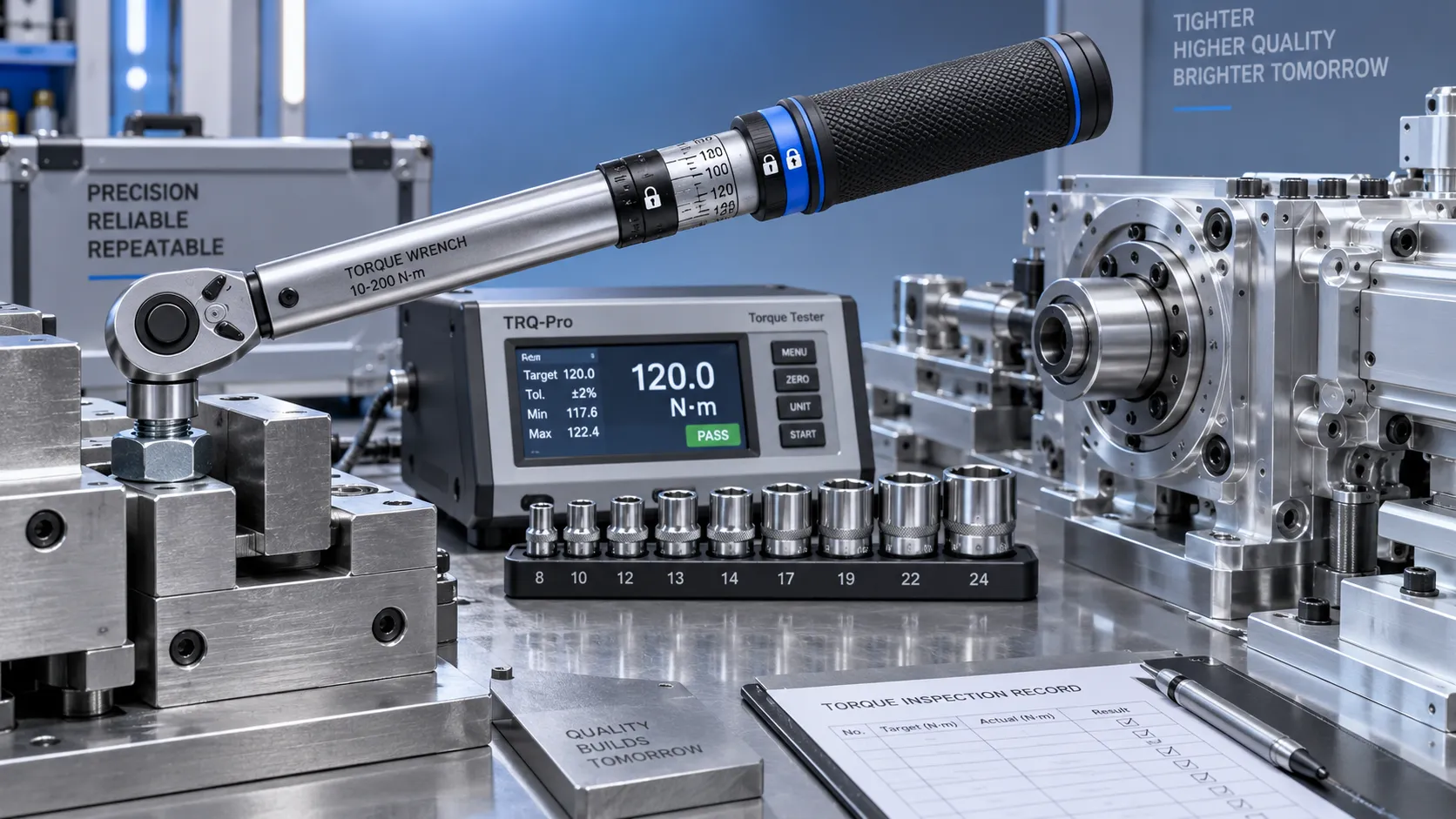
Selecting Adjustable Torque Tools for Repeatable Fastener Assembly
Adjustable torque tools: learn how to match range, accuracy, control methods, calibration, and ergonomics for repeatable, reliable fastener assembly.

How to Select Aerospace Inspection Tools for Aircraft Maintenance Tasks
Aerospace maintenance inspection tools: learn how to select reliable, traceable equipment for aircraft access, accuracy, calibration, and compliant maintenance decisions.

How to Select Wire Bonding Tools for Fine-Pitch Semiconductor Packaging
Explore semiconductor manufacturing tools for wire bonding and learn how to select precision solutions for fine-pitch packaging, reliable loops, accuracy, and yield.
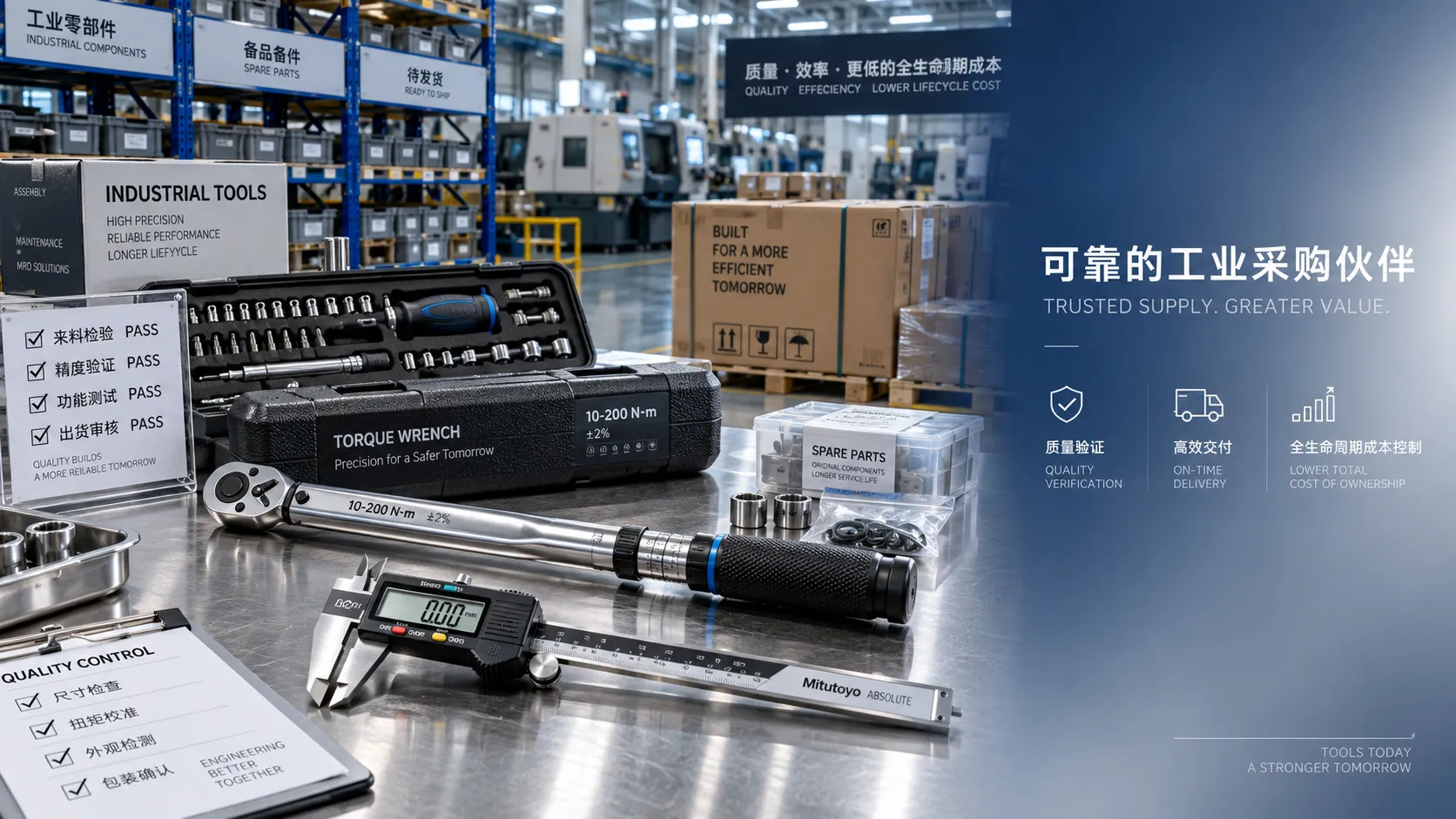
How to Compare Industrial Tool Suppliers for Quality, Lead Time, and Total Cost
Industrial tool selection supplier comparison made simple: evaluate quality, lead times, total cost, service, and supply resilience for confident sourcing decisions.

Industrial Equipment Application Guidance: Match Machines to Operating Conditions
Application guidance industrial equipment: match capacity, duty cycle, materials, site conditions, safety, and lifecycle cost to improve reliable output. Read the guide.
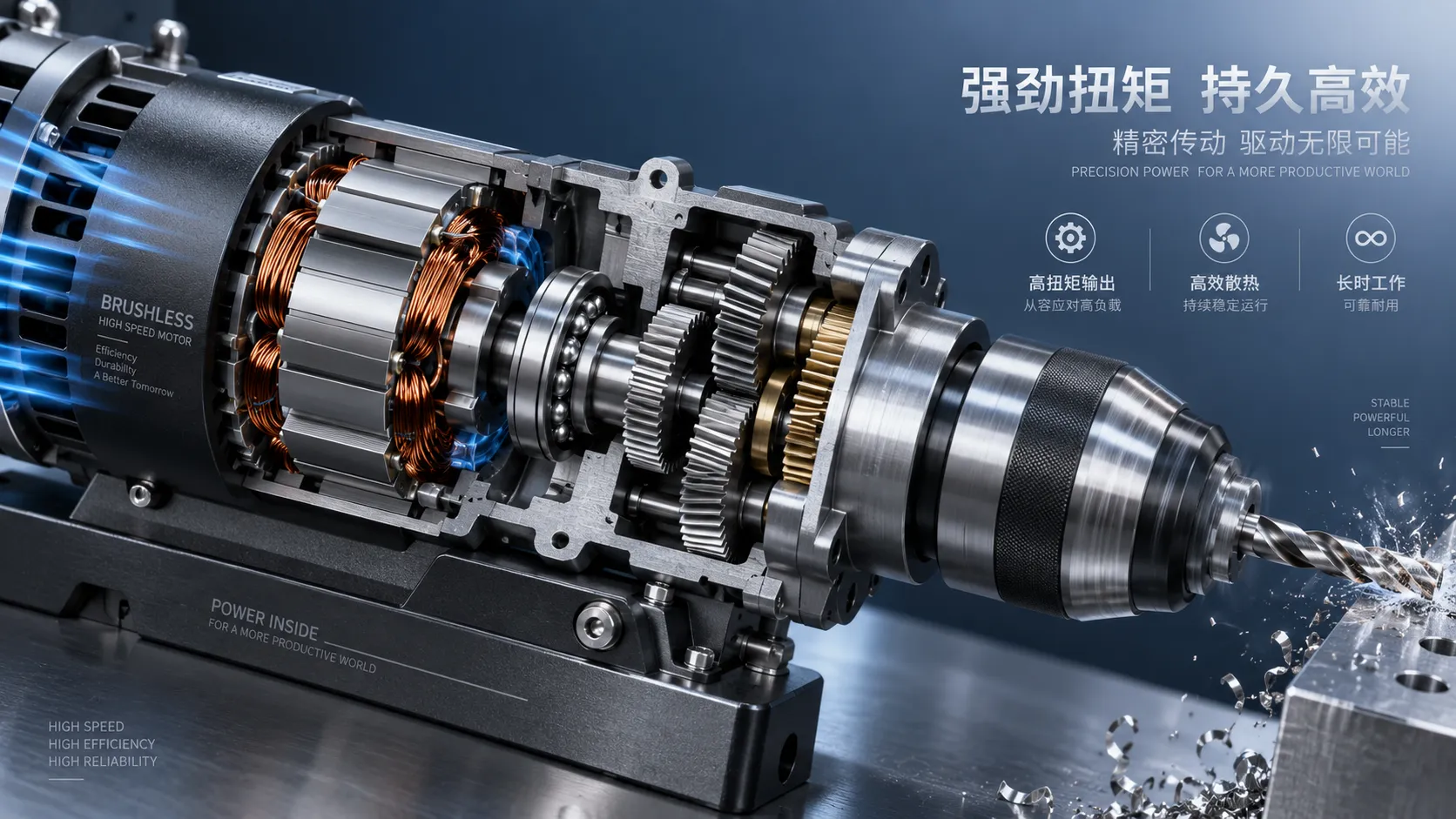
Selecting High-Speed Brushless Tool Motors for Torque, Heat, and Duty Cycle
High speed brushless tool motors: learn how to balance torque, heat, gearing, and duty cycle for reliable industrial tool performance and longer service life.
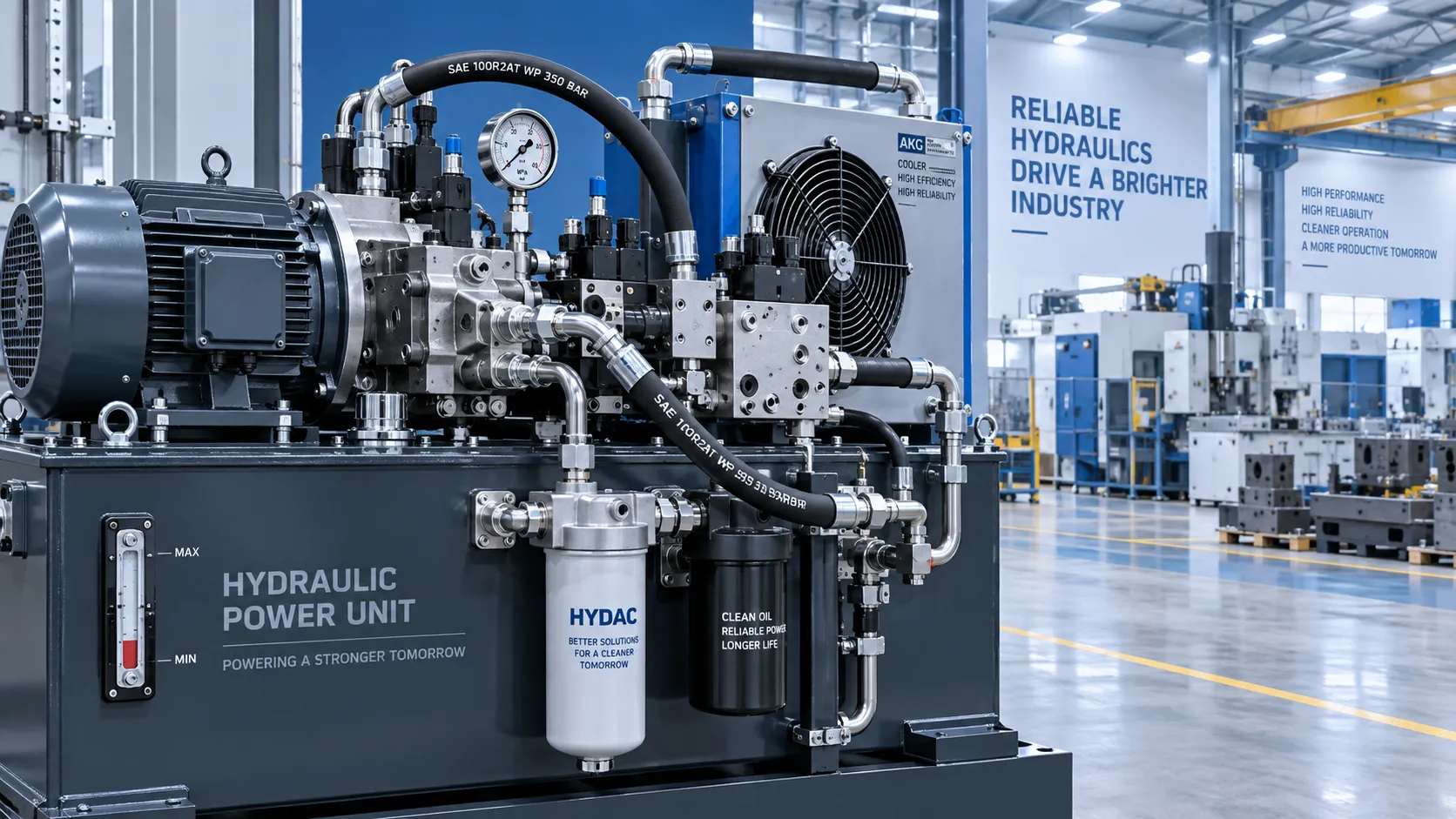
What Determines Industrial Hydraulic System Price for Heavy-Duty Equipment?
Industrial hydraulic system price depends on duty cycle, pressure, components, cooling, and integration. Compare quotes intelligently to secure reliable heavy-duty performance.

Welding Fume Extraction PPE: When Respirators Are Not Enough for Shop Safety
Welding fume extraction PPE: learn why respirators alone fall short and how source capture, ventilation, and layered controls improve shop safety.

How to Select Optical Metrology Solutions for Tight-Tolerance Manufacturing
Optical industrial metrology solutions for tight-tolerance manufacturing: evaluate accuracy, surface compatibility, workflow, and traceability to select with confidence.
Related News
- 00
0000-00
How Middle East Manufacturers Can Improve Production Efficiency Under Heat and Labor Constraints - 00
0000-00
Why Are Specification-Oriented Articles Gaining Traction in Europe’s B2B Markets? - 00
0000-00
Industrial Solutions in Latin America: Key Growth Sectors and Market Entry Risks - 00
0000-00
What Is Driving Manufacturing Efficiency in Europe’s Industrial Sectors? - 00
0000-00
Industrial Market Trends in 2025: What Buyers Should Watch Across Supply and Demand
Dr. Alistair Vaughn
Weekly Insights
Stay ahead with our curated technology reports delivered every Monday.