
How to Evaluate a Smart Device Manufacturing Tools Manufacturer for Scalable Production





Choosing a smart device manufacturing tools manufacturer is rarely a matter of comparing catalogs. For technical evaluators, the harder question is whether a supplier can support stable production when volumes rise, product designs change, and quality tolerances tighten. A toolset that performs well in pilot builds may expose serious weaknesses once the line moves into multi-shift output, mixed-model assembly, or traceable global supply.
That is why evaluation needs to move beyond headline specifications. In smart device production—whether for wearables, control modules, handheld electronics, connected home devices, or compact industrial terminals—the manufacturing tool chain sits at the intersection of precision mechanics, electronics assembly, automation, software integration, and process control. A manufacturer may look capable on paper yet still fail under the operational demands of scalable production.
The most useful assessment framework is not “Who offers the lowest price?” but “Who can preserve process capability as complexity increases?”
Start with the production reality, not the tool brochure
Many evaluations go wrong because the buyer begins with equipment features instead of manufacturing conditions. A smart device manufacturing tools manufacturer should be assessed against the actual process window of the product family you intend to build.
That means defining, before supplier comparison, a few core realities:
- Product mix: single SKU, variant-rich production, or frequent engineering change orders
- Assembly profile: screwdriving, dispensing, soldering, welding, calibration, inspection, marking, testing, packaging, or all of them in sequence
- Tolerance sensitivity: cosmetic consumer-grade tolerance is different from functional sealing, torque, flatness, alignment, or electrical reliability requirements
- Output target: pilot, ramp-up, regional mass production, or distributed global production
- Automation level: manual stations, semi-automatic cells, or fully linked lines
- Traceability requirement: basic lot control or full serialized process data capture
Without this baseline, evaluators often overvalue machine speed and undervalue process repeatability, changeover discipline, and integration quality. In practice, a slower but stable tooling system often scales better than a faster one that drifts, requires frequent intervention, or cannot communicate cleanly with MES and quality systems.
Tooling precision matters, but process capability matters more
Precision is one of the first claims every manufacturer makes. The real issue is whether that precision is sustained in production conditions, not in a demonstration environment.
For smart device assembly, this usually includes questions such as:
- How consistent is torque delivery across long cycle runs?
- How does the dispensing system handle viscosity variation, ambient temperature change, or nozzle wear?
- Can alignment fixtures maintain repeatability after repeated changeovers?
- How is calibration performed, recorded, and verified over time?
- What is the process capability level under customer-defined conditions? [待核实 if not demonstrated with actual data]
A capable manufacturer should be able to discuss Cp/Cpk logic, measurement uncertainty, fixture wear, preventive recalibration intervals, and the relationship between tool accuracy and final assembly yield. If discussions stay at the level of nominal accuracy only, that is usually a warning sign. Scalable production depends less on isolated precision points than on statistically controllable behavior across shifts, operators, and batches.
This is especially important in compact smart devices, where small mechanical deviations can create downstream failures: poor sealing, connector stress, sensor misalignment, battery placement issues, thermal transfer inconsistency, or cosmetic rejection. The tooling supplier does not need to own the whole product design, but they do need to understand how process variation translates into field risk.
Evaluate engineering depth behind the equipment
A serious smart device manufacturing tools manufacturer is not simply a machine assembler. The difference shows up in how they handle engineering conversations.
Technical evaluators should look for evidence in four areas:
- Application engineering: Can the supplier translate product drawings, tolerances, and takt requirements into a viable tooling concept?
- DFM/DFA awareness: Do they identify assembly risks early, such as difficult access points, stack-up sensitivity, cable routing instability, or fixture-induced deformation?
- Process validation method: Do they define FAT, SAT, GR&R, calibration, and acceptance criteria in a structured way?
- Failure analysis capability: When yield drops, can they isolate root causes across software, mechanics, sensors, actuators, and operator interaction?
This matters because scale introduces non-obvious failure modes. A station may pass qualification with a stable test sample and then degrade once material variation, operator rhythm, and line balancing pressures emerge. Manufacturers with shallow engineering depth tend to respond with parameter tweaking. Manufacturers with strong engineering teams investigate fixture rigidity, control logic, tool wear, stack-up variation, and data trace patterns.
One practical indicator is the quality of pre-sales technical questioning. If the supplier asks for process FMEA inputs, quality thresholds, digital communication requirements, and service response expectations, that is usually healthier than a vendor who quickly promises a “standard solution” for every application.
Scalability is an architecture question
When buyers say they want scalable production, they often mean volume expansion. In reality, scale has at least three dimensions: output, complexity, and geography.
A tooling platform that scales well should support:
- Higher throughput without compromising process stability
- New variants without rebuilding the line from scratch
- Replication across factories with comparable performance
This makes equipment architecture a central evaluation point. Technical teams should examine whether the supplier designs around modular stations, standardized interfaces, parameter version control, and maintainable software structure. Proprietary black-box systems can become costly once line duplication, spare strategy, or process transfer to another region begins.
Useful questions include:
- Can stations be added or rearranged as takt changes?
- How are recipes managed for multiple product variants?
- Are critical spare parts standardized across equipment families?
- How difficult is it to duplicate the line in another country?
- What dependencies exist on specific engineers, local subcontractors, or non-standard components?
For global manufacturers, this is not a secondary issue. A supplier may deliver a technically sound pilot line yet become a bottleneck when procurement tries to support second-site deployment or regional service localization.
Automation compatibility should be tested as a systems issue
Modern smart device production increasingly depends on data-linked assembly, not isolated tools. Torque systems, vision units, test stations, laser markers, dispensing modules, and traceability platforms must exchange status, parameters, and results in usable form.
As a result, automation compatibility should not be reduced to “supports industrial communication.” The more relevant question is how well the manufacturer integrates with the customer’s control and information environment.
Technical evaluators should examine:
- PLC and HMI platform compatibility
- Support for common industrial communication protocols such as OPC UA, Profinet, EtherNet/IP, Modbus TCP, or other plant-standard architectures, depending on the site
- MES and serialization interface capability
- Data granularity for torque, force, vision, test, and alarm records
- User access control, parameter lockout, and audit trace logic
- Remote diagnostics approach and cybersecurity implications
Cybersecurity deserves more attention than it often gets. Networked tools in smart manufacturing environments introduce exposure if remote access is poorly managed or software patching depends entirely on the vendor. Exact compliance requirements vary by region and industry, so site-specific review is necessary, but evaluators should at minimum ask how remote support is controlled, logged, and restricted.
If a manufacturer cannot clearly explain how data flows from tool to controller to plant system, scale may become a digital bottleneck even if the mechanical platform is acceptable.
Quality control capability is one of the clearest differentiators
In scalable smart device manufacturing, the tool manufacturer’s contribution to quality is not limited to building accurate stations. The stronger suppliers design quality verification into the process itself.
This usually includes a combination of:
- In-process verification rather than end-of-line dependence
- Interlocks that prevent continuation after failed critical steps
- Traceable parameter control for torque, force, position, temperature, time, or electrical values
- Vision confirmation where orientation, presence, or alignment are failure-sensitive
- Error-proofing logic for operators and material loading
Technical evaluators should pay close attention to how the supplier defines acceptance and exception handling. A line that collects data but allows ambiguous pass/fail logic can create hidden quality escape risk. Likewise, a highly sensitive system that generates frequent false rejects may damage throughput and create operator workarounds.
The right question is not whether inspection exists, but whether control logic is tuned to the actual failure modes of the product.
It is also worth checking whether the manufacturer can support metrology alignment. If dimensional verification, force validation, electrical testing, or leak-related assembly confirmation must be linked back to calibrated references, the tooling supplier should be comfortable working alongside plant quality and metrology teams rather than treating those functions as separate.
Supply capability and service readiness often decide real-world success
Even technically strong equipment can become a poor choice if the manufacturer cannot support industrial delivery discipline. This is where many evaluations become too procurement-driven or too design-driven, when in fact both perspectives are needed.
For scalable production, assess the supplier’s operational maturity:
- Lead time reliability for initial build and repeat orders
- Critical component sourcing strategy
- Spare parts availability and stocking logic
- Installation, commissioning, and ramp-up support capacity
- Regional service coverage for global operations
- Training quality for maintenance, process, and operator teams
Recent years have made this more important. Component shortages, export controls on selected technologies, and logistics instability have exposed how fragile some machine builders’ supply chains are. A supplier that depends heavily on single-source controllers, niche motion components, or regionally restricted assemblies should explain its continuity strategy clearly.
For cross-border buyers, documentation quality also matters more than many expect. Poorly structured manuals, incomplete spare lists, unclear electrical drawings, and weak software backup procedures create long-term support friction. In a pilot project this may be survivable; in a multi-line factory it becomes expensive.
Compliance and standards should be treated as project requirements, not assumptions
Technical evaluators should not assume that a tooling manufacturer’s equipment is automatically suitable for every destination market. Compliance expectations depend on machine type, region of installation, sector-specific customer requirements, and plant safety rules.
Potential review points may include:
- Electrical safety conformity for the destination market
- Machinery safety design, guarding, interlocks, and risk assessment documentation
- ESD control suitability for electronics-related production environments
- Calibration traceability for measurement-related modules
- Material or process restrictions relevant to the customer’s sector
Where specific certifications or declarations are claimed, evaluators should request documentary support rather than rely on marketing language. If there is uncertainty around export restrictions, destination conformity, or customer-mandated standards, those points should be marked for verification early. The cost of redesign after shipment is far higher than the cost of a harder technical review before PO release.
Watch for the common evaluation mistakes
Several recurring mistakes appear in smart device tooling projects.
One is treating prototype success as evidence of production readiness. Prototype tooling can conceal maintenance frequency, operator sensitivity, and variability issues that only surface in volume.
Another is overemphasizing cycle time during quotation. Throughput matters, but unstable fast equipment usually underperforms stable moderate-speed equipment once downtime, rework, and tuning are included.
A third is separating mechanical evaluation from software and data evaluation. In connected production environments, poor software structure, weak alarm handling, or inadequate traceability can be as damaging as fixture inaccuracy.
There is also a tendency to underestimate post-installation dependence. If recipe changes, alarm recovery, or calibration adjustments require constant vendor intervention, the line may not be operationally scalable even if its design is sound.
Finally, some teams evaluate the manufacturer only at headquarters level. What matters is the actual project team: application engineer, controls engineer, assembly lead, commissioning support, and service structure. The capability gap between a supplier’s sales presentation and its execution team can be significant.
A practical decision lens for technical evaluators
When comparing manufacturers, the most useful internal question is simple: which supplier reduces scale-up uncertainty, not just launch cost?
A strong candidate will usually show the following characteristics:
- Clear understanding of the customer’s process risks
- Demonstrated control over repeatability, calibration, and validation
- Modular equipment architecture with manageable upgrade paths
- Credible integration ability with factory automation and data systems
- Built-in quality logic aligned with real failure modes
- Practical global support, documentation, and spare strategy
That combination is more important than any single specification. In smart device production, scalable performance is rarely won by buying the most advanced-looking equipment. It is usually won by selecting a manufacturer that understands how precision, automation, maintainability, and process discipline interact over time.
For technical evaluators, the goal is not to find a perfect supplier. It is to identify which smart device manufacturing tools manufacturer can sustain control as production moves from engineering intent to industrial reality. That is the difference between a successful launch and a line that remains in perpetual adjustment.
Related News
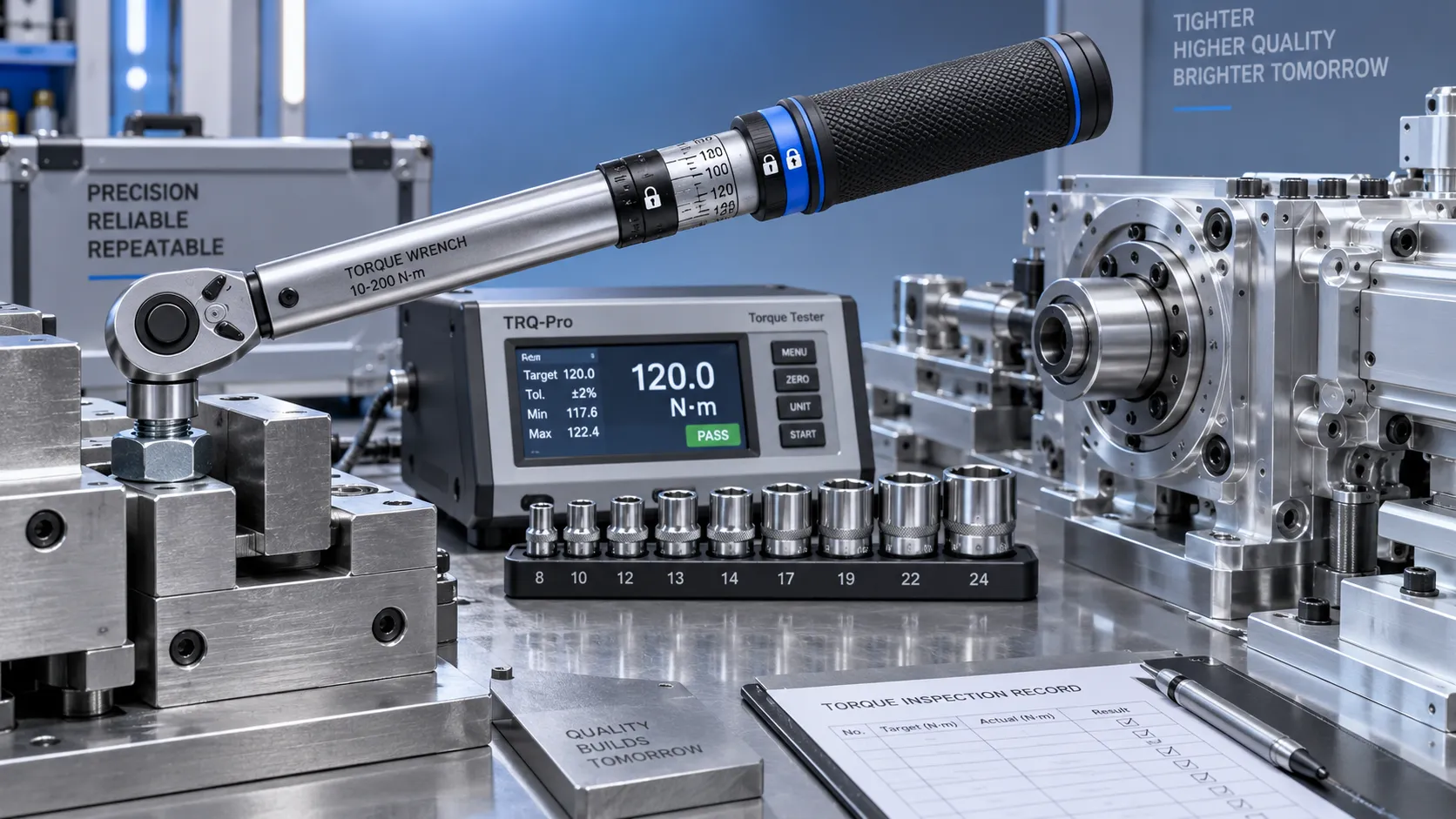
Selecting Adjustable Torque Tools for Repeatable Fastener Assembly
Adjustable torque tools: learn how to match range, accuracy, control methods, calibration, and ergonomics for repeatable, reliable fastener assembly.
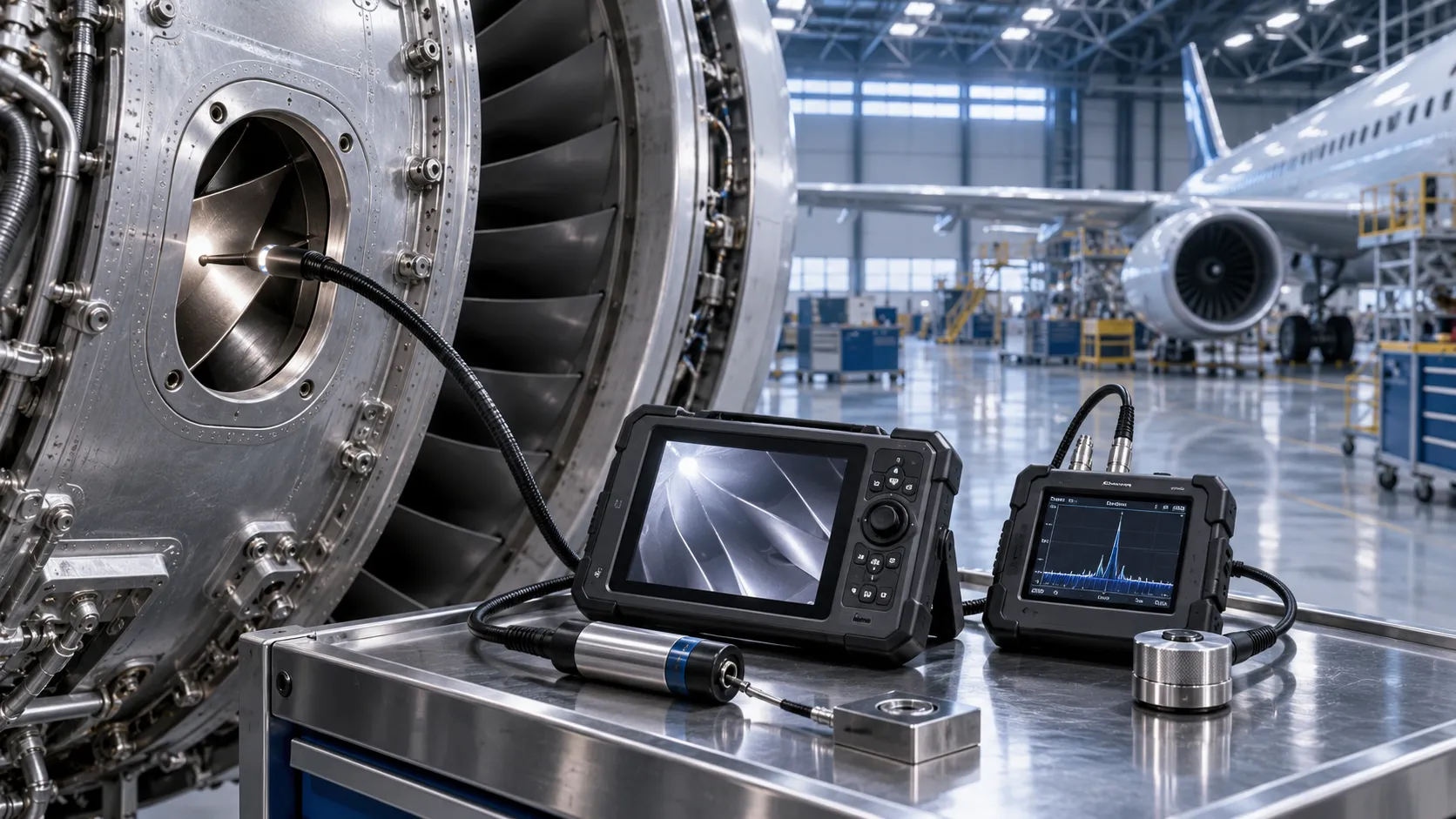
How to Select Aerospace Inspection Tools for Aircraft Maintenance Tasks
Aerospace maintenance inspection tools: learn how to select reliable, traceable equipment for aircraft access, accuracy, calibration, and compliant maintenance decisions.
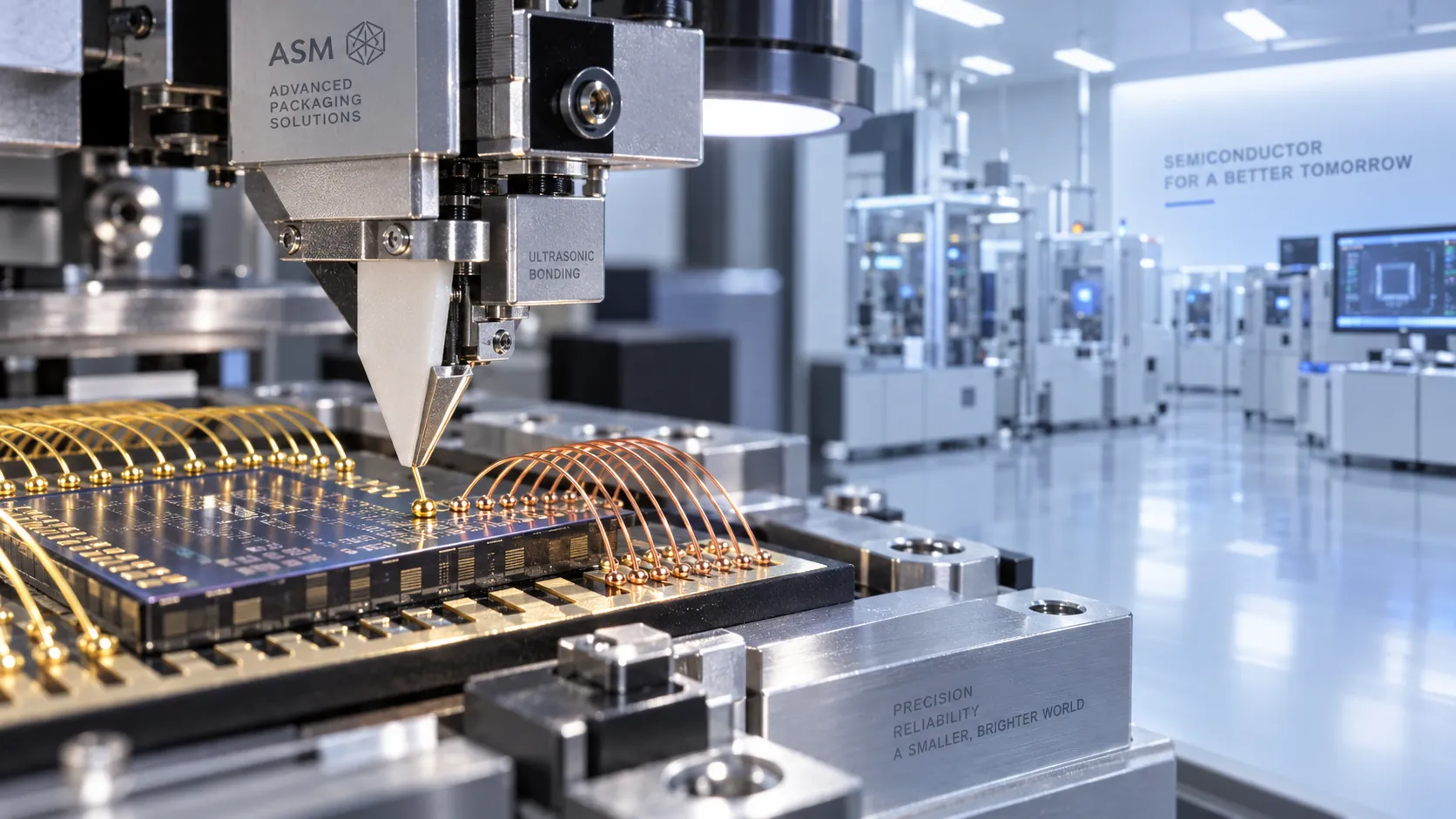
How to Select Wire Bonding Tools for Fine-Pitch Semiconductor Packaging
Explore semiconductor manufacturing tools for wire bonding and learn how to select precision solutions for fine-pitch packaging, reliable loops, accuracy, and yield.
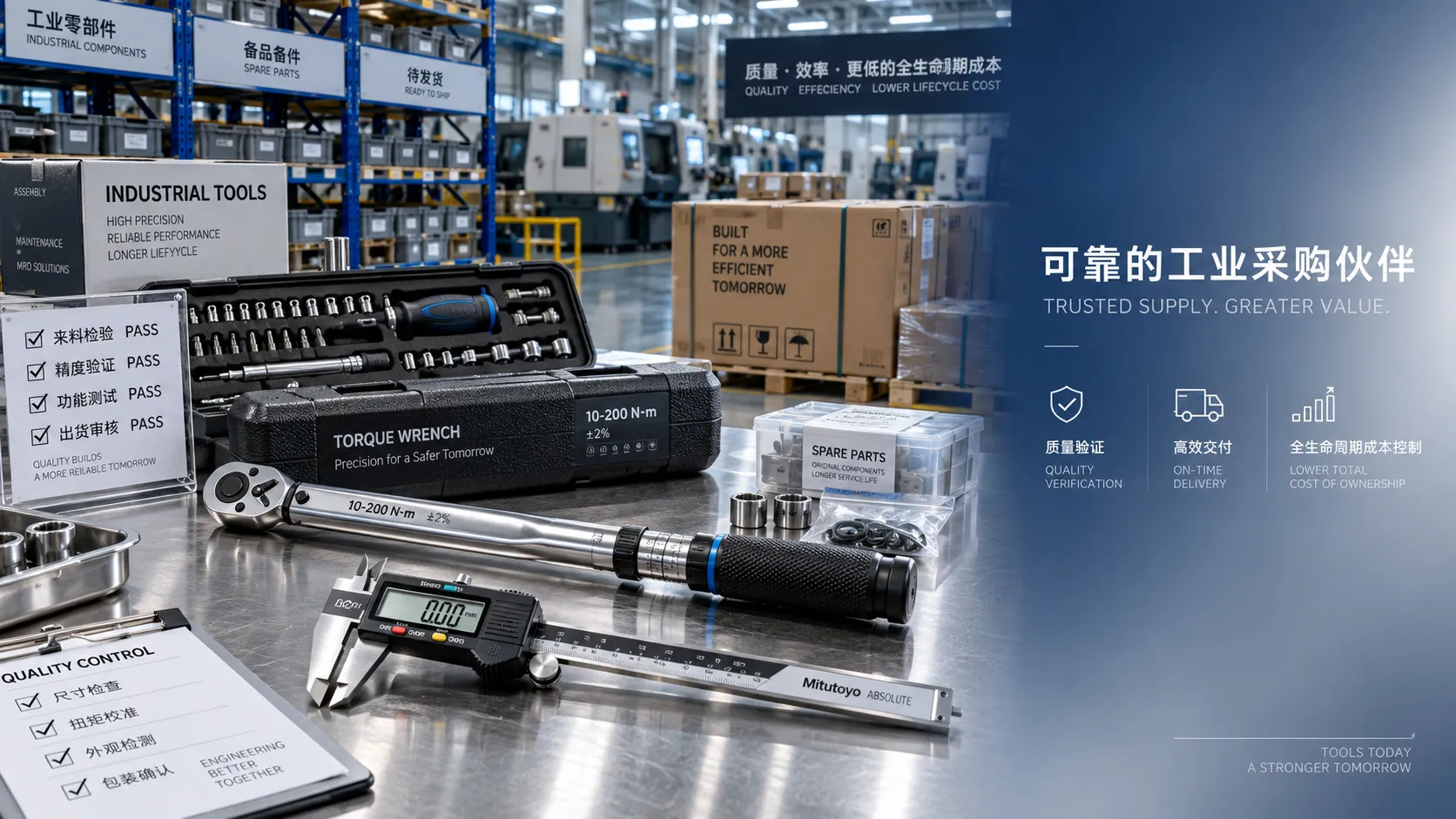
How to Compare Industrial Tool Suppliers for Quality, Lead Time, and Total Cost
Industrial tool selection supplier comparison made simple: evaluate quality, lead times, total cost, service, and supply resilience for confident sourcing decisions.
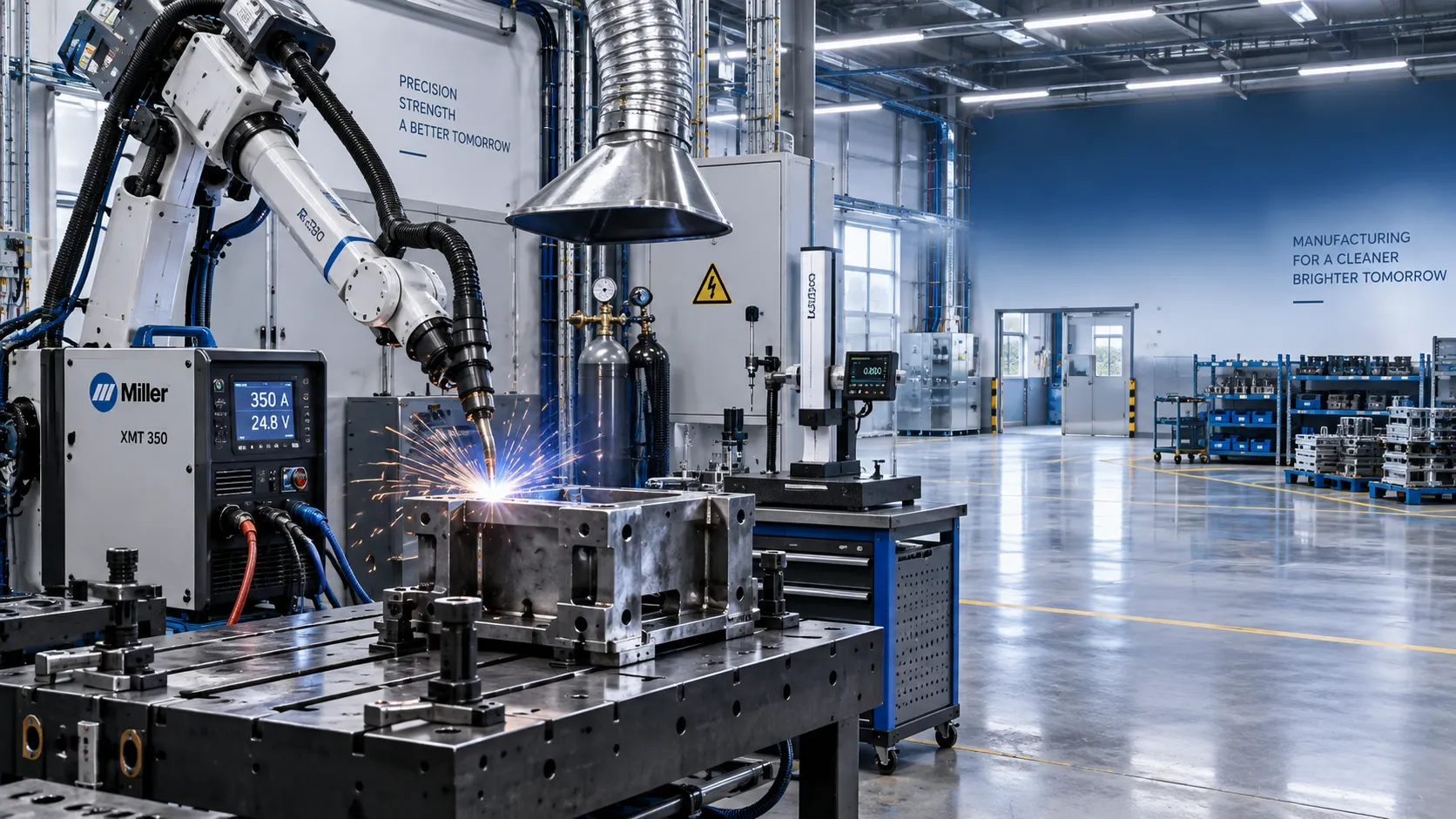
Industrial Equipment Application Guidance: Match Machines to Operating Conditions
Application guidance industrial equipment: match capacity, duty cycle, materials, site conditions, safety, and lifecycle cost to improve reliable output. Read the guide.
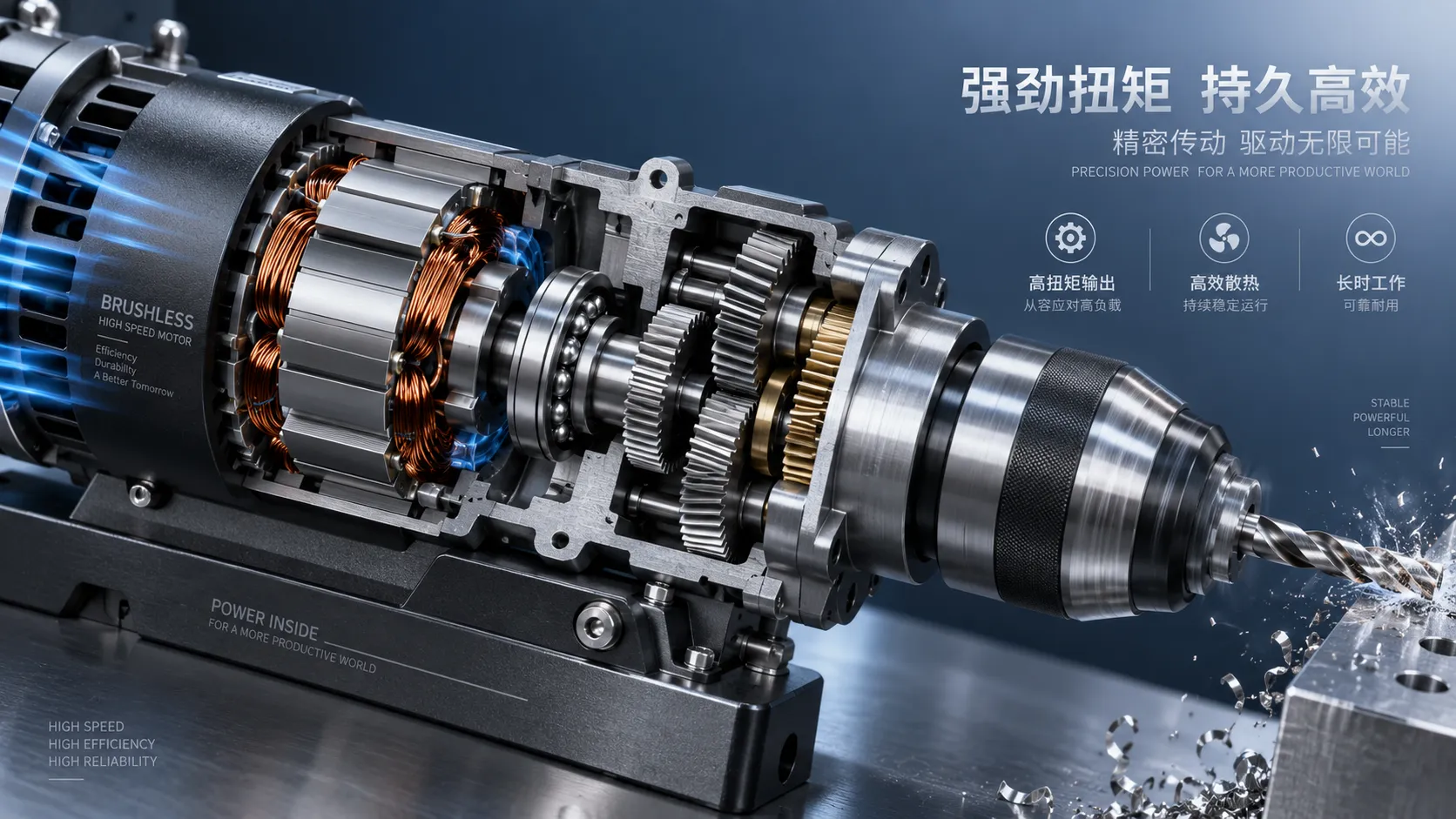
Selecting High-Speed Brushless Tool Motors for Torque, Heat, and Duty Cycle
High speed brushless tool motors: learn how to balance torque, heat, gearing, and duty cycle for reliable industrial tool performance and longer service life.
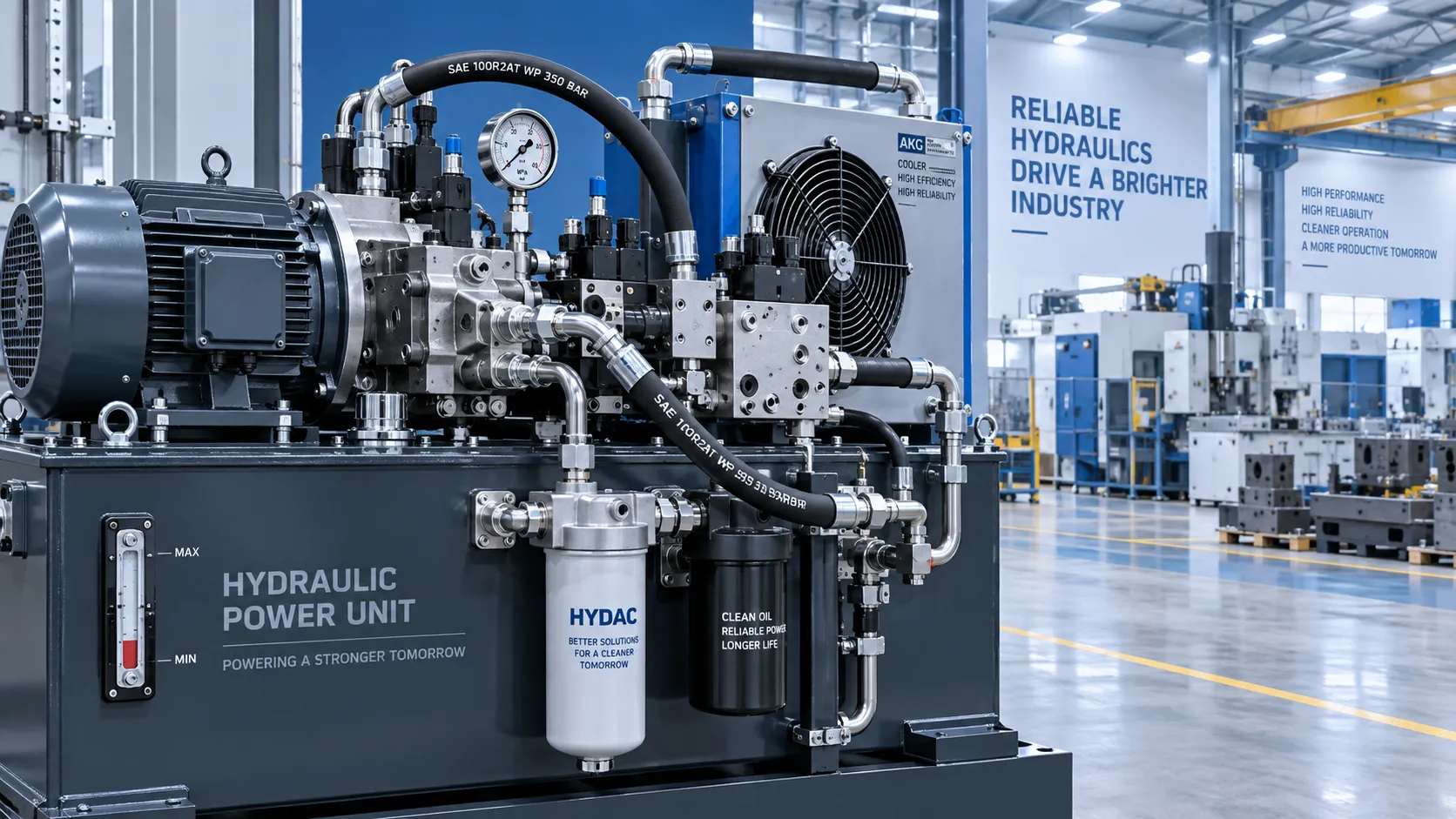
What Determines Industrial Hydraulic System Price for Heavy-Duty Equipment?
Industrial hydraulic system price depends on duty cycle, pressure, components, cooling, and integration. Compare quotes intelligently to secure reliable heavy-duty performance.
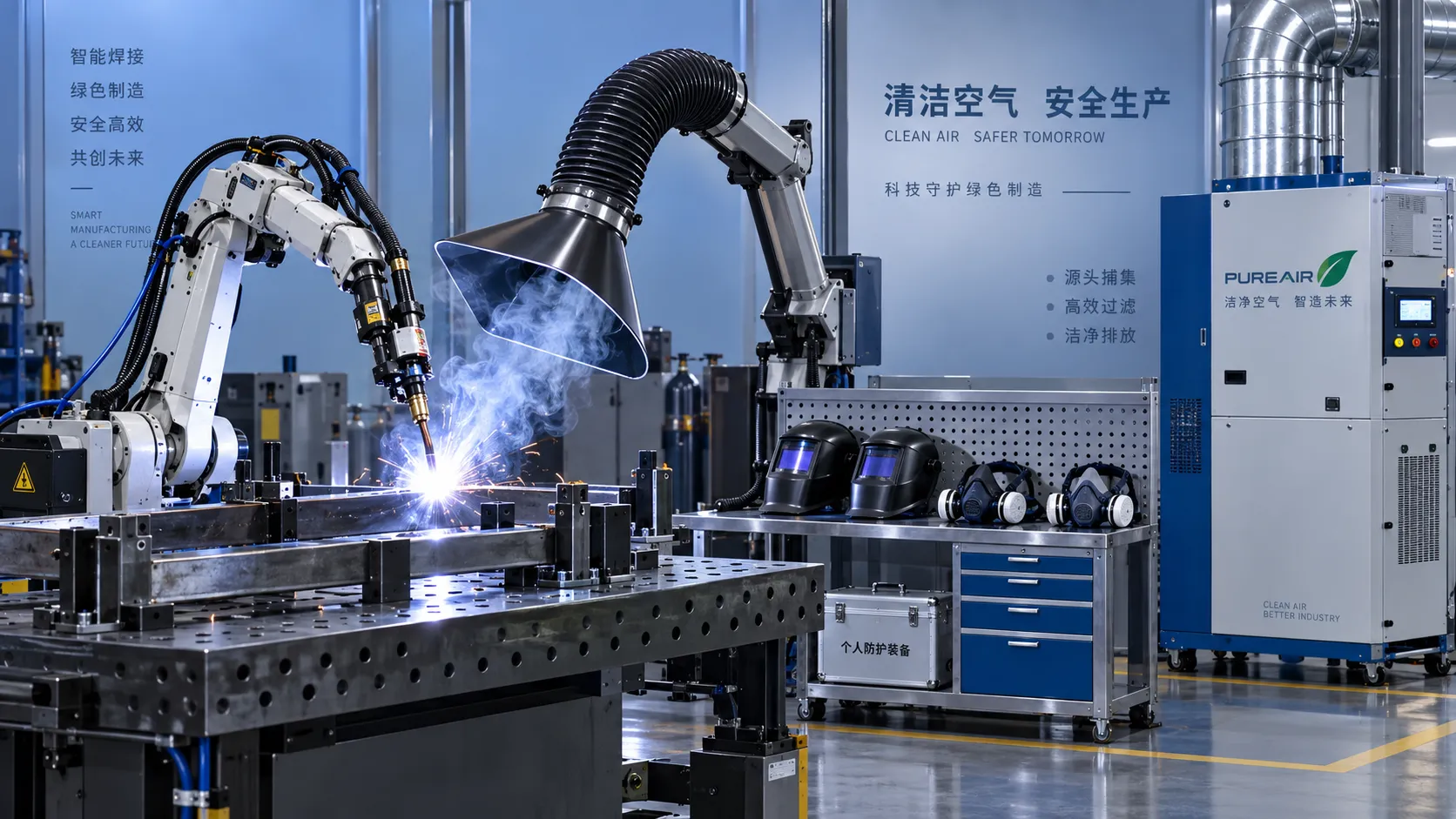
Welding Fume Extraction PPE: When Respirators Are Not Enough for Shop Safety
Welding fume extraction PPE: learn why respirators alone fall short and how source capture, ventilation, and layered controls improve shop safety.
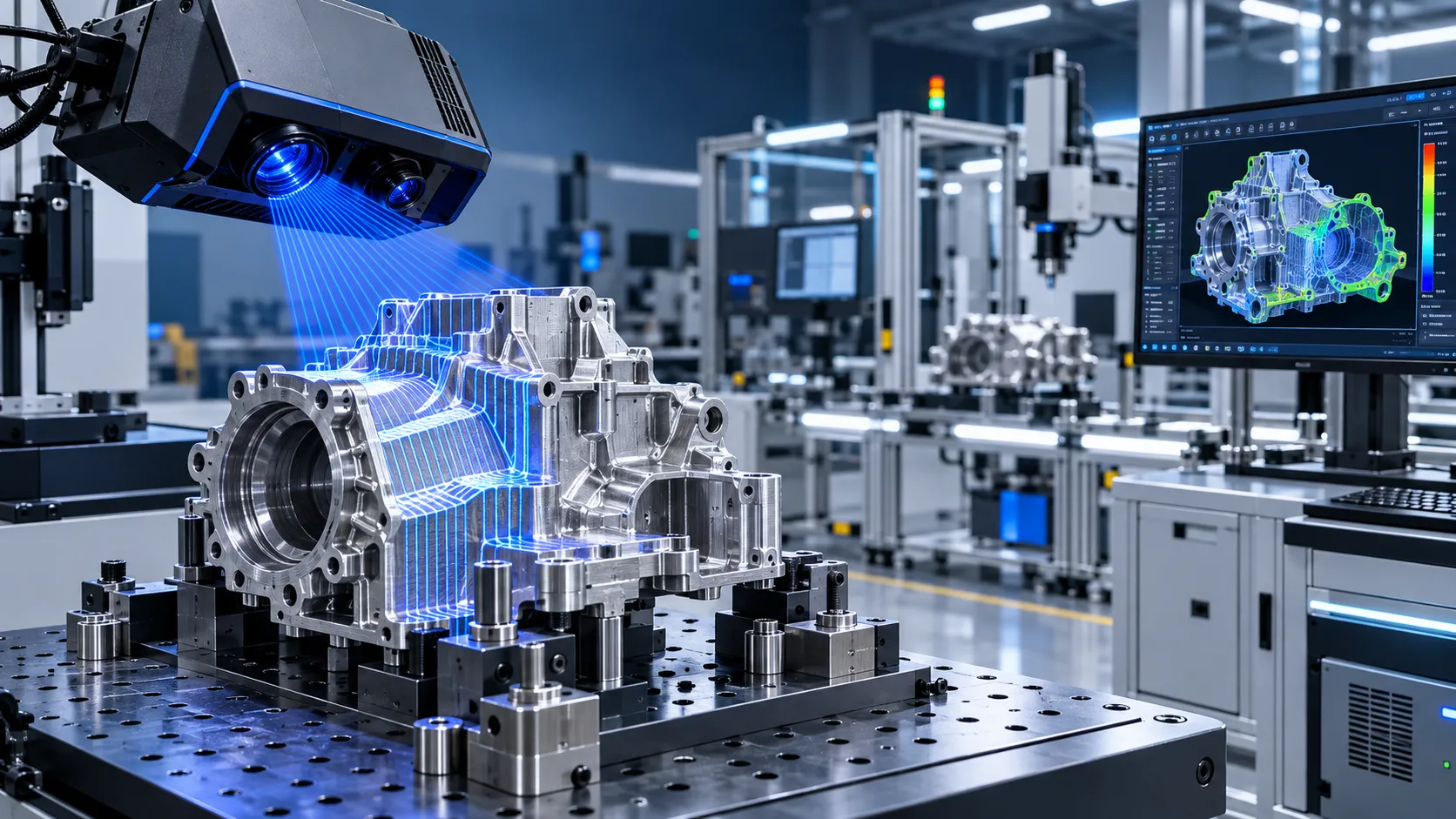
How to Select Optical Metrology Solutions for Tight-Tolerance Manufacturing
Optical industrial metrology solutions for tight-tolerance manufacturing: evaluate accuracy, surface compatibility, workflow, and traceability to select with confidence.
Related News
- 00
0000-00
How to Compare Industrial Tool Suppliers for Quality, Lead Time, and Total Cost - 00
0000-00
How to Evaluate a Technology Integration Service Provider for Complex Projects - 00
0000-00
Product Comparison Resources in Europe: How Buyers Can Verify Specs and Suppliers - 00
0000-00
How to Evaluate an Industrial Metrology Solution Manufacturer for Production Use - 00
0000-00
How to Evaluate a Metal Joining Solutions Factory for Quality, Capacity, and Delivery Risk
Dr. Alistair Vaughn
Weekly Insights
Stay ahead with our curated technology reports delivered every Monday.