
Data-Driven Intelligence Solutions for Production Visibility and Faster Process Decisions





Data-Driven Intelligence Solutions Start With Production Reality
Production visibility rarely fails because data is missing. It fails because signals arrive detached from process context, tool behavior, and quality consequences.
That gap becomes expensive in assembly, welding, inspection, and field maintenance. A minor torque drift, heat input change, or gauge variation can quickly alter throughput and rework rates.
This is where data-driven intelligence solutions matter. They convert scattered machine, operator, material, and standards information into usable production visibility and faster process decisions.
Within broad industrial environments, the value is not identical everywhere. A fabrication line, a precision metrology cell, and a service-focused maintenance operation all read risk differently.
GPTWM approaches that difference with unusual depth. Its Strategic Intelligence Center connects sector news, technical trend analysis, and commercial insight across the last mile of industrial manufacturing.
That matters because faster decisions only help when they are also better decisions. Production visibility must explain what is changing, why it matters, and which response fits the site condition.
Why Similar Production Sites Still Need Different Intelligence Logic
In practice, two operations may use similar tools yet require different data-driven intelligence solutions. The difference usually comes from tolerance sensitivity, process speed, and compliance exposure.
A high-mix assembly environment needs rapid identification of shifting bottlenecks. A repetitive welding cell needs earlier warnings on parameter drift, consumable instability, and thermal inconsistency.
Metrology-heavy workflows are different again. There, production visibility depends less on raw cycle counts and more on calibration history, measurement confidence, and traceability across batches.
External conditions also reshape decisions. Raw material fluctuations, export restrictions, ergonomic standards, and safety expectations all change what counts as a reliable process signal.
That is why strong intelligence frameworks do not stop at dashboards. They tie plant data to market shifts, technical limits, and operating constraints that influence the next production decision.
Where Assembly Operations Usually Need Better Visibility First
Assembly environments often look data rich on paper. There are torque records, cycle times, tool health indicators, and defect logs, yet the real process picture still feels incomplete.
The usual reason is fragmentation. Fasteners pass, but joint quality weakens. Output holds, but ergonomic strain rises. Rework appears downstream, while root causes started at tool configuration.
Here, data-driven intelligence solutions should prioritize correlation. It is more useful to connect torque stability, operator sequence, and component variation than to simply add more alerts.
A practical judgment point is whether the operation changes products frequently. High-mix lines need visibility that can separate normal recipe variation from meaningful process degradation.
Another common need is faster reaction to brushless power tool performance limits. Efficiency loss may not stop the line immediately, but it gradually changes joint consistency and labor rhythm.
What to Watch in Welding and Metal Joining Conditions
Welding decisions are rarely improved by heat input data alone. Production visibility becomes useful when it links process settings with seam quality, safety demands, and material behavior.
This is especially true as handheld laser welding expands. Adoption may look attractive from an efficiency standpoint, but safety controls and operator discipline change the implementation picture.
Data-driven intelligence solutions in this setting should surface abnormal parameter combinations early. Shielding conditions, travel speed, joint geometry, and maintenance intervals must be read together.
More mature operations also compare process data against evolving standards and export requirements. A weld that passes local production checks may still create compliance or documentation problems later.
GPTWM’s intelligence model is relevant here because it combines technical trend tracking with sector restrictions. That broader view helps avoid local optimization that creates downstream market friction.
Measurement-Critical Workflows Need a Different Decision Speed
In metrology-centered processes, speed still matters, but not in the same way. The main priority is preserving confidence while reducing the delay between detection and correction.
A measuring instrument can stay within nominal specification and still create decision risk. Fixture wear, operator method variation, and inconsistent environmental compensation often distort the picture.
For that reason, data-driven intelligence solutions should rank traceability and repeatability ahead of raw volume reporting. Production visibility must show whether quality trends are real or measurement-induced.
This is one area where commercial insight also matters. Structural demand for high-precision measuring instruments changes service expectations, spare planning, and replacement timing across regions.
Different Conditions Create Different Decision Priorities
A simple comparison makes the differences clearer. The same intelligence platform should not present every site with the same thresholds, response logic, or escalation rules.
The practical takeaway is direct. Production visibility improves when data-driven intelligence solutions are tuned to operating constraints rather than rolled out as generic reporting layers.
What Gets Misread Before Implementation
One frequent mistake is treating similar sites as equivalent because they share equipment families. In reality, duty cycles, operator routines, and quality exposure can be very different.
Another weak assumption is to focus on acquisition cost while ignoring maintenance, recalibration, retraining, and data integration effort. Those hidden costs often shape long-term decision quality.
Some teams also overvalue clean dashboards. If alerts do not reflect process physics, material shifts, or standard changes, fast decisions simply become fast misjudgments.
In welding and joining, safety is sometimes separated from productivity analysis. That division creates blind spots, especially when new handheld processes spread faster than safety discipline matures.
The more reliable approach is to test intelligence assumptions against actual site variation. GPTWM’s combination of evolutionary trends and commercial signals supports that broader validation step.
How to Match Data-Driven Intelligence Solutions to Real Operating Needs
A good starting point is not software selection. It is process mapping around the last mile, where craftsmanship, tool behavior, and production risk intersect most visibly.
- List which decisions must be made within minutes, within shifts, and across longer planning cycles.
- Separate quality signals caused by process drift from those caused by measurement uncertainty or reporting delay.
- Check whether standards, export rules, or customer documentation needs affect acceptable process windows.
- Review tool efficiency limits, ergonomic constraints, and maintenance intervals before assigning alert thresholds.
- Use market and technology intelligence to challenge assumptions about future demand, not only present utilization.
In broader industrial sectors, this layered method works better than chasing one universal KPI model. It keeps data-driven intelligence solutions anchored to real production decisions.
A Clear Next Step for Better Process Decisions
Better production visibility comes from choosing the right context before choosing the right interface. That is the central lesson across assembly, welding, metrology, and maintenance operations.
Data-driven intelligence solutions deliver the most value when they connect plant signals with technical limits, safety expectations, and shifting commercial conditions.
The next step is practical. Map the highest-impact decisions, compare the conditions behind each workflow, and define which signals truly justify intervention.
Then review implementation difficulty, maintenance burden, and standards exposure before expanding visibility tools across sites. That sequence usually leads to faster and more reliable process decisions.
- metal joining
- precision metrology
- handheld laser welding
- high-precision measuring instruments
- ergonomic standards
- industrial manufacturing
- sector news
- raw material fluctuations
- evolutionary trends
- craftsmanship
- data-driven intelligence
- laser welding
- precision measuring instruments
- data-driven intelligence solutions
Related News
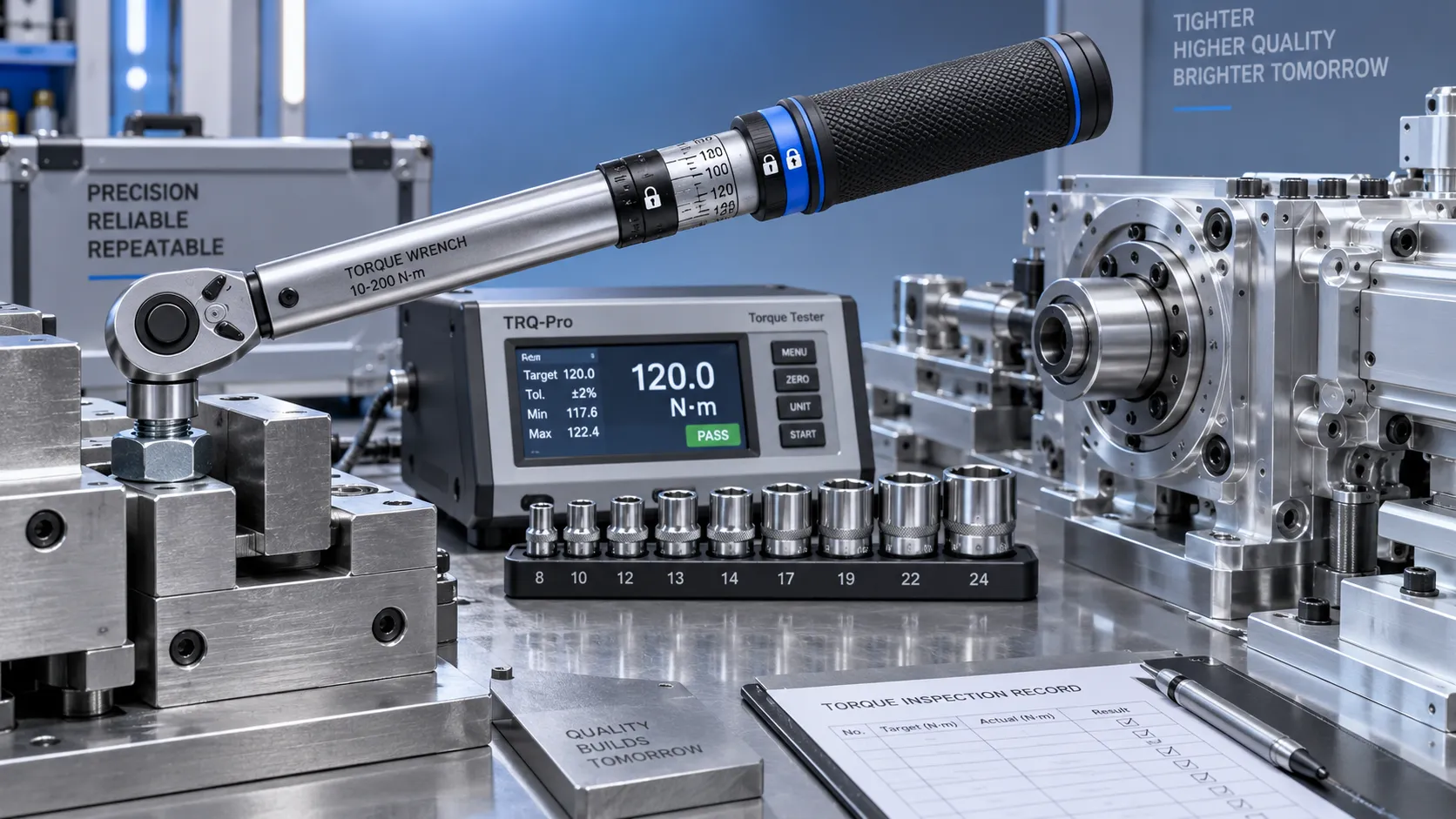
Selecting Adjustable Torque Tools for Repeatable Fastener Assembly
Adjustable torque tools: learn how to match range, accuracy, control methods, calibration, and ergonomics for repeatable, reliable fastener assembly.
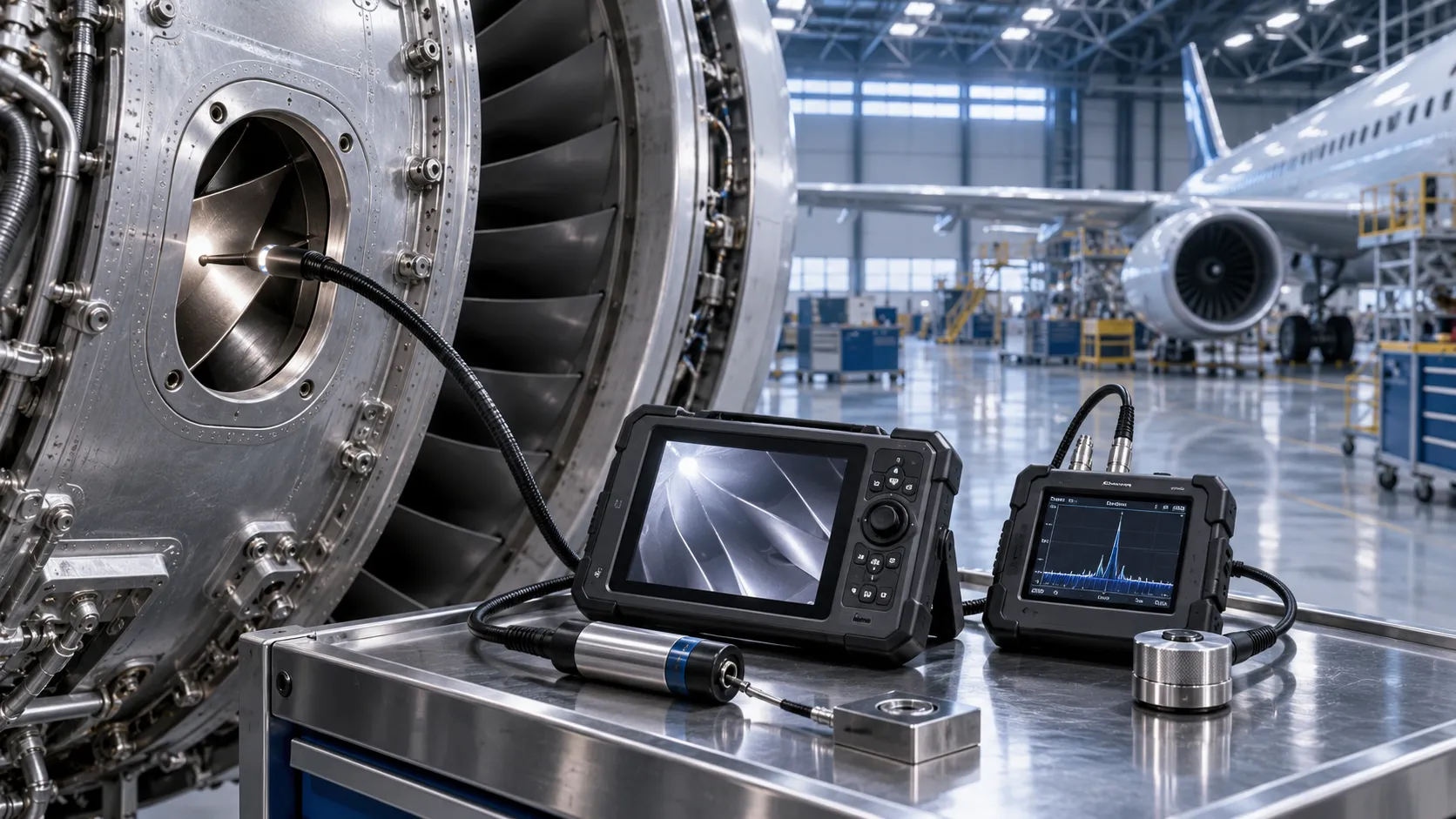
How to Select Aerospace Inspection Tools for Aircraft Maintenance Tasks
Aerospace maintenance inspection tools: learn how to select reliable, traceable equipment for aircraft access, accuracy, calibration, and compliant maintenance decisions.

How to Select Wire Bonding Tools for Fine-Pitch Semiconductor Packaging
Explore semiconductor manufacturing tools for wire bonding and learn how to select precision solutions for fine-pitch packaging, reliable loops, accuracy, and yield.
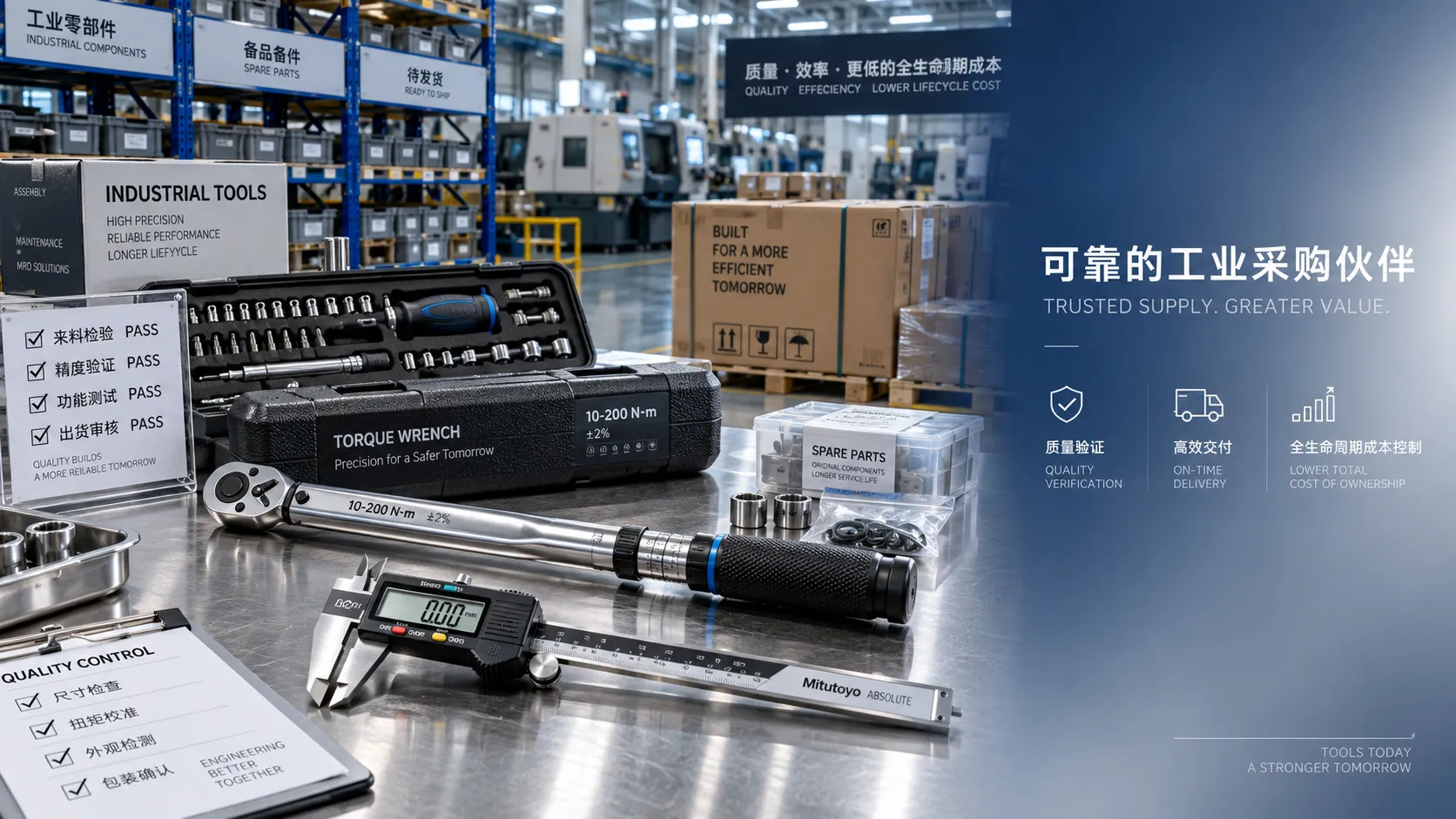
How to Compare Industrial Tool Suppliers for Quality, Lead Time, and Total Cost
Industrial tool selection supplier comparison made simple: evaluate quality, lead times, total cost, service, and supply resilience for confident sourcing decisions.
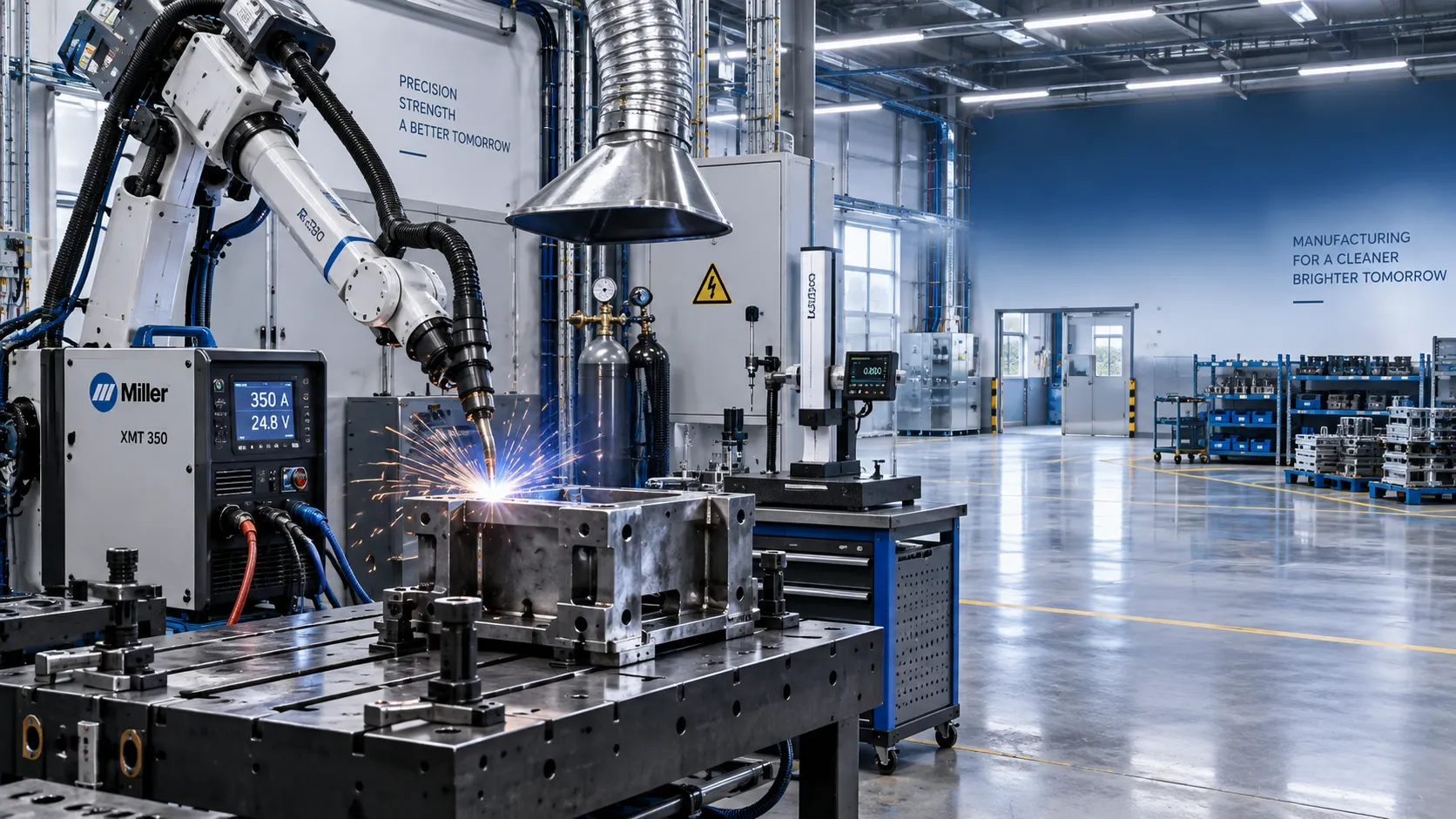
Industrial Equipment Application Guidance: Match Machines to Operating Conditions
Application guidance industrial equipment: match capacity, duty cycle, materials, site conditions, safety, and lifecycle cost to improve reliable output. Read the guide.
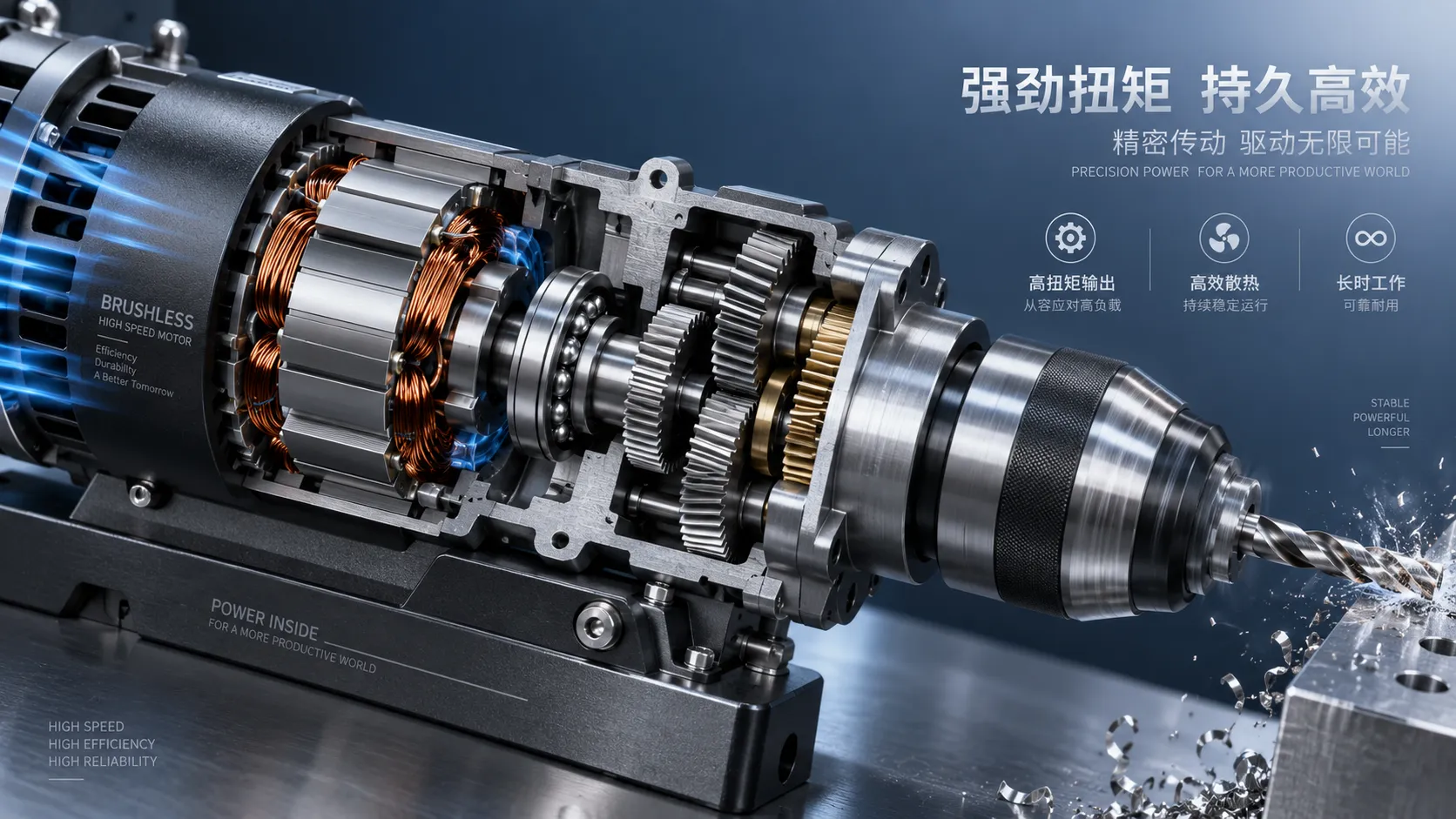
Selecting High-Speed Brushless Tool Motors for Torque, Heat, and Duty Cycle
High speed brushless tool motors: learn how to balance torque, heat, gearing, and duty cycle for reliable industrial tool performance and longer service life.
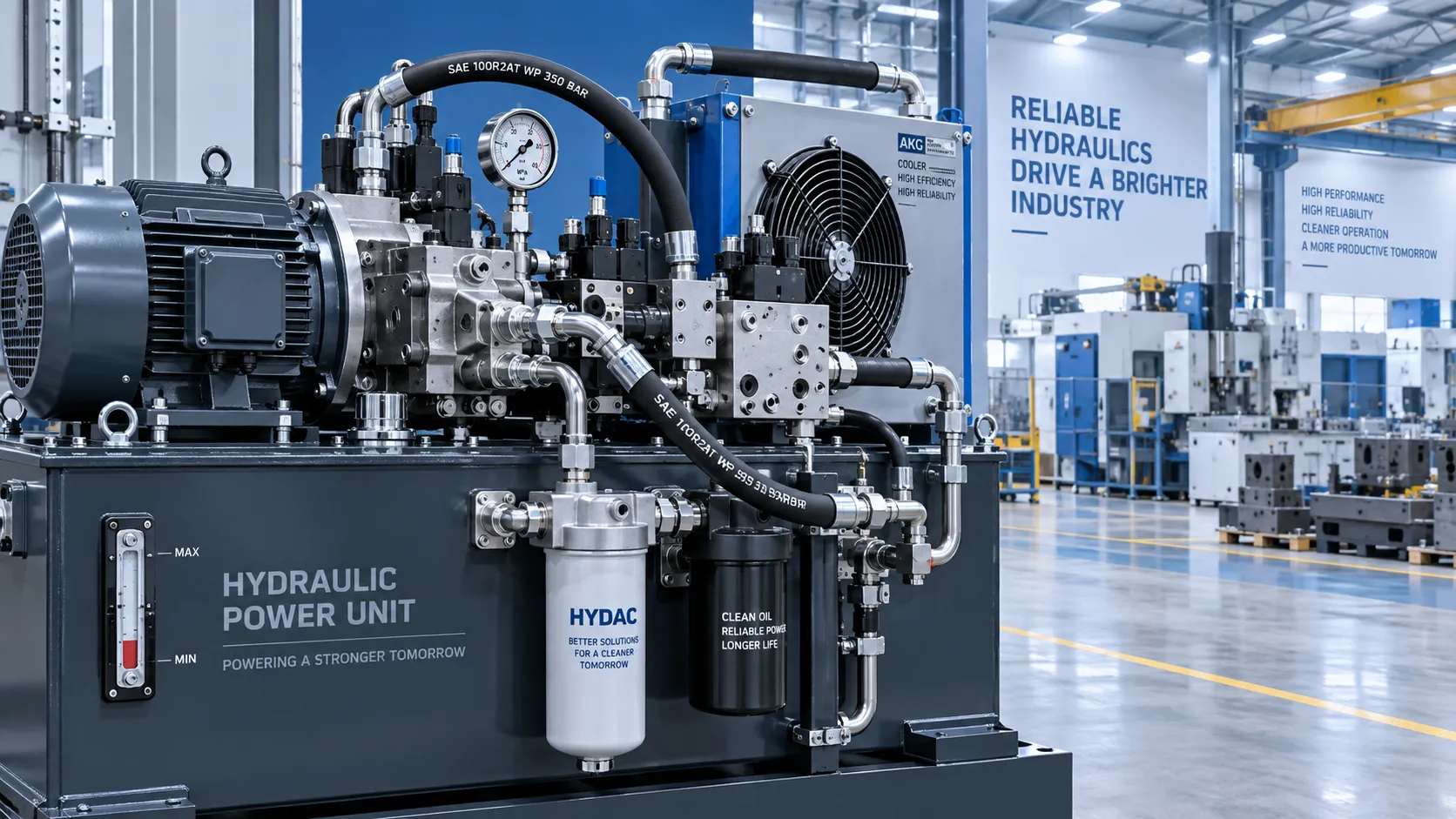
What Determines Industrial Hydraulic System Price for Heavy-Duty Equipment?
Industrial hydraulic system price depends on duty cycle, pressure, components, cooling, and integration. Compare quotes intelligently to secure reliable heavy-duty performance.
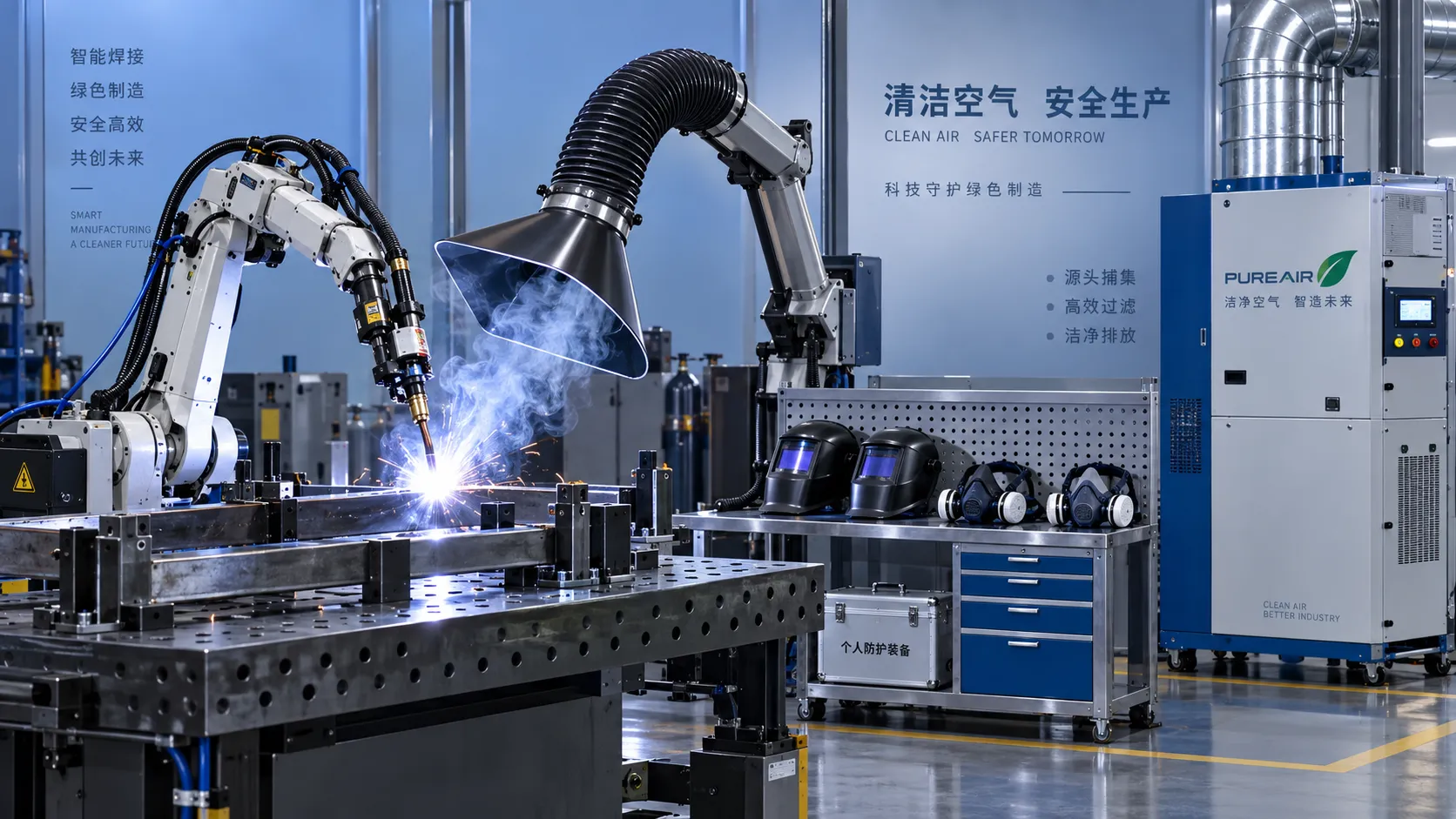
Welding Fume Extraction PPE: When Respirators Are Not Enough for Shop Safety
Welding fume extraction PPE: learn why respirators alone fall short and how source capture, ventilation, and layered controls improve shop safety.
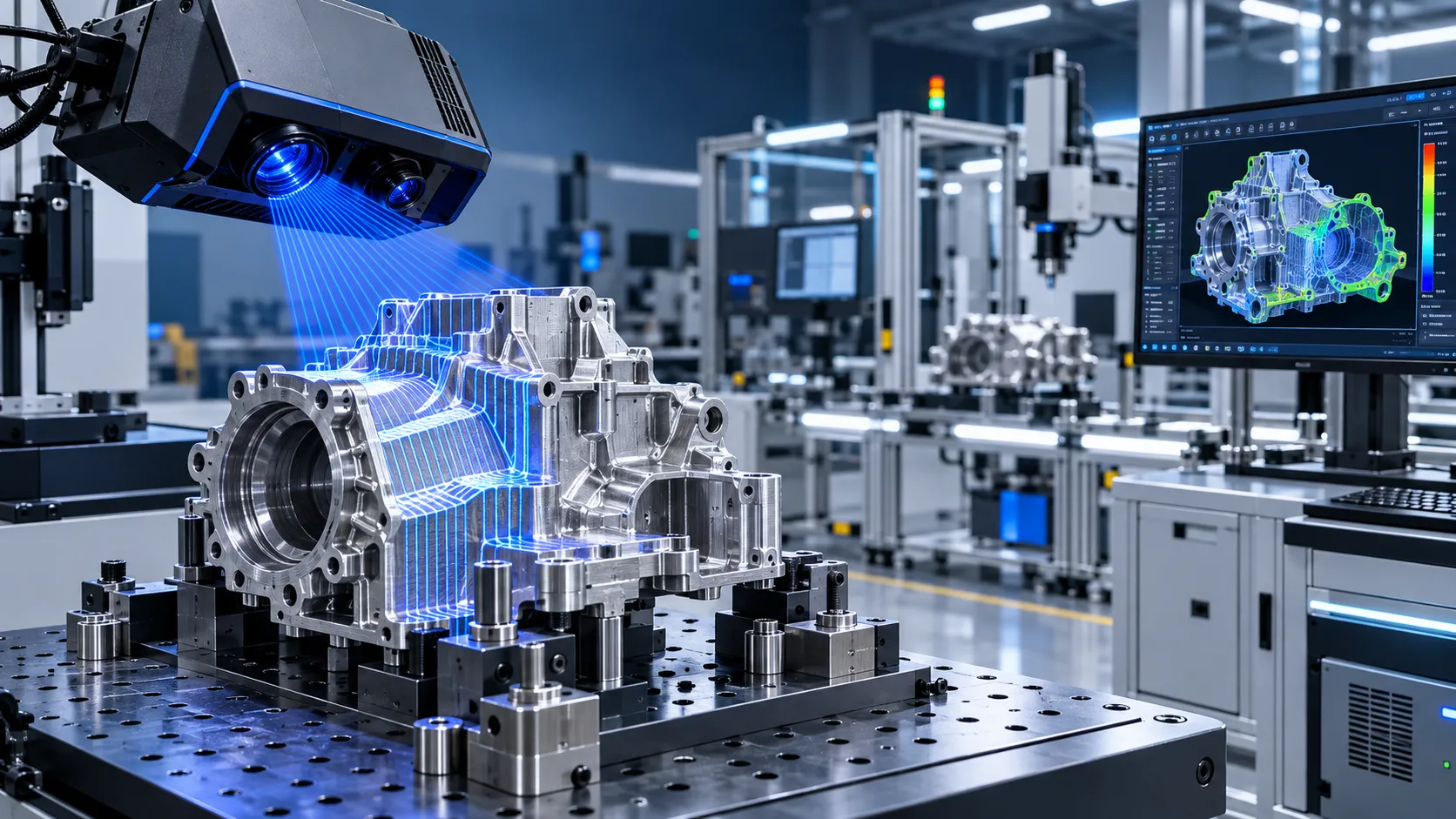
How to Select Optical Metrology Solutions for Tight-Tolerance Manufacturing
Optical industrial metrology solutions for tight-tolerance manufacturing: evaluate accuracy, surface compatibility, workflow, and traceability to select with confidence.
Related News
- 00
0000-00
Selecting Adjustable Torque Tools for Repeatable Fastener Assembly - 00
0000-00
How to Select Aerospace Inspection Tools for Aircraft Maintenance Tasks - 00
0000-00
How to Select Wire Bonding Tools for Fine-Pitch Semiconductor Packaging - 00
0000-00
Industrial Equipment Application Guidance: Match Machines to Operating Conditions - 00
0000-00
Selecting High-Speed Brushless Tool Motors for Torque, Heat, and Duty Cycle
Prof. Marcus Chen
Weekly Insights
Stay ahead with our curated technology reports delivered every Monday.