
Smart Manufacturing for Automation Explained: Where It Fits and What It Requires





Why is smart manufacturing for automation getting so much attention now?
Smart manufacturing for automation has moved beyond pilot-stage curiosity. It now shapes how industrial businesses respond to cost pressure, quality drift, labor gaps, and supply uncertainty.
The main shift is practical. Companies are no longer asking whether automation matters. They are asking where smart manufacturing for automation creates measurable advantage without disrupting core output.
In plain terms, it combines automated equipment with connected data, process visibility, and decision rules. The goal is not automation alone. The goal is repeatable performance.
That matters across assembly, welding, inspection, packaging, maintenance, and material handling. In each case, the value comes from linking machine action with process intelligence.
This is also why industry platforms such as GPTWM watch the topic closely. The last mile of manufacturing often depends on tool behavior, joint quality, torque control, measurement accuracy, and operator-machine coordination.
When those points become visible through data, smart manufacturing for automation starts supporting better planning, safer execution, and more stable global operations.
What does smart manufacturing for automation actually include?
A common misunderstanding is that it only means robots on a production line. In reality, the scope is wider and often more useful than that narrow image.
It usually includes connected machines, industrial sensors, production software, traceability systems, digital work instructions, and quality feedback loops.
In actual deployment, three layers tend to matter most:
- Physical automation: robots, CNC equipment, conveyors, welding systems, torque tools, vision inspection, and automated test stations.
- Digital connection: PLC data, MES, ERP links, machine monitoring, condition tracking, and production dashboards.
- Operational intelligence: alarms, adaptive settings, predictive maintenance, statistical quality control, and faster root-cause analysis.
For example, an automated welding cell becomes “smart” when weld parameters, safety checks, operator permissions, and defect trends are captured and used to adjust performance.
The same logic applies to precision metrology. Measuring instruments create far more value when inspection results feed directly into process correction instead of staying in isolated reports.
That is where smart manufacturing for automation fits best: at the point where machine execution and operational learning reinforce each other.
Where does it fit best in a production system?
Not every process deserves the same level of automation. A better question is where variation, downtime, safety risk, or traceability pressure justify smarter control.
The strongest use cases often appear in repetitive, high-consequence, or data-sensitive steps. These areas usually deliver clearer payback and lower implementation ambiguity.
In broader industrial settings, fit is strongest when the process has repeatable logic but still suffers hidden variation. That includes power tools, hydraulic systems, laser welding, and calibrated measurement workflows.
GPTWM’s sector tracking reflects this pattern. The most relevant developments often sit where craftsmanship meets digital control rather than where full lights-out manufacturing is promised.
What does it require before implementation starts?
Many initiatives fail before hardware is even installed. The reason is simple: smart manufacturing for automation depends on operational readiness, not just capital spending.
Four requirements usually decide whether a project scales or stalls.
1. Process clarity
If the current process is unstable, automation may only make errors happen faster. Baseline cycle times, failure modes, quality checkpoints, and rework causes must be known.
2. Usable data
Not all machine data is decision-ready. Good projects define which variables matter, how frequently they are captured, and who acts on them.
3. Equipment compatibility
Legacy assets can still be part of smart manufacturing for automation, but interface limits must be checked early. Communication protocols, retrofit options, and safety controls affect scope.
4. Governance and skills
Someone must own parameter changes, alarm thresholds, calibration discipline, and access permissions. Without that, system intelligence turns into unmanaged complexity.
This is especially relevant in sectors using precision tools and joining technologies. A connected torque system or laser welding setup needs technical rules, not only digital dashboards.
A useful planning method is to test readiness through a short checklist:
- Is the target process stable enough to standardize?
- Can equipment data be captured consistently?
- Are quality limits clearly defined and traceable?
- Is there a response plan for alerts and exceptions?
- Have cybersecurity and export-control constraints been reviewed?
How is smart manufacturing for automation different from traditional automation?
Traditional automation focuses on repeating tasks. Smart manufacturing for automation focuses on repeating tasks while learning from outcomes and adjusting decisions.
That difference sounds subtle, but it changes investment logic. A conventional system may hit output targets while hiding scrap patterns, tool wear, or parameter drift.
A smarter system aims to expose those patterns early. It links execution with traceability, analysis, and intervention.
Consider the contrast below.
This distinction matters when reviewing ROI. The return may come less from headcount reduction and more from yield stability, auditability, and resilience under changing demand.
What are the most common mistakes when evaluating it?
One mistake is starting with technology enthusiasm instead of process economics. The better starting point is a constrained process with visible business loss.
Another is assuming all data creates value. In practice, too much low-quality data can delay response and weaken accountability.
There is also a recurring gap between pilot success and plant-wide adoption. A cell may perform well locally but fail to scale if naming rules, integration standards, and maintenance routines differ across sites.
Need-to-watch risks usually include:
- Buying equipment before defining the decision workflow.
- Ignoring calibration and metrology discipline.
- Underestimating operator training in safety-critical processes.
- Treating software integration as a minor final step.
- Using ROI models that exclude downtime, scrap containment, and compliance value.
This is where industry intelligence becomes useful. GPTWM’s coverage of export standards, tool design evolution, and IoT torque systems reflects the wider reality that implementation decisions are shaped by both factory needs and market constraints.
So how should the next step be judged?
A sound next step is rarely a full transformation program. More often, it is a focused decision on one process family, one plant constraint, and one measurable outcome.
For many operations, smart manufacturing for automation is best judged through a narrow business case: fewer defects, shorter changeovers, improved traceability, safer welding, or more stable torque compliance.
A practical decision path usually looks like this:
- Map the process where quality loss or manual variability is most expensive.
- Define the data needed to control that process, not every data point available.
- Check equipment interfaces, calibration demands, and safety obligations.
- Set success metrics that include throughput, rework, downtime, and governance effort.
- Review external signals such as standards, supply trends, and technology maturity.
Smart manufacturing for automation works best when it strengthens discipline already needed on the shop floor. It is not a substitute for process knowledge. It is a framework for making that knowledge visible, scalable, and economically useful.
The most reliable progress comes from aligning automation choices with process evidence, metrology confidence, and clear ownership. That is usually the point where investment becomes strategy rather than experiment.
Related News
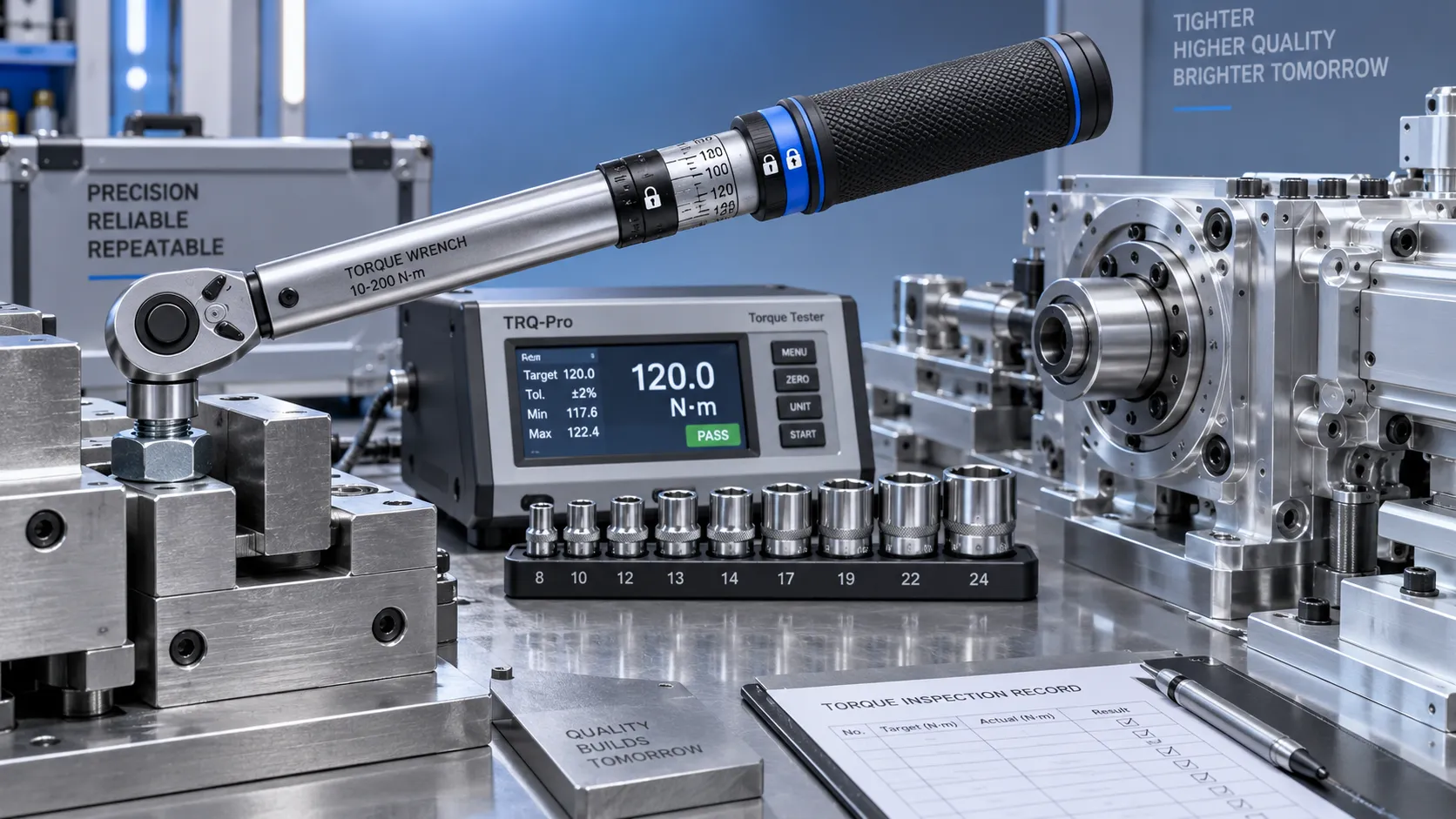
Selecting Adjustable Torque Tools for Repeatable Fastener Assembly
Adjustable torque tools: learn how to match range, accuracy, control methods, calibration, and ergonomics for repeatable, reliable fastener assembly.

How to Select Aerospace Inspection Tools for Aircraft Maintenance Tasks
Aerospace maintenance inspection tools: learn how to select reliable, traceable equipment for aircraft access, accuracy, calibration, and compliant maintenance decisions.
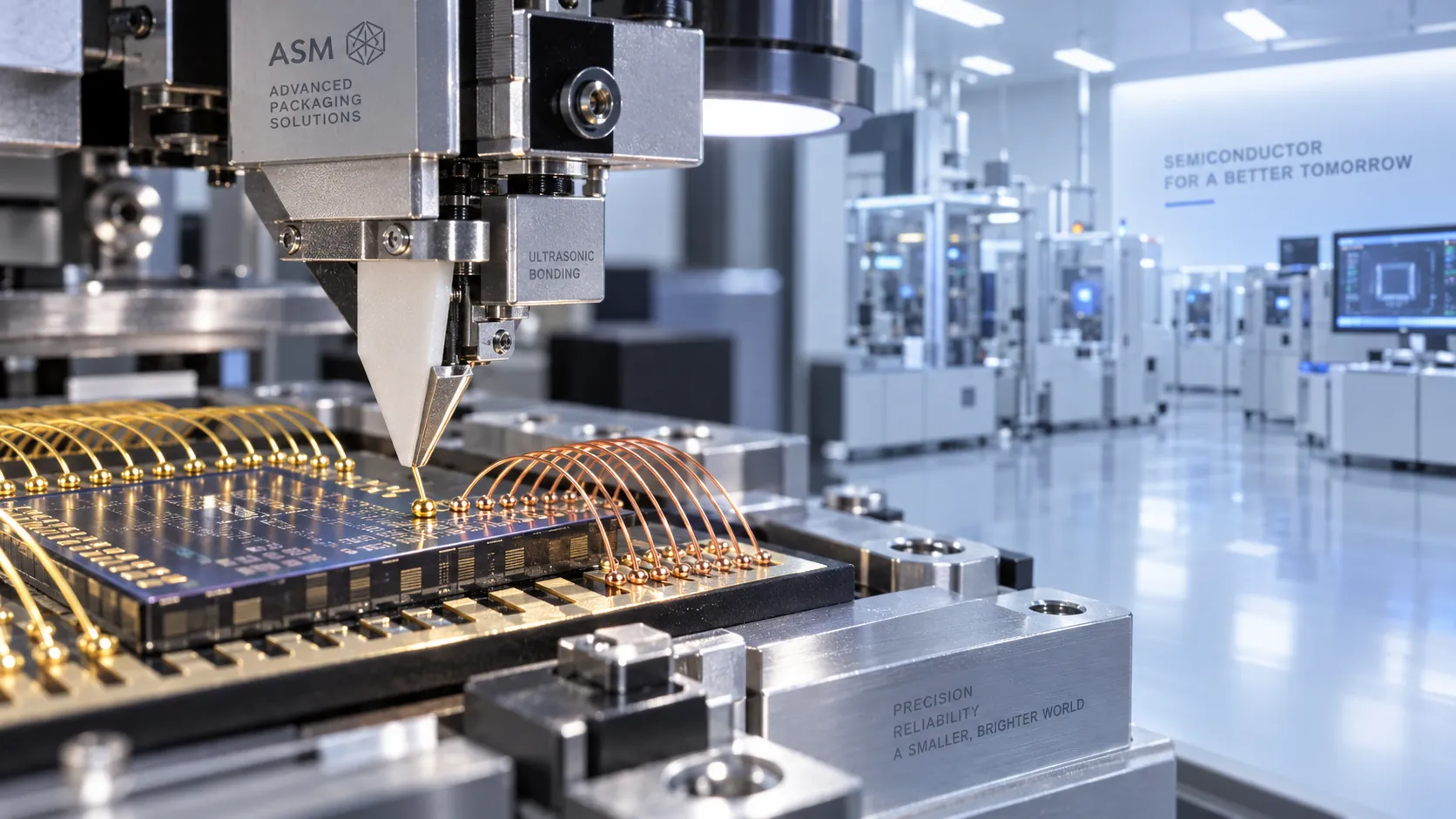
How to Select Wire Bonding Tools for Fine-Pitch Semiconductor Packaging
Explore semiconductor manufacturing tools for wire bonding and learn how to select precision solutions for fine-pitch packaging, reliable loops, accuracy, and yield.
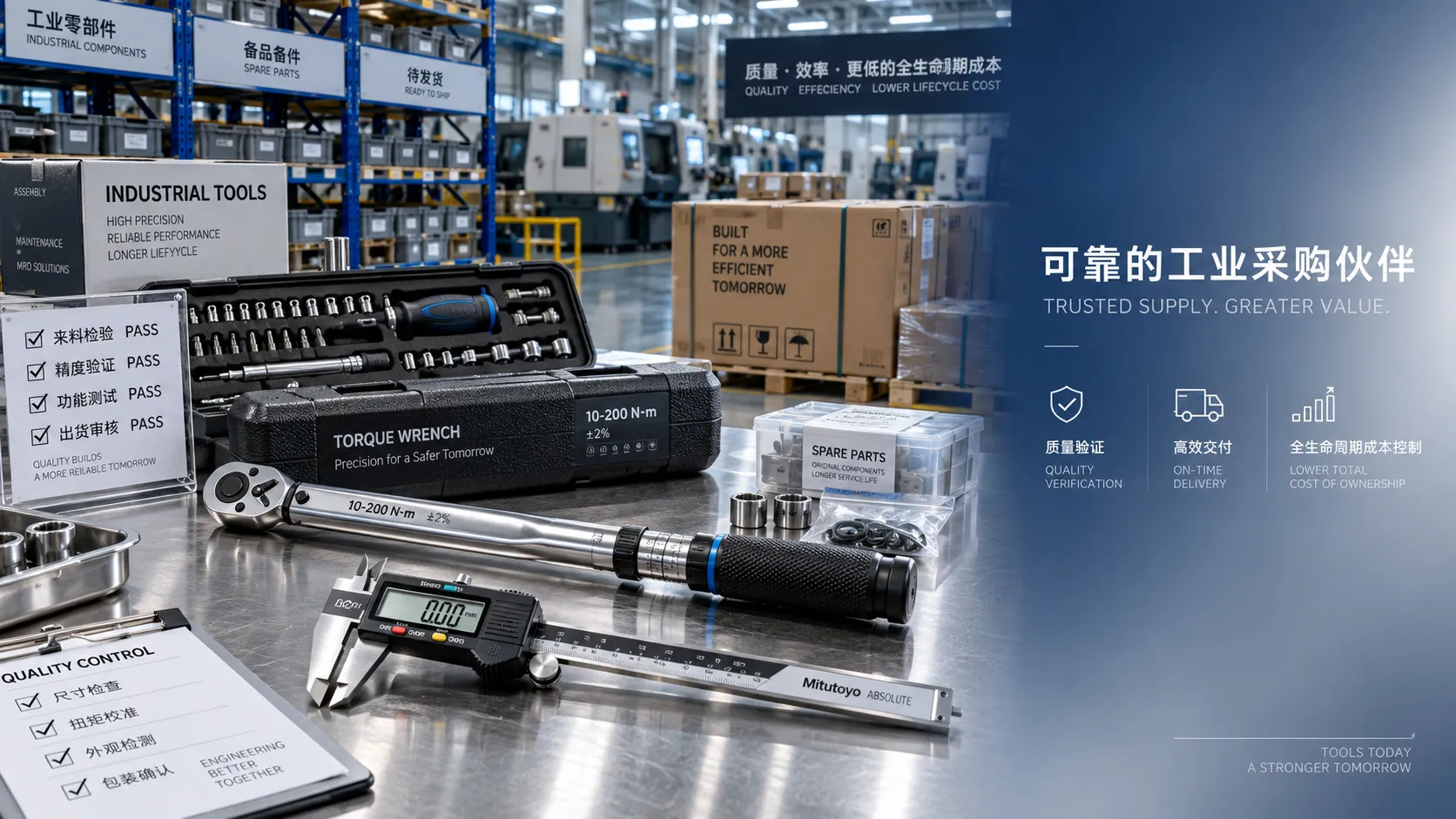
How to Compare Industrial Tool Suppliers for Quality, Lead Time, and Total Cost
Industrial tool selection supplier comparison made simple: evaluate quality, lead times, total cost, service, and supply resilience for confident sourcing decisions.
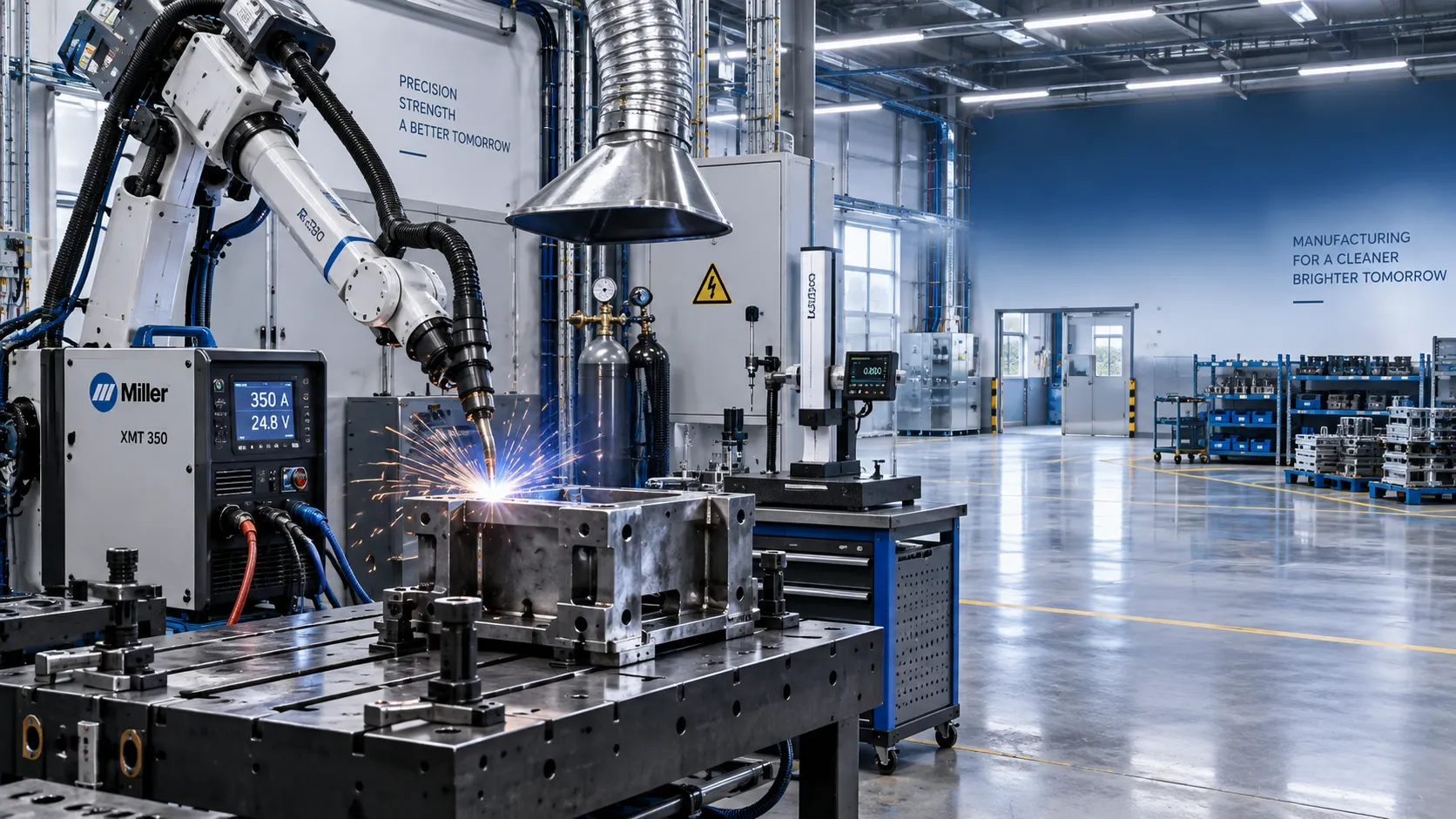
Industrial Equipment Application Guidance: Match Machines to Operating Conditions
Application guidance industrial equipment: match capacity, duty cycle, materials, site conditions, safety, and lifecycle cost to improve reliable output. Read the guide.
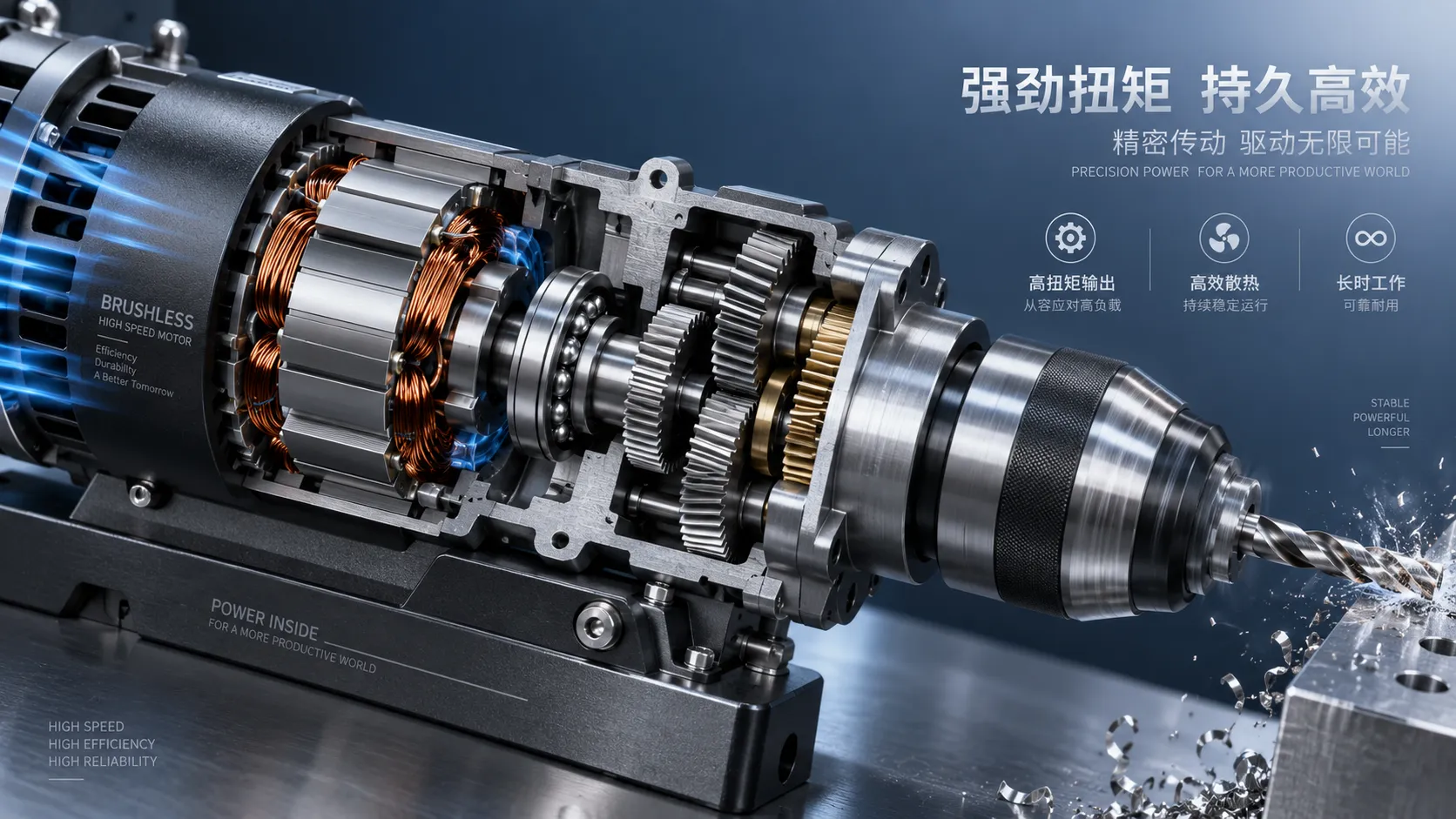
Selecting High-Speed Brushless Tool Motors for Torque, Heat, and Duty Cycle
High speed brushless tool motors: learn how to balance torque, heat, gearing, and duty cycle for reliable industrial tool performance and longer service life.
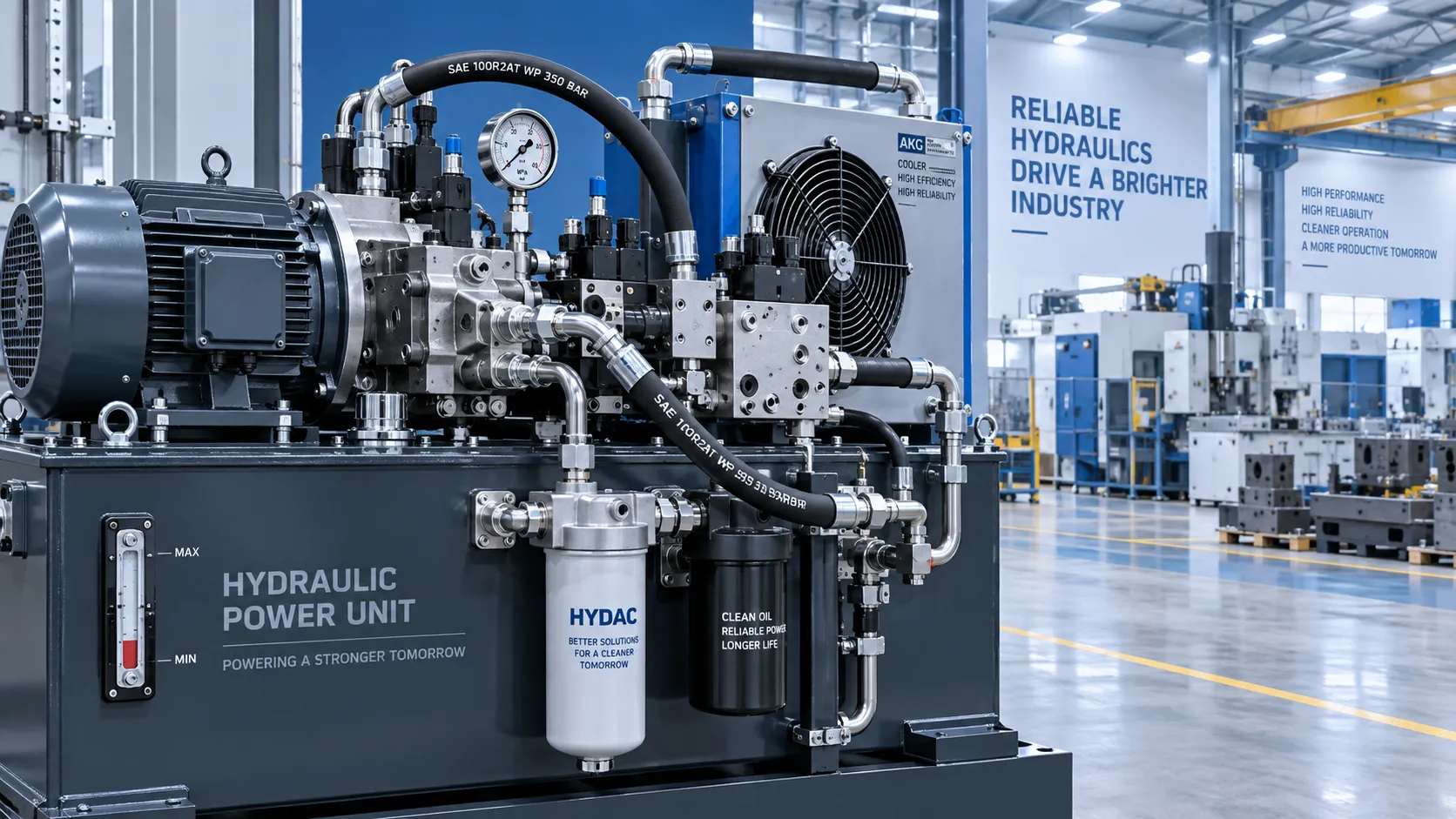
What Determines Industrial Hydraulic System Price for Heavy-Duty Equipment?
Industrial hydraulic system price depends on duty cycle, pressure, components, cooling, and integration. Compare quotes intelligently to secure reliable heavy-duty performance.
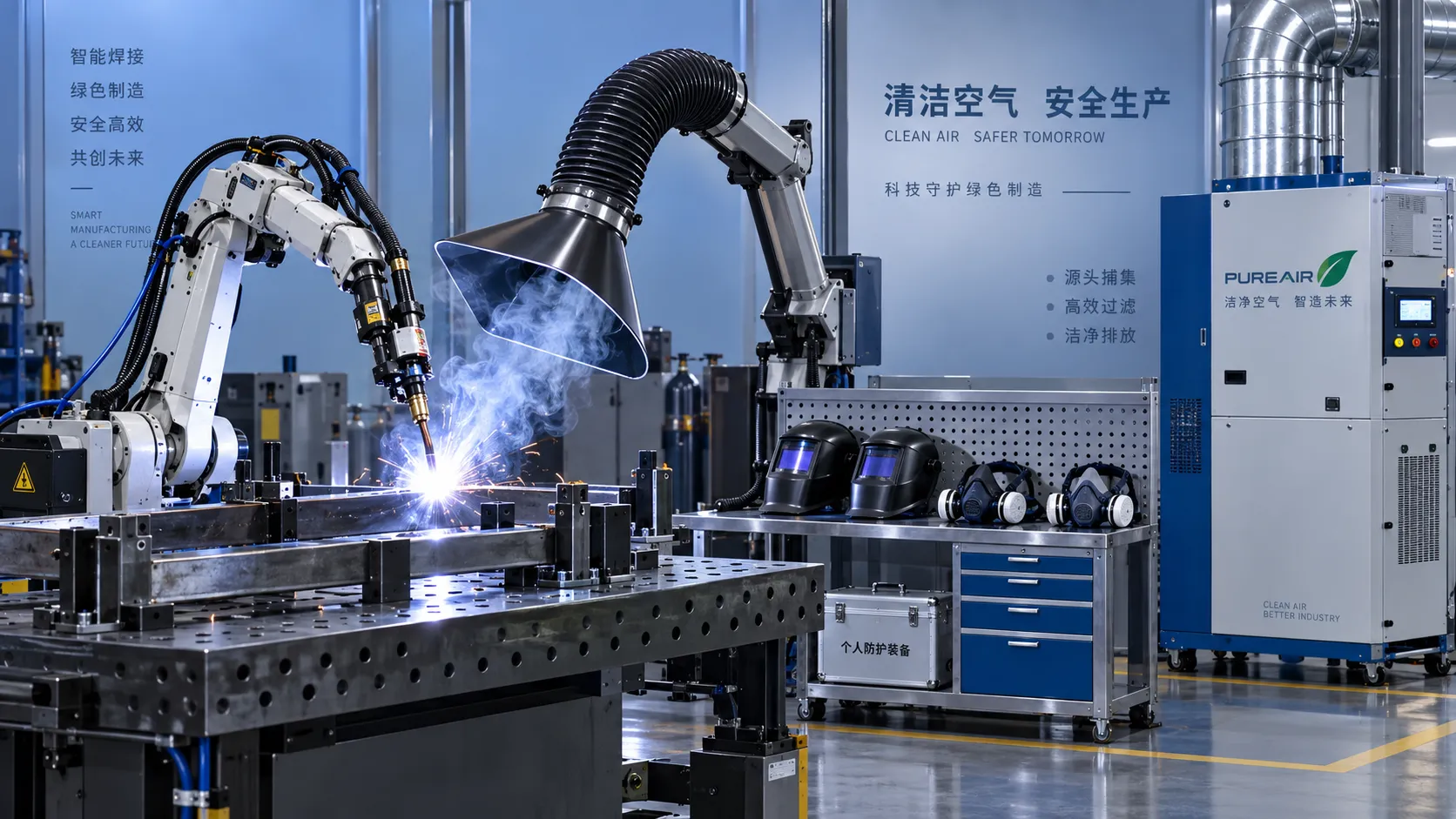
Welding Fume Extraction PPE: When Respirators Are Not Enough for Shop Safety
Welding fume extraction PPE: learn why respirators alone fall short and how source capture, ventilation, and layered controls improve shop safety.
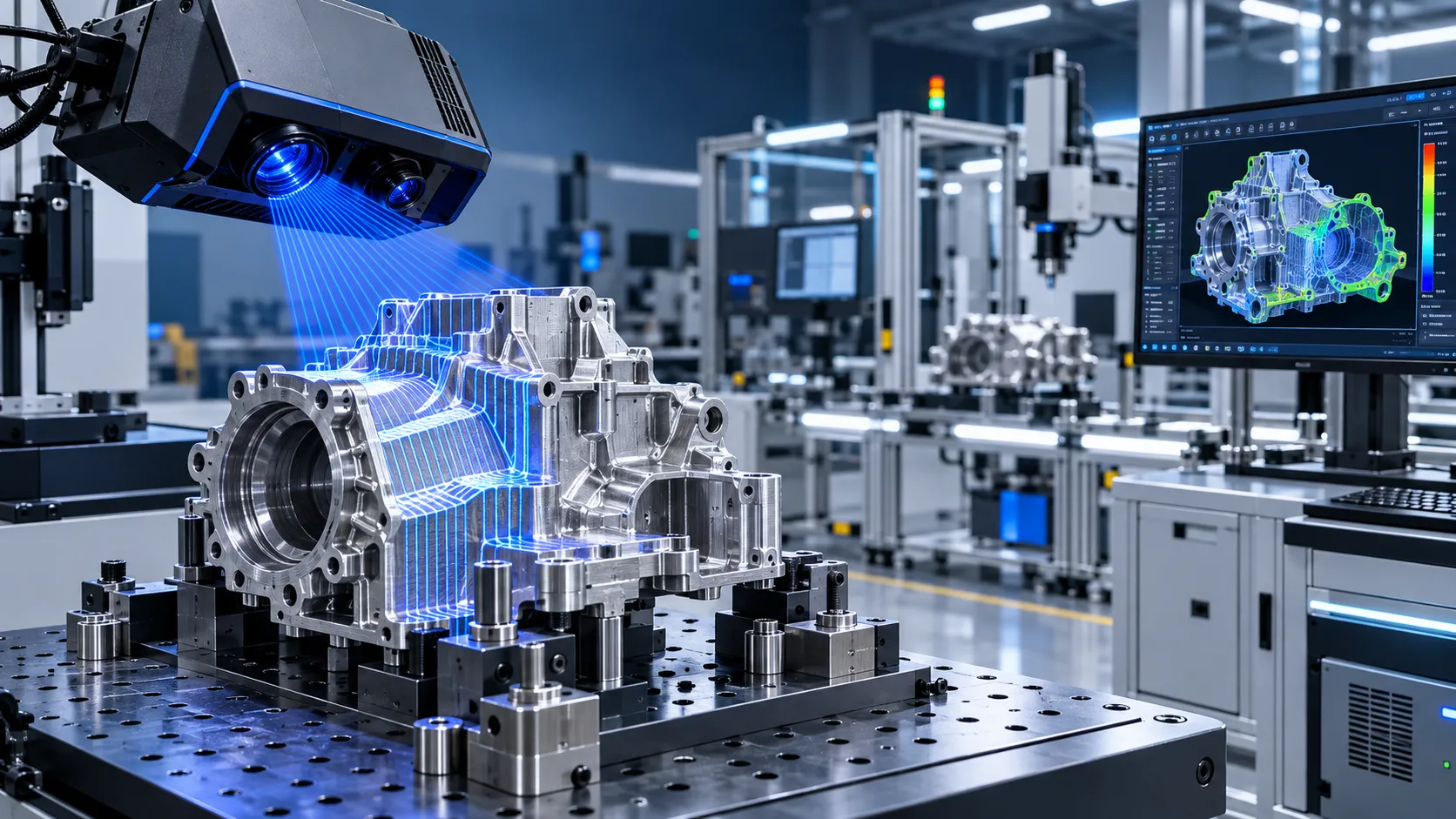
How to Select Optical Metrology Solutions for Tight-Tolerance Manufacturing
Optical industrial metrology solutions for tight-tolerance manufacturing: evaluate accuracy, surface compatibility, workflow, and traceability to select with confidence.
Related News
- 00
0000-00
Selecting Adjustable Torque Tools for Repeatable Fastener Assembly - 00
0000-00
How to Select Aerospace Inspection Tools for Aircraft Maintenance Tasks - 00
0000-00
How to Select Wire Bonding Tools for Fine-Pitch Semiconductor Packaging - 00
0000-00
Industrial Equipment Application Guidance: Match Machines to Operating Conditions - 00
0000-00
Selecting High-Speed Brushless Tool Motors for Torque, Heat, and Duty Cycle
Prof. Marcus Chen
Weekly Insights
Stay ahead with our curated technology reports delivered every Monday.