
How to Choose Welding Tools for Pipeline Work: Joint Type, Wall Thickness, and Site Conditions





Choosing welding tools for pipeline work is rarely a simple equipment purchase. Joint geometry, pipe wall thickness, access limits, weather exposure, power availability, and inspection requirements all shape what will actually perform well on site.
That is why the best welding tools for pipeline decisions are usually made upstream, before crews mobilize. A tool that looks efficient in a controlled workshop can become slow, unsafe, or inconsistent once field variables begin to stack up.
Across construction, energy, water infrastructure, and maintenance projects, the margin for error is narrow. Poor tool selection often shows up later as repair welds, delayed tie-ins, rejected joints, or avoidable downtime.
From the perspective of industrial intelligence platforms such as GPTWM, pipeline welding sits at the meeting point of craftsmanship, equipment design, and data-based planning. The practical question is not only which machine to buy, but which process-tool combination best fits the operating reality.
Why Pipeline Tool Choice Has Become More Critical
Pipeline work now faces tighter quality documentation, stricter export and project standards, and greater pressure on productivity. At the same time, labor availability and material costs remain unstable in many regions.
This raises the value of welding tools for pipeline applications that improve repeatability, reduce setup time, and support traceable performance. Tool choice increasingly affects schedule confidence as much as weld integrity.
Another change is the spread of intelligent power sources, brushless portable systems, and monitoring functions. These technologies can help, but only when matched to the real joint and site conditions instead of used as generic upgrades.
Start With the Joint, Not the Catalog
Joint type should anchor the selection process. Butt welds, branch connections, tie-ins, repair sections, and orbital welds impose very different demands on fit-up, heat control, torch access, and operator movement.
For straight butt joints in open access areas, mechanized or semi-automatic systems may deliver strong productivity. For congested locations or field repairs, compact manual setups often remain the more realistic option.
Root pass requirements matter early. If the joint calls for precise penetration control, equipment stability, wire feed consistency, and arc response become more important than headline output ratings.
Typical Tool Priorities by Joint Situation
Wall Thickness Changes the Process Window
Wall thickness is not just a material detail. It changes heat input strategy, pass count, deposition efficiency, bevel preparation, and the practical value of different welding tools for pipeline fabrication and repair.
Thin-wall pipe usually demands tighter control over distortion and burn-through. A lighter, more responsive system may outperform a larger unit if it gives cleaner starts and steadier low-amperage behavior.
Thicker sections shift the decision toward deposition rate, duty cycle, and thermal consistency over longer weld sequences. In those cases, underpowered equipment often creates hidden costs through slow fill passes and excessive cooling interruptions.
Preheat and interpass control also become more important as thickness rises. The selected tool must fit the full procedure, not just the arc source, including accessories for temperature verification and joint preparation.
What to Check When Thickness Increases
- Duty cycle under realistic ambient temperature
- Wire feed or electrode performance during long weld runs
- Compatibility with beveling, grinding, and fit-up tools
- Power stability on generators or temporary site supply
- Availability of calibrated measurement tools for heat control
Site Conditions Often Decide the Real Winner
A pipeline route can move from a controlled fabrication yard to a muddy trench, elevated rack, offshore section, or remote maintenance corridor. The same welding setup will not perform equally across those environments.
Weight, cable length, mobility, and weather resistance often matter as much as welding output. When access is difficult, a compact and durable tool package can outperform a technically stronger but less deployable system.
Wind exposure changes shielding reliability. Dust and moisture affect electronics and consumables. Limited power supply can restrict usable amperage. These are not secondary concerns; they directly influence weld acceptance rates.
For this reason, welding tools for pipeline projects should be evaluated as field systems rather than isolated machines. Carts, leads, generators, clamps, purge accessories, gauges, and protective storage all contribute to performance.
Field Conditions That Commonly Shift Tool Selection
Do Not Separate Welding From Measurement and Preparation
Many pipeline quality issues begin before the arc starts. Fit-up variation, poor bevel condition, weak alignment control, and inaccurate temperature checks can undermine even high-end welding tools for pipeline work.
This is where the broader GPTWM perspective is useful. Welding productivity depends on connected tool ecosystems, including measuring instruments, grinding and cutting tools, alignment devices, and inspection support.
In practical terms, a strong selection process reviews the full chain: joint preparation, welding, verification, and rework prevention. Precision metrology is not separate from welding efficiency; it is part of it.
A Practical Framework for Comparing Options
When comparing welding tools for pipeline projects, it helps to score each option against the actual work package instead of broad brand claims. The key is to measure fit, not popularity.
- Map tool choice to joint types expected across the project
- Separate workshop welding from field tie-in requirements
- Check thickness range against output, duty cycle, and pass strategy
- Review logistics, spare parts, and consumable continuity
- Confirm compliance with procedure qualification and inspection needs
- Test under likely site power and weather conditions
This approach usually reveals whether a tool is genuinely versatile or only suitable for a narrow operating window. It also helps avoid overinvesting in features that crews will rarely use.
Where Better Decisions Usually Begin
A reliable decision starts with a simple matrix: joint types, wall thickness bands, access constraints, site power, environmental exposure, and quality targets. Once those are clear, tool selection becomes much more defensible.
It is also worth comparing current field problems against tool limitations. Frequent root repairs, slow fill times, setup delays, or inconsistent weld records often point to a mismatch between process demands and equipment choices.
For organizations tracking industrial trends, the useful next step is not chasing every new welding format. It is building a decision standard for welding tools for pipeline work that can be updated as site conditions, codes, and technology evolve.
That standard should connect technical selection with commercial judgment. When the tool, the joint, and the field environment are aligned, weld quality improves, schedule risk falls, and the entire pipeline package becomes easier to control.
Related News
Selecting Adjustable Torque Tools for Repeatable Fastener Assembly
Adjustable torque tools: learn how to match range, accuracy, control methods, calibration, and ergonomics for repeatable, reliable fastener assembly.
How to Select Aerospace Inspection Tools for Aircraft Maintenance Tasks
Aerospace maintenance inspection tools: learn how to select reliable, traceable equipment for aircraft access, accuracy, calibration, and compliant maintenance decisions.

How to Select Wire Bonding Tools for Fine-Pitch Semiconductor Packaging
Explore semiconductor manufacturing tools for wire bonding and learn how to select precision solutions for fine-pitch packaging, reliable loops, accuracy, and yield.
How to Compare Industrial Tool Suppliers for Quality, Lead Time, and Total Cost
Industrial tool selection supplier comparison made simple: evaluate quality, lead times, total cost, service, and supply resilience for confident sourcing decisions.
Industrial Equipment Application Guidance: Match Machines to Operating Conditions
Application guidance industrial equipment: match capacity, duty cycle, materials, site conditions, safety, and lifecycle cost to improve reliable output. Read the guide.
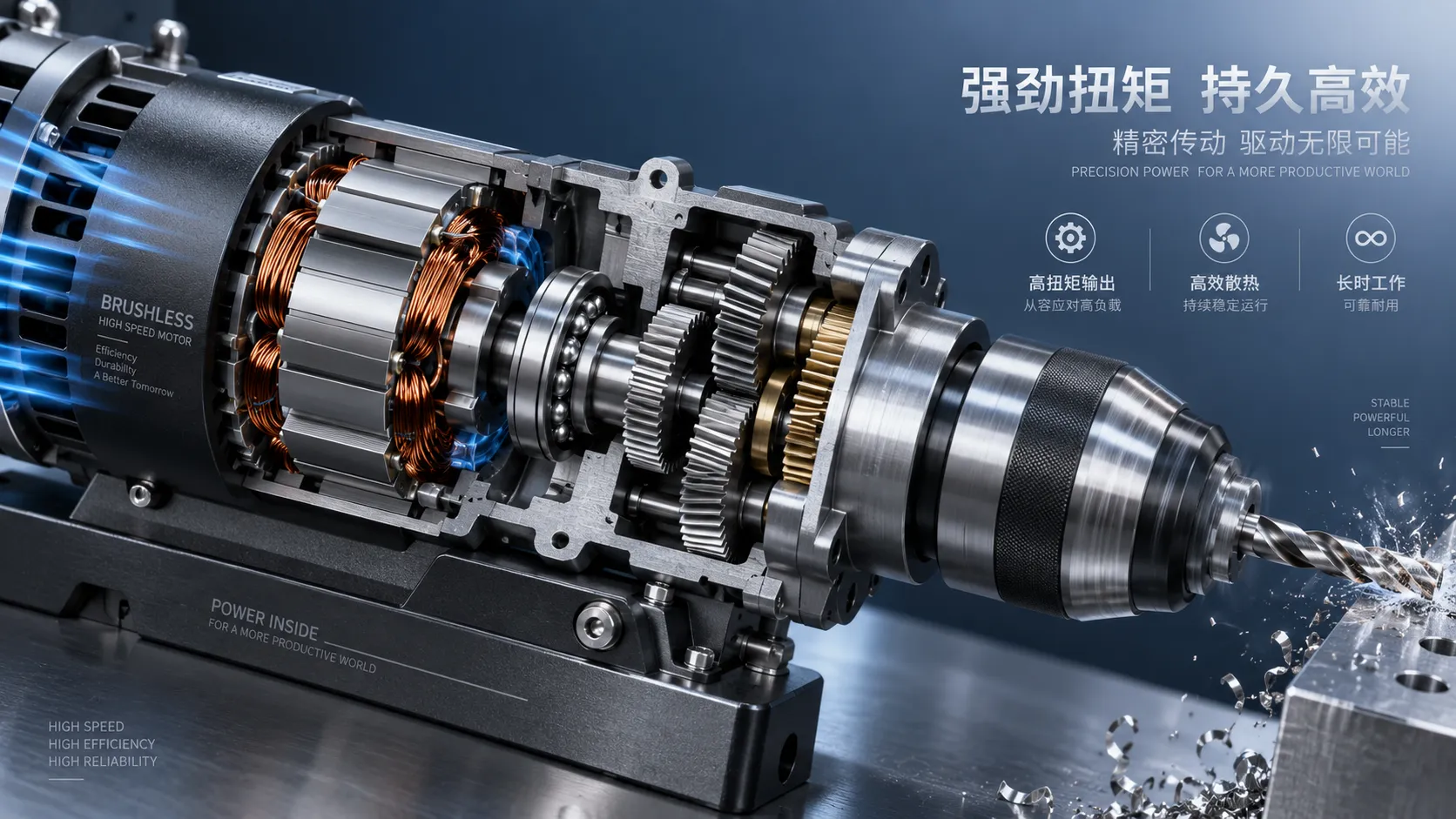
Selecting High-Speed Brushless Tool Motors for Torque, Heat, and Duty Cycle
High speed brushless tool motors: learn how to balance torque, heat, gearing, and duty cycle for reliable industrial tool performance and longer service life.
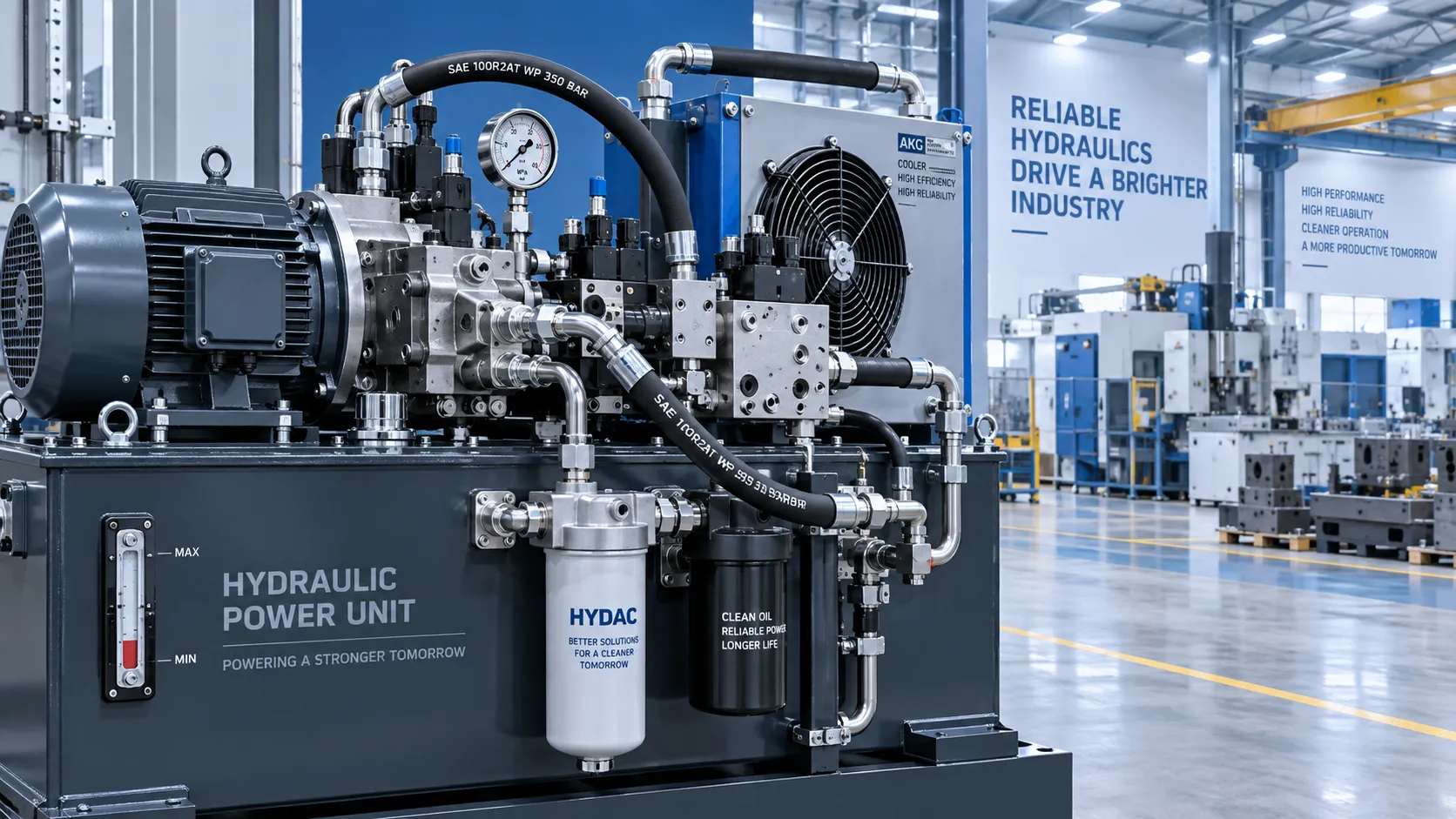
What Determines Industrial Hydraulic System Price for Heavy-Duty Equipment?
Industrial hydraulic system price depends on duty cycle, pressure, components, cooling, and integration. Compare quotes intelligently to secure reliable heavy-duty performance.
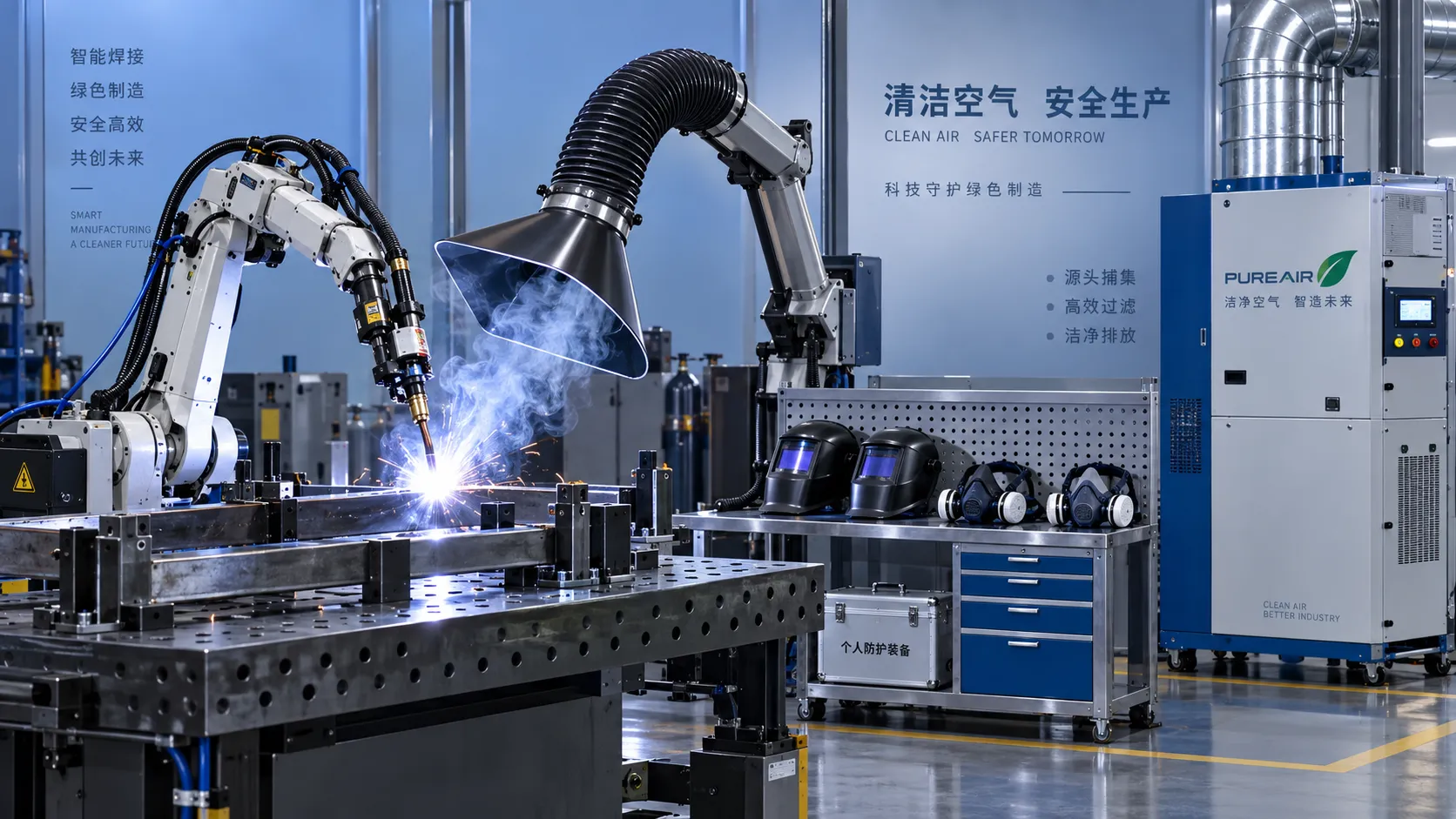
Welding Fume Extraction PPE: When Respirators Are Not Enough for Shop Safety
Welding fume extraction PPE: learn why respirators alone fall short and how source capture, ventilation, and layered controls improve shop safety.

How to Select Optical Metrology Solutions for Tight-Tolerance Manufacturing
Optical industrial metrology solutions for tight-tolerance manufacturing: evaluate accuracy, surface compatibility, workflow, and traceability to select with confidence.
Related News
- 00
0000-00
Welding Fume Extraction PPE: When Respirators Are Not Enough for Shop Safety - 00
0000-00
Which ANSI Standards Apply to Welding Equipment in Industrial Fabrication? - 00
0000-00
How Energy-Efficient Welding Equipment Cuts Power Use in High-Volume Fabrication - 00
0000-00
Which ISO Standards Govern Welding Technology Quality Control and Qualification? - 00
0000-00
North American Welding Innovations Reshaping Automation, Quality, and Labor Productivity
Welding Metallurgy Expert
Weekly Insights
Stay ahead with our curated technology reports delivered every Monday.