
Precision Engineering for Automation: Where Tolerances Matter Most in System Design





Precision Engineering for Automation: Where Tolerances Matter Most in System Design
In automation projects, small tolerance errors rarely stay small for long.
A few microns in misalignment can turn into vibration, scrap, rework, or unplanned stoppages.
That is why precision engineering for automation matters far beyond component selection.
It shapes system stability, maintenance intervals, safety margins, and total lifecycle cost.
For project leaders, the challenge is practical.
Not every dimension needs the same control, yet some tolerance zones are absolutely critical.
The real value comes from knowing where precision protects performance and where overengineering adds cost without return.
This is where a disciplined precision engineering for automation strategy becomes a decision tool, not just an engineering concept.
Why Tolerance Planning Drives Automation Success
Automation systems depend on repeatability.
Repeatability depends on how well physical parts, controls, and joining processes behave under real operating conditions.
A design may look correct in CAD and still fail in production.
Thermal expansion, frame deflection, backlash, welding distortion, and sensor drift all change actual system geometry.
From recent industry shifts, a clearer signal is emerging.
Higher throughput targets are compressing commissioning windows, leaving less room to correct poor tolerance decisions later.
Precision engineering for automation therefore starts with tolerance planning at the system level, not after procurement begins.
The cost of getting it wrong
- Cycle time losses from repeated positioning corrections
- Premature bearing, guide, and coupling wear
- Joint quality variation in welding or fastening cells
- False rejects caused by unstable measurement references
- Longer shutdowns during maintenance and recalibration
Where Precision Engineering for Automation Matters Most
Not all tolerances carry equal system risk.
In actual projects, a few interfaces usually determine most of the downstream performance.
1. Motion alignment and linear guidance
Rails, ball screws, servo mounts, and rotary stages require tight geometric relationships.
Even slight angular errors can create side loads that reduce speed and shorten service life.
For precision engineering for automation, parallelism and concentricity often matter more than nominal dimension alone.
2. Tool center point and end-effector accuracy
Robot arms can be highly repeatable, yet process accuracy still depends on the tool side.
Grippers, weld torches, dispensing heads, and spindle tools must hold position under load, heat, and acceleration.
A weak bracket or loose datum surface can erase the value of an otherwise capable robot.
3. Fixturing and part location
Fixtures create the physical truth of a process cell.
If the part is not held consistently, downstream automation can only repeat inconsistency faster.
This is especially important in metal joining, precision assembly, and inspection stations.
4. Weld distortion and joint integrity
In welded automation structures, tolerance control does not end with machining.
Heat input changes geometry, residual stress shifts alignment, and weak joint consistency affects long-term rigidity.
For precision engineering for automation, welding process control is part of dimensional control.
5. Sensing and metrology reference points
Sensors do not correct bad mechanical assumptions by themselves.
Vision systems, torque tools, encoders, and gauges need stable reference geometry to produce trusted data.
That also means calibration routines must be linked to mechanical change points, not treated as isolated quality tasks.
How Tolerances Stack Up Across a System
A common mistake is evaluating each component in isolation.
The system fails when individually acceptable tolerances accumulate into an unacceptable result.
Tolerance stack-up is where precision engineering for automation becomes a cross-functional exercise.
Mechanical design, process engineering, quality, and suppliers must work from the same critical datums and functional limits.
Standards and Decision Criteria That Actually Help
Technical standards matter most when they support clearer decisions.
In precision engineering for automation, geometric dimensioning, metrology protocols, calibration discipline, and weld quality standards should connect directly to function.
The key is selecting standards that define what the system must do, not just what a drawing must show.
Useful screening questions
- Which dimensions affect process capability, not just assembly convenience?
- Which surfaces act as true datums during operation?
- What changes when temperature, duty cycle, or payload increases?
- Which tolerances can be verified quickly during commissioning and maintenance?
- Where does process variation come from: part, fixture, tool, or measurement?
These questions help prevent a familiar problem: tight tolerances on easy features, while critical interfaces stay underdefined.
Practical Ways to Improve Precision Without Slowing Delivery
Precision does not always mean tighter everywhere.
In practice, strong automation design improves control at the interfaces that drive function.
- Define critical datums early and keep them consistent across design, fabrication, and inspection.
- Model thermal and load-related deformation before freezing frame geometry.
- Use fixture strategies that control real part behavior, not idealized part geometry.
- Match weld procedures to dimensional requirements, especially on structural bases and brackets.
- Link measurement plans to risk points in the process, including startup and maintenance checks.
- Ask suppliers for functional tolerance capability, not only nominal compliance.
This also aligns with the broader market direction.
As intelligent torque tools, laser joining systems, and metrology platforms become more connected, tolerance decisions are becoming more visible and more measurable.
That visibility is useful only when system design already reflects a sound precision engineering for automation approach.
A Better Way to Evaluate Automation Readiness
Before launch, tolerance readiness should be reviewed like any other project risk.
That review should cover motion paths, joining stability, fixture repeatability, and measurement integrity together.
When these areas are checked separately, important interactions are usually missed.
A more effective review asks a simple question.
Can this system hold functional accuracy over time, under production conditions, with normal maintenance behavior?
That question captures the real purpose of precision engineering for automation.
It is not about chasing the smallest possible number on every print.
It is about protecting repeatable output where the system is most vulnerable.
When tolerance priorities are set this way, automation projects move faster, commission cleaner, and deliver stronger long-term value.
Related News
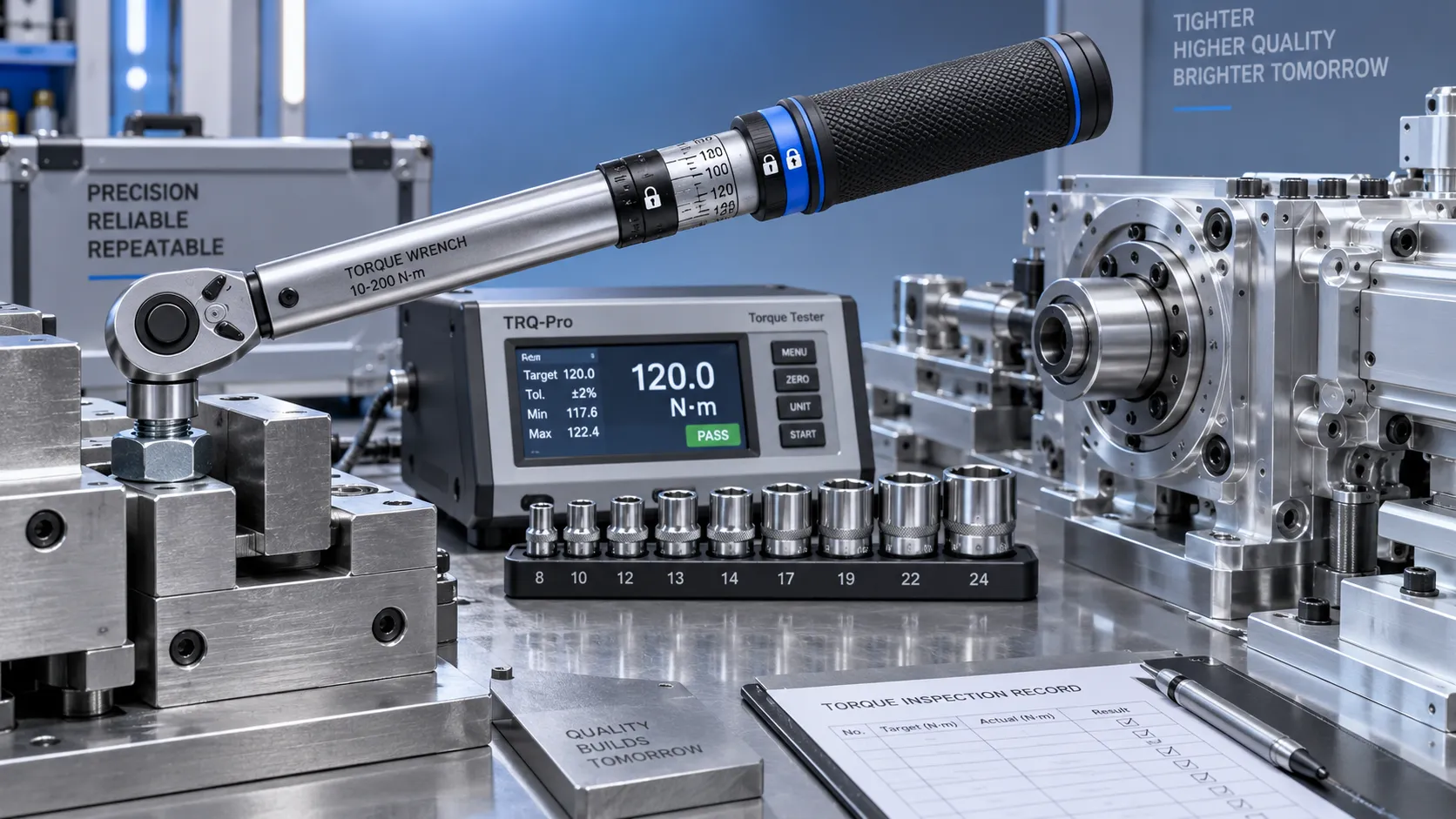
Selecting Adjustable Torque Tools for Repeatable Fastener Assembly
Adjustable torque tools: learn how to match range, accuracy, control methods, calibration, and ergonomics for repeatable, reliable fastener assembly.
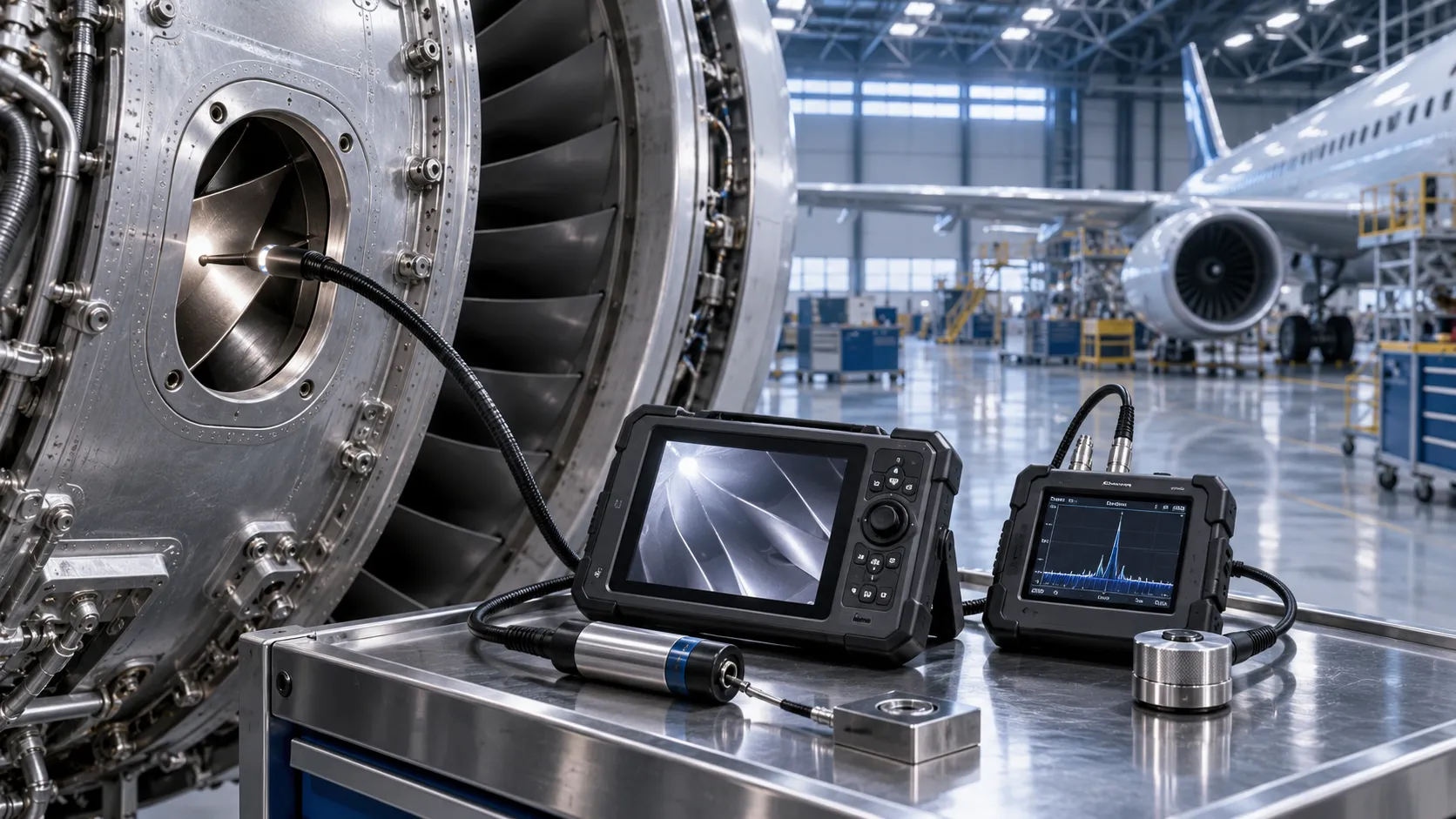
How to Select Aerospace Inspection Tools for Aircraft Maintenance Tasks
Aerospace maintenance inspection tools: learn how to select reliable, traceable equipment for aircraft access, accuracy, calibration, and compliant maintenance decisions.
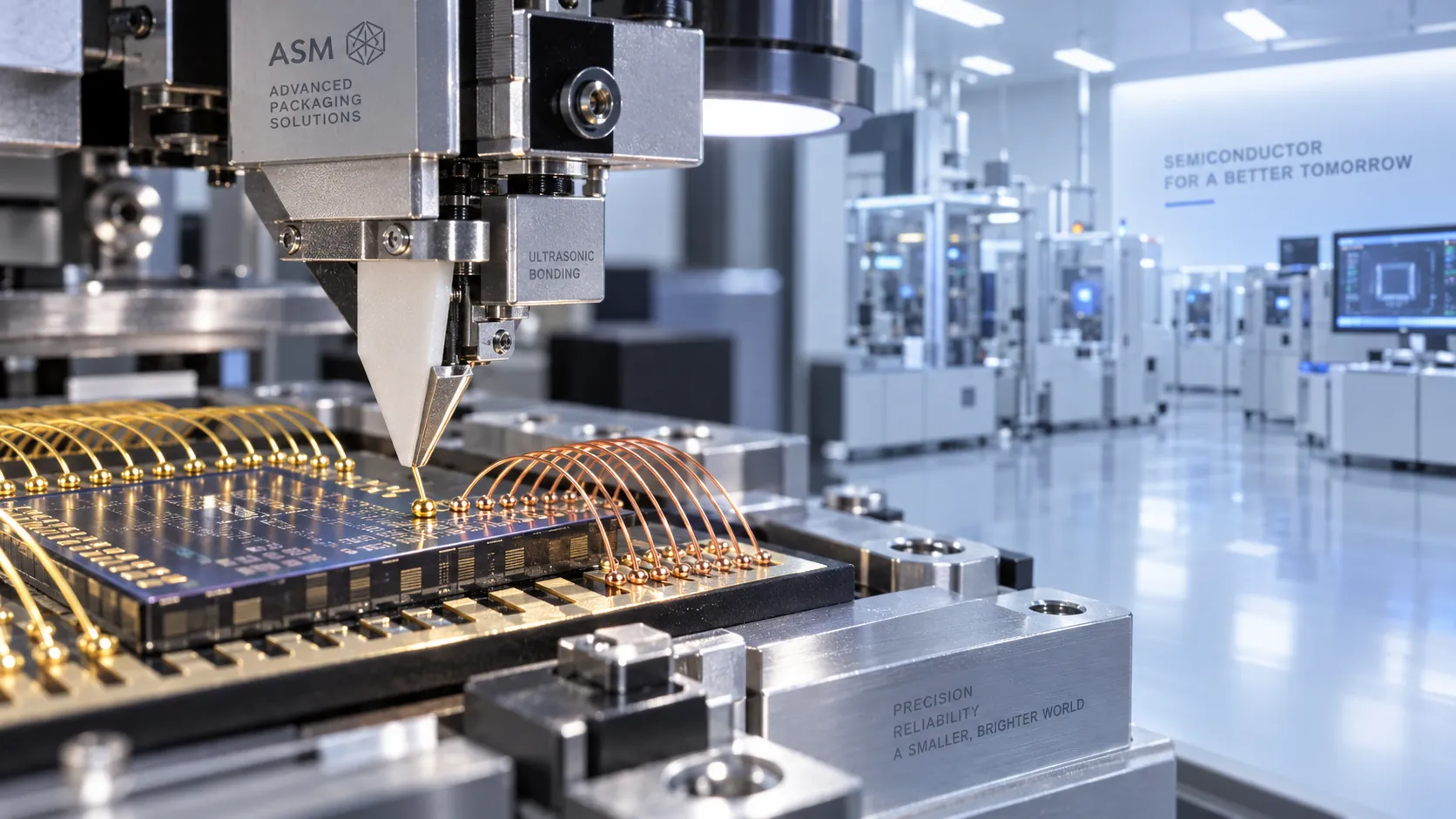
How to Select Wire Bonding Tools for Fine-Pitch Semiconductor Packaging
Explore semiconductor manufacturing tools for wire bonding and learn how to select precision solutions for fine-pitch packaging, reliable loops, accuracy, and yield.
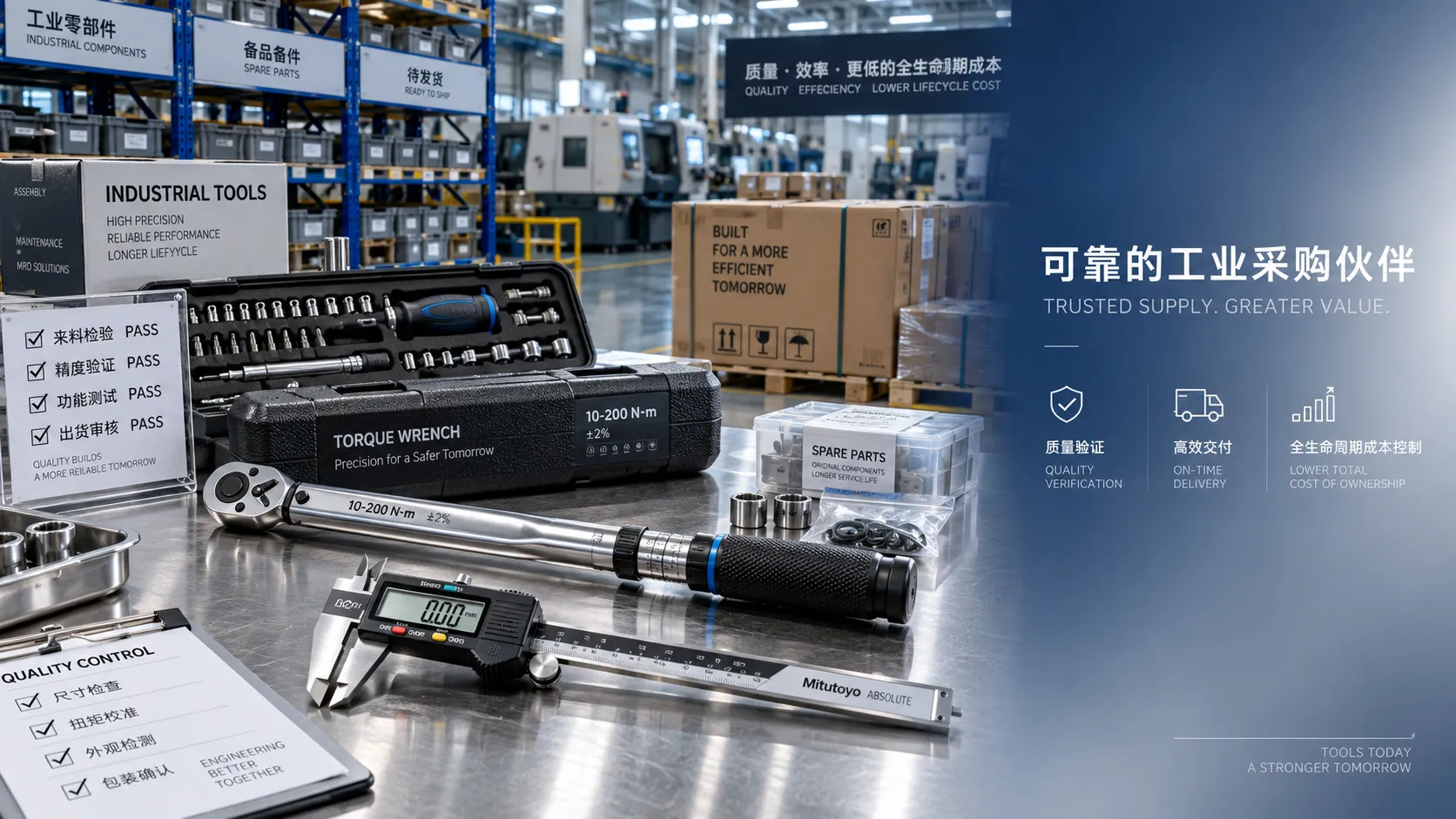
How to Compare Industrial Tool Suppliers for Quality, Lead Time, and Total Cost
Industrial tool selection supplier comparison made simple: evaluate quality, lead times, total cost, service, and supply resilience for confident sourcing decisions.
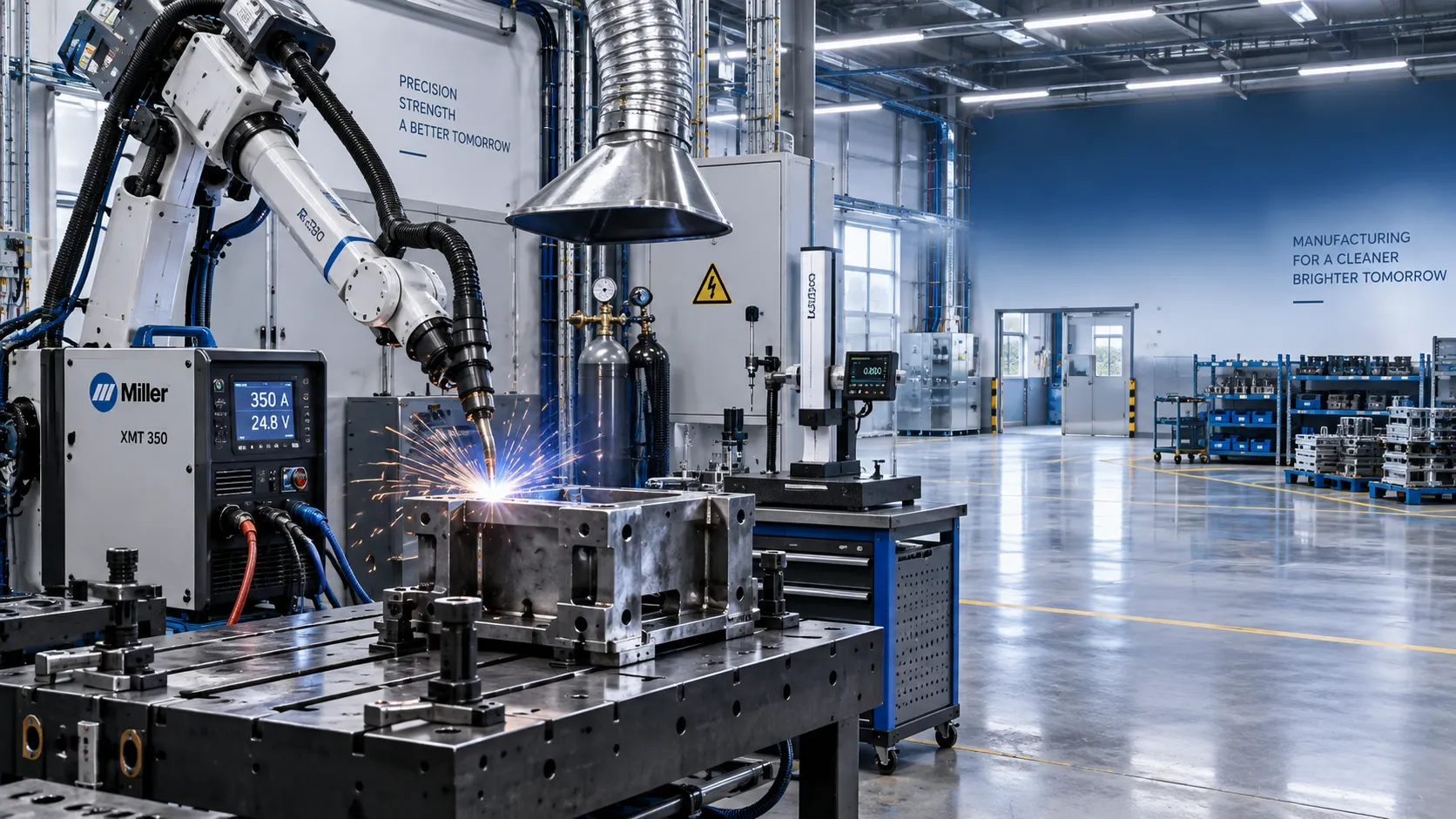
Industrial Equipment Application Guidance: Match Machines to Operating Conditions
Application guidance industrial equipment: match capacity, duty cycle, materials, site conditions, safety, and lifecycle cost to improve reliable output. Read the guide.
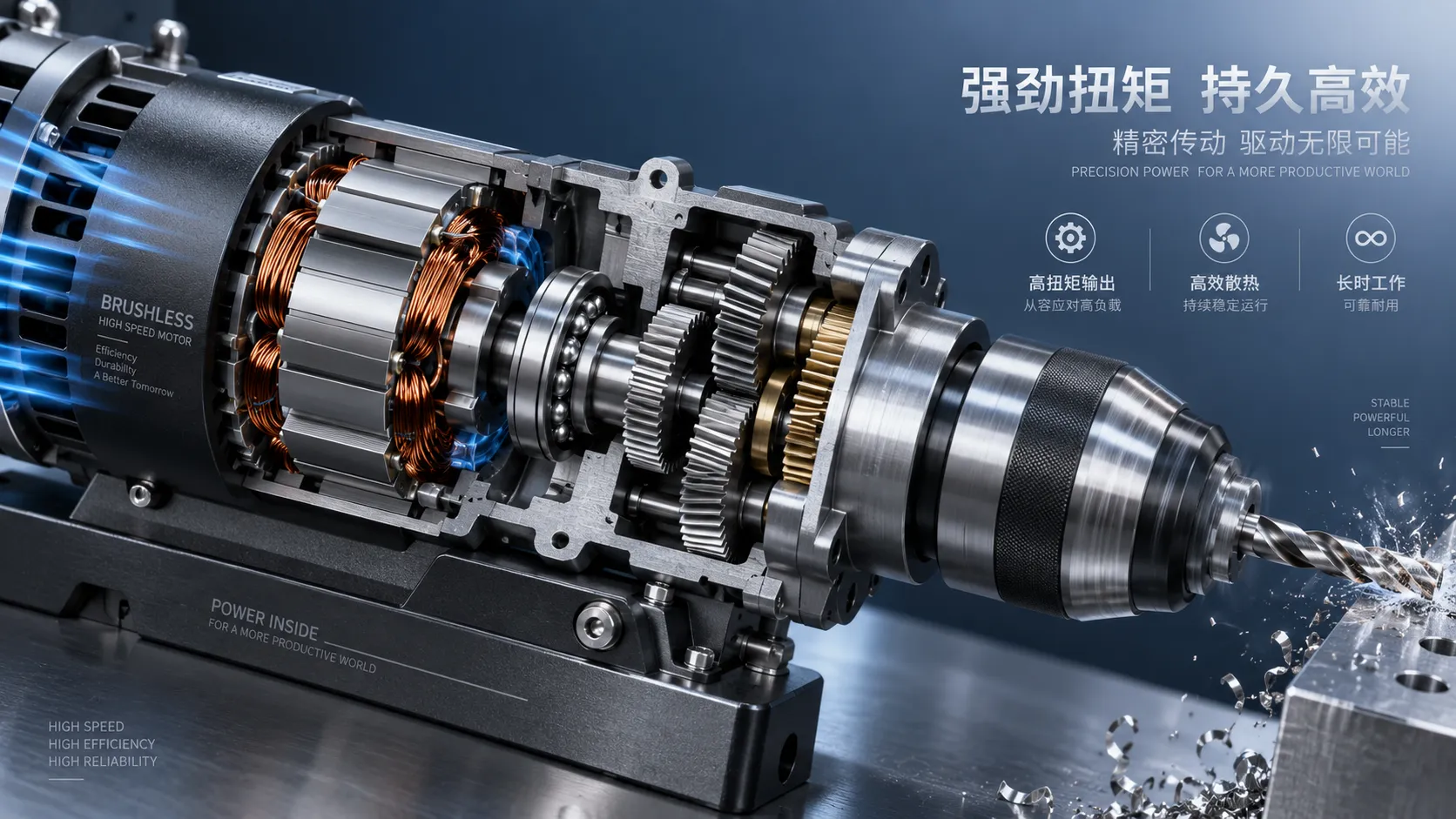
Selecting High-Speed Brushless Tool Motors for Torque, Heat, and Duty Cycle
High speed brushless tool motors: learn how to balance torque, heat, gearing, and duty cycle for reliable industrial tool performance and longer service life.
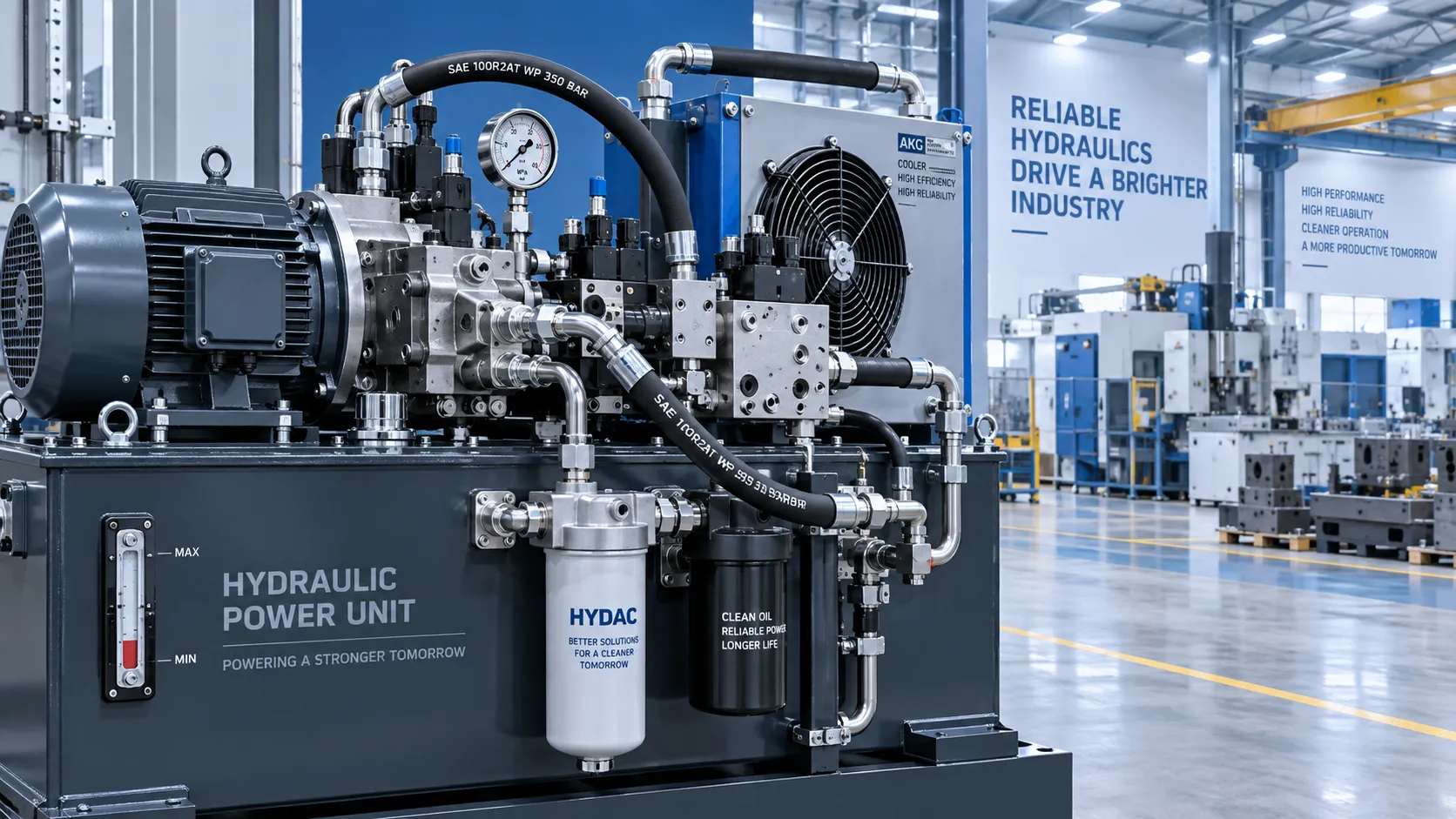
What Determines Industrial Hydraulic System Price for Heavy-Duty Equipment?
Industrial hydraulic system price depends on duty cycle, pressure, components, cooling, and integration. Compare quotes intelligently to secure reliable heavy-duty performance.
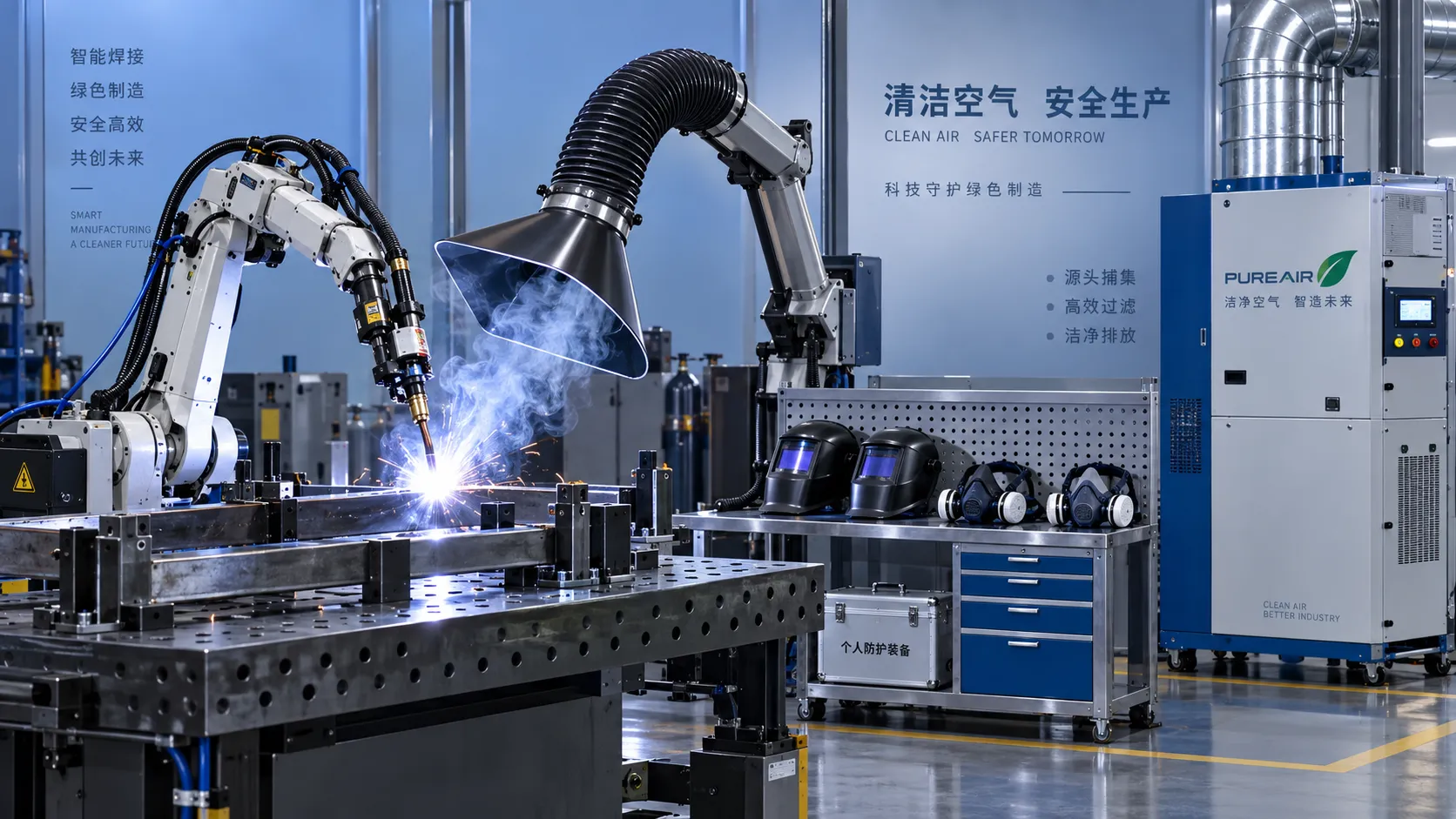
Welding Fume Extraction PPE: When Respirators Are Not Enough for Shop Safety
Welding fume extraction PPE: learn why respirators alone fall short and how source capture, ventilation, and layered controls improve shop safety.
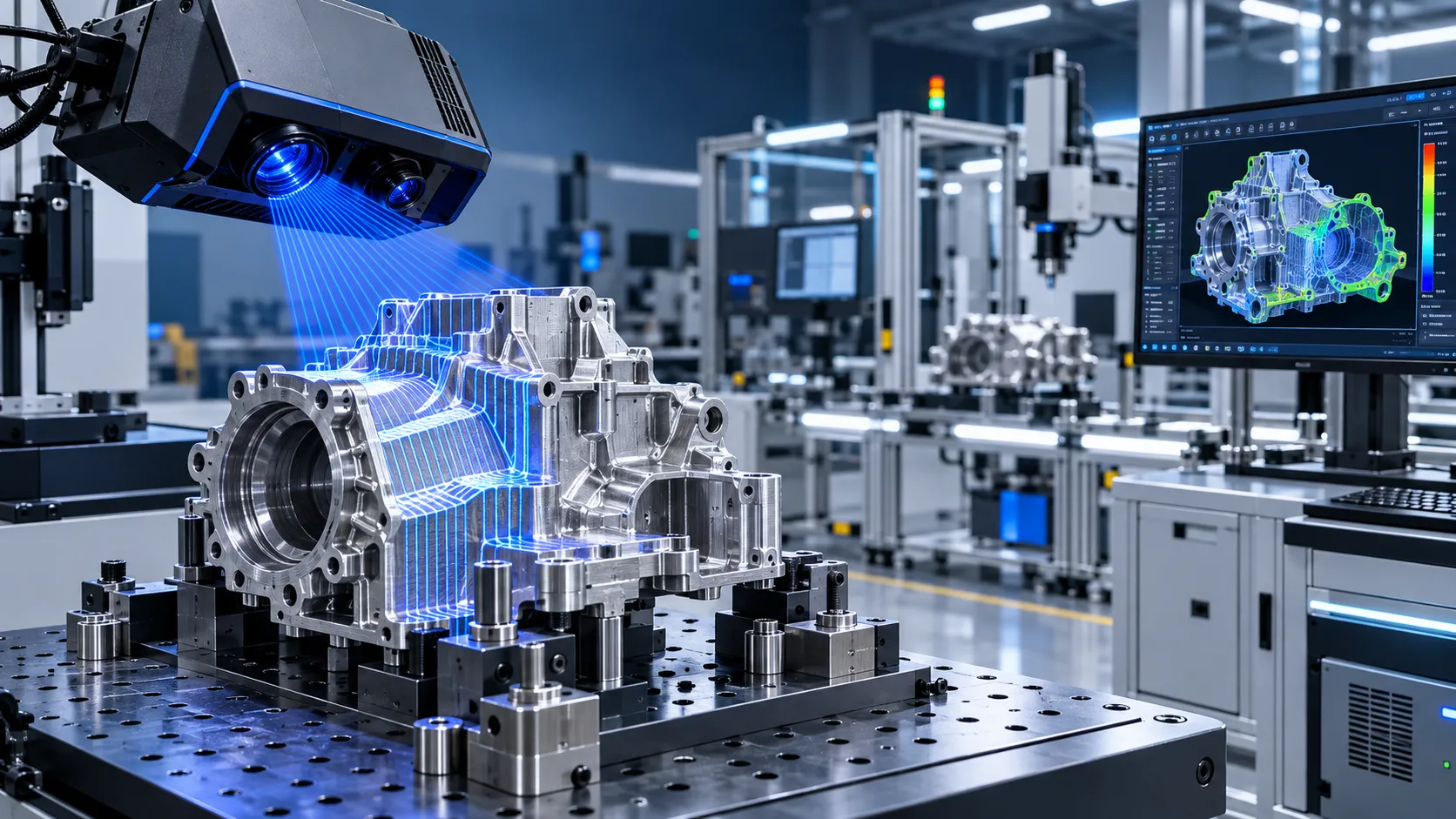
How to Select Optical Metrology Solutions for Tight-Tolerance Manufacturing
Optical industrial metrology solutions for tight-tolerance manufacturing: evaluate accuracy, surface compatibility, workflow, and traceability to select with confidence.
Related News
- 00
0000-00
Selecting Adjustable Torque Tools for Repeatable Fastener Assembly - 00
0000-00
How to Select Aerospace Inspection Tools for Aircraft Maintenance Tasks - 00
0000-00
How to Select Wire Bonding Tools for Fine-Pitch Semiconductor Packaging - 00
0000-00
Industrial Equipment Application Guidance: Match Machines to Operating Conditions - 00
0000-00
Selecting High-Speed Brushless Tool Motors for Torque, Heat, and Duty Cycle
Prof. Marcus Chen
Weekly Insights
Stay ahead with our curated technology reports delivered every Monday.