
Torque Control Tools for Electronics: Accuracy, ESD Safety, and Line Compatibility





Torque Control Tools for Electronics: Accuracy, ESD Safety, and Line Compatibility
In electronics assembly, torque control tools for electronics sit at the center of product quality. A screw that is too loose invites vibration, heat, and intermittent failure.
A screw that is too tight can crack housings, distort boards, or damage threaded inserts. In high-mix production, that margin for error gets even smaller.
This is why torque control tools for electronics are no longer a simple purchasing item. They are part of process capability, ESD control, and line stability.
For operations that handle sensitive assemblies, the right torque strategy reduces defects, supports traceability, and keeps audits straightforward.
Why torque accuracy matters more in electronics
Electronics fastening looks simple, but the risks are layered. Small screws often hold parts that affect signal integrity, thermal transfer, grounding, and sealing.
Torque variation changes clamp load. Clamp load changes how those parts behave over time, especially under shipping shock, thermal cycling, or repeated use.
From recent manufacturing changes, one clear signal stands out. Product miniaturization leaves less room for rework and less tolerance for fastening inconsistency.
That also means torque control tools for electronics must deliver repeatable output across operators, shifts, and stations, not just good results during setup.
- Loose torque can trigger connector movement, EMI shielding gaps, and failed drop tests.
- Excess torque can strip plastic bosses, warp covers, or stress solder joints.
- Inconsistent torque makes root cause analysis slower and more expensive.
Core requirements for torque control tools for electronics
Not every torque tool fits electronics work. General assembly tools may produce acceptable torque, yet still fail ESD, ergonomics, or data capture requirements.
A capable selection usually balances five factors: accuracy, repeatability, ESD protection, compatibility with the line, and calibration discipline.
1. Tight torque accuracy and low scatter
Accuracy alone is not enough. For electronics, low cycle-to-cycle variation matters because many joints use narrow torque windows and fragile materials.
Look for tools with documented performance across the actual torque range used on the line, not only at a single reference point.
2. ESD-safe construction
ESD-safe torque control tools for electronics should dissipate charge in a controlled way. Handles, housings, cables, and accessories all matter here.
A tool labeled precise but lacking verified ESD properties can create hidden risk around boards, sensors, and communication modules.
3. Process integration
Modern lines need more than a motor and clutch. They need programmable settings, error-proofing options, and output data for quality records.
This becomes more important when one line builds several product families with different screw sizes, materials, and fastening sequences.
4. Operator stability
Fatigue affects fastening quality. Tool weight, grip texture, trigger force, and reaction control all influence repeatability during long shifts.
In practice, ergonomic gains often show up first in lower variation, then later in fewer escapes and fewer operator complaints.
Choosing between manual, electric, and smart torque systems
Different production environments need different tool architectures. The correct choice depends on volume, traceability demand, joint criticality, and changeover frequency.
Manual tools still have value. They work well for prototypes, service benches, and low-frequency fastening where flexibility matters more than automation.
Electric torque control tools for electronics are often the baseline for production. They improve consistency and reduce dependence on individual technique.
Smart systems go further. They can lock programs, verify sequence, capture torque results, and connect with MES or quality software.
ESD safety is not a side requirement
In electronics production, ESD protection is part of process design. The fastening tool sits directly inside that control environment.
A common mistake is checking benches, mats, and wrist straps carefully, while assuming the screwdriver itself is harmless. That assumption is weak.
Torque control tools for electronics should be assessed as a system. That includes tool body, power supply, cord, hanger, bit, and maintenance condition.
The stronger signal in recent audits is documentation. Buyers increasingly need evidence of ESD-safe design and verification records, not just catalog claims.
- Confirm compliance with internal ESD control plans and applicable standards.
- Inspect tool surfaces and cables for wear that changes electrical behavior.
- Train operators to treat tool swaps as controlled events, not casual substitutions.
Line compatibility and digital traceability
Compatibility with the production line often decides long-term success. A highly accurate tool can still fail if it slows changeovers or complicates records.
That is why torque control tools for electronics should be reviewed against the full workflow, from feeder setup to final quality release.
What line compatibility usually includes
- Programmable torque settings for different SKUs.
- Fast bit changes without disturbing torque stability.
- Signal outputs for OK or NOK events.
- Barcode, workstation, or user association for traceability.
- Compatibility with poka-yoke logic and station interlocks.
When the line runs multiple products, stored recipes become especially useful. They reduce setup errors and keep process changes visible to quality teams.
Traceability also changes incident response. If a field complaint appears, recorded fastening data shortens containment and limits unnecessary quarantine.
Common selection mistakes and how to avoid them
Many selection errors start with a narrow focus on purchase price. That view ignores defect cost, downtime, calibration drift, and line disruption.
- Choosing a range that is too broad. Tools perform best when the target torque sits well inside the effective range.
- Ignoring joint behavior. Plastics, metal inserts, gasketed joints, and self-tapping screws respond differently.
- Treating calibration as a yearly formality. High-use tools may need tighter verification intervals.
- Overlooking accessories. Bits, fixtures, balancers, and cables can influence real-world performance.
- Separating ESD review from tool approval. In electronics, that creates a process gap.
A better path is to validate torque control tools for electronics on actual joints, with real operators, under normal line conditions.
A practical evaluation checklist
For a sound decision, compare candidate tools using a short, disciplined checklist. Keep the review tied to process risk, not just specifications.
- Verify torque capability at the exact target values used in production.
- Confirm ESD-safe characteristics with documented test evidence.
- Check repeatability across different operators and different shifts.
- Review data output, storage format, and system integration effort.
- Assess maintenance access, spare parts, and calibration support.
- Observe actual ergonomics during sustained use, not only in a demo.
This approach makes vendor comparison cleaner. It also helps justify investment through measurable quality and compliance gains.
Final takeaway
Torque control tools for electronics are not just fastening devices. They are control points for product reliability, ESD discipline, and manufacturing consistency.
The strongest choices usually combine narrow-range accuracy, verified ESD safety, operator stability, and clean integration with the production line.
In practical terms, that means testing tools on real joints, demanding documentation, and treating traceability as a core requirement from the start.
For teams tightening quality controls or updating line standards, a structured review of torque control tools for electronics is one of the most effective places to begin.
Related News
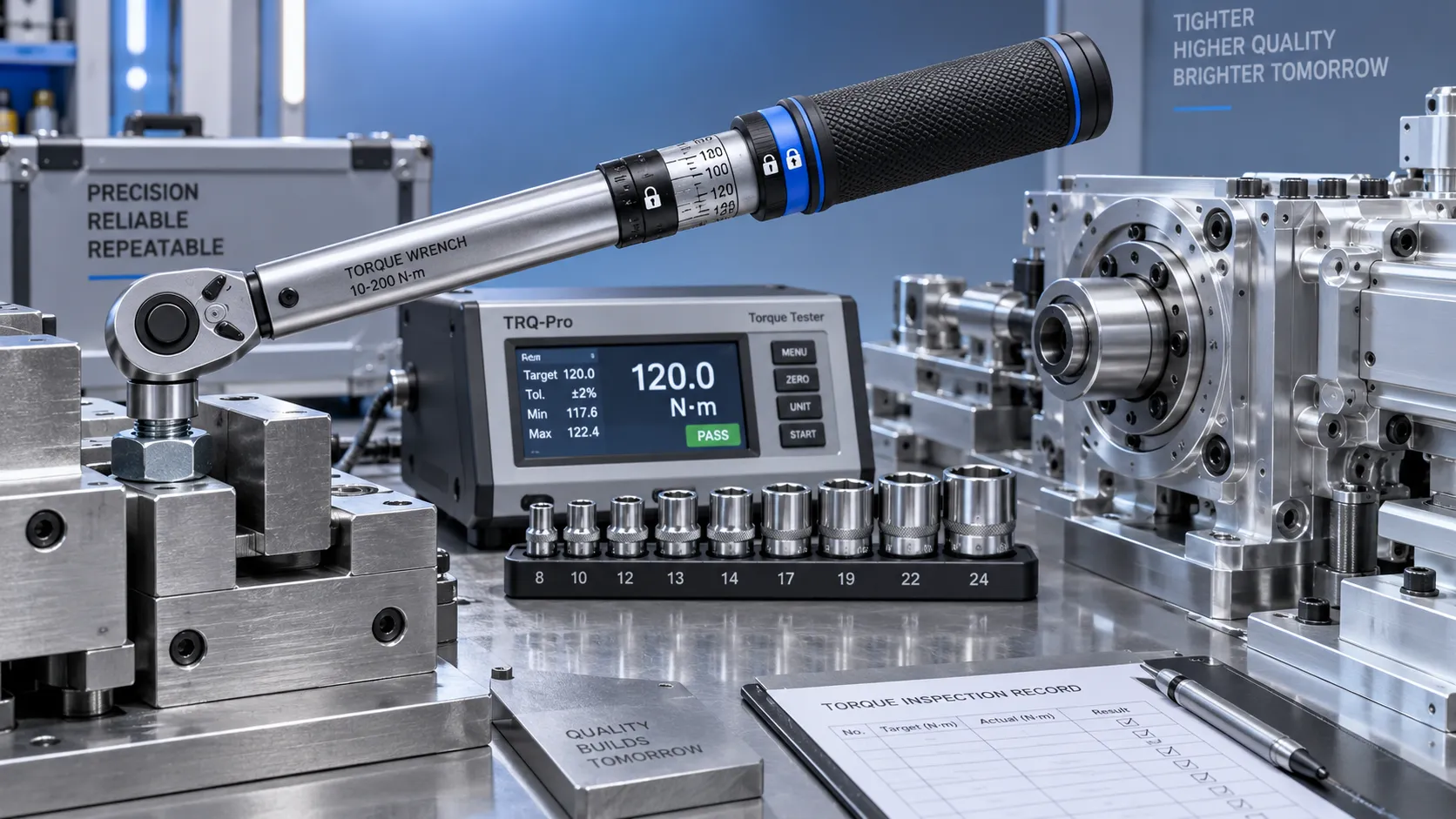
Selecting Adjustable Torque Tools for Repeatable Fastener Assembly
Adjustable torque tools: learn how to match range, accuracy, control methods, calibration, and ergonomics for repeatable, reliable fastener assembly.
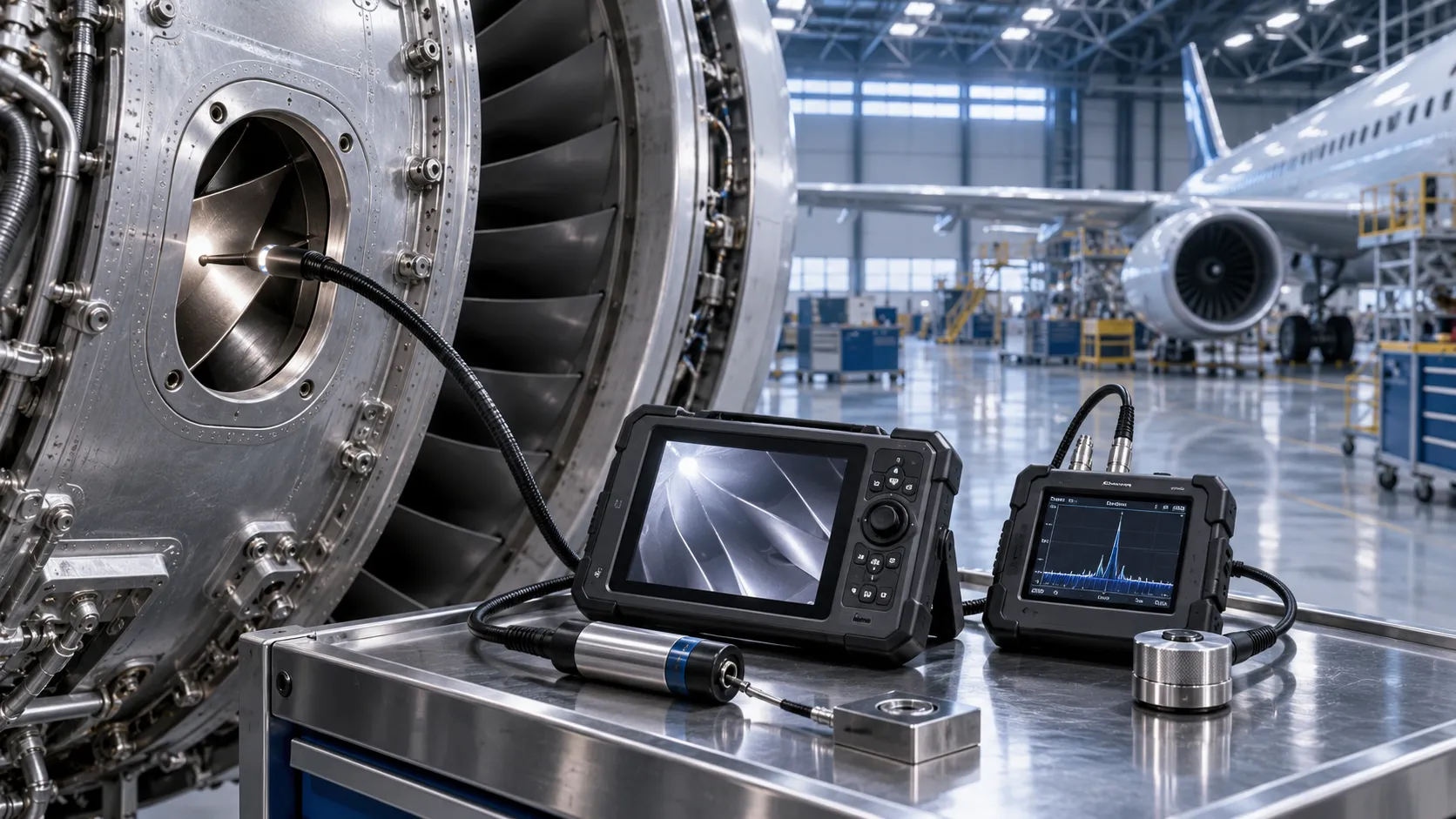
How to Select Aerospace Inspection Tools for Aircraft Maintenance Tasks
Aerospace maintenance inspection tools: learn how to select reliable, traceable equipment for aircraft access, accuracy, calibration, and compliant maintenance decisions.
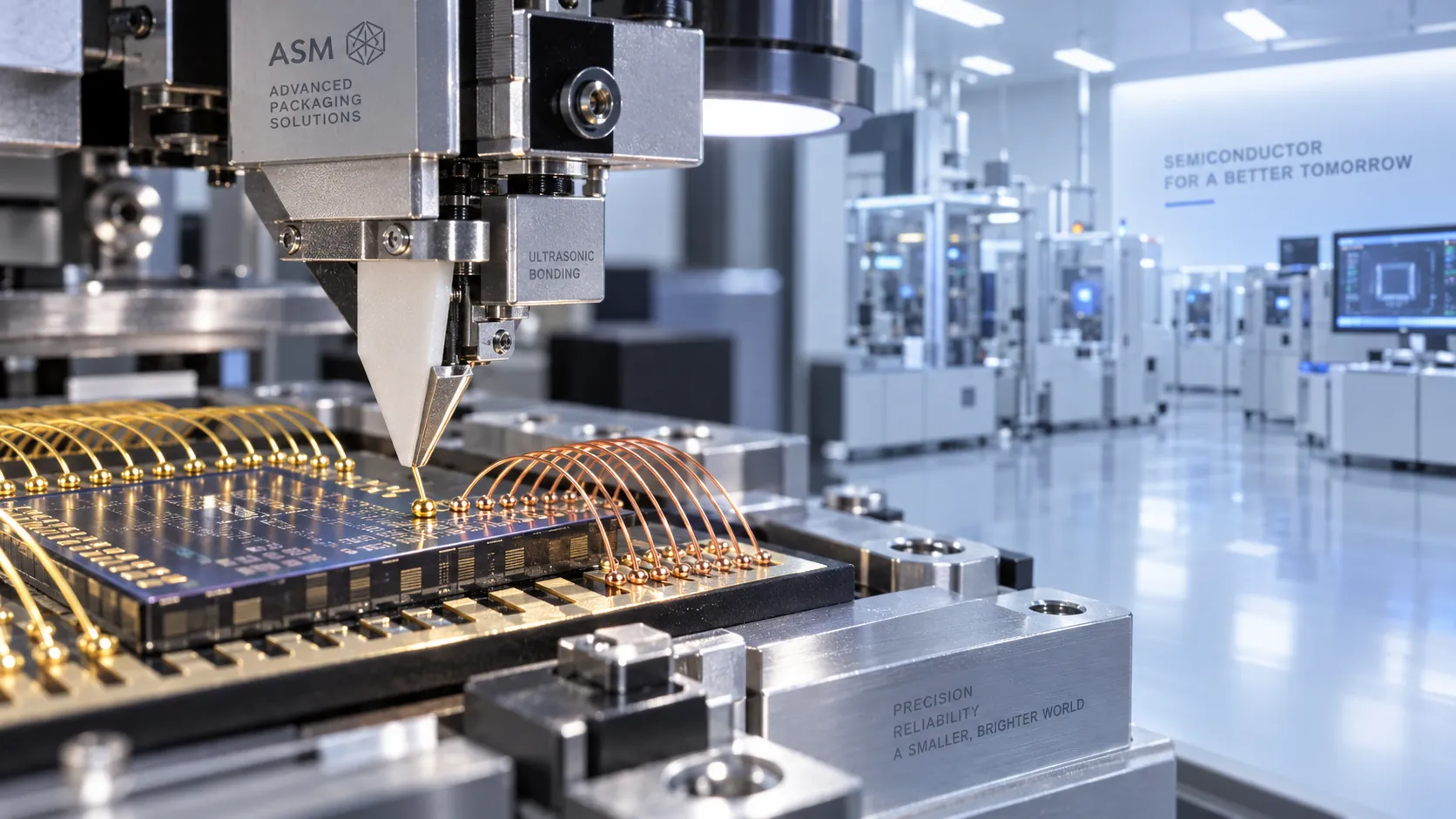
How to Select Wire Bonding Tools for Fine-Pitch Semiconductor Packaging
Explore semiconductor manufacturing tools for wire bonding and learn how to select precision solutions for fine-pitch packaging, reliable loops, accuracy, and yield.
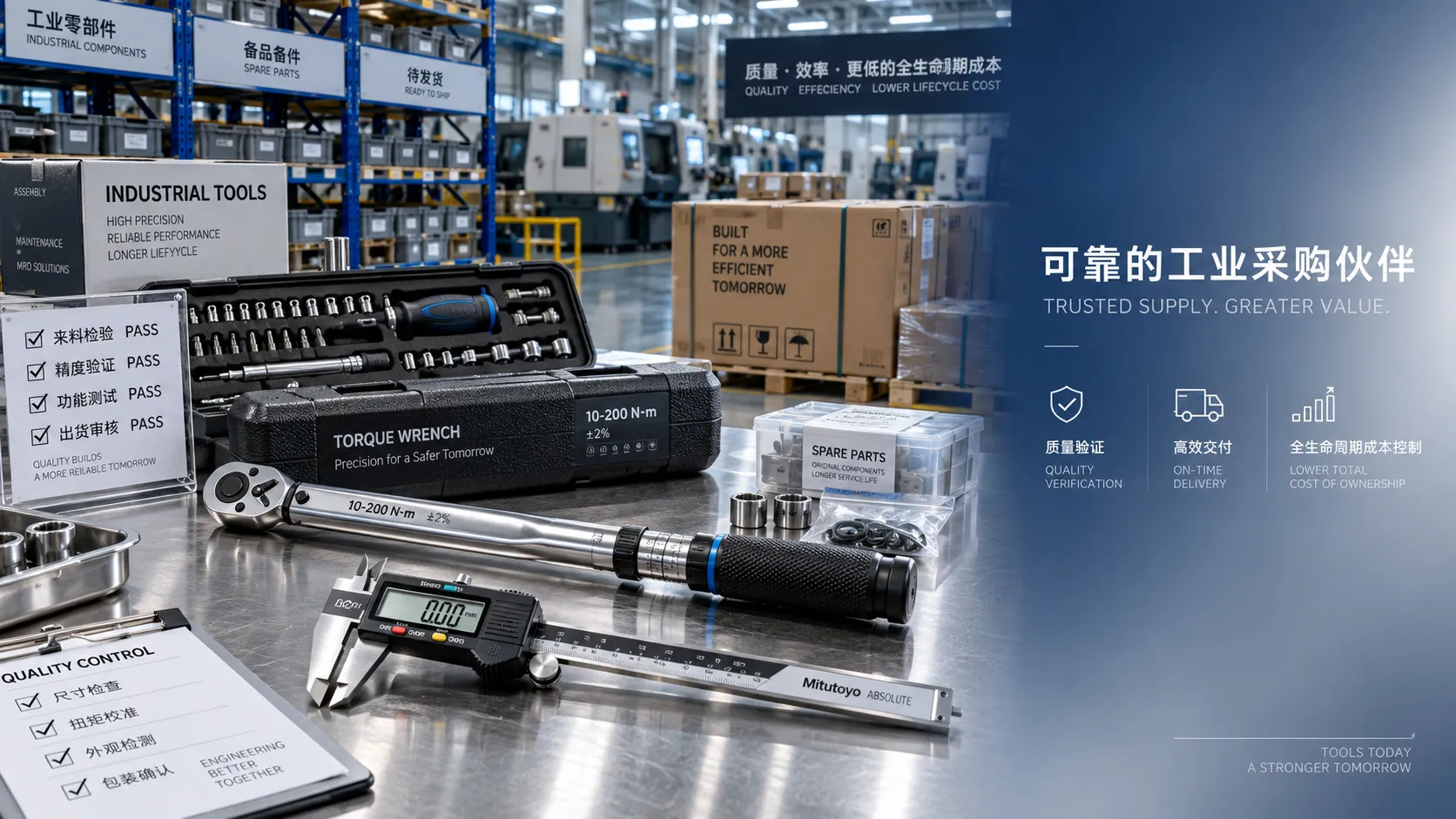
How to Compare Industrial Tool Suppliers for Quality, Lead Time, and Total Cost
Industrial tool selection supplier comparison made simple: evaluate quality, lead times, total cost, service, and supply resilience for confident sourcing decisions.
Industrial Equipment Application Guidance: Match Machines to Operating Conditions
Application guidance industrial equipment: match capacity, duty cycle, materials, site conditions, safety, and lifecycle cost to improve reliable output. Read the guide.
Selecting High-Speed Brushless Tool Motors for Torque, Heat, and Duty Cycle
High speed brushless tool motors: learn how to balance torque, heat, gearing, and duty cycle for reliable industrial tool performance and longer service life.
What Determines Industrial Hydraulic System Price for Heavy-Duty Equipment?
Industrial hydraulic system price depends on duty cycle, pressure, components, cooling, and integration. Compare quotes intelligently to secure reliable heavy-duty performance.
Welding Fume Extraction PPE: When Respirators Are Not Enough for Shop Safety
Welding fume extraction PPE: learn why respirators alone fall short and how source capture, ventilation, and layered controls improve shop safety.
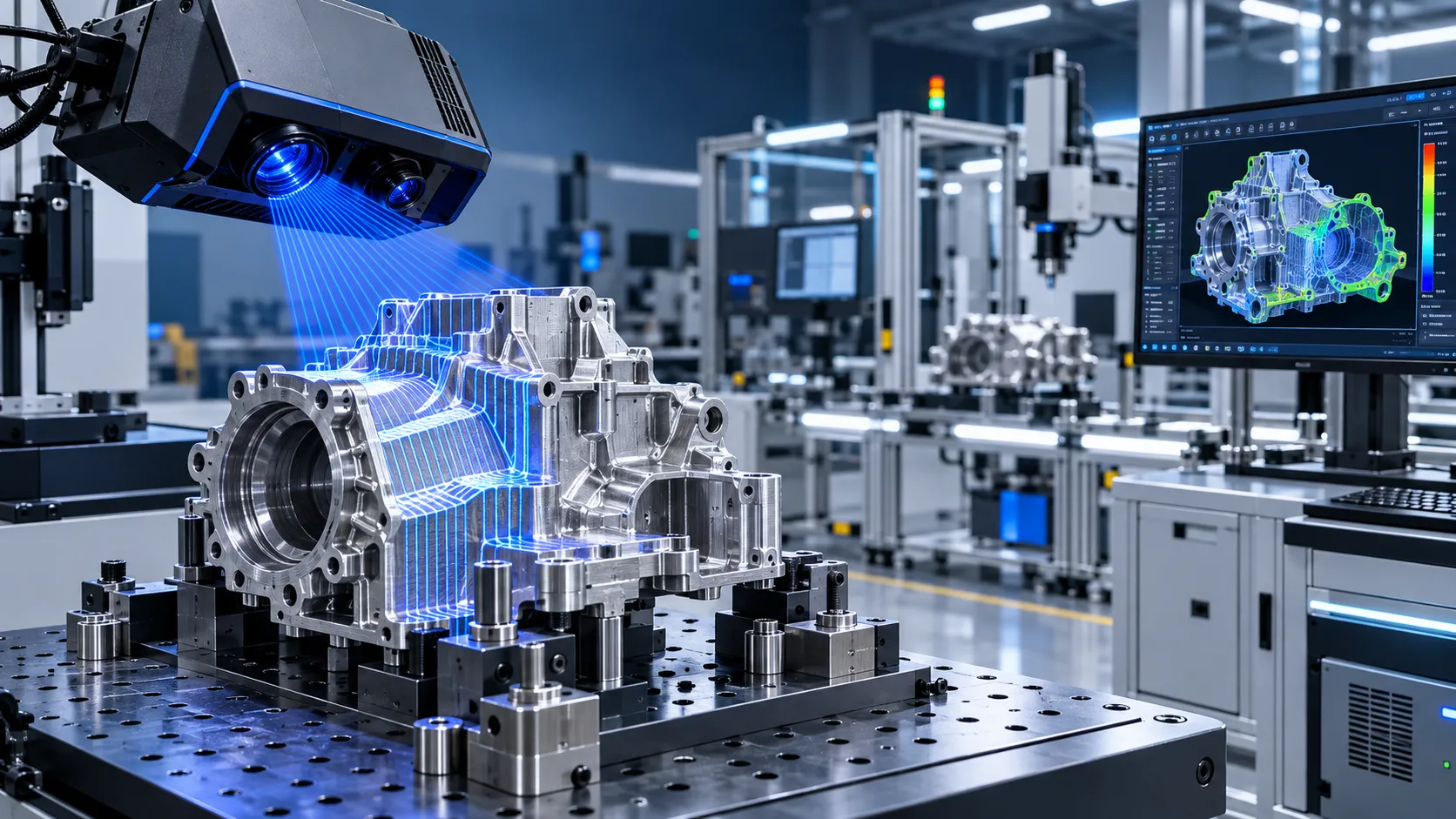
How to Select Optical Metrology Solutions for Tight-Tolerance Manufacturing
Optical industrial metrology solutions for tight-tolerance manufacturing: evaluate accuracy, surface compatibility, workflow, and traceability to select with confidence.
Related News
- 00
0000-00
How to Select Battery Assembly Tools for Torque Control and High-Volume Production - 00
0000-00
How Battery, Torque, and Duty Cycle Affect Cordless Power Tool Efficiency - 00
0000-00
How to Size High-Torque Tool Motors for Continuous-Duty Assembly Lines - 00
0000-00
How to Choose 24V Brushless Tool Motors for Torque, Runtime, and Duty Cycle? - 00
0000-00
Automotive Repair Tools List: What Every Workshop Needs for Daily Service Jobs
Electro-Mech Tool Designer
Weekly Insights
Stay ahead with our curated technology reports delivered every Monday.