
How to Evaluate Advanced Manufacturing Systems Integration for Multi-Line Production





Multi-line production has become harder to manage because equipment, software, quality checkpoints, and labor systems rarely evolve at the same pace. In that environment, advanced manufacturing systems integration is not just a technical upgrade. It is the operating logic that determines whether additional lines create scale or simply multiply hidden inefficiencies.
The real evaluation challenge is not whether a factory owns modern machines. It is whether production assets, inspection tools, welding processes, maintenance signals, and planning data can work as one coordinated system. When integration is weak, visibility declines, quality drifts between lines, and decision speed slows at exactly the moment output is expected to rise.
For operations that depend on industrial assembly, metal joining, precision measurement, or mixed product changeovers, the topic deserves close attention. It affects throughput, compliance, traceability, cost control, and the confidence behind future capital decisions.
What integration really means on a multi-line floor
Advanced manufacturing systems integration connects physical production and digital control across more than one line. That includes machines, robots, sensors, MES layers, ERP links, metrology systems, maintenance tools, and operator workflows.
In practice, integration is measured by coordination quality. Can torque data from one station trigger quality review upstream? Can welding parameters be compared across lines? Can downtime patterns be traced to tooling, materials, or operator sequence without manual reconstruction?
That is why advanced manufacturing systems integration should be viewed as an operational capability, not a software procurement label. The value comes from consistent decisions across lines, not from the number of connected devices.
Why the topic is rising on the industrial agenda
Production networks now face tighter export rules, volatile material costs, labor constraints, and growing customer demands for traceability. Multi-line facilities feel these pressures first because inconsistency compounds quickly.
This is especially visible in sectors linked to construction equipment, automotive components, aerospace maintenance, and industrial tools. Output targets are rising, while tolerance windows are shrinking.
Platforms such as GPTWM track these shifts closely. Its intelligence focus on industrial assembly, metal joining, and precision metrology reflects a broader market reality: the last mile of manufacturing performance now depends on how well craftsmanship, measurement discipline, and connected control systems reinforce each other.
More worth noting, advanced manufacturing systems integration is increasingly tied to safety and standardization. Handheld laser welding protocols, brushless power tool performance limits, and IoT torque monitoring are no longer isolated technical topics. They shape how different lines can be governed at scale.
The core dimensions to evaluate
A strong evaluation framework should look beyond vendor claims. It should test whether the integrated environment improves control, comparability, and response time.
Equipment interoperability
Check whether legacy and new equipment can exchange usable data without fragile custom workarounds. Open protocols matter, but practical interoperability matters more.
A useful question is simple: if one line adds a new welding cell or vision station, how much engineering effort is required to make it visible across planning, quality, and maintenance systems?
Data quality and context
Raw data volume does not equal integration maturity. Evaluate whether data is time-synced, tagged by product and station, and structured for cross-line comparison.
Without context, alerts become noise. With context, a vibration signal, a weld inconsistency, or a dimensional deviation can support fast root-cause decisions.
Quality loop closure
Quality systems should not sit downstream as passive recorders. In effective advanced manufacturing systems integration, inspection results feed process correction, recipe control, and preventive action.
This is where precision metrology becomes strategic. Measurement systems must not only confirm conformance. They must help lines stay centered before scrap, rework, and customer risk escalate.
Human workflow alignment
Integration often fails at the operator and supervisor layer. Screen logic, alarms, digital work instructions, and escalation paths should support real decisions under time pressure.
If different lines rely on different naming rules, manual overrides, or disconnected reporting habits, the system may be connected on paper but fragmented in operation.
Where business value becomes visible
The strongest returns usually appear in places where line complexity hides cost. Advanced manufacturing systems integration helps expose those losses before they become normal.
In facilities with joining, fastening, or inspection-intensive workflows, these gains often exceed the value of any single machine upgrade. The reason is straightforward: systemic coordination removes repeated loss across every line.
Typical scenarios that need closer scrutiny
Not every factory should evaluate integration in the same way. Risk profile changes with process design, product mix, and operational maturity.
- Mixed-model lines where changeovers are frequent and process settings must remain traceable.
- Welding-heavy production where heat input, safety controls, and inspection results must remain aligned.
- Assembly environments using smart torque tools and serialized quality records.
- Plants expanding through acquisitions, where multiple software and equipment standards already coexist.
- Operations with strict export, certification, or maintenance documentation requirements.
These settings often reveal whether advanced manufacturing systems integration is robust or only partially implemented. A system that performs well on a pilot line may break down under network-level complexity.
How to judge readiness before major investment
Evaluation should start with operating questions, not platform brochures. The best decisions usually come from mapping one critical production flow from order release to final verification.
Look for breaks in data ownership, manual reentry, delayed quality feedback, and station-level decisions that never reach planning systems. Those weak points usually define the real integration gap.
It also helps to separate current pain from future ambition. Some sites need line harmonization first. Others need metrology integration, welding safety monitoring, or maintenance visibility before wider digital orchestration will pay back.
Practical checks during evaluation
- Measure how long it takes to identify the source of a defect across two lines.
- Verify whether calibration, tooling status, and process recipes are centrally visible.
- Test if downtime alerts are linked to production impact, not only machine status.
- Review how new equipment can be integrated without rebuilding reporting logic.
- Compare vendor claims with one real use case involving quality, maintenance, and scheduling.
A useful next step for strategic review
Advanced manufacturing systems integration should be assessed as part of production strategy, not only digital infrastructure planning. That means linking integration priorities to throughput risk, quality exposure, equipment life, and expansion plans.
GPTWM’s perspective is relevant here because its Strategic Intelligence Center follows the intersection of tools, metrology, industrial economics, and connected control. That mix reflects how integration decisions are actually made in serious production environments.
A disciplined review usually begins with three steps: define the highest-cost coordination gap, identify the data and equipment layers involved, and compare improvement paths by operational impact rather than by software breadth alone.
From there, the next decision becomes clearer. Some operations need a stronger measurement backbone. Others need tighter welding traceability, common data standards, or line-level workflow redesign. The important point is to evaluate advanced manufacturing systems integration where production complexity is already affecting outcomes, because that is where the clearest return and the clearest risk both reside.
Related News
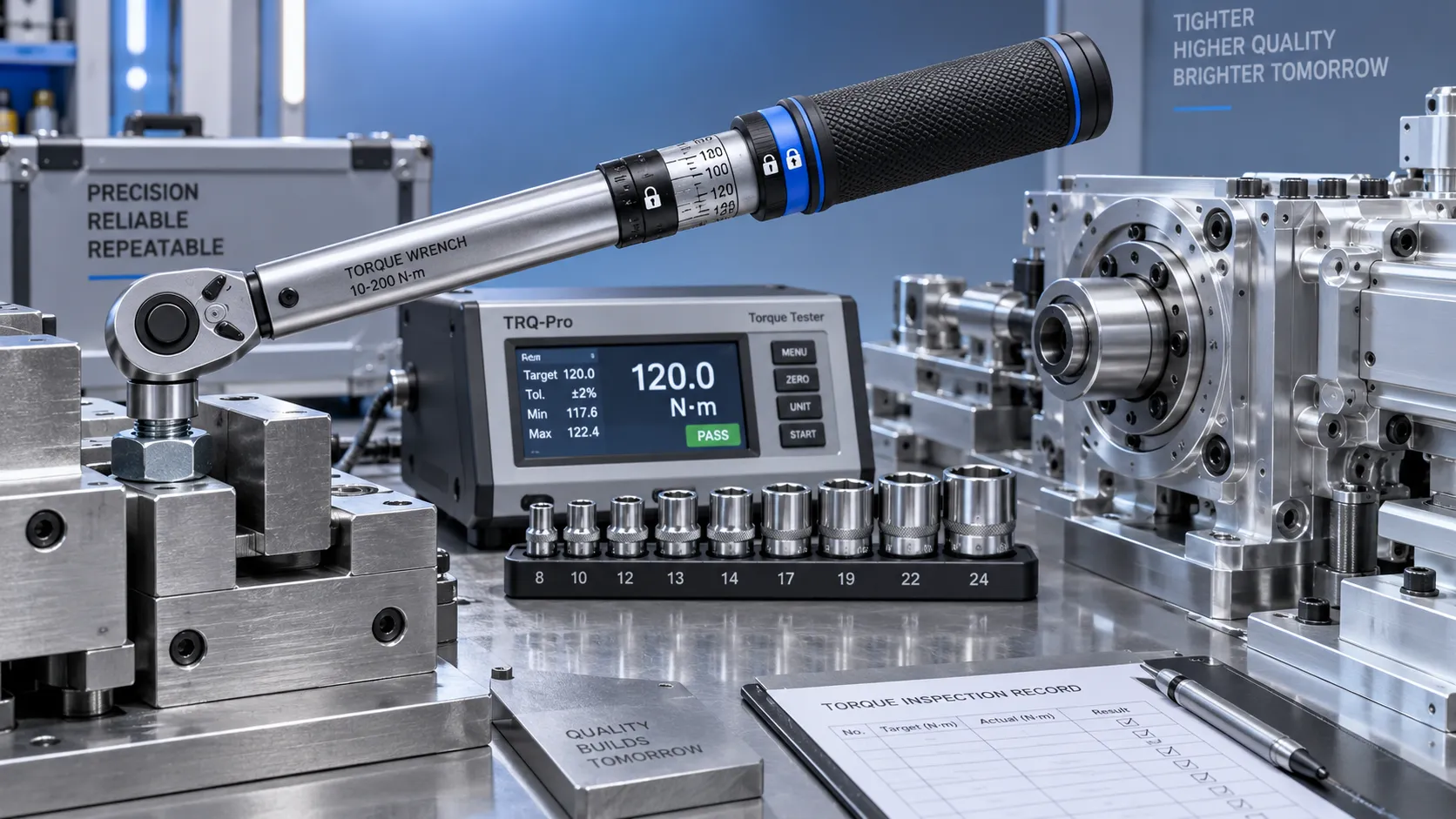
Selecting Adjustable Torque Tools for Repeatable Fastener Assembly
Adjustable torque tools: learn how to match range, accuracy, control methods, calibration, and ergonomics for repeatable, reliable fastener assembly.
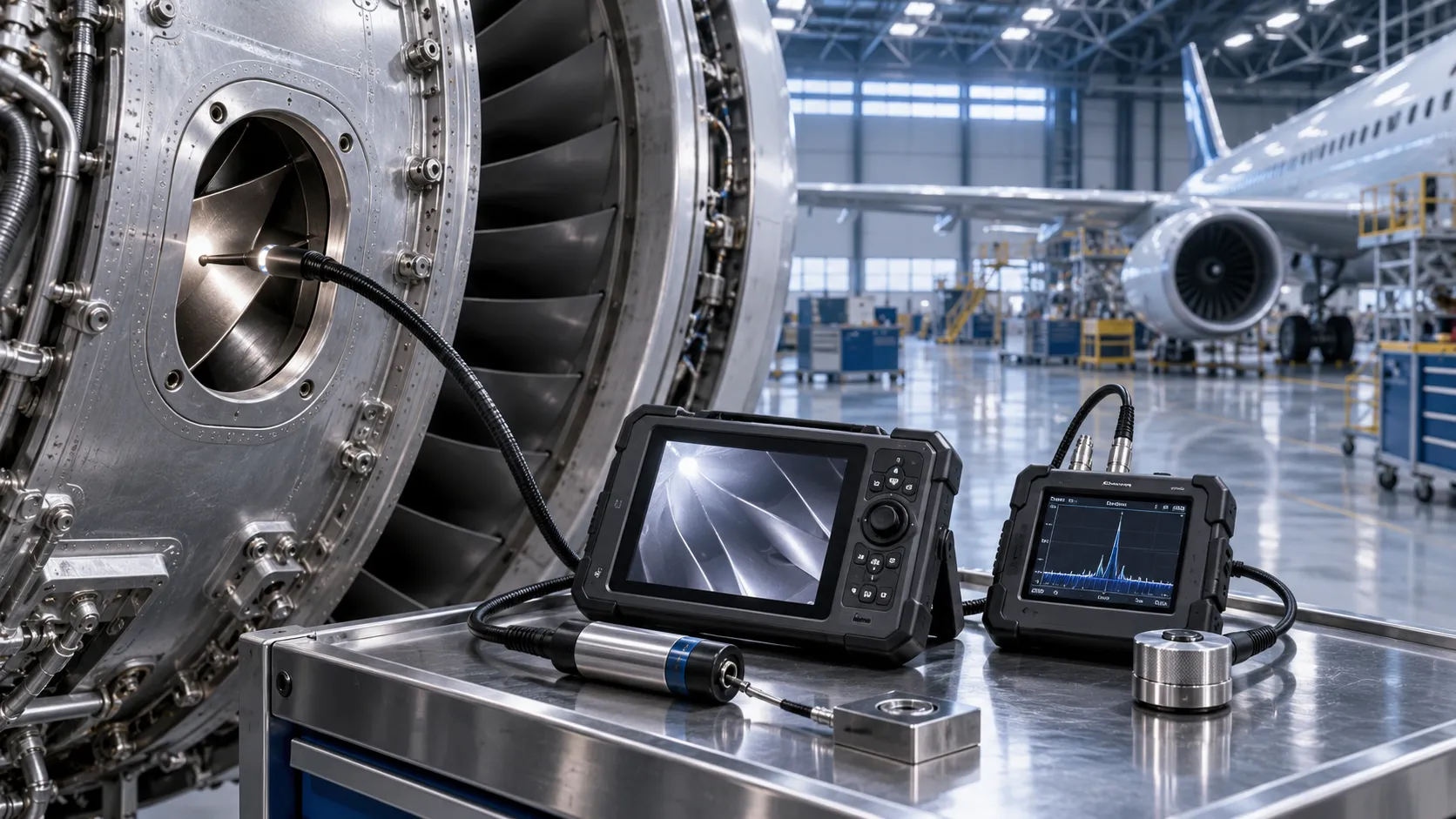
How to Select Aerospace Inspection Tools for Aircraft Maintenance Tasks
Aerospace maintenance inspection tools: learn how to select reliable, traceable equipment for aircraft access, accuracy, calibration, and compliant maintenance decisions.
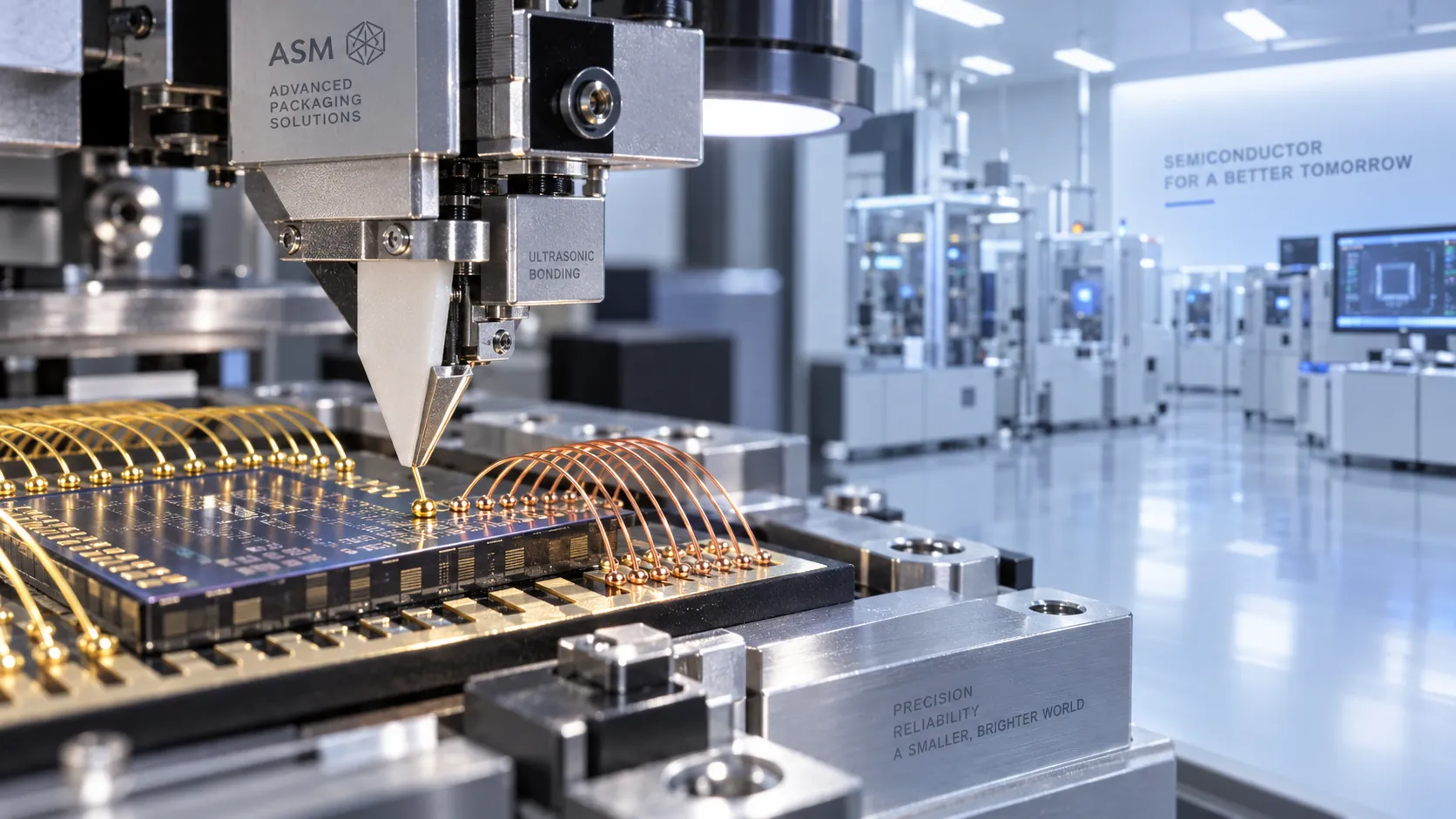
How to Select Wire Bonding Tools for Fine-Pitch Semiconductor Packaging
Explore semiconductor manufacturing tools for wire bonding and learn how to select precision solutions for fine-pitch packaging, reliable loops, accuracy, and yield.
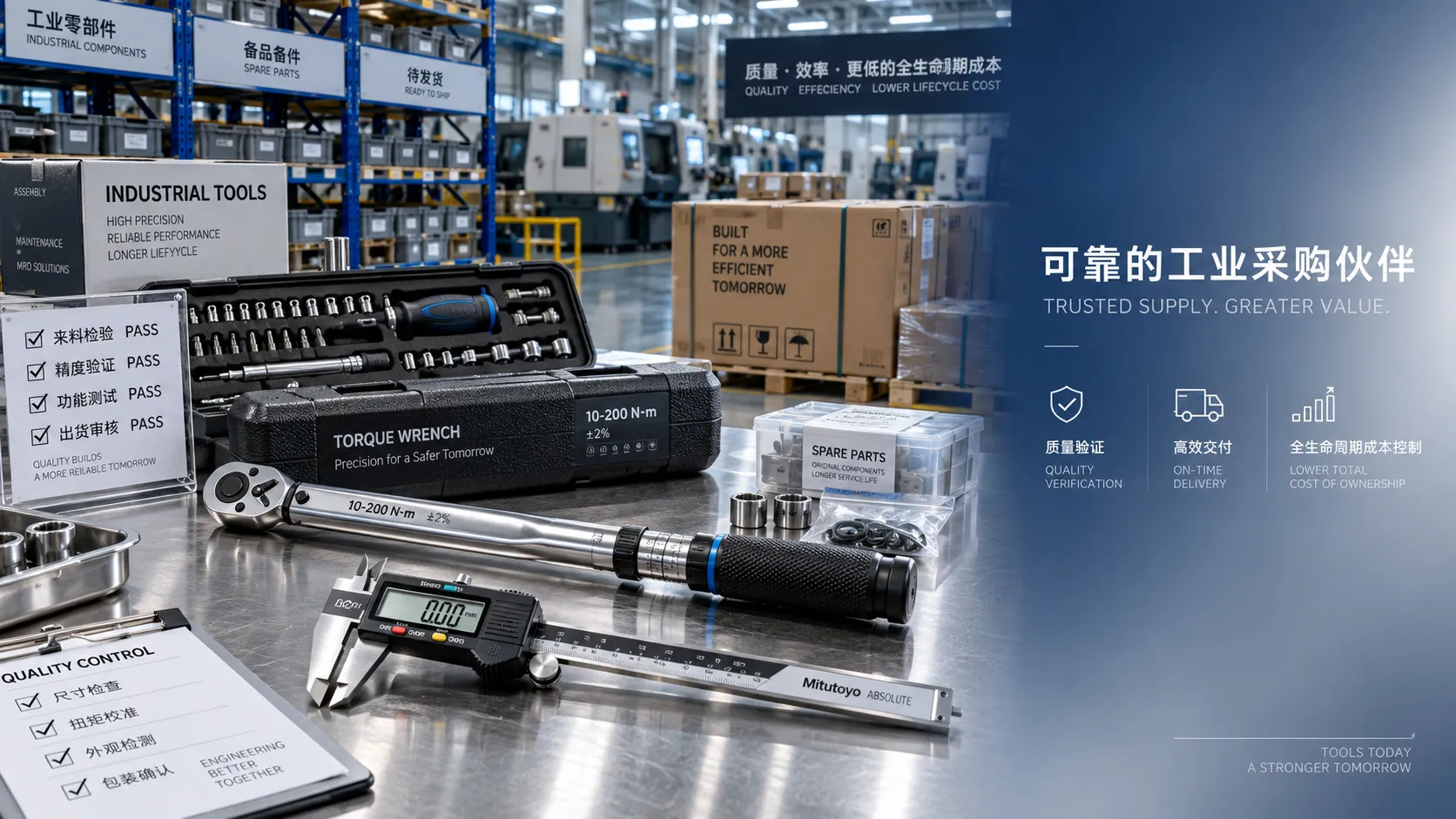
How to Compare Industrial Tool Suppliers for Quality, Lead Time, and Total Cost
Industrial tool selection supplier comparison made simple: evaluate quality, lead times, total cost, service, and supply resilience for confident sourcing decisions.
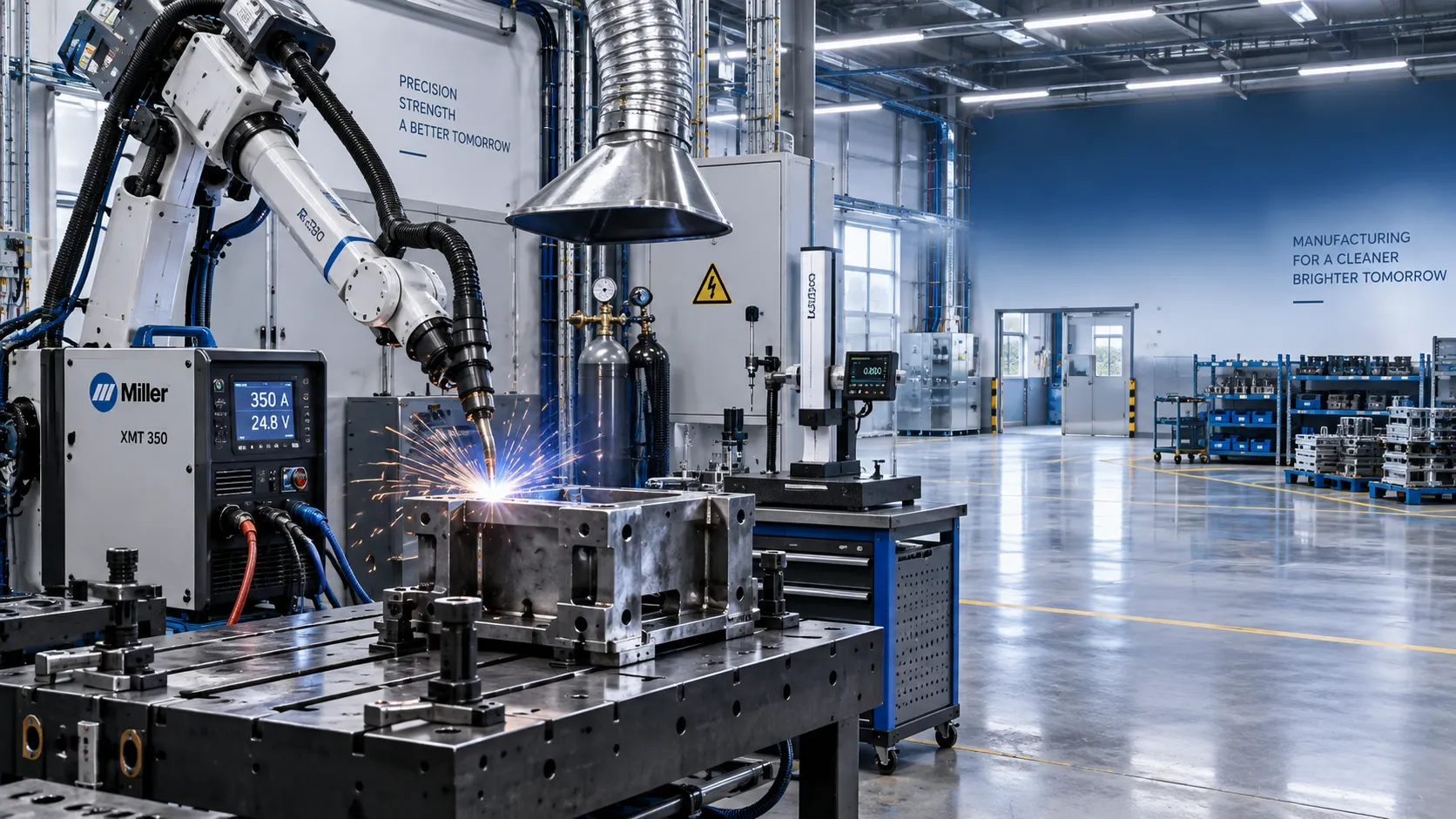
Industrial Equipment Application Guidance: Match Machines to Operating Conditions
Application guidance industrial equipment: match capacity, duty cycle, materials, site conditions, safety, and lifecycle cost to improve reliable output. Read the guide.
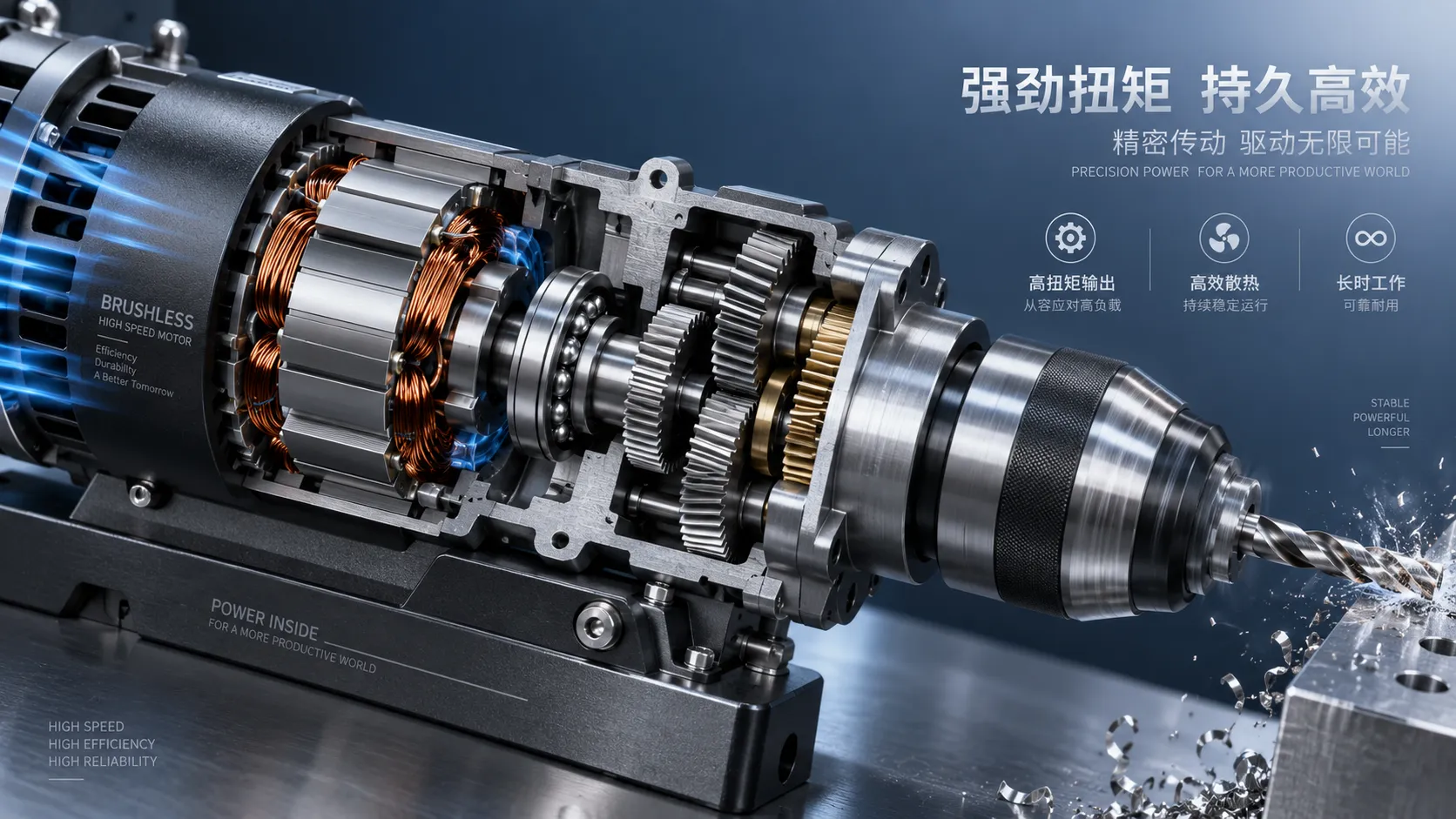
Selecting High-Speed Brushless Tool Motors for Torque, Heat, and Duty Cycle
High speed brushless tool motors: learn how to balance torque, heat, gearing, and duty cycle for reliable industrial tool performance and longer service life.
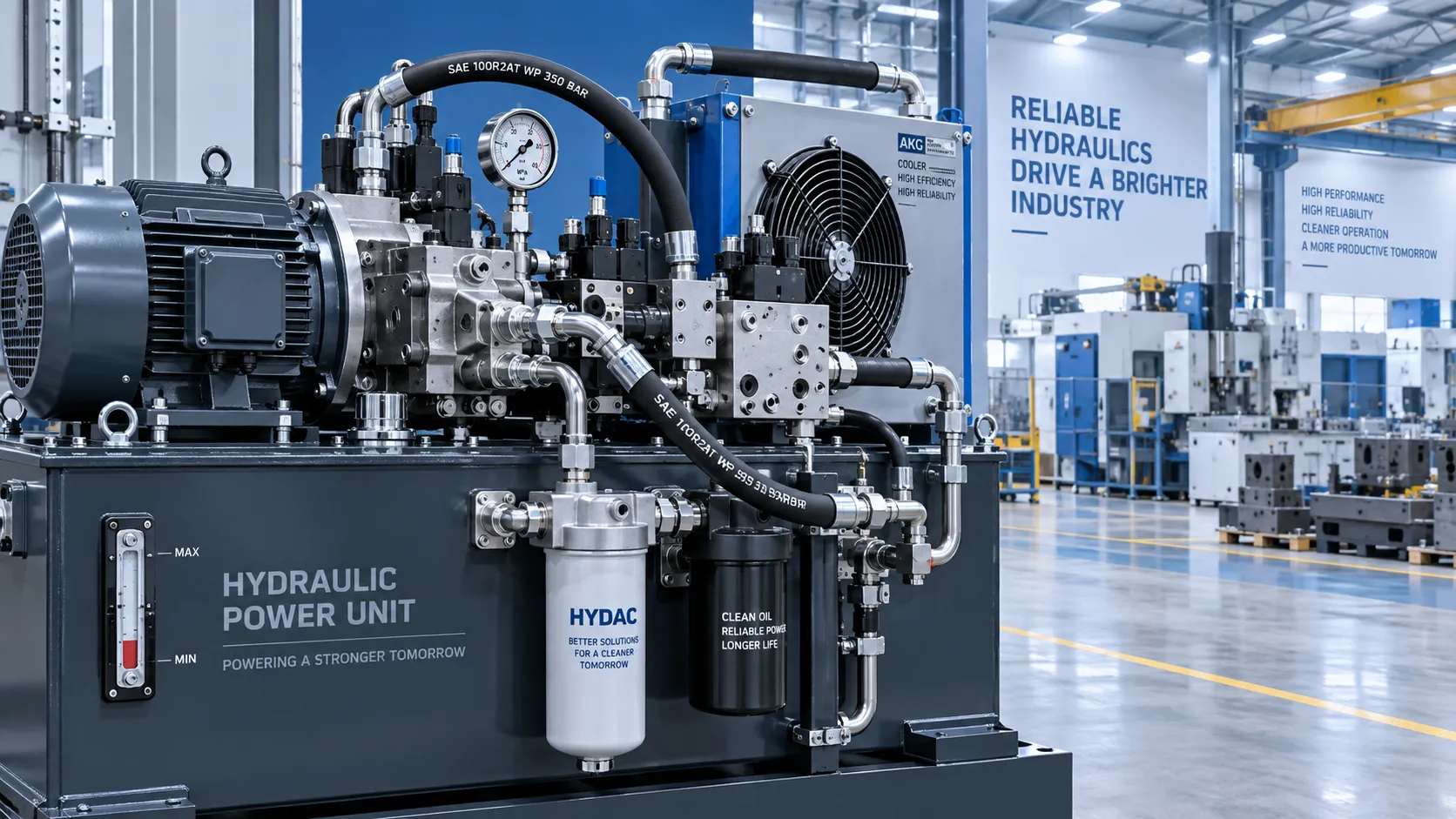
What Determines Industrial Hydraulic System Price for Heavy-Duty Equipment?
Industrial hydraulic system price depends on duty cycle, pressure, components, cooling, and integration. Compare quotes intelligently to secure reliable heavy-duty performance.
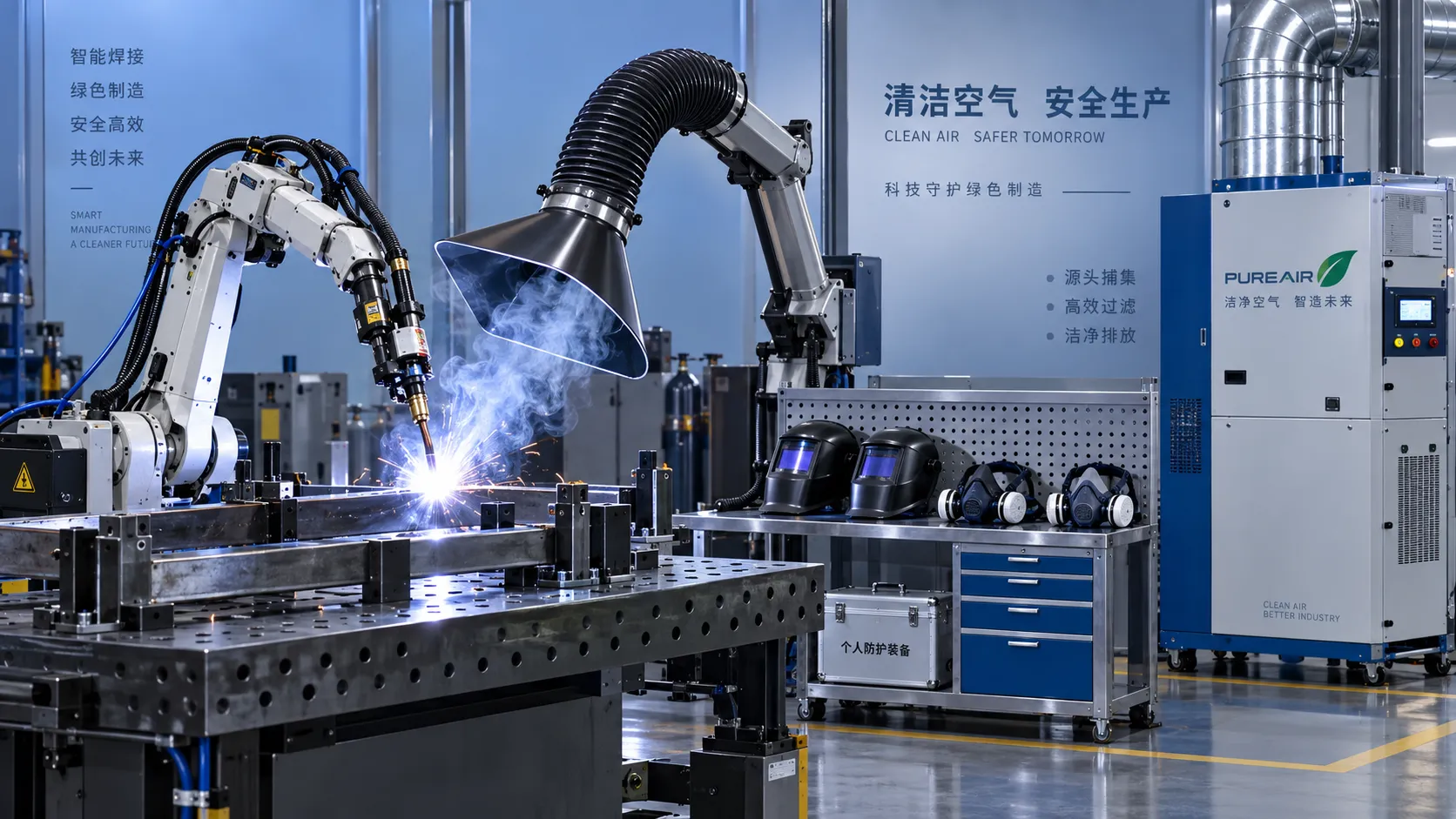
Welding Fume Extraction PPE: When Respirators Are Not Enough for Shop Safety
Welding fume extraction PPE: learn why respirators alone fall short and how source capture, ventilation, and layered controls improve shop safety.
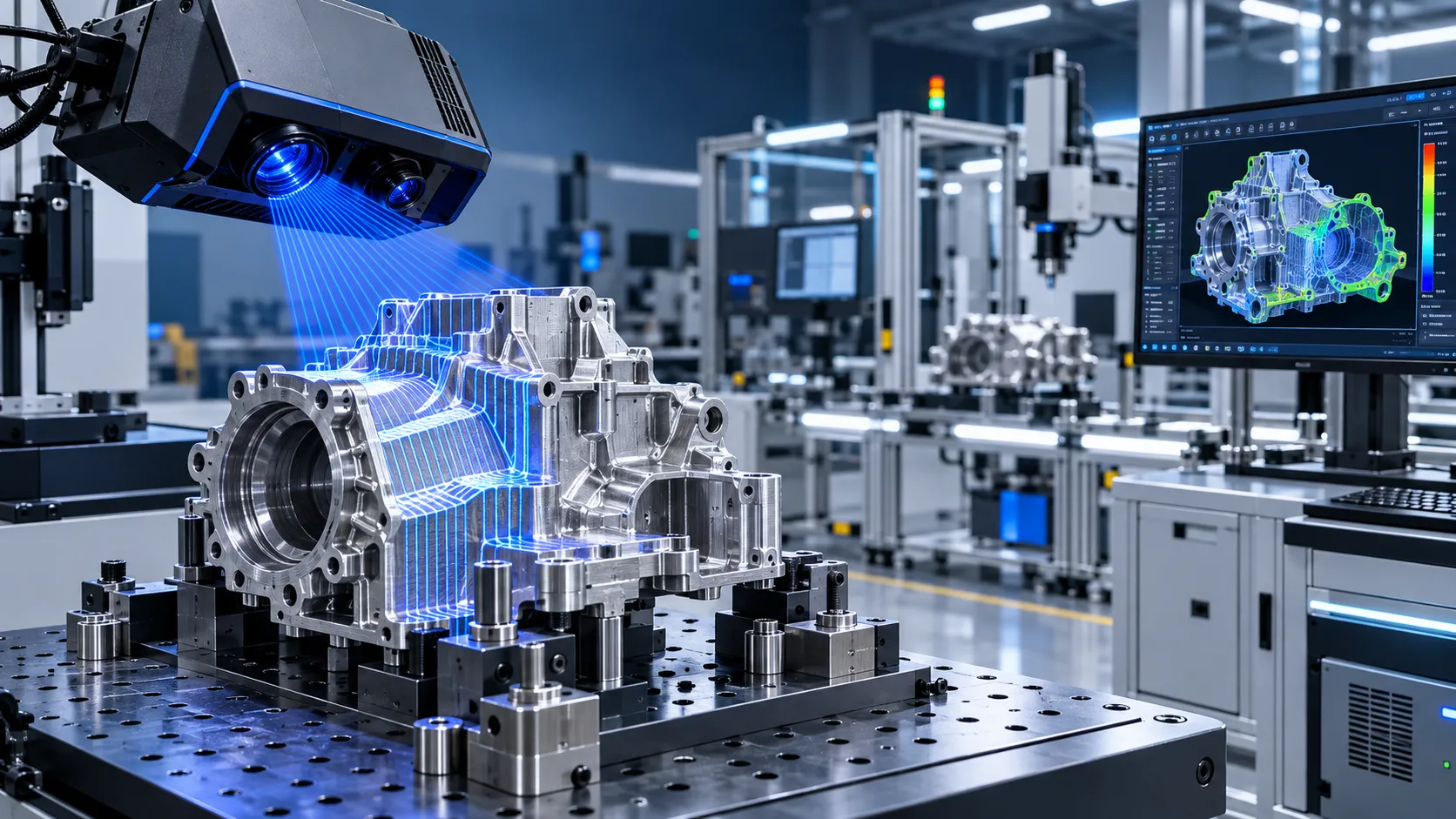
How to Select Optical Metrology Solutions for Tight-Tolerance Manufacturing
Optical industrial metrology solutions for tight-tolerance manufacturing: evaluate accuracy, surface compatibility, workflow, and traceability to select with confidence.
Related News
- 00
0000-00
Selecting Adjustable Torque Tools for Repeatable Fastener Assembly - 00
0000-00
How to Select Aerospace Inspection Tools for Aircraft Maintenance Tasks - 00
0000-00
How to Select Wire Bonding Tools for Fine-Pitch Semiconductor Packaging - 00
0000-00
Industrial Equipment Application Guidance: Match Machines to Operating Conditions - 00
0000-00
Selecting High-Speed Brushless Tool Motors for Torque, Heat, and Duty Cycle
Prof. Marcus Chen
Weekly Insights
Stay ahead with our curated technology reports delivered every Monday.