
Resistance Metal Joining Explained: Best Processes for Thin Sheet and Dissimilar Metals





Resistance metal joining remains one of the most practical answers for thin sheet fabrication and mixed-metal assembly. It matters because it can deliver repeatable bonds at high speed, with limited filler use, controlled heat input, and strong suitability for automated production.
That combination has become more relevant as lightweight structures, tighter tolerances, and material diversification reshape industrial assembly. In sectors tracked by GPTWM, process choice is no longer only about bond strength. It also affects throughput, inspection effort, energy use, and compliance risk.
What resistance metal joining really means in production
At its core, resistance metal joining uses electrical resistance and pressure to create a localized bond. Current flows through the contact area, heat builds at the interface, and force helps form the joint before heat spreads too far.
This is why the method fits thin sheet so well. The thermal cycle is short, distortion can stay low, and cycle times often support mass production better than broader-heat joining methods.
The term covers several processes rather than one single technique. Spot welding, seam welding, projection welding, upset welding, and flash welding all belong to the resistance metal joining family, but they serve different geometries and performance targets.
Why thin sheet and dissimilar metals are drawing more attention
Thin sheet joining has always demanded balance. Too little heat creates weak fusion. Too much heat causes burn-through, indentation, warping, coating damage, or visible surface marks that complicate downstream finishing.
Dissimilar metals raise the difficulty further. Electrical resistance, thermal conductivity, melting range, oxide behavior, and electrode interaction can differ sharply from one material to another.
In practical terms, joining low-carbon steel to stainless steel is not the same as joining aluminum to coated steel, or copper to nickel alloys. The process window narrows, and the cost of trial-and-error rises quickly.
This is one reason intelligence-led process selection is becoming more valuable. GPTWM often frames these decisions through metrology, equipment capability, and supply-chain context rather than through joining theory alone.
Best resistance metal joining processes for common needs
Resistance spot welding
Resistance spot welding is usually the first option for overlapping thin sheets. It is fast, mature, and highly compatible with robotic lines, fixture-based repeatability, and quality monitoring through current, force, and time data.
It works particularly well in steel sheet assemblies, appliance housings, battery enclosures, brackets, and vehicle body structures. For dissimilar metals, success depends heavily on electrode design, surface condition, and current control.
Resistance seam welding
Seam welding replaces single electrodes with rotating wheel electrodes. It creates overlapping weld nuggets or near-continuous seams, making it useful where leak tightness, linear joints, or repetitive edge paths matter.
Fuel tanks, containers, ducts, and sealed sheet assemblies often benefit from this form of resistance metal joining. It is less flexible than spot welding for complex access conditions, but stronger in continuous-joint applications.
Projection welding
Projection welding concentrates current at designed contact points, such as embossments, nuts, studs, or formed projections. That makes it useful when multiple welds are needed in one cycle or when attachment hardware must be fixed accurately.
For thin sheet systems, projection welding can reduce random current spread and improve positional consistency. It is often chosen where component integration and cycle efficiency carry as much value as pure joint strength.
Flash and upset welding
These processes are usually applied to rods, wires, rings, frames, and butt-joint components rather than broad sheet overlap. Even so, they remain relevant when dissimilar metal sections must be joined with strong axial alignment.
Compared with spot-based methods, they serve a narrower geometry range. Their value appears when edge-to-edge integrity matters more than surface presentation.
Where each process tends to fit best
The best process is rarely universal. It depends on joint design, material stack, required appearance, inspection method, and whether the line prioritizes flexibility or fixed-volume efficiency.
For thin sheet and dissimilar metals, spot and projection welding usually dominate the conversation. They offer the most direct route to repeatable resistance metal joining when line speed and compact equipment footprints both matter.
The factors that decide whether the joint will succeed
Material pairing comes first. Electrical and thermal mismatch changes how heat develops. A highly conductive metal can pull heat away too quickly, while coated surfaces can disrupt contact resistance in unpredictable ways.
Surface condition matters almost as much. Oils, oxides, plating layers, and scale can alter current flow or contaminate the bond region. Even a promising process becomes unstable when preparation standards are inconsistent.
Electrode selection is another decisive variable. Electrode geometry, alloy type, cooling performance, and dress interval shape nugget formation and long-run repeatability. This is often underestimated during early process trials.
Then comes control strategy. Current, force, squeeze time, weld time, hold time, and pulse scheduling all interact. In advanced lines, closed-loop monitoring and inline metrology can detect drift before defects become systemic.
How resistance metal joining creates business value
The value is not limited to weld formation. Resistance metal joining can reduce filler handling, simplify automation, and shorten cycle time compared with several alternative joining routes for thin materials.
It also supports cleaner production logic. With less added material and short heat cycles, post-process finishing may be reduced. That can improve line balance in industries where takt time and cosmetic consistency both affect margin.
From the intelligence perspective emphasized by GPTWM, the stronger question is where the process fits within a broader manufacturing system. Raw material volatility, export restrictions, and equipment serviceability all influence the real economics.
A process that looks efficient in a lab may become expensive if electrodes wear rapidly, inspection needs are high, or local skill support is weak. That is why process benchmarking should include maintenance and metrology, not only initial weld strength.
Typical application paths across industries
- Automotive structures: body panels, reinforcements, brackets, seat frames, battery tabs, and enclosure parts.
- Appliances and HVAC: cabinets, ducts, tanks, compressors, and sealed sheet assemblies.
- Electrical products: busbar-related components, contact assemblies, and conductive attachments.
- Aerospace maintenance and support equipment: lightweight housings, fixtures, and selective thin-gauge repairs.
- Construction hardware and industrial tools: formed sheet subassemblies, handles, casings, and fastening points.
The specific resistance metal joining route changes with durability targets, coating requirements, and traceability expectations. Still, the underlying pattern is consistent: short-cycle, localized joining remains highly competitive when materials are thin and assembly volume is meaningful.
A practical framework for evaluating options
A useful review starts with five questions. They help narrow the field before deeper trials begin.
- What are the exact materials, thicknesses, coatings, and stack order?
- Is the joint load-bearing, sealing-related, conductive, or mainly positional?
- How much visible marking or distortion is acceptable?
- Which inspection method will confirm quality in production, not only in testing?
- How stable are consumables, maintenance capability, and power quality at scale?
Once those answers are clear, comparison becomes more grounded. It becomes easier to judge whether standard resistance spot welding is enough, whether projection features should be designed in, or whether another joining family deserves consideration.
What to watch next
The future of resistance metal joining will be shaped by lightweighting, digital monitoring, and broader use of mixed materials. That makes process data more valuable than isolated machine specifications.
A stronger next step is to map joining needs against material combinations, part geometry, and inspection requirements, then compare process windows with real production constraints. That approach turns resistance metal joining from a familiar technique into a measurable decision advantage.
Related News
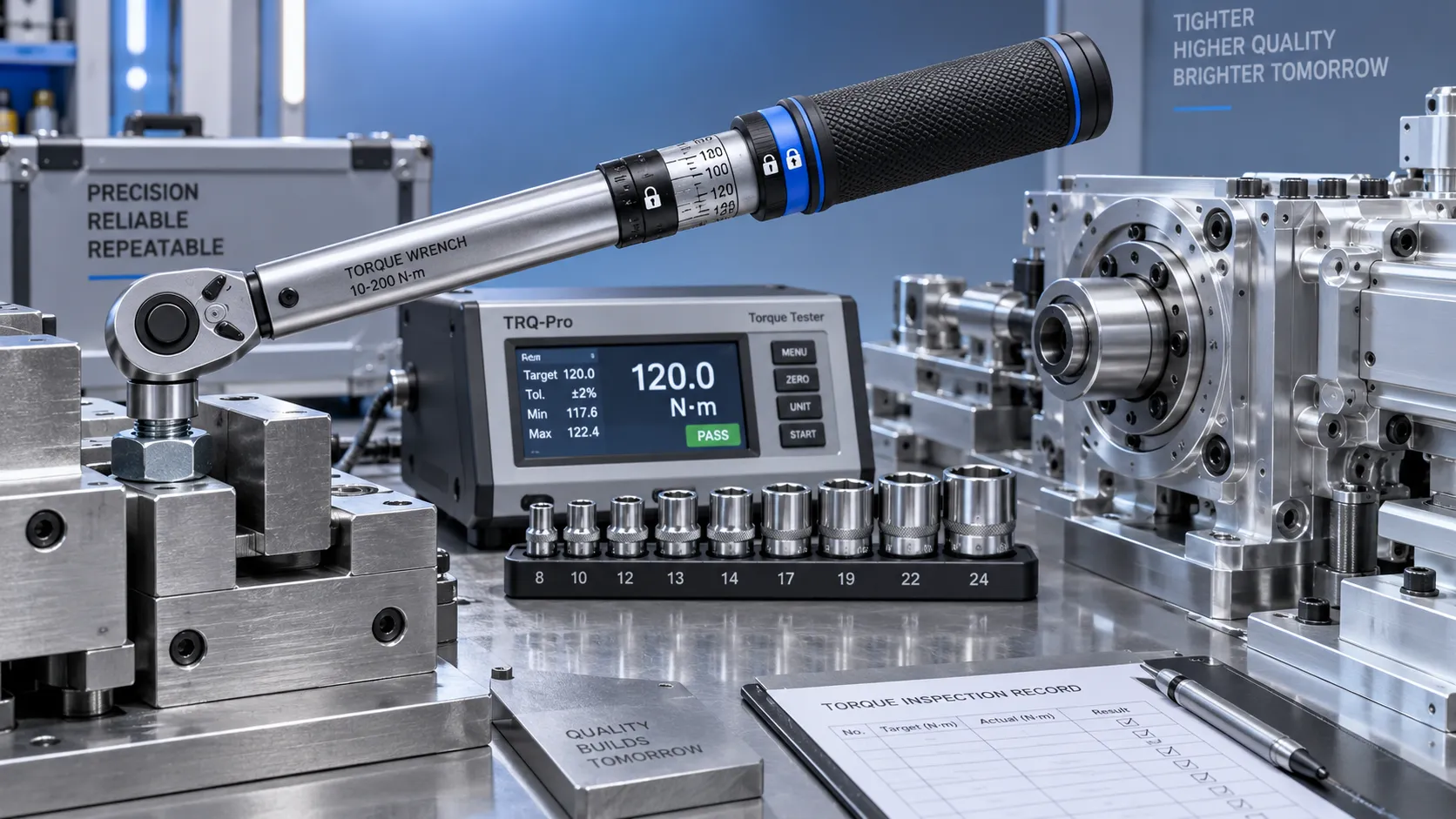
Selecting Adjustable Torque Tools for Repeatable Fastener Assembly
Adjustable torque tools: learn how to match range, accuracy, control methods, calibration, and ergonomics for repeatable, reliable fastener assembly.
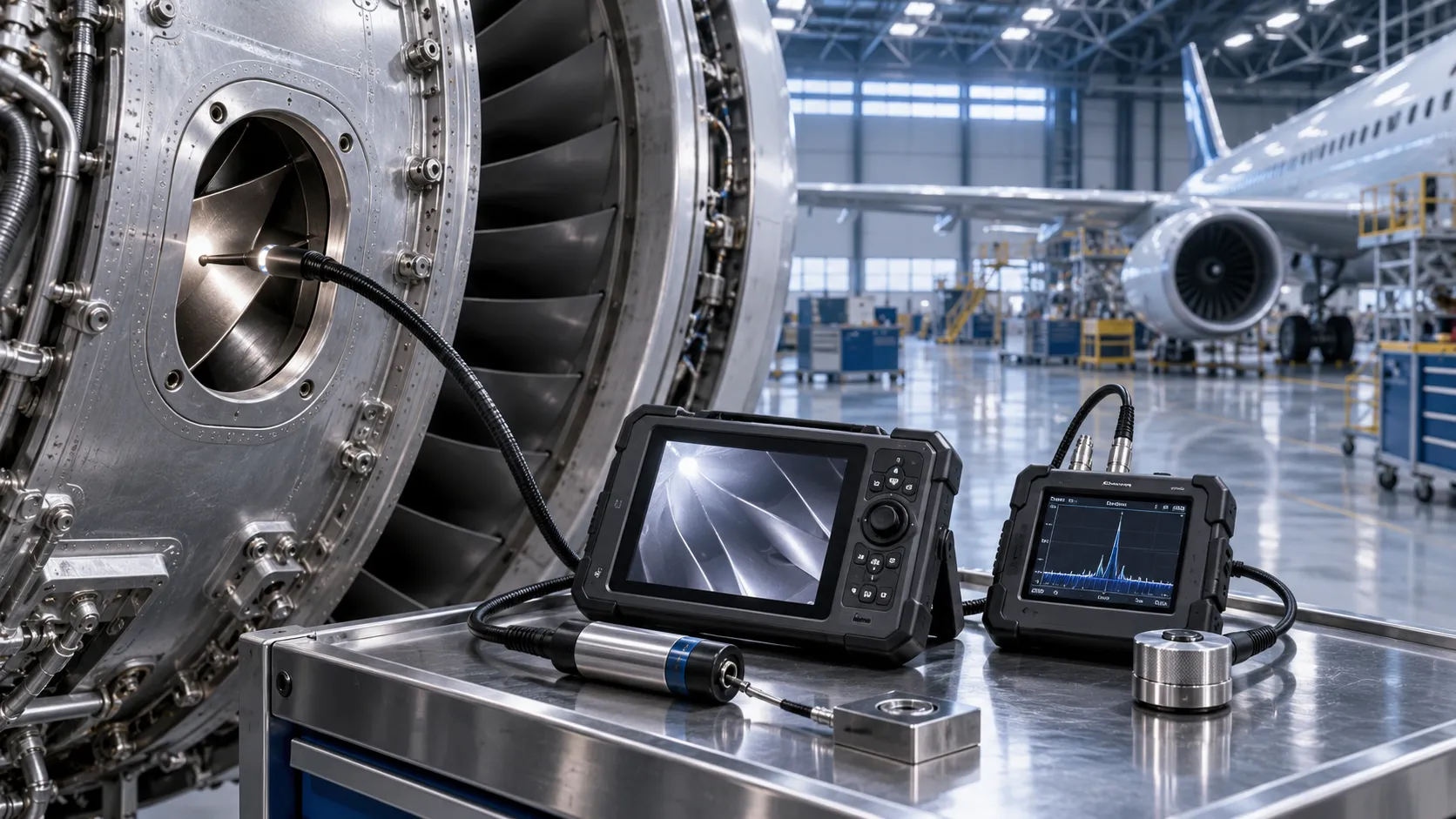
How to Select Aerospace Inspection Tools for Aircraft Maintenance Tasks
Aerospace maintenance inspection tools: learn how to select reliable, traceable equipment for aircraft access, accuracy, calibration, and compliant maintenance decisions.
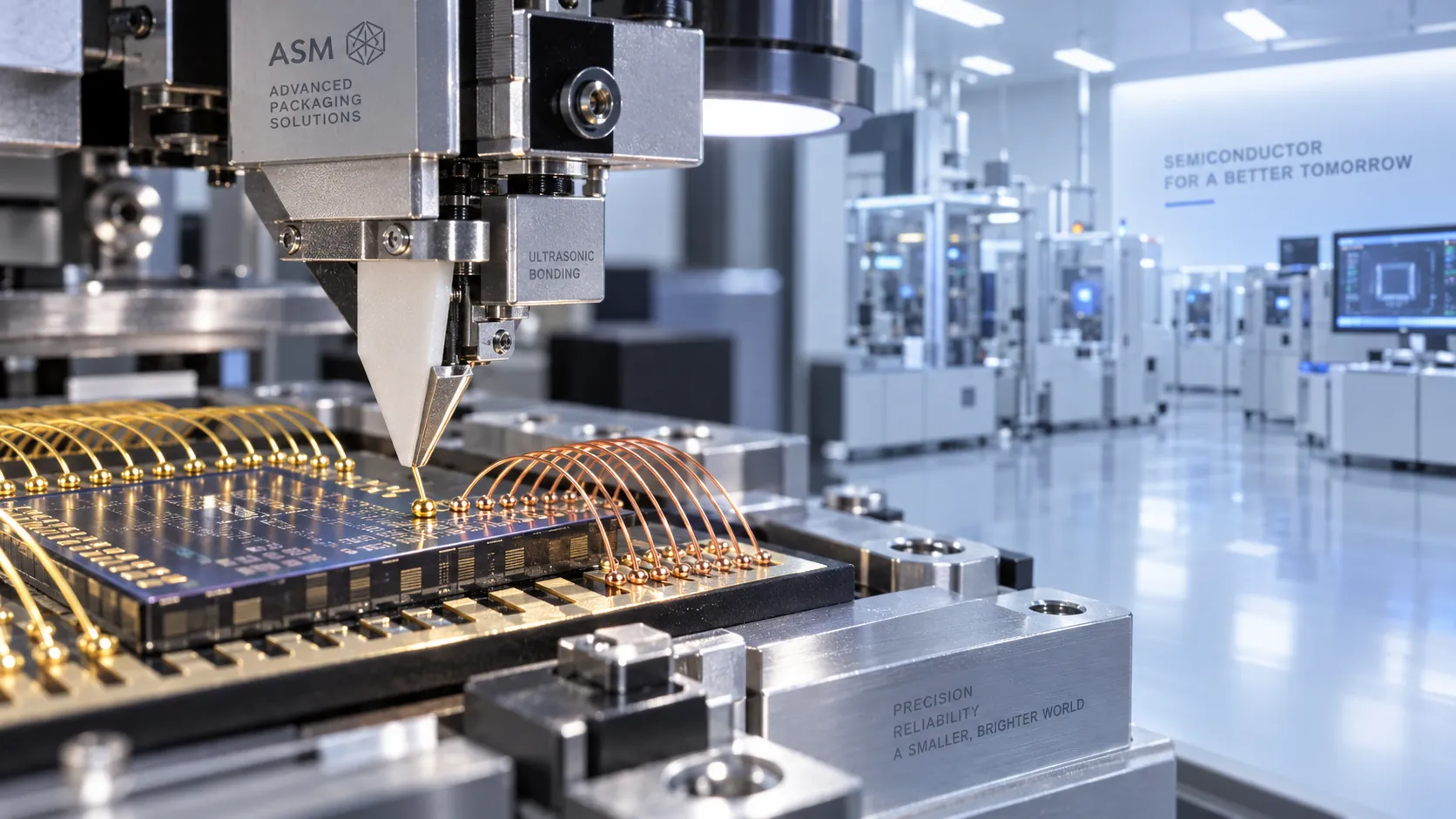
How to Select Wire Bonding Tools for Fine-Pitch Semiconductor Packaging
Explore semiconductor manufacturing tools for wire bonding and learn how to select precision solutions for fine-pitch packaging, reliable loops, accuracy, and yield.
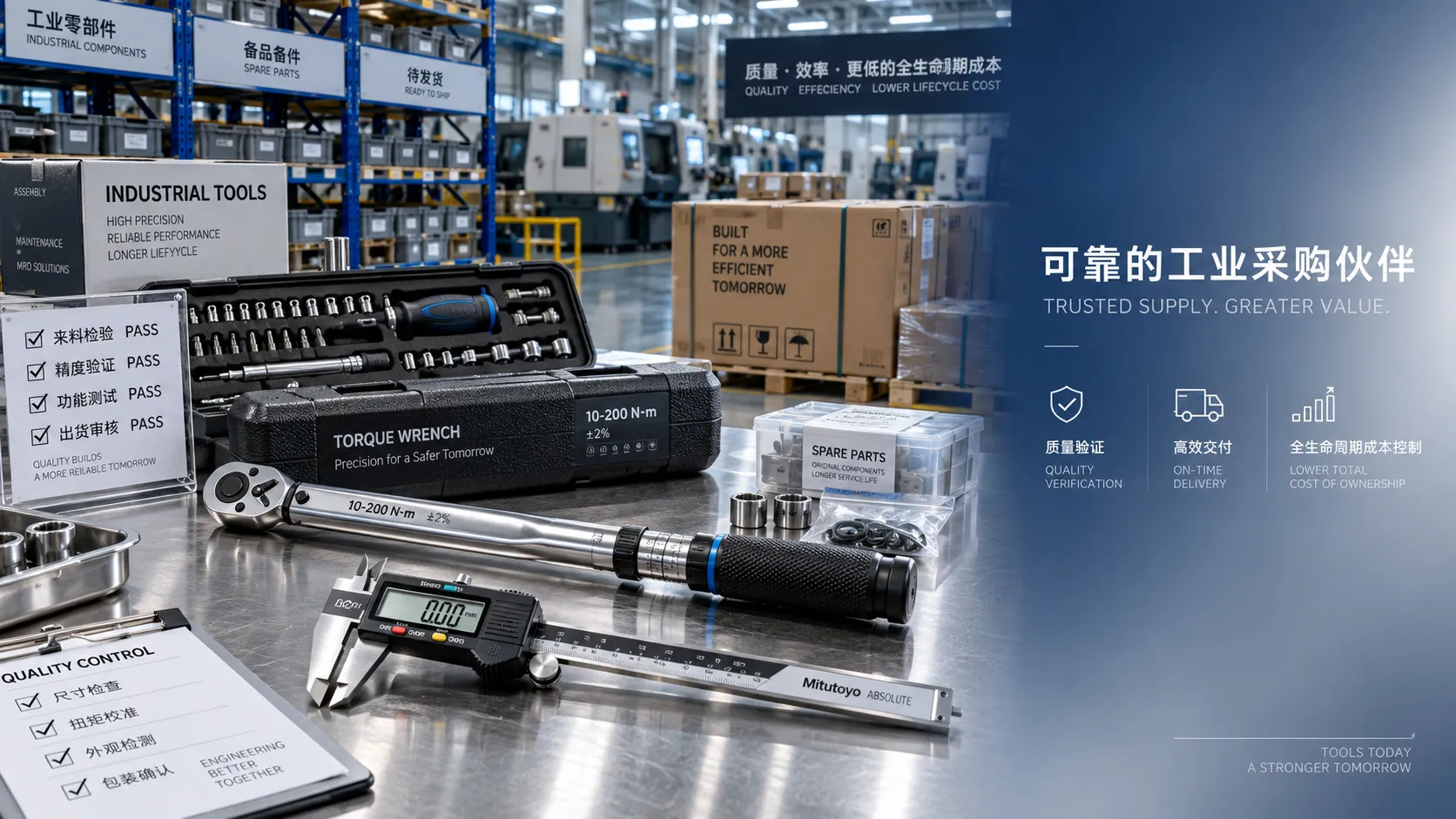
How to Compare Industrial Tool Suppliers for Quality, Lead Time, and Total Cost
Industrial tool selection supplier comparison made simple: evaluate quality, lead times, total cost, service, and supply resilience for confident sourcing decisions.
Industrial Equipment Application Guidance: Match Machines to Operating Conditions
Application guidance industrial equipment: match capacity, duty cycle, materials, site conditions, safety, and lifecycle cost to improve reliable output. Read the guide.
Selecting High-Speed Brushless Tool Motors for Torque, Heat, and Duty Cycle
High speed brushless tool motors: learn how to balance torque, heat, gearing, and duty cycle for reliable industrial tool performance and longer service life.
What Determines Industrial Hydraulic System Price for Heavy-Duty Equipment?
Industrial hydraulic system price depends on duty cycle, pressure, components, cooling, and integration. Compare quotes intelligently to secure reliable heavy-duty performance.
Welding Fume Extraction PPE: When Respirators Are Not Enough for Shop Safety
Welding fume extraction PPE: learn why respirators alone fall short and how source capture, ventilation, and layered controls improve shop safety.
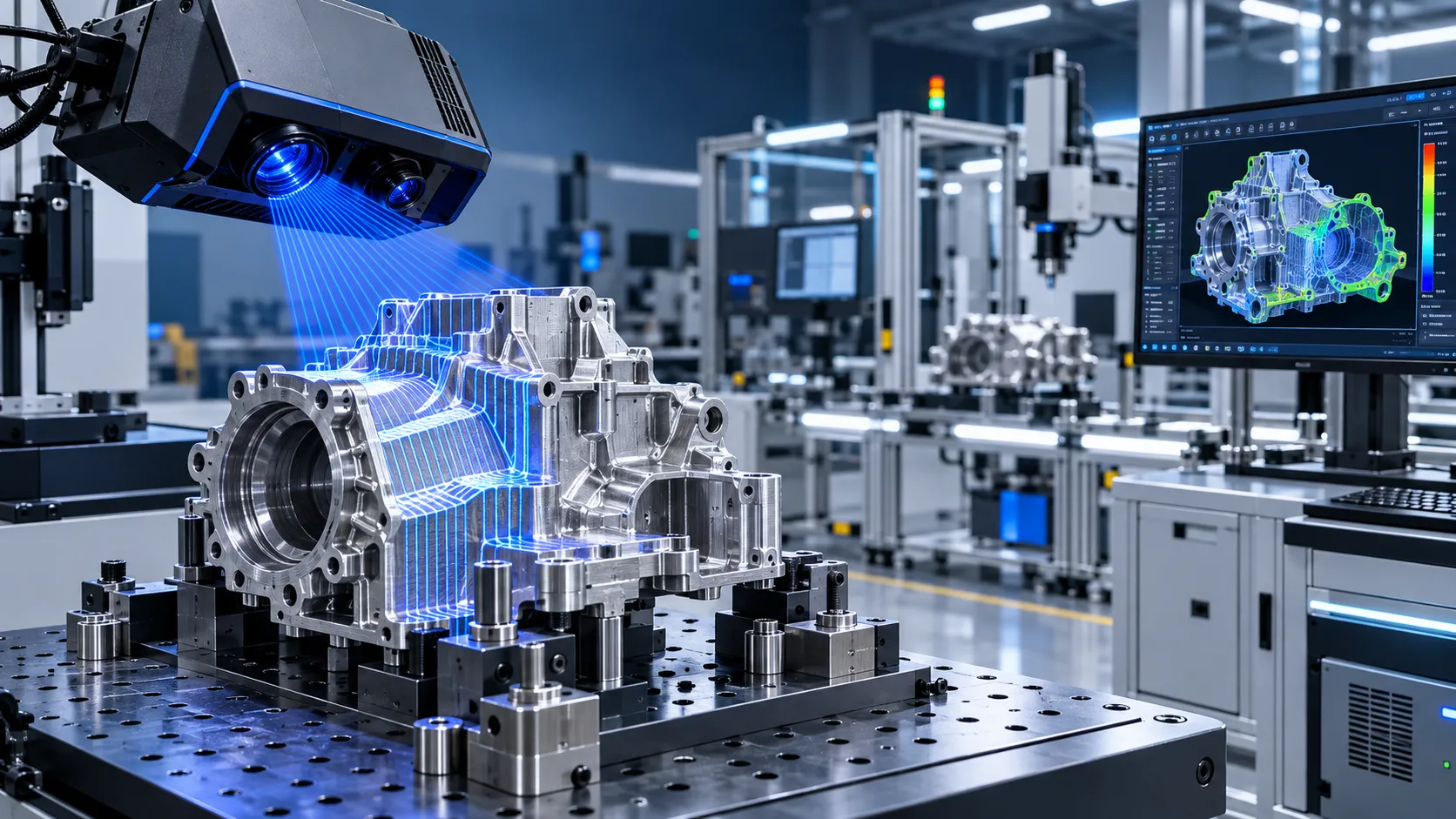
How to Select Optical Metrology Solutions for Tight-Tolerance Manufacturing
Optical industrial metrology solutions for tight-tolerance manufacturing: evaluate accuracy, surface compatibility, workflow, and traceability to select with confidence.
Related News
- 00
0000-00
Welding Fume Extraction PPE: When Respirators Are Not Enough for Shop Safety - 00
0000-00
Which ANSI Standards Apply to Welding Equipment in Industrial Fabrication? - 00
0000-00
How Energy-Efficient Welding Equipment Cuts Power Use in High-Volume Fabrication - 00
0000-00
Which ISO Standards Govern Welding Technology Quality Control and Qualification? - 00
0000-00
North American Welding Innovations Reshaping Automation, Quality, and Labor Productivity
Welding Metallurgy Expert
Weekly Insights
Stay ahead with our curated technology reports delivered every Monday.