
Aerospace Maintenance Tools AMS: What to Check Before Buying for MRO Operations





Why does buying aerospace maintenance tools AMS require more than a price comparison?
Aerospace MRO work leaves little room for approximation. A lower unit price can look attractive, yet hidden costs often appear later through rework, calibration failure, delayed release, or premature tool replacement.
That is why aerospace maintenance tools AMS should be judged as part of an operating system, not as isolated items. The real question is whether the tool supports repeatable maintenance, audit readiness, and predictable turnaround time.
In practice, the buying decision usually sits at the intersection of compliance, usability, life-cycle cost, and supplier discipline. A torque tool, borescope, gauge, cutter, or hydraulic aid may all carry different technical risks.
The broader industrial market has already moved in this direction. GPTWM tracks how precision metrology, intelligent torque control, and export standard shifts affect tool selection across aerospace, automotive, and construction maintenance.
For aerospace environments, that intelligence matters because tooling errors do not stay local. They affect inspection records, technician productivity, asset availability, and sometimes customer confidence.
So before comparing quotations, it helps to define what the tool must prove: compliance, accuracy, traceability, durability, and service support. Once those checkpoints are clear, pricing becomes easier to interpret.
What exactly should aerospace maintenance tools AMS cover in an MRO environment?
The term can sound broad, and that is often where confusion begins. Aerospace maintenance tools AMS usually refers to tools selected for aviation maintenance tasks under strict performance and documentation expectations.
This does not only mean heavy equipment. It often includes calibrated hand tools, precision measuring devices, inspection aids, fastener tools, non-sparking options, and specialty tooling for airframe or engine work.
More importantly, aerospace maintenance tools AMS are not defined by marketing language. They are defined by their suitability for controlled maintenance workflows, including calibration intervals, material compatibility, and traceable identification.
A tool may perform well in general industry and still be a poor fit for aviation use. That gap often appears in certification paperwork, tolerance stability, or the inability to tie a tool to a maintenance record.
A simple way to frame the category is this: if the tool affects measurement, fastening, inspection, surface condition, or component handling, it should be reviewed against aerospace MRO control standards.
A quick checkpoint table before shortlisting suppliers
The table below helps separate acceptable aerospace maintenance tools AMS from tools that only appear competitive on paper.
Which technical checks usually matter most before placing an order?
Most buying mistakes come from checking only the visible specification. The more reliable approach is to review how the tool behaves over time, under load, and inside your documentation process.
Calibration accuracy sits near the top of the list. If a measuring or torque tool cannot hold its tolerance across normal use cycles, the apparent savings disappear quickly.
Material choice is next. Aerospace maintenance tools AMS often face solvents, temperature shifts, frequent handling, and strict cleanliness requirements. Low-grade alloys and weak coatings fail earlier than buyers expect.
Traceability should also be tested, not assumed. Markings must remain readable, certificates must match delivered items, and serial references should integrate with local tool control procedures.
Ergonomics matter more than many sourcing lists acknowledge. Poor grip geometry or excess tool weight can slow repetitive maintenance tasks and increase handling errors.
A practical shortlist usually includes these checks:
- Tolerance and repeatability under normal operating load
- Calibration certificate source and re-certification path
- Material strength, finish quality, and corrosion resistance
- Tool marking permanence and asset traceability
- Compatibility with existing storage, kits, and workflows
- Repairability and spare part lead time
This is where intelligence sources like GPTWM become useful. Monitoring metrology trends and smart torque systems helps buyers spot which specifications are becoming operational requirements rather than optional features.
How do you compare suppliers when several options meet the basic specification?
When multiple suppliers pass the first technical screen, the better comparison is operational reliability. Two offers can look similar, yet one supplier may create far less disruption over a three-year period.
Lead time consistency is one signal. Aerospace maintenance tools AMS are often needed within maintenance windows, not broad planning horizons. A supplier with unstable replenishment performance can create avoidable schedule pressure.
Documentation discipline is another differentiator. Clean certificates, clear revision control, and responsive technical answers usually indicate a supplier that understands aerospace expectations beyond the sale itself.
After-sales capability often decides the long-term outcome. Recalibration turnaround, spare inventory, warranty handling, and local service access all influence actual ownership cost.
A useful comparison method is to score each supplier on a weighted basis rather than relying on quote totals alone.
Where do buyers usually underestimate risk with aerospace maintenance tools AMS?
One common mistake is assuming industrial-grade tooling automatically fits aerospace conditions. It may work mechanically, yet still fail audit, traceability, or calibration expectations.
Another weak point is treating certificates as a formality. If supporting documents are inconsistent, outdated, or disconnected from actual serial numbers, the risk appears during inspection, not during sourcing.
Short-term substitutions can also create hidden exposure. A replacement tool sourced during an urgent maintenance event may solve today’s gap while introducing mixed standards into the wider tool pool.
There is also a cost trap around consumables and accessories. A tool body may be affordable, but proprietary batteries, probe heads, inserts, hoses, or software licenses can raise the real spend later.
More careful buying usually means asking uncomfortable questions early:
- Will this tool remain compliant after recalibration, repair, and normal wear?
- Can all accessories be sourced at the same quality level?
- Does the supplier support documentation for future audits?
- What happens if export rules or material sourcing suddenly change?
That last point matters more now. GPTWM’s market tracking shows how raw material movement and export restrictions increasingly shape availability, pricing, and approved sourcing windows for precision industrial tools.
How should cost, replacement cycle, and long-term value be judged?
The better metric is total ownership cost, not invoice price. Aerospace maintenance tools AMS should be evaluated across acquisition, calibration, downtime, repair, accessory consumption, and replacement timing.
For example, a premium torque tool may cost more upfront, yet save money if it holds calibration longer, reduces failed inspections, and returns to service faster after maintenance.
Replacement cycle planning also matters. If the tool has a short wear life in high-frequency MRO work, annual budgeting should reflect realistic turnover rather than catalog assumptions.
A simple evaluation model often works best:
- Purchase cost over expected service life
- Calibration and recertification frequency
- Estimated downtime during repair or exchange
- Consumables and accessory dependency
- Probability of rework linked to tool performance drift
When that model is documented, supplier conversations become more precise. It also helps explain why two aerospace maintenance tools AMS with similar specifications can deliver very different operating value.
What is the most practical next step before final approval?
Start with the maintenance task, not the catalog. Map which tools directly affect measurement, fastening accuracy, component handling, or inspection evidence. Those tools deserve the strictest review first.
Then build a short decision sheet covering compliance documents, calibration traceability, material durability, service support, and total cost over the expected use period. That single page often exposes weak offers quickly.
If the market looks crowded, use external intelligence carefully. GPTWM’s coverage of precision tools, metrology trends, and industrial standard shifts can help clarify whether a specification is stable, emerging, or already becoming a buying baseline.
In the end, buying aerospace maintenance tools AMS is really about protecting maintenance quality with fewer surprises. A disciplined check on certification, durability, calibration, traceability, and supplier performance usually leads to better value than chasing the lowest quote.
The sensible next move is to compare shortlisted tools against actual MRO tasks, expected service cycles, and documentation requirements. That keeps the decision grounded in operating reality rather than brochure language.
Related News
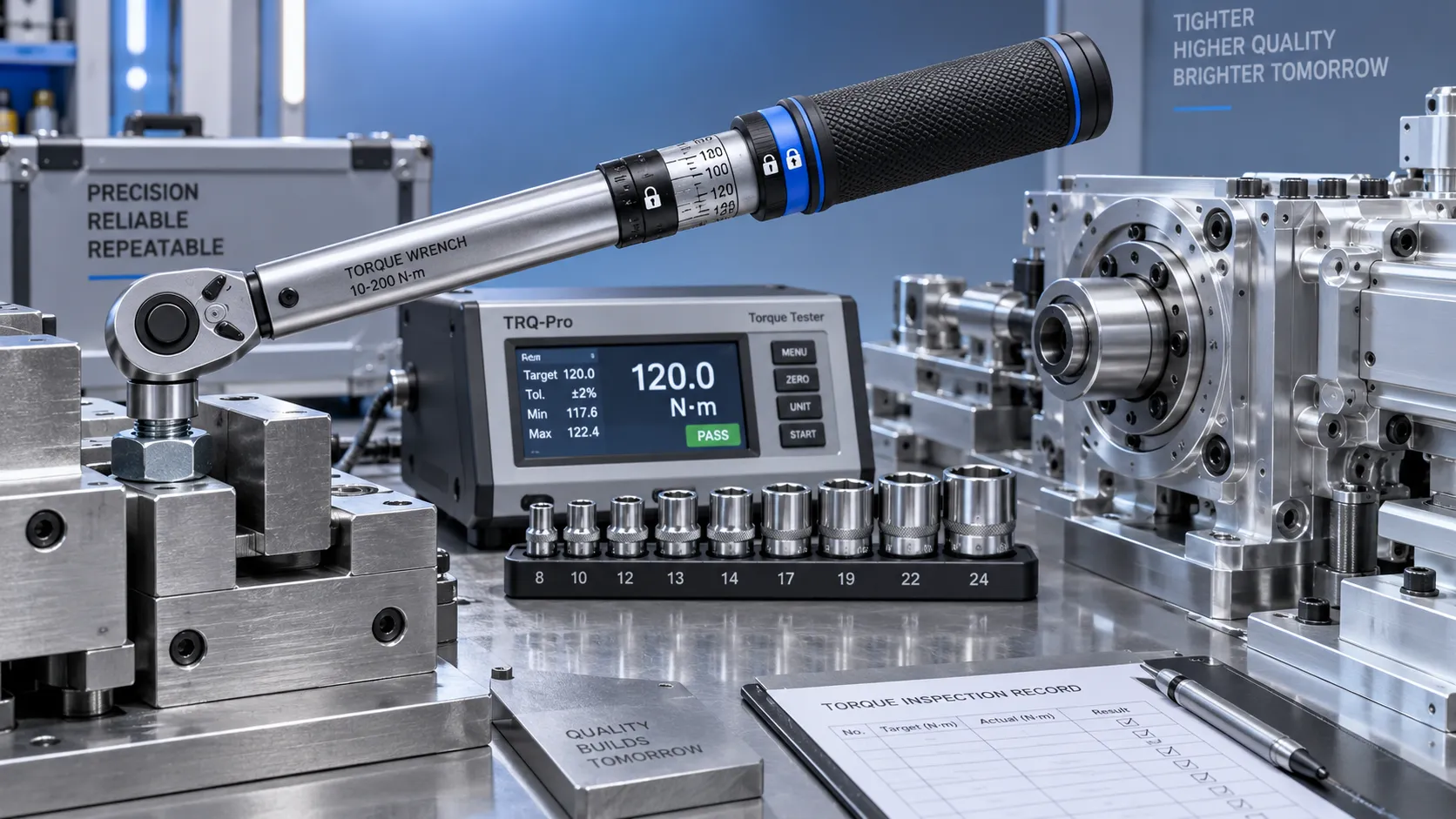
Selecting Adjustable Torque Tools for Repeatable Fastener Assembly
Adjustable torque tools: learn how to match range, accuracy, control methods, calibration, and ergonomics for repeatable, reliable fastener assembly.

How to Select Aerospace Inspection Tools for Aircraft Maintenance Tasks
Aerospace maintenance inspection tools: learn how to select reliable, traceable equipment for aircraft access, accuracy, calibration, and compliant maintenance decisions.

How to Select Wire Bonding Tools for Fine-Pitch Semiconductor Packaging
Explore semiconductor manufacturing tools for wire bonding and learn how to select precision solutions for fine-pitch packaging, reliable loops, accuracy, and yield.
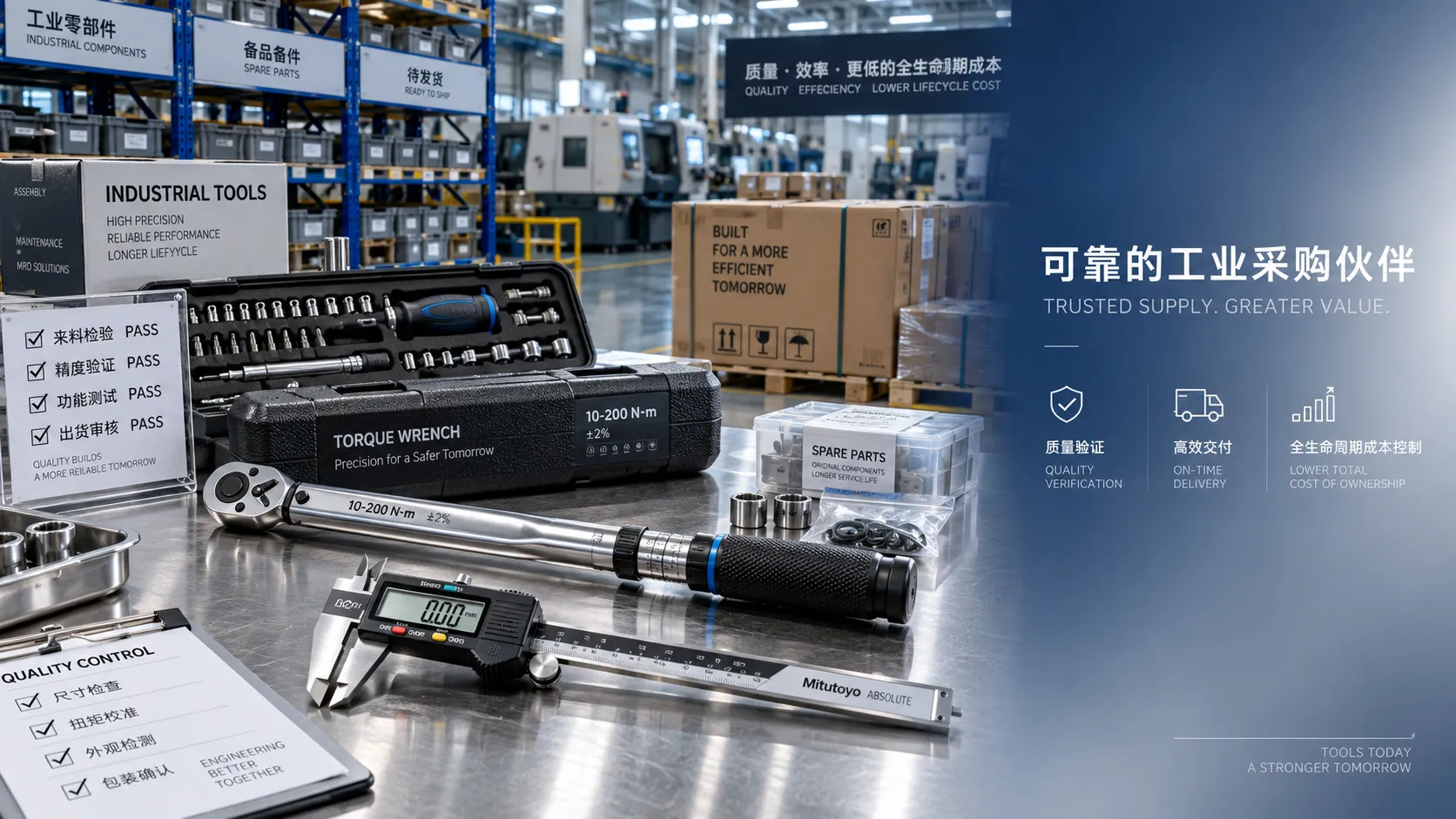
How to Compare Industrial Tool Suppliers for Quality, Lead Time, and Total Cost
Industrial tool selection supplier comparison made simple: evaluate quality, lead times, total cost, service, and supply resilience for confident sourcing decisions.

Industrial Equipment Application Guidance: Match Machines to Operating Conditions
Application guidance industrial equipment: match capacity, duty cycle, materials, site conditions, safety, and lifecycle cost to improve reliable output. Read the guide.
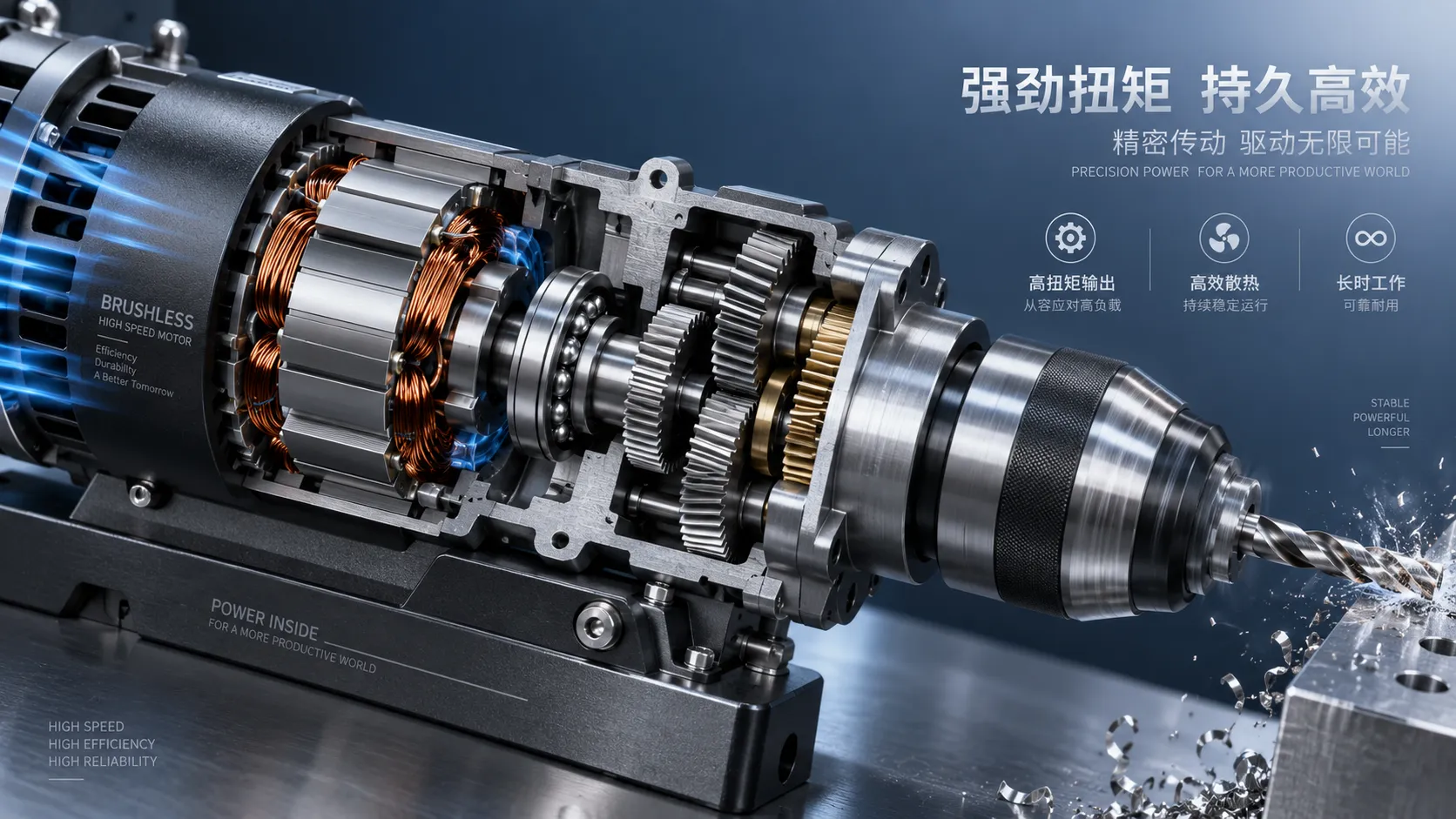
Selecting High-Speed Brushless Tool Motors for Torque, Heat, and Duty Cycle
High speed brushless tool motors: learn how to balance torque, heat, gearing, and duty cycle for reliable industrial tool performance and longer service life.
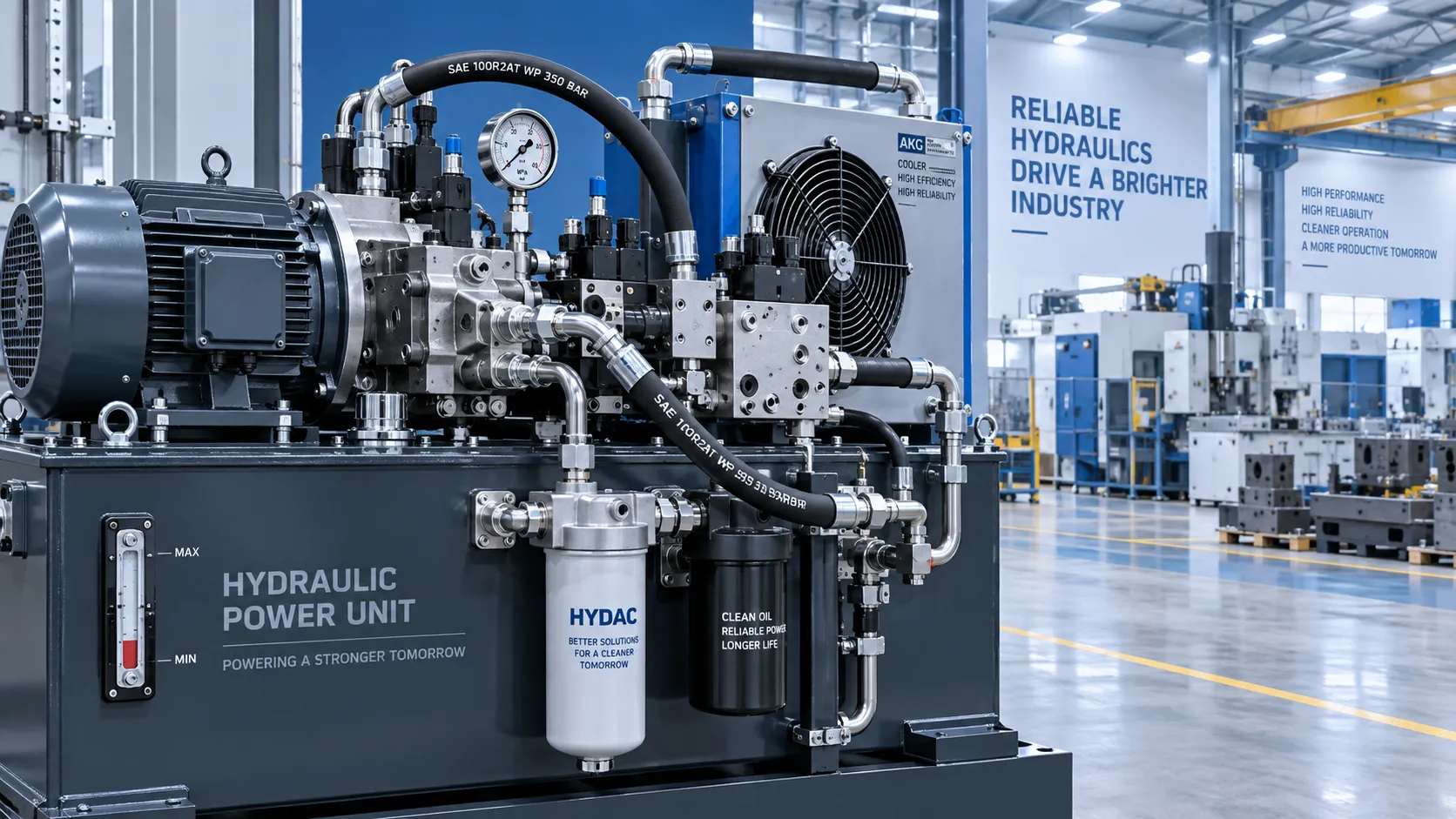
What Determines Industrial Hydraulic System Price for Heavy-Duty Equipment?
Industrial hydraulic system price depends on duty cycle, pressure, components, cooling, and integration. Compare quotes intelligently to secure reliable heavy-duty performance.

Welding Fume Extraction PPE: When Respirators Are Not Enough for Shop Safety
Welding fume extraction PPE: learn why respirators alone fall short and how source capture, ventilation, and layered controls improve shop safety.

How to Select Optical Metrology Solutions for Tight-Tolerance Manufacturing
Optical industrial metrology solutions for tight-tolerance manufacturing: evaluate accuracy, surface compatibility, workflow, and traceability to select with confidence.
Related News
- 00
0000-00
How to Compare Industrial Tool Suppliers for Quality, Lead Time, and Total Cost - 00
0000-00
How to Evaluate a Technology Integration Service Provider for Complex Projects - 00
0000-00
Product Comparison Resources in Europe: How Buyers Can Verify Specs and Suppliers - 00
0000-00
How to Evaluate an Industrial Metrology Solution Manufacturer for Production Use - 00
0000-00
How to Evaluate a Metal Joining Solutions Factory for Quality, Capacity, and Delivery Risk
Dr. Alistair Vaughn
Weekly Insights
Stay ahead with our curated technology reports delivered every Monday.