
How data-driven intelligence improves production decisions





For technical evaluators, production decisions can no longer rely on experience alone. Data-driven intelligence turns scattered manufacturing signals into clear operational guidance.
It supports better equipment choices, steadier process control, stronger quality assurance, and more accurate cost forecasting across complex industrial environments.
In precision tooling, welding, metrology, assembly, and adjacent sectors, data-driven intelligence reduces uncertainty and improves consistency when conditions change quickly.
For platforms such as GPTWM, this approach also connects field knowledge, market signals, and technical performance into decisions that are practical and timely.
Understanding data-driven intelligence in production settings
Data-driven intelligence is the structured use of operational, technical, and commercial data to guide production decisions with measurable evidence.
It combines machine readings, inspection results, maintenance history, supplier information, labor patterns, and market indicators into one decision framework.
Unlike isolated reporting, data-driven intelligence explains why performance shifts happen and what action should follow next.
In industrial assembly and metal joining, this may include torque trends, weld quality deviations, cycle time movement, tool wear rates, and scrap behavior.
In metrology, data-driven intelligence often centers on dimensional variation, calibration stability, repeatability, and traceability across production batches.
Core elements behind useful intelligence
- Reliable data capture from machines, tools, sensors, and inspections
- Standardized definitions for downtime, defects, throughput, and yield
- Analytical models that reveal trends, causes, and likely outcomes
- Clear decision rules that connect insight with action
- Continuous review to refine assumptions and thresholds
Why production decisions now demand stronger evidence
Industrial operations face tighter tolerances, shorter delivery windows, rising material volatility, and greater compliance expectations than before.
Under these pressures, intuitive judgment remains useful, but it is no longer enough for stable, scalable, and defensible production decisions.
Data-driven intelligence helps interpret complexity without oversimplifying it. It connects what happened on the line with what is changing outside the factory.
This is especially relevant where welding safety, brushless motor efficiency, and IoT-based torque control influence output quality and cost.
How data-driven intelligence improves production decisions
The practical value of data-driven intelligence appears when decisions become faster, more accurate, and easier to verify.
Equipment selection and configuration
Machine purchases should reflect application fit, life-cycle cost, maintainability, energy use, and process capability, not only purchase price.
Data-driven intelligence compares historical uptime, defect contribution, spare part demand, and output stability between competing options.
This reduces overinvestment in oversized equipment and underinvestment in critical precision or reliability features.
Process optimization
Every production line contains hidden interactions between parameters, materials, tools, operators, and environment.
Data-driven intelligence detects which settings truly affect speed, repeatability, heat input, dimensional control, or rework frequency.
It enables targeted changes instead of broad adjustments that increase variability.
Quality control and traceability
Inspection data becomes far more valuable when linked to machine state, operator sequence, batch history, and incoming material conditions.
Data-driven intelligence reveals whether a defect is random, systemic, supplier-related, or tied to calibration drift.
That shortens root-cause analysis and strengthens audit readiness.
Cost forecasting and risk reduction
Production cost is shaped by scrap, downtime, energy, labor efficiency, tool life, compliance demands, and market shifts.
Data-driven intelligence brings these variables into one view, improving forecast accuracy and supporting earlier corrective action.
Representative applications across industrial operations
Different production environments apply data-driven intelligence in different ways, but the decision logic remains similar.
These examples show that data-driven intelligence is not limited to digital factories with full automation.
It also creates value in mixed environments where manual skill, semi-automatic tools, and legacy equipment operate together.
Practical conditions for reliable results
Not every dashboard produces insight. Useful data-driven intelligence depends on disciplined structure and realistic implementation.
Start with decision points, not data volume
Focus first on recurring production decisions such as tool replacement, parameter adjustment, inspection frequency, or supplier comparison.
Then define the minimum data needed to improve those decisions.
Protect data quality
Poor timestamp alignment, inconsistent naming, and missing context can distort even advanced analysis.
Standardized collection rules are essential for trustworthy data-driven intelligence.
Combine technical and commercial signals
Production decisions should reflect both line behavior and external conditions such as demand shifts, regulation updates, and material constraints.
This broader view is where intelligence platforms add strategic value.
Keep human judgment in the loop
Data-driven intelligence improves decisions, but it does not replace engineering interpretation, safety review, or process expertise.
The strongest results appear when evidence and experience inform each other.
A practical next step for stronger production decisions
A useful starting point is to identify one unstable production outcome and trace the data already surrounding it.
This could be variable weld quality, frequent torque deviation, rising rework, or inconsistent dimensional inspection results.
From there, build a small intelligence model linking operational evidence, maintenance records, and external market context.
With that foundation, data-driven intelligence can expand from one problem area into a repeatable method for wider production decisions.
For organizations tracking industrial assembly, welding, metrology, and tooling trends, GPTWM supports this path by connecting precision knowledge with strategic intelligence.
In a manufacturing landscape defined by tighter margins and higher expectations, data-driven intelligence is becoming a core discipline for better production outcomes.
Related News
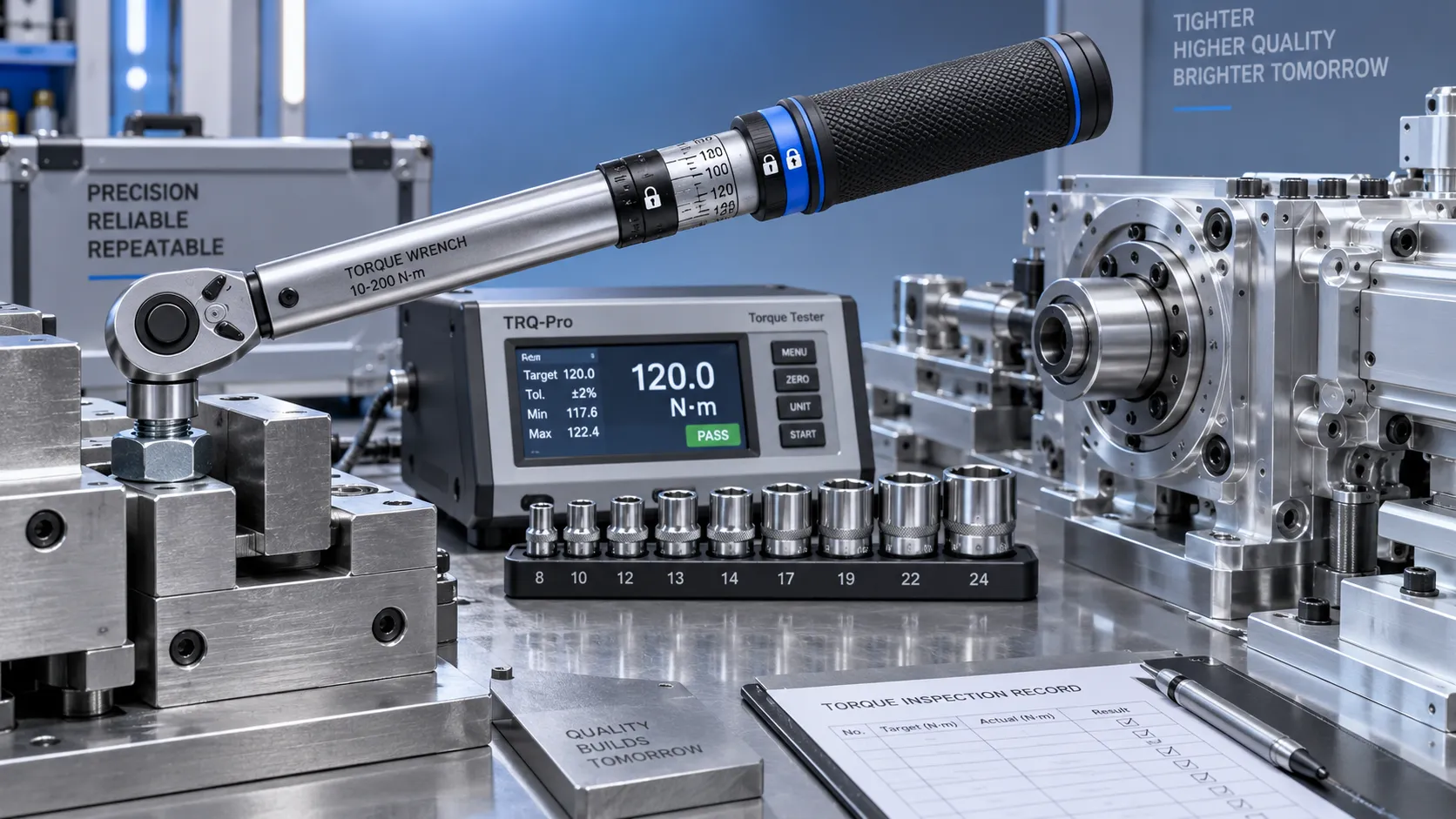
Selecting Adjustable Torque Tools for Repeatable Fastener Assembly
Adjustable torque tools: learn how to match range, accuracy, control methods, calibration, and ergonomics for repeatable, reliable fastener assembly.
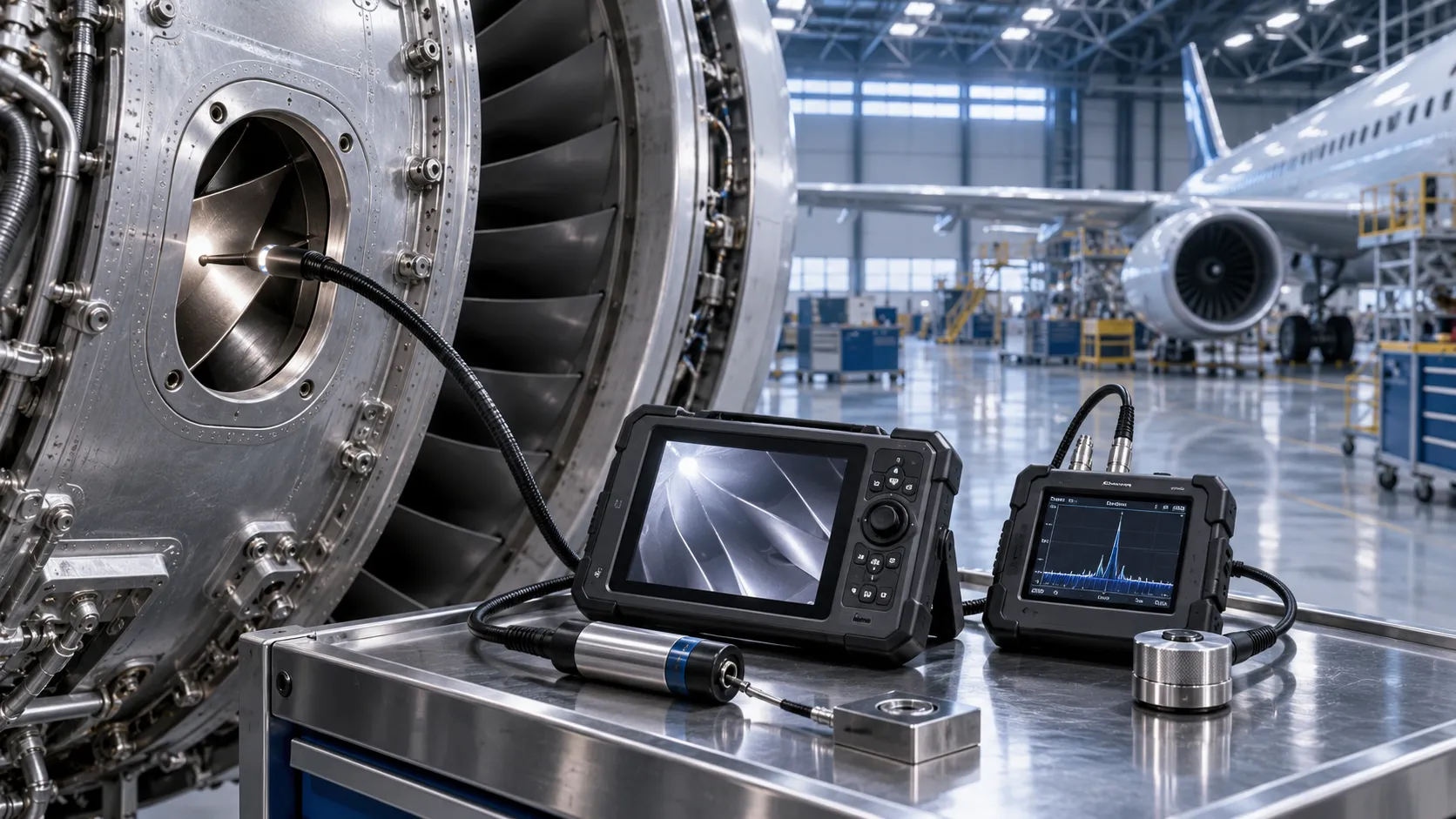
How to Select Aerospace Inspection Tools for Aircraft Maintenance Tasks
Aerospace maintenance inspection tools: learn how to select reliable, traceable equipment for aircraft access, accuracy, calibration, and compliant maintenance decisions.
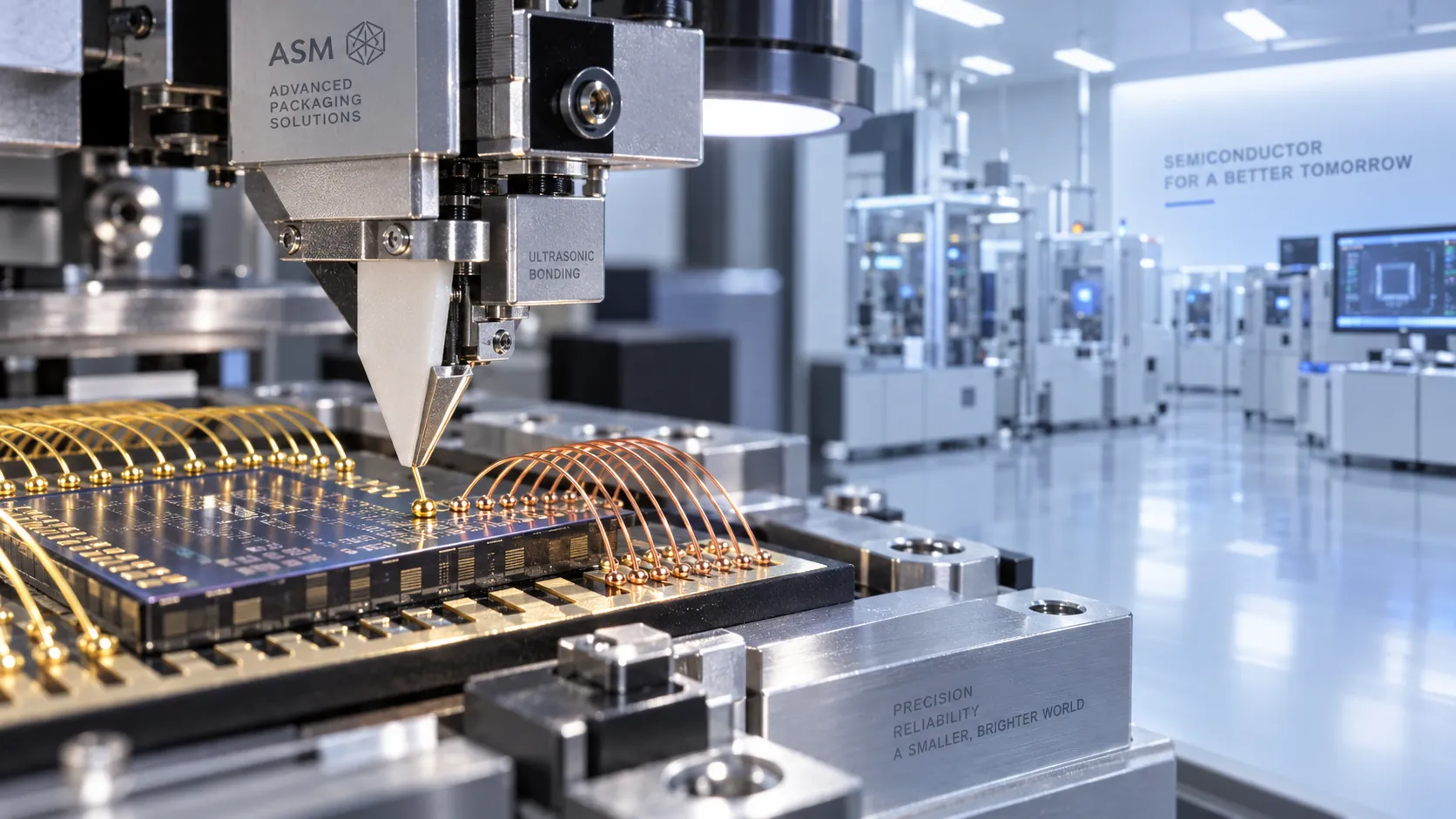
How to Select Wire Bonding Tools for Fine-Pitch Semiconductor Packaging
Explore semiconductor manufacturing tools for wire bonding and learn how to select precision solutions for fine-pitch packaging, reliable loops, accuracy, and yield.
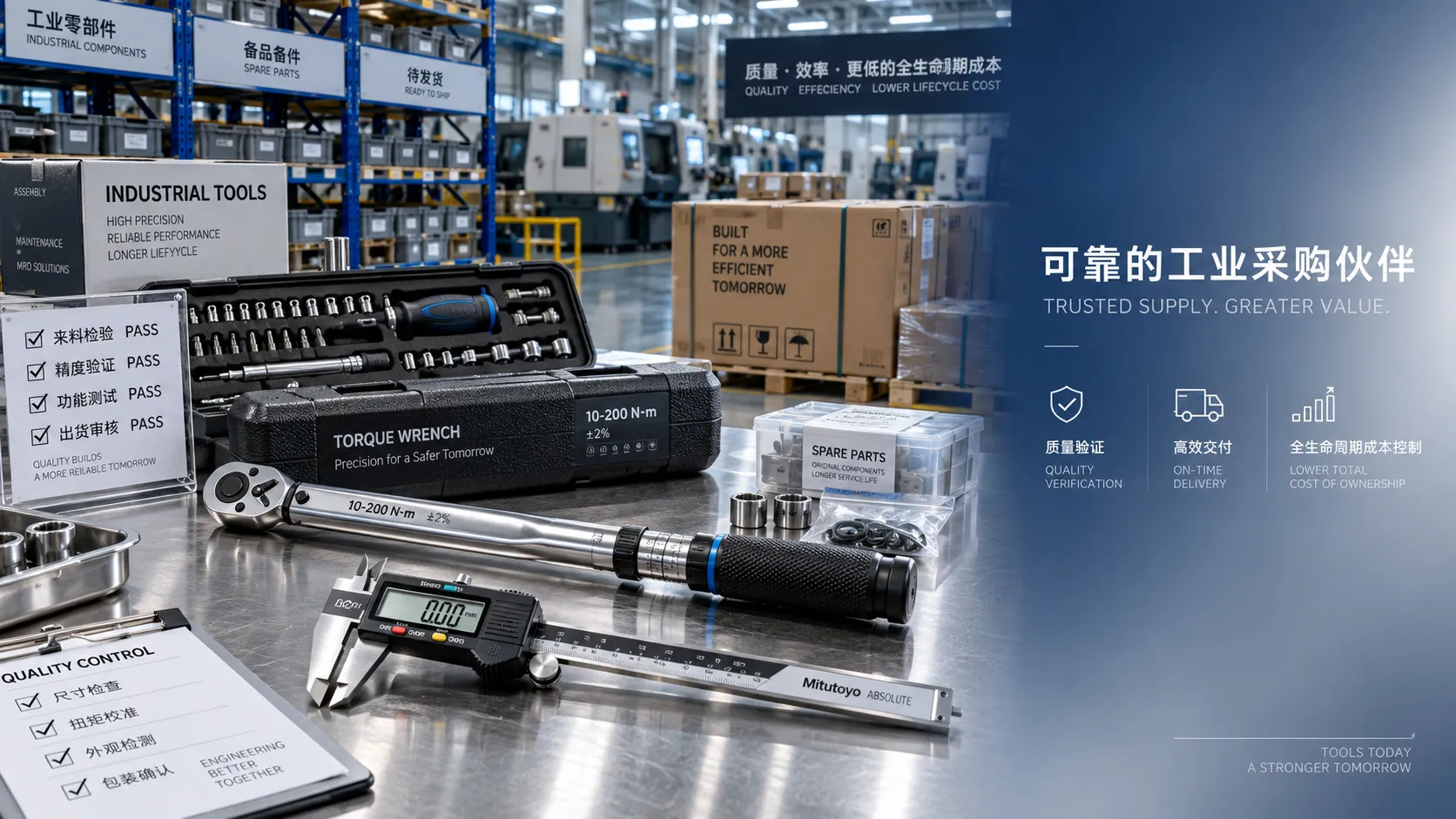
How to Compare Industrial Tool Suppliers for Quality, Lead Time, and Total Cost
Industrial tool selection supplier comparison made simple: evaluate quality, lead times, total cost, service, and supply resilience for confident sourcing decisions.
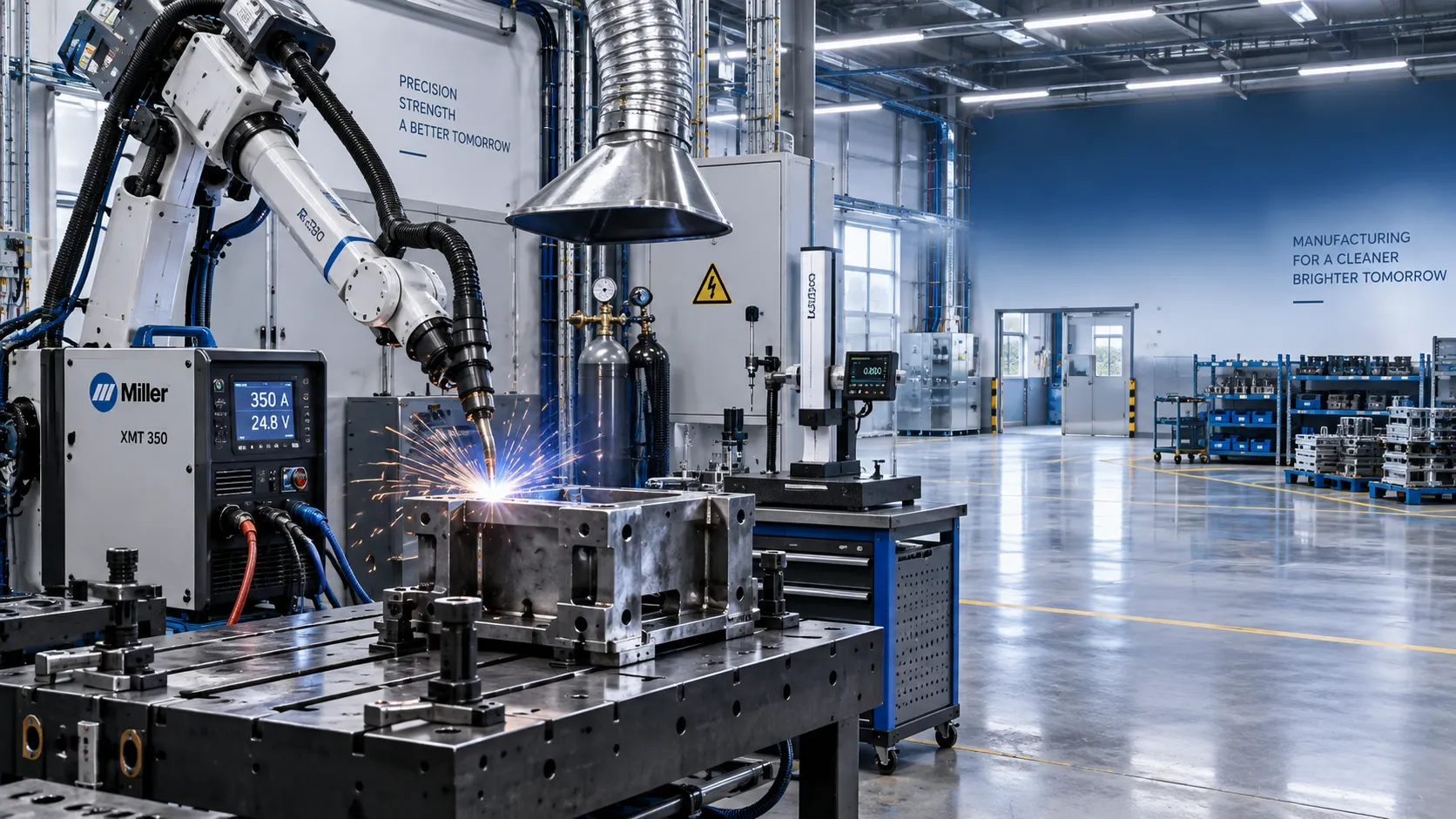
Industrial Equipment Application Guidance: Match Machines to Operating Conditions
Application guidance industrial equipment: match capacity, duty cycle, materials, site conditions, safety, and lifecycle cost to improve reliable output. Read the guide.
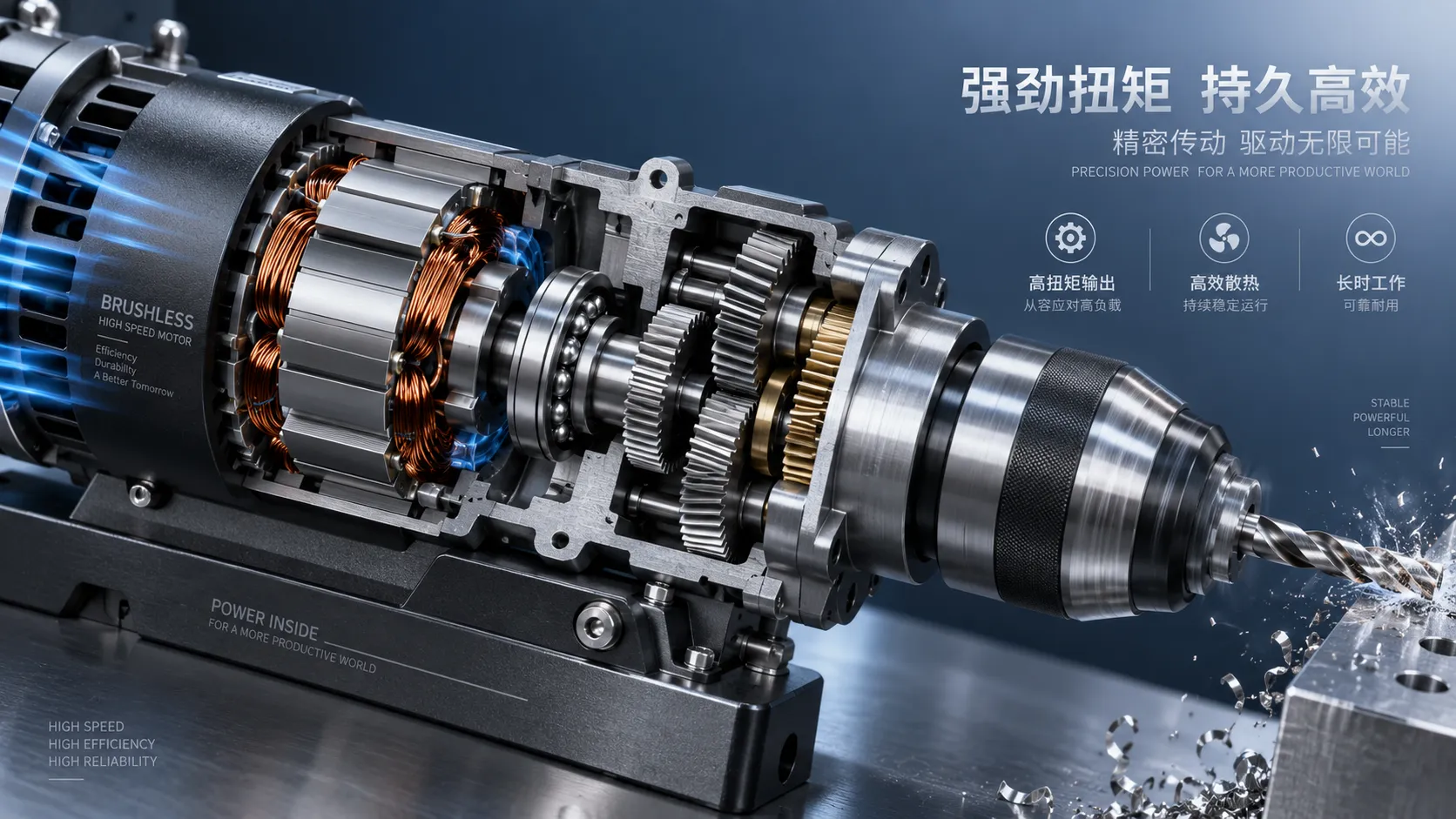
Selecting High-Speed Brushless Tool Motors for Torque, Heat, and Duty Cycle
High speed brushless tool motors: learn how to balance torque, heat, gearing, and duty cycle for reliable industrial tool performance and longer service life.
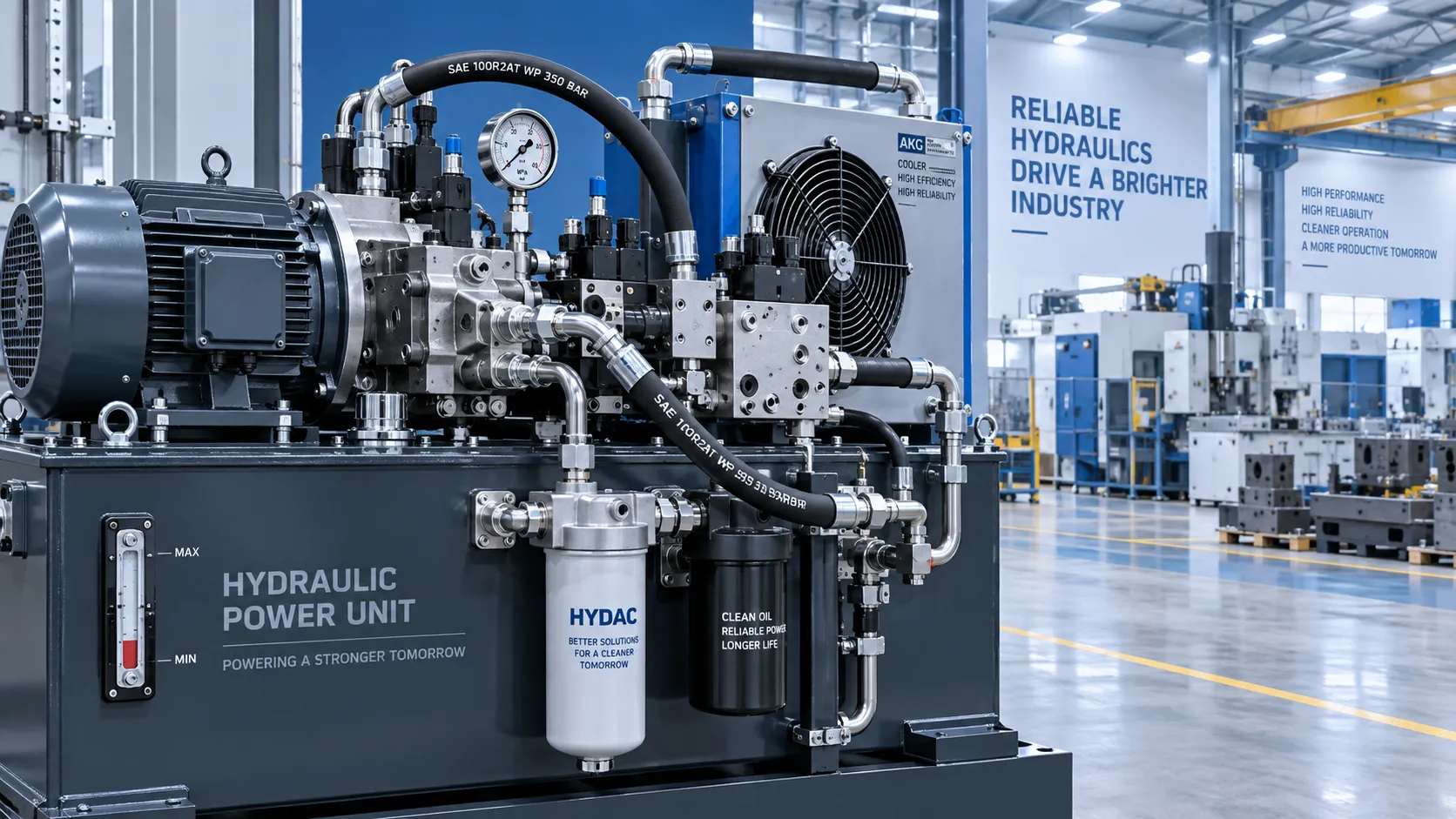
What Determines Industrial Hydraulic System Price for Heavy-Duty Equipment?
Industrial hydraulic system price depends on duty cycle, pressure, components, cooling, and integration. Compare quotes intelligently to secure reliable heavy-duty performance.
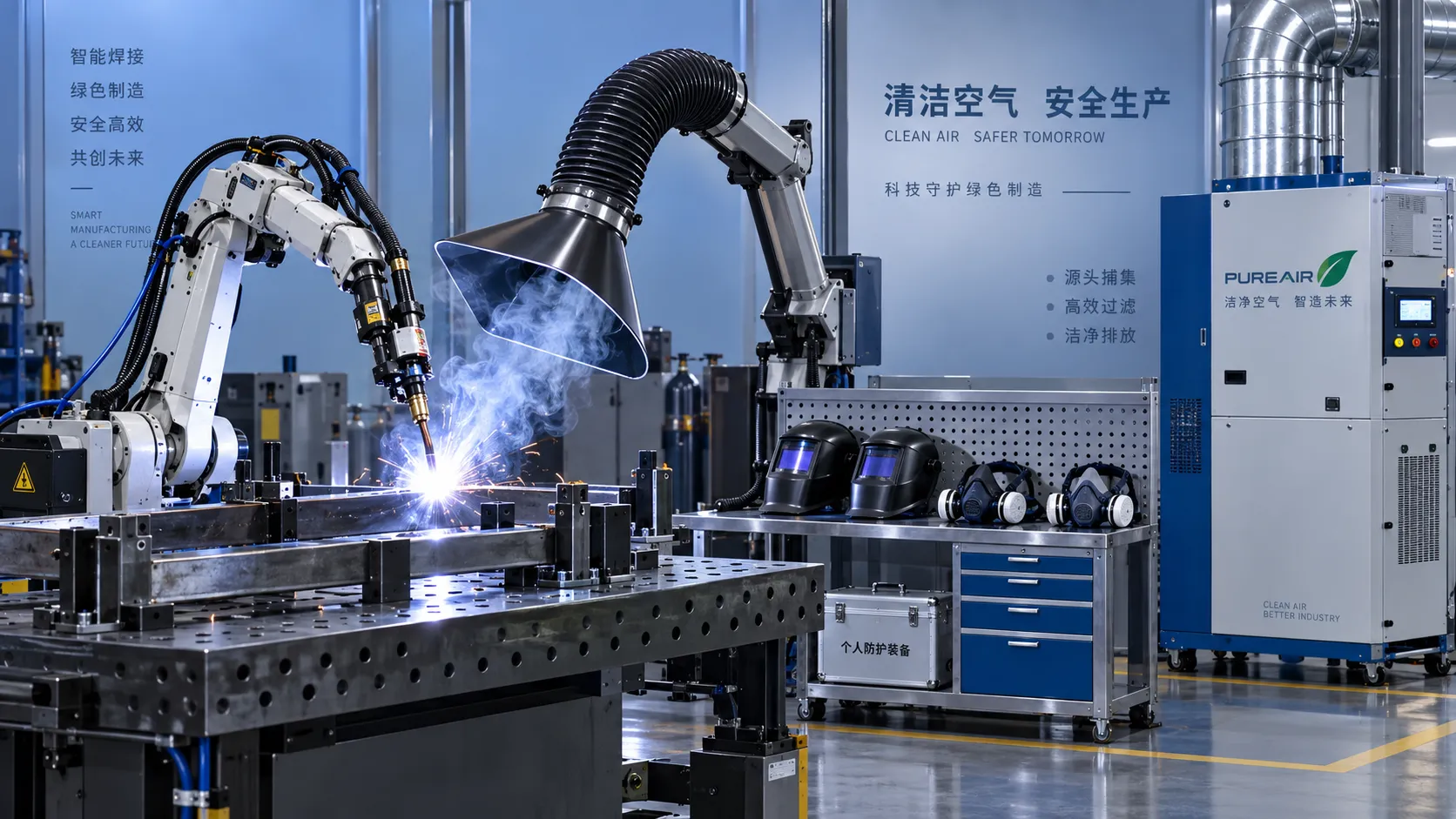
Welding Fume Extraction PPE: When Respirators Are Not Enough for Shop Safety
Welding fume extraction PPE: learn why respirators alone fall short and how source capture, ventilation, and layered controls improve shop safety.
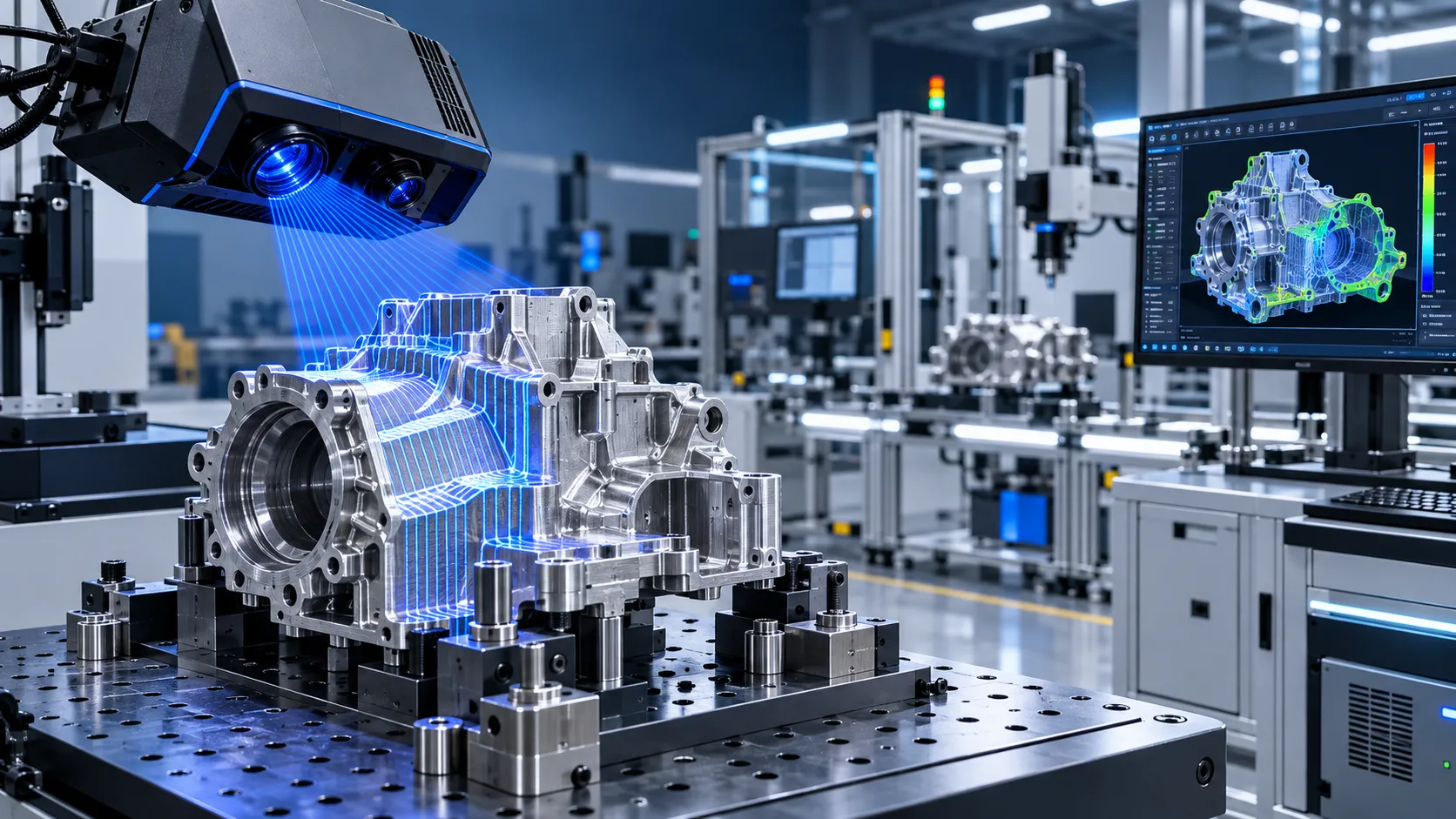
How to Select Optical Metrology Solutions for Tight-Tolerance Manufacturing
Optical industrial metrology solutions for tight-tolerance manufacturing: evaluate accuracy, surface compatibility, workflow, and traceability to select with confidence.
Related News
- 00
0000-00
Selecting Adjustable Torque Tools for Repeatable Fastener Assembly - 00
0000-00
How to Select Aerospace Inspection Tools for Aircraft Maintenance Tasks - 00
0000-00
How to Select Wire Bonding Tools for Fine-Pitch Semiconductor Packaging - 00
0000-00
Industrial Equipment Application Guidance: Match Machines to Operating Conditions - 00
0000-00
Selecting High-Speed Brushless Tool Motors for Torque, Heat, and Duty Cycle
Prof. Marcus Chen
Weekly Insights
Stay ahead with our curated technology reports delivered every Monday.