
What precision engineering gets wrong about cost control





In many industrial organizations, precision engineering is treated as a premium category that automatically raises cost. That assumption sounds rational, yet it often hides weak cost logic.
The real failure is not spending on precision engineering itself. The deeper issue is evaluating tools, components, and processes by invoice price alone.
When cost control ignores tolerance stability, rework probability, calibration intervals, downtime exposure, and compliance risk, margins erode quietly. The damage appears later, often outside the original budget line.
Across assembly, welding, metrology, maintenance, and repair, better decisions come from lifecycle analysis. That is where precision engineering should be judged.
Precision engineering and the limits of unit-price thinking
Precision engineering refers to products and processes built around tight tolerances, repeatable output, and dependable measurement. It includes tools, fixtures, gauges, welded assemblies, and motion systems.
In theory, higher precision should support stronger cost control. In practice, many cost reviews reduce the discussion to one question: what is the cheapest acceptable option?
That shortcut creates a false economy. A lower-priced item may pass initial inspection yet fail under thermal load, repetitive torque cycles, contamination, or field handling.
Precision engineering gets misunderstood when buyers compare only product specifications, not process performance. A tolerance claim alone does not equal stable production value.
The cost of precision must be measured against scrap reduction, labor time, equipment uptime, operator consistency, warranty claims, and export compliance. Those variables decide whether savings are real.
What cost control often misses
- Rework costs caused by unstable dimensions or weak joining quality
- Measurement drift that creates false acceptance or false rejection
- Downtime from premature wear, poor fit, or frequent recalibration
- Hidden compliance exposure in regulated export environments
- Lower throughput from inconsistent operator performance
Why the wider industrial market is rethinking precision engineering
The industrial landscape has changed. Materials fluctuate faster, labor is less predictable, and global quality expectations are more visible than before.
This makes precision engineering more important, but also more vulnerable to poor purchasing logic. Small quality gaps now scale into larger operational losses.
Platforms such as GPTWM highlight this shift by connecting tooling, welding, and metrology intelligence. The key message is consistent: cost must be understood as a system effect.
In sectors from construction equipment to aerospace maintenance, the last mile of manufacturing is where profit is often won or lost. Precision engineering sits directly in that zone.
Current signals shaping decisions
The business value precision engineering should be measured by
Good precision engineering is not defined by expensive hardware. It is defined by predictable output at the lowest sustainable total cost.
That means the value discussion should move from product cost to process economics. Precision pays back when it stabilizes the production environment.
Core value areas
- Lower scrap through repeatable tolerances and cleaner joining performance
- Less rework due to better fit, alignment, and verification accuracy
- Higher uptime when tools and gauges require fewer emergency interventions
- Stronger traceability for audits, customer claims, and field service analysis
- Better productivity from reduced operator correction and setup variation
A cheaper measuring instrument may seem efficient until frequent recalibration interrupts work. A lower-cost welding setup may save cash up front but create porosity, distortion, and repair delays.
These examples show what precision engineering gets wrong about cost control: it is often blamed for high spending when the real problem is incomplete evaluation.
A better cost formula
Useful comparison should include acquisition cost, setup time, calibration cost, expected life, failure impact, compliance burden, and productivity effect.
Once those factors are visible, precision engineering often proves less expensive than the lower-priced alternative over a full operating cycle.
Typical industrial scenarios where cost assumptions fail
The gap between price and value appears in many common settings. The pattern is consistent across mixed industrial environments.
Each case shows that precision engineering should be linked to failure prevention. Cost control becomes stronger when variability is reduced before it reaches the customer.
Practical guidance for evaluating precision engineering decisions
A disciplined review process helps separate true savings from accounting illusions. The goal is not to buy the most advanced option every time.
The goal is to match precision level to operating consequence. That requires structured questions before approval.
Recommended evaluation steps
- Define the tolerance or joining requirement in real operating conditions.
- Estimate the cost of one failure, including labor, downtime, and customer impact.
- Review calibration, maintenance, and training demands over the expected life.
- Check traceability, safety, and export compliance implications.
- Compare options by total lifecycle cost, not purchase price alone.
Common caution points
- Do not accept supplier tolerance claims without repeatability evidence.
- Do not separate metrology decisions from production process capability.
- Do not ignore operator ergonomics in high-frequency tool applications.
- Do not treat digital monitoring as value unless it changes action quality.
GPTWM’s intelligence approach is useful here because it connects technical design, market shifts, and economic consequence. That connection is essential for better precision engineering decisions.
A more effective next step for cost control
If cost pressure is rising, the answer is not automatic downgrading. The smarter move is to review where precision engineering directly affects throughput, compliance, and field reliability.
Start with high-impact areas such as fastening control, handheld measurement, welded repair quality, and maintenance-critical fit. These usually reveal hidden losses quickly.
Then build a simple lifecycle scoring model. Include acquisition price, expected service life, error cost, downtime risk, and documentation value.
That method turns precision engineering from a budget concern into a margin protection tool. It also supports better global consistency in industrial operations.
In the end, precision engineering does not undermine cost control. Poor evaluation does. The organizations that understand this distinction will protect quality, efficiency, and competitiveness more effectively.
Related News
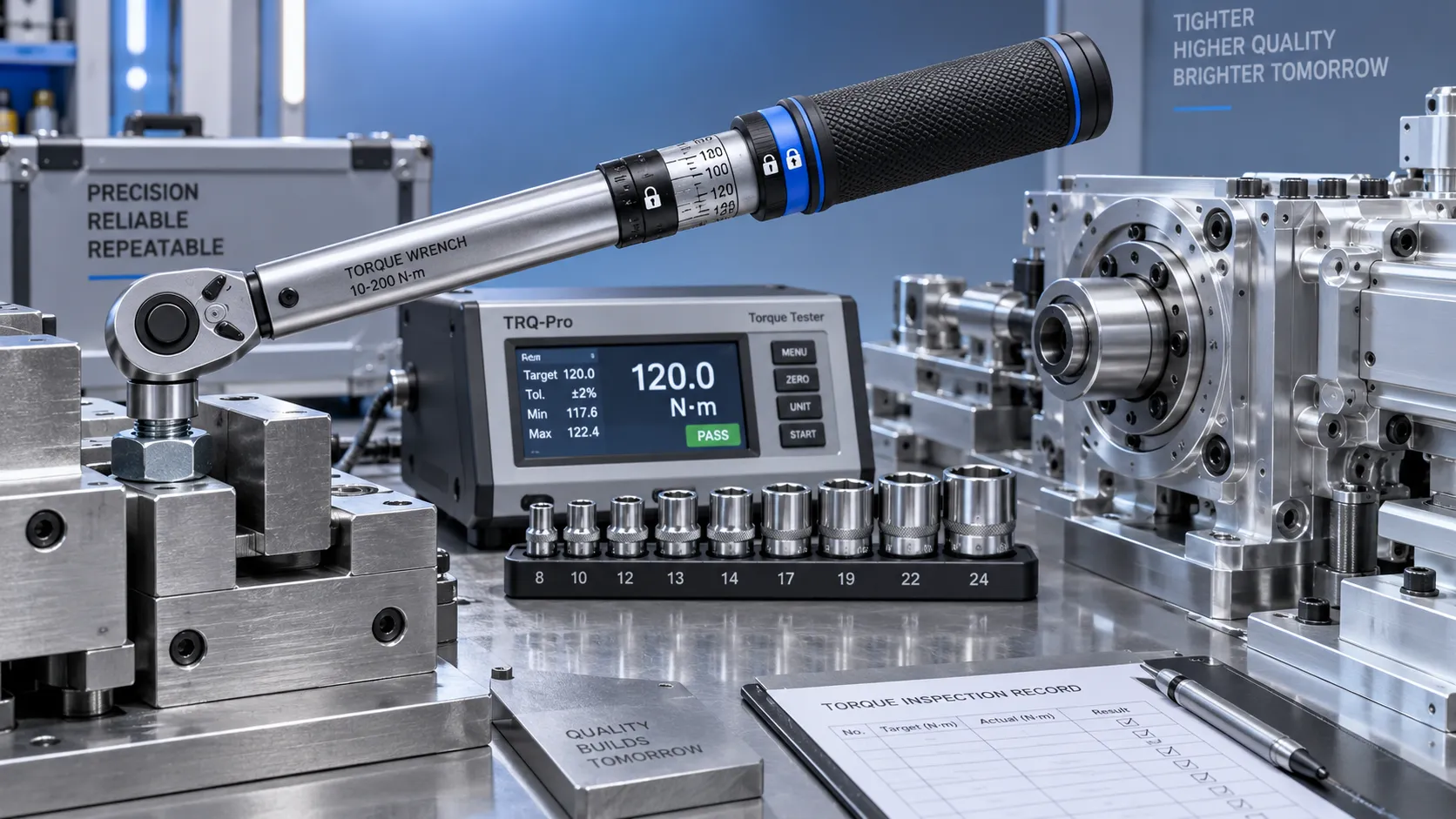
Selecting Adjustable Torque Tools for Repeatable Fastener Assembly
Adjustable torque tools: learn how to match range, accuracy, control methods, calibration, and ergonomics for repeatable, reliable fastener assembly.

How to Select Aerospace Inspection Tools for Aircraft Maintenance Tasks
Aerospace maintenance inspection tools: learn how to select reliable, traceable equipment for aircraft access, accuracy, calibration, and compliant maintenance decisions.

How to Select Wire Bonding Tools for Fine-Pitch Semiconductor Packaging
Explore semiconductor manufacturing tools for wire bonding and learn how to select precision solutions for fine-pitch packaging, reliable loops, accuracy, and yield.
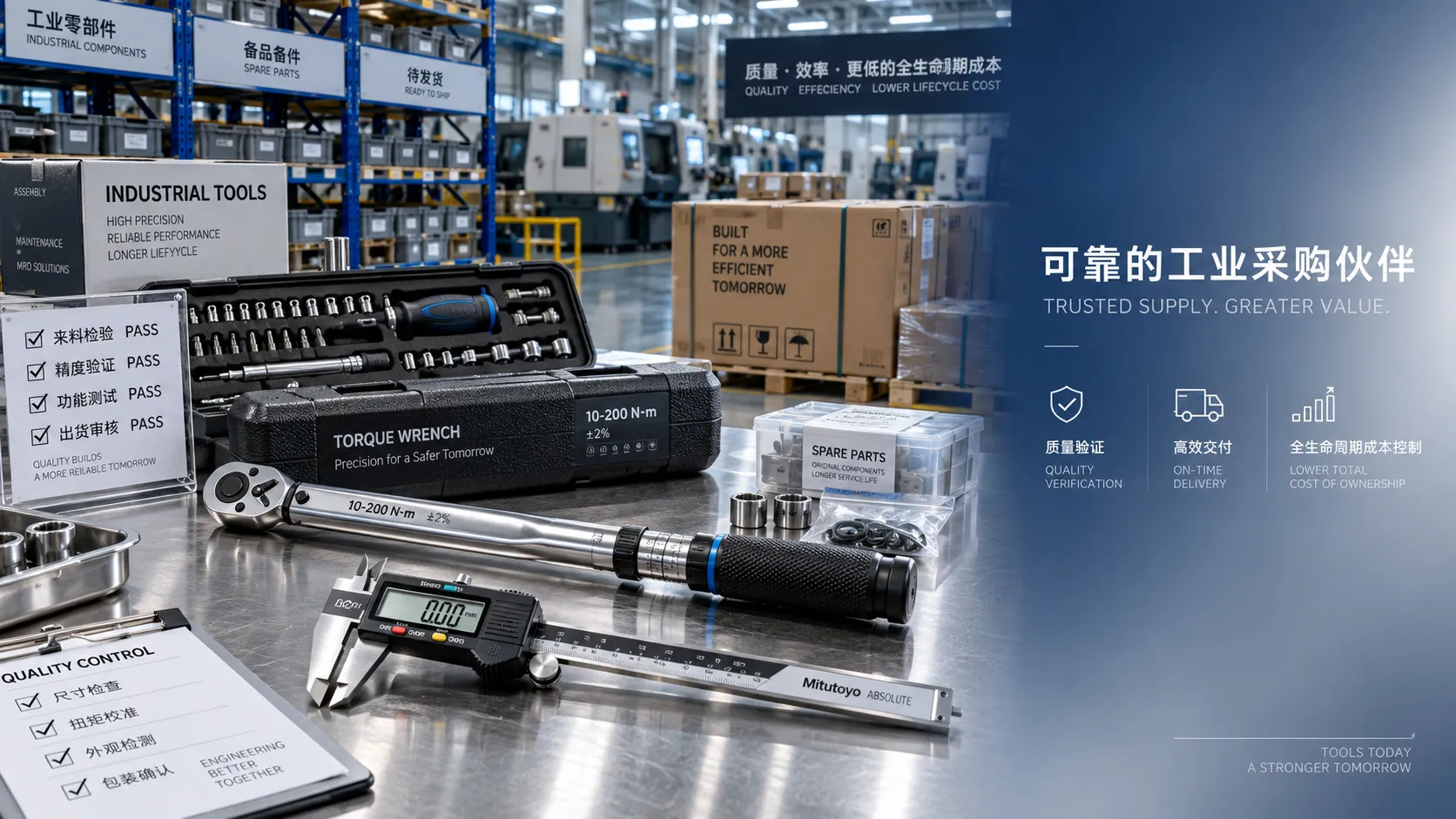
How to Compare Industrial Tool Suppliers for Quality, Lead Time, and Total Cost
Industrial tool selection supplier comparison made simple: evaluate quality, lead times, total cost, service, and supply resilience for confident sourcing decisions.

Industrial Equipment Application Guidance: Match Machines to Operating Conditions
Application guidance industrial equipment: match capacity, duty cycle, materials, site conditions, safety, and lifecycle cost to improve reliable output. Read the guide.
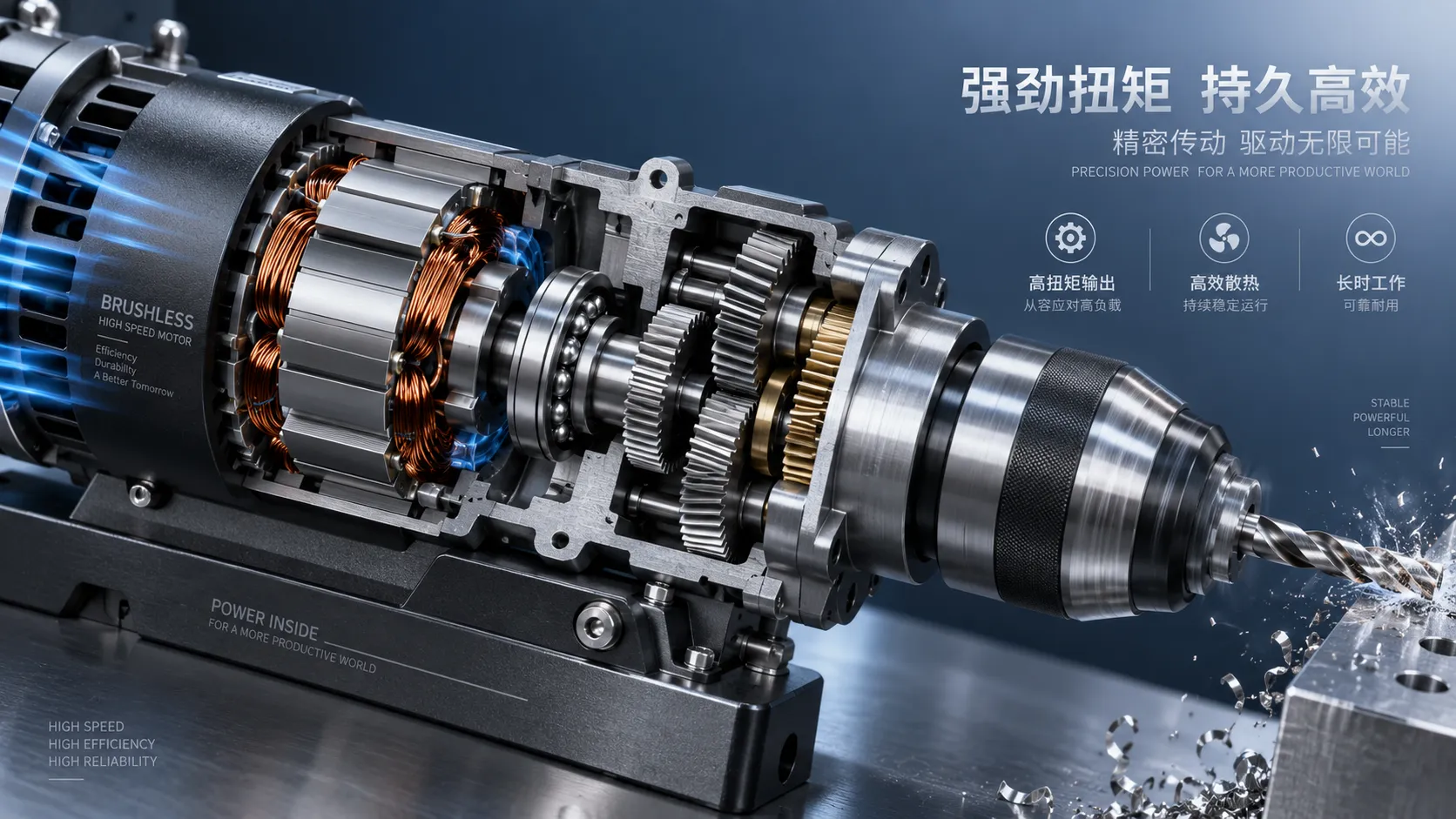
Selecting High-Speed Brushless Tool Motors for Torque, Heat, and Duty Cycle
High speed brushless tool motors: learn how to balance torque, heat, gearing, and duty cycle for reliable industrial tool performance and longer service life.
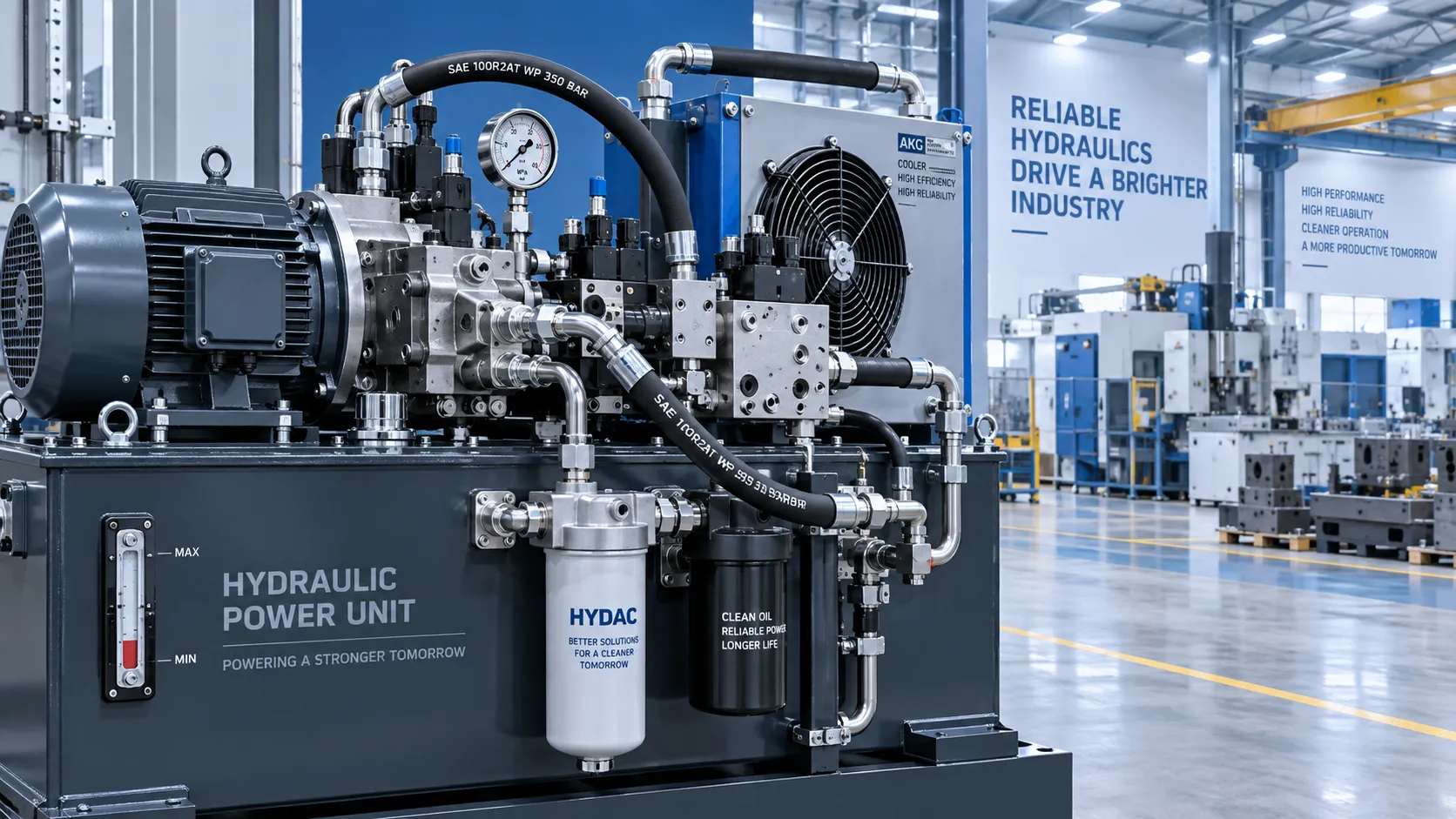
What Determines Industrial Hydraulic System Price for Heavy-Duty Equipment?
Industrial hydraulic system price depends on duty cycle, pressure, components, cooling, and integration. Compare quotes intelligently to secure reliable heavy-duty performance.

Welding Fume Extraction PPE: When Respirators Are Not Enough for Shop Safety
Welding fume extraction PPE: learn why respirators alone fall short and how source capture, ventilation, and layered controls improve shop safety.

How to Select Optical Metrology Solutions for Tight-Tolerance Manufacturing
Optical industrial metrology solutions for tight-tolerance manufacturing: evaluate accuracy, surface compatibility, workflow, and traceability to select with confidence.
Related News
- 00
0000-00
Selecting Adjustable Torque Tools for Repeatable Fastener Assembly - 00
0000-00
How to Select Aerospace Inspection Tools for Aircraft Maintenance Tasks - 00
0000-00
How to Select Wire Bonding Tools for Fine-Pitch Semiconductor Packaging - 00
0000-00
Industrial Equipment Application Guidance: Match Machines to Operating Conditions - 00
0000-00
Selecting High-Speed Brushless Tool Motors for Torque, Heat, and Duty Cycle
Prof. Marcus Chen
Weekly Insights
Stay ahead with our curated technology reports delivered every Monday.