
When do brand premiums signal quality and not hype





Brand premiums can reflect real quality, but they can also hide polished storytelling. In industrial and general purchasing decisions, that distinction matters because mistakes create cost far beyond the invoice.
When comparing tools, measuring devices, welding systems, or broader equipment solutions, higher prices may signal better materials, tighter tolerances, safer design, and longer service life.
However, some brand premiums come mostly from image, limited editions, or aggressive promotion. Understanding when brand premiums represent quality and not hype leads to smarter, lower-risk buying decisions.
Why the same brand premiums mean different things in different scenarios
Not every buying context rewards the same kind of premium. A premium that makes sense in aerospace maintenance may be unnecessary for light-duty household use.
The right question is not whether brand premiums are good or bad. The right question is whether the premium matches the performance risk, usage frequency, and consequence of failure.
GPTWM closely tracks this issue across industrial assembly, metal joining, and precision metrology. In these sectors, poor judgment on brand premiums can reduce uptime, accuracy, and safety.
- High-risk environments reward proven reliability.
- High-precision tasks reward calibration stability.
- High-volume work rewards durability and maintainability.
- Low-frequency use may not justify steep brand premiums.
Scenario 1: Frequent industrial use where brand premiums often signal real quality
In daily factory operations, brand premiums often reflect engineering depth rather than image. Repeated use quickly exposes weak housings, poor motor design, unstable torque, and inconsistent output.
For power tools, welding equipment, and hydraulic systems, a premium brand may offer brushless efficiency, thermal management, tighter assembly standards, and better spare parts availability.
These features do not always look impressive in marketing photos. Yet they directly affect cycle time, downtime, operator fatigue, and total cost of ownership.
Core signs that the premium is justified
- Verified lifespan under continuous load.
- Documented tolerance consistency across batches.
- Clear maintenance intervals and service network support.
- Compliance with relevant safety and export standards.
Scenario 2: Precision measurement tasks where brand premiums protect accuracy
In metrology, brand premiums often have the strongest quality basis. A caliper, micrometer, gauge, or digital measurement device is only valuable when readings remain trustworthy over time.
Cheaper options may look similar, but hidden variation appears in repeatability, surface finish, jaw alignment, sensor drift, and calibration retention. Small errors can trigger large downstream losses.
Here, brand premiums are often not about prestige. They are about process confidence, reduced scrap, and fewer disputes over quality verification.
What to verify before accepting higher brand premiums
- Calibration certificates and traceability.
- Repeatability data, not just advertised resolution.
- Environmental resistance to dust, vibration, or temperature change.
- Long-term software or firmware support for digital devices.
Scenario 3: Safety-critical welding or joining work where hype is dangerous
Welding is one of the clearest areas where brand premiums can indicate genuine quality. Torch stability, arc control, shielding consistency, and user protection affect both output quality and operator safety.
Still, hype can enter this market through trend-led claims. Terms like smart, pro, elite, or industrial-grade mean little without evidence of duty cycle, safety controls, and stable joining performance.
For handheld laser welding especially, a true premium should correlate with interlock design, training support, shielding measures, and documented operating safeguards.
Reliable indicators of quality over hype
- Independent safety validation.
- Stable weld quality across different materials.
- Clear operator guidance and protective system design.
- After-sales technical support with real application expertise.
Scenario 4: Light-duty or occasional use where brand premiums may be mostly hype
For occasional projects, the equation changes. If usage is limited, the value of extreme durability, advanced electronics, or premium ergonomic refinement may never be fully realized.
In these cases, brand premiums can become more emotional than functional. Buyers may pay for reputation, packaging, lifestyle positioning, or influencer visibility instead of measurable advantage.
A mid-range option with acceptable safety, decent support, and proven baseline performance may deliver better overall value than the most expensive brand.
How scenario needs change the value of brand premiums
Practical ways to judge brand premiums before buying
A smart evaluation framework reduces bias. Instead of reacting to logo strength alone, compare objective signals that connect price to performance.
- Check the failure cost. Expensive mistakes justify stronger brand premiums.
- Review test data. Demand evidence under realistic operating conditions.
- Compare lifecycle cost, not just purchase price.
- Study spare parts access, warranty terms, and service response.
- Separate visible styling from hidden engineering value.
This method works across broad industries. It is especially useful in tools, welding, metrology, assembly systems, and equipment categories where reliability has operational consequences.
Common mistakes that lead people to overpay for brand premiums
One common error is assuming higher price always means higher quality. Some products use premium branding to cover average internal components and short support cycles.
Another mistake is focusing only on initial performance. True quality appears over time through wear resistance, calibration retention, thermal stability, and predictable maintenance needs.
A third error is ignoring application fit. Brand premiums may be justified in one setting and wasteful in another. Context determines value.
- Do not confuse reputation with current product quality.
- Do not ignore standards, traceability, and safety documentation.
- Do not overlook training, usability, and support quality.
A better next step for evaluating brand premiums with confidence
The best buying decisions come from matching the premium to the scenario. Ask what failure would cost, how often the item will be used, and what proof supports the claimed advantage.
If the answers point to precision, durability, safety, and verified long-term performance, brand premiums likely signal quality. If the answers depend mostly on image, they likely reflect hype.
For deeper industrial intelligence on tools, welding systems, and precision measurement technologies, GPTWM offers scenario-based insights that help connect price, performance, and real operational value.
Related News
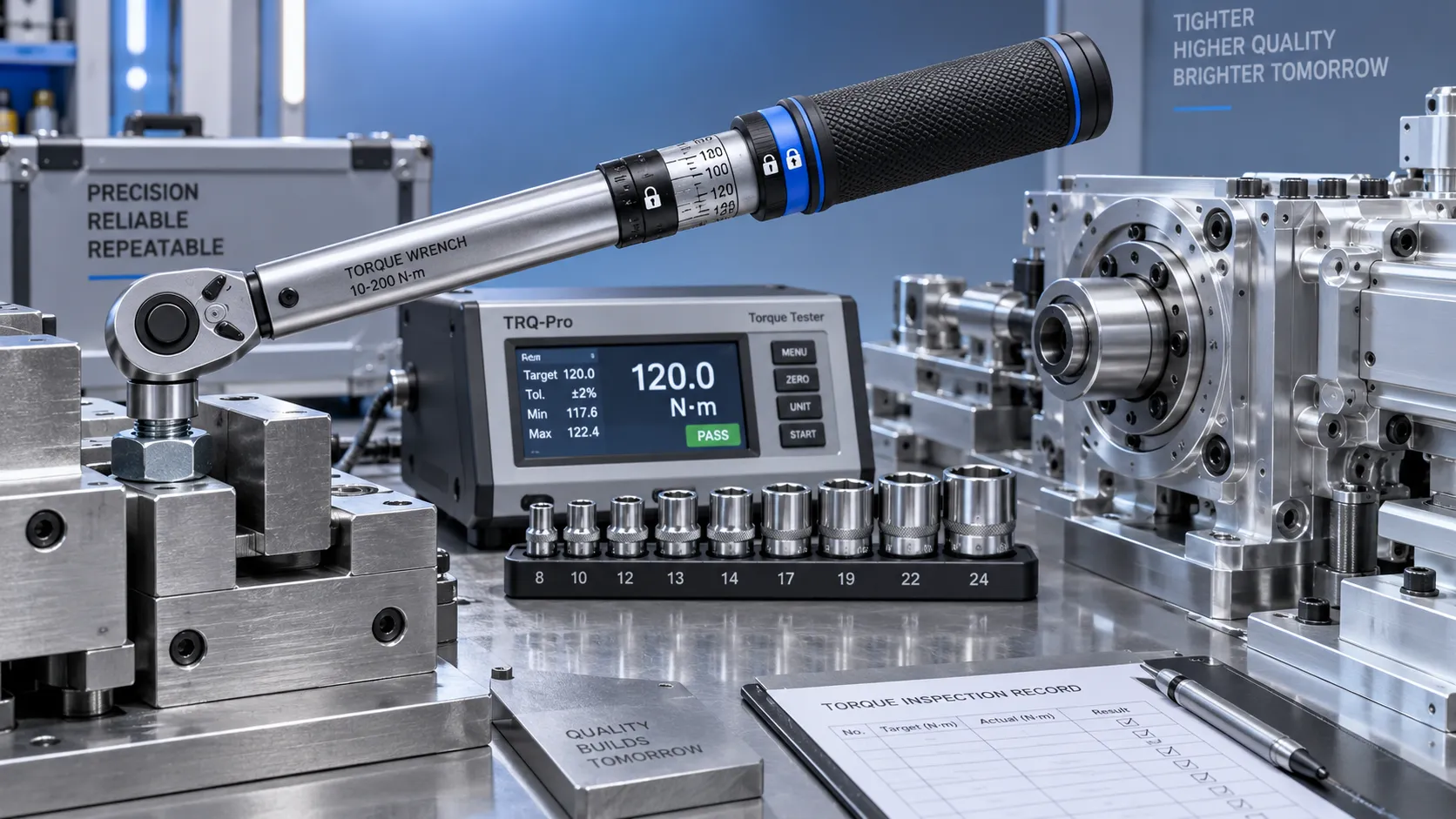
Selecting Adjustable Torque Tools for Repeatable Fastener Assembly
Adjustable torque tools: learn how to match range, accuracy, control methods, calibration, and ergonomics for repeatable, reliable fastener assembly.

How to Select Aerospace Inspection Tools for Aircraft Maintenance Tasks
Aerospace maintenance inspection tools: learn how to select reliable, traceable equipment for aircraft access, accuracy, calibration, and compliant maintenance decisions.

How to Select Wire Bonding Tools for Fine-Pitch Semiconductor Packaging
Explore semiconductor manufacturing tools for wire bonding and learn how to select precision solutions for fine-pitch packaging, reliable loops, accuracy, and yield.
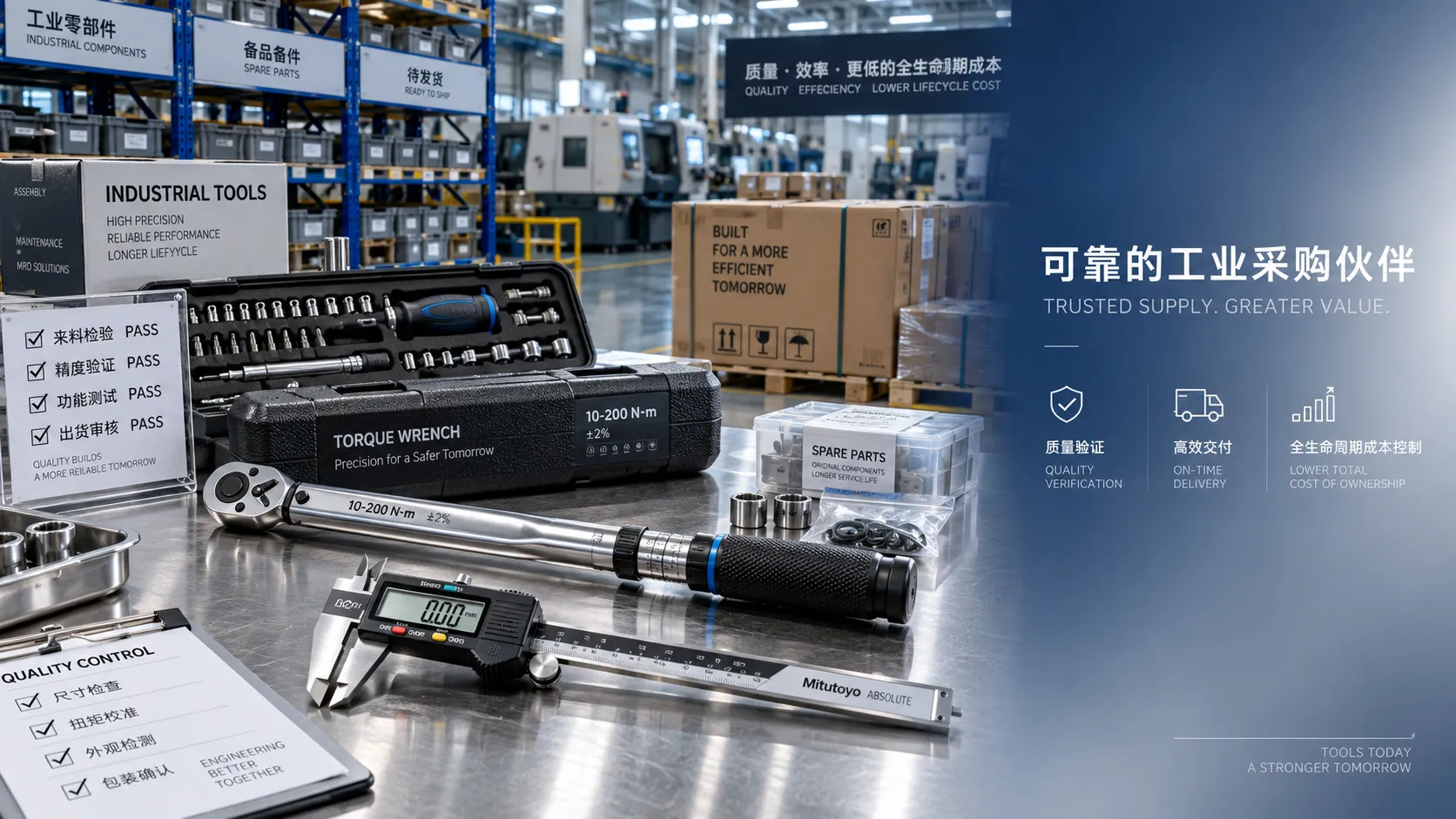
How to Compare Industrial Tool Suppliers for Quality, Lead Time, and Total Cost
Industrial tool selection supplier comparison made simple: evaluate quality, lead times, total cost, service, and supply resilience for confident sourcing decisions.
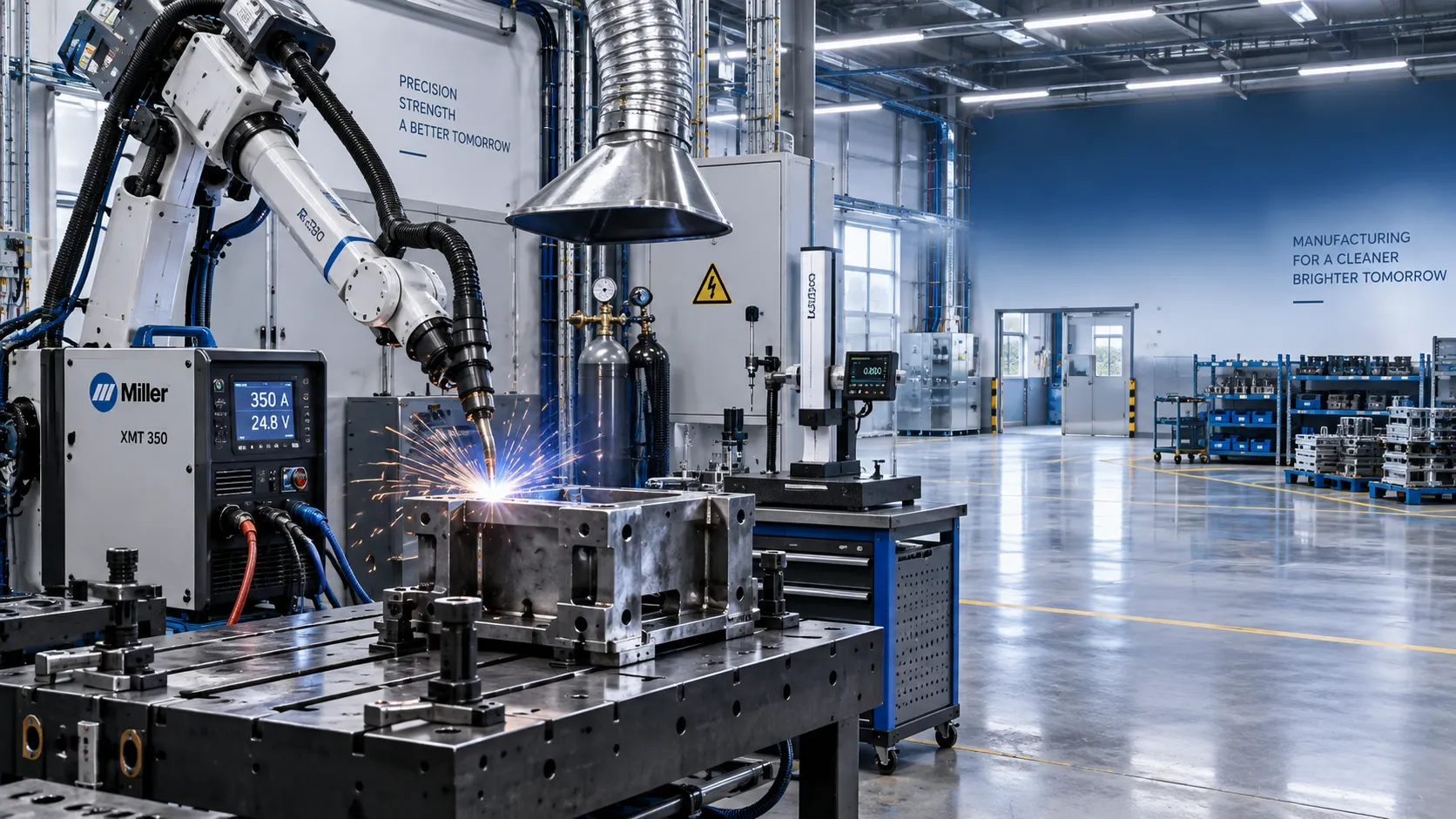
Industrial Equipment Application Guidance: Match Machines to Operating Conditions
Application guidance industrial equipment: match capacity, duty cycle, materials, site conditions, safety, and lifecycle cost to improve reliable output. Read the guide.
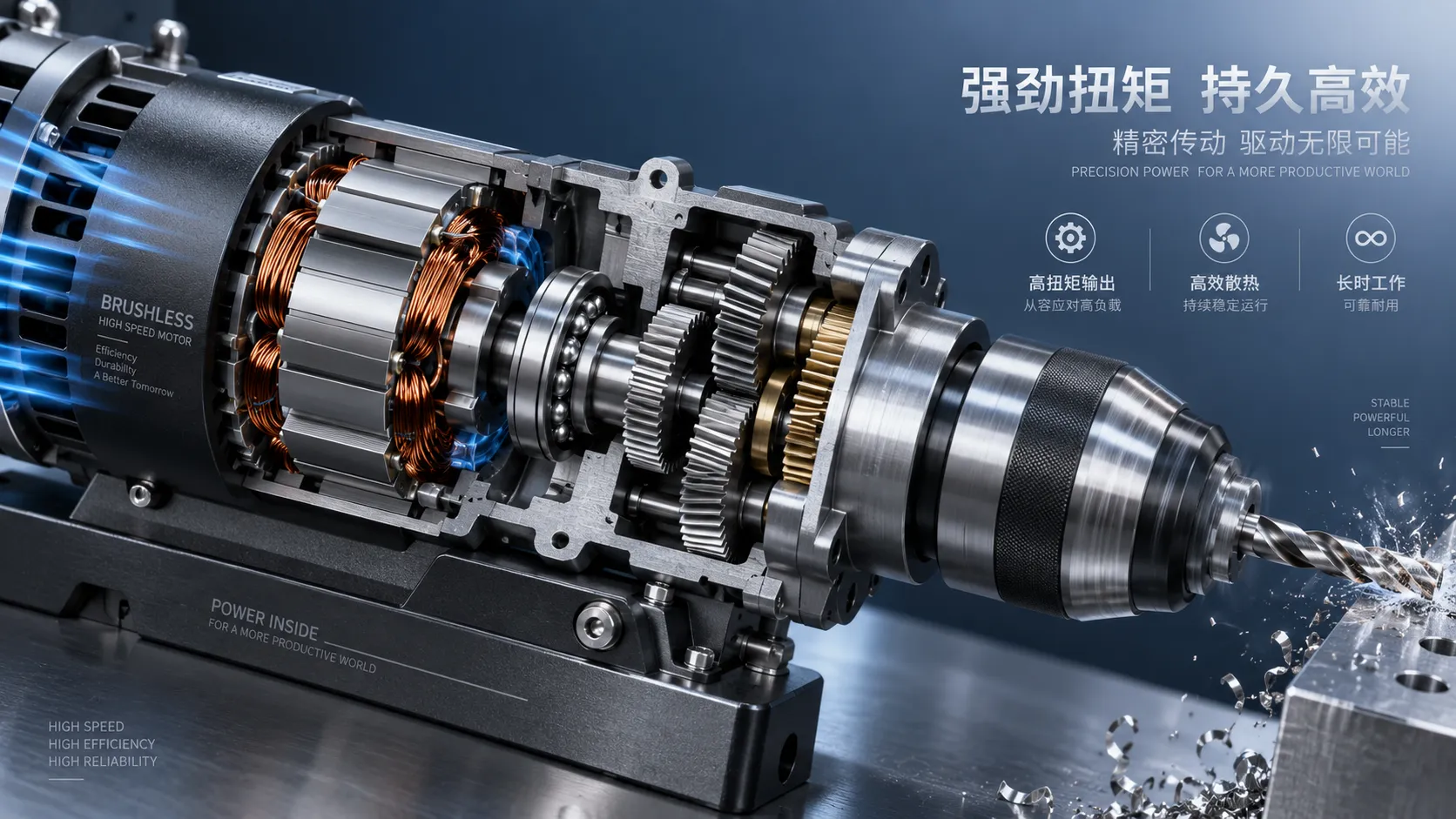
Selecting High-Speed Brushless Tool Motors for Torque, Heat, and Duty Cycle
High speed brushless tool motors: learn how to balance torque, heat, gearing, and duty cycle for reliable industrial tool performance and longer service life.
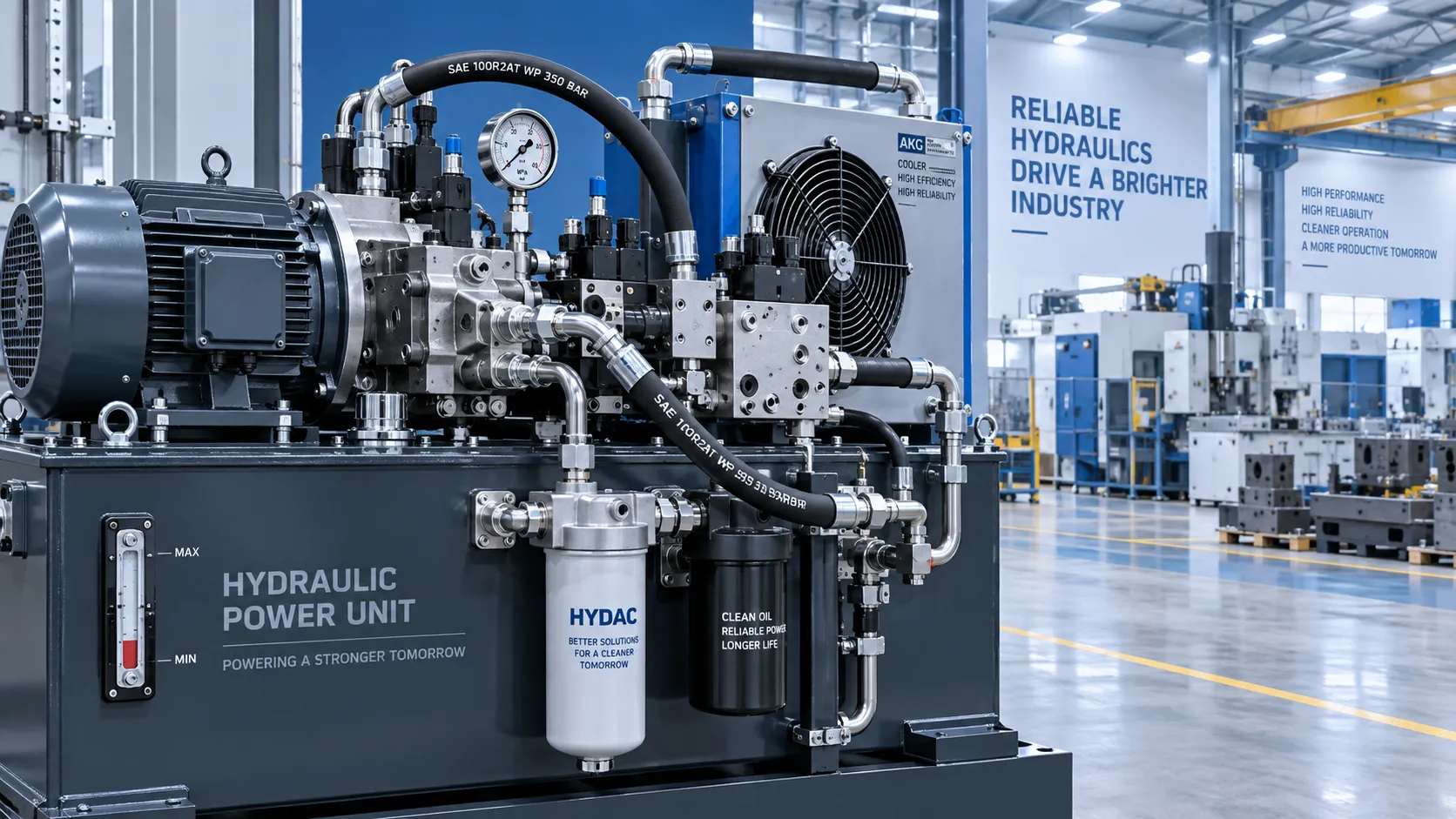
What Determines Industrial Hydraulic System Price for Heavy-Duty Equipment?
Industrial hydraulic system price depends on duty cycle, pressure, components, cooling, and integration. Compare quotes intelligently to secure reliable heavy-duty performance.
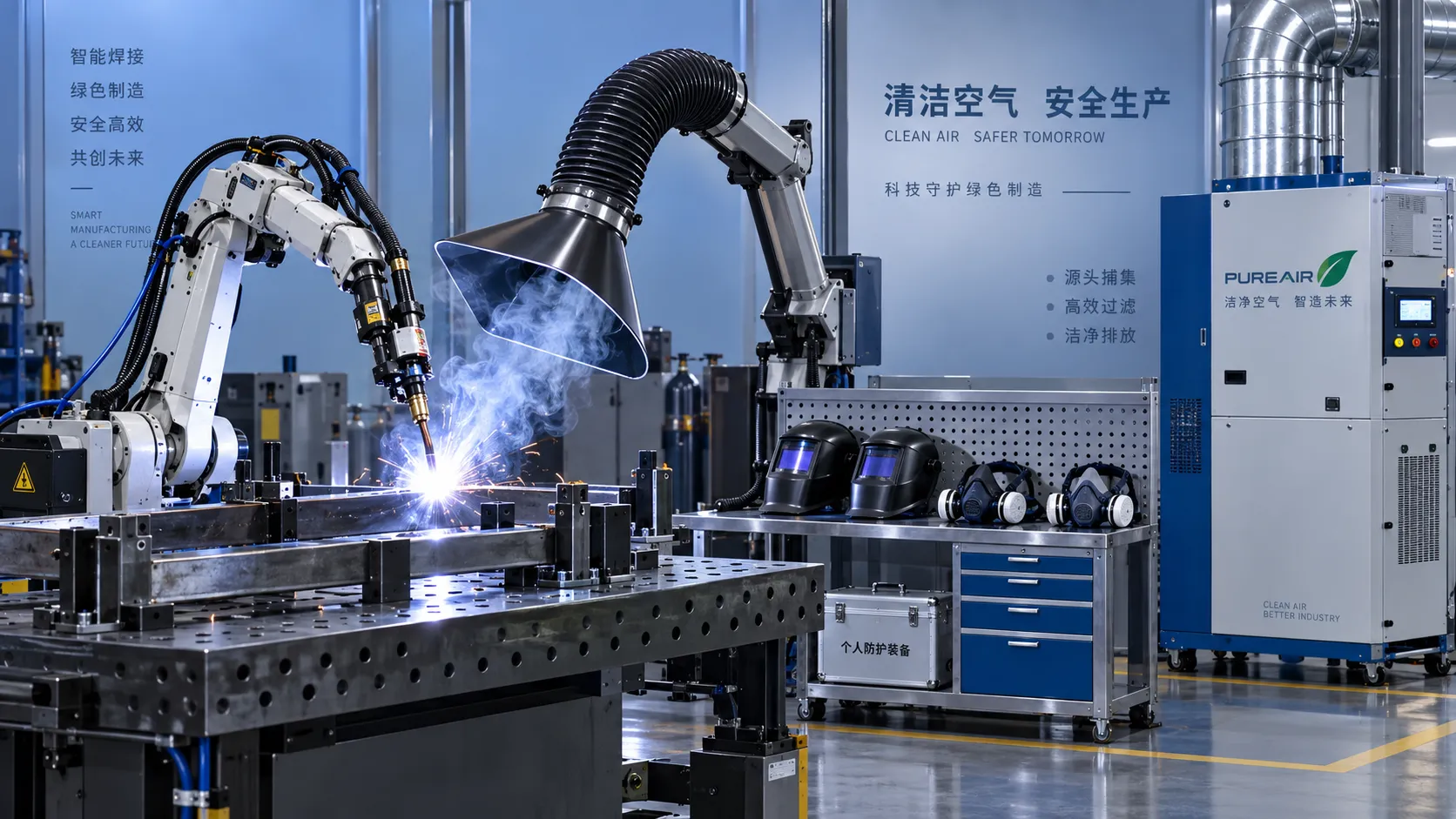
Welding Fume Extraction PPE: When Respirators Are Not Enough for Shop Safety
Welding fume extraction PPE: learn why respirators alone fall short and how source capture, ventilation, and layered controls improve shop safety.
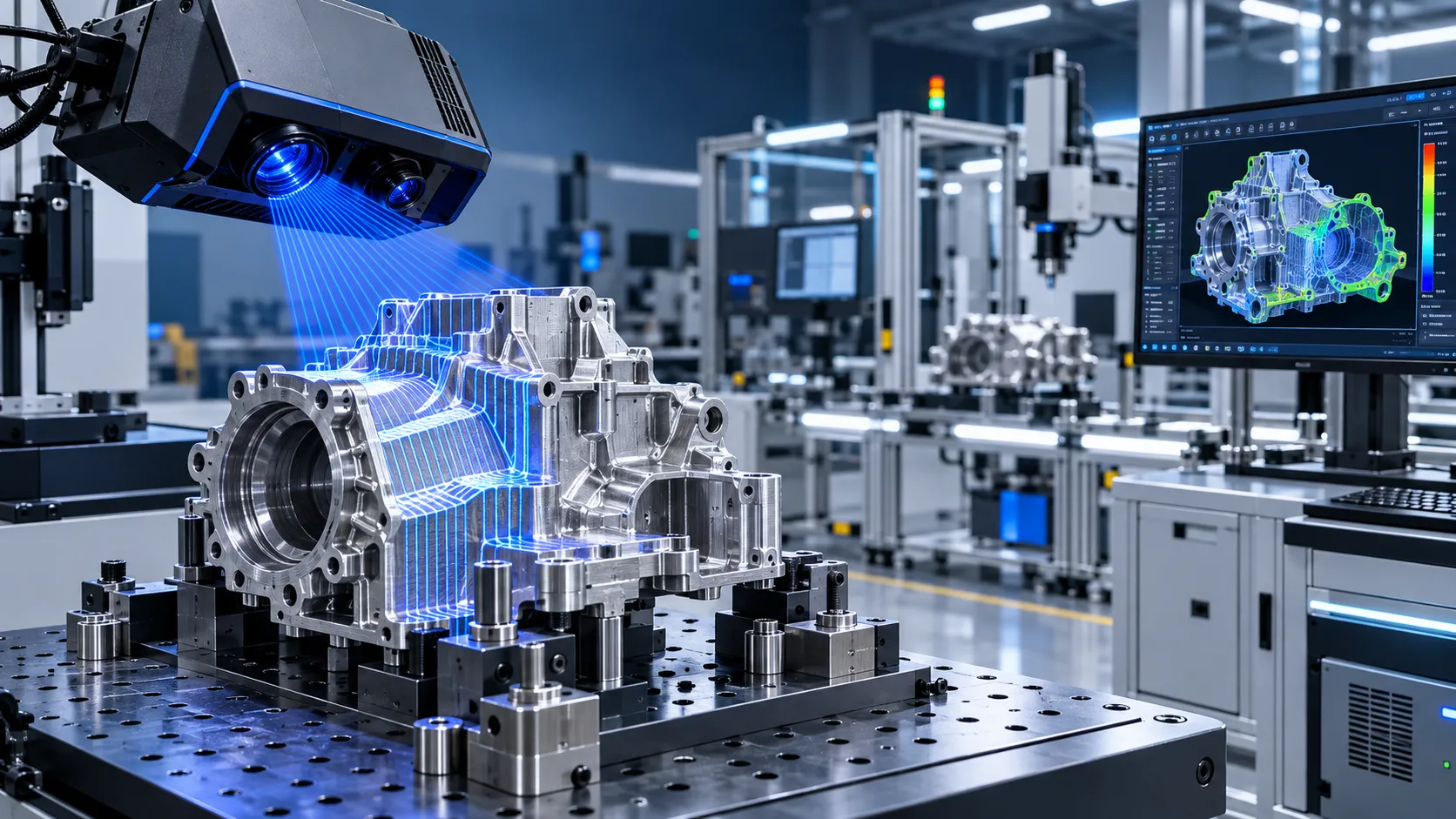
How to Select Optical Metrology Solutions for Tight-Tolerance Manufacturing
Optical industrial metrology solutions for tight-tolerance manufacturing: evaluate accuracy, surface compatibility, workflow, and traceability to select with confidence.
Related News
- 00
0000-00
Why Data-Driven Intelligence Costs Are Reshaping Enterprise Automation Budgets - 00
0000-00
What Does Data-Driven Intelligence Cost? Budgeting for Data, Tools, and Talent - 00
0000-00
What Determines Metrology Technology Prices for Factory Inspection Systems? - 00
0000-00
Welding Tools Price Guide: What Affects Cost and How Buyers Can Compare Options - 00
0000-00
What Drives Industrial Tools Cost? A Buyer’s Guide to Materials, Volume, and Lifecycle Expenses
Ms. Elena Rodriguez
Weekly Insights
Stay ahead with our curated technology reports delivered every Monday.