
Where the industrial value chain is losing margin today





Across today’s industrial value chain, margin is slipping fastest where price pressure, compliance costs, and technology gaps collide. For distributors, agents, and channel partners, understanding where value is being captured—or lost—is no longer optional. This article maps the main profit leaks now reshaping industrial trade and shows how sharper market intelligence, tighter product selection, and better execution can restore sustainable returns.
Why a checklist view matters in the industrial value chain
Margin erosion rarely comes from one obvious source. In the industrial value chain, it usually spreads across sourcing, product specification, freight, after-sales support, financing, and compliance.
A checklist approach helps separate structural margin loss from temporary market noise. It also makes decisions faster when raw material moves, export controls tighten, or product substitution accelerates.
For sectors linked to precision tools, welding systems, measuring instruments, and industrial assembly, the biggest risk is not only lower selling price. It is invisible value leakage between technical promise and commercial delivery.
Core checklist: where the industrial value chain is losing margin today
- Track commodity pass-through speed, because steel, copper, alloys, and electronics often rise faster than catalog pricing can be updated across the industrial value chain.
- Audit low-spec substitution, since cheaper alternatives in torque tools, welding accessories, and metrology products can compress price while increasing failure and warranty exposure.
- Measure compliance burden by SKU, especially where CE, UL, RoHS, battery transport, and welding safety rules add hidden cost without visible sales premium.
- Review freight and packaging economics, because oversized industrial equipment, hazardous goods, and fragile precision instruments absorb margin through handling and damage claims.
- Compare technical support intensity, as products needing commissioning, calibration, or application guidance often carry strong revenue but weak net profitability.
- Check inventory aging by functional family, since slow-moving industrial value chain stock ties up cash and forces discounting when models or standards change.
- Map channel conflict carefully, because direct online pricing, gray imports, and factory-led accounts can destroy regional margin discipline within months.
- Reassess financing terms, as long credit cycles, currency swings, and smaller repeat orders reduce real gross margin more than headline invoices suggest.
- Identify labor-dependent products, since items needing installation training, repair time, or field demonstration are vulnerable when skilled technical labor gets expensive.
- Separate premium technology from premium storytelling, because not every smart tool, IoT feature, or digital display creates usable value in the industrial value chain.
The profit leaks behind these checklist items
Raw materials move faster than selling logic
Many industrial categories still price by quarterly habit while input costs move monthly or weekly. That lag destroys margin first in metal-intensive and motor-driven products.
In the industrial value chain, the problem worsens when contracts promise fixed pricing but component structures remain volatile. Margin disappears before anyone updates the quotation model.
Compliance now acts like a silent tax
Certification, traceability, documentation, packaging labels, and export restrictions add cost unevenly. The industrial value chain loses margin where those costs are spread broadly instead of assigned by product risk.
This is especially visible in welding equipment, battery-powered tools, laser-enabled systems, and precision measurement devices. The sale may look healthy, but the file burden eats the return.
Technical complexity is outpacing commercial discipline
Brushless platforms, digital torque control, connected diagnostics, and higher-precision tolerances can support premium positioning. Yet margin falls when support capability does not match product complexity.
Across the industrial value chain, advanced products often require better onboarding, clearer use cases, and stronger spare parts planning. Without that, premium products create premium service costs instead.
How margin loss changes by application scenario
Industrial assembly and fastening
In assembly lines, margin often leaks through underpriced torque accuracy and overlooked maintenance intervals. A tool may win on unit price while losing on calibration cycles, downtime, and support tickets.
The industrial value chain here rewards products with measurable process stability. If accuracy data, life-cycle cost, and ergonomic gains are not documented, price becomes the only sales language.
Metal joining and welding
Margin compression in welding comes from volatile consumables, safety compliance, and training requirements. Handheld laser systems add strong interest, but also raise application screening and safety management demands.
Within the industrial value chain, the winners are not always the lowest-cost suppliers. They are often the ones reducing rework, spatter, distortion, and operator learning time.
Precision metrology and inspection
Metrology margins weaken when products are treated as catalog items instead of trust products. Calibration traceability, environmental stability, and user training determine whether premium instruments hold their price.
In this part of the industrial value chain, cheap substitution can damage long-term confidence quickly. Once measurement reliability is questioned, discounting becomes hard to reverse.
Construction, maintenance, and field service
Field applications lose margin through logistics, misuse, breakage, and unpredictable replacement cycles. Products need durability and service simplicity more than feature density.
The industrial value chain in these settings favors standardized kits, clear spare policies, and packaging built for rough transport. Those details protect profit better than promotional discounting.
Commonly overlooked risks
Warranty drift: Small increases in return rates can erase an apparently healthy margin band, especially in motorized tools and electronically controlled equipment.
Data blindness: Many businesses track revenue by brand or category, but not by technical service load, claims frequency, or compliance cost per SKU.
Specification mismatch: Overselling advanced functions into low-readiness applications raises support costs and damages future pricing power across the industrial value chain.
Portfolio clutter: Too many near-identical models create inventory drag, weak volume concentration, and confusing value communication.
Delayed standard response: When export rules, labeling requirements, or safety expectations change, late reaction can turn profitable items into compliance-heavy low-margin stock.
Practical execution steps to defend margin
- Build a margin map by product family, including gross margin, service hours, return rates, freight burden, and compliance cost rather than invoice price alone.
- Reduce SKU duplication and concentrate volume on models that combine technical credibility, acceptable service load, and resilient pricing in the industrial value chain.
- Refresh quotations faster using raw material triggers, exchange rate bands, and minimum margin floors for high-volatility categories.
- Translate product features into process outcomes such as lower rework, faster cycle time, safer operation, or fewer calibration interruptions.
- Use intelligence sources like GPTWM to monitor technology shifts, regulatory pressure, and demand evolution before margin pressure becomes visible in monthly sales.
Execution works best when commercial and technical information are joined. That is where industrial intelligence platforms create value: not by adding noise, but by helping teams price, select, and position products with evidence.
GPTWM’s focus on industrial assembly, metal joining, and precision metrology is relevant here because these segments sit at the last mile of manufacturing performance. Small specification errors create large downstream cost.
Conclusion and next action
The industrial value chain is not losing margin evenly. It is losing margin where complexity is rising faster than pricing discipline, where compliance costs stay hidden, and where product value is described poorly.
The immediate next step is simple: review the bottom 20 percent of SKUs by real net contribution, not sales volume. Then test each item against the checklist above.
Where margin is leaking, act with precision. Reprice faster, simplify portfolios, tighten application fit, and rely on better intelligence. In today’s industrial value chain, defended margin is rarely accidental.
Related News
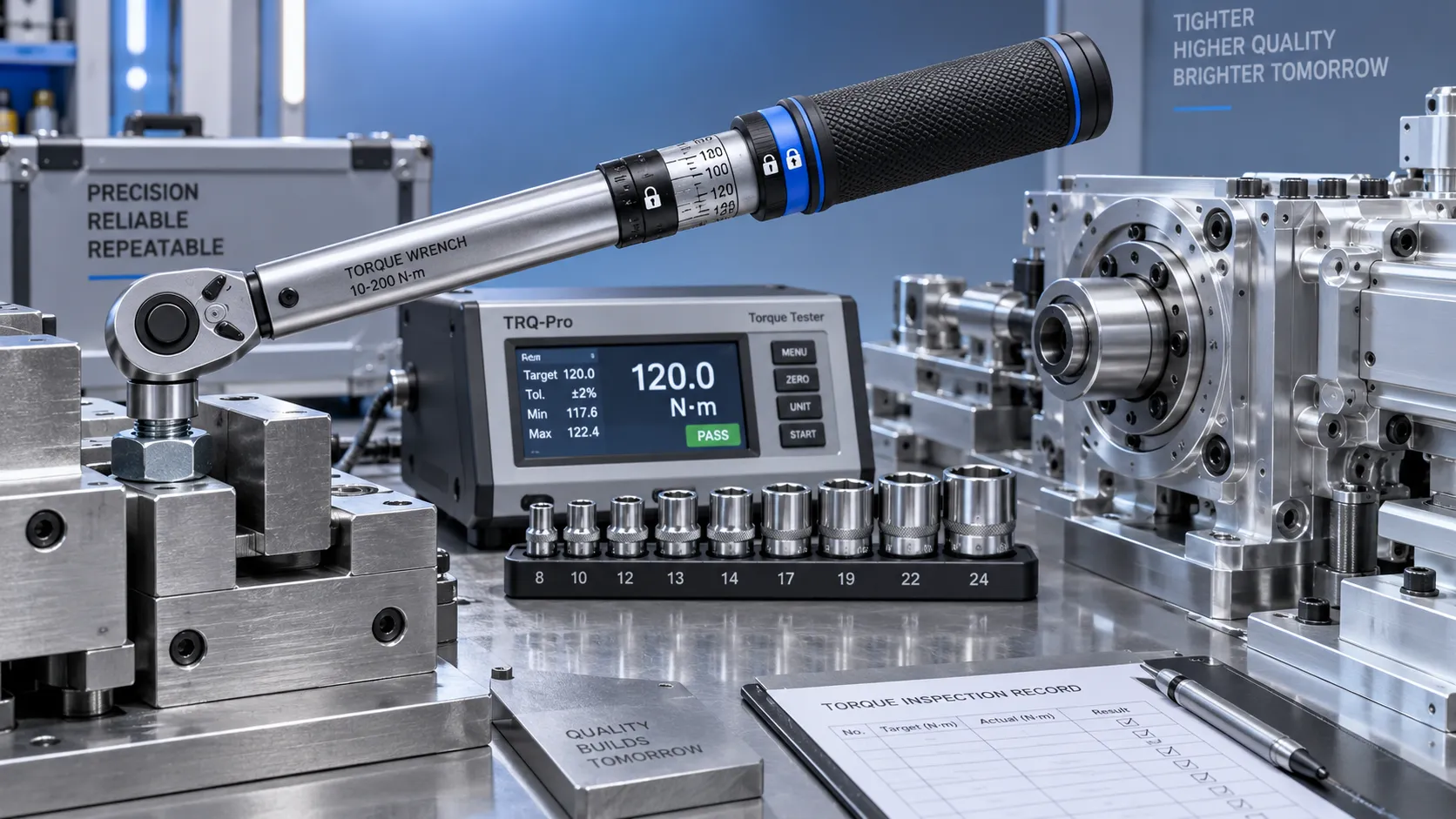
Selecting Adjustable Torque Tools for Repeatable Fastener Assembly
Adjustable torque tools: learn how to match range, accuracy, control methods, calibration, and ergonomics for repeatable, reliable fastener assembly.

How to Select Aerospace Inspection Tools for Aircraft Maintenance Tasks
Aerospace maintenance inspection tools: learn how to select reliable, traceable equipment for aircraft access, accuracy, calibration, and compliant maintenance decisions.

How to Select Wire Bonding Tools for Fine-Pitch Semiconductor Packaging
Explore semiconductor manufacturing tools for wire bonding and learn how to select precision solutions for fine-pitch packaging, reliable loops, accuracy, and yield.
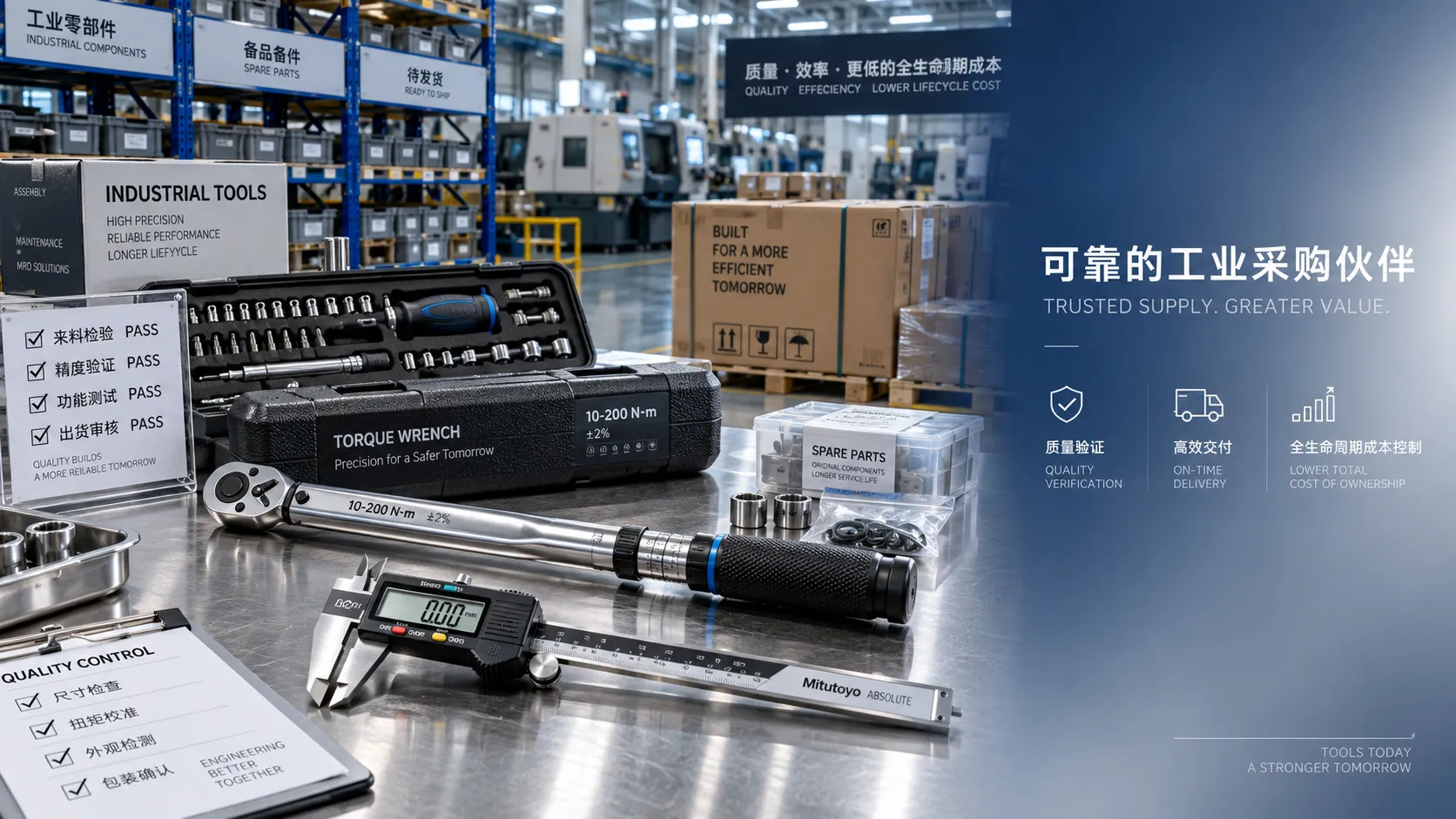
How to Compare Industrial Tool Suppliers for Quality, Lead Time, and Total Cost
Industrial tool selection supplier comparison made simple: evaluate quality, lead times, total cost, service, and supply resilience for confident sourcing decisions.

Industrial Equipment Application Guidance: Match Machines to Operating Conditions
Application guidance industrial equipment: match capacity, duty cycle, materials, site conditions, safety, and lifecycle cost to improve reliable output. Read the guide.
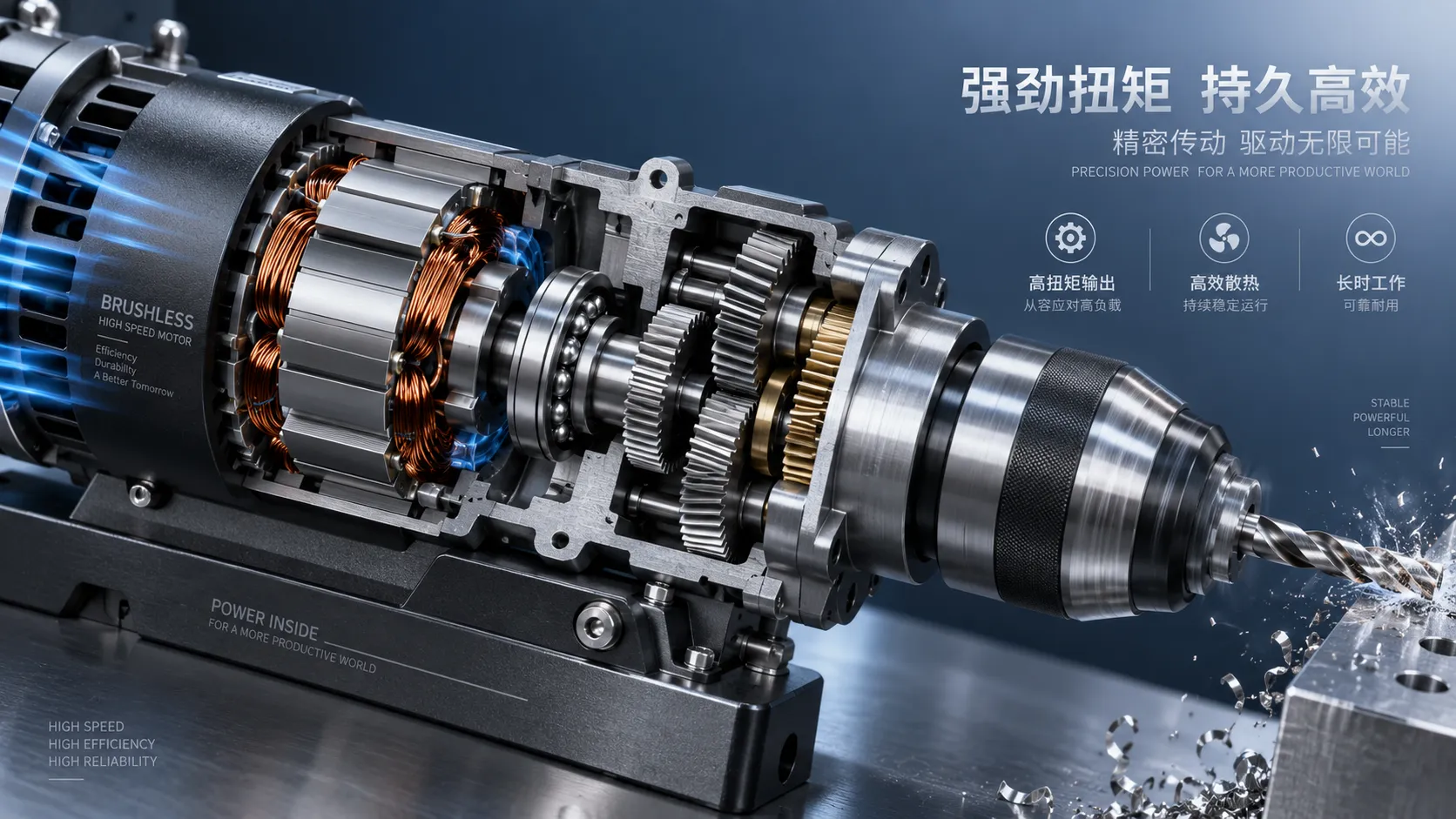
Selecting High-Speed Brushless Tool Motors for Torque, Heat, and Duty Cycle
High speed brushless tool motors: learn how to balance torque, heat, gearing, and duty cycle for reliable industrial tool performance and longer service life.
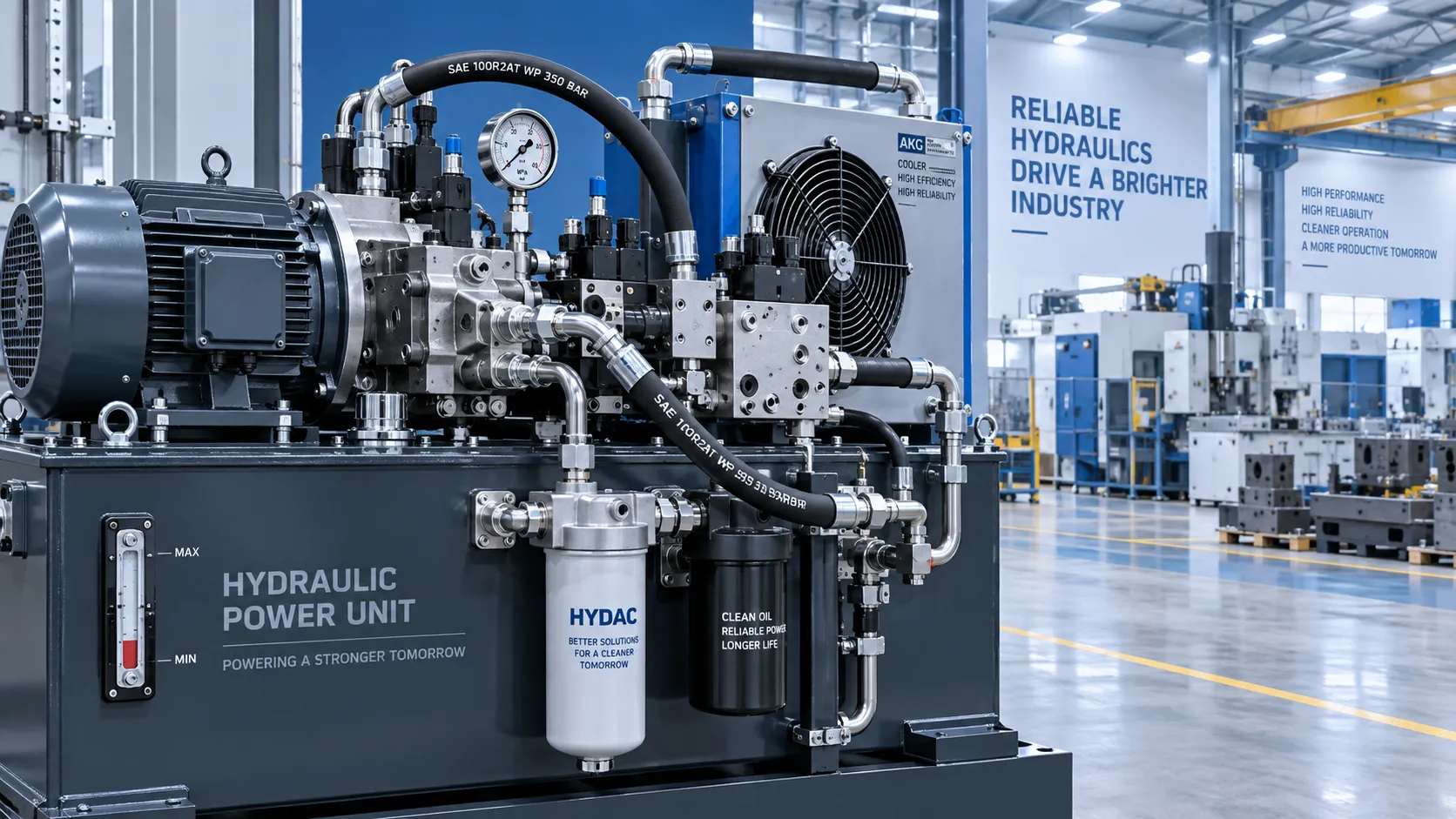
What Determines Industrial Hydraulic System Price for Heavy-Duty Equipment?
Industrial hydraulic system price depends on duty cycle, pressure, components, cooling, and integration. Compare quotes intelligently to secure reliable heavy-duty performance.

Welding Fume Extraction PPE: When Respirators Are Not Enough for Shop Safety
Welding fume extraction PPE: learn why respirators alone fall short and how source capture, ventilation, and layered controls improve shop safety.

How to Select Optical Metrology Solutions for Tight-Tolerance Manufacturing
Optical industrial metrology solutions for tight-tolerance manufacturing: evaluate accuracy, surface compatibility, workflow, and traceability to select with confidence.
Related News
- 00
0000-00
How Procurement Teams Can Map the Industrial Value Chain to Reduce Supply Risk - 00
0000-00
How Industry Category Guides Help Global Sourcing Teams Compare Suppliers Faster - 00
0000-00
Intelligent Tools in Southeast Asia: Key Market Trends, Buyers, and Supply Chain Shifts - 00
0000-00
Industrial Value Chain Europe: Where Sourcing Risks and Lead-Time Pressure Are Rising - 00
0000-00
North America's Industrial Value Chain: Key Shifts in Sourcing, Labor, and Logistics
Dr. Alistair Vaughn
Weekly Insights
Stay ahead with our curated technology reports delivered every Monday.