
How smart manufacturing reduces risk across production





In complex production environments, risk no longer comes from a single machine or supplier—it emerges across quality, scheduling, safety, and compliance. Smart manufacturing gives project leaders greater visibility and control by connecting data, processes, and people in real time. For engineering and project managers, understanding how smart manufacturing reduces risk across production is becoming essential to protecting delivery targets, operational stability, and long-term competitiveness.
What smart manufacturing means in modern production
Smart manufacturing combines connected equipment, industrial software, data analytics, and automated feedback loops across production activities.
It links machines, operators, quality systems, maintenance records, and supply information into one visible operating environment.
This approach does not only improve speed. It helps detect risk earlier, respond faster, and reduce uncertainty across the full production cycle.
In practical terms, smart manufacturing reduces risk across production by turning isolated events into measurable signals.
A temperature drift, torque deviation, missing material batch, or delayed work order can be flagged before damage spreads.
Core elements behind risk reduction
- Connected sensors that capture machine and process conditions continuously.
- MES, ERP, and quality systems that align planning with execution.
- Analytics tools that identify patterns, exceptions, and probable failure points.
- Digital traceability that supports compliance, audits, and root cause review.
- Closed-loop controls that trigger corrective actions quickly.
Why production risk is rising across industries
Manufacturing risk is increasing because production systems have become faster, leaner, and more interconnected than before.
A small disruption can now move across lines, plants, suppliers, and customer commitments within hours.
This is especially visible in assembly, welding, machining, packaging, maintenance, and precision inspection operations.
Because these pressures overlap, traditional manual reporting is often too slow to control modern production risk.
How smart manufacturing reduces risk across production
The strongest value of smart manufacturing is not automation alone. It is coordinated decision-making based on trusted operational data.
1. Lower quality risk through real-time control
Connected inspection systems detect variation during production instead of after final output is complete.
This is critical in welding, torque assembly, dimensional metrology, coating, and thermal processing.
When process values move beyond tolerance, operators can intervene immediately and stop nonconforming output from accumulating.
2. Reduce downtime risk with predictive maintenance
Smart manufacturing reduces risk across production by monitoring vibration, power draw, cycle time, and temperature patterns.
These signals help estimate equipment health before a visible breakdown occurs.
Maintenance can then be scheduled around production priorities instead of after emergency stoppages.
3. Improve scheduling stability
Production plans often fail because actual line conditions differ from assumptions in planning systems.
Live production data supports more realistic sequencing, labor balancing, and material allocation decisions.
This lowers the risk of missed milestones, expedited freight, and last-minute line rescheduling.
4. Strengthen safety and compliance
Connected systems can confirm tool settings, process interlocks, training status, and environmental conditions before work begins.
Digital records also support investigation when incidents occur, reducing uncertainty in corrective action planning.
5. Limit supply and traceability exposure
Material lots, inspection records, and work order histories can be linked to each unit or batch.
If defects appear later, affected output can be isolated faster, reducing recall scope and customer disruption.
Business value beyond operational control
Risk reduction creates direct business value because instability always carries a cost.
That cost appears as scrap, delay penalties, warranty claims, safety incidents, audit findings, and excess inventory buffers.
Smart manufacturing reduces risk across production while improving confidence in planning, quoting, and capacity expansion.
- More reliable output quality supports stronger customer trust.
- Better asset visibility improves capital utilization decisions.
- Faster root cause analysis shortens recovery time after disruptions.
- Standardized data improves cross-site comparison and process scaling.
- Verified traceability reduces exposure during audits and claims.
For intelligence-focused platforms such as GPTWM, this trend is also reshaping demand for precision tools, metrology, and connected industrial systems.
Assembly quality now depends not only on the tool itself, but on the data environment surrounding each use point.
Typical production scenarios where risk reduction is most visible
Not every operation adopts smart manufacturing in the same way. Risk patterns differ by process, equipment, and compliance burden.
Practical implementation priorities
A successful program should begin with the highest-cost risks, not with the widest technology rollout.
That keeps the business case clear and avoids disconnected pilot projects.
Recommended steps
- Map where quality, downtime, safety, and traceability failures occur most often.
- Define a limited set of risk indicators tied to measurable production outcomes.
- Connect critical assets, tools, and inspection points before lower-priority areas.
- Standardize data naming, tolerance rules, and event response procedures.
- Review exception trends weekly and adjust thresholds with actual plant learning.
Important cautions
- Do not collect data without a decision path for using it.
- Avoid isolated systems that cannot share records across quality and maintenance.
- Treat operator usability as a control factor, not a secondary concern.
- Validate cybersecurity, especially for connected tools and remote access points.
A clear next step for production resilience
Smart manufacturing reduces risk across production because it makes uncertainty visible before it becomes loss.
Across general industry, the most resilient operations are building connected control around quality, maintenance, traceability, and scheduling first.
The next practical step is to identify one production flow where hidden variability causes repeated disruption.
Then define the data points, tools, and response rules needed to control that risk in real time.
With accurate industrial intelligence, precision tools, and connected process insight, production risk becomes manageable rather than reactive.
Related News
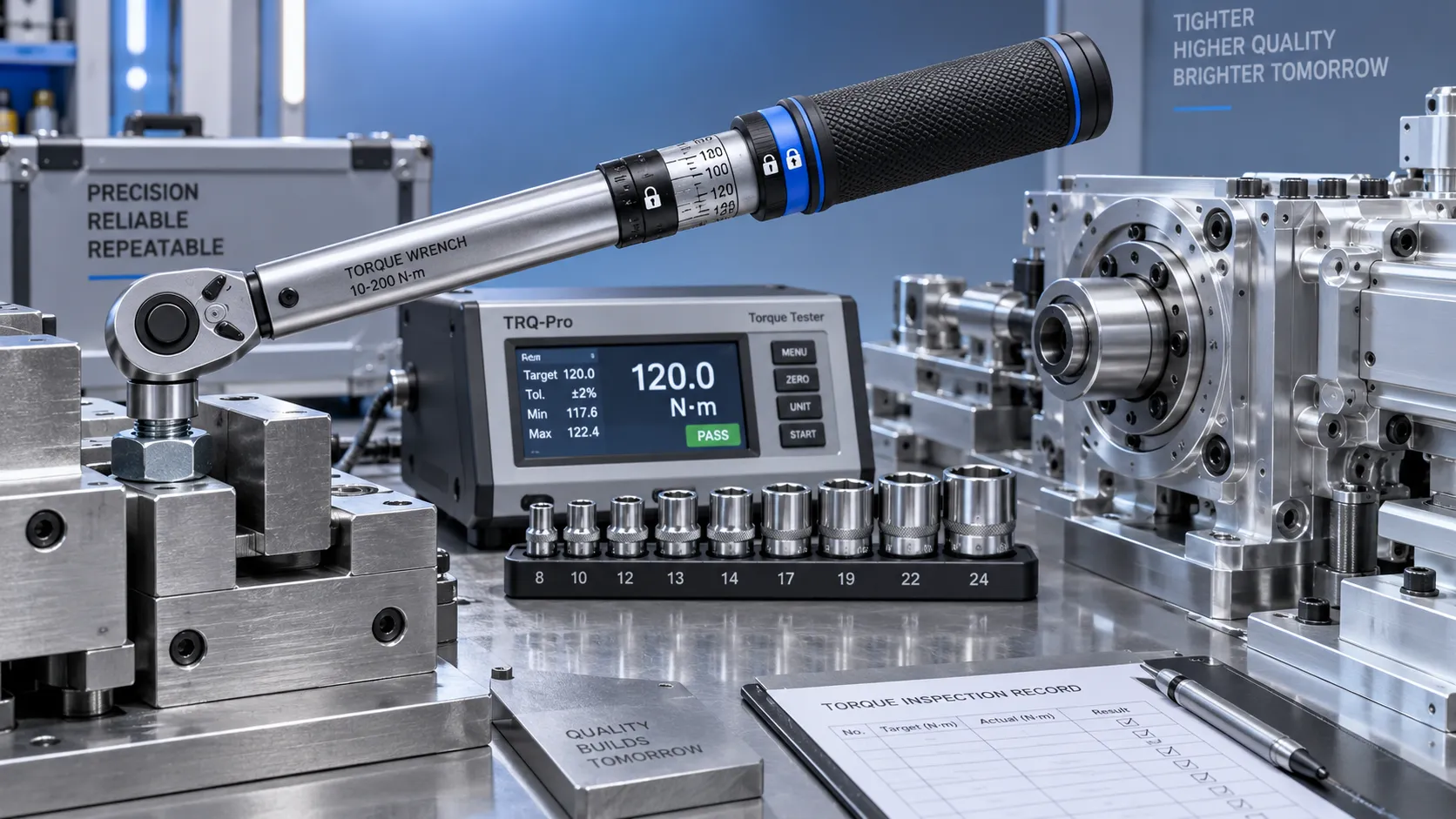
Selecting Adjustable Torque Tools for Repeatable Fastener Assembly
Adjustable torque tools: learn how to match range, accuracy, control methods, calibration, and ergonomics for repeatable, reliable fastener assembly.

How to Select Aerospace Inspection Tools for Aircraft Maintenance Tasks
Aerospace maintenance inspection tools: learn how to select reliable, traceable equipment for aircraft access, accuracy, calibration, and compliant maintenance decisions.
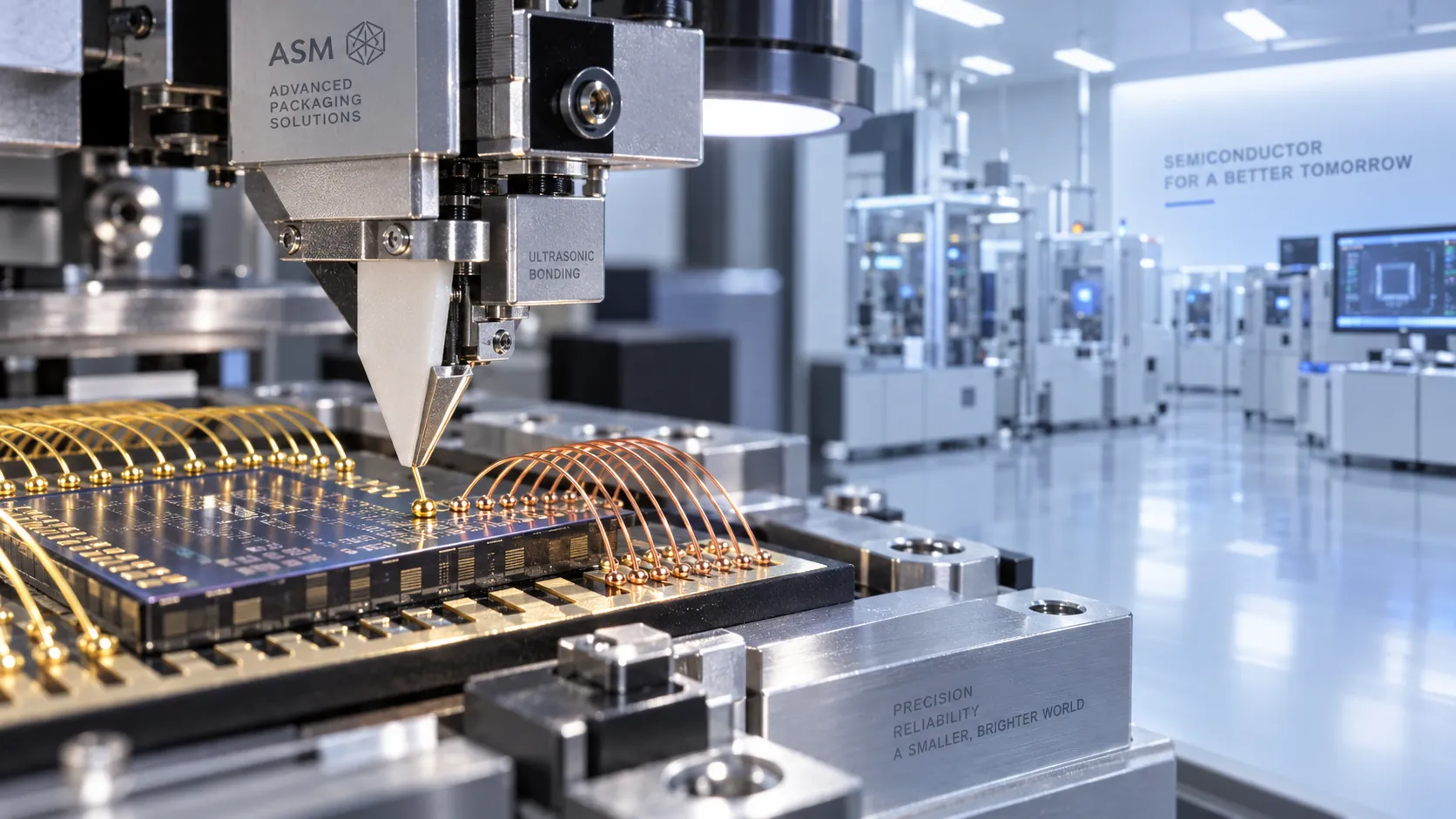
How to Select Wire Bonding Tools for Fine-Pitch Semiconductor Packaging
Explore semiconductor manufacturing tools for wire bonding and learn how to select precision solutions for fine-pitch packaging, reliable loops, accuracy, and yield.
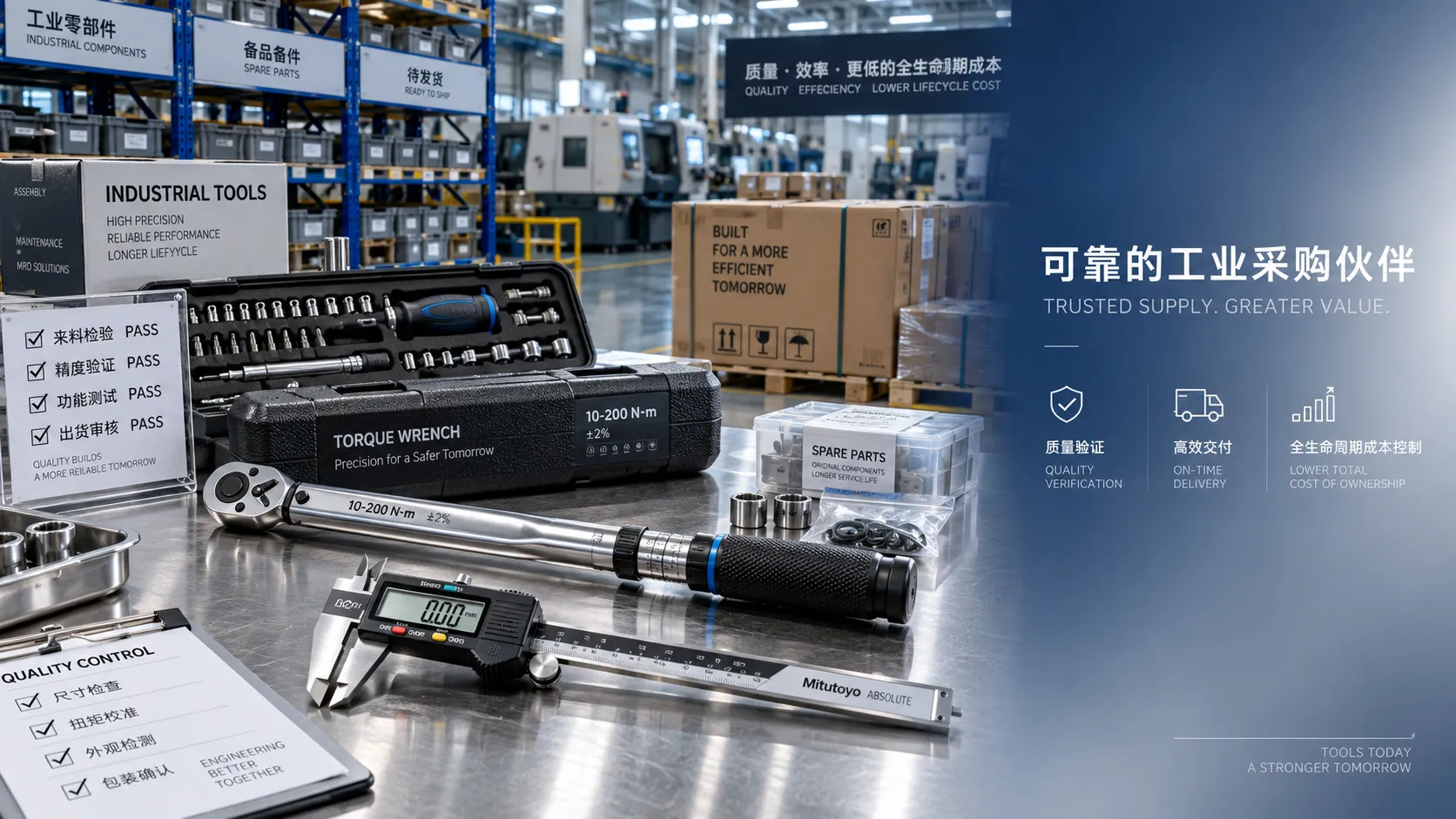
How to Compare Industrial Tool Suppliers for Quality, Lead Time, and Total Cost
Industrial tool selection supplier comparison made simple: evaluate quality, lead times, total cost, service, and supply resilience for confident sourcing decisions.
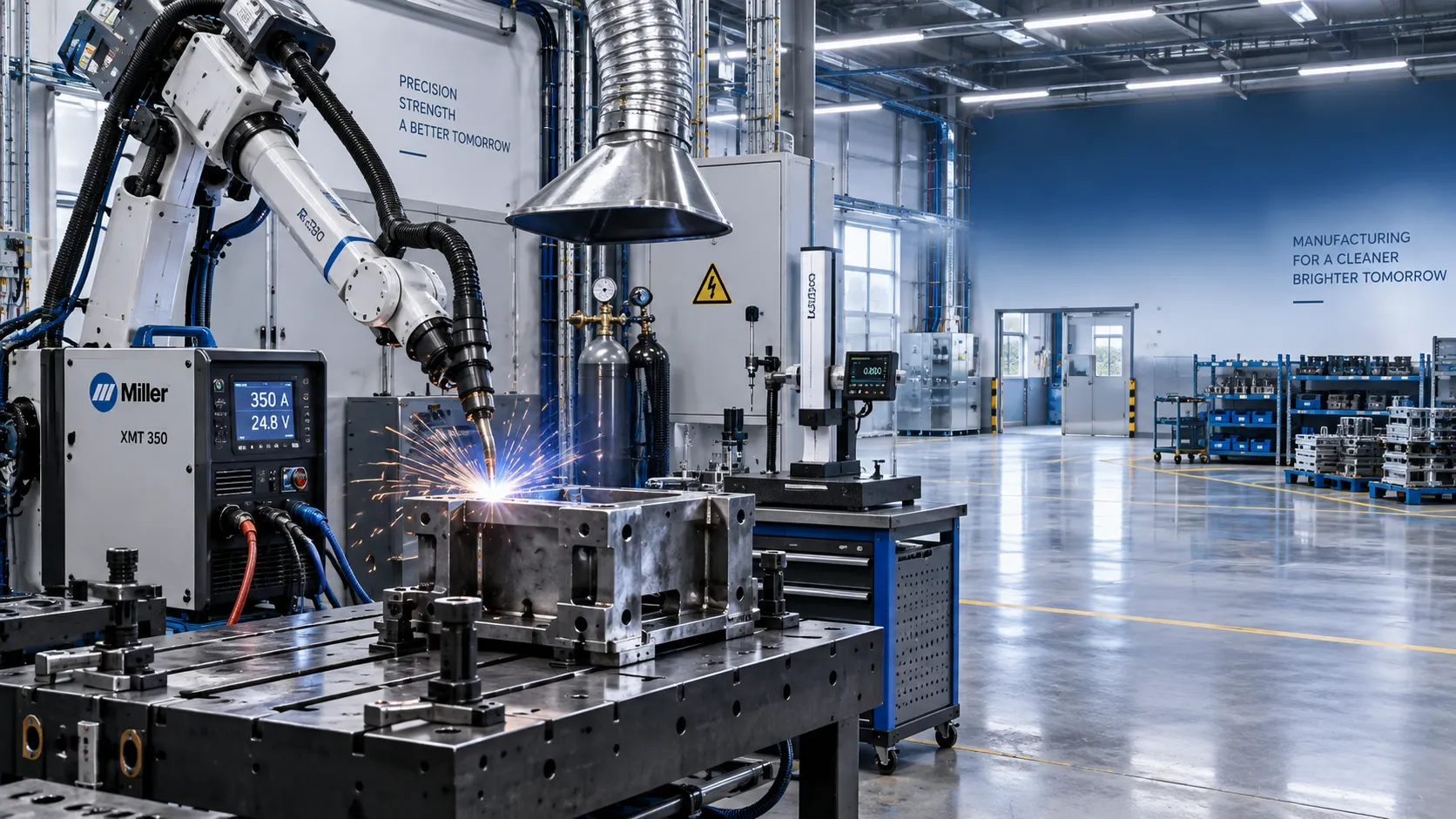
Industrial Equipment Application Guidance: Match Machines to Operating Conditions
Application guidance industrial equipment: match capacity, duty cycle, materials, site conditions, safety, and lifecycle cost to improve reliable output. Read the guide.
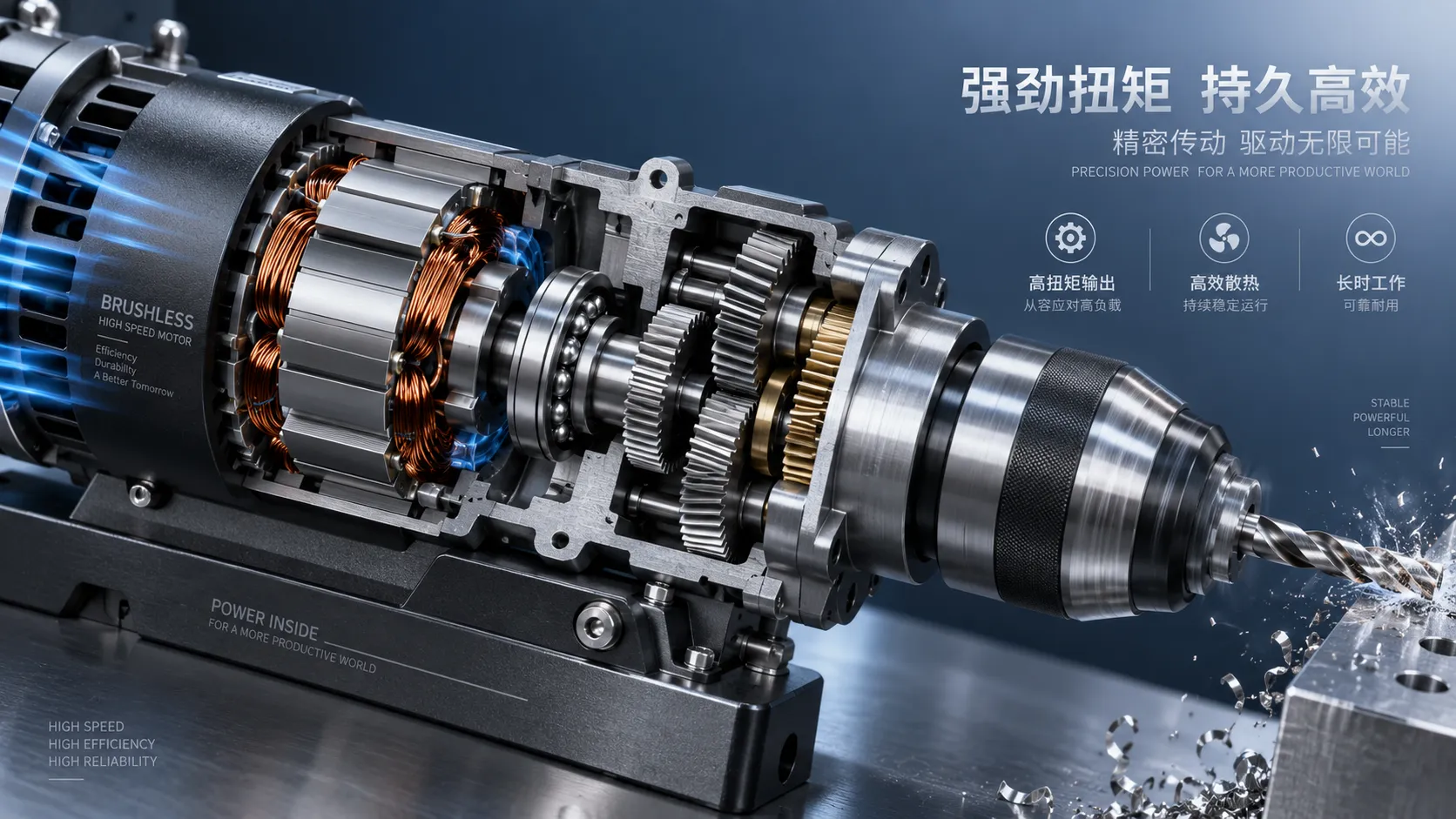
Selecting High-Speed Brushless Tool Motors for Torque, Heat, and Duty Cycle
High speed brushless tool motors: learn how to balance torque, heat, gearing, and duty cycle for reliable industrial tool performance and longer service life.
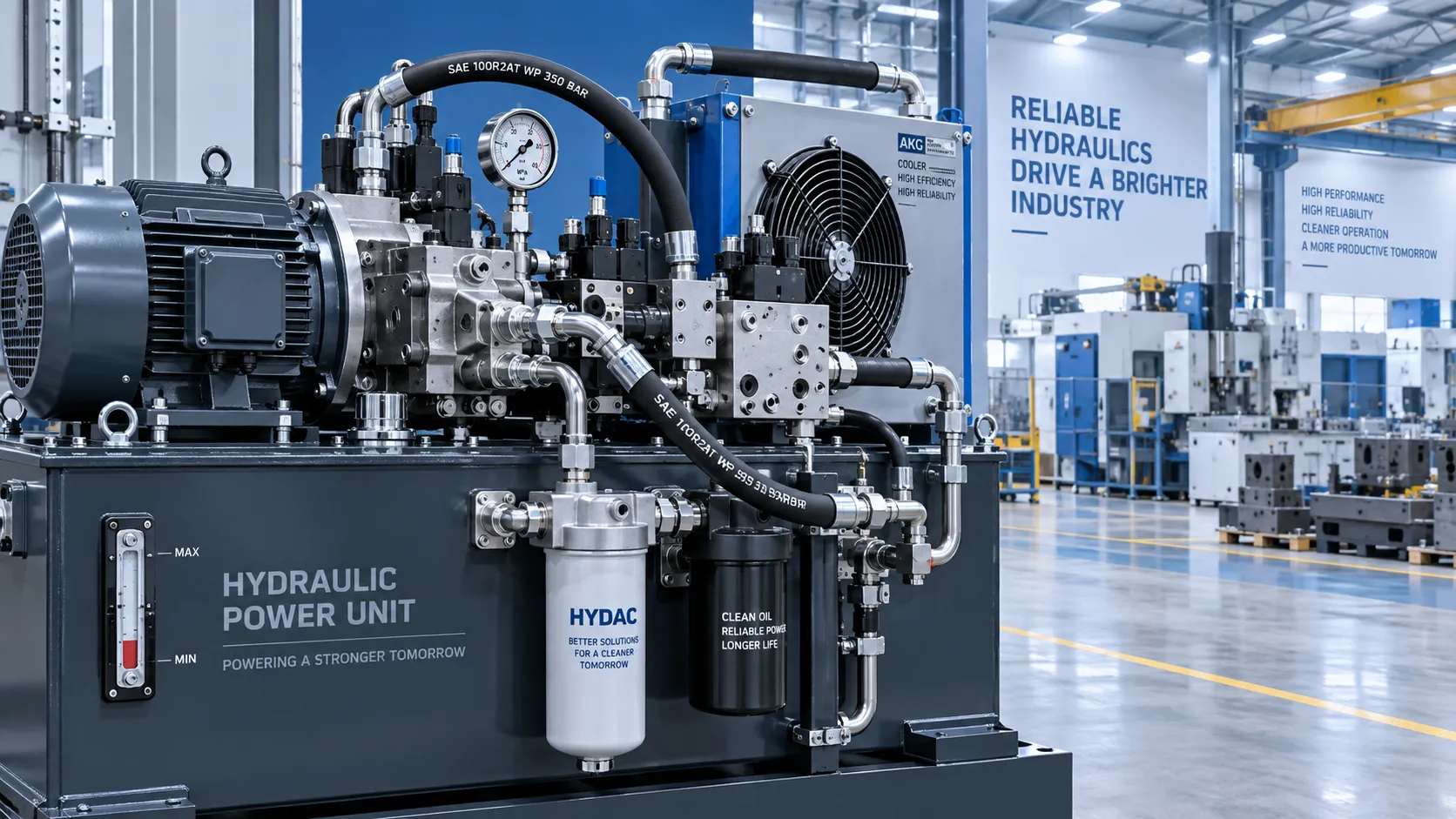
What Determines Industrial Hydraulic System Price for Heavy-Duty Equipment?
Industrial hydraulic system price depends on duty cycle, pressure, components, cooling, and integration. Compare quotes intelligently to secure reliable heavy-duty performance.
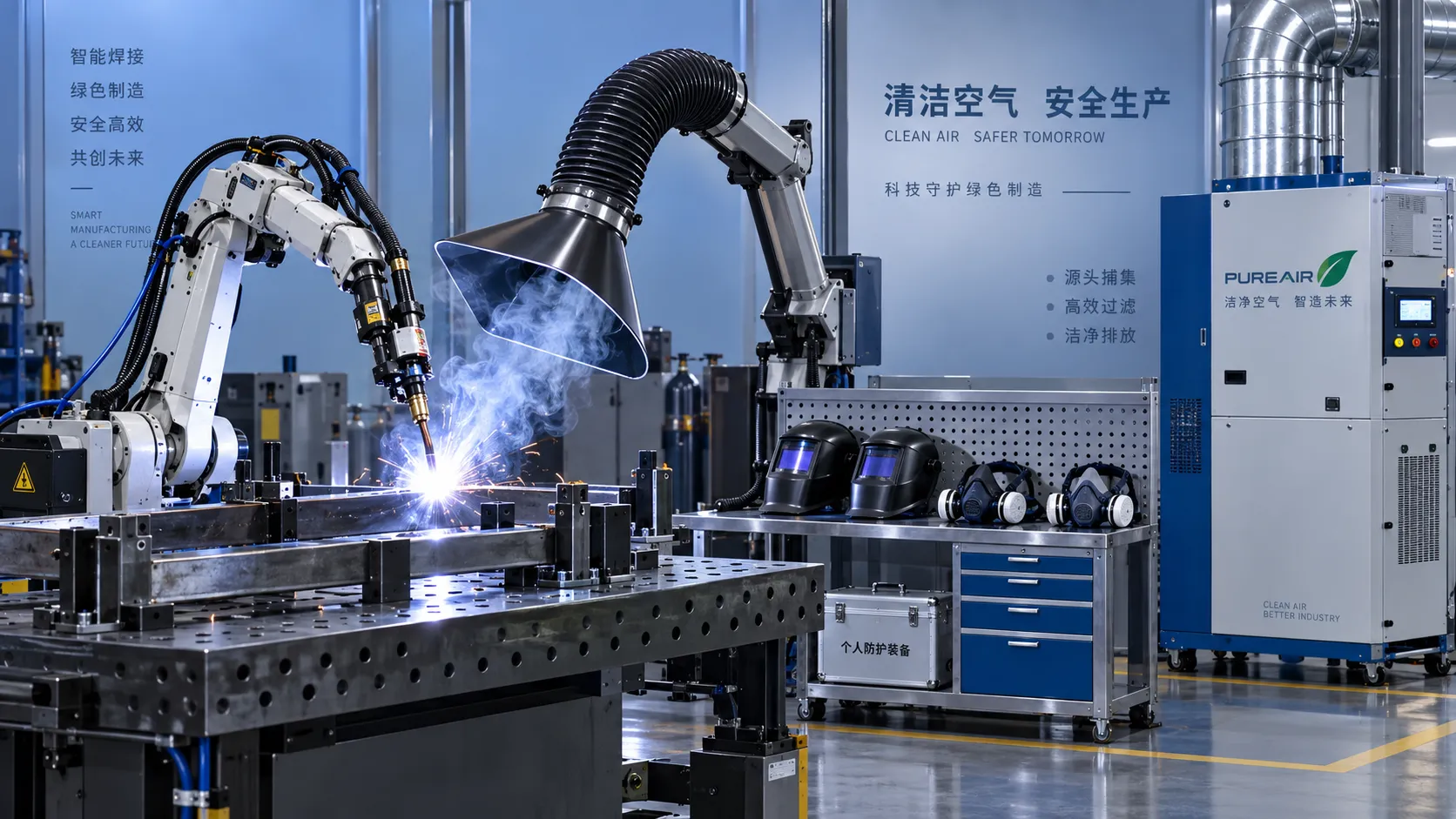
Welding Fume Extraction PPE: When Respirators Are Not Enough for Shop Safety
Welding fume extraction PPE: learn why respirators alone fall short and how source capture, ventilation, and layered controls improve shop safety.
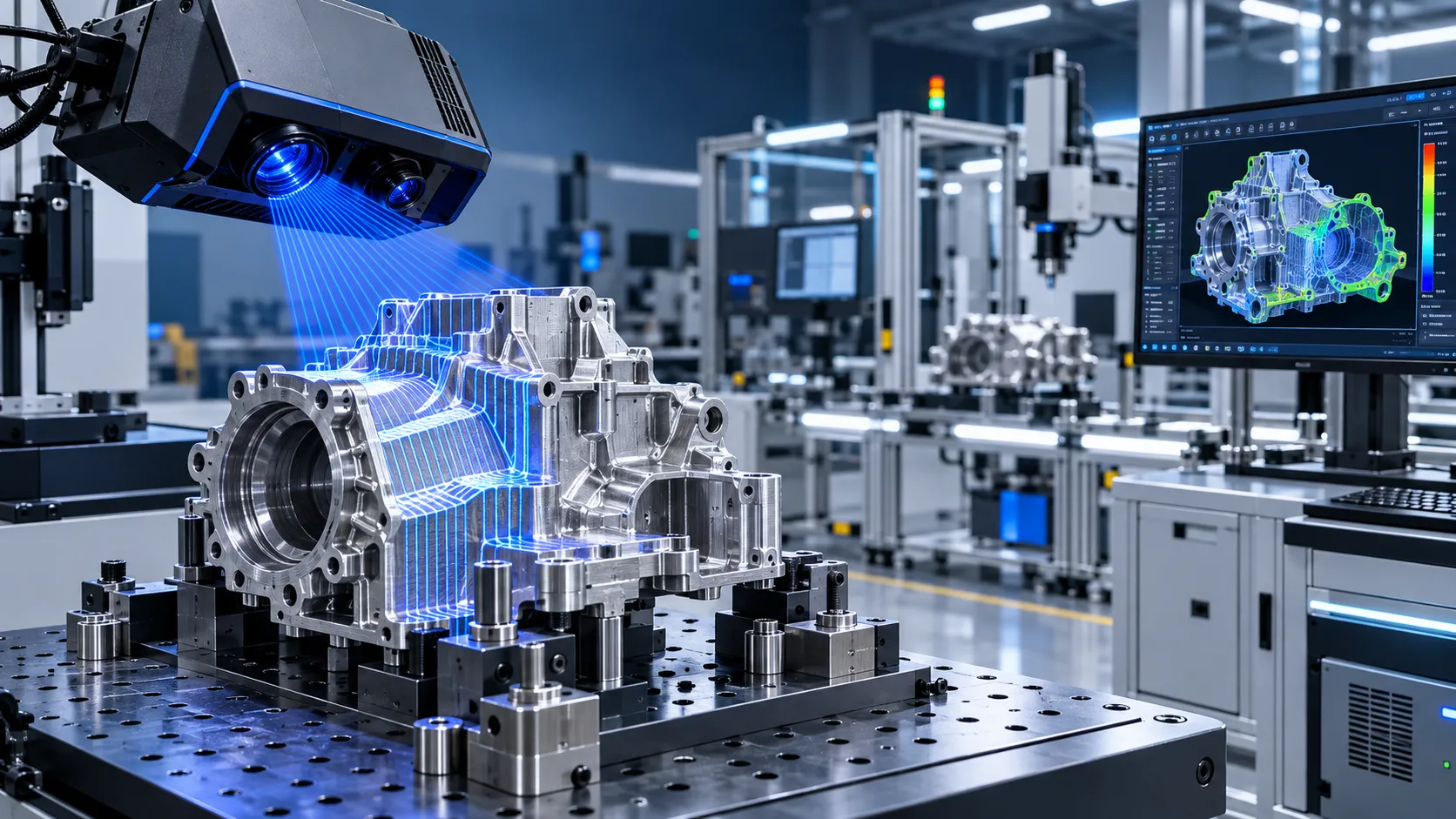
How to Select Optical Metrology Solutions for Tight-Tolerance Manufacturing
Optical industrial metrology solutions for tight-tolerance manufacturing: evaluate accuracy, surface compatibility, workflow, and traceability to select with confidence.
Related News
- 00
0000-00
Selecting Adjustable Torque Tools for Repeatable Fastener Assembly - 00
0000-00
How to Select Aerospace Inspection Tools for Aircraft Maintenance Tasks - 00
0000-00
How to Select Wire Bonding Tools for Fine-Pitch Semiconductor Packaging - 00
0000-00
Industrial Equipment Application Guidance: Match Machines to Operating Conditions - 00
0000-00
Selecting High-Speed Brushless Tool Motors for Torque, Heat, and Duty Cycle
Prof. Marcus Chen
Weekly Insights
Stay ahead with our curated technology reports delivered every Monday.