
Is industrial automation still worth it for mid-size plants





For mid-size plants, industrial automation is no longer a futuristic upgrade. It is a practical decision tied to labor availability, output stability, quality control, and long-term margin protection. Rising wage pressure, tighter delivery windows, and growing traceability demands are forcing many facilities to ask the same question: is industrial automation still worth the cost, complexity, and disruption?
The short answer is yes, but not in every process, not at every speed, and not with every technology stack. The real value of industrial automation depends on where bottlenecks exist, how repeatable tasks are, and whether the plant can absorb change without hurting throughput. In a mixed industrial environment, the best automation decisions are selective, staged, and measured against operational reality.
Why a checklist matters before investing in industrial automation
Mid-size plants rarely have unlimited capital or engineering bandwidth. A checklist-based review reduces risk by separating attractive automation ideas from financially sound ones. It also helps compare robotics, sensors, machine vision, welding automation, material handling, and digital controls using the same decision frame.
This matters across general industry because plants often run mixed volumes, legacy equipment, and variable shift performance. In that context, industrial automation succeeds when it removes chronic waste, improves process consistency, and supports maintenance discipline rather than adding another isolated system.
Core checklist: how to judge whether industrial automation is still worth it
- Map repeatable tasks first, then rank them by cycle time loss, defect exposure, ergonomic strain, and operator dependency before discussing any robot, PLC, or software purchase.
- Measure actual downtime causes using shift logs, maintenance records, and scrap reports so the industrial automation project targets verified constraints instead of assumptions.
- Check process stability before automating. If fixtures drift, input material varies, or work instructions change weekly, automation may amplify inconsistency rather than reduce it.
- Compare labor replacement value with labor redeployment value. Many automation projects create better returns by moving skilled people to setup, inspection, and preventive maintenance.
- Calculate total cost beyond equipment price, including guarding, integration, programming, tooling, utilities, safety validation, training, spare parts, and planned support hours.
- Prioritize quality-critical steps where industrial automation can control torque, weld consistency, positioning accuracy, or measurement repeatability more reliably than manual variation.
- Review product mix carefully. High-mix, low-volume plants need flexible automation, quick-change tooling, and modular controls instead of rigid hard automation.
- Audit data readiness. Sensors, machine states, and inspection outputs must be captured cleanly if automation is expected to support OEE, traceability, or predictive maintenance.
- Test floor-level serviceability by asking how fast technicians can reset faults, swap components, and recover production during second or third shift conditions.
- Validate safety from the start. Collaborative systems, laser applications, welding cells, and automated handling require standards-based guarding and documented risk assessment.
- Start with a contained pilot where throughput, scrap, labor hours, and changeover time can be measured clearly against the pre-automation baseline.
- Define payback using realistic adoption curves. Industrial automation often ramps through debugging, training, and fixture tuning before reaching stable output.
Where industrial automation delivers the strongest value
Repetitive assembly and fastening
Assembly lines with repeated fastening, dispensing, pick-and-place, or torque verification often benefit quickly from industrial automation. These steps are measurable, frequent, and sensitive to variation. Automated torque tools, feeders, and vision-guided positioning can reduce rework while improving traceability.
In plants producing mechanical, electrical, or mixed industrial goods, this type of automation also helps standardize output across shifts. That consistency becomes valuable when field performance, warranty exposure, or customer audits depend on controlled assembly records.
Welding, joining, and metal fabrication
For welding and metal joining, industrial automation can be especially worthwhile when part geometry is repeatable and quality requirements are tight. Automated welding cells, seam tracking, and parameter monitoring can stabilize bead quality, reduce consumable waste, and improve arc-on time.
The value grows when skilled welding labor is difficult to retain. Automation does not eliminate expertise; it shifts expertise toward fixture design, parameter control, inspection, and process optimization. That fits well with broader industry movement toward intelligent tools and metrology-backed verification.
Inspection and precision measurement
Inspection is another high-return area for industrial automation. Machine vision, automated gauging, and digital measurement stations can catch drift earlier than manual checks. They also generate structured data that supports SPC, root-cause analysis, and supplier quality discussions.
When plants already rely on precision tools, adding automated metrology can strengthen process feedback loops rather than simply replacing labor. That makes automation a quality infrastructure investment, not only a headcount decision.
Material handling and intralogistics
Conveyors, autonomous carts, palletizing cells, and automated transfer points can reduce non-value-added movement. In many mid-size plants, transport delays and queue buildup quietly consume capacity. Industrial automation in handling often improves flow even when machine cycle times remain unchanged.
This is particularly useful where safety incidents, forklift congestion, or mixed manual traffic are affecting uptime. Better handling logic often creates indirect gains in schedule stability and housekeeping discipline.
When industrial automation may not be worth it yet
Industrial automation may underperform when product designs change often, batch sizes are tiny, or upstream process discipline is weak. Automating a chaotic process usually locks in chaos at higher speed. In those cases, standard work, fixture control, and preventive maintenance may create faster returns first.
It may also be the wrong timing if internal technical support is too thin. Even good automation systems need ownership. Without reliable troubleshooting, spare part planning, and software version control, downtime risk can offset expected labor savings.
Commonly overlooked risks and hidden cost drivers
Underestimating integration complexity
A robot or smart tool rarely works as a standalone answer. Interfaces with fixtures, ERP signals, quality systems, barcode logic, and operator handoff points often create most of the delay and cost.
Ignoring changeover economics
If setup takes too long, industrial automation can lose value in high-mix production. Quick clamps, recipe management, and tool-free adjustments may matter more than top machine speed.
Treating training as optional
Operators, technicians, and supervisors need clear fault recovery routines. When training is shallow, minor alarms become extended downtime, and confidence in the automation system falls quickly.
Missing metrology alignment
Automated output still needs trusted measurement. If gauges, torque calibration, weld inspection methods, or dimensional standards are weak, performance claims become difficult to defend.
Using unrealistic ROI assumptions
Payback models often assume immediate uptime, full labor elimination, and zero debugging. A more credible case includes ramp-up loss, maintenance load, and phased productivity improvement.
Practical execution steps for a mid-size plant
- Select one process family with stable demand, measurable defects, and repeatable geometry.
- Baseline labor hours, scrap, rework, throughput, uptime, and changeover before any automation decision.
- Choose modular industrial automation that can scale cell by cell instead of forcing a plantwide jump.
- Specify maintenance access, spare part lists, and recovery instructions during design review, not after startup.
- Link automation data to quality and production reporting so improvements remain visible and defensible.
- Review pilot results after ninety days, then expand only where the bottleneck truly moved.
Conclusion: is industrial automation still worth it?
For many mid-size plants, industrial automation is still worth it because the pressure points are real: labor constraints, quality variation, safety exposure, and the need for better production intelligence. Yet the strongest returns come from disciplined selection, not blanket adoption.
The most effective next step is simple: identify one repeatable, quality-sensitive process and test industrial automation against a hard baseline. When automation is matched to stable work, sound metrology, and maintainable design, it becomes a resilience tool as much as a cost tool. In modern industry, that balance is often what keeps a growing plant competitive.
Related News
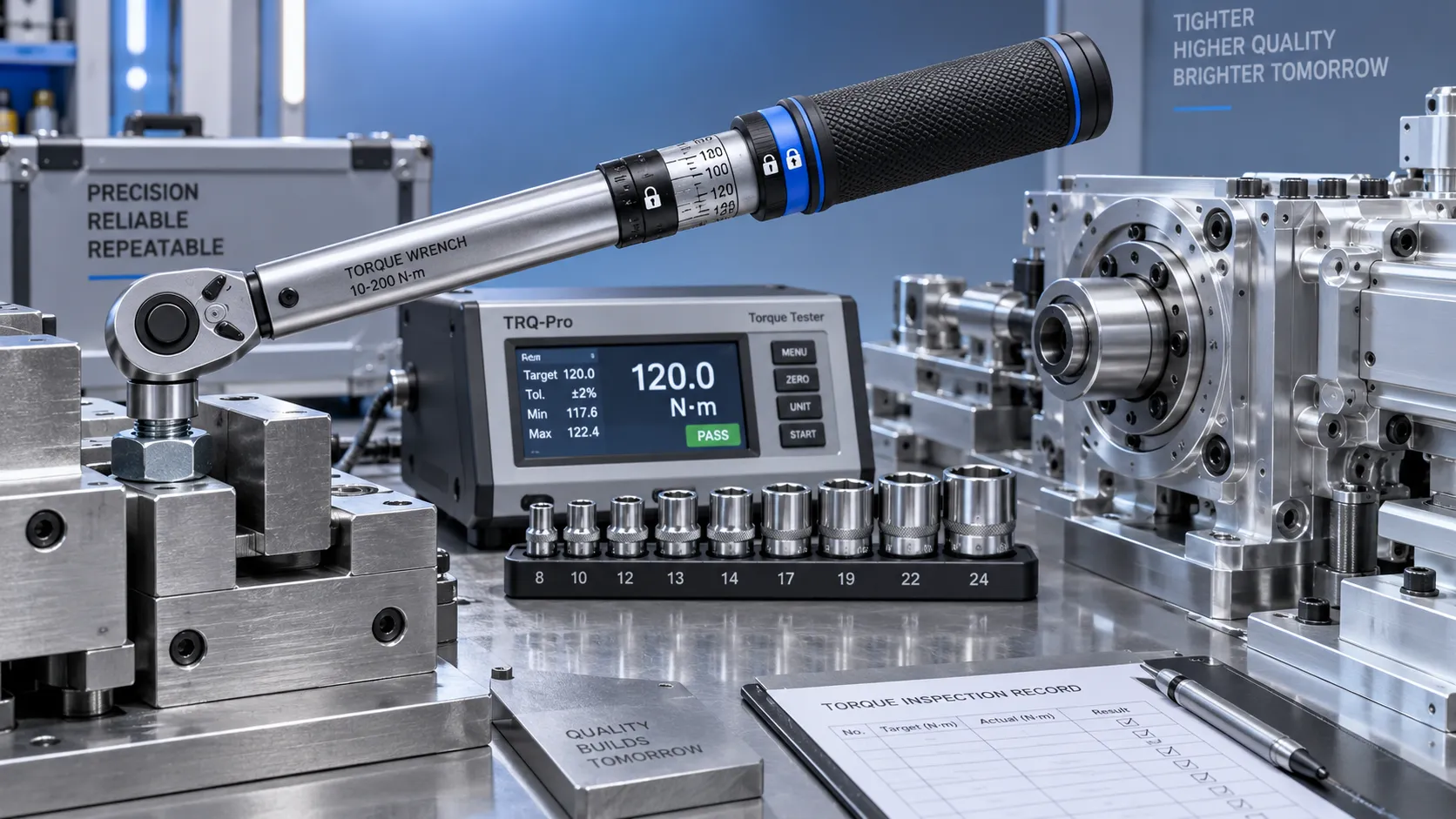
Selecting Adjustable Torque Tools for Repeatable Fastener Assembly
Adjustable torque tools: learn how to match range, accuracy, control methods, calibration, and ergonomics for repeatable, reliable fastener assembly.
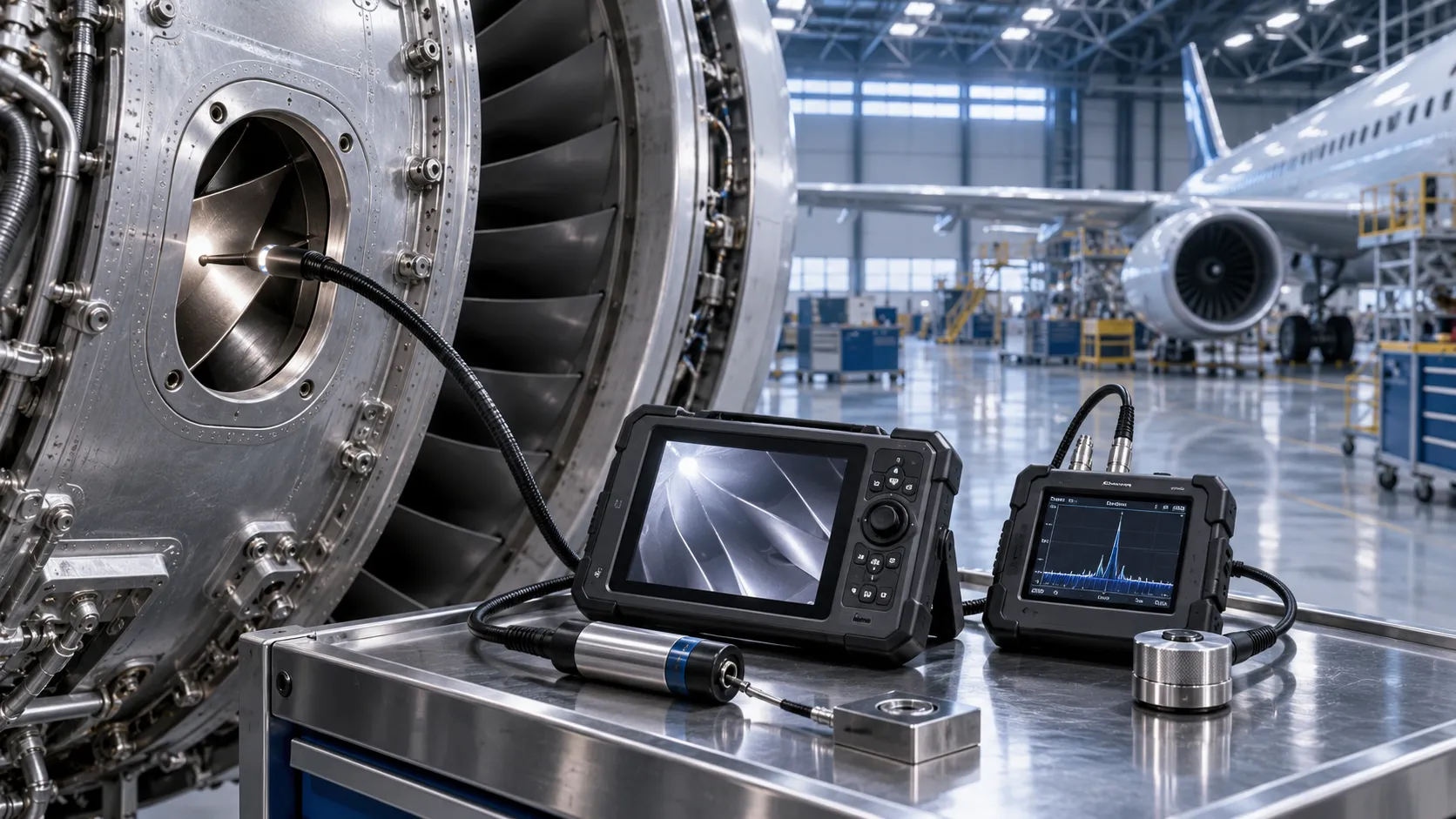
How to Select Aerospace Inspection Tools for Aircraft Maintenance Tasks
Aerospace maintenance inspection tools: learn how to select reliable, traceable equipment for aircraft access, accuracy, calibration, and compliant maintenance decisions.
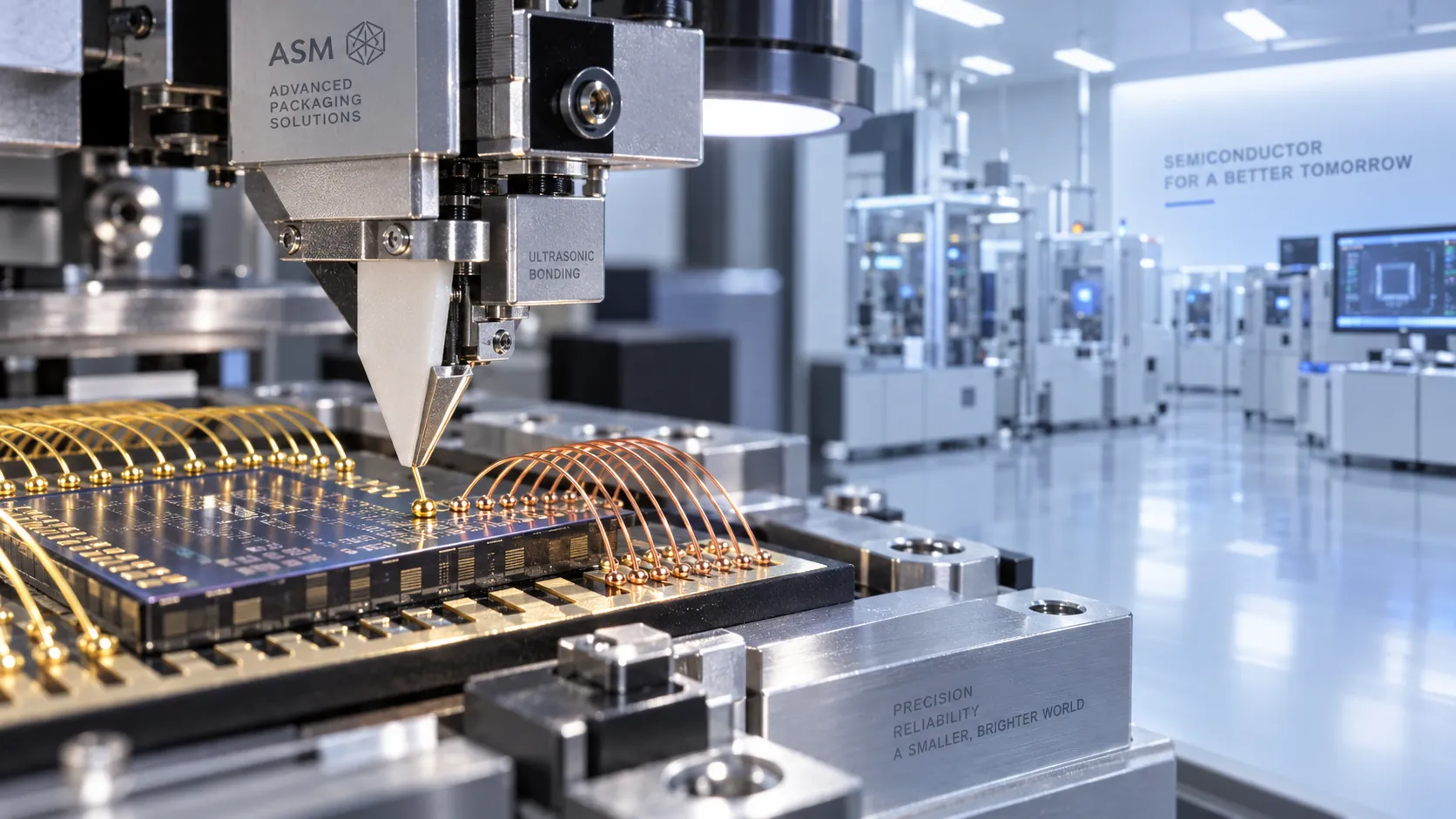
How to Select Wire Bonding Tools for Fine-Pitch Semiconductor Packaging
Explore semiconductor manufacturing tools for wire bonding and learn how to select precision solutions for fine-pitch packaging, reliable loops, accuracy, and yield.
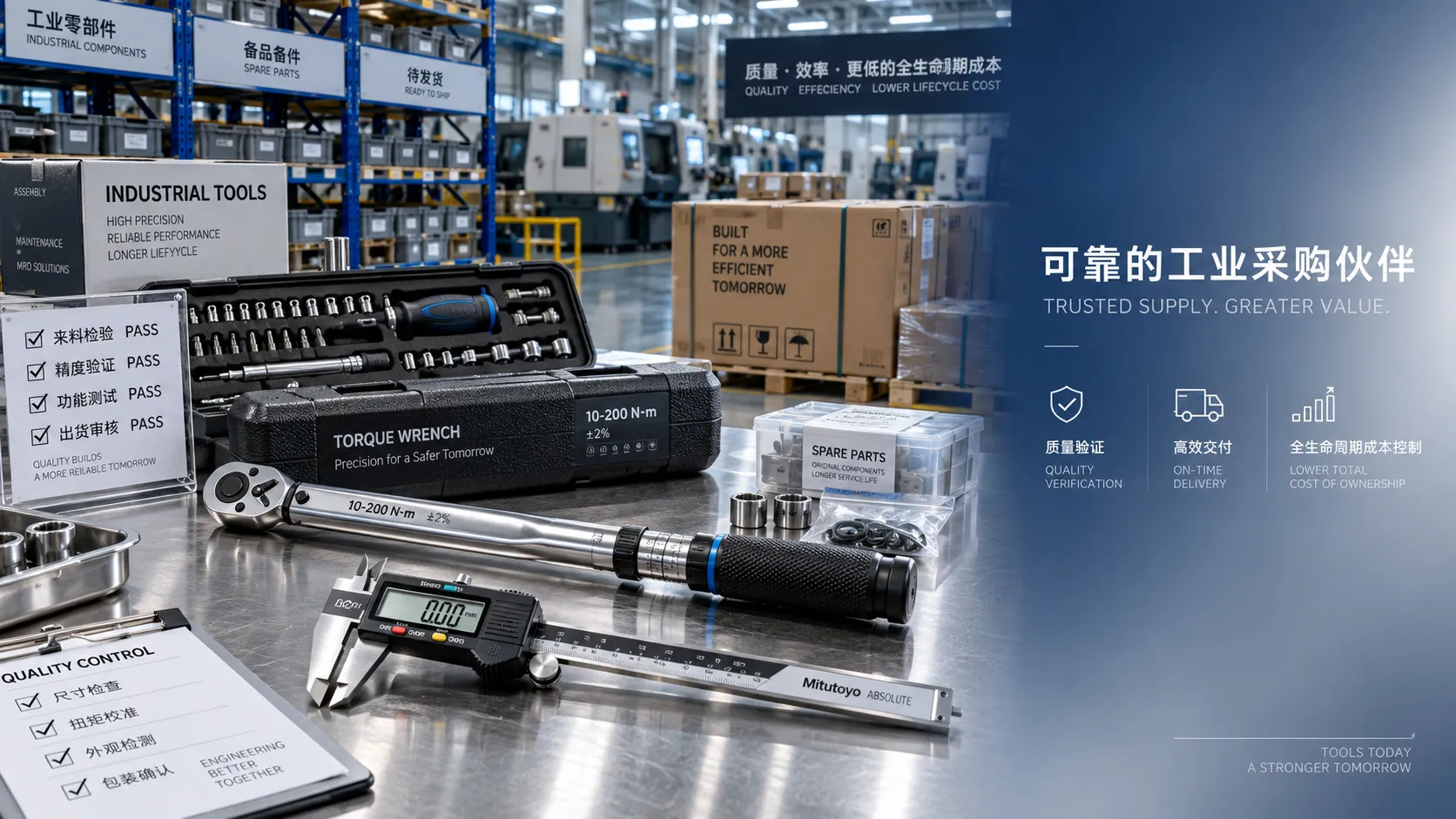
How to Compare Industrial Tool Suppliers for Quality, Lead Time, and Total Cost
Industrial tool selection supplier comparison made simple: evaluate quality, lead times, total cost, service, and supply resilience for confident sourcing decisions.
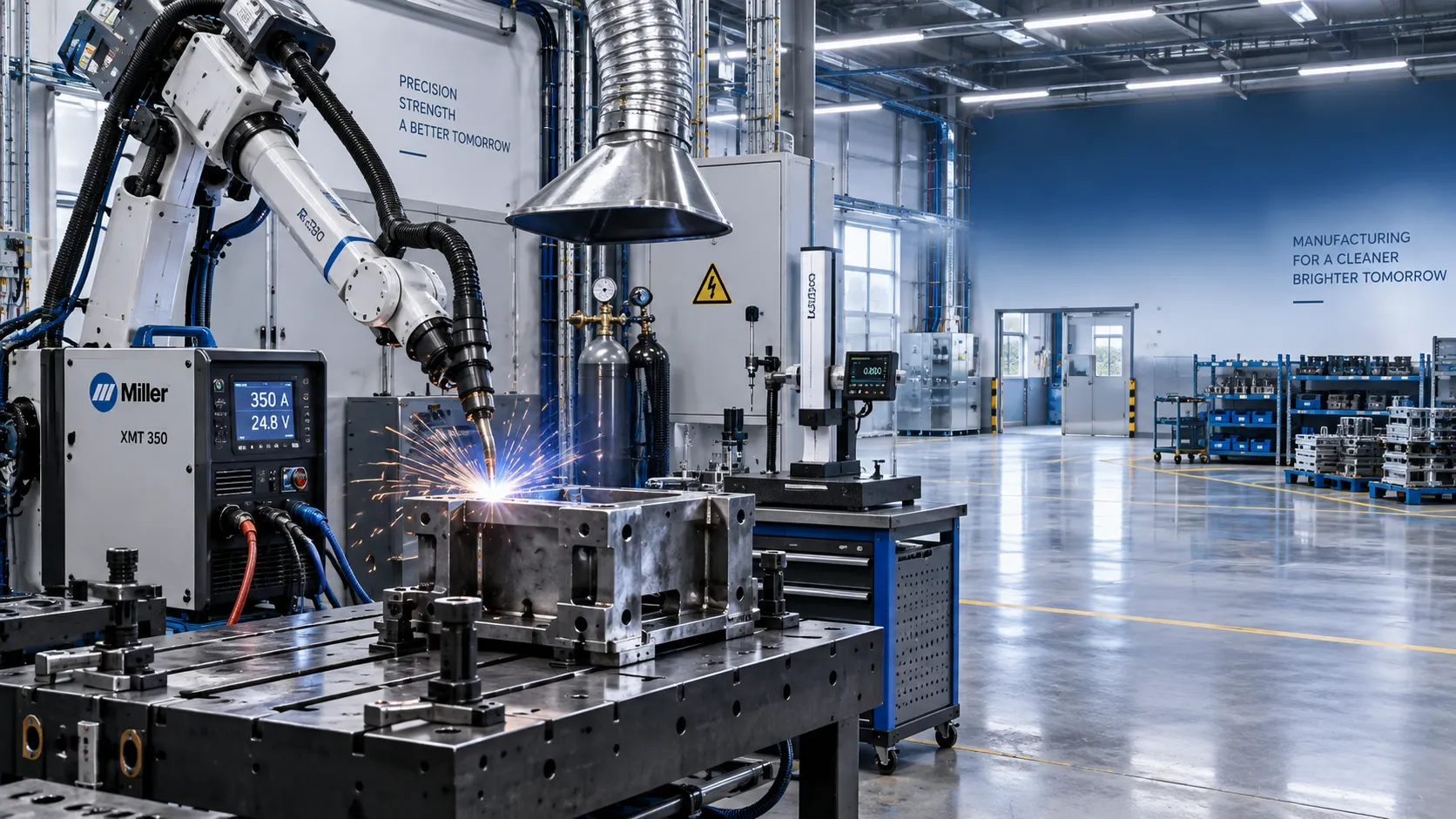
Industrial Equipment Application Guidance: Match Machines to Operating Conditions
Application guidance industrial equipment: match capacity, duty cycle, materials, site conditions, safety, and lifecycle cost to improve reliable output. Read the guide.
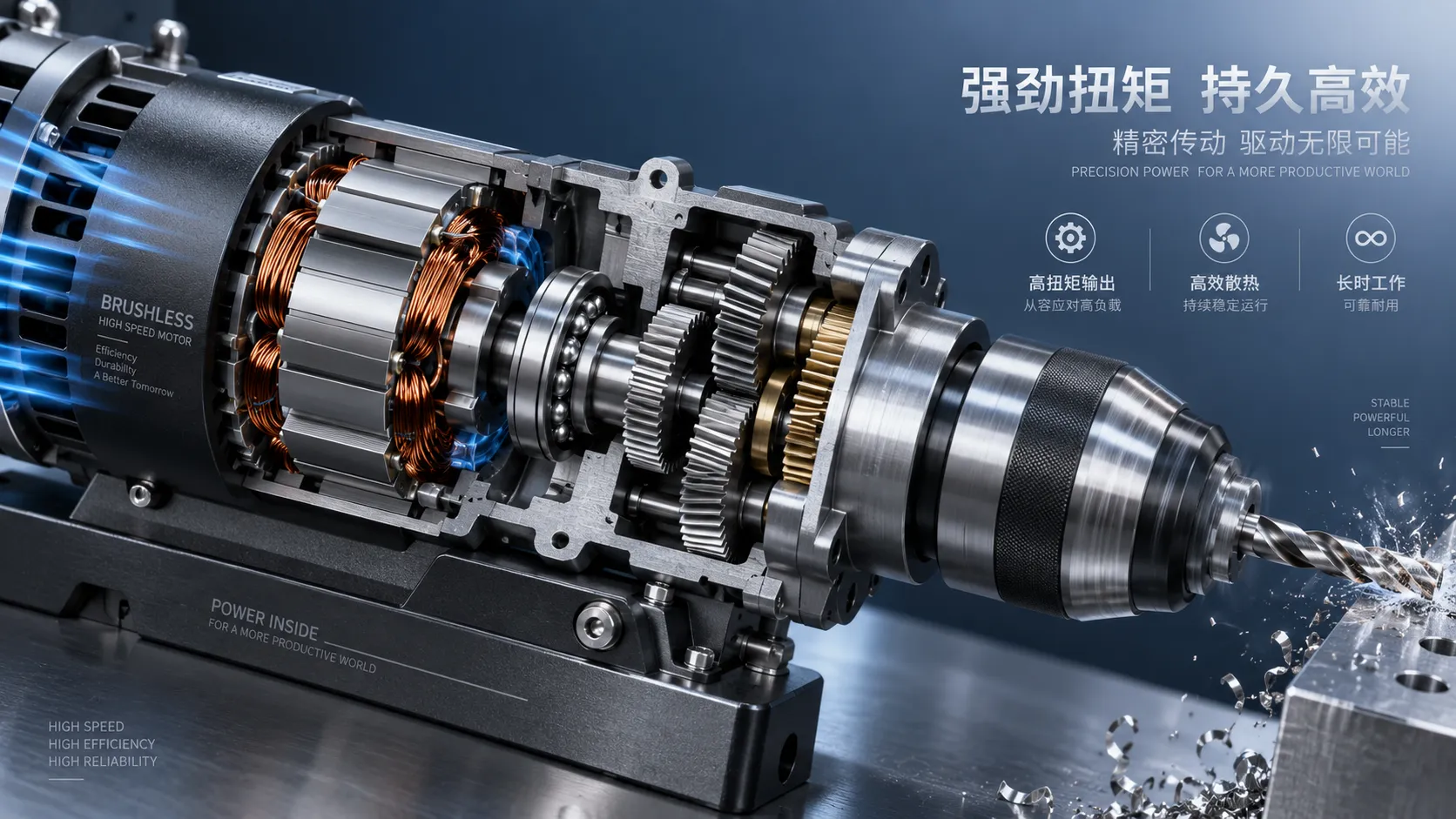
Selecting High-Speed Brushless Tool Motors for Torque, Heat, and Duty Cycle
High speed brushless tool motors: learn how to balance torque, heat, gearing, and duty cycle for reliable industrial tool performance and longer service life.
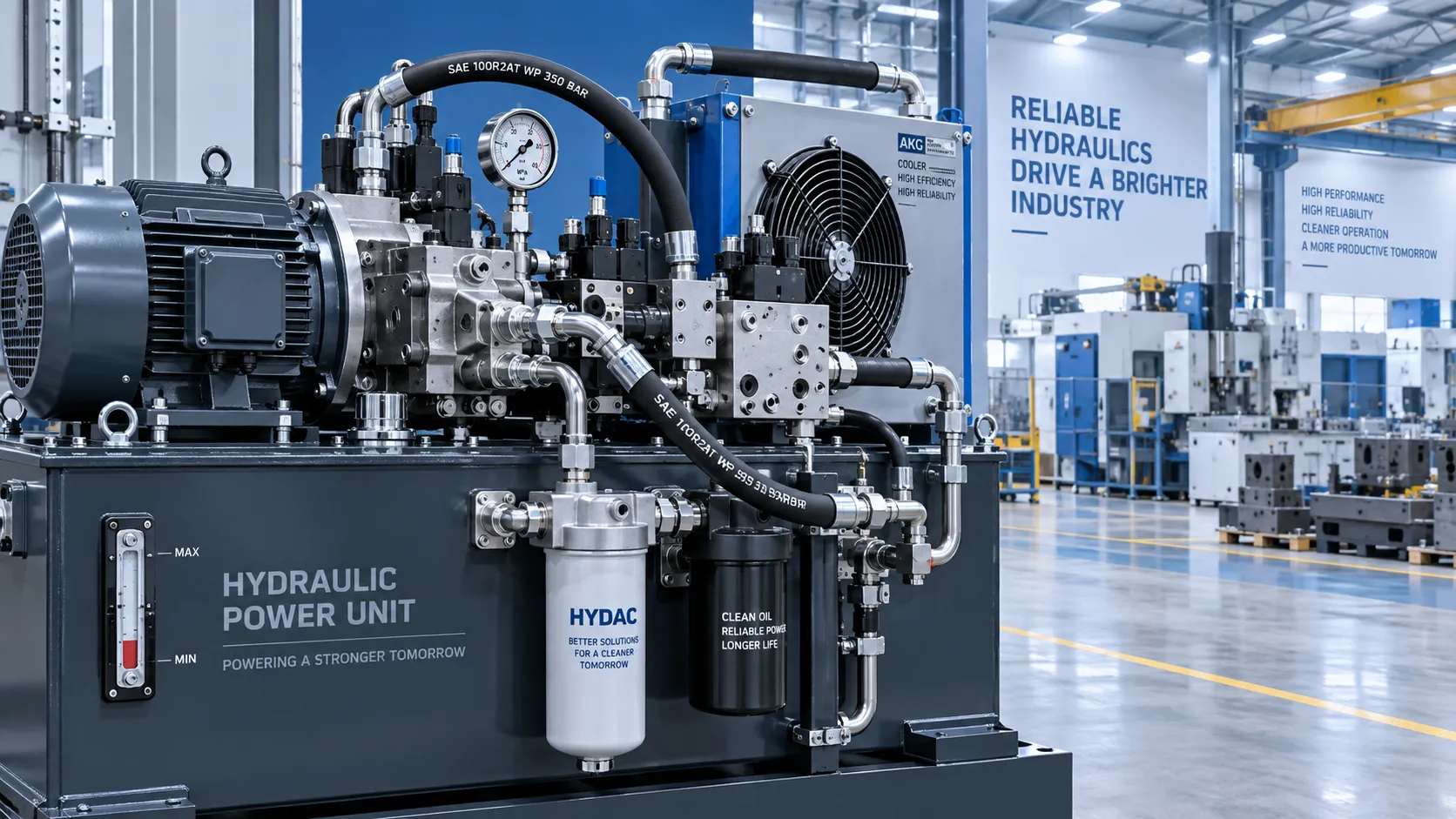
What Determines Industrial Hydraulic System Price for Heavy-Duty Equipment?
Industrial hydraulic system price depends on duty cycle, pressure, components, cooling, and integration. Compare quotes intelligently to secure reliable heavy-duty performance.
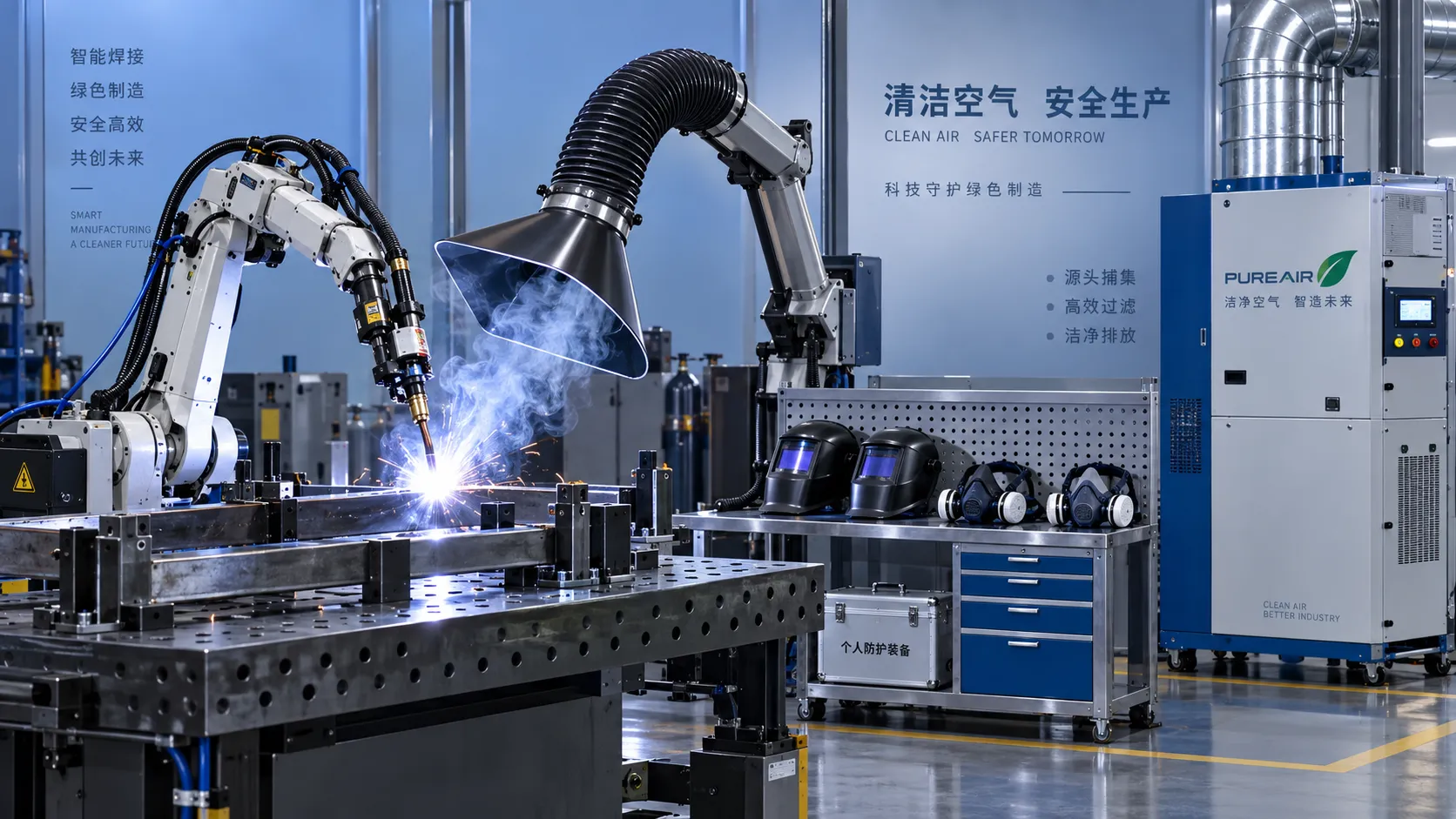
Welding Fume Extraction PPE: When Respirators Are Not Enough for Shop Safety
Welding fume extraction PPE: learn why respirators alone fall short and how source capture, ventilation, and layered controls improve shop safety.
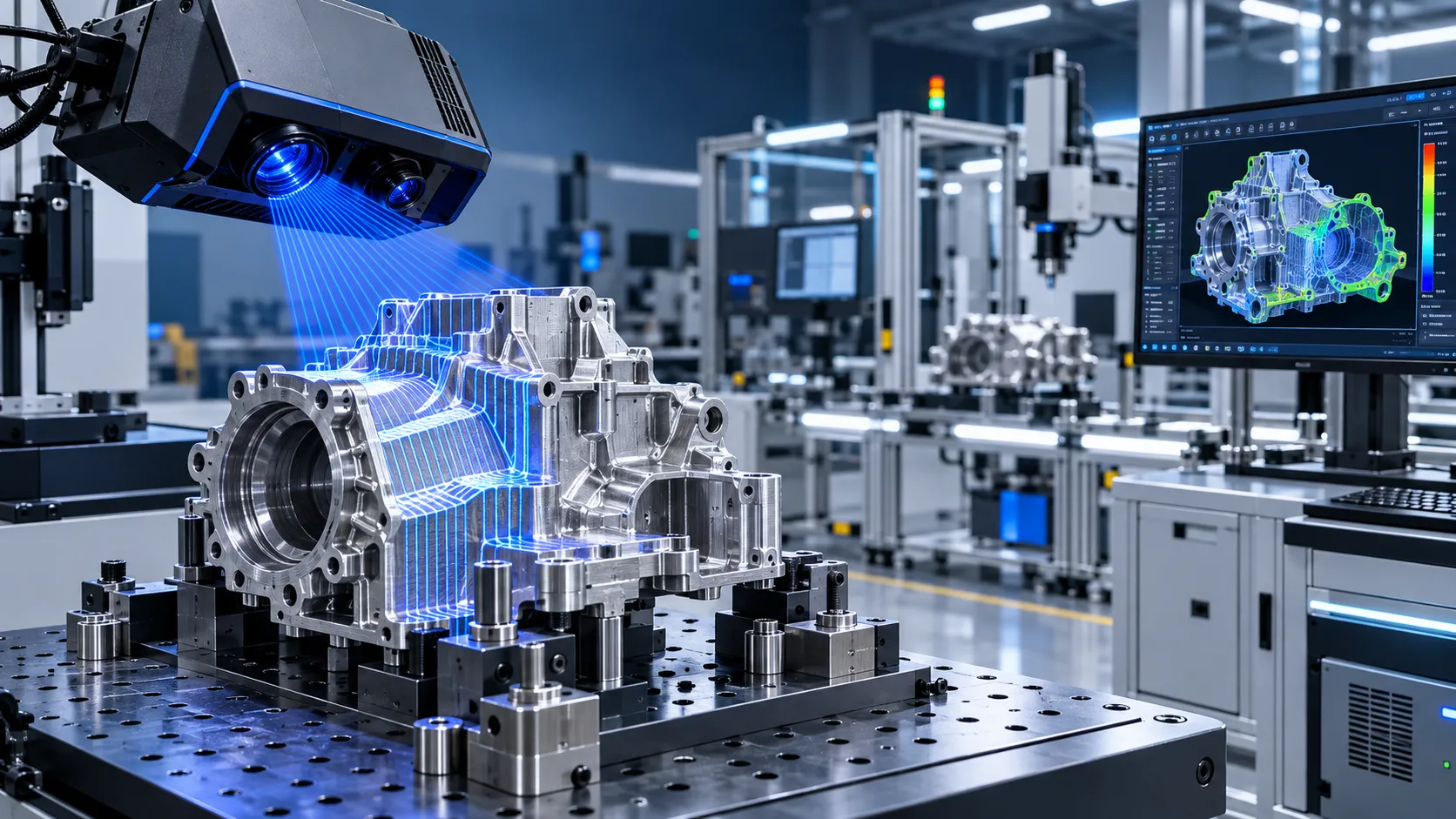
How to Select Optical Metrology Solutions for Tight-Tolerance Manufacturing
Optical industrial metrology solutions for tight-tolerance manufacturing: evaluate accuracy, surface compatibility, workflow, and traceability to select with confidence.
Related News
- 00
0000-00
Selecting Adjustable Torque Tools for Repeatable Fastener Assembly - 00
0000-00
How to Select Aerospace Inspection Tools for Aircraft Maintenance Tasks - 00
0000-00
How to Select Wire Bonding Tools for Fine-Pitch Semiconductor Packaging - 00
0000-00
Industrial Equipment Application Guidance: Match Machines to Operating Conditions - 00
0000-00
Selecting High-Speed Brushless Tool Motors for Torque, Heat, and Duty Cycle
Prof. Marcus Chen
Weekly Insights
Stay ahead with our curated technology reports delivered every Monday.