
What tool intellectualization means for daily maintenance





For after-sales maintenance teams, tool intellectualization is no longer theoretical. It now shapes daily response speed, repair quality, safety control, and service consistency across industrial, automotive, construction, and facility environments.
Understanding what tool intellectualization means for daily maintenance helps translate smart features into practical value. It supports faster diagnosis, better torque traceability, lower downtime, and clearer decision-making under real service pressure.
Within the broader industrial ecosystem, GPTWM tracks how intelligent tools connect traditional craftsmanship with digital workflows. This matters because maintenance performance increasingly depends on data visibility, ergonomic reliability, and connected operational standards.
Why tool intellectualization matters differently across maintenance scenarios
Tool intellectualization does not deliver the same value in every maintenance setting. The benefits change according to asset criticality, service frequency, compliance demands, and the skill variation inside field teams.
In low-risk routine service, smart tools often improve efficiency and documentation. In high-risk maintenance, the same intelligence layer becomes essential for safety interlocks, error prevention, and proof of correct intervention.
This is why daily maintenance planning should start with scenario judgment. The question is not whether tool intellectualization is useful, but where it creates the strongest operational return.
Key signals that a maintenance scenario needs intelligent tools
- Repeated failures are difficult to trace.
- Torque accuracy directly affects safety or warranty outcomes.
- Service records must be auditable or export compliant.
- Downtime costs are higher than tool upgrade costs.
- Technician performance varies between shifts or sites.
Scenario 1: Routine equipment servicing where speed and consistency dominate
In routine servicing, tool intellectualization usually appears through usage tracking, preset parameters, and battery health monitoring. These functions reduce setup time and limit common human errors.
A connected torque tool can apply standardized settings across recurring tasks. This improves consistency between operators and prevents under-tightening or over-tightening during repeated maintenance cycles.
Smart diagnostics also help determine whether failure comes from the tool, the fastener, or the machine itself. That distinction cuts unnecessary parts replacement and improves first-time fix rates.
Core judgment points in routine service
- Are service steps repeated frequently across many sites?
- Do small process deviations create later failures?
- Would automatic logging replace manual paperwork?
Scenario 2: Critical repairs where tool intellectualization supports safer decisions
Critical repairs involve higher consequences. These may include pressure systems, welded joints, rotating assemblies, or calibrated measurement points affecting quality and safe operation.
Here, tool intellectualization means more than convenience. It provides guided workflows, parameter alerts, lockout verification support, and digital evidence that each repair step matched approved standards.
When a smart tool records torque values, time stamps, and operator actions, maintenance leaders can verify execution instead of relying only on memory or handwritten notes.
This is especially valuable when assets operate under strict quality systems or cross-border service documentation. In such cases, traceability becomes part of risk control, not just administration.
Core judgment points in critical repair settings
- Can one incorrect setting create safety exposure?
- Is proof of completed work commercially or legally important?
- Do service steps require exact calibration or sequence control?
Scenario 3: Mobile and field maintenance where connected tools reduce uncertainty
Field maintenance introduces distance, variable environments, and time pressure. In these conditions, tool intellectualization helps by delivering remote visibility and reducing dependence on local guesswork.
Connected tools can upload usage history, battery condition, and task completion records. Supervisors gain faster insight into whether delays come from asset complexity, tool readiness, or procedural gaps.
For dispersed service networks, this creates a practical management layer. It supports standardization even when maintenance happens across construction sites, infrastructure assets, workshops, and customer facilities.
Core judgment points in field maintenance
- Are technicians working without immediate engineering support?
- Do environmental conditions increase error risk?
- Would live status data improve dispatch decisions?
How maintenance needs differ by scenario
The meaning of tool intellectualization becomes clearer when comparing operational priorities. Different maintenance scenes ask for different levels of connectivity, precision, and workflow control.
Practical recommendations for choosing tool intellectualization by use case
The most effective approach is selective adoption. Daily maintenance improves fastest when intelligent functions match actual failure patterns and service burdens.
Recommended actions
- Map recurring maintenance tasks by risk, frequency, and documentation demand.
- Start with tools that solve one measurable bottleneck.
- Prioritize torque traceability for safety-sensitive assemblies.
- Use connected diagnostics where downtime analysis is weak.
- Check battery ecosystem, software compatibility, and calibration support.
- Train around workflow changes, not only around device features.
Tool intellectualization should also align with broader industrial intelligence goals. GPTWM’s market perspective shows that smart tools gain value when linked to metrology discipline, service standards, and long-term operational data.
Common mistakes when interpreting tool intellectualization in maintenance
A frequent mistake is assuming every connected tool is automatically useful. Without a clear maintenance scenario, extra features may create cost without improving performance.
Another mistake is focusing only on purchase price. The real comparison should include downtime risk, repeat service labor, quality claims, and the cost of missing traceable records.
Some teams also overlook data discipline. Tool intellectualization works best when records are reviewed, thresholds are maintained, and calibration schedules remain active.
Finally, organizations sometimes separate smart tools from ergonomic and safety considerations. In reality, intellectualization succeeds when digital control and physical usability improve together.
What to do next with tool intellectualization in daily maintenance
Begin with a maintenance audit focused on recurring errors, high-cost delays, and compliance-sensitive tasks. These areas usually reveal where tool intellectualization can create the clearest daily advantage.
Then compare current tools against needed capabilities such as smart diagnostics, connected torque control, usage tracking, and digital reporting. Keep the decision tied to service outcomes.
When implemented with scenario logic, tool intellectualization strengthens the last mile of industrial maintenance. It helps turn data into action, supports safer workmanship, and builds more reliable service performance over time.
For organizations following industrial efficiency trends, the question is no longer whether tool intellectualization matters. The practical question is which maintenance scenarios should be upgraded first.
Related News
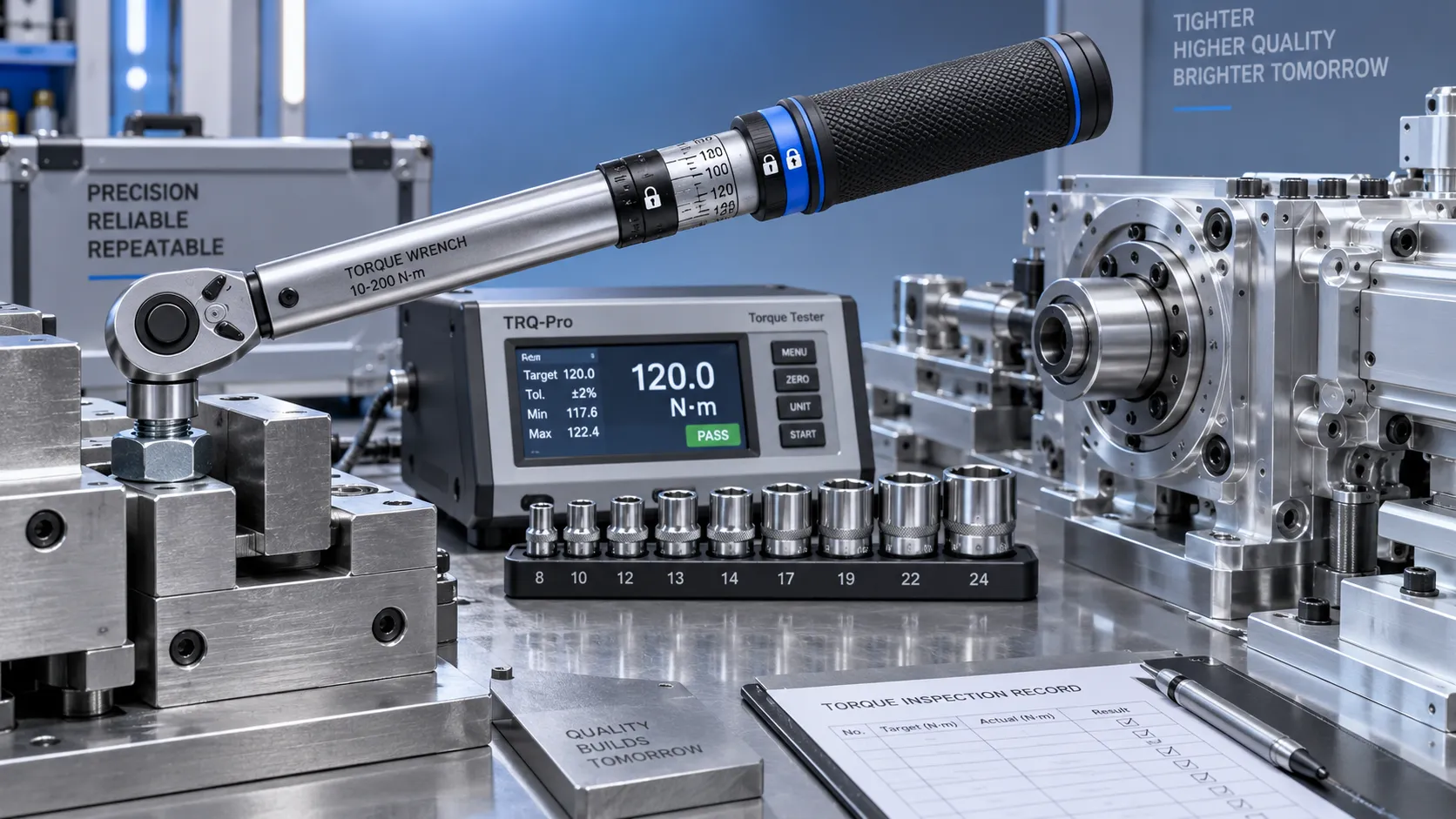
Selecting Adjustable Torque Tools for Repeatable Fastener Assembly
Adjustable torque tools: learn how to match range, accuracy, control methods, calibration, and ergonomics for repeatable, reliable fastener assembly.
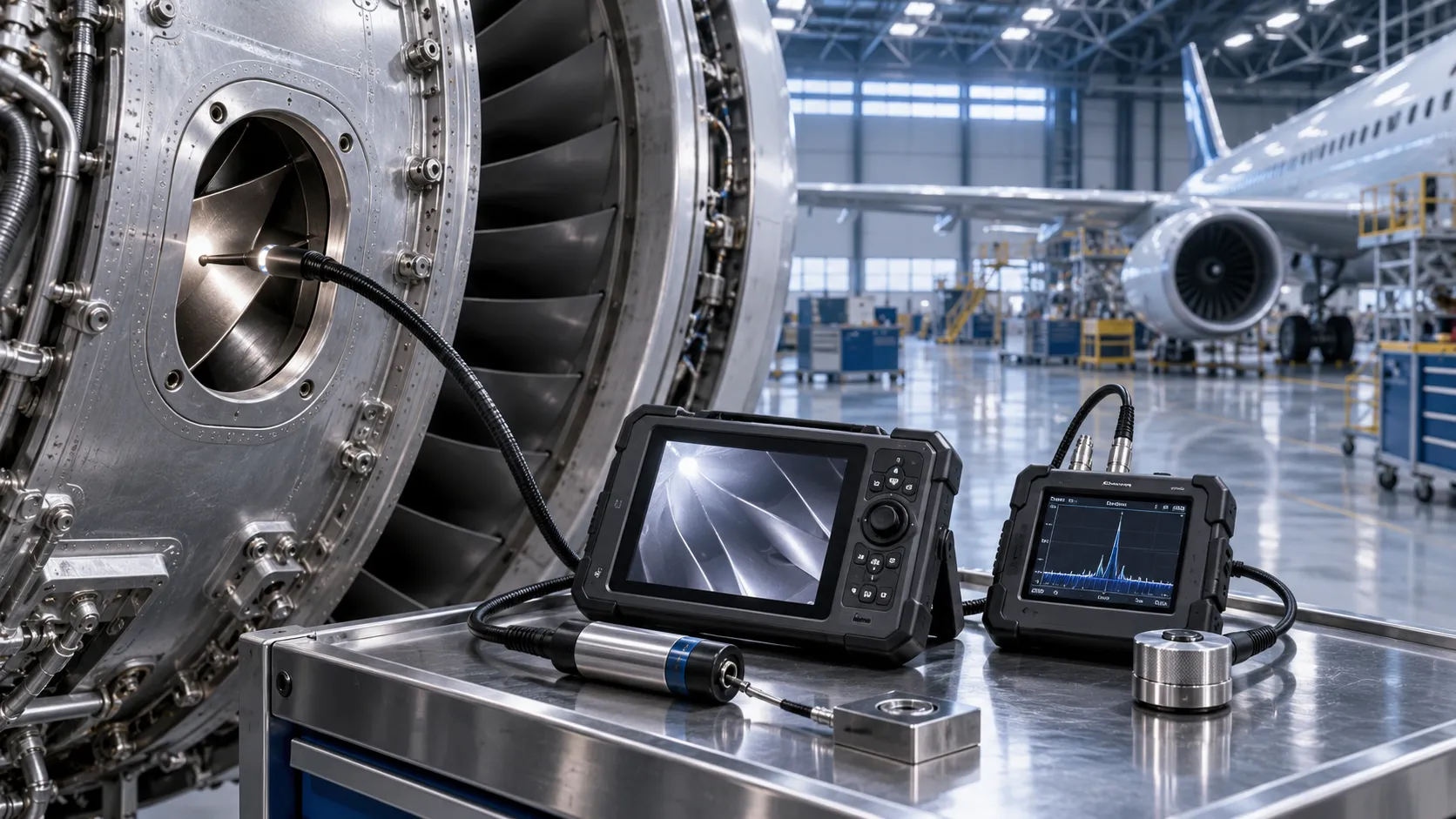
How to Select Aerospace Inspection Tools for Aircraft Maintenance Tasks
Aerospace maintenance inspection tools: learn how to select reliable, traceable equipment for aircraft access, accuracy, calibration, and compliant maintenance decisions.
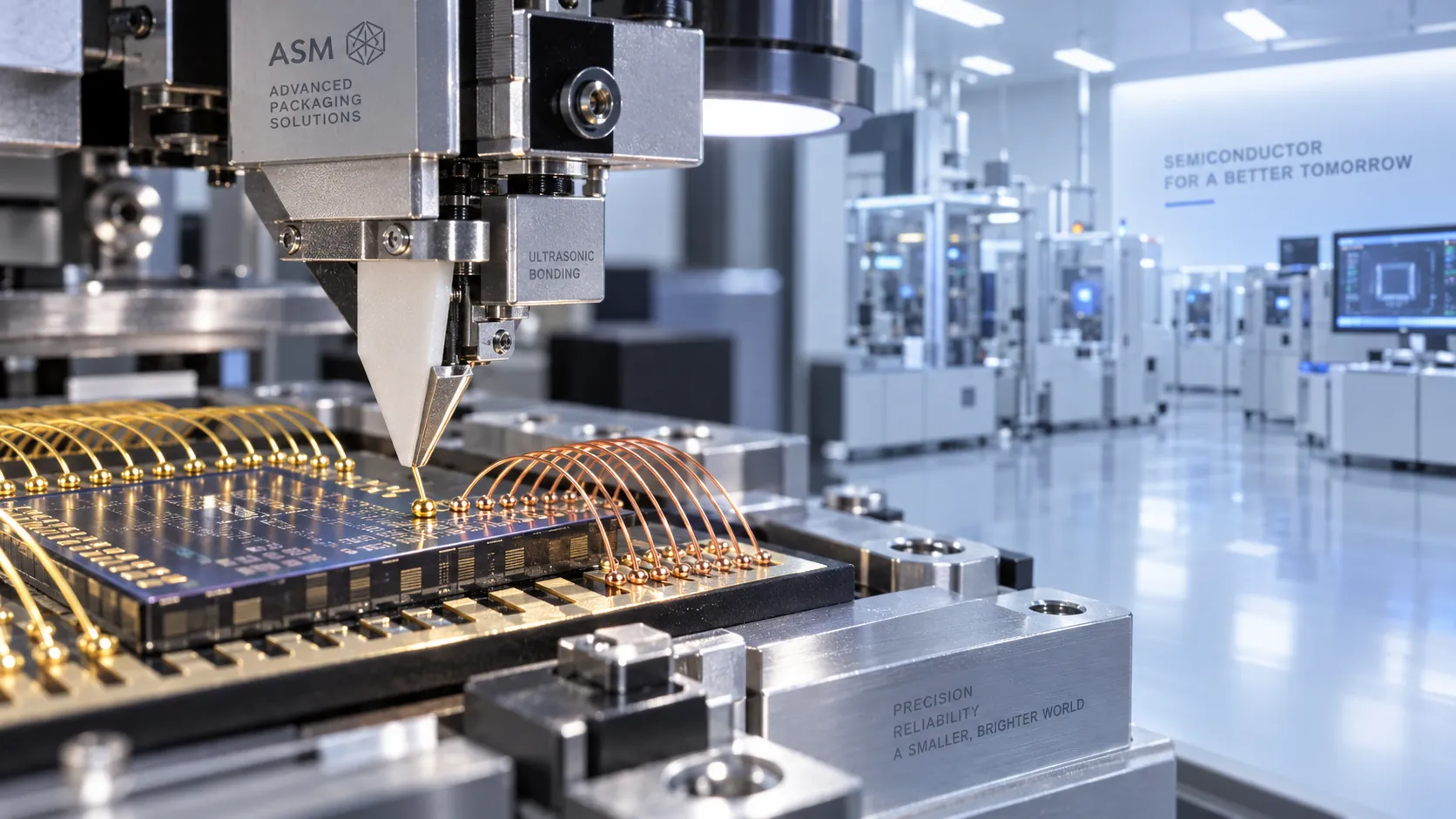
How to Select Wire Bonding Tools for Fine-Pitch Semiconductor Packaging
Explore semiconductor manufacturing tools for wire bonding and learn how to select precision solutions for fine-pitch packaging, reliable loops, accuracy, and yield.
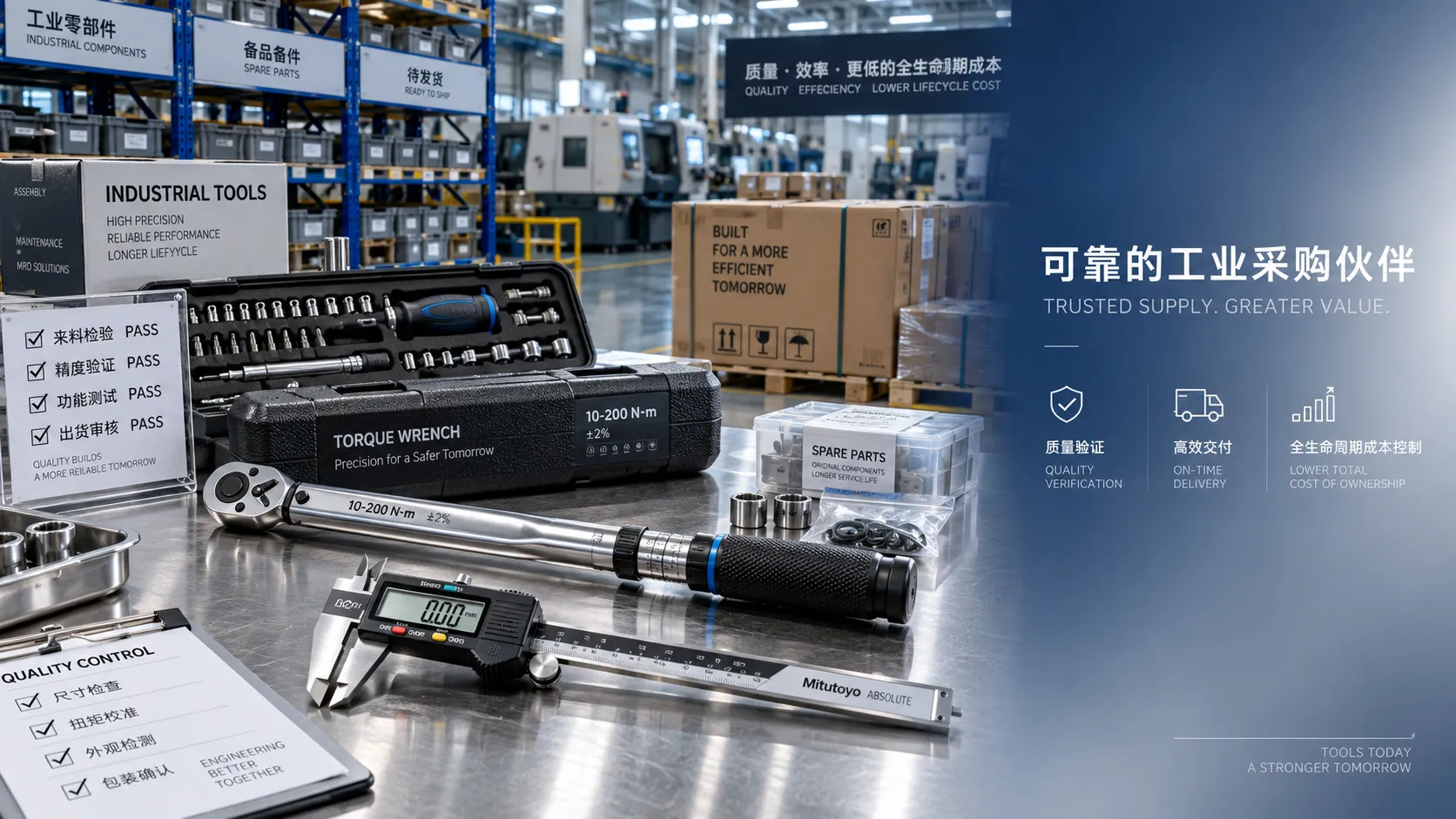
How to Compare Industrial Tool Suppliers for Quality, Lead Time, and Total Cost
Industrial tool selection supplier comparison made simple: evaluate quality, lead times, total cost, service, and supply resilience for confident sourcing decisions.
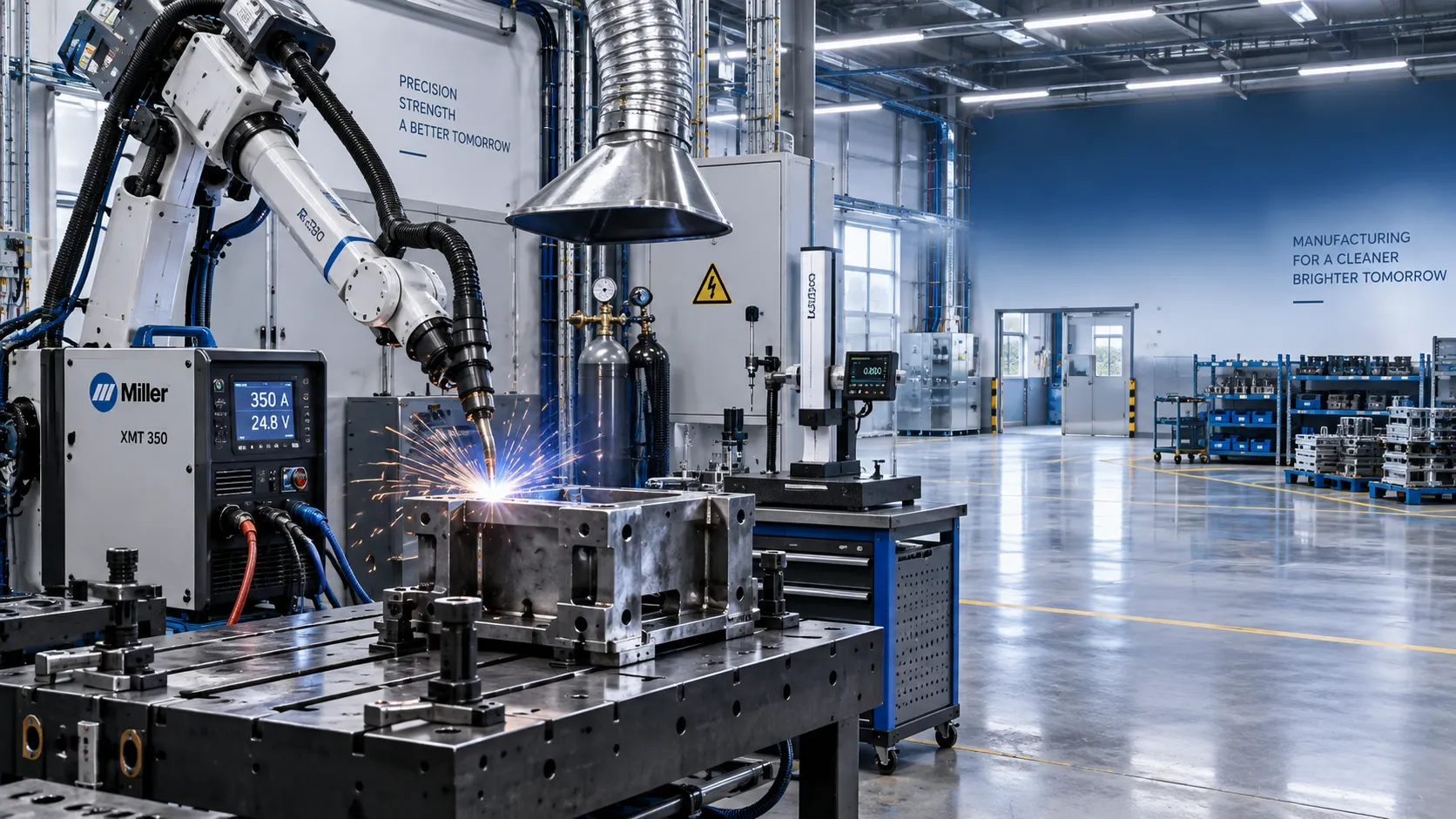
Industrial Equipment Application Guidance: Match Machines to Operating Conditions
Application guidance industrial equipment: match capacity, duty cycle, materials, site conditions, safety, and lifecycle cost to improve reliable output. Read the guide.
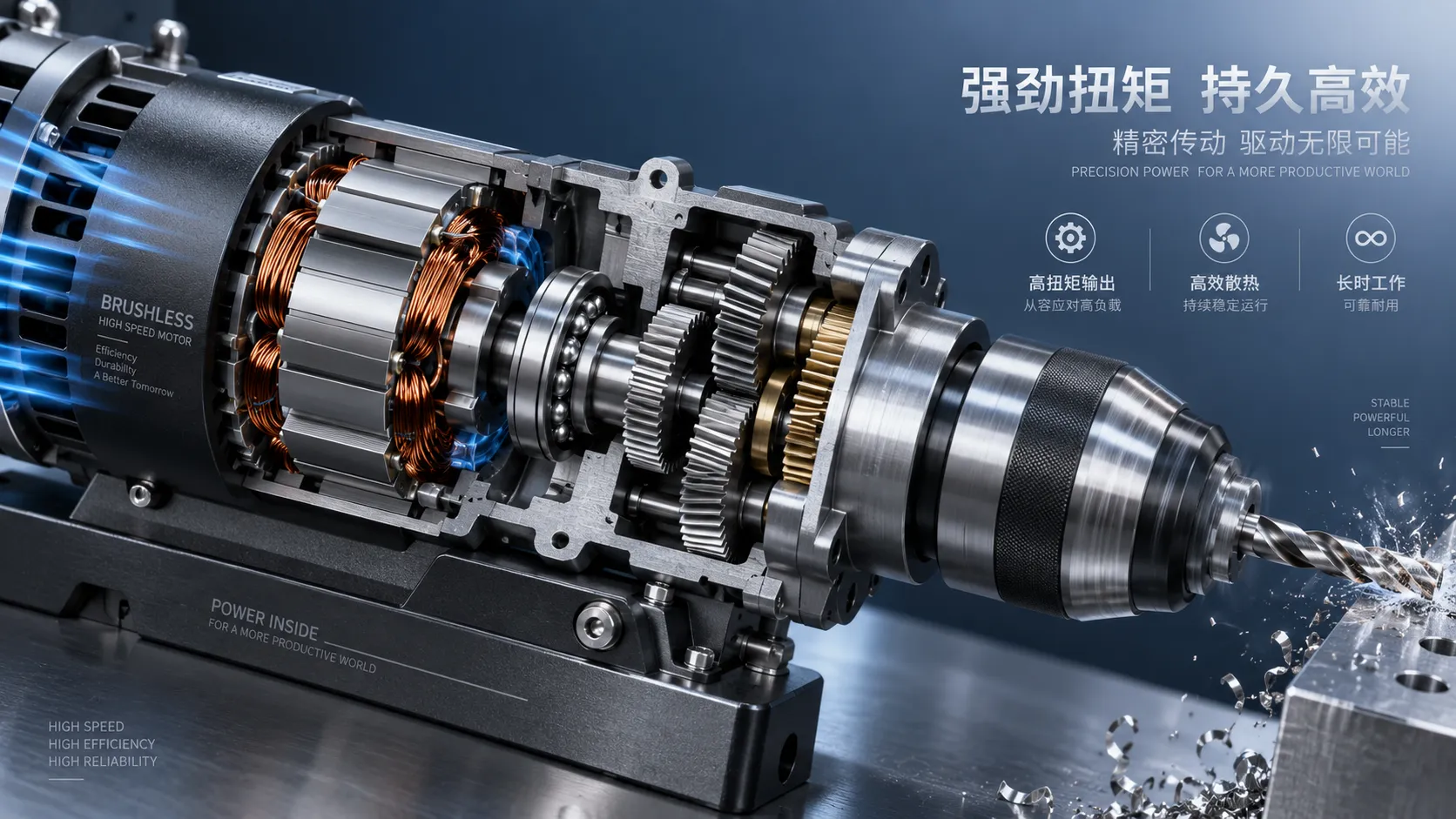
Selecting High-Speed Brushless Tool Motors for Torque, Heat, and Duty Cycle
High speed brushless tool motors: learn how to balance torque, heat, gearing, and duty cycle for reliable industrial tool performance and longer service life.
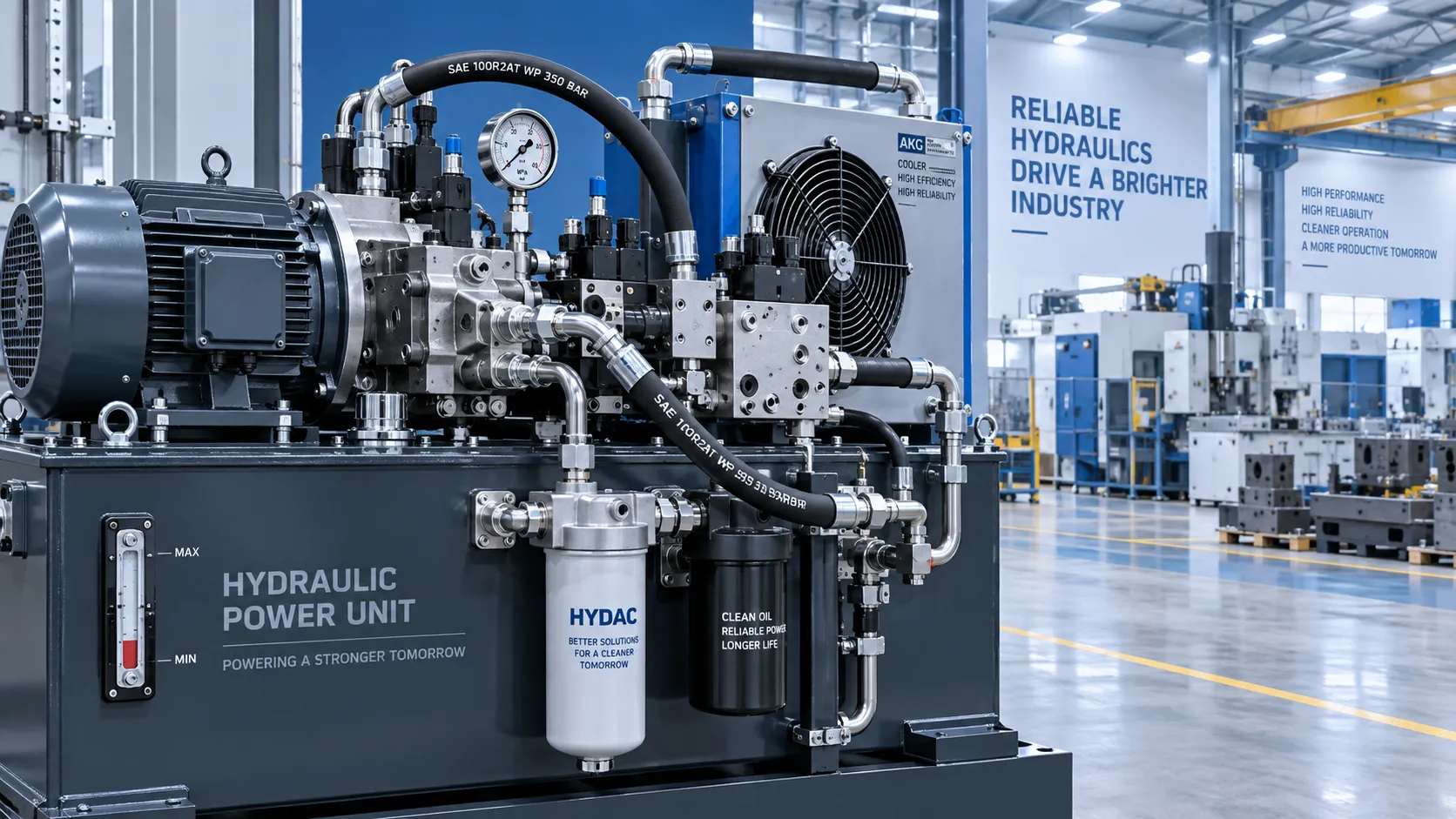
What Determines Industrial Hydraulic System Price for Heavy-Duty Equipment?
Industrial hydraulic system price depends on duty cycle, pressure, components, cooling, and integration. Compare quotes intelligently to secure reliable heavy-duty performance.
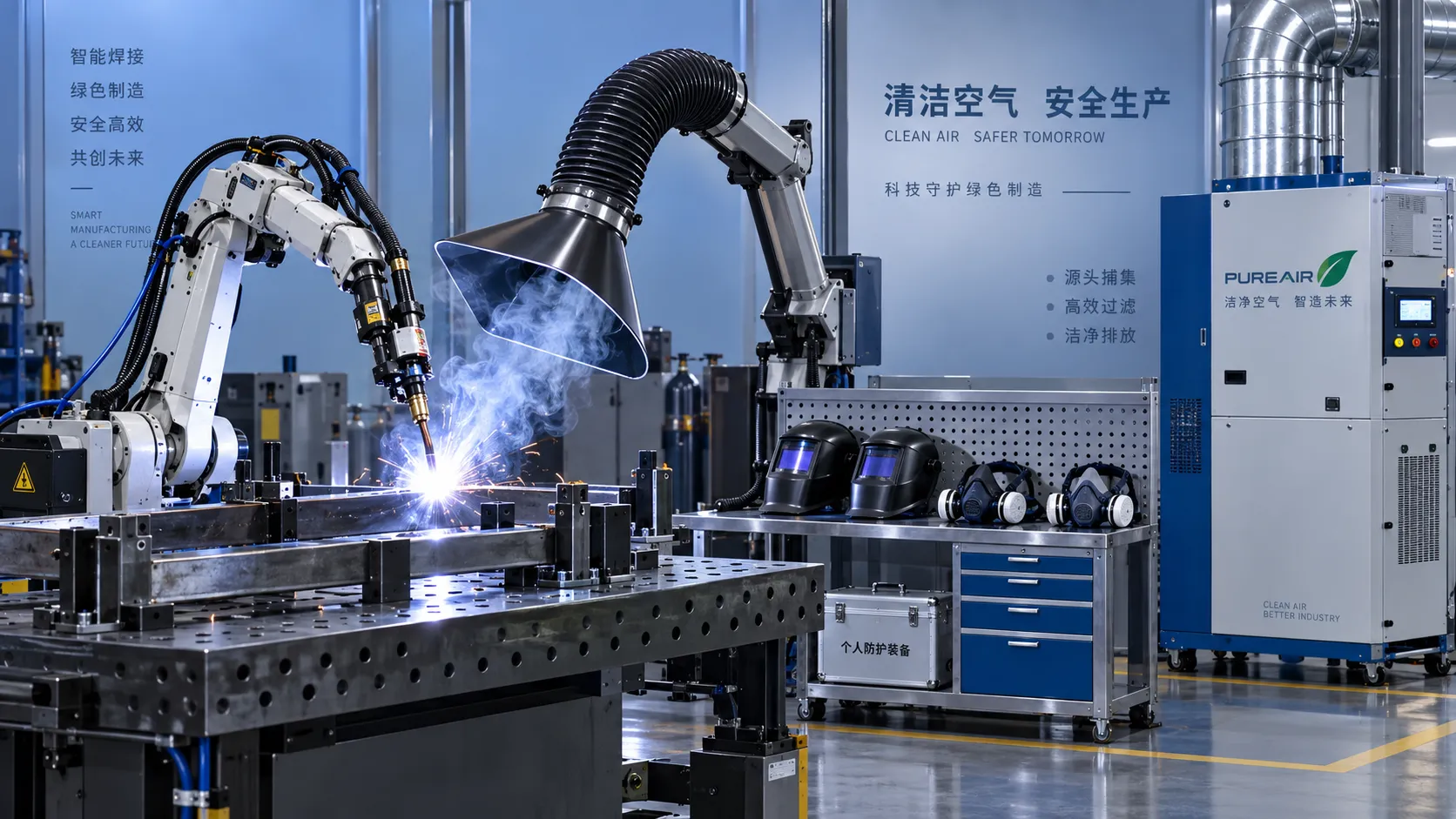
Welding Fume Extraction PPE: When Respirators Are Not Enough for Shop Safety
Welding fume extraction PPE: learn why respirators alone fall short and how source capture, ventilation, and layered controls improve shop safety.
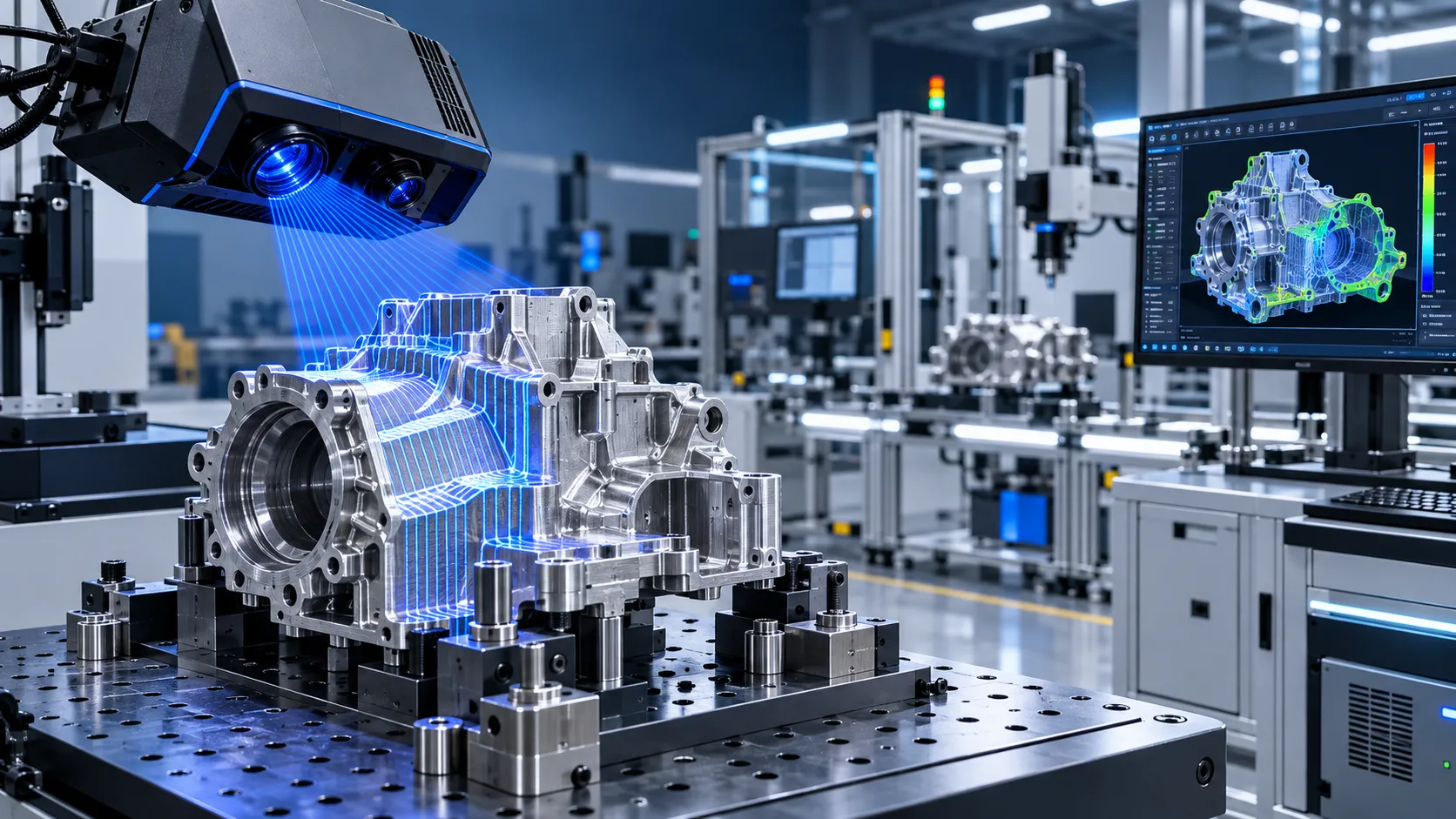
How to Select Optical Metrology Solutions for Tight-Tolerance Manufacturing
Optical industrial metrology solutions for tight-tolerance manufacturing: evaluate accuracy, surface compatibility, workflow, and traceability to select with confidence.
Related News
- 00
0000-00
Selecting Adjustable Torque Tools for Repeatable Fastener Assembly - 00
0000-00
How to Select Aerospace Inspection Tools for Aircraft Maintenance Tasks - 00
0000-00
How to Select Wire Bonding Tools for Fine-Pitch Semiconductor Packaging - 00
0000-00
Industrial Equipment Application Guidance: Match Machines to Operating Conditions - 00
0000-00
Selecting High-Speed Brushless Tool Motors for Torque, Heat, and Duty Cycle
Prof. Marcus Chen
Weekly Insights
Stay ahead with our curated technology reports delivered every Monday.