
Why metrology technology is critical for repeatable accuracy





In quality control and safety-critical operations, metrology technology supports repeatable accuracy by turning measurements into dependable evidence. It helps reduce variation, verify performance, and guide corrective action before defects spread.
Across industrial assembly, welding, maintenance, and inspection, repeatable measurement protects product fit, process stability, and compliance confidence. Reliable data also strengthens traceability, supplier alignment, and long-term productivity improvement.
For sectors followed by GPTWM, metrology technology is not only a lab function. It is a practical discipline connecting tools, people, standards, and digital workflows at the last mile of manufacturing.
What does metrology technology really mean in industrial practice?
Metrology technology is the science and system of measurement used to confirm that parts, tools, and processes meet defined requirements. It combines instruments, calibration, methods, software, and operator discipline.
In practice, it covers dimensional inspection, torque verification, surface evaluation, alignment checks, temperature monitoring, and process validation. The goal is not one good reading. The goal is repeatable accuracy over time.
That distinction matters. A single correct result can happen by luck. Repeatable accuracy means the same method produces consistent results across shifts, operators, environments, and equipment conditions.
When metrology technology is mature, teams can answer key questions quickly:
- Is the measuring tool itself trustworthy?
- Is the process drifting out of control?
- Is the part variation acceptable for function and safety?
- Can records support audits, claims, and root-cause analysis?
Without those answers, quality decisions become guesswork. With them, improvement becomes measurable and scalable.
Why is metrology technology critical for repeatable accuracy?
Repeatable accuracy depends on more than precision instruments. It depends on a controlled measurement system. Metrology technology creates that system and limits hidden variation from people, methods, and environment.
In welding and assembly, tiny deviations can create large downstream consequences. A slight torque error, poor alignment, or dimensional mismatch can cause leaks, weak joints, vibration, or premature wear.
Metrology technology protects repeatable accuracy through several mechanisms:
- Calibration keeps instruments linked to recognized standards.
- Standardized procedures reduce operator interpretation differences.
- Measurement system analysis reveals bias and repeatability issues.
- Digital records enable trend detection and faster intervention.
- Environmental controls reduce temperature, vibration, and contamination effects.
This is why metrology technology matters in safety-sensitive work. If measurement confidence is weak, every acceptance decision becomes riskier. If confidence is strong, release decisions and corrective actions become defensible.
It also supports economic performance. Better repeatable accuracy means fewer reworks, fewer warranty events, less scrap, and more stable cycle times.
Where does metrology technology deliver the most value?
The value of metrology technology appears anywhere measurement influences fit, function, safety, or compliance. In general industry, that means both production floors and field service operations.
Assembly and fastening
Torque tools, thread gauges, and alignment devices need verification. Repeatable accuracy in fastening prevents loose connections, damaged components, and uneven load distribution.
Metal joining and welding
Weld quality depends on controlled geometry, heat input, and post-process inspection. Metrology technology helps confirm gap, distortion, bead dimensions, and related tolerances.
Precision machining and fabrication
Machined parts require dimensional consistency for interchangeability. Accurate metrology prevents stack-up errors that later disrupt assembly or maintenance.
Maintenance and repair
In service environments, wear measurement, alignment checks, and tool verification support safer repairs. Metrology technology reduces uncertainty when judging whether components remain fit for use.
Supplier and incoming inspection
Consistent incoming measurement protects production from hidden defects. It also supports fair, data-based discussions when supplier quality disputes occur.
How can you tell whether a measurement system is truly reliable?
A reliable system is not judged by equipment price alone. It is judged by evidence that the whole measurement process is stable, traceable, and suitable for the tolerance being controlled.
Start with these practical checks:
- Calibration status is current and traceable.
- Measurement instructions are documented and easy to follow.
- Operators are trained on setup, handling, and reading methods.
- Fixtures and reference standards are controlled.
- Data shows acceptable repeatability and reproducibility.
- Environmental conditions are monitored where necessary.
If any of these areas are weak, repeatable accuracy can fail even when the instrument appears advanced. Metrology technology works best when systems thinking replaces isolated tool buying.
What are the most common mistakes with metrology technology?
Many errors come from misuse, not from defective equipment. The most common mistake is assuming a measurement result is objective simply because a device produced a number.
Other frequent mistakes include:
- Using uncalibrated or damaged tools.
- Ignoring fixture wear or part cleanliness.
- Measuring too soon after thermal change.
- Choosing instruments with poor fit for the application.
- Recording data without reviewing trends.
- Treating metrology technology as a final inspection tool only.
That last point is important. Metrology technology creates the most value when used upstream. Early measurement feedback prevents defects instead of documenting them after cost has already accumulated.
Another misconception is that automation automatically guarantees repeatable accuracy. Automated systems can scale output, but they still require validation, maintenance, and periodic verification.
How should implementation be prioritized for cost, speed, and impact?
Implementation should begin where measurement failure causes the highest operational risk. Focus first on safety-critical dimensions, torque values, weld parameters, and compliance-linked inspections.
A practical rollout often follows this sequence:
- Map critical characteristics and decision points.
- Review current tools, calibration records, and procedures.
- Identify gaps in repeatability, traceability, and training.
- Standardize methods before adding advanced devices.
- Digitize records where trend visibility is poor.
- Measure results through scrap, rework, and audit outcomes.
This staged approach controls cost while improving repeatable accuracy quickly. It also prevents overinvestment in equipment that will not solve process discipline problems.
For organizations tracking broader industrial change, GPTWM highlights how measurement capability increasingly connects with digital factories, intelligent torque control, and precision verification across global supply chains.
FAQ summary: what should be checked first?
Metrology technology is critical for repeatable accuracy because industrial decisions are only as strong as the measurements behind them. When measurement systems are controlled, quality becomes more predictable and safety becomes more defensible.
The most effective next step is a focused review of critical measurements, calibration traceability, operator methods, and digital record quality. Stronger metrology technology creates stronger process confidence across every stage of production.
Related News
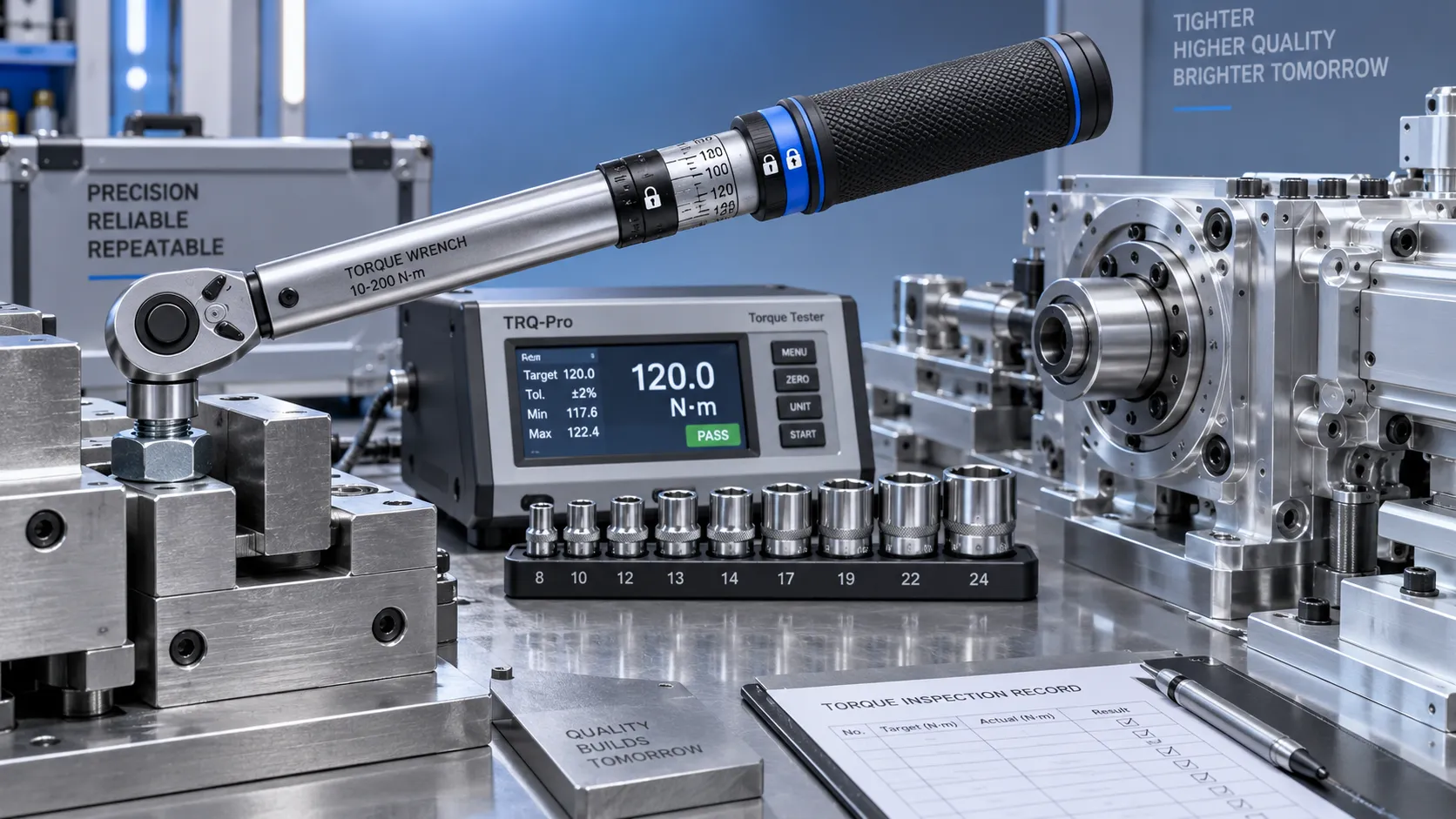
Selecting Adjustable Torque Tools for Repeatable Fastener Assembly
Adjustable torque tools: learn how to match range, accuracy, control methods, calibration, and ergonomics for repeatable, reliable fastener assembly.
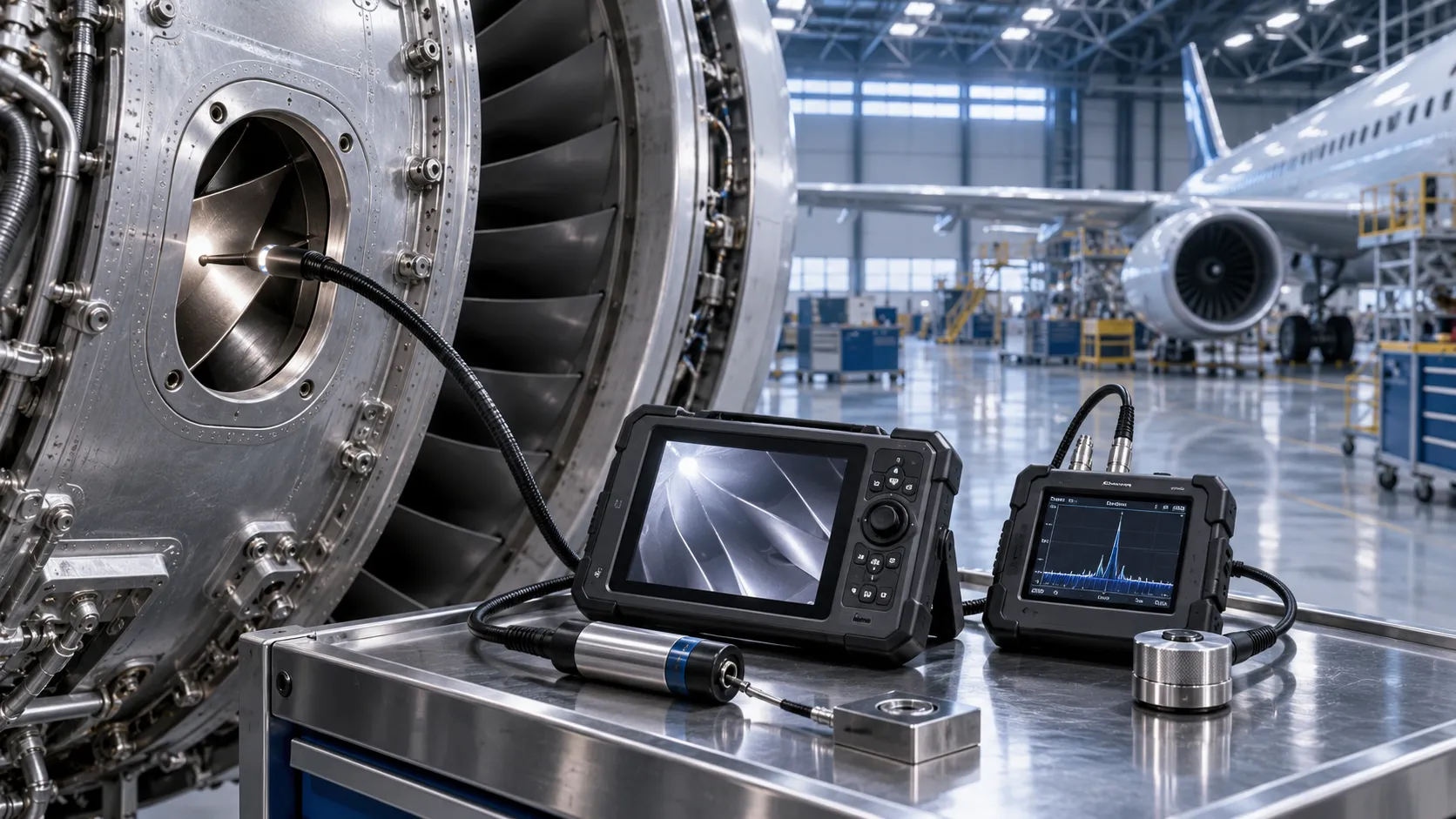
How to Select Aerospace Inspection Tools for Aircraft Maintenance Tasks
Aerospace maintenance inspection tools: learn how to select reliable, traceable equipment for aircraft access, accuracy, calibration, and compliant maintenance decisions.

How to Select Wire Bonding Tools for Fine-Pitch Semiconductor Packaging
Explore semiconductor manufacturing tools for wire bonding and learn how to select precision solutions for fine-pitch packaging, reliable loops, accuracy, and yield.
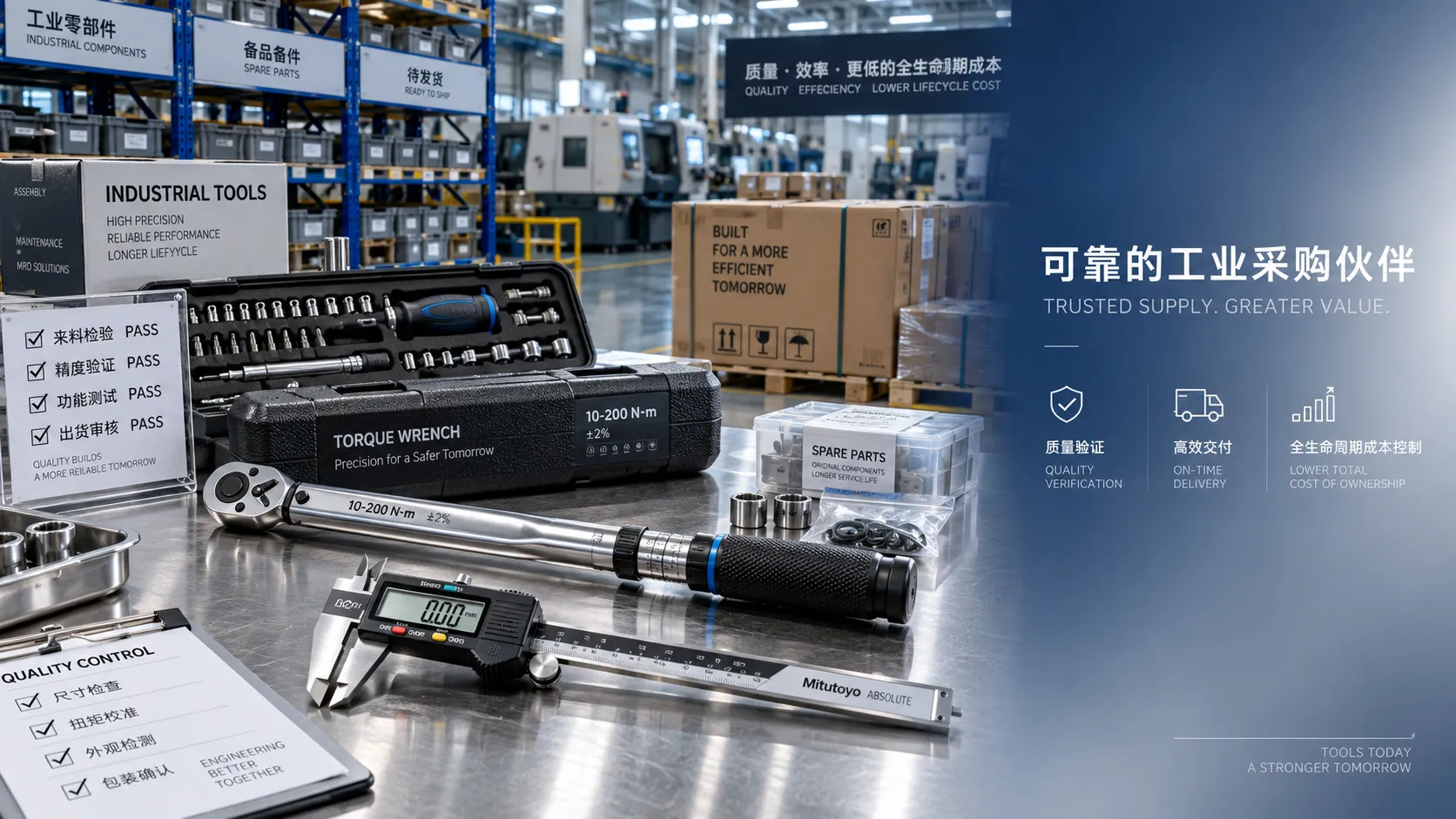
How to Compare Industrial Tool Suppliers for Quality, Lead Time, and Total Cost
Industrial tool selection supplier comparison made simple: evaluate quality, lead times, total cost, service, and supply resilience for confident sourcing decisions.
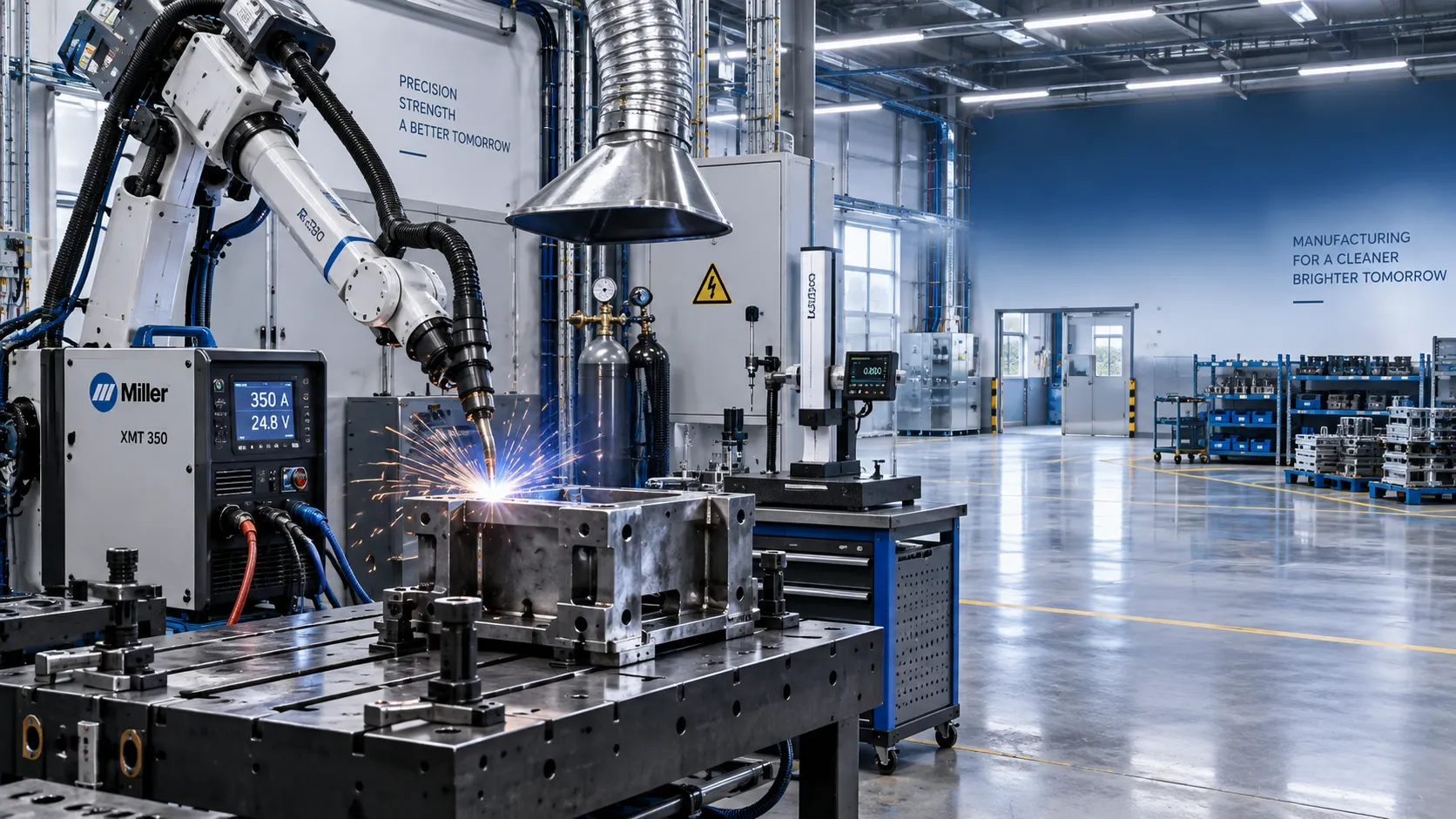
Industrial Equipment Application Guidance: Match Machines to Operating Conditions
Application guidance industrial equipment: match capacity, duty cycle, materials, site conditions, safety, and lifecycle cost to improve reliable output. Read the guide.
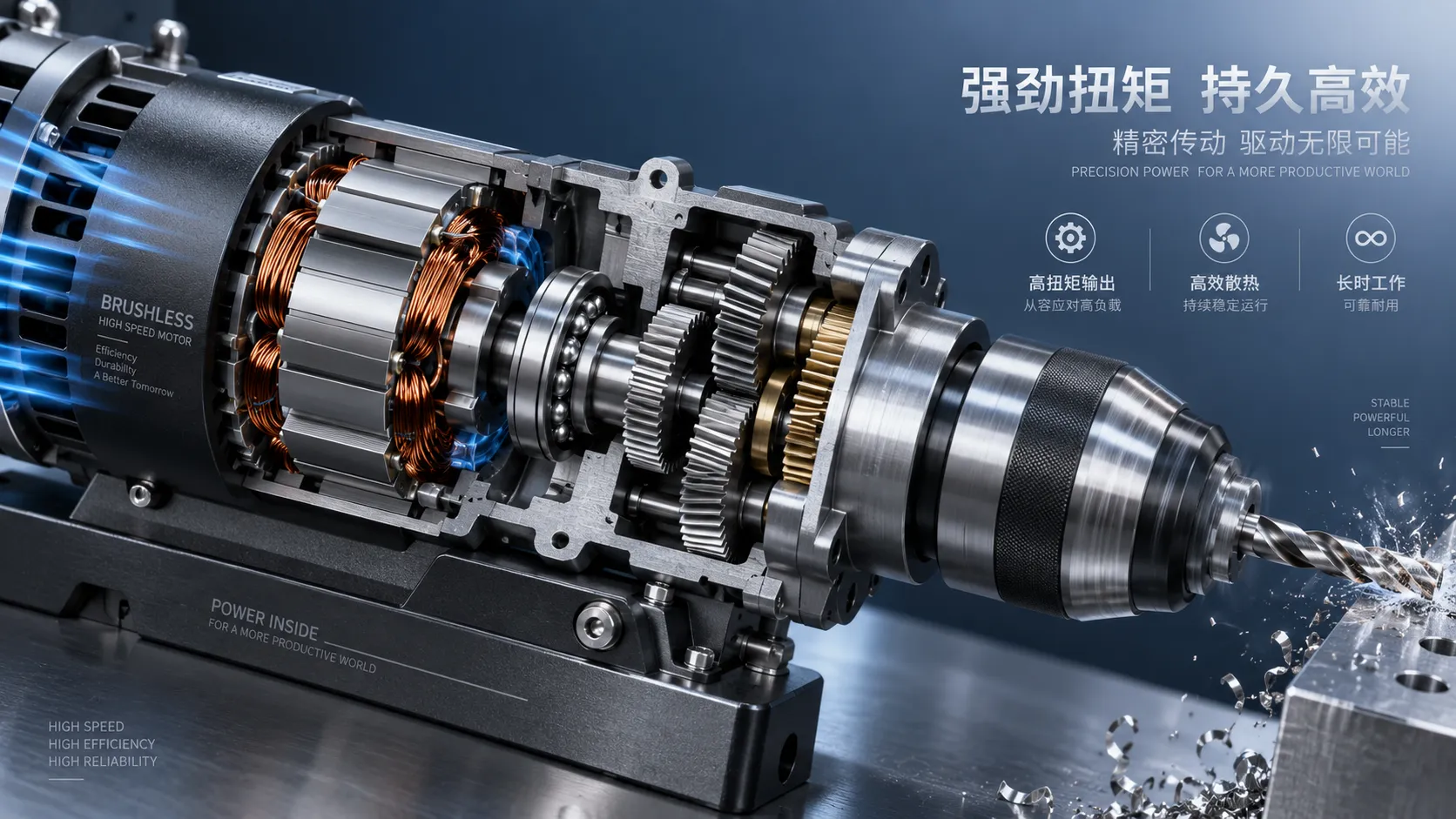
Selecting High-Speed Brushless Tool Motors for Torque, Heat, and Duty Cycle
High speed brushless tool motors: learn how to balance torque, heat, gearing, and duty cycle for reliable industrial tool performance and longer service life.
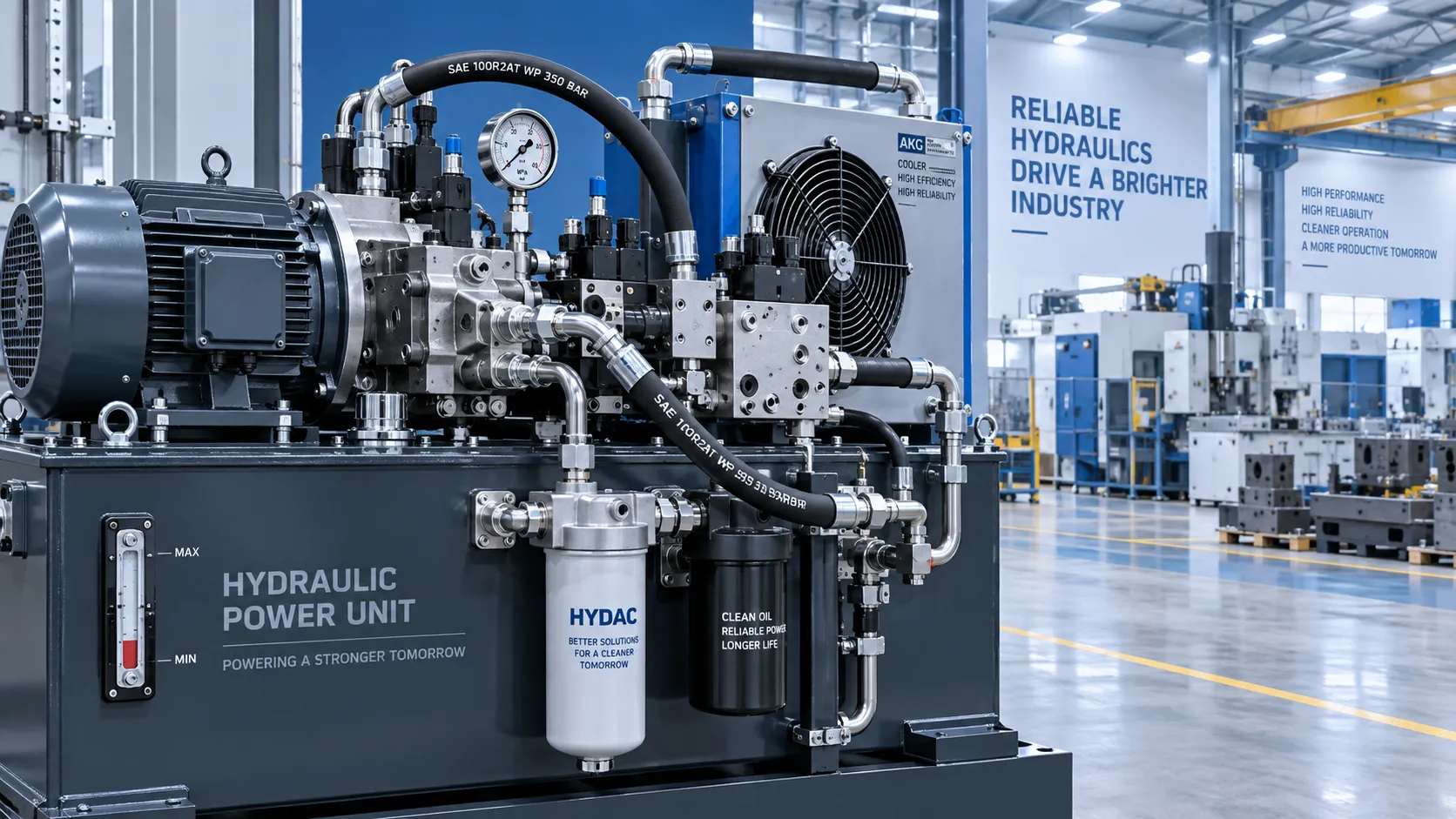
What Determines Industrial Hydraulic System Price for Heavy-Duty Equipment?
Industrial hydraulic system price depends on duty cycle, pressure, components, cooling, and integration. Compare quotes intelligently to secure reliable heavy-duty performance.
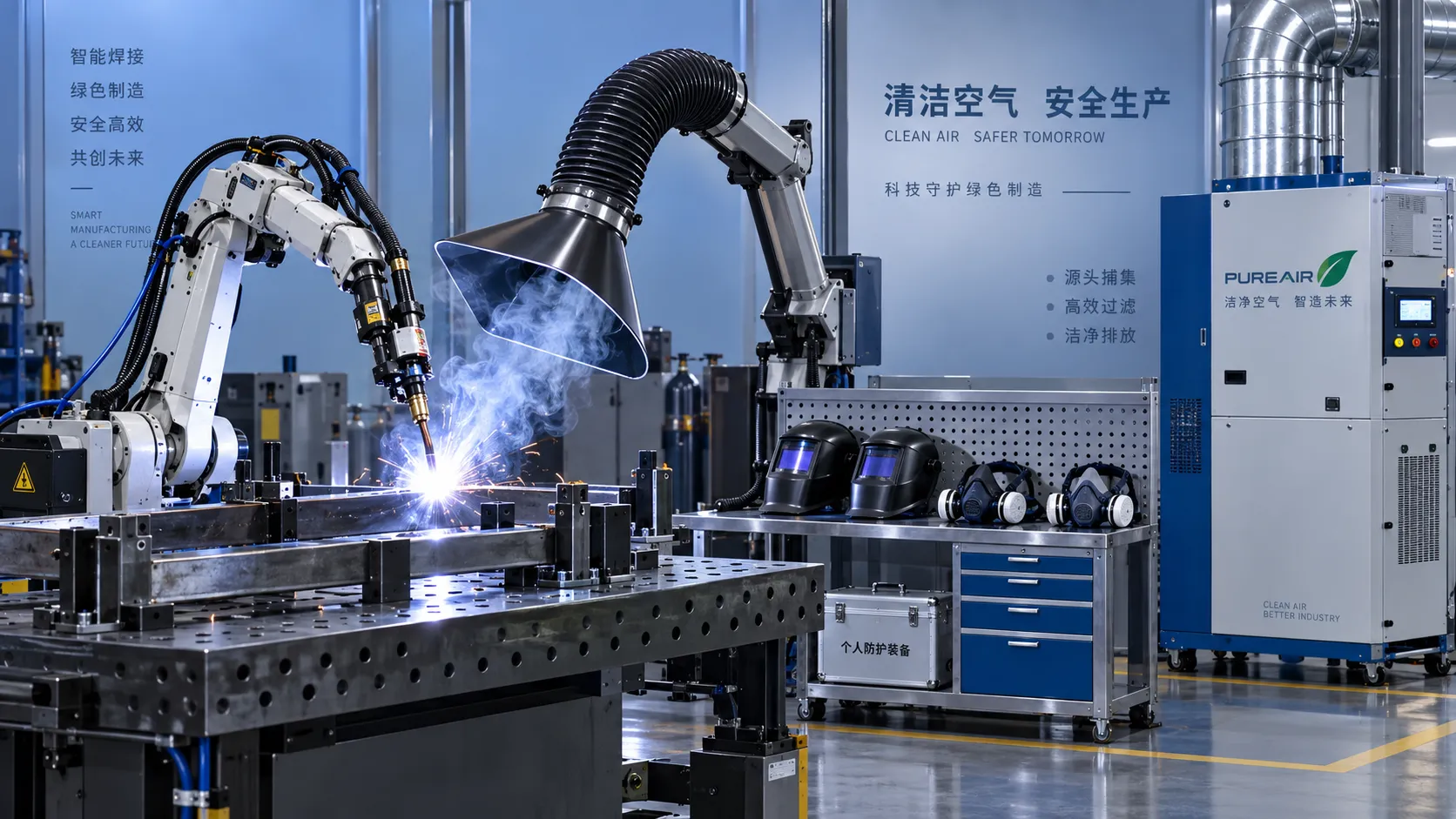
Welding Fume Extraction PPE: When Respirators Are Not Enough for Shop Safety
Welding fume extraction PPE: learn why respirators alone fall short and how source capture, ventilation, and layered controls improve shop safety.
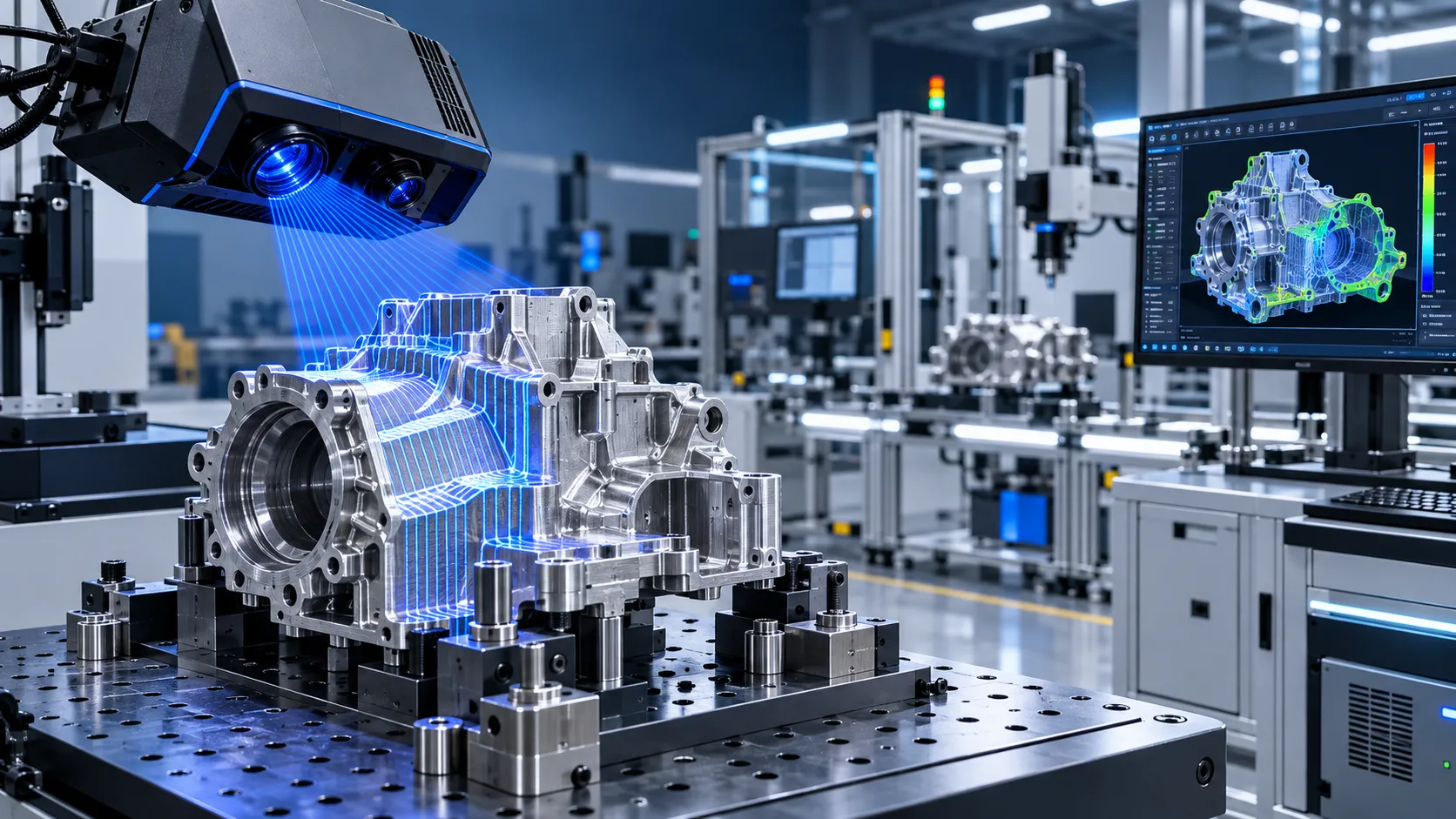
How to Select Optical Metrology Solutions for Tight-Tolerance Manufacturing
Optical industrial metrology solutions for tight-tolerance manufacturing: evaluate accuracy, surface compatibility, workflow, and traceability to select with confidence.
Related News
- 00
0000-00
Planning Access, Material Flow, and Clearance Around a 3200mm Sliding Saw - 00
0000-00
How to Select Vernier Precision Calipers for Tight-Tolerance Machining Inspection - 00
0000-00
How to Choose Metalworking Tools for Sheet Metal by Thickness and Forming Tasks - 00
0000-00
Metrology Technology Europe: Which Systems Improve Inspection Accuracy on the Line? - 00
0000-00
How to Choose Precision Measuring Instruments in North America for Tighter Tolerance Work
Metrology Fellow
Weekly Insights
Stay ahead with our curated technology reports delivered every Monday.