
Why tool lightweighting is no longer just a design trend





For operators on the shop floor, tool lightweighting is no longer just a design trend—it directly affects fatigue, precision, safety, and daily productivity. As industrial tasks become faster, smarter, and more demanding, lighter tools are reshaping how welding, assembly, and measurement work gets done, making ergonomic performance a critical factor in both user comfort and operational efficiency.
Across the broader industrial landscape, tool lightweighting now signals a deeper shift in manufacturing priorities. Performance is no longer judged by power alone. It is judged by control, endurance, repeatability, and total task efficiency.
This matters in welding, fastening, inspection, maintenance, and field service. When every motion counts, reducing weight improves consistency. It also supports safer work routines and better results across long operating cycles.
Why tool lightweighting is moving from preference to operational requirement
Several market signals show that tool lightweighting has become an operational requirement rather than a styling choice. Industrial work is becoming more mobile, more precise, and more data-driven.
At the same time, labor conditions are changing. Workstations are denser, production windows are shorter, and quality expectations are tighter. Heavy tools create limits that modern workflows can no longer absorb.
In assembly and metal joining, lighter equipment helps maintain angle stability, reach, and positioning. In metrology, it reduces hand tremor and improves the reliability of repeated measurements.
The rise of cordless systems also accelerates tool lightweighting. Once batteries improved, users expected the entire tool system to become easier to handle, not just more portable.
The strongest signals behind the tool lightweighting trend
The current shift is driven by technology, workplace design, safety expectations, and lifecycle economics. Together, these forces make tool lightweighting a strategic design direction.
These drivers explain why tool lightweighting now appears in product roadmaps, workstation planning, and long-term productivity discussions. It is no longer isolated to industrial design teams.
Where tool lightweighting delivers the clearest performance gains
The impact of tool lightweighting becomes most visible in tasks that involve repetition, vertical reach, awkward positioning, or precision-sensitive handling. Those conditions amplify every extra gram.
Welding and metal joining
Lighter torches and handheld systems help stabilize motion during seam tracking. They also reduce shoulder strain during overhead or long-duration welding activity.
As handheld laser welding expands, tool lightweighting supports safer handling and more reliable path control. That becomes especially important where visual accuracy and heat management must align.
Assembly and fastening
In fastening operations, lighter tools improve balance and wrist control. This helps maintain torque accuracy and reduces the tendency to rush or compensate with poor posture.
Tool lightweighting also supports smarter assembly systems. When intelligent torque tools collect more data, they still need to remain comfortable through full-shift usage.
Measurement and inspection
Portable metrology devices benefit from lower weight because precision depends on stable handling. A well-balanced instrument can reduce micro-movements that distort repeated readings.
This is why tool lightweighting increasingly matters beyond power tools. It affects calipers, gauges, scanners, and inspection systems used in maintenance and quality verification.
How lighter tools influence productivity, safety, and cost
The business value of tool lightweighting is not limited to comfort. Its effect extends into productivity, defect control, training efficiency, and even equipment lifecycle planning.
- Lower physical fatigue can sustain output quality across longer shifts.
- Better control can reduce rework caused by drift, slips, or inconsistent angle application.
- Improved ergonomics can support safer repetitive tasks and fewer strain-related interruptions.
- Lighter systems may shorten onboarding for tasks requiring coordination and precision.
- More mobile equipment can simplify work in field service and constrained industrial spaces.
However, tool lightweighting should not be judged by mass reduction alone. Poorly executed designs can create vibration issues, heat concentration, or structural weakness. Balance matters more than headline numbers.
The most effective solutions combine lower weight with torque stability, grip quality, thermal control, and serviceability. That is where real operational gains are created.
What deserves closer attention as tool lightweighting advances
As tool lightweighting becomes mainstream, several evaluation points deserve more attention. They help separate meaningful engineering progress from simple weight-cutting claims.
- Center of gravity: A lighter tool still performs poorly if balance shifts away from the hand.
- Vibration behavior: Lower mass can increase perceived vibration if damping is not improved.
- Thermal performance: Compact lightweight designs must still manage heat effectively.
- Housing durability: Material reduction cannot compromise impact resistance or service life.
- Accessory compatibility: Batteries, hoses, cables, and heads influence total carried weight.
- Data integration: Smart functions should not make the tool heavier or harder to maneuver.
These points are especially relevant in industries balancing craftsmanship with digital factory goals. GPTWM frequently highlights this intersection between ergonomic design, intelligent control, and production efficiency.
Practical ways to respond to the tool lightweighting shift
A useful response starts with task analysis, not catalog comparison. The question is not simply which tool is lighter. The question is where lower weight creates measurable process value.
The next step is continuous observation. Material innovation, ergonomic standards, and intelligent tooling will keep changing the definition of effective tool lightweighting.
That is why industry intelligence matters. GPTWM tracks how lightweighting interacts with welding safety, brushless motor limits, precision metrology demand, and IoT-enabled control systems across global industrial applications.
Tool lightweighting now shapes the future of industrial work
Tool lightweighting is no longer a secondary feature. It now influences how industrial tasks are designed, executed, and improved. The trend reflects a broader move toward precision, mobility, intelligence, and human-centered efficiency.
The smartest approach is to evaluate tool lightweighting through real workflows, real fatigue patterns, and real quality outcomes. That reveals whether a lighter tool truly creates better industrial performance.
For deeper insight into precision tools, welding technologies, ergonomic evolution, and intelligent industrial equipment, continue following GPTWM. Better decisions begin with better visibility into the trends shaping the last mile of manufacturing.
Related News
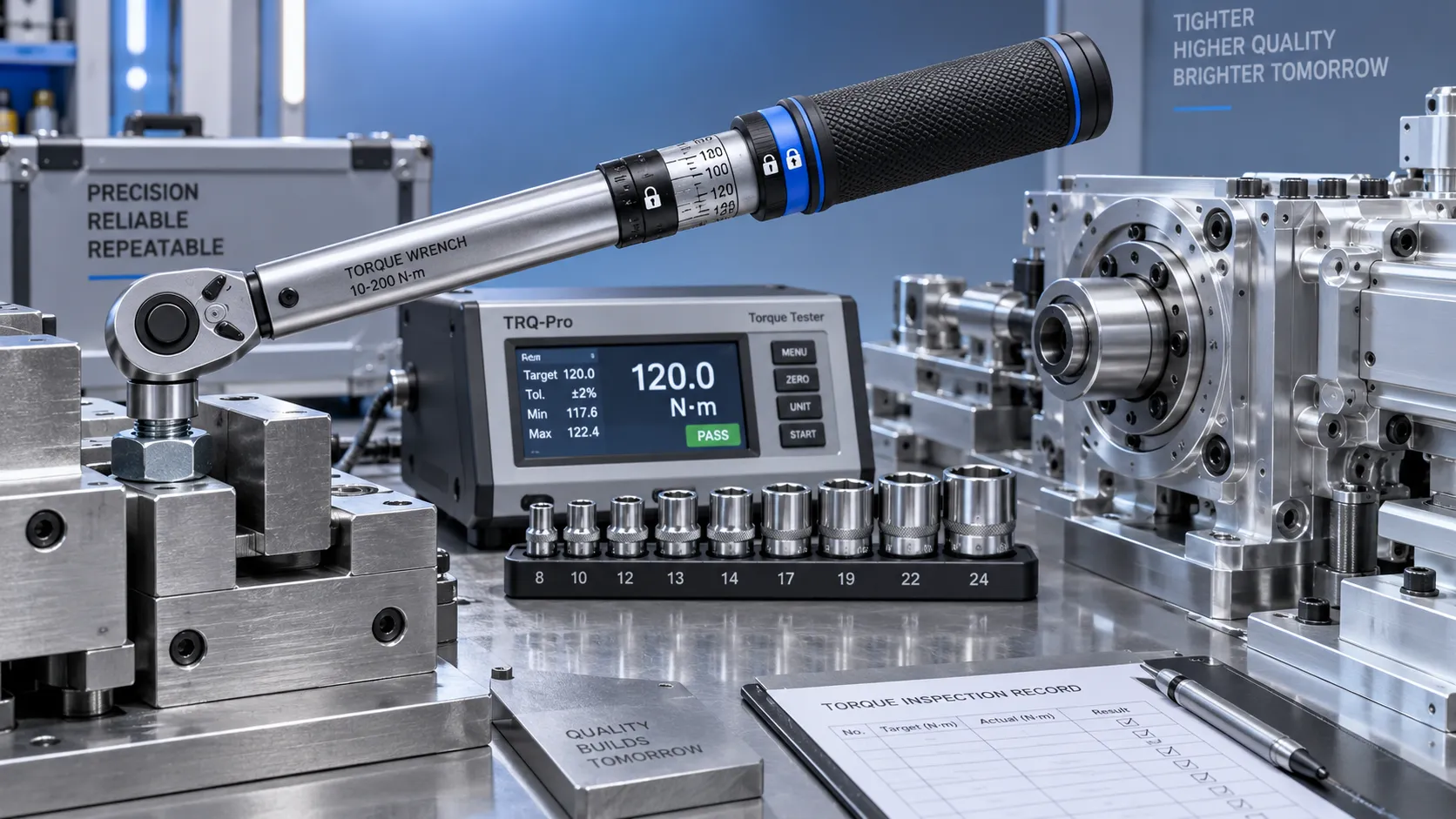
Selecting Adjustable Torque Tools for Repeatable Fastener Assembly
Adjustable torque tools: learn how to match range, accuracy, control methods, calibration, and ergonomics for repeatable, reliable fastener assembly.
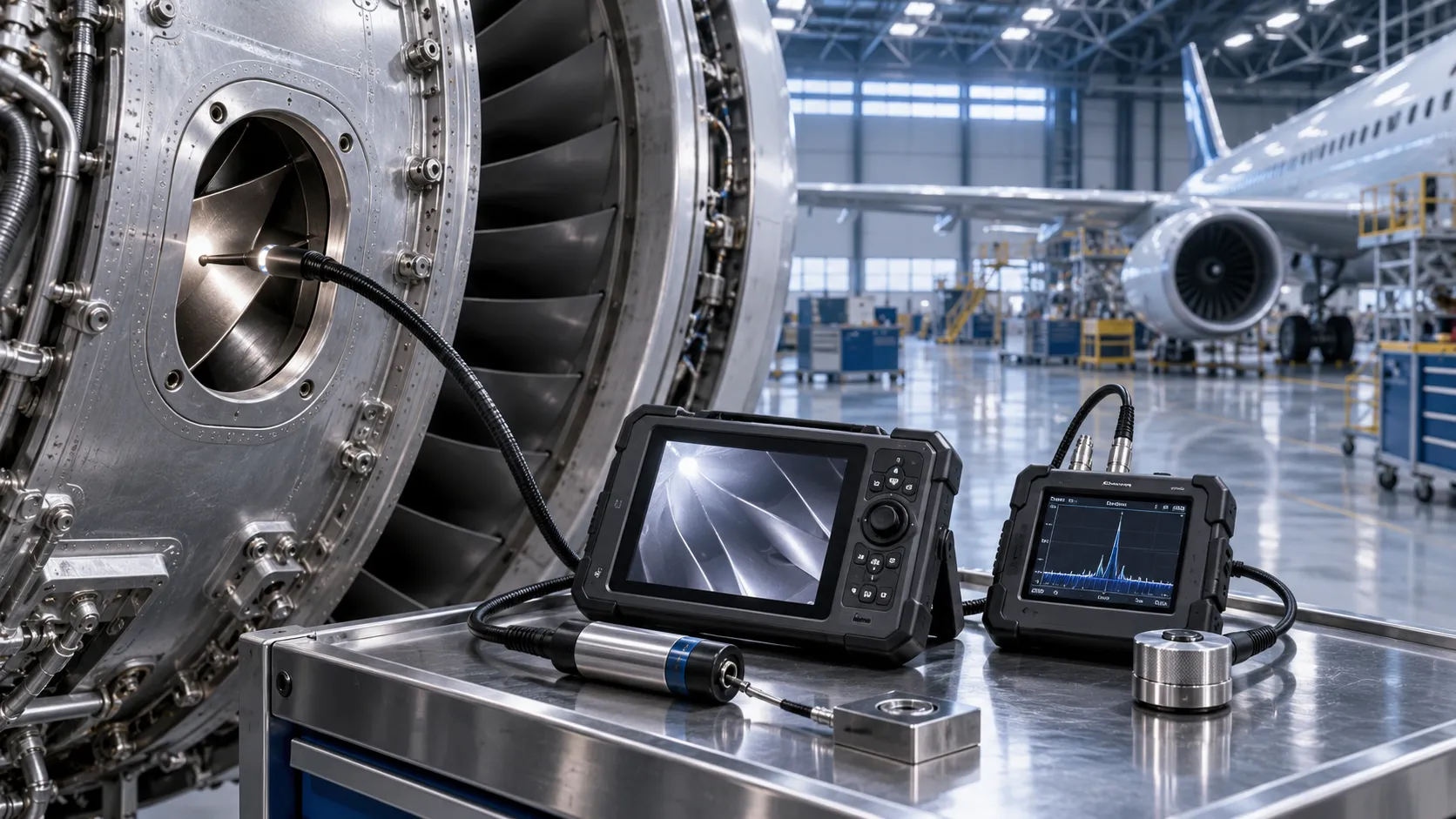
How to Select Aerospace Inspection Tools for Aircraft Maintenance Tasks
Aerospace maintenance inspection tools: learn how to select reliable, traceable equipment for aircraft access, accuracy, calibration, and compliant maintenance decisions.

How to Select Wire Bonding Tools for Fine-Pitch Semiconductor Packaging
Explore semiconductor manufacturing tools for wire bonding and learn how to select precision solutions for fine-pitch packaging, reliable loops, accuracy, and yield.
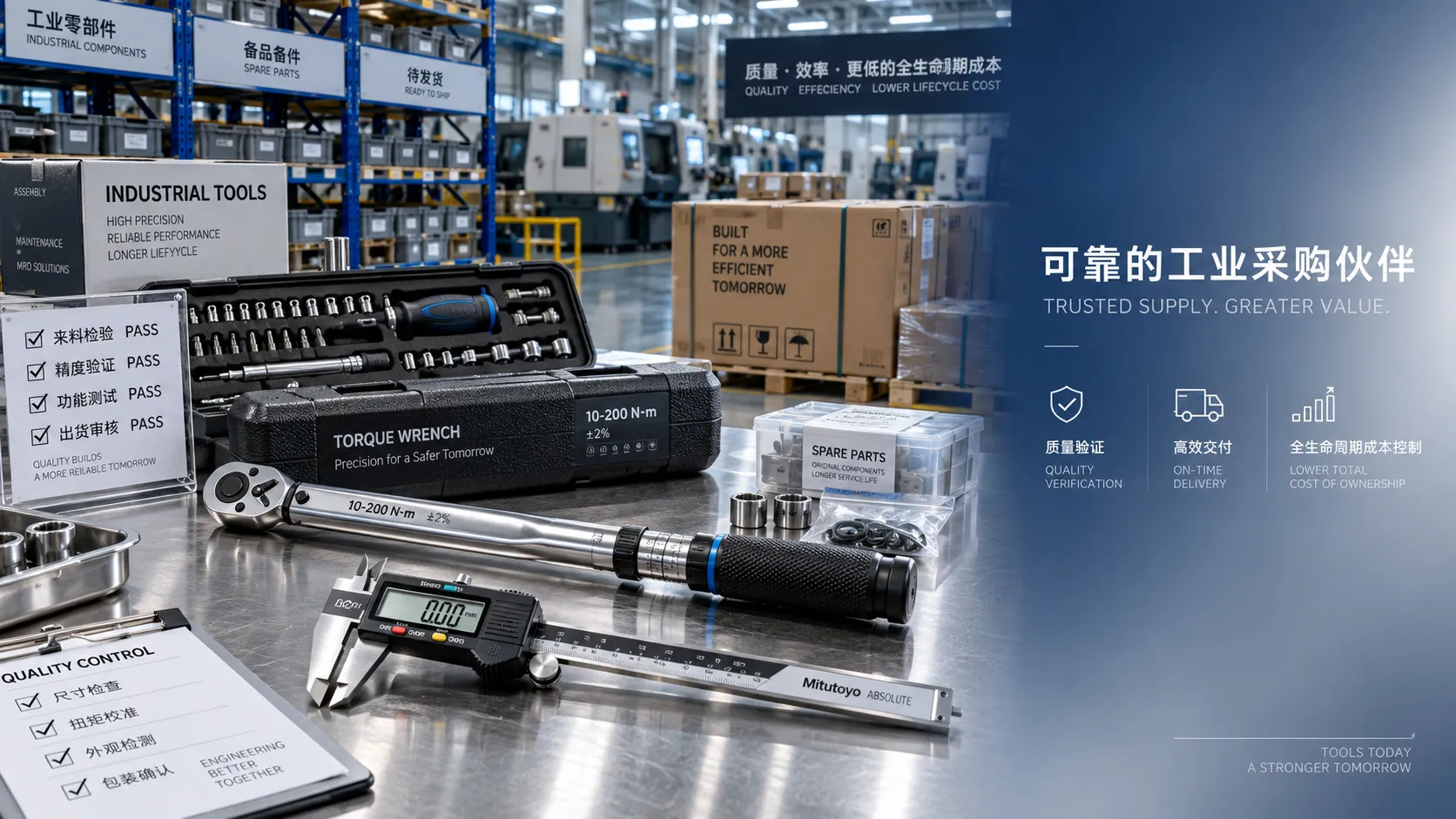
How to Compare Industrial Tool Suppliers for Quality, Lead Time, and Total Cost
Industrial tool selection supplier comparison made simple: evaluate quality, lead times, total cost, service, and supply resilience for confident sourcing decisions.
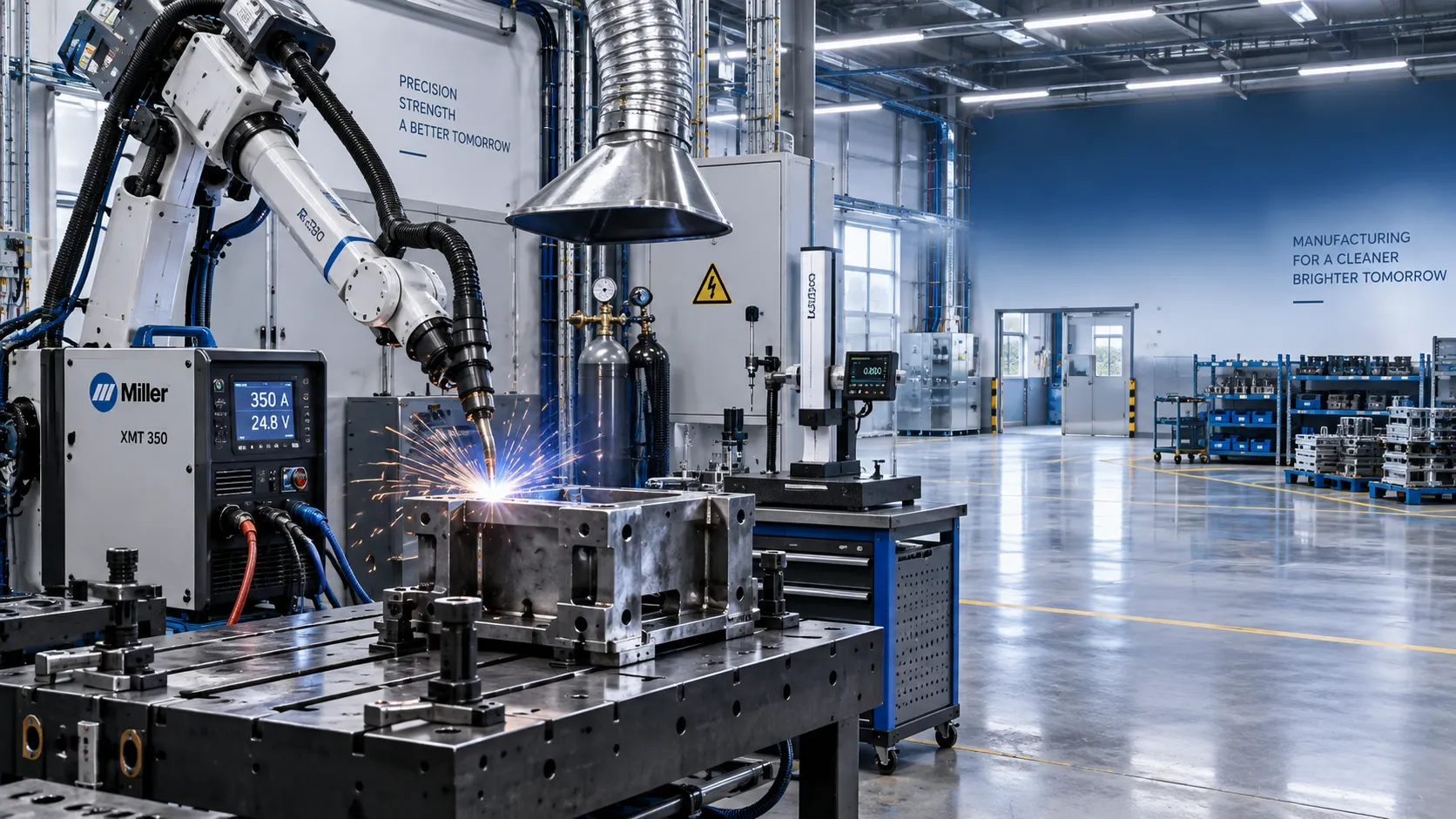
Industrial Equipment Application Guidance: Match Machines to Operating Conditions
Application guidance industrial equipment: match capacity, duty cycle, materials, site conditions, safety, and lifecycle cost to improve reliable output. Read the guide.
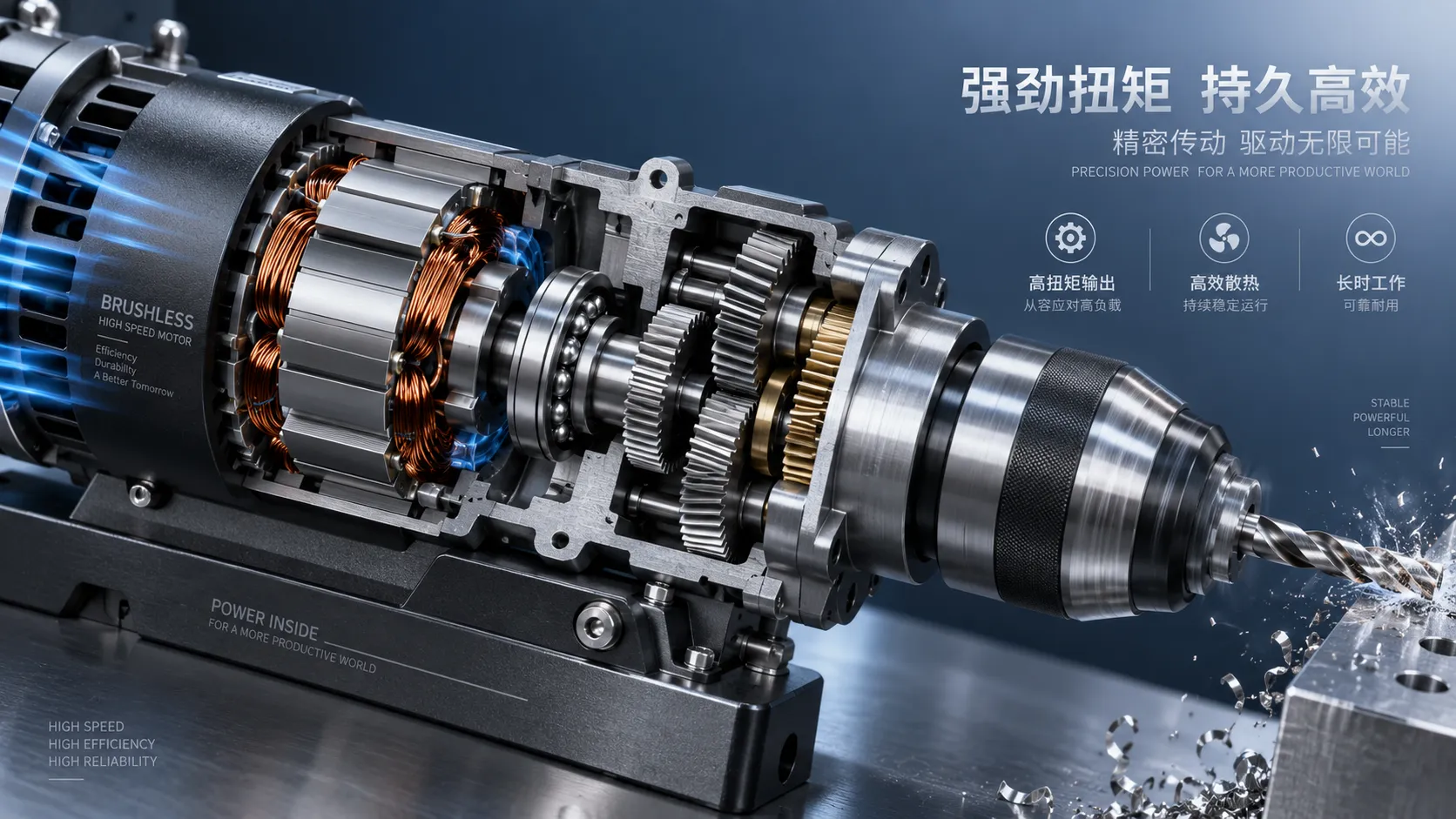
Selecting High-Speed Brushless Tool Motors for Torque, Heat, and Duty Cycle
High speed brushless tool motors: learn how to balance torque, heat, gearing, and duty cycle for reliable industrial tool performance and longer service life.
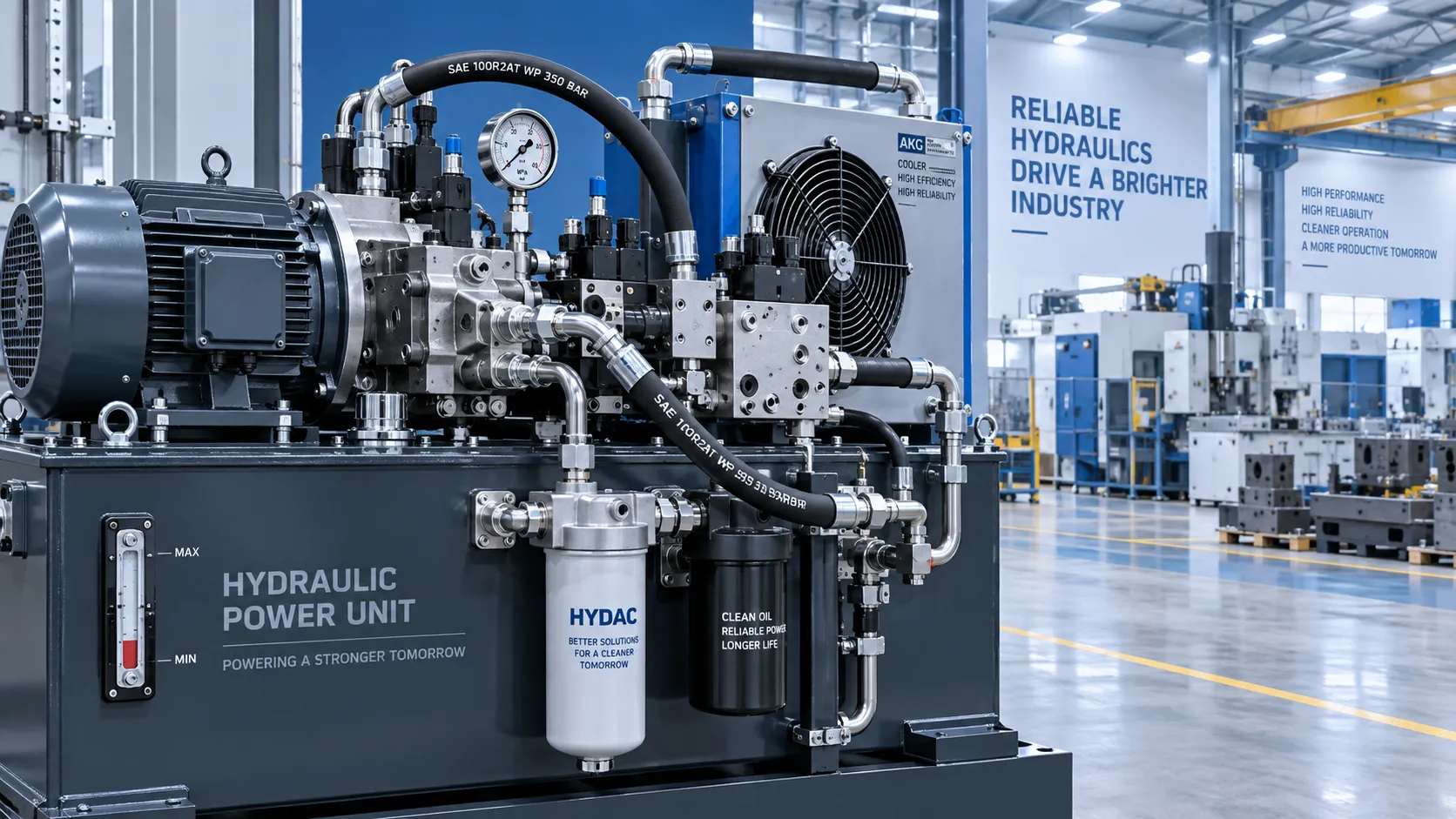
What Determines Industrial Hydraulic System Price for Heavy-Duty Equipment?
Industrial hydraulic system price depends on duty cycle, pressure, components, cooling, and integration. Compare quotes intelligently to secure reliable heavy-duty performance.
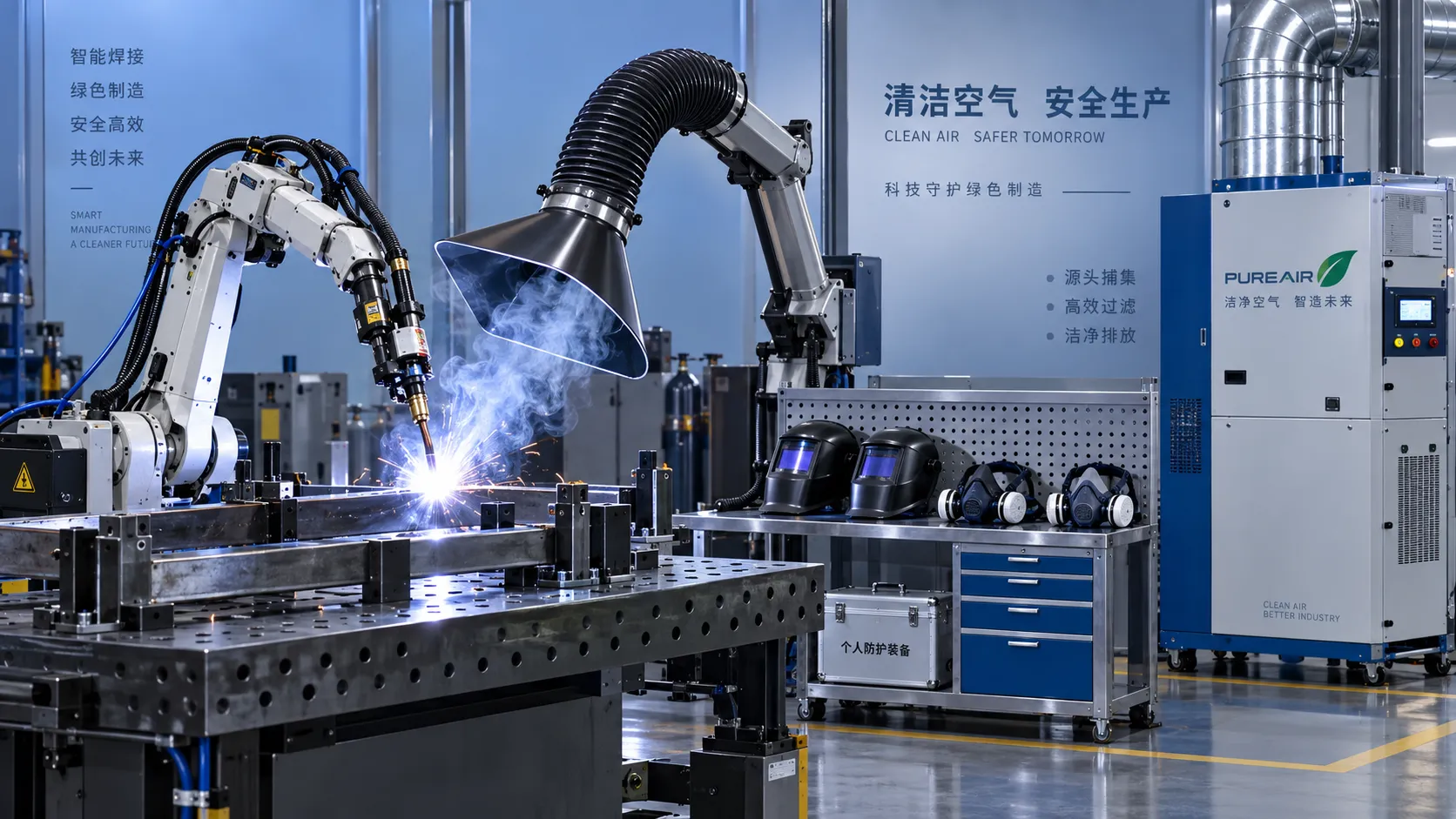
Welding Fume Extraction PPE: When Respirators Are Not Enough for Shop Safety
Welding fume extraction PPE: learn why respirators alone fall short and how source capture, ventilation, and layered controls improve shop safety.

How to Select Optical Metrology Solutions for Tight-Tolerance Manufacturing
Optical industrial metrology solutions for tight-tolerance manufacturing: evaluate accuracy, surface compatibility, workflow, and traceability to select with confidence.
Related News
- 00
0000-00
Automotive Tools: How to Build a Reliable Toolkit for Routine Vehicle Service - 00
0000-00
How to Build an Automotive Hand Tool Set for Routine Vehicle Service - 00
0000-00
Construction Maintenance Tools for Site Repair: What to Pack for Concrete, Steel, and Pipe Fixes - 00
0000-00
Product Information Resources for Assembly Tools: What Specs Matter Before You Compare Models? - 00
0000-00
Industrial Applications of Torque Control Wrenches in Assembly Lines and Field Maintenance
Industrial Craft Curator
Weekly Insights
Stay ahead with our curated technology reports delivered every Monday.