
How precision engineering affects fit, waste, and rework





In industrial assembly and metal joining, precision engineering directly shapes fit quality, material waste, and the amount of rework required on the shop floor. For quality control and safety managers, even minor dimensional deviations can trigger defects, downtime, and compliance risks. This article explores how tighter tolerances, better tooling, and smarter measurement practices improve consistency while reducing cost, scrap, and operational exposure.
Why precision engineering matters beyond part accuracy
Many teams still treat precision engineering as a design-office issue. On the shop floor, however, it is a control system for fit, repeatability, operator safety, and process stability. When part geometry, welding prep, torque delivery, and measurement discipline align, production runs smoother and nonconformance rates fall.
For quality control managers, the main value lies in reducing variation before it turns into scrap. For safety managers, the benefit is just as practical: fewer forced assemblies, fewer improvised fixes, less manual grinding, and lower exposure to sparks, sharp edges, hot work, and ergonomic strain.
- Better fit-up reduces gaps, misalignment, and unstable weld starts.
- Controlled tolerances cut the need for trimming, shimming, and re-machining.
- Reliable metrology supports traceability, inspection planning, and audit readiness.
- Precision tooling lowers operator dependency and makes output less sensitive to shift changes.
In mixed manufacturing environments such as construction equipment, automotive service parts, fabricated metal goods, and aerospace maintenance, the last mile of assembly often determines whether upstream investment actually pays off. That is where precision engineering has its strongest business effect.
How poor fit creates waste, rework, and safety exposure
When engineers and buyers focus only on unit price, they often underestimate the hidden cost of poor fit. A low-cost part with inconsistent dimensions may still pass incoming inspection in small samples, yet fail during assembly under real production speed. That is where waste multiplies.
Common chain of failure on the shop floor
- A dimensional deviation changes the mating condition between parts.
- Operators compensate with force, heat input, filler, shims, or manual adjustment.
- Cycle time increases and repeatability drops between shifts or stations.
- Finished assemblies show cosmetic defects, weak joints, torque inconsistency, or alignment failure.
- The plant absorbs rework, extra inspection, delayed shipment, and higher safety risk.
This pattern is especially visible in welding and mechanical joining. If edges are not prepared consistently, root gaps vary, distortion becomes harder to predict, and post-weld correction expands. If fastener interfaces are not precise, torque values become less meaningful because clamping conditions are unstable from the start.
The table below shows how precision engineering influences three problem areas that matter most to quality and safety teams.
The key lesson is simple: precision engineering does not only prevent dimensional error. It prevents the operational behaviors that produce hidden waste and increase risk exposure.
Which shop-floor factors most affect fit quality?
Fit quality is rarely controlled by one variable alone. It depends on the interaction between part design, tool capability, fixture condition, material behavior, and measurement timing. Quality managers should therefore look at precision engineering as a system, not as a single tolerance number.
Priority factors to review
- Datum strategy: If reference features are unclear, downstream measurements may look correct while actual assembly fit remains poor.
- Tool wear: Blades, cutters, drill points, jaws, and contact surfaces drift gradually and may shift fit long before a failure alarm appears.
- Thermal effect: Welding heat, ambient temperature, and part mass change dimensions and can mislead inspection if timing is inconsistent.
- Fixture repeatability: A precise part can still assemble poorly if clamps, locators, or stops no longer hold stable position.
- Measurement method: The same feature may read differently with a caliper, gauge, or portable metrology device depending on access and operator technique.
In high-mix operations, these factors become more critical because setup changes are frequent. The more often a line changes part families, the more important standardized measurement and setup verification become.
Precision engineering in welding, fastening, and inspection: a practical comparison
Quality and safety managers often need to justify investment. A useful way to do that is to compare where precision engineering creates the highest return across core manufacturing tasks.
The comparison below can support internal discussions on tooling upgrades, inspection planning, and process improvement priorities.
In most facilities, welding and fastening generate the most visible rework, while inspection determines how early the plant detects it. That is why a balanced precision engineering strategy must include both tooling and metrology rather than choosing one over the other.
How to select tools and measurement methods for tighter control
Procurement decisions often fail because teams compare tool prices without matching them to process capability needs. The better approach is to start with the defect mode, then work backward to the tool, gauge, or joining method that controls it.
Selection questions quality and safety teams should ask
- What is the actual tolerance window at the assembly interface, not just on the drawing?
- Does the current tool maintain repeatability across full shift duration, or only when newly installed?
- Is the measuring device suited to the feature geometry, access angle, and operator skill level?
- Will the process need traceable torque data, weld parameter logging, or calibration records for customer or regulatory review?
- How quickly can wear parts, calibration service, or spare units be supplied if production demand rises?
For many plants, the best return comes from combining precision hand tools, controlled power tools, stable fixturing, and fit-for-purpose metrology. A single high-end instrument cannot compensate for poor prep, worn fixtures, or unverified torque tools.
The table below provides a selection framework for common last-mile manufacturing decisions influenced by precision engineering.
A practical selection process should always connect technical capability with real production constraints such as shift coverage, maintenance response, and audit documentation. Otherwise, even a capable tool may underperform in daily use.
What standards and compliance points should managers watch?
Precision engineering is closely tied to compliance, especially when assemblies serve regulated or safety-critical applications. The exact requirements vary by market and customer, but several control themes are widely relevant across industrial sectors.
Common compliance checkpoints
- Calibration discipline for measuring instruments and torque tools, with records that support internal review or customer audits.
- Process documentation for welding parameters, inspection criteria, and acceptance thresholds.
- Operator training and competency control, especially for hot work, high-torque applications, and final inspection release points.
- Risk assessment for manual handling, sparks, fumes, heat, pinch points, and ergonomic load created by rework activity.
- Traceability practices that link the part, tool condition, and verification result when required.
Managers do not need to over-engineer every process. The goal is proportional control. But if a part failure could affect safety, warranty, or export acceptance, precision engineering should be tied to a documented control plan rather than informal workshop know-how alone.
How GPTWM helps quality and safety teams make better decisions
The Global Precision Tools & Welding Matrix focuses on the last mile of industrial manufacturing, where dimensional control, joining quality, tool capability, and operator reality meet. For plants under cost pressure, this perspective is more useful than isolated product information because fit, waste, and rework are cross-functional problems.
What decision support can look like in practice
- Tracking sector shifts that affect tool sourcing, material behavior, and export-related restrictions.
- Reviewing evolutionary trends in handheld laser welding safety, brushless motor efficiency limits, and intelligent torque control systems.
- Comparing metrology and hydraulic equipment demand patterns across construction, automotive, and aerospace maintenance environments.
- Connecting commercial insight with practical procurement judgment so distributors and manufacturers can avoid specification gaps.
For quality control and safety managers, the value is not only information depth. It is the ability to translate industry intelligence into better parameter confirmation, tool selection, inspection planning, and risk reduction actions.
FAQ: practical questions about precision engineering on the shop floor
How much can precision engineering reduce rework?
There is no universal percentage because results depend on baseline process capability, part complexity, and control discipline. In practice, the greatest gains usually come when teams target recurring fit-up defects, tool wear drift, and late inspection discovery rather than trying to tighten every tolerance at once.
Which areas should be improved first if budget is limited?
Start where variation is expensive and frequent. That often means assembly interfaces, weld preparation, fixture condition, and torque control. If final inspection keeps catching the same defect, invest earlier in process measurement and setup verification instead of adding more end-of-line sorting.
Is tighter tolerance always the right answer?
No. Overly tight tolerance can raise cost without solving the real failure mode. Good precision engineering matches tolerance to function, process capability, and inspection method. The objective is stable fit and lower waste, not tighter numbers for their own sake.
What is the biggest measurement mistake in mixed manufacturing?
Using a measuring tool that is technically accurate but poorly suited to the feature, access angle, or operator environment. A method that works in the lab may fail in production. Repeatability in actual shop-floor conditions matters as much as nominal resolution.
Why choose us for precision-focused manufacturing intelligence
If your team is dealing with recurring fit problems, rising scrap, unstable welding quality, or unclear tool selection criteria, GPTWM can support a more structured decision process. Our focus on industrial assembly, metal joining, and precision metrology helps quality and safety teams assess what matters before waste becomes routine.
You can contact us to discuss parameter confirmation, product and tooling selection, inspection method alignment, delivery-cycle considerations, customized solution direction, sample support options, certification-related questions, and quotation communication for precision engineering needs tied to your actual production environment.
When fit, waste, and rework are affecting delivery or compliance, the fastest improvement usually comes from better decisions at the last mile. Precision Tools, Intelligence Connecting Industry.
Related News
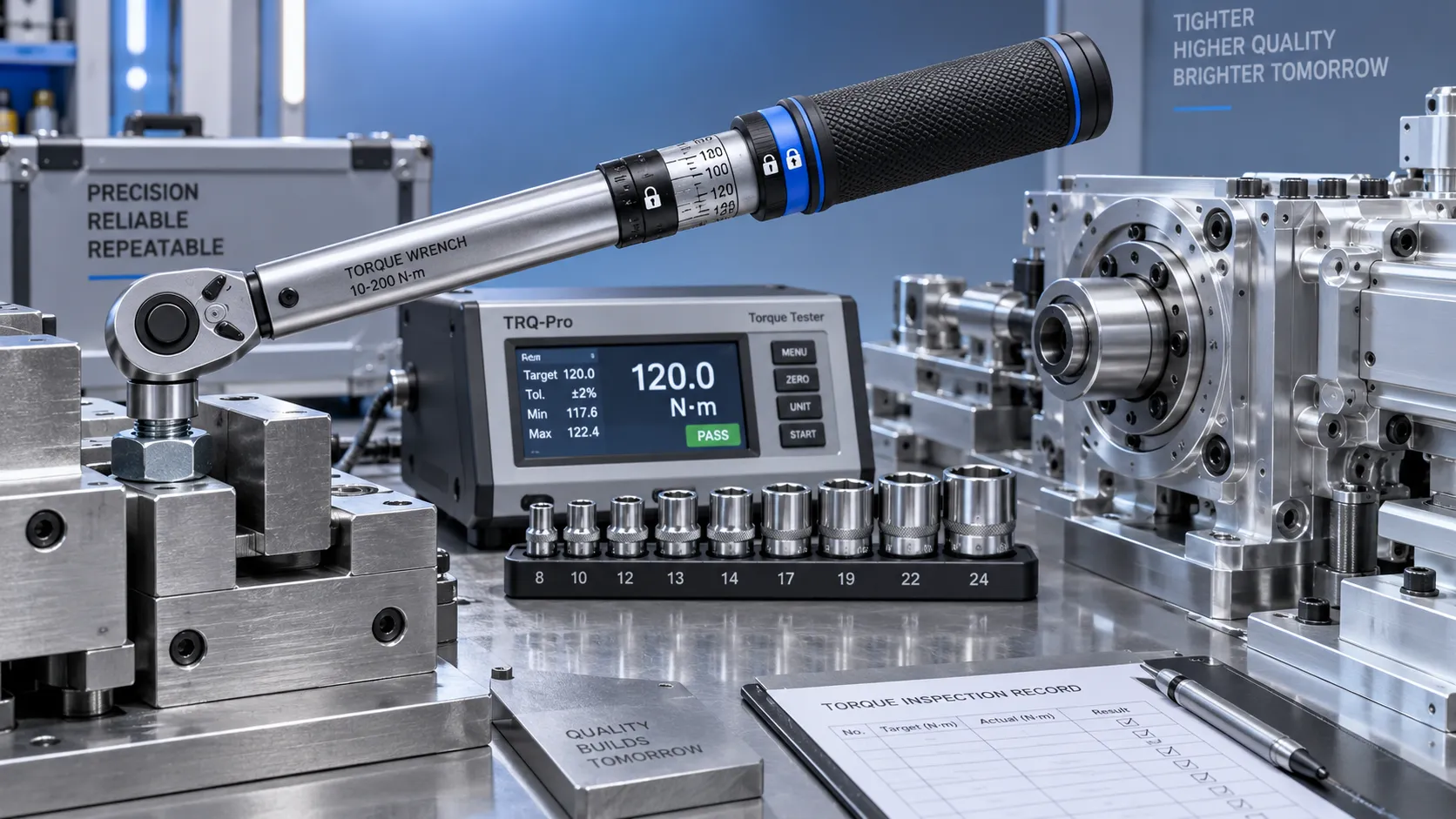
Selecting Adjustable Torque Tools for Repeatable Fastener Assembly
Adjustable torque tools: learn how to match range, accuracy, control methods, calibration, and ergonomics for repeatable, reliable fastener assembly.

How to Select Aerospace Inspection Tools for Aircraft Maintenance Tasks
Aerospace maintenance inspection tools: learn how to select reliable, traceable equipment for aircraft access, accuracy, calibration, and compliant maintenance decisions.
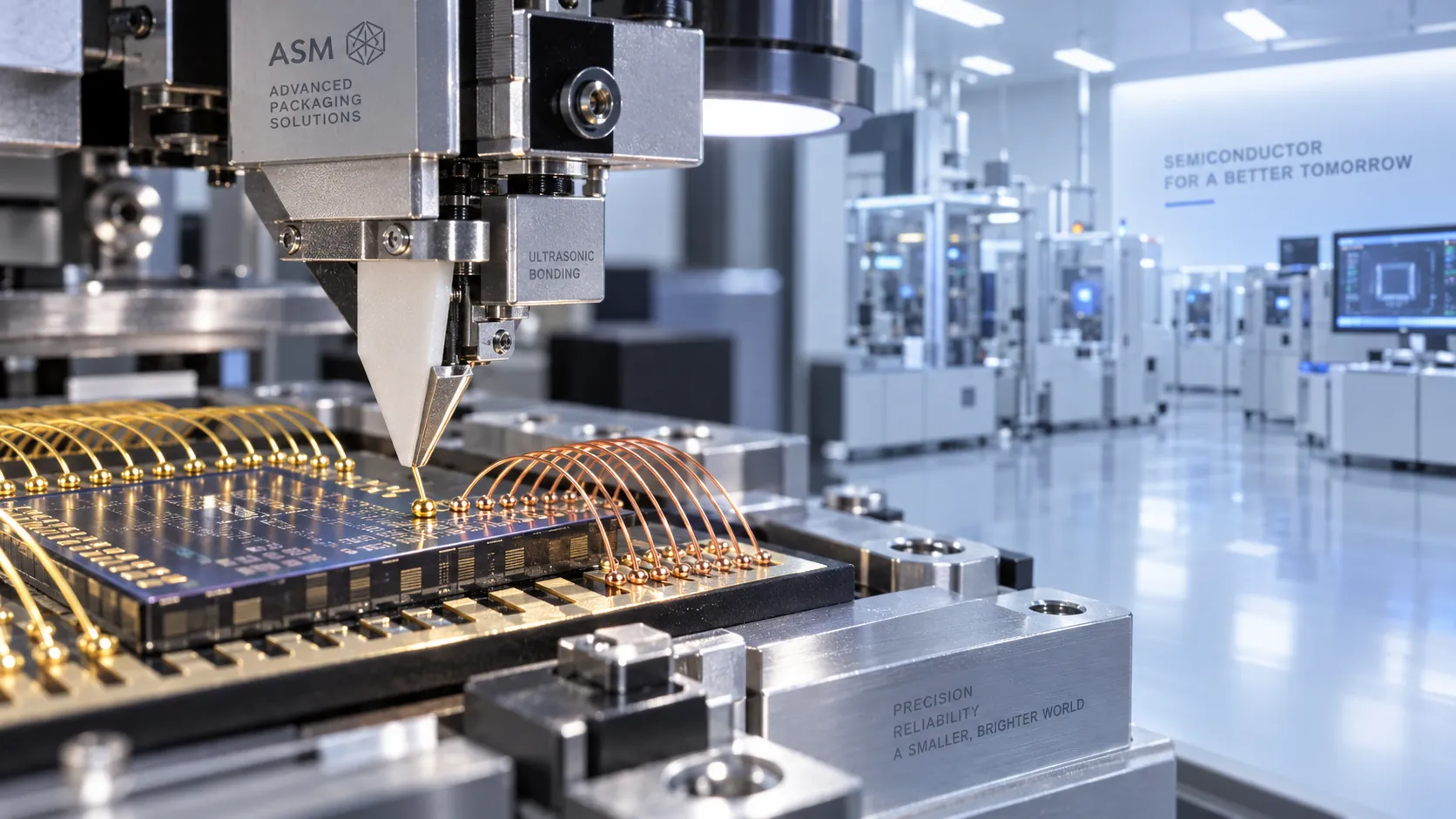
How to Select Wire Bonding Tools for Fine-Pitch Semiconductor Packaging
Explore semiconductor manufacturing tools for wire bonding and learn how to select precision solutions for fine-pitch packaging, reliable loops, accuracy, and yield.
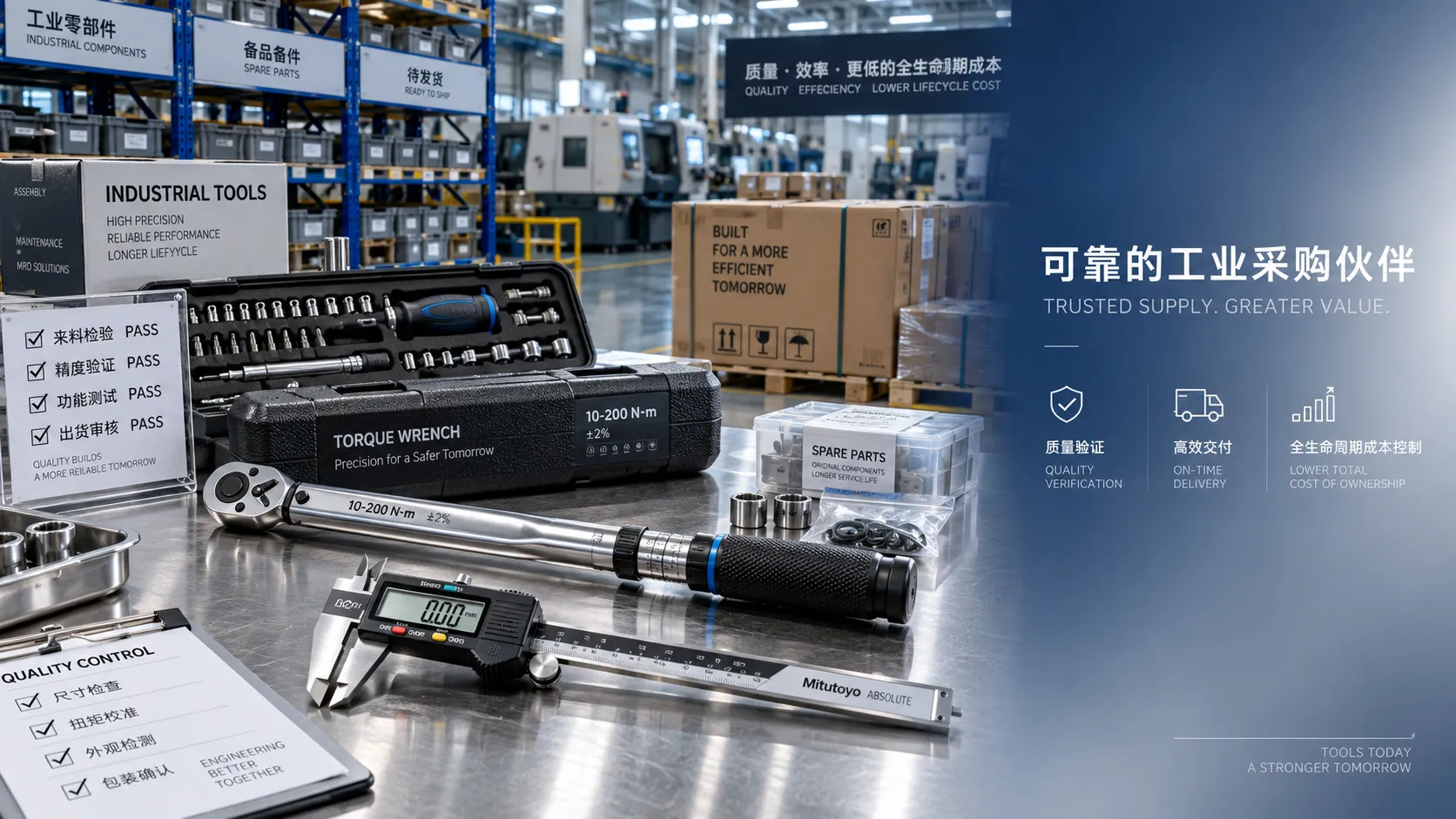
How to Compare Industrial Tool Suppliers for Quality, Lead Time, and Total Cost
Industrial tool selection supplier comparison made simple: evaluate quality, lead times, total cost, service, and supply resilience for confident sourcing decisions.
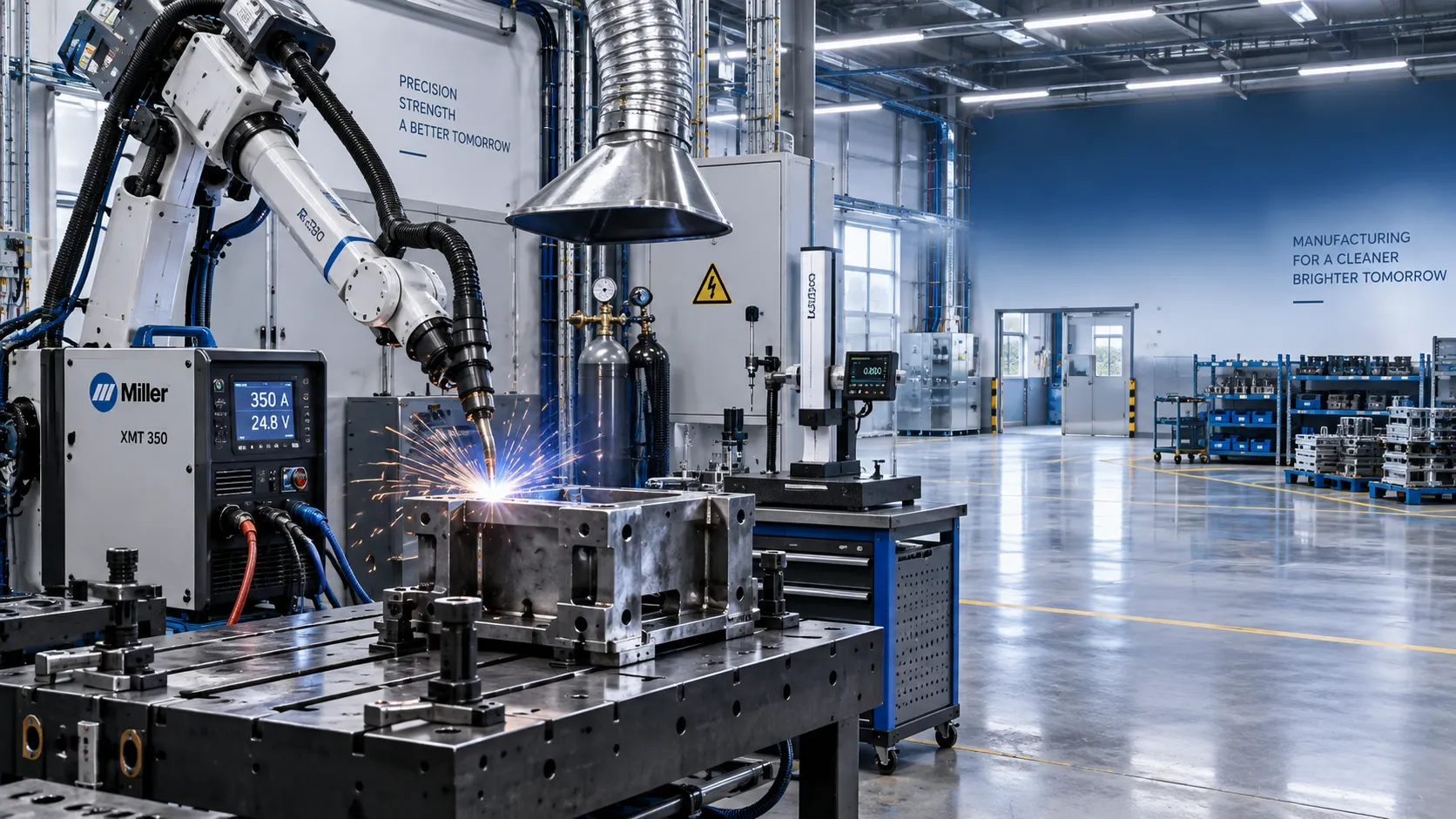
Industrial Equipment Application Guidance: Match Machines to Operating Conditions
Application guidance industrial equipment: match capacity, duty cycle, materials, site conditions, safety, and lifecycle cost to improve reliable output. Read the guide.
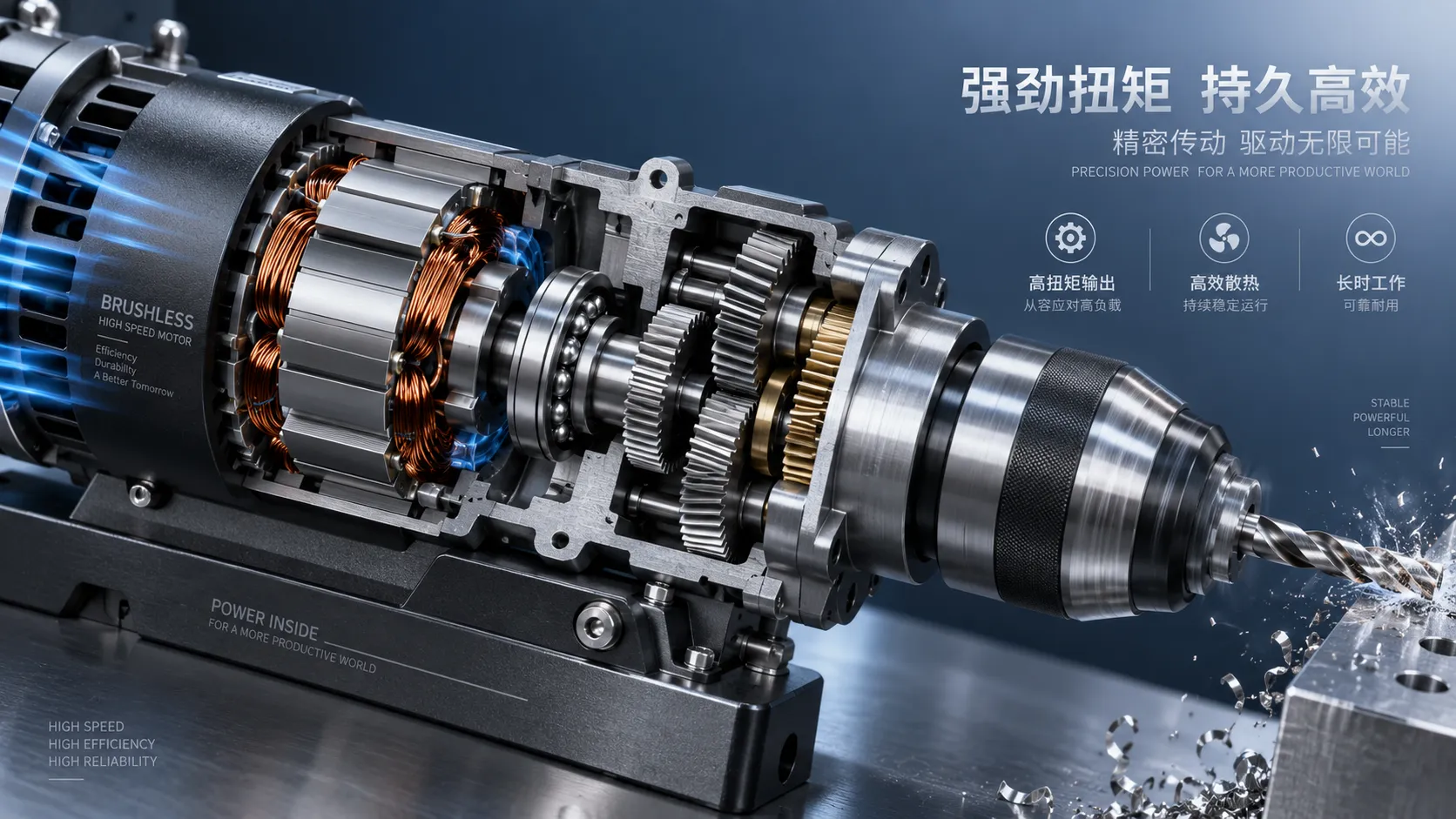
Selecting High-Speed Brushless Tool Motors for Torque, Heat, and Duty Cycle
High speed brushless tool motors: learn how to balance torque, heat, gearing, and duty cycle for reliable industrial tool performance and longer service life.
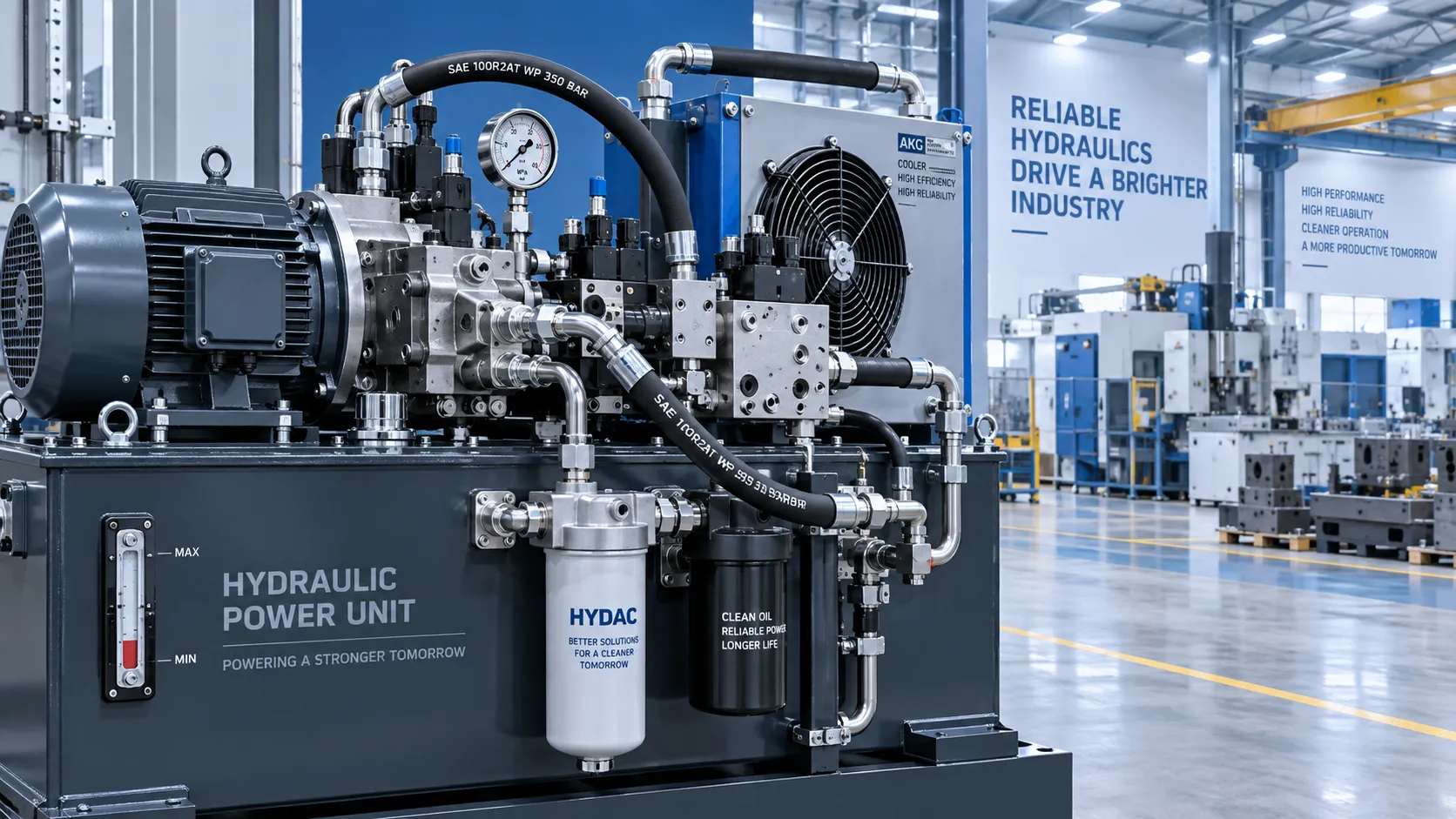
What Determines Industrial Hydraulic System Price for Heavy-Duty Equipment?
Industrial hydraulic system price depends on duty cycle, pressure, components, cooling, and integration. Compare quotes intelligently to secure reliable heavy-duty performance.
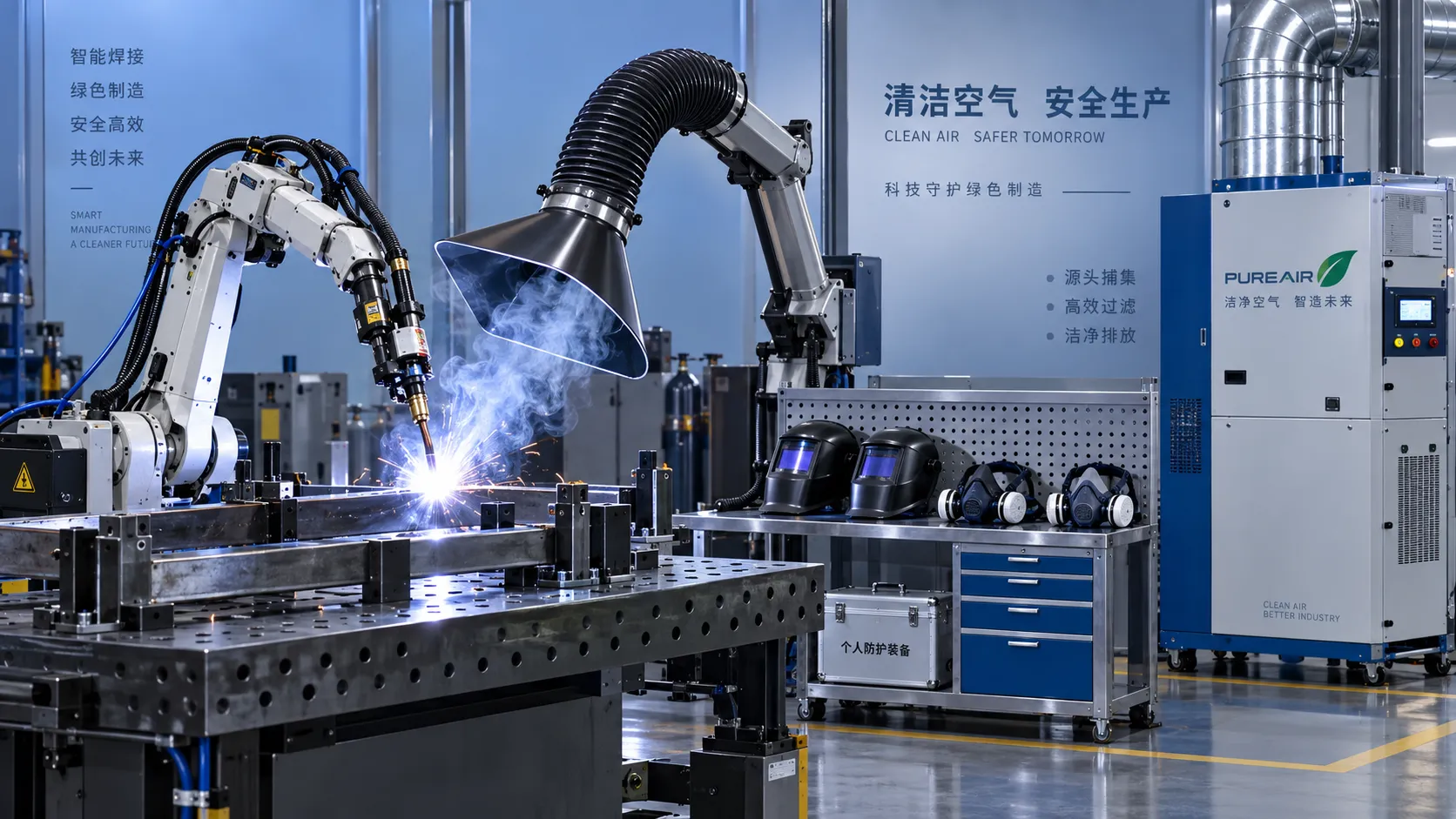
Welding Fume Extraction PPE: When Respirators Are Not Enough for Shop Safety
Welding fume extraction PPE: learn why respirators alone fall short and how source capture, ventilation, and layered controls improve shop safety.
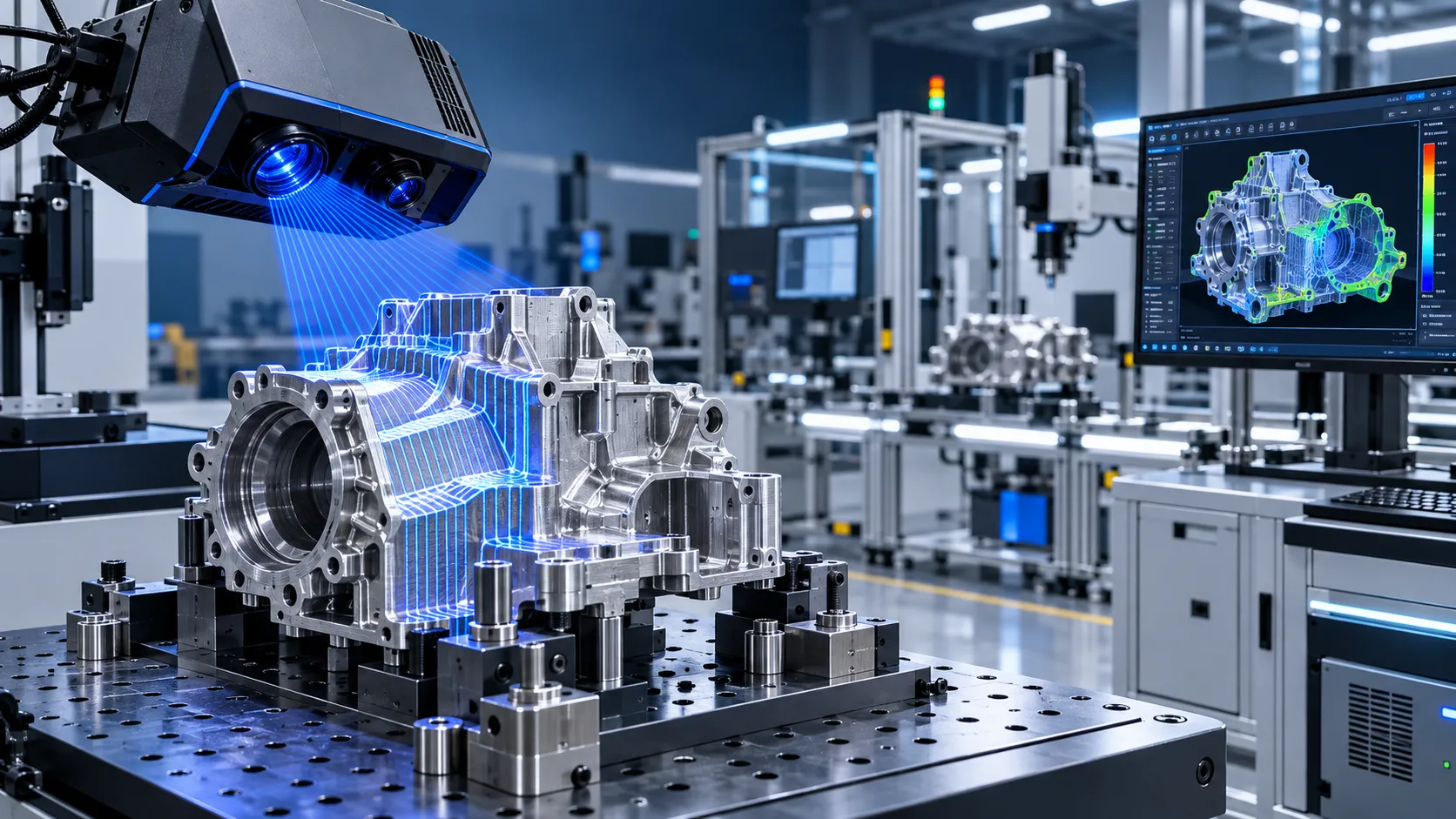
How to Select Optical Metrology Solutions for Tight-Tolerance Manufacturing
Optical industrial metrology solutions for tight-tolerance manufacturing: evaluate accuracy, surface compatibility, workflow, and traceability to select with confidence.
Related News
- 00
0000-00
Selecting Adjustable Torque Tools for Repeatable Fastener Assembly - 00
0000-00
How to Select Aerospace Inspection Tools for Aircraft Maintenance Tasks - 00
0000-00
How to Select Wire Bonding Tools for Fine-Pitch Semiconductor Packaging - 00
0000-00
Industrial Equipment Application Guidance: Match Machines to Operating Conditions - 00
0000-00
Selecting High-Speed Brushless Tool Motors for Torque, Heat, and Duty Cycle
Prof. Marcus Chen
Weekly Insights
Stay ahead with our curated technology reports delivered every Monday.