
How the industrial value chain exposes delivery risks early





In today’s industrial value chain, delivery risks rarely appear without warning—they surface first in sourcing gaps, compliance shifts, tooling constraints, and coordination failures across suppliers. For project leaders and engineering teams, early visibility is the difference between controlled adjustment and costly delay. This article explains how the industrial value chain reveals weak signals sooner, and how structured intelligence helps reduce schedule, quality, and cost exposure.
What does early risk visibility mean in the industrial value chain?
Early risk visibility means detecting disruption indicators before shipment dates slip or quality escapes reach final assembly.
In the industrial value chain, these indicators often appear far upstream.
A late raw material quote, a revised welding certification, or a longer calibration queue can all signal future delivery pressure.
The value of visibility is timing.
When risk is seen early, teams can resequence work, qualify alternatives, revise safety stock, or adjust inspection plans.
When risk is seen late, the only remaining options are usually expensive.
Within the industrial value chain, early warning usually comes from connected operational details rather than one dramatic event.
- Supplier lead times extending by small increments
- Inconsistent pass rates in incoming inspections
- Tooling utilization moving above stable thresholds
- Export control or standards updates affecting approval paths
- Freight mode changes caused by missed production windows
GPTWM focuses on exactly these operational shifts.
Its intelligence model connects precision tools, welding processes, metrology trends, and market signals across the last mile of manufacturing.
Which signals expose delivery risks first across the industrial value chain?
The earliest signals are rarely found in final logistics reports.
They appear first in engineering readiness, material access, tool performance, and compliance interpretation.
1. Sourcing and material instability
Material volatility often starts with smaller changes in availability, minimum order quantities, or substitution requests.
In metal joining and assembly, slight changes in alloy, wire, gas, or coatings can affect process repeatability.
2. Tooling and equipment constraints
An overloaded torque tool program, delayed fixture maintenance, or weak brushless motor performance may limit throughput before planners notice.
In the industrial value chain, tools are not just assets.
They are schedule gates.
3. Metrology bottlenecks
Precision measuring instruments can become hidden delivery constraints.
If calibration cycles slip or inspection capacity tightens, release timing follows.
A strong industrial value chain depends on trusted measurement as much as production speed.
4. Regulatory and standards movement
Export restrictions, safety guidance, and changing technical standards can hold shipments even when production is complete.
This is especially relevant for welding equipment, electronics, and cross-border industrial tools.
5. Coordination friction between tiers
Delivery risk grows when engineering, sourcing, quality, and logistics use different assumptions.
The industrial value chain exposes this through mismatched revisions, missing approvals, and unclear ownership.
How does value-chain mapping help teams identify delivery risks sooner?
Value-chain mapping turns isolated updates into a connected risk picture.
It links suppliers, processes, inspection points, transport stages, and compliance requirements into one operational view.
In the industrial value chain, mapping is useful because delays rarely stay local.
A fixture issue can affect welding output, then inspection timing, then packing, then export booking.
Without mapping, these relationships stay hidden until dates are missed.
A practical map should include:
- Critical materials and approved substitutes
- Process steps with limited capacity
- Calibration and inspection dependencies
- Supplier tier ownership and escalation contacts
- Country-specific compliance checkpoints
- Recovery options for time-sensitive components
This is where sector intelligence becomes practical.
GPTWM’s Strategic Intelligence Center helps interpret how material trends, metrology demand, handheld laser welding safety, and intelligent torque systems affect delivery resilience.
That context improves decisions before disruption becomes visible in the schedule.
What delivery risks are most often underestimated in the industrial value chain?
Many organizations watch suppliers and freight carefully, yet miss technical dependencies that quietly control readiness.
Several underestimated risks repeat across the industrial value chain.
Specification drift
Small drawing changes, revised tolerances, or material note updates can invalidate existing work or purchased stock.
Measurement delays
Inspection is often planned as a checkpoint, not a capacity-constrained operation.
That assumption creates hidden risk in precision-driven sectors.
Single-point process expertise
Some welding methods, joining sequences, or equipment setups depend on one specialist.
If that expertise becomes unavailable, output slows immediately.
False confidence from on-time upstream milestones
A supplier may ship on time, while internal acceptance, rework, or documentation still causes delay.
The industrial value chain must be measured end to end, not milestone by milestone.
Incomplete digital integration
IoT-based torque control, machine data, and inspection systems create value only if alerts are shared and interpreted consistently.
Disconnected data can increase noise instead of reducing risk.
How can delivery risks be assessed and prioritized more accurately?
Not every signal deserves the same response.
A better method combines probability, impact, detectability, and recovery time.
This approach prevents overreaction to minor noise and underreaction to hidden blockers.
The industrial value chain becomes easier to manage when each signal has a predefined action path.
- Define the signal source clearly.
- Measure likely impact on output, quality, and timing.
- Estimate recovery effort and alternative options.
- Assign ownership across functions and tiers.
- Track closure through one shared review cycle.
What practical steps strengthen resilience across the industrial value chain?
Resilience does not come from more meetings alone.
It comes from better visibility, faster interpretation, and disciplined response.
Useful actions include:
- Map high-risk components to process, inspection, and logistics dependencies
- Review standards and export exposure during planning, not shipment
- Monitor metrology capacity as a delivery variable
- Use tool performance data to predict throughput stress
- Create substitute paths for critical materials and fixtures
- Document escalation triggers for recurring supply deviations
For sectors involving assembly, welding, and precision measurement, intelligence quality matters as much as operational speed.
GPTWM supports this need by connecting latest sector news, evolutionary trends, and commercial insights into one decision framework.
That framework helps organizations read the industrial value chain more accurately and act before delays become public outcomes.
FAQ summary: how should the industrial value chain be monitored for delivery risks?
The industrial value chain exposes delivery risks early because it makes dependencies visible.
When materials, tools, measurement, standards, and supplier coordination are monitored together, weak signals become actionable.
The next practical step is to review one critical product flow end to end, identify hidden constraints, and build an alert list tied to response owners.
With better intelligence and sharper execution, the industrial value chain becomes not only a source of risk exposure, but a source of delivery advantage.
Related News
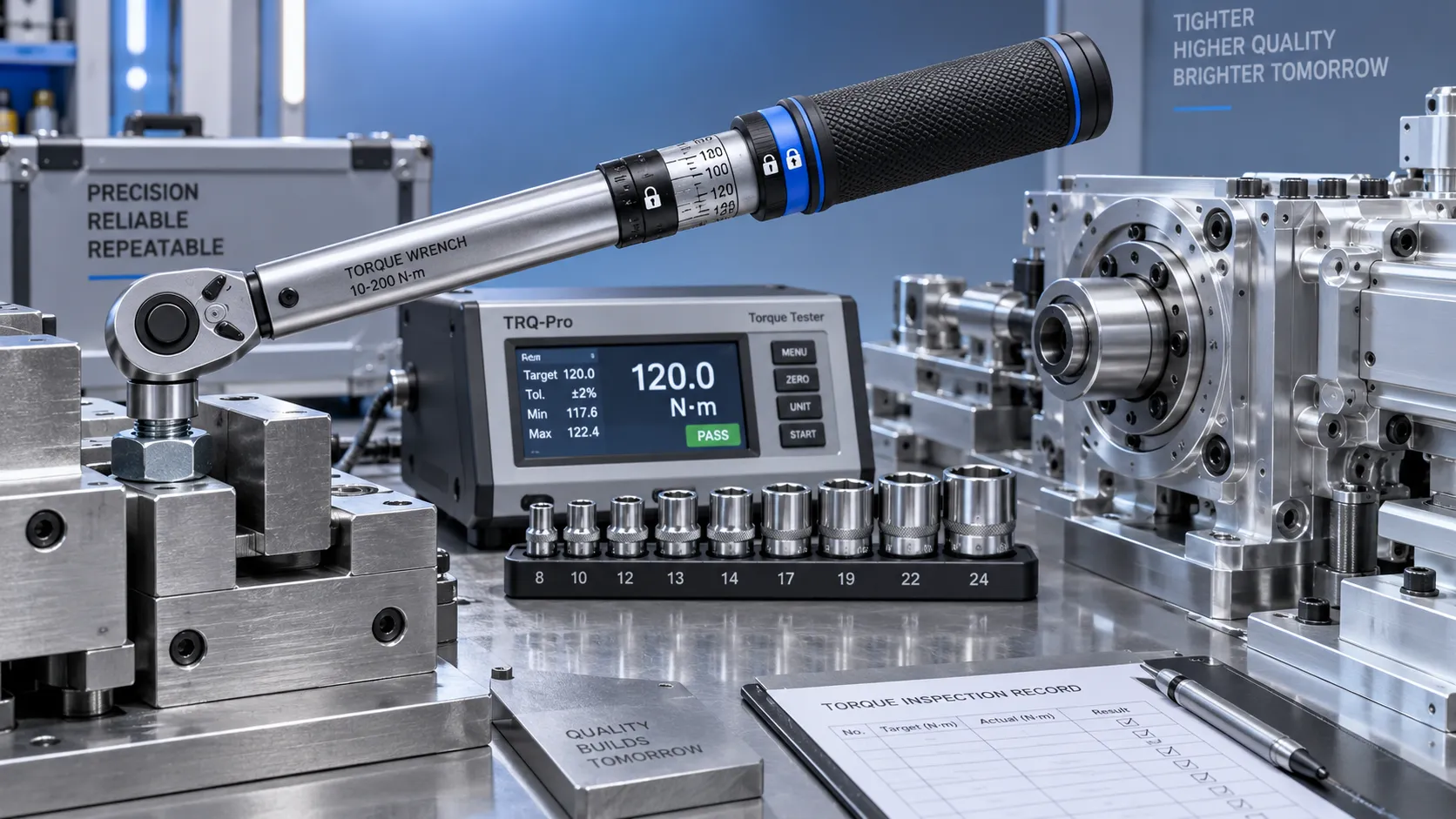
Selecting Adjustable Torque Tools for Repeatable Fastener Assembly
Adjustable torque tools: learn how to match range, accuracy, control methods, calibration, and ergonomics for repeatable, reliable fastener assembly.

How to Select Aerospace Inspection Tools for Aircraft Maintenance Tasks
Aerospace maintenance inspection tools: learn how to select reliable, traceable equipment for aircraft access, accuracy, calibration, and compliant maintenance decisions.

How to Select Wire Bonding Tools for Fine-Pitch Semiconductor Packaging
Explore semiconductor manufacturing tools for wire bonding and learn how to select precision solutions for fine-pitch packaging, reliable loops, accuracy, and yield.
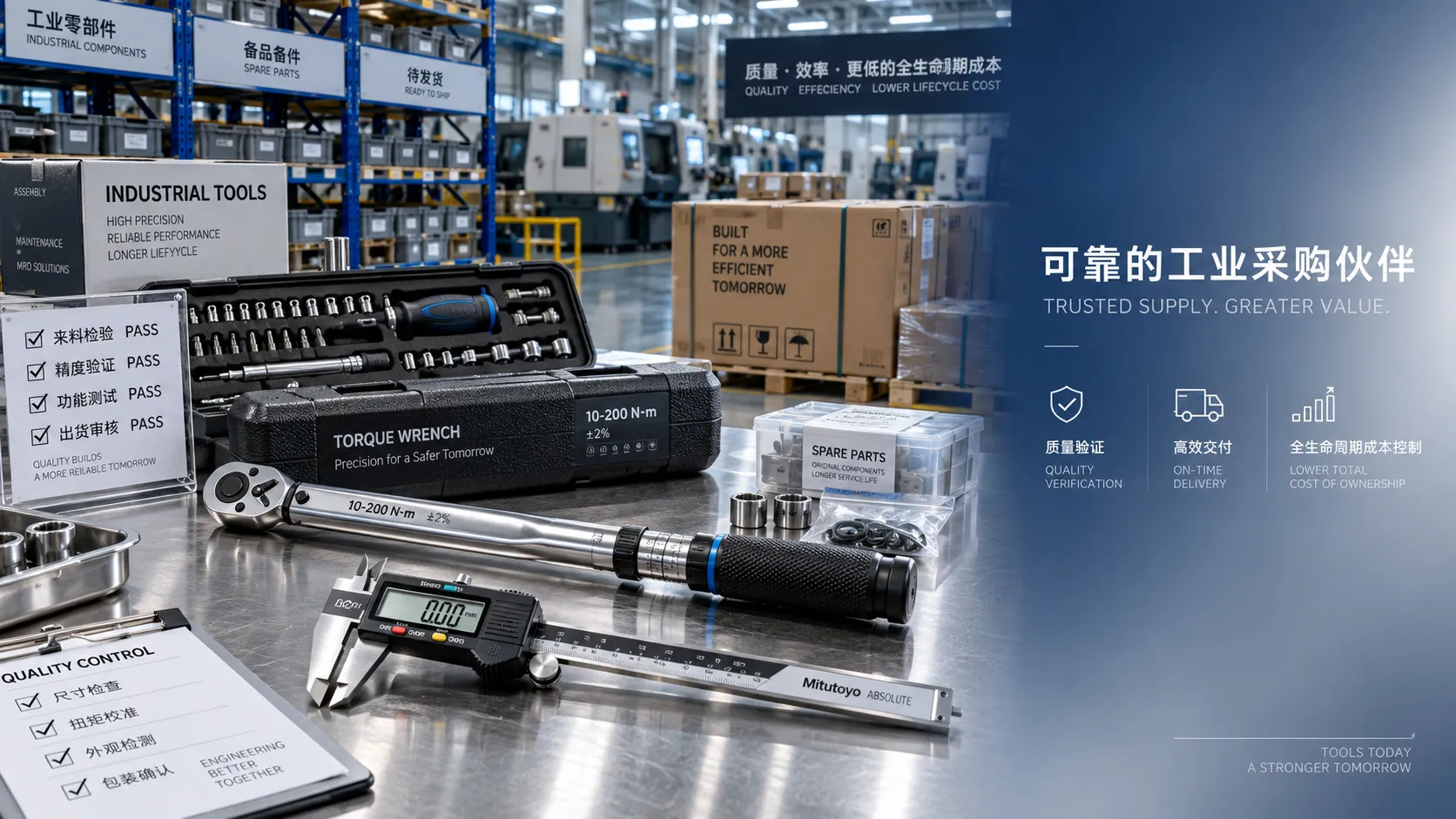
How to Compare Industrial Tool Suppliers for Quality, Lead Time, and Total Cost
Industrial tool selection supplier comparison made simple: evaluate quality, lead times, total cost, service, and supply resilience for confident sourcing decisions.
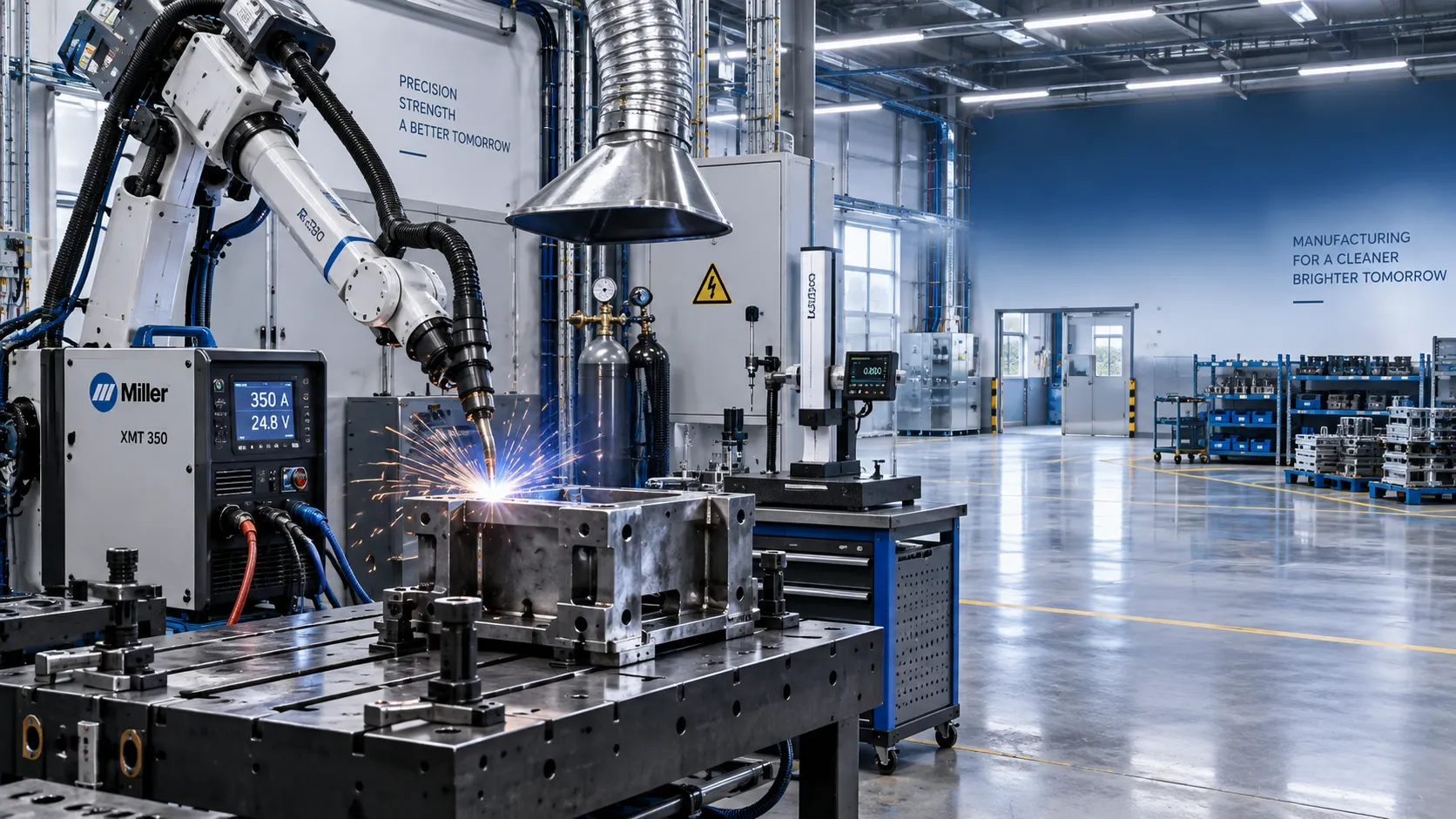
Industrial Equipment Application Guidance: Match Machines to Operating Conditions
Application guidance industrial equipment: match capacity, duty cycle, materials, site conditions, safety, and lifecycle cost to improve reliable output. Read the guide.
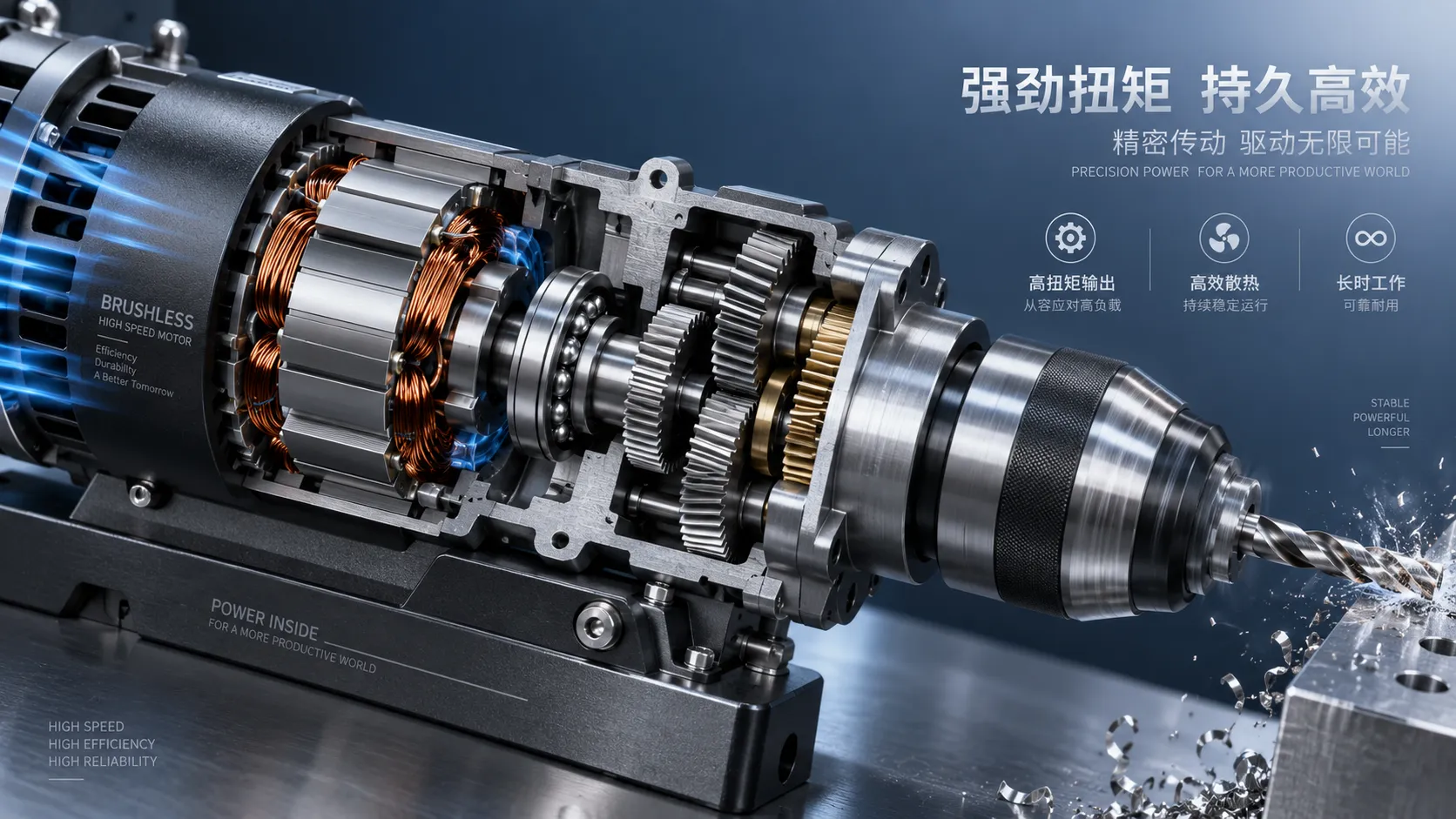
Selecting High-Speed Brushless Tool Motors for Torque, Heat, and Duty Cycle
High speed brushless tool motors: learn how to balance torque, heat, gearing, and duty cycle for reliable industrial tool performance and longer service life.
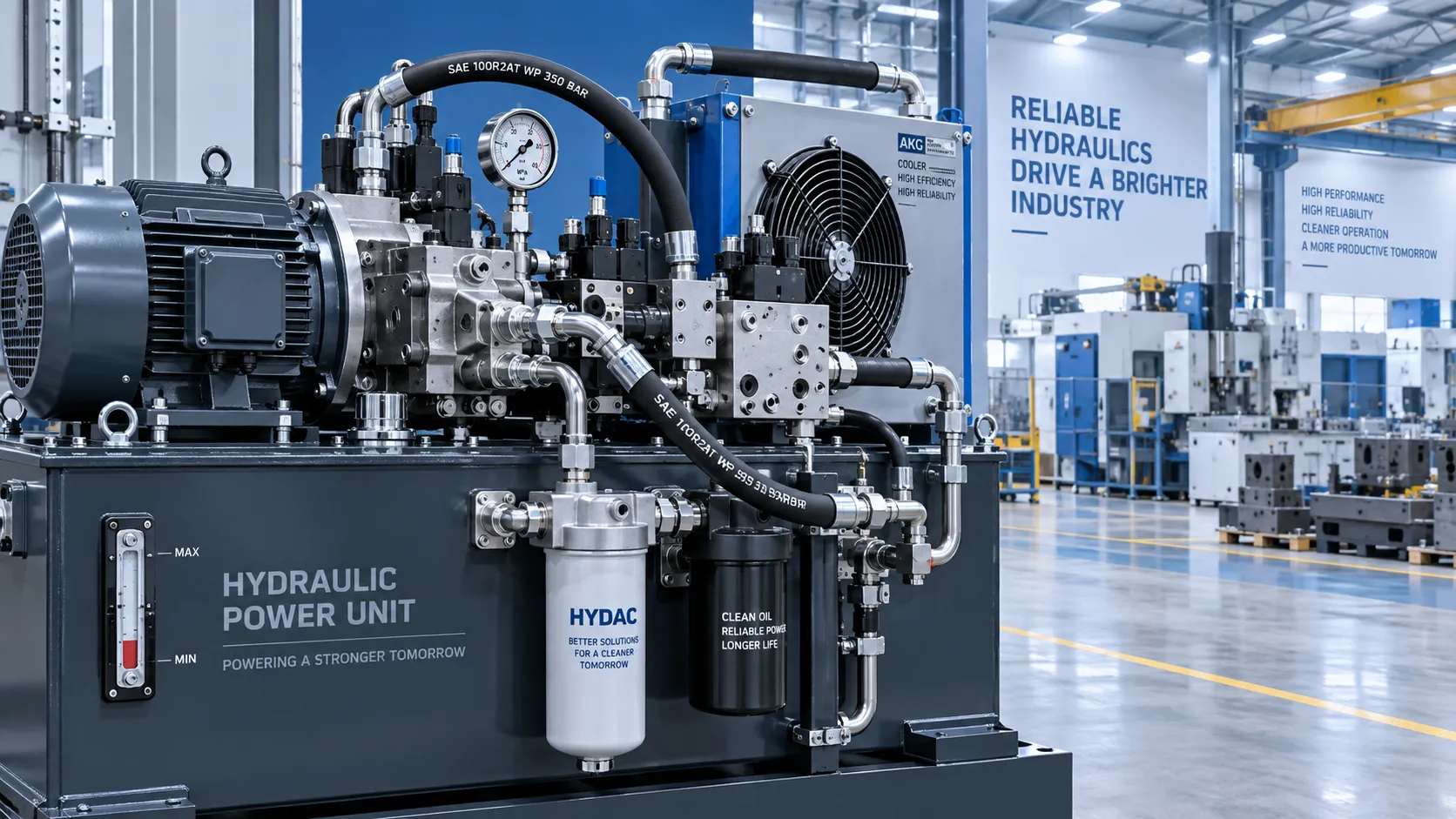
What Determines Industrial Hydraulic System Price for Heavy-Duty Equipment?
Industrial hydraulic system price depends on duty cycle, pressure, components, cooling, and integration. Compare quotes intelligently to secure reliable heavy-duty performance.
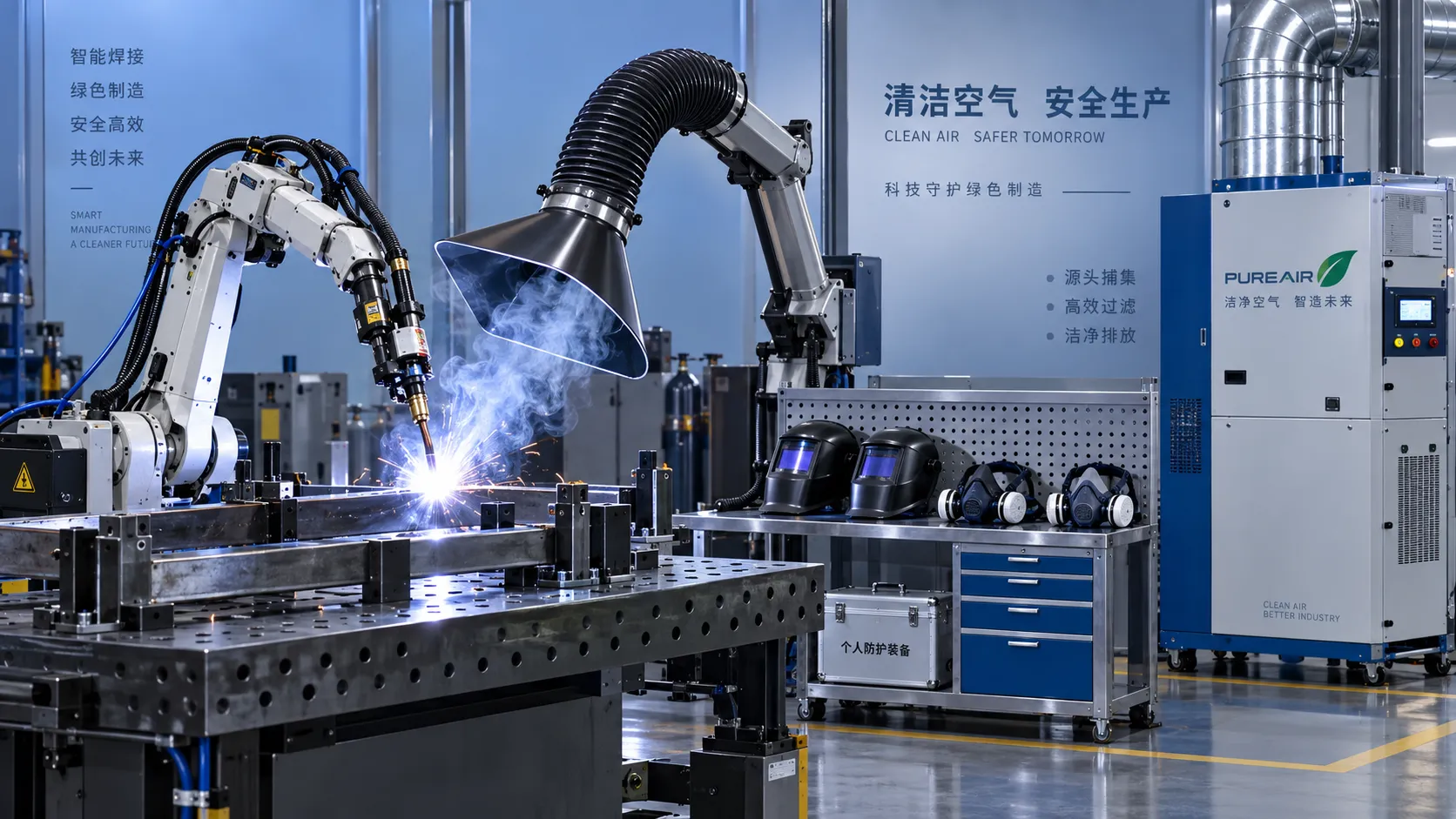
Welding Fume Extraction PPE: When Respirators Are Not Enough for Shop Safety
Welding fume extraction PPE: learn why respirators alone fall short and how source capture, ventilation, and layered controls improve shop safety.
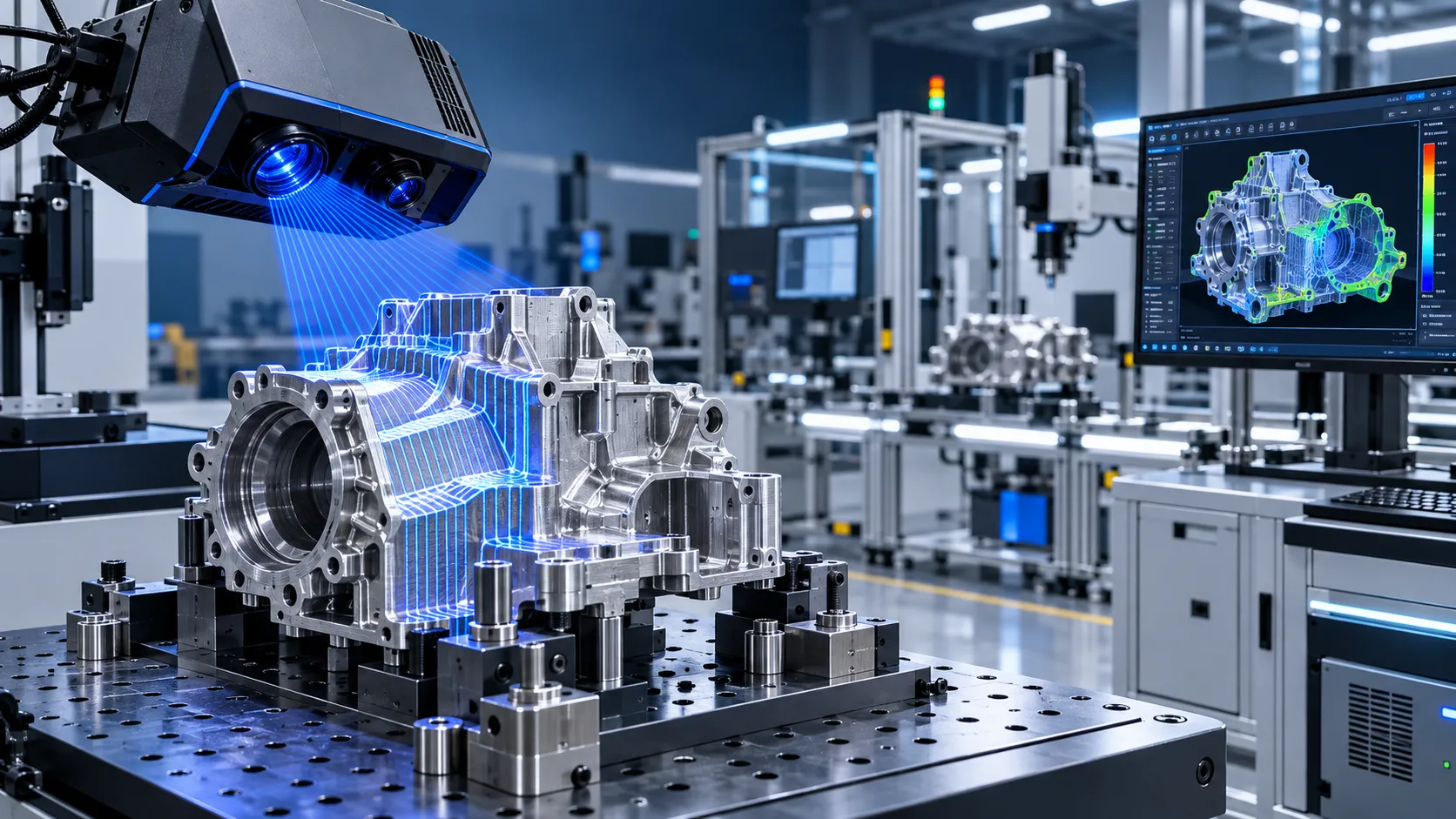
How to Select Optical Metrology Solutions for Tight-Tolerance Manufacturing
Optical industrial metrology solutions for tight-tolerance manufacturing: evaluate accuracy, surface compatibility, workflow, and traceability to select with confidence.
Related News
- 00
0000-00
How Procurement Teams Can Map the Industrial Value Chain to Reduce Supply Risk - 00
0000-00
How Industry Category Guides Help Global Sourcing Teams Compare Suppliers Faster - 00
0000-00
Intelligent Tools in Southeast Asia: Key Market Trends, Buyers, and Supply Chain Shifts - 00
0000-00
Industrial Value Chain Europe: Where Sourcing Risks and Lead-Time Pressure Are Rising - 00
0000-00
North America's Industrial Value Chain: Key Shifts in Sourcing, Labor, and Logistics
Dr. Alistair Vaughn
Weekly Insights
Stay ahead with our curated technology reports delivered every Monday.