
What welding technology upgrades actually reduce rework?





In high-mix manufacturing, rework rarely starts with one failed bead. It usually begins earlier, with unstable fit-up, poor parameter control, or missing feedback from the process.
That is why the most effective welding technology upgrades do more than improve arc performance. They reduce variation, expose hidden defects, and support repeatable execution across changing part types.
For industrial operations tracked by GPTWM, the best investments are the ones that raise first-pass yield, lower repair hours, and protect safety without creating unnecessary complexity.
Which welding technology upgrades reduce rework most directly?
Not every upgrade has the same impact. The strongest improvements target the sources of variation that create inconsistent penetration, distortion, porosity, or missed joint requirements.
In most mixed-production environments, five welding technology upgrades stand out:
- Digital power sources with stored parameter libraries
- Real-time weld monitoring and data logging
- Improved fixturing and fit-up verification tools
- Wire feed and torch systems with better stability
- Low-spatter or laser-assisted joining for suitable applications
These upgrades work because rework often comes from repeatability problems, not just operator skill. A stable process removes guesswork and narrows the acceptable window.
The key lesson is simple. The best welding technology is the one that controls inputs before bad welds travel downstream.
How do digital power sources and parameter control improve first-pass yield?
Modern inverter systems are one of the most practical welding technology upgrades. They improve consistency through waveform control, arc start reliability, and parameter memory.
In high-mix production, operators often switch materials, thicknesses, and joint types. Manual re-entry of settings increases error risk during every changeover.
Stored weld schedules reduce that risk. Qualified settings can be recalled by job, material, or part family, helping maintain approved heat input ranges.
This matters for carbon steel fabrication, stainless assembly, aluminum repair, and maintenance work. Small parameter drift can create undercut, burn-through, lack of fusion, or cosmetic defects.
Advanced waveform control also helps. Controlled transfer modes can lower spatter, stabilize penetration, and reduce cleanup time after welding.
When evaluating this welding technology, focus on measurable outcomes:
- Arc starts that do not contaminate the joint
- Repeatable parameter lockout where needed
- Program traceability for qualified procedures
- Reduced spatter and post-weld grinding
If rework is linked to inconsistent setup, digital parameter control usually provides faster gains than more dramatic equipment changes.
Does weld monitoring and data logging really cut defects?
Yes, when the data is connected to action. Monitoring alone does not improve quality. It becomes valuable when it identifies deviations early and supports corrective decisions.
A common weakness in manual and semi-automatic welding is poor process visibility. Problems may be discovered only after inspection, leak testing, machining, or field use.
That delay makes rework expensive. By then, the part may already include labor, coatings, or additional assembly steps.
Useful welding technology platforms log current, voltage, wire feed speed, travel stability, and sometimes operator identification. Better systems compare actual values to target windows.
When values move outside range, teams can investigate the true source. It may be contact tip wear, grounding issues, gas flow instability, or improper torch angle.
This reduces repeated troubleshooting and prevents the same defect from appearing across multiple parts.
For regulated or traceability-heavy work, this welding technology also supports documentation. That can reduce disputes over whether process conditions stayed inside qualified limits.
Why do fixturing, fit-up control, and measurement tools matter as much as the welder?
Because many welding defects are symptoms of poor preparation. No power source can fully compensate for gaps, misalignment, contamination, or unstable part position.
This is where welding technology overlaps with precision metrology. Better gauges, joint preparation checks, and fixture repeatability often remove rework before arc time begins.
In fabricated structures, recurring issues often include shifting components, inconsistent root opening, and angle variation between batches. These conditions force constant adjustment during welding.
That extra adjustment increases defect risk and extends cycle time. It also makes quality depend too heavily on individual correction skill.
High-value upgrades may include modular fixtures, digital measuring tools, tack sequence controls, and pre-weld verification checkpoints. These are not glamorous, but they often beat larger capital purchases.
A practical sequence is useful:
- Confirm joint geometry before welding starts
- Use fixtures that resist thermal movement
- Verify cleanliness, clamping, and root conditions
- Release parts only after critical dimensions pass
When rework comes from distortion or mismatch, this form of welding technology usually gives the highest return with the lowest disruption.
Are laser, low-spatter, and automated processes always better for reducing rework?
Not always. They can be excellent, but only when matched to joint design, volume, material condition, and safety readiness.
Handheld laser systems, for example, may reduce heat input and post-weld finishing on thin materials. However, they demand strict process discipline and robust safety controls.
If gap control is poor, the expected benefit may disappear. Laser-based welding technology is less forgiving than some conventional processes in variable fit-up conditions.
Low-spatter GMAW modes can be a better upgrade for many facilities. They reduce cleanup labor while keeping process familiarity high.
Collaborative or robotic welding can also lower rework. Yet automation only repeats the process it receives. Bad joints become consistently bad joints.
Use this comparison when reviewing options:
The right welding technology should reduce correction effort without increasing hidden process risk.
What implementation mistakes cancel out the benefits of welding technology upgrades?
The most common mistake is buying advanced equipment before fixing process basics. Rework does not disappear just because the machine is newer.
Another mistake is treating all defects as welding defects. Some are actually drawing issues, material variation, poor prep, or dimensional problems.
Training gaps also matter. New welding technology changes setup logic, maintenance routines, and inspection expectations. Without support, variation can increase during transition.
Several warning signs deserve attention:
- No baseline defect data before the upgrade
- No link between weld data and root-cause review
- Qualified procedures not updated for new settings
- Fixture variation left unresolved
- Consumable and maintenance practices ignored
Effective rollout starts with one family of parts, one known defect cluster, and one measurable target. That keeps the value of the welding technology visible.
How should operations decide which welding technology upgrade to adopt first?
Start with the defect that consumes the most labor, delay, or scrap cost. The first upgrade should attack the largest repeatable source of loss.
If defects come from setup inconsistency, choose digital parameter management. If defects appear after inspection, choose process monitoring and traceability.
If distortion, mismatch, or root gap drives repairs, improve fixtures and metrology first. If cleanup dominates, consider low-spatter transfer modes or improved torch systems.
A simple decision table helps prioritize:
The best welding technology upgrade is rarely the most expensive one. It is the one that removes the biggest cause of preventable variation.
For practical next steps, document top rework modes, map where they originate, then test one targeted upgrade on a controlled product group. That approach turns welding technology from a purchase into a measurable quality strategy.
Related News
Selecting Adjustable Torque Tools for Repeatable Fastener Assembly
Adjustable torque tools: learn how to match range, accuracy, control methods, calibration, and ergonomics for repeatable, reliable fastener assembly.
How to Select Aerospace Inspection Tools for Aircraft Maintenance Tasks
Aerospace maintenance inspection tools: learn how to select reliable, traceable equipment for aircraft access, accuracy, calibration, and compliant maintenance decisions.
How to Select Wire Bonding Tools for Fine-Pitch Semiconductor Packaging
Explore semiconductor manufacturing tools for wire bonding and learn how to select precision solutions for fine-pitch packaging, reliable loops, accuracy, and yield.
How to Compare Industrial Tool Suppliers for Quality, Lead Time, and Total Cost
Industrial tool selection supplier comparison made simple: evaluate quality, lead times, total cost, service, and supply resilience for confident sourcing decisions.
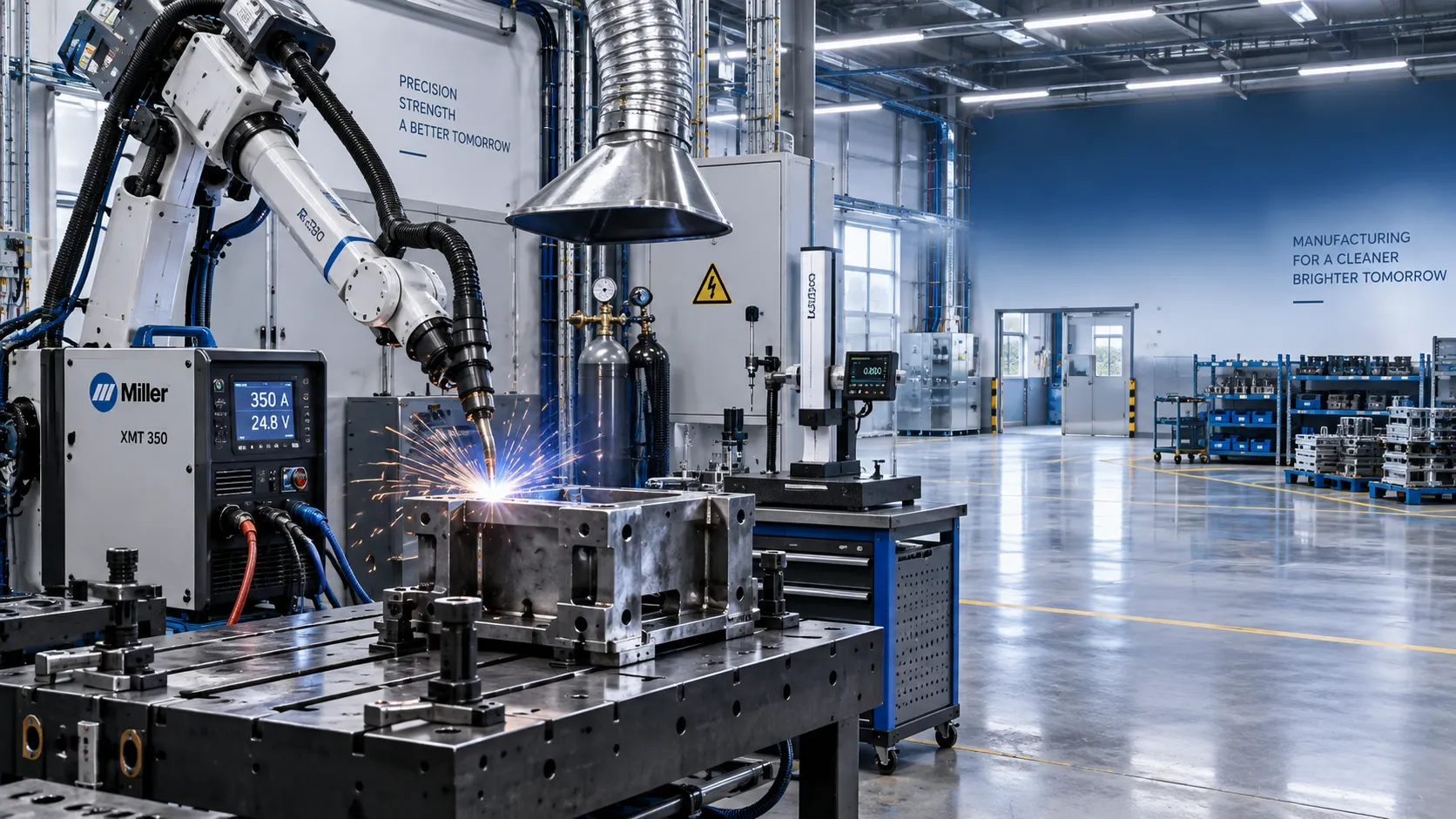
Industrial Equipment Application Guidance: Match Machines to Operating Conditions
Application guidance industrial equipment: match capacity, duty cycle, materials, site conditions, safety, and lifecycle cost to improve reliable output. Read the guide.
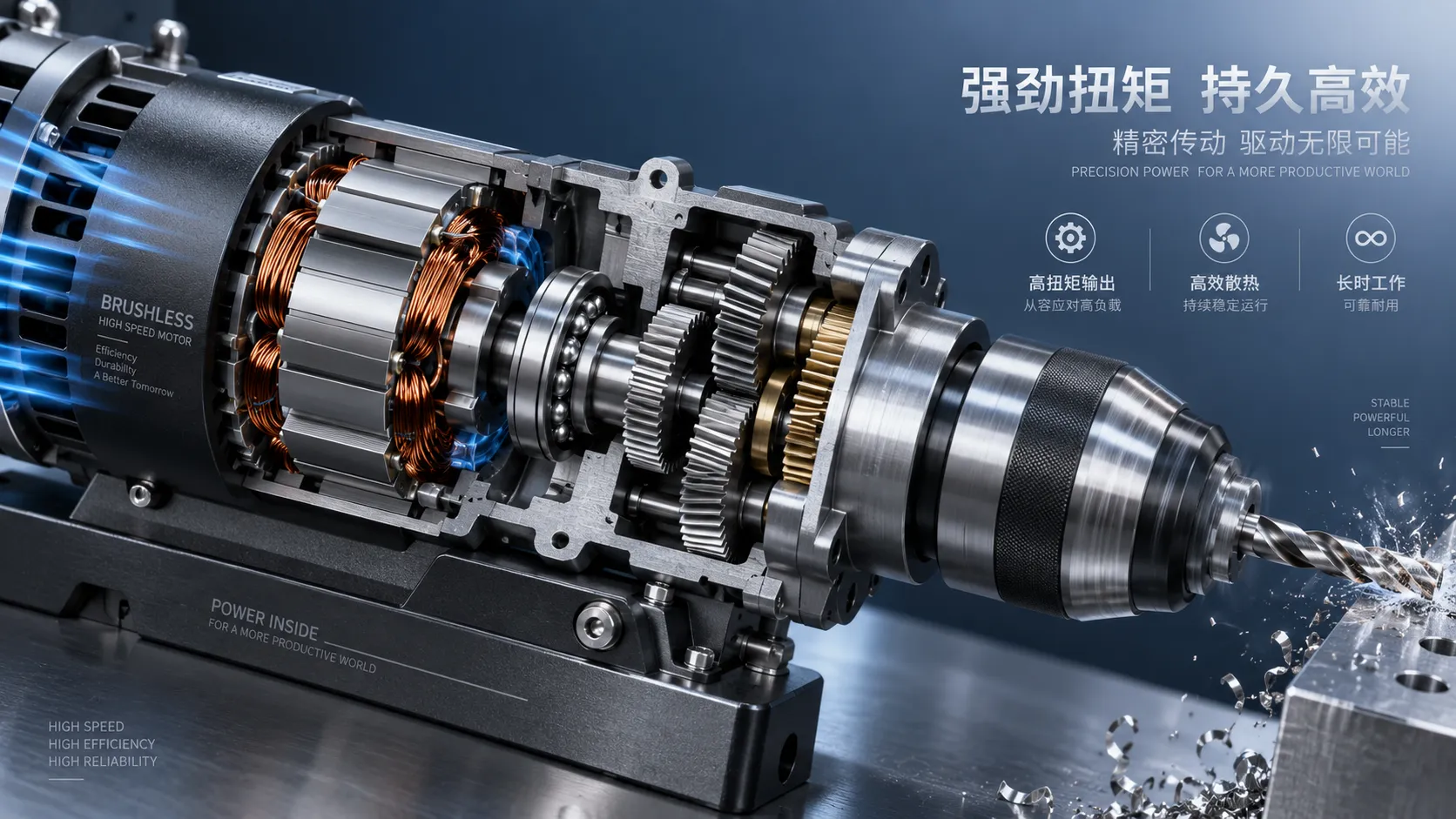
Selecting High-Speed Brushless Tool Motors for Torque, Heat, and Duty Cycle
High speed brushless tool motors: learn how to balance torque, heat, gearing, and duty cycle for reliable industrial tool performance and longer service life.
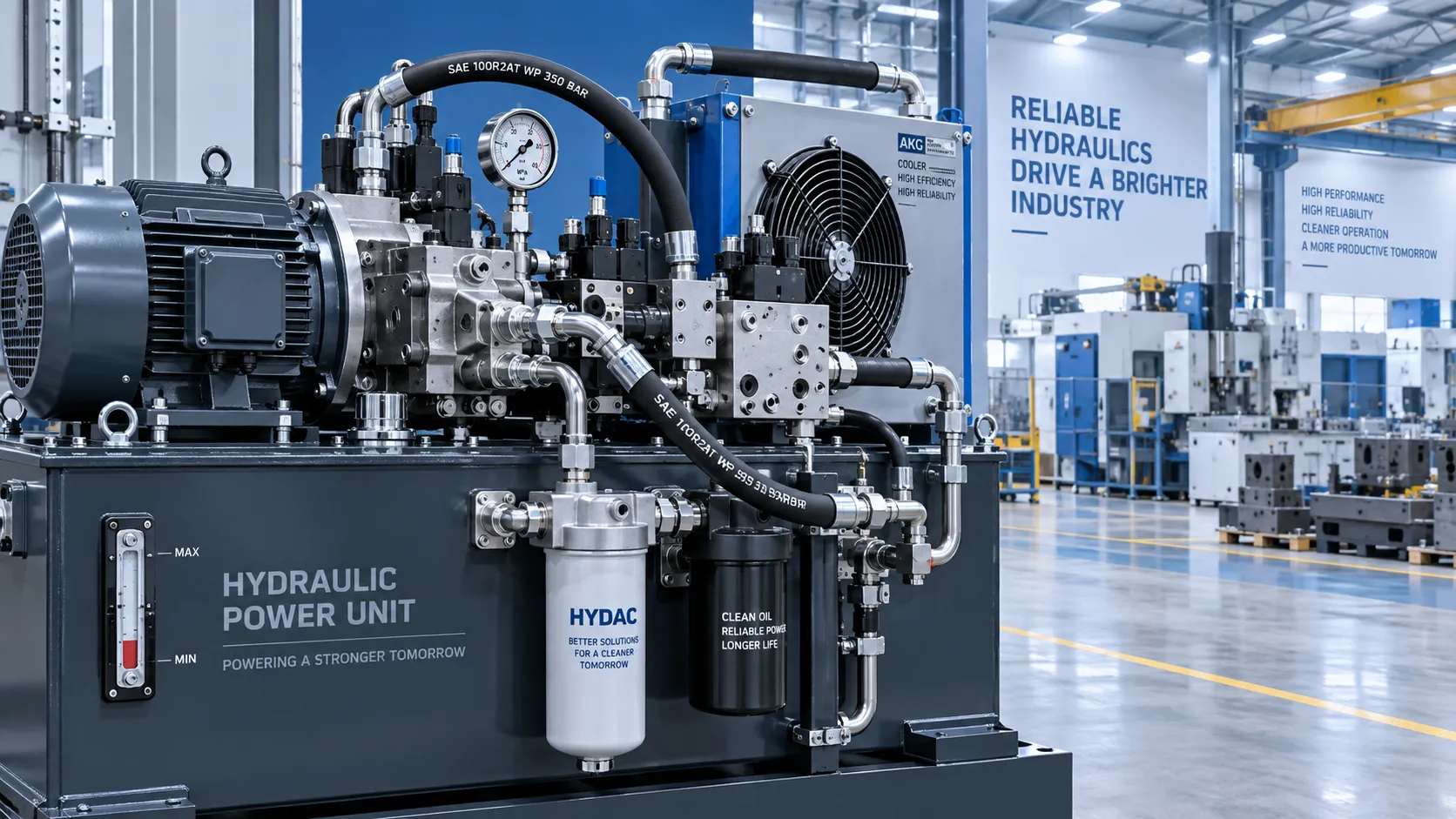
What Determines Industrial Hydraulic System Price for Heavy-Duty Equipment?
Industrial hydraulic system price depends on duty cycle, pressure, components, cooling, and integration. Compare quotes intelligently to secure reliable heavy-duty performance.
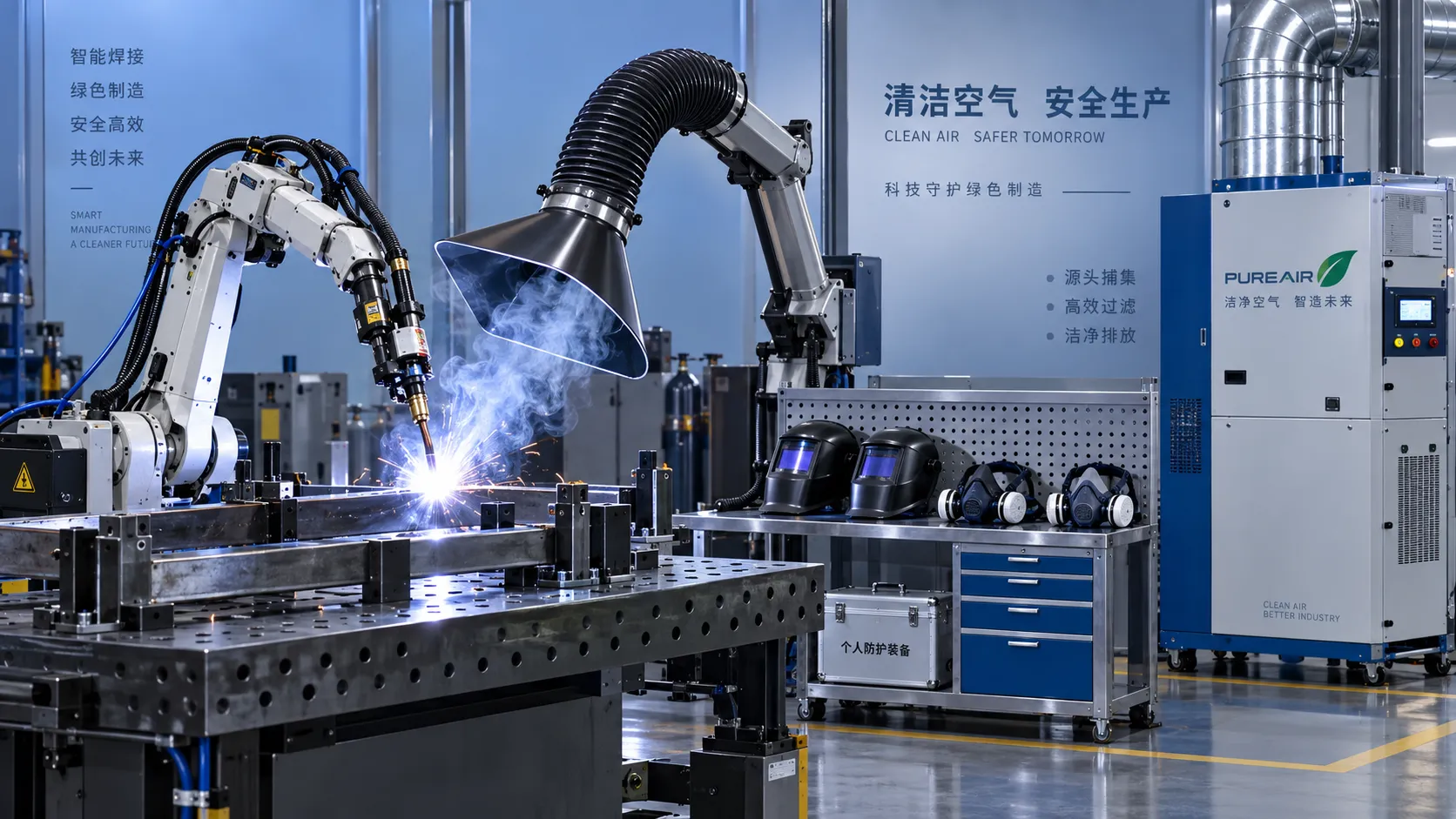
Welding Fume Extraction PPE: When Respirators Are Not Enough for Shop Safety
Welding fume extraction PPE: learn why respirators alone fall short and how source capture, ventilation, and layered controls improve shop safety.
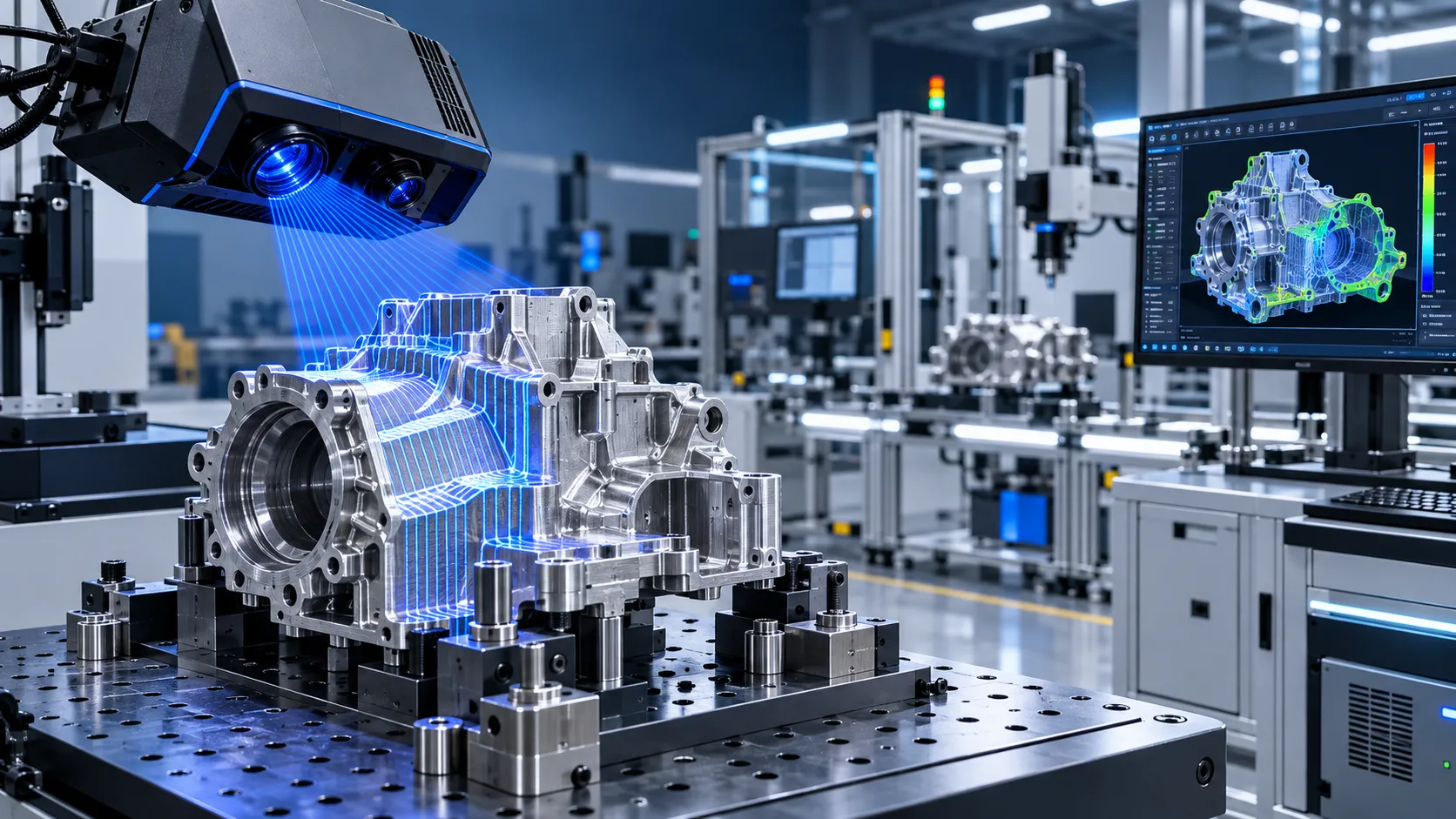
How to Select Optical Metrology Solutions for Tight-Tolerance Manufacturing
Optical industrial metrology solutions for tight-tolerance manufacturing: evaluate accuracy, surface compatibility, workflow, and traceability to select with confidence.
Related News
- 00
0000-00
Welding Fume Extraction PPE: When Respirators Are Not Enough for Shop Safety - 00
0000-00
Which ANSI Standards Apply to Welding Equipment in Industrial Fabrication? - 00
0000-00
How Energy-Efficient Welding Equipment Cuts Power Use in High-Volume Fabrication - 00
0000-00
Which ISO Standards Govern Welding Technology Quality Control and Qualification? - 00
0000-00
North American Welding Innovations Reshaping Automation, Quality, and Labor Productivity
Welding Metallurgy Expert
Weekly Insights
Stay ahead with our curated technology reports delivered every Monday.