
What tool intellectualization changes in daily operations





From assembly lines to maintenance sites, tool intellectualization is changing how daily work gets done. Smart torque systems, connected gauges, and intelligent welding tools now support safer, faster, and more consistent operations.
This shift matters across the comprehensive industrial landscape. It affects output quality, operator behavior, maintenance planning, traceability, and training. Tool intellectualization is no longer experimental. It is becoming a practical operating standard.
For platforms such as GPTWM, the topic is especially important because the last mile of manufacturing often determines value. Precision tools, welding systems, and metrology devices increasingly connect craftsmanship with industrial intelligence.
Tool intellectualization is moving from upgrade option to daily operating baseline
Several years ago, tool intellectualization sounded like a premium feature. Today, it is entering routine workflows. Plants and field teams use smart tools to reduce variation, document work, and react faster to production changes.
The strongest trend signal is integration. A torque wrench no longer only tightens. A measuring tool no longer only reads. A welding unit no longer only joins metal. Each tool can now collect, verify, and transmit data.
Another signal is usability. Early smart systems were complex and expensive. Newer devices offer clearer screens, guided prompts, wireless syncing, and simpler calibration routines. This makes tool intellectualization easier to adopt in everyday conditions.
A third signal is accountability. More operations require proof of process quality. Smart tools help create digital records for torque, temperature, dimensions, cycle counts, and operator actions without slowing the job.
Why tool intellectualization is accelerating across industrial environments
The momentum behind tool intellectualization comes from both pressure and opportunity. Labor shortages, quality demands, and safety expectations push companies to work differently. At the same time, sensor costs and connectivity options are improving.
Industrial buyers also expect more from equipment investments. They want tools that perform a task and also generate usable intelligence. That expectation directly supports the rise of tool intellectualization in general operations.
Digital records are becoming as valuable as physical performance
In many environments, undocumented work is becoming a risk. A smart fastening tool can confirm each torque event. A connected caliper can save measurements automatically. An intelligent welding system can log parameters for later review.
These capabilities turn tool intellectualization into an operational control method, not just a hardware upgrade. The tool becomes part of the decision chain.
How tool intellectualization changes daily tasks on the floor and in the field
The most visible change is fewer manual judgments. Operators still rely on experience, but intelligent tools provide prompts, limits, and confirmation. This reduces uncertainty during repetitive, high-precision, or safety-critical tasks.
Tool intellectualization also improves tempo. Teams spend less time on manual recording, troubleshooting, and secondary verification. Instead of stopping to interpret issues later, they can correct them during the operation.
- Assembly work becomes more repeatable through torque guidance and pass/fail alerts.
- Inspection becomes faster with direct measurement capture and tolerance comparison.
- Welding becomes safer with monitored output, usage logs, and parameter consistency.
- Maintenance becomes more predictive through cycle counts, battery health, and wear data.
This is especially valuable in mixed industrial settings where work conditions vary. Tool intellectualization helps maintain process discipline even when product types, shift experience, or site conditions change.
Speed improves because error correction moves upstream
Traditional operations often detect errors after completion. Smart tools catch issues earlier. If torque is outside limits, the tool alerts immediately. If a weld setting drifts, the system flags it before defects spread.
That upstream correction is one of the biggest practical benefits of tool intellectualization. It protects schedules and improves confidence in output.
The impact reaches quality, safety, maintenance, and workforce capability
Tool intellectualization affects more than the person holding the device. It changes how quality teams validate work, how maintenance teams plan service, and how supervisors understand process stability.
In quality control, intelligent tools reduce dependence on handwritten records and delayed audits. In safety, smart warnings support correct use in welding, fastening, cutting, and measuring activities.
Workforce capability changes as well. Tool intellectualization does not replace skill. It amplifies it. Experienced workers gain better visibility, while newer workers receive operational guidance at the moment of use.
What deserves attention before expanding tool intellectualization
Not every smart tool creates equal value. Successful adoption depends on selecting the right use cases and connecting the data to action. A disconnected smart device can become an expensive screen instead of a productivity asset.
- Prioritize high-error or high-risk tasks first.
- Check whether captured data fits existing quality or maintenance workflows.
- Evaluate battery life, ruggedness, and calibration needs for real operating conditions.
- Confirm cybersecurity and access control for connected devices.
- Measure operator acceptance, not only technical specifications.
It is also important to distinguish useful intelligence from excessive complexity. Tool intellectualization should simplify decisions, not overload teams with alerts, dashboards, and low-value metrics.
A phased rollout usually works better than full replacement
The best results often come from a staged approach. Start with one fastening line, one inspection cell, or one welding process. Use measurable results to guide broader deployment.
A practical path for responding to the tool intellectualization trend
A clear response plan helps turn interest into operational value. The goal is not to digitize everything at once. The goal is to improve decisions at points where accuracy, speed, and traceability matter most.
- Map tasks with the highest quality risk or rework cost.
- Identify where smart torque, connected metrology, or intelligent welding offers immediate gains.
- Define success metrics such as error reduction, cycle time, and record completeness.
- Train users on both operation and interpretation of generated data.
- Review results regularly and refine standards, alerts, and workflows.
For organizations following industrial intelligence through GPTWM, the lesson is clear. Tool intellectualization is not only about smarter equipment. It is about creating a stronger link between hands-on execution and informed control.
The next step is practical observation. Review where errors repeat, where documentation slows work, and where safety depends on precise settings. Those points often reveal the strongest return from tool intellectualization.
As industrial environments continue to value precision foundations and digital visibility, tool intellectualization will keep shaping daily operations. The teams that respond early will likely gain faster feedback, steadier quality, and more resilient workflows.
Related News
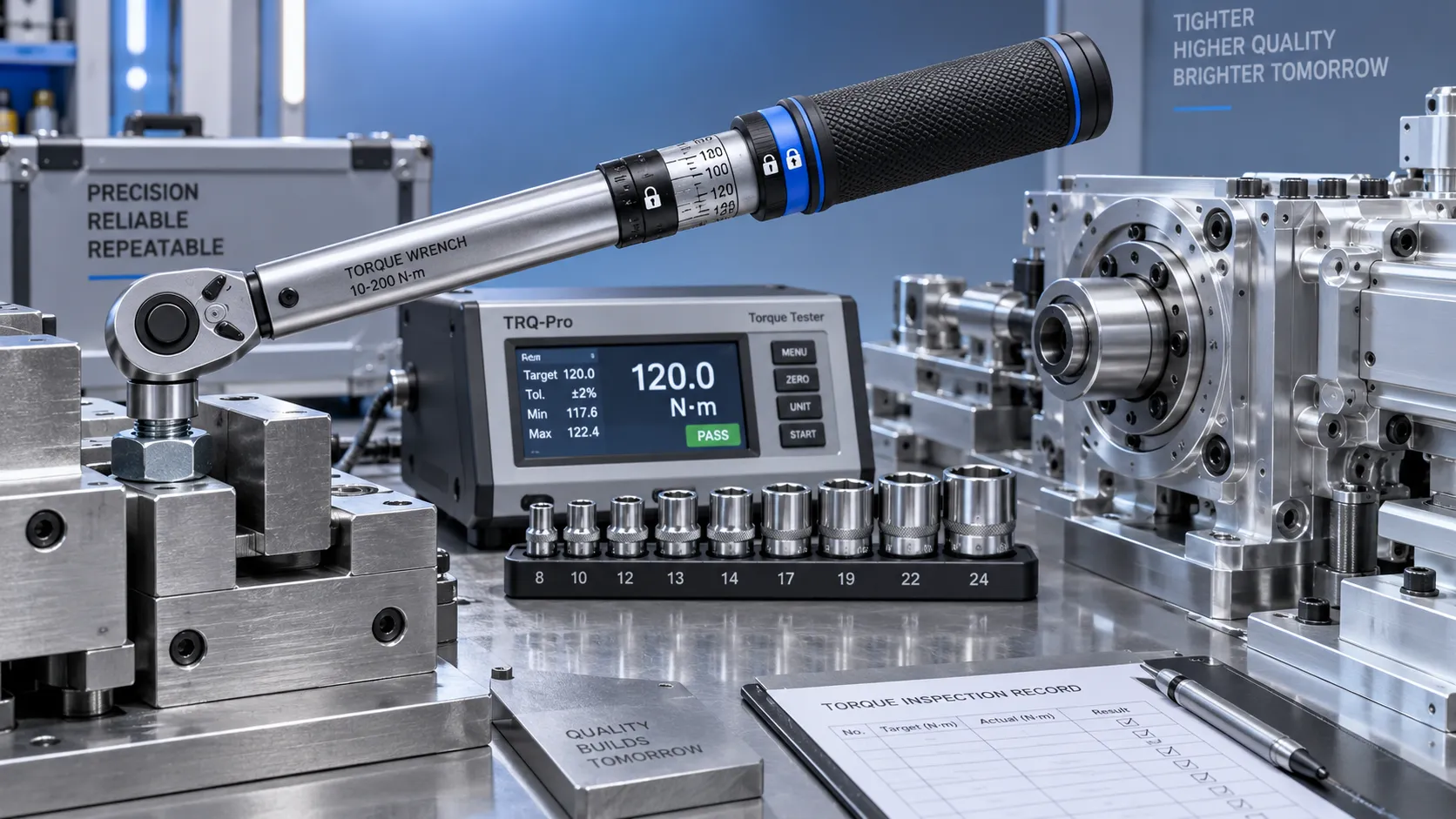
Selecting Adjustable Torque Tools for Repeatable Fastener Assembly
Adjustable torque tools: learn how to match range, accuracy, control methods, calibration, and ergonomics for repeatable, reliable fastener assembly.
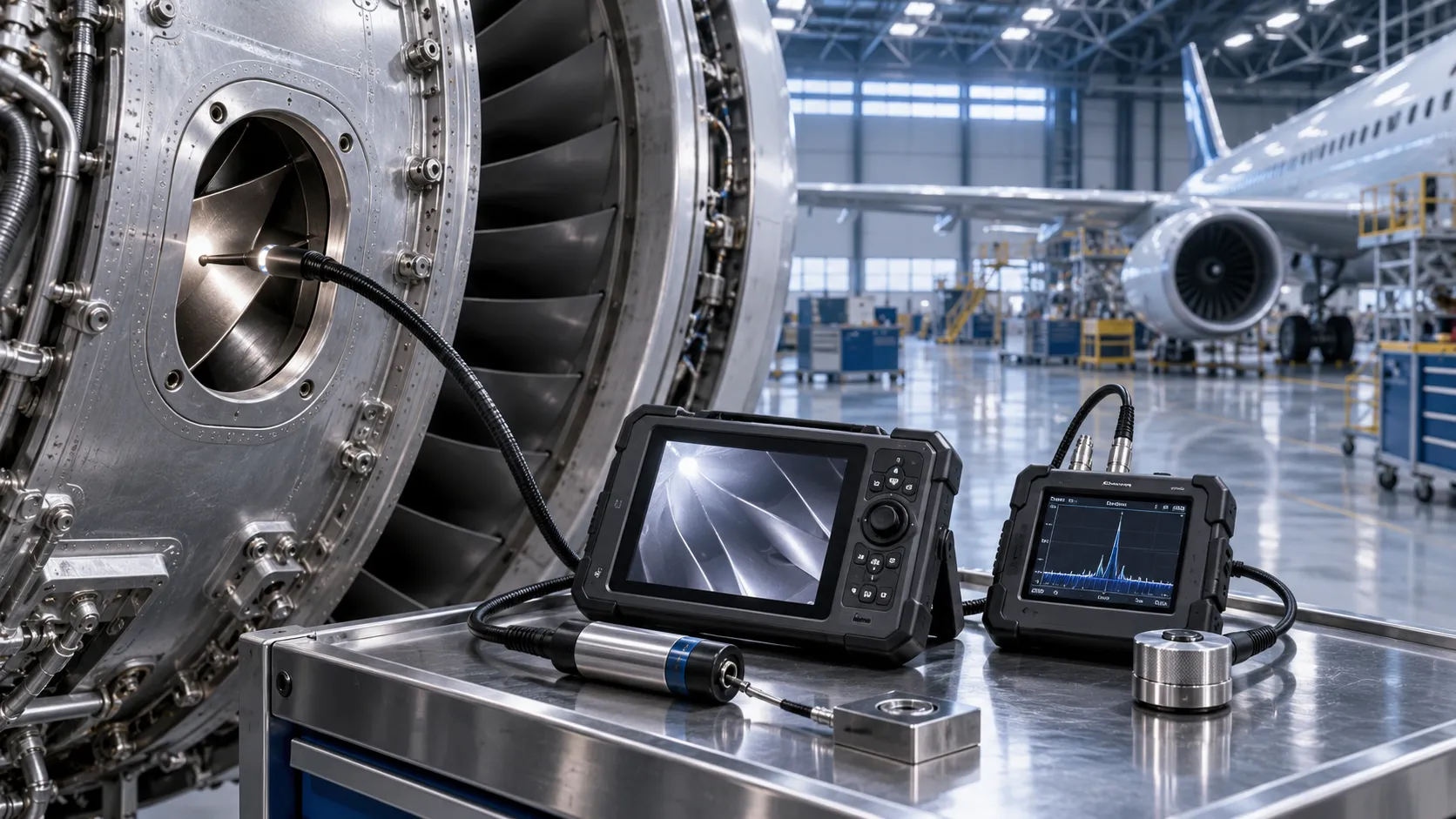
How to Select Aerospace Inspection Tools for Aircraft Maintenance Tasks
Aerospace maintenance inspection tools: learn how to select reliable, traceable equipment for aircraft access, accuracy, calibration, and compliant maintenance decisions.
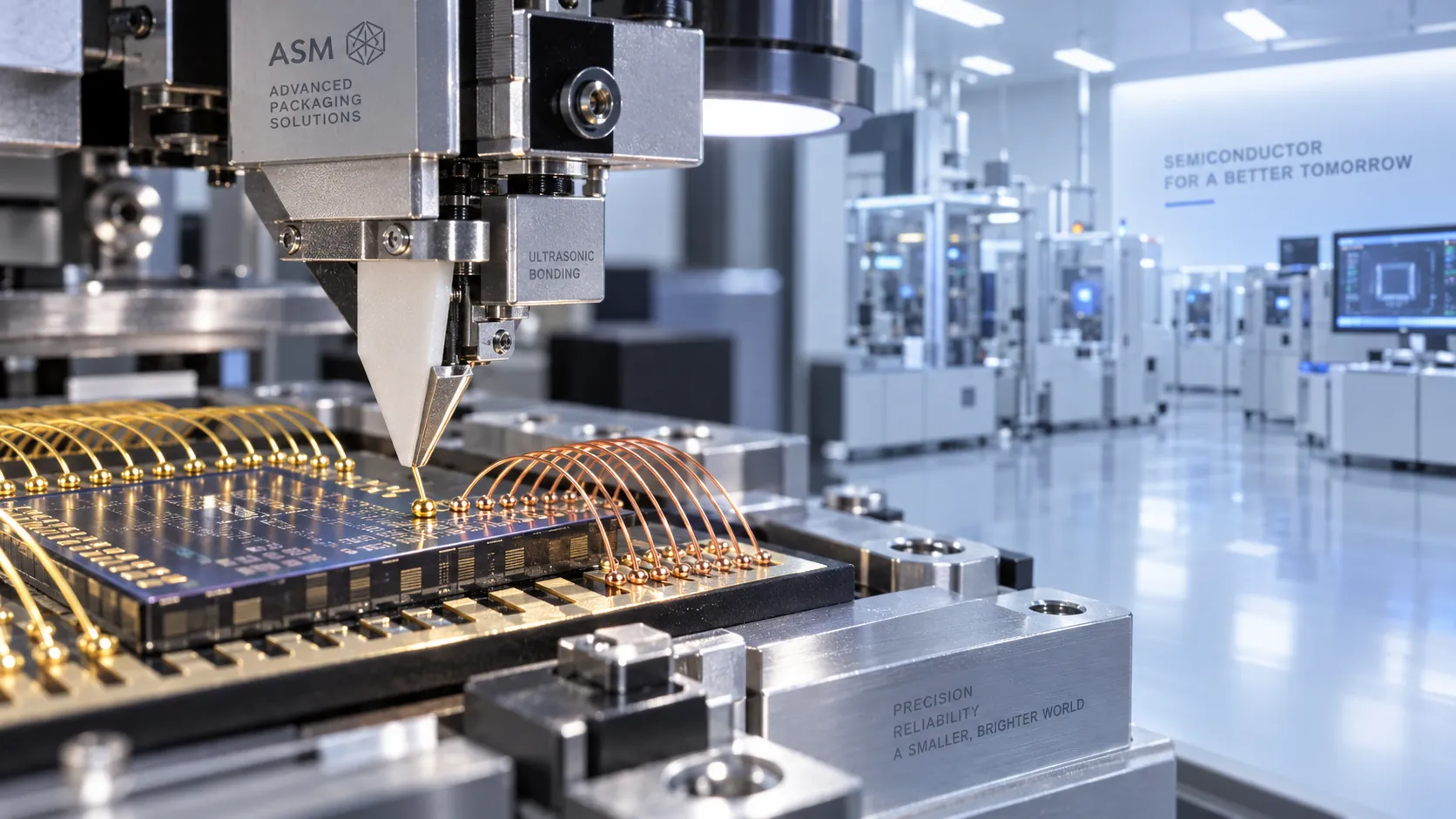
How to Select Wire Bonding Tools for Fine-Pitch Semiconductor Packaging
Explore semiconductor manufacturing tools for wire bonding and learn how to select precision solutions for fine-pitch packaging, reliable loops, accuracy, and yield.
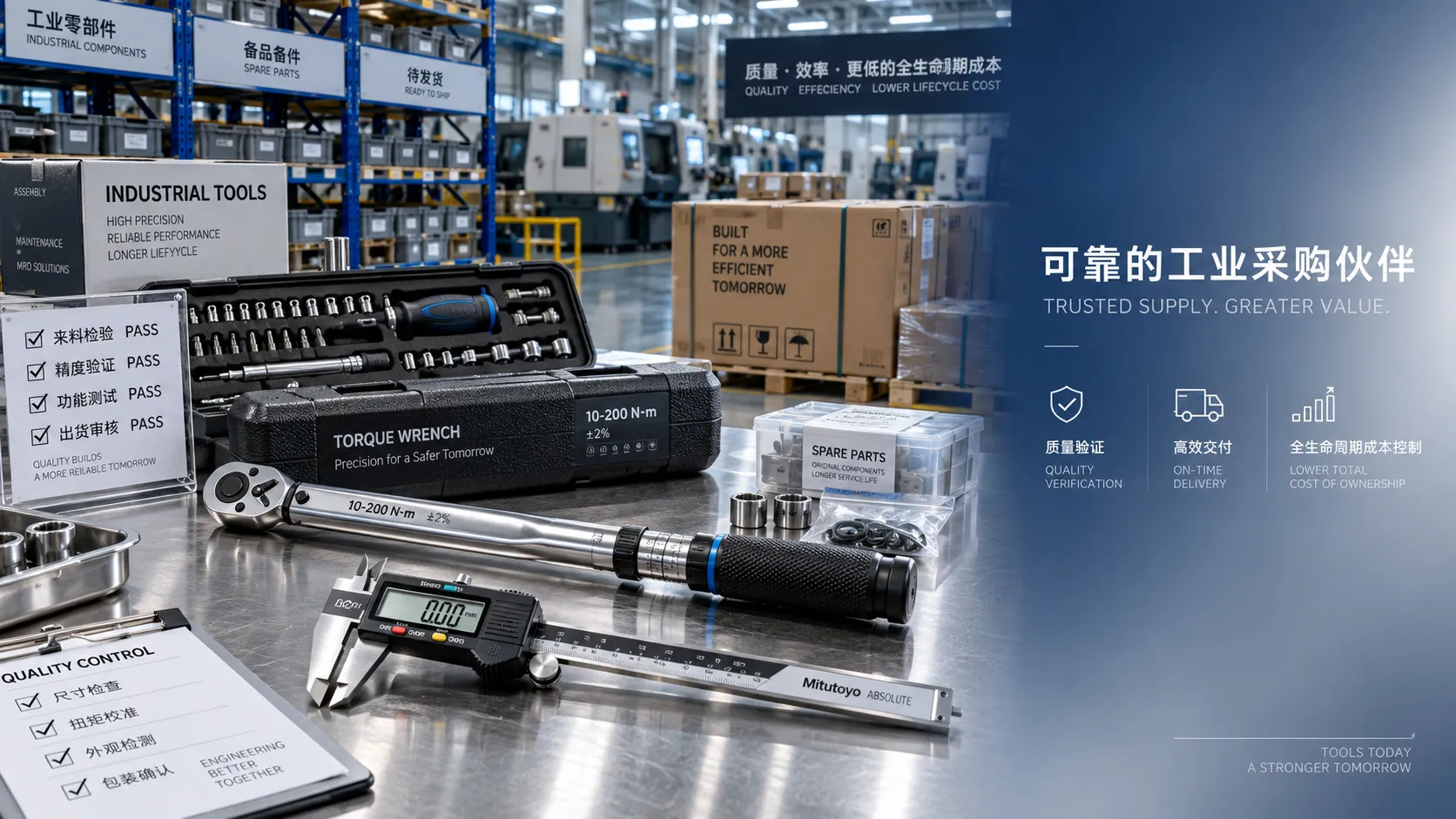
How to Compare Industrial Tool Suppliers for Quality, Lead Time, and Total Cost
Industrial tool selection supplier comparison made simple: evaluate quality, lead times, total cost, service, and supply resilience for confident sourcing decisions.
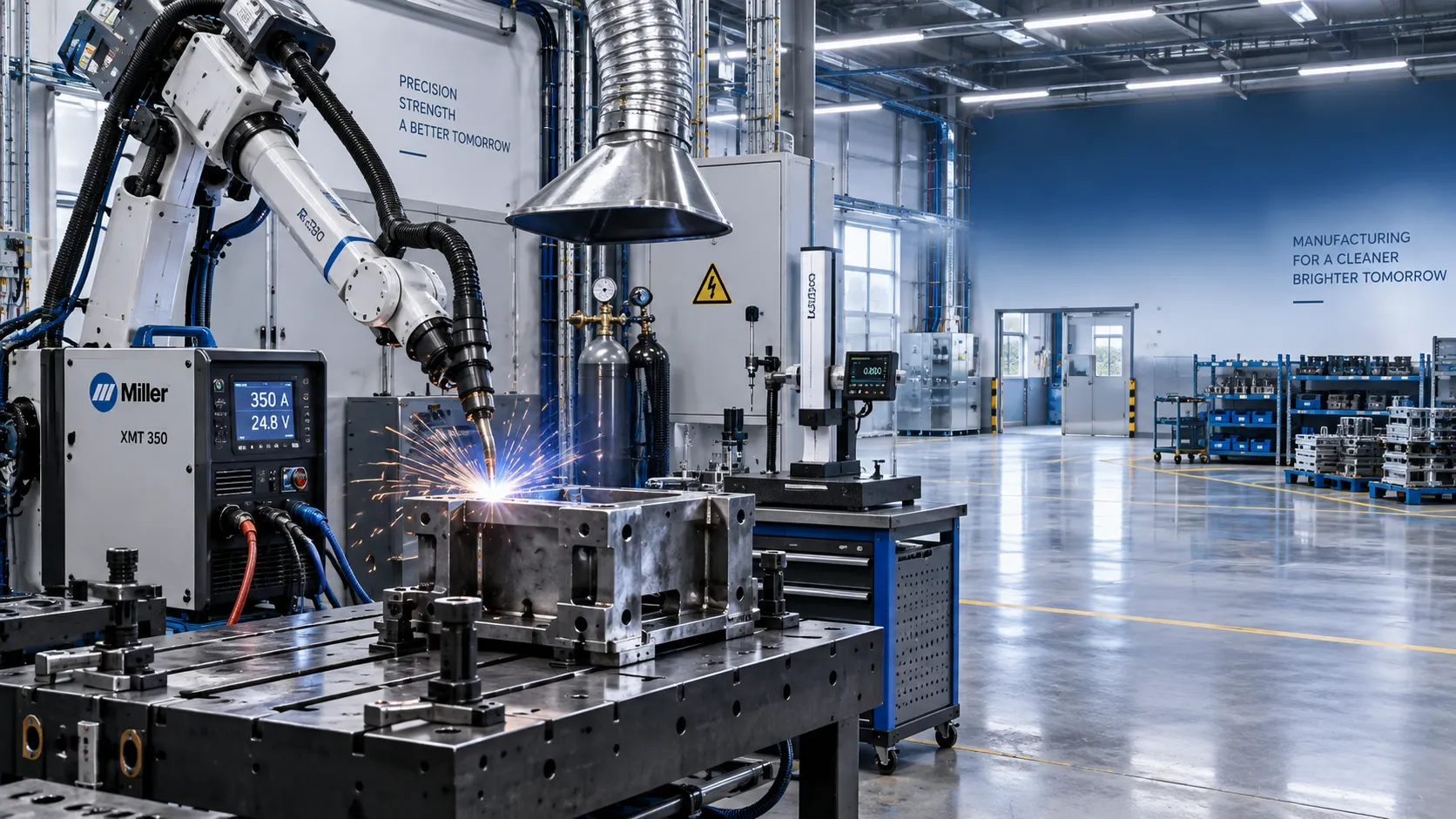
Industrial Equipment Application Guidance: Match Machines to Operating Conditions
Application guidance industrial equipment: match capacity, duty cycle, materials, site conditions, safety, and lifecycle cost to improve reliable output. Read the guide.
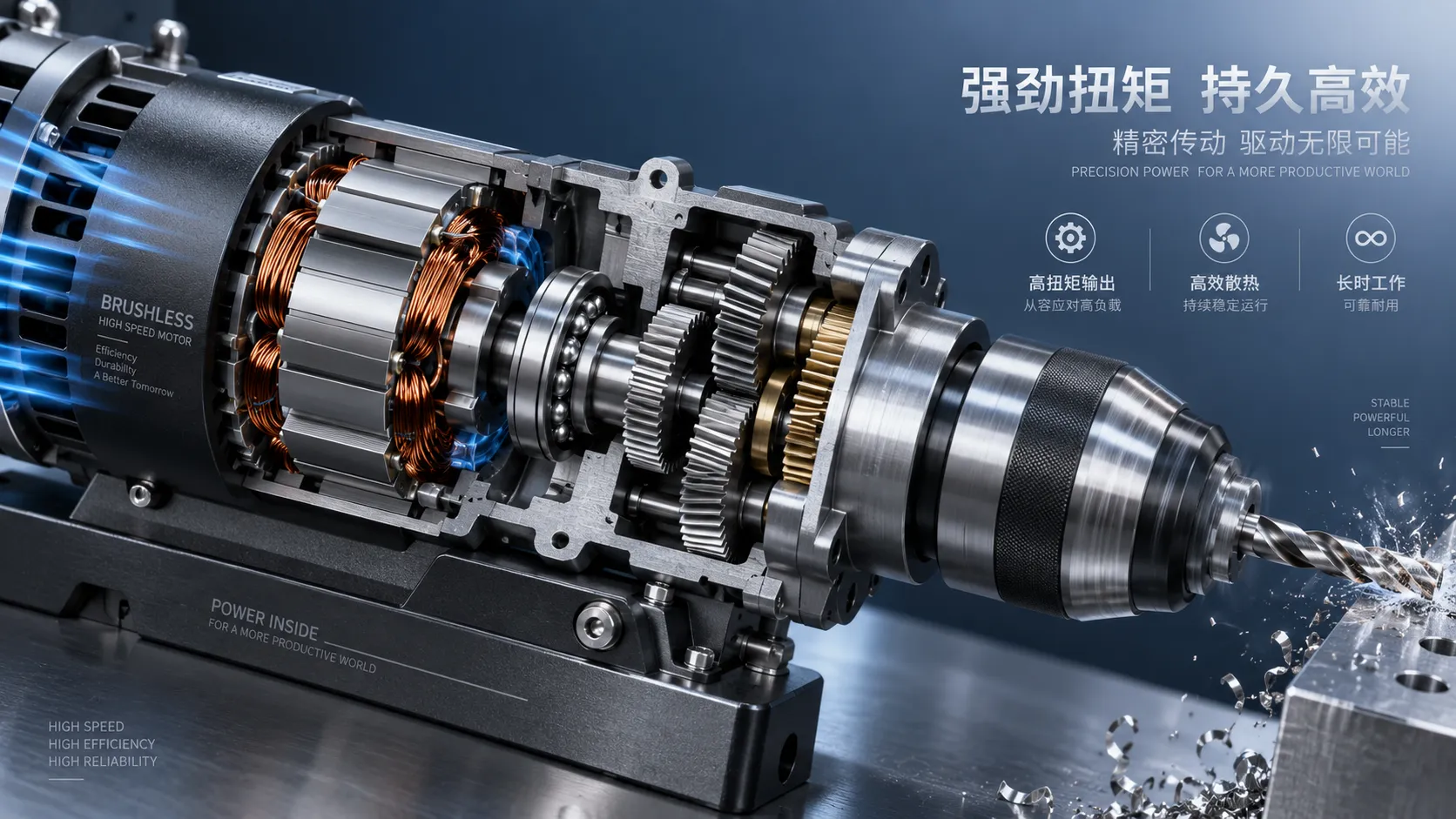
Selecting High-Speed Brushless Tool Motors for Torque, Heat, and Duty Cycle
High speed brushless tool motors: learn how to balance torque, heat, gearing, and duty cycle for reliable industrial tool performance and longer service life.
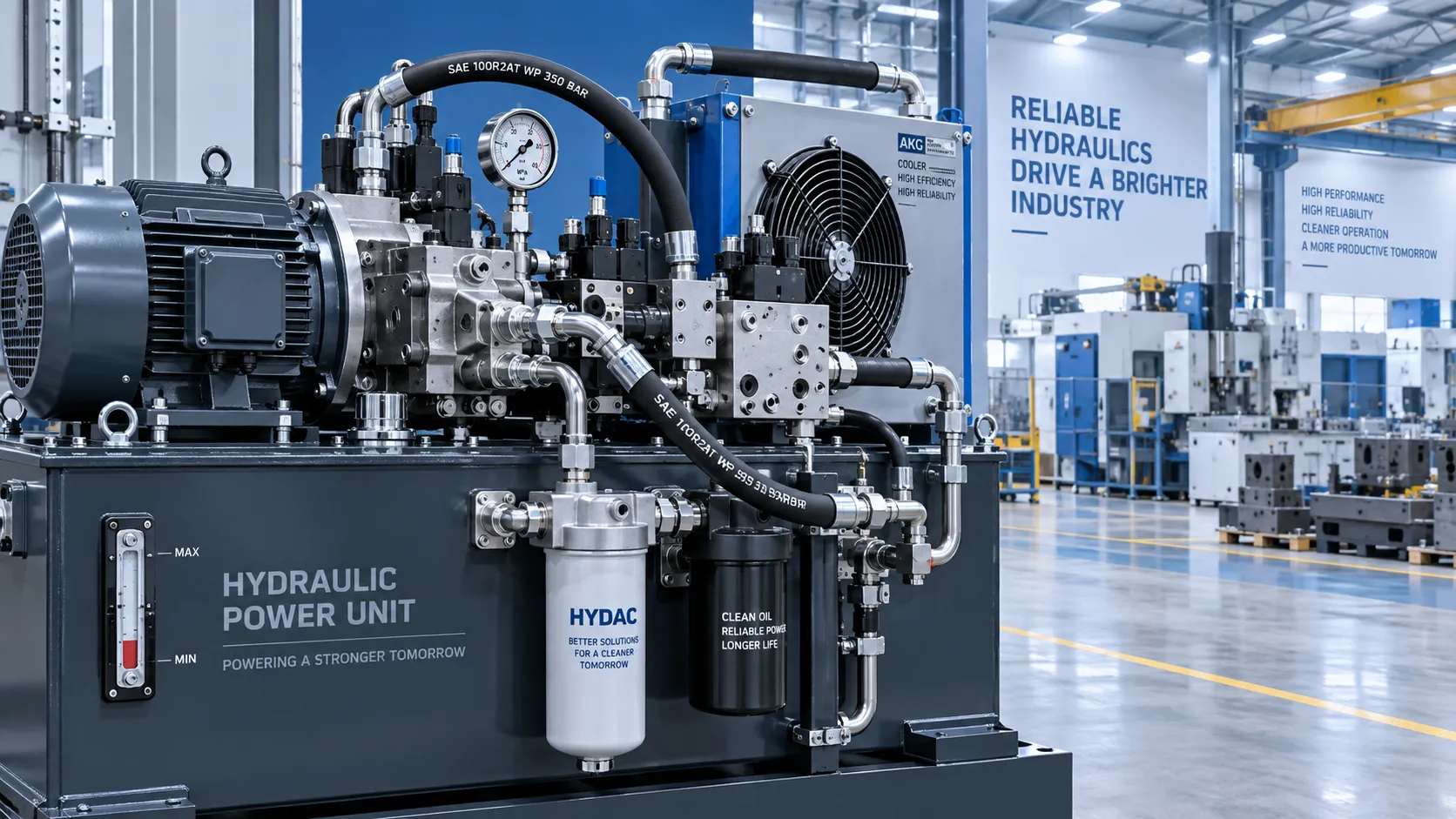
What Determines Industrial Hydraulic System Price for Heavy-Duty Equipment?
Industrial hydraulic system price depends on duty cycle, pressure, components, cooling, and integration. Compare quotes intelligently to secure reliable heavy-duty performance.
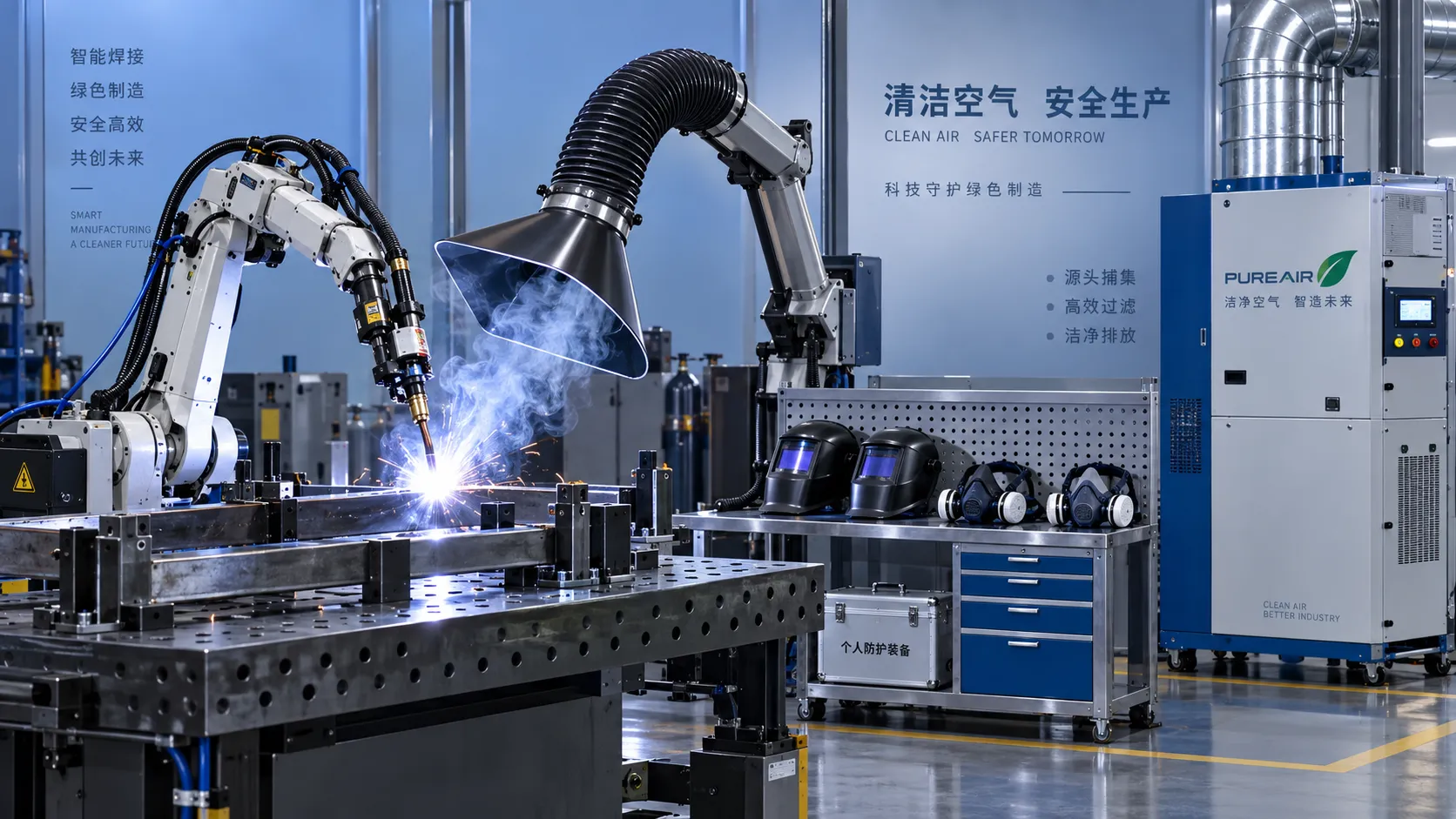
Welding Fume Extraction PPE: When Respirators Are Not Enough for Shop Safety
Welding fume extraction PPE: learn why respirators alone fall short and how source capture, ventilation, and layered controls improve shop safety.
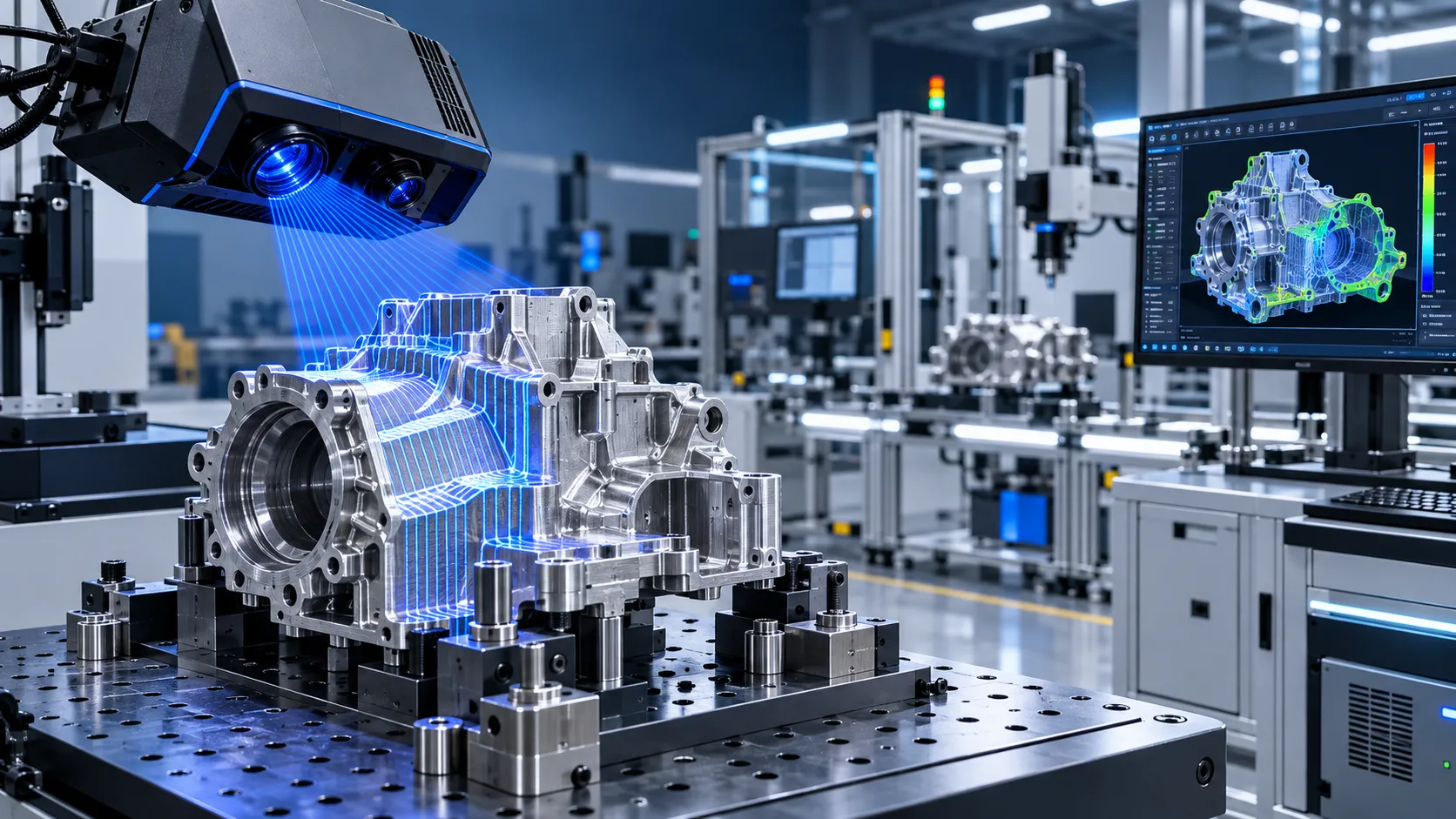
How to Select Optical Metrology Solutions for Tight-Tolerance Manufacturing
Optical industrial metrology solutions for tight-tolerance manufacturing: evaluate accuracy, surface compatibility, workflow, and traceability to select with confidence.
Related News
- 00
0000-00
How to Select Battery Assembly Tools for Torque Control and High-Volume Production - 00
0000-00
How Battery, Torque, and Duty Cycle Affect Cordless Power Tool Efficiency - 00
0000-00
How to Size High-Torque Tool Motors for Continuous-Duty Assembly Lines - 00
0000-00
How to Choose 24V Brushless Tool Motors for Torque, Runtime, and Duty Cycle? - 00
0000-00
Automotive Repair Tools List: What Every Workshop Needs for Daily Service Jobs
Electro-Mech Tool Designer
Weekly Insights
Stay ahead with our curated technology reports delivered every Monday.