
How data-driven intelligence helps spot hidden cost leaks





Data-driven intelligence is becoming the clearest lens for hidden cost leaks
Hidden cost leaks rarely appear in one place. They spread across sourcing, calibration, downtime, rework, energy use, warranty exposure, and compliance drift.
That is why data-driven intelligence matters more now than before. It converts scattered operating signals into financial evidence that supports faster, better decisions.
In industrial environments, small inefficiencies around torque tools, welding systems, measuring devices, and maintenance routines can quietly erode margin for months.
The stronger the precision requirement, the more expensive these leaks become. A slight deviation in tools or process timing often creates outsized downstream cost.
For platforms such as GPTWM, data-driven intelligence bridges market signals with shop-floor realities. It links craftsmanship, tool performance, and capital efficiency in practical ways.
Current signals show cost leakage is shifting from visible waste to silent erosion
Industrial cost pressure has changed. The largest losses are no longer only scrap, labor, or delayed shipments shown in monthly reports.
Today, hidden leakage often comes from fragmented data. Teams may track purchasing, output, tool health, and compliance separately, without one financial view.
This fragmentation creates blind spots. A lower purchase price may increase maintenance frequency. Faster throughput may raise calibration failure or safety risk later.
At the same time, export controls, raw material volatility, and standard updates make static budgeting less reliable than before.
Data-driven intelligence helps reveal these moving relationships. It shows whether cost reduction is real, temporary, or simply pushed into another department.
Three trend signals worth watching closely
- More production systems generate data, but fewer organizations unify it into one cost narrative.
- Precision tool performance now affects not only output quality, but also energy, safety, and lifecycle economics.
- Compliance and traceability costs are rising, especially where welding, metrology, and export standards intersect.
Why hidden cost leaks are forming faster across industrial operations
The causes are rarely isolated. Hidden cost leaks usually grow when several weak signals interact over time.
This is the practical value of data-driven intelligence. It does not only collect data. It interprets cost behavior across time, process, and tool condition.
Where data-driven intelligence uncovers hidden cost leaks first
In broad industrial settings, the earliest savings often come from areas that already produce signals but lack integrated analysis.
Sourcing and supplier variation
A cheaper input can trigger more tool wear, unstable weld penetration, measurement inconsistency, or added finishing time.
Data-driven intelligence compares landed cost with defect trends, tool replacement cycles, and field performance to show true economics.
Maintenance and asset health
Precision tools and joining systems degrade gradually. Cost rises long before equipment actually stops.
By linking service logs, calibration intervals, output deviations, and downtime patterns, data-driven intelligence identifies preventable losses early.
Quality, rework, and traceability
Rework is often undercounted because labor, inspection, material, and delivery penalties sit in separate records.
Data-driven intelligence creates a linked view, making hidden quality cost visible from first pass yield to post-delivery claims.
Energy and process efficiency
Brushless motors, laser welding systems, and torque-controlled tools can perform differently under changing loads, operators, and cycle demands.
Without analysis, extra energy use appears as general overhead. With data-driven intelligence, it becomes a fixable process issue.
The impact extends across finance, operations, compliance, and growth
When hidden cost leaks stay unmeasured, financial planning becomes reactive. Forecasts miss the real margin effect of tool drift and process instability.
Operationally, teams may overestimate utilization while underestimating micro-stoppages, retesting, consumable waste, and secondary handling.
Compliance exposure also grows. In sectors tied to construction, automotive, and aerospace maintenance, incomplete traceability can quickly become expensive.
Over time, weak visibility affects growth decisions. Capital may flow into new equipment while older process leaks remain unresolved.
That is why data-driven intelligence supports more than reporting. It improves capital allocation, supplier strategy, and timing for process upgrades.
Common business effects of unseen leakage
- Margin compression despite stable sales volume
- Rising maintenance spend without clear asset prioritization
- Inaccurate return on investment for new tool purchases
- Longer payback periods caused by undercounted rework and energy waste
- Greater audit and export risk from incomplete process documentation
What deserves attention now as data-driven intelligence becomes a competitive advantage
The next step is not collecting more dashboards. It is focusing on a smaller set of high-value signals that explain cost leakage clearly.
- Track total cost of ownership for precision tools, not only purchase price.
- Connect calibration status with defect rate, rework hours, and customer complaints.
- Monitor welding and torque consistency as financial indicators, not just technical metrics.
- Compare supplier changes against wear, downtime, and inspection outcomes.
- Use standards updates as early warning signals for hidden compliance cost.
- Prioritize data-driven intelligence sources that combine market trends with operational evidence.
GPTWM’s intelligence model is relevant here because it joins sector news, evolutionary trends, and commercial insight into one decision context.
That combination helps separate normal cost noise from structural leakage linked to tools, materials, standards, and process design.
A practical way to judge and respond to hidden cost leaks
The next move is to make data-driven intelligence operational, not theoretical
Hidden cost leaks do not disappear through broader reporting alone. They shrink when intelligence is connected to specific equipment, standards, and decisions.
Start with one area where precision matters and cost is difficult to explain. It may be welding quality, torque control, metrology drift, or tool lifecycle spend.
Then apply data-driven intelligence to combine market changes, process signals, and financial outcomes in one review model.
This approach supports stronger judgment, cleaner investment logic, and faster detection of silent margin erosion.
In a market shaped by precision, compliance, and efficiency pressure, data-driven intelligence is no longer optional. It is the practical path to finding what spreadsheets miss.
Related News
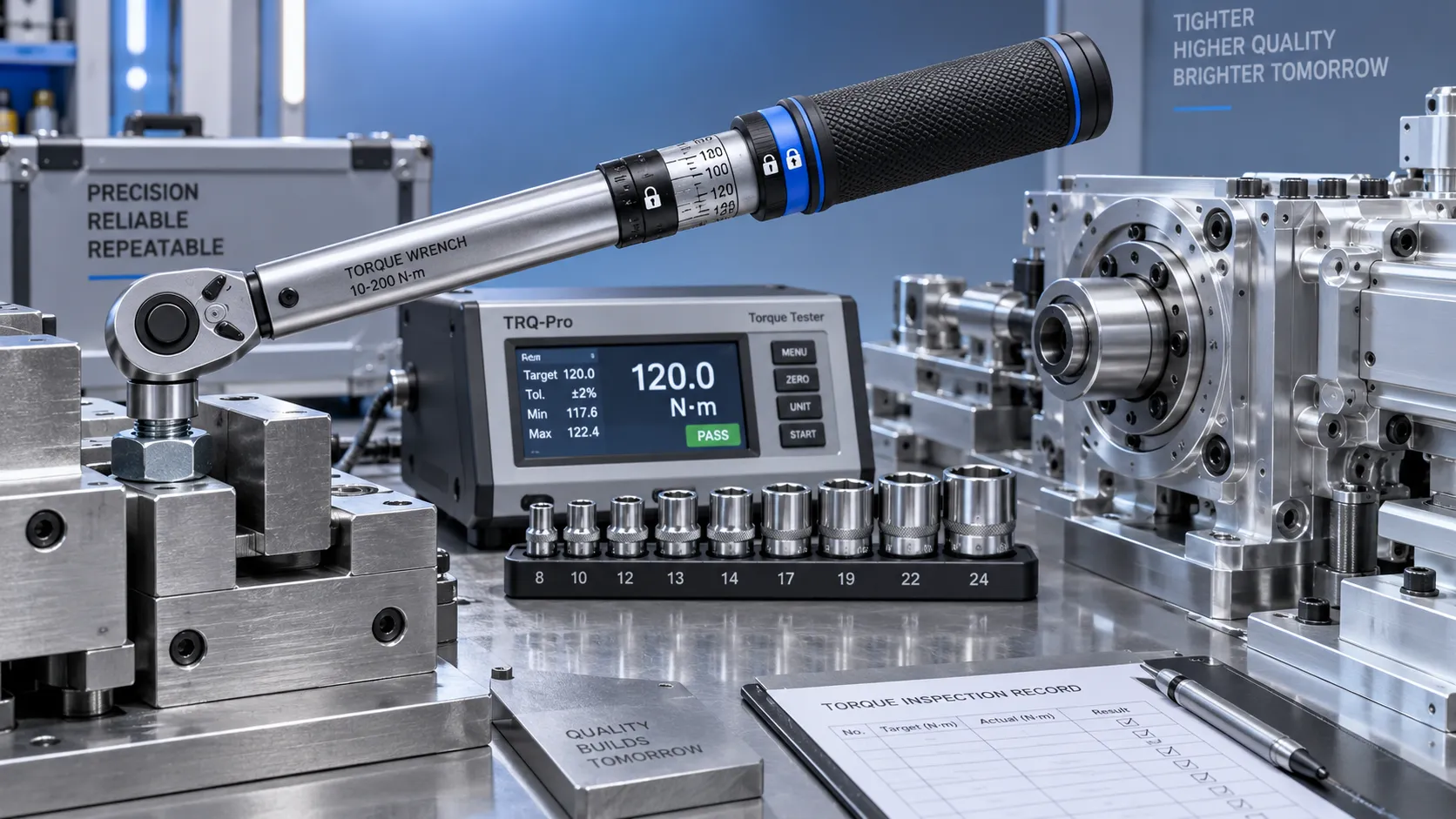
Selecting Adjustable Torque Tools for Repeatable Fastener Assembly
Adjustable torque tools: learn how to match range, accuracy, control methods, calibration, and ergonomics for repeatable, reliable fastener assembly.

How to Select Aerospace Inspection Tools for Aircraft Maintenance Tasks
Aerospace maintenance inspection tools: learn how to select reliable, traceable equipment for aircraft access, accuracy, calibration, and compliant maintenance decisions.

How to Select Wire Bonding Tools for Fine-Pitch Semiconductor Packaging
Explore semiconductor manufacturing tools for wire bonding and learn how to select precision solutions for fine-pitch packaging, reliable loops, accuracy, and yield.
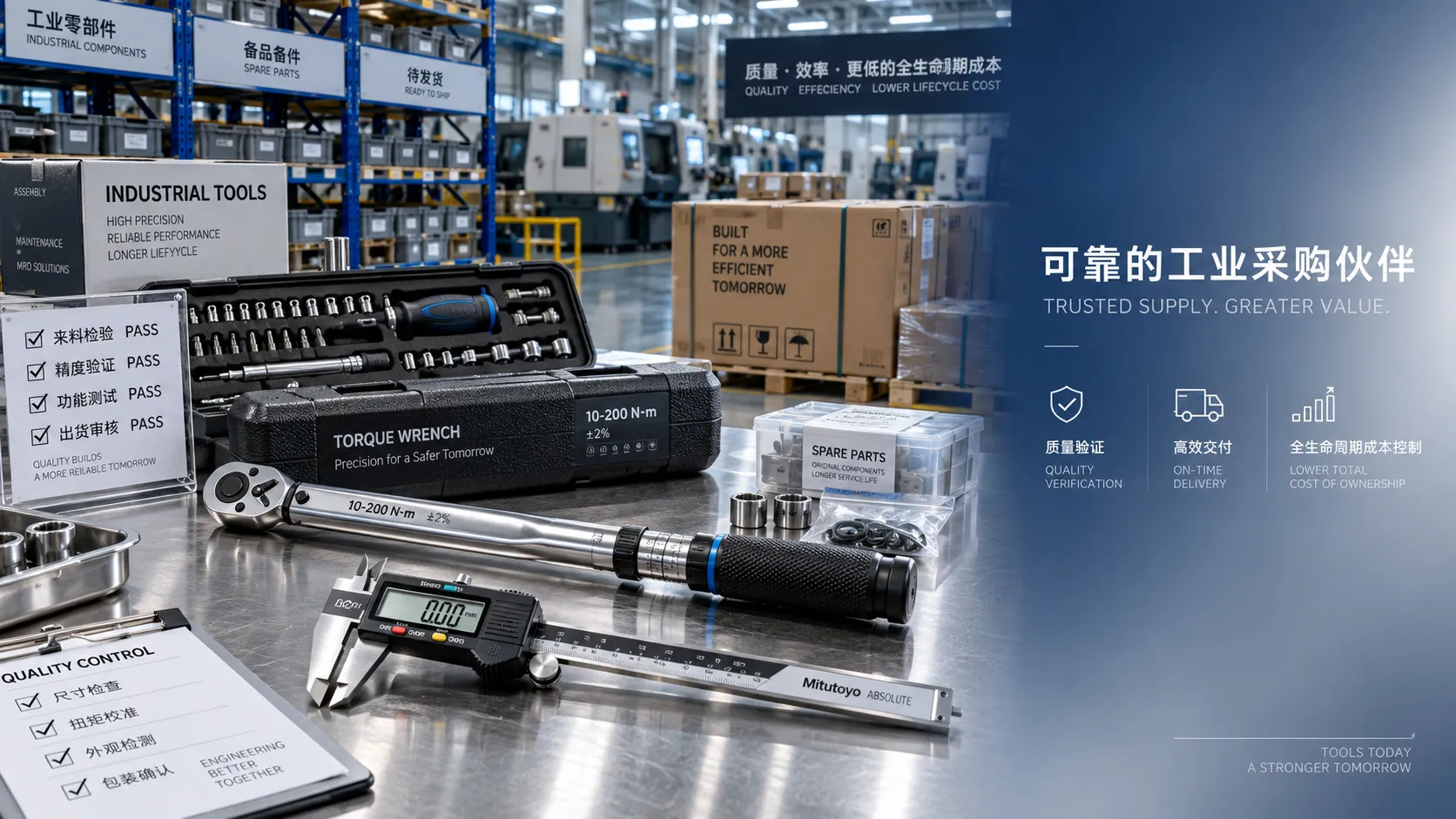
How to Compare Industrial Tool Suppliers for Quality, Lead Time, and Total Cost
Industrial tool selection supplier comparison made simple: evaluate quality, lead times, total cost, service, and supply resilience for confident sourcing decisions.
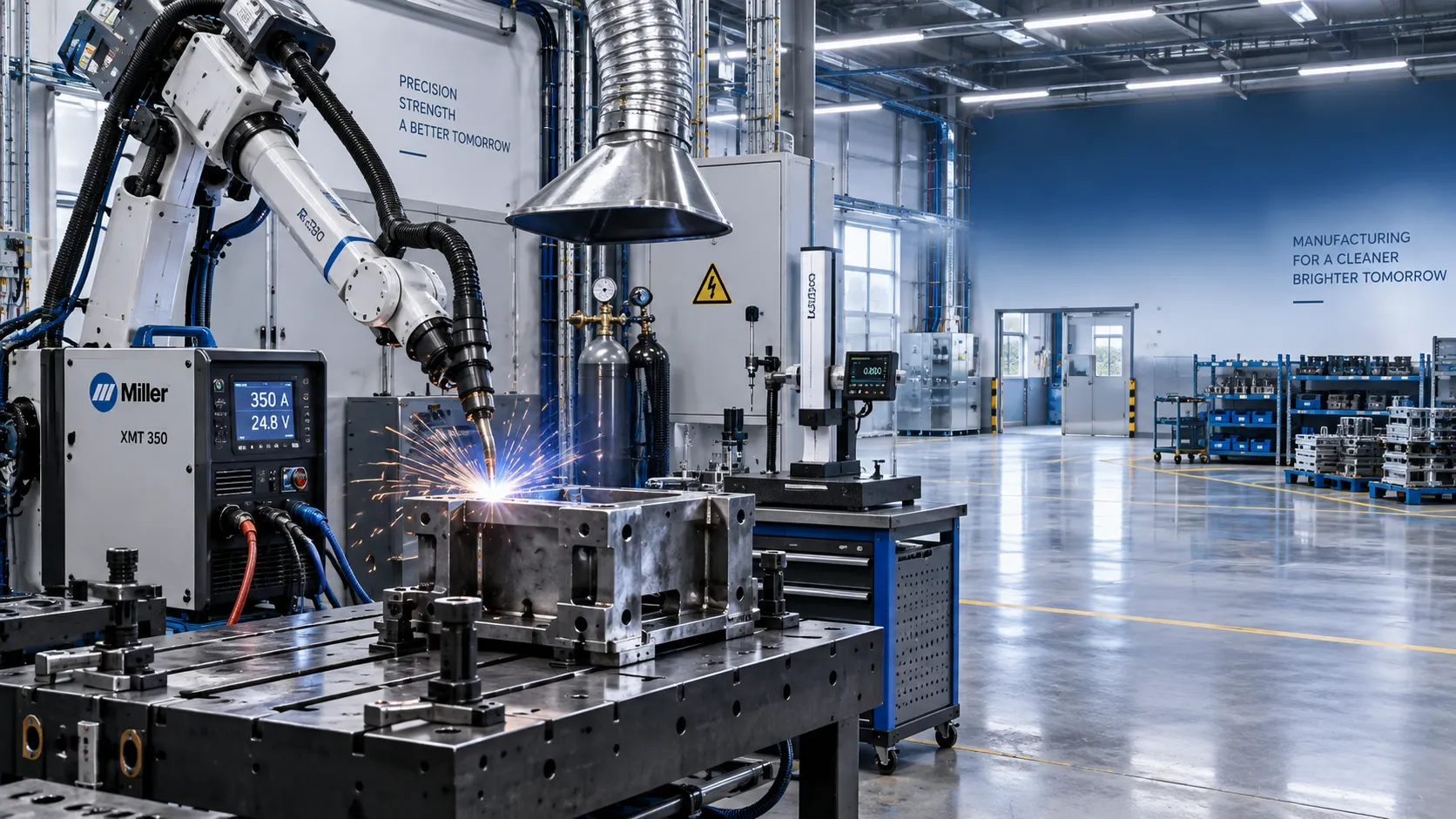
Industrial Equipment Application Guidance: Match Machines to Operating Conditions
Application guidance industrial equipment: match capacity, duty cycle, materials, site conditions, safety, and lifecycle cost to improve reliable output. Read the guide.
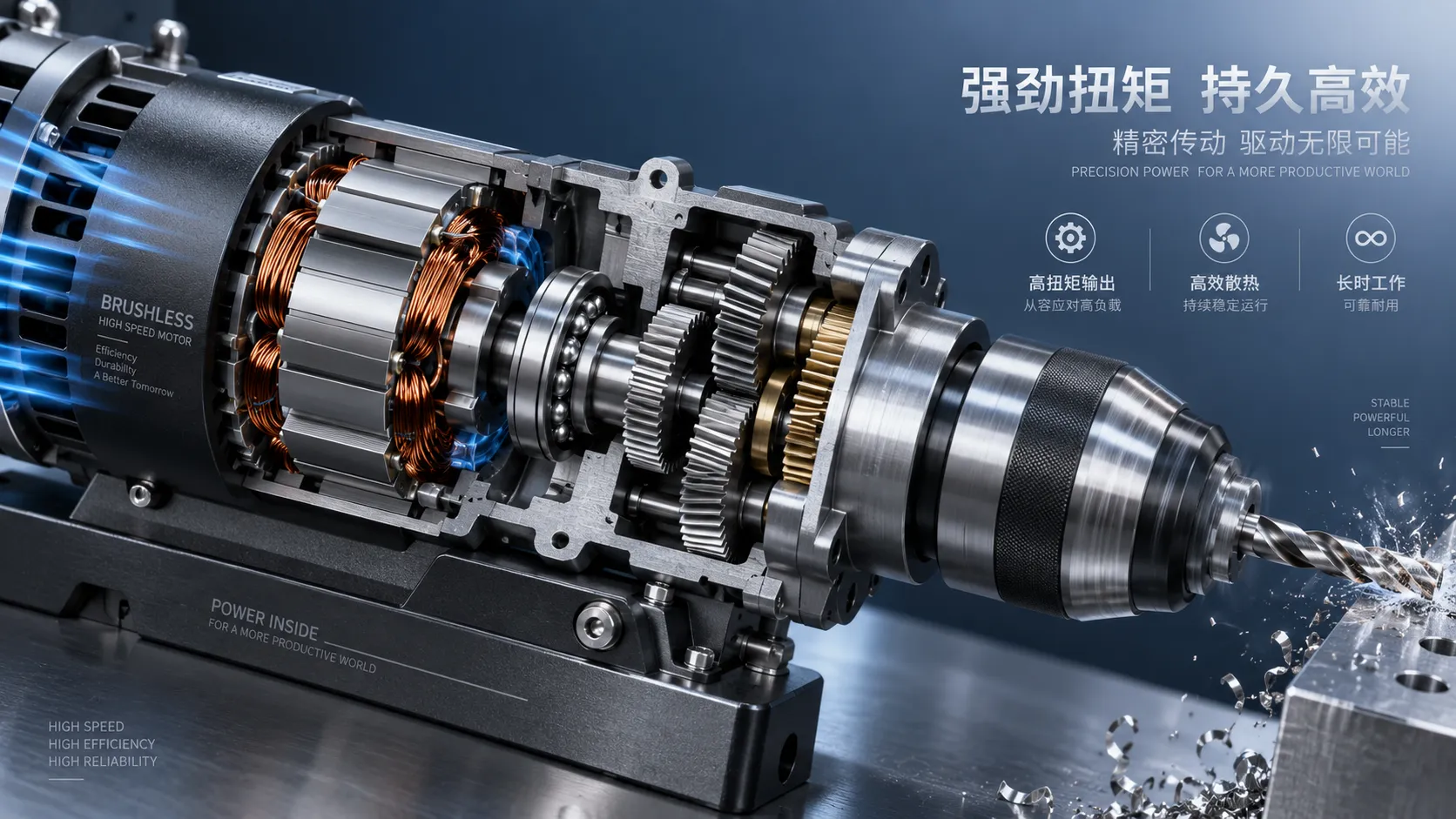
Selecting High-Speed Brushless Tool Motors for Torque, Heat, and Duty Cycle
High speed brushless tool motors: learn how to balance torque, heat, gearing, and duty cycle for reliable industrial tool performance and longer service life.
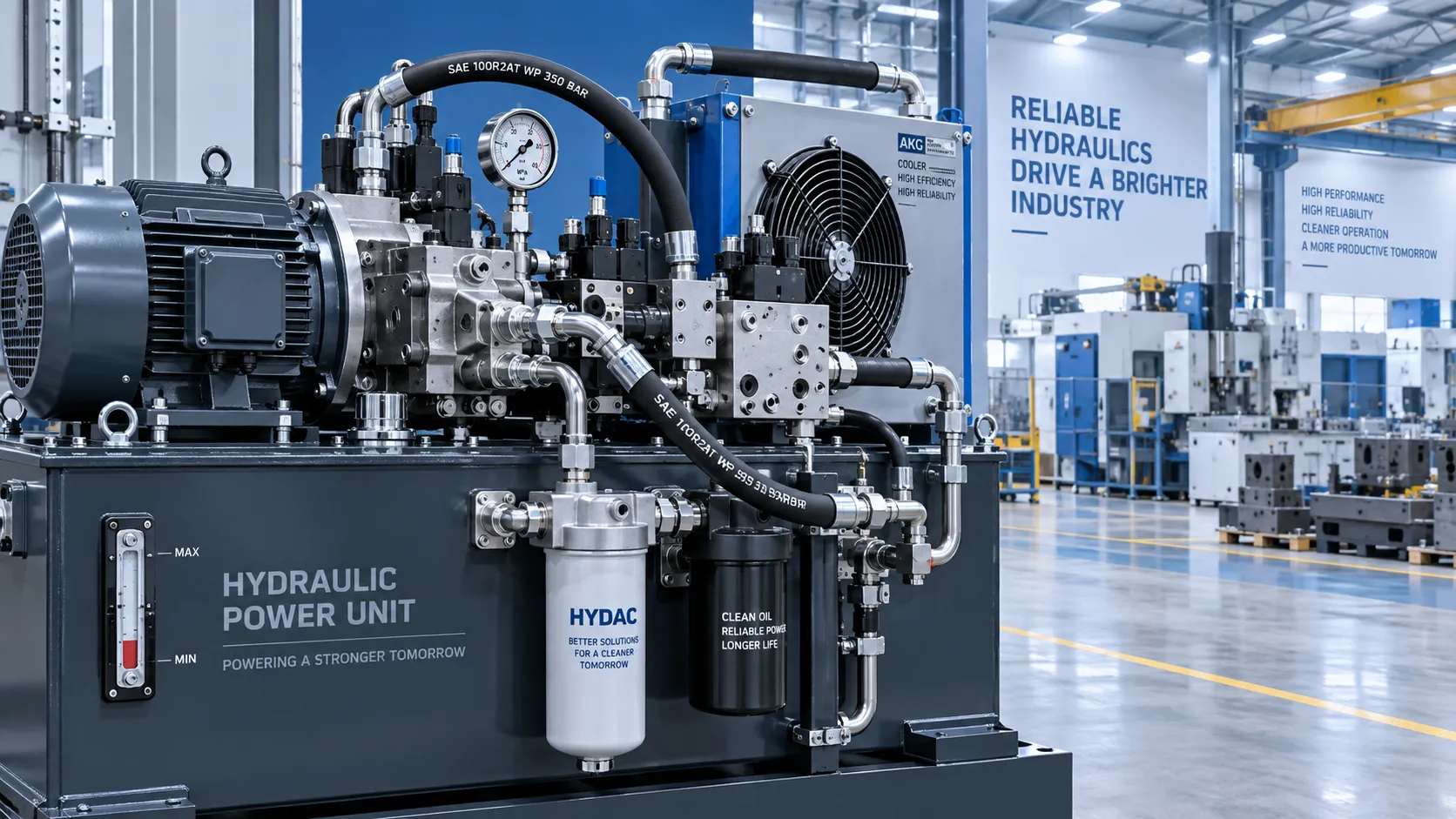
What Determines Industrial Hydraulic System Price for Heavy-Duty Equipment?
Industrial hydraulic system price depends on duty cycle, pressure, components, cooling, and integration. Compare quotes intelligently to secure reliable heavy-duty performance.
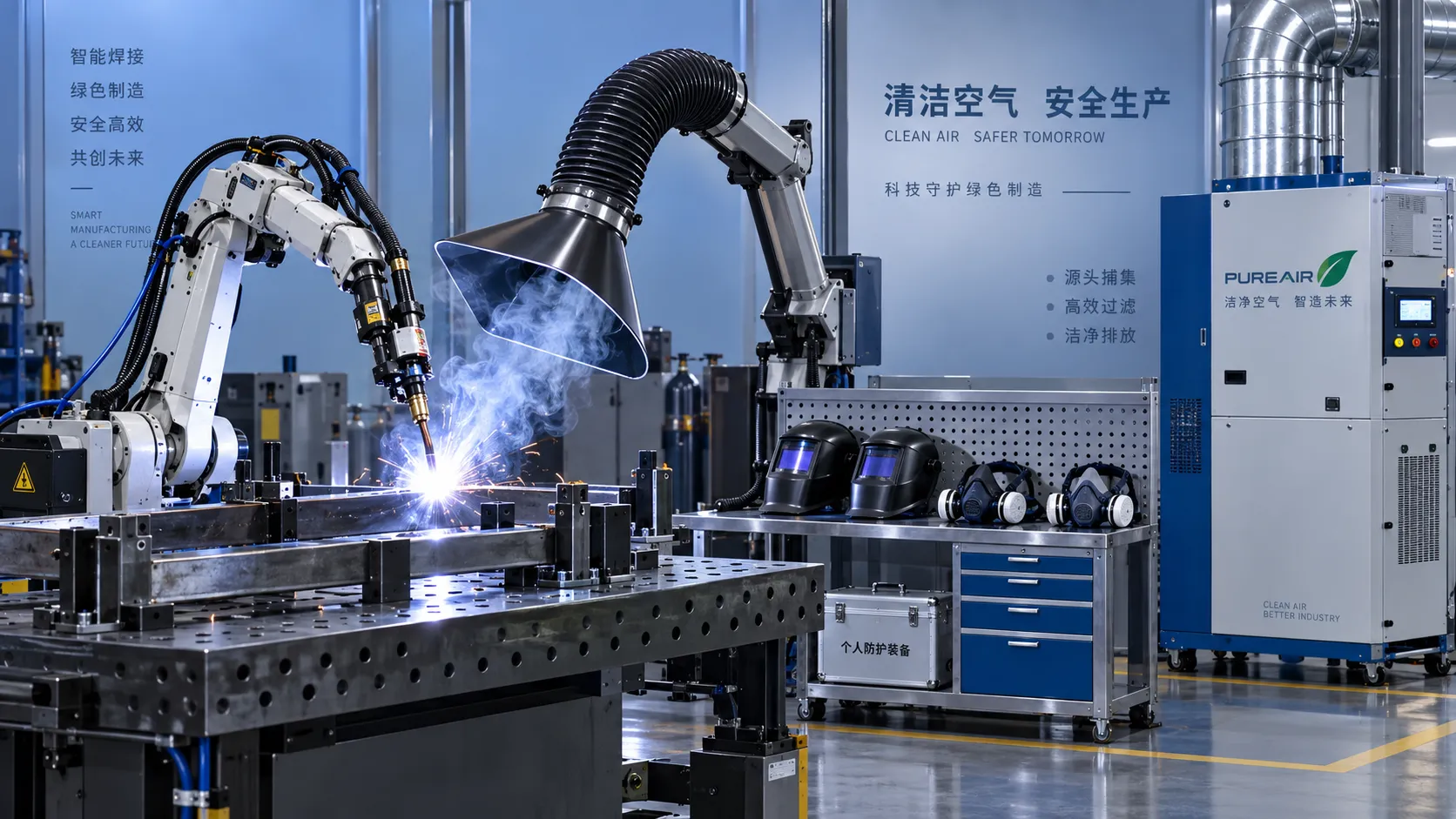
Welding Fume Extraction PPE: When Respirators Are Not Enough for Shop Safety
Welding fume extraction PPE: learn why respirators alone fall short and how source capture, ventilation, and layered controls improve shop safety.

How to Select Optical Metrology Solutions for Tight-Tolerance Manufacturing
Optical industrial metrology solutions for tight-tolerance manufacturing: evaluate accuracy, surface compatibility, workflow, and traceability to select with confidence.
Related News
- 00
0000-00
Selecting Adjustable Torque Tools for Repeatable Fastener Assembly - 00
0000-00
How to Select Aerospace Inspection Tools for Aircraft Maintenance Tasks - 00
0000-00
How to Select Wire Bonding Tools for Fine-Pitch Semiconductor Packaging - 00
0000-00
Industrial Equipment Application Guidance: Match Machines to Operating Conditions - 00
0000-00
Selecting High-Speed Brushless Tool Motors for Torque, Heat, and Duty Cycle
Prof. Marcus Chen
Weekly Insights
Stay ahead with our curated technology reports delivered every Monday.