
Metrology technology mistakes that distort inspection results





In quality control and safety management, even small metrology technology mistakes can quietly distort inspection results, trigger compliance risks, and weaken process reliability. A gauge may look stable while drifting. A sensor may be precise yet unsuitable for the surface or tolerance being checked. Across general industry, these errors influence release decisions, maintenance timing, supplier acceptance, and safety documentation. Understanding how metrology technology fails in practice is the first step toward accurate, defensible inspection data.
Why a checklist approach improves metrology technology decisions
Inspection problems rarely come from one dramatic failure. They usually grow from small, repeated gaps in setup, calibration, environment, fixturing, software use, and operator discipline.
A checklist turns vague good practice into repeatable control. It helps teams detect hidden metrology technology risks before bad data enters reports, production records, or customer documentation.
For industrial assembly, welding verification, dimensional control, and maintenance inspection, checklist thinking also supports traceability. That matters when measurements influence quality claims, export standards, and safety reviews.
Core checklist: metrology technology mistakes that distort inspection results
- Verify calibration status before use, and confirm the interval matches actual usage intensity, shock exposure, and accuracy risk rather than relying on a fixed annual schedule.
- Check traceability records, because a calibrated instrument without clear reference standards, uncertainty statements, or documented adjustments can still compromise inspection credibility.
- Match the metrology technology to the feature being inspected, especially when measuring reflective surfaces, soft materials, weld beads, tight bores, or moving components.
- Control temperature, humidity, vibration, dust, and airflow, since environmental instability can shift dimensions, affect optics, and introduce repeatability problems during sensitive measurements.
- Confirm part conditioning time, because measuring a hot machined part or recently welded assembly often produces false readings caused by thermal expansion and material relaxation.
- Inspect fixtures and supports for wear or distortion, since poor clamping can bend thin parts, misalign datums, and create misleading dimensional nonconformities.
- Standardize probing force and contact technique, because inconsistent pressure with calipers, micrometers, or test indicators can change results across different operators.
- Validate software settings, including unit selection, compensation tables, filtering, and reference alignment, as incorrect digital parameters often distort otherwise sound metrology technology output.
- Run gage R&R or repeatability studies on critical features, especially when frequent disputes appear between stations, shifts, suppliers, or inspection methods.
- Clean both instrument and part surfaces before measurement, because oil film, burrs, oxidation, and weld spatter can change contact points and optical detection behavior.
- Review tolerance logic carefully, ensuring measurement uncertainty is small enough relative to specification limits, otherwise pass-fail decisions become statistically weak.
- Document method changes immediately, since unrecorded updates in setup, operator sequence, or instrument replacement break comparability across inspection histories.
How these metrology technology mistakes appear in real industrial scenarios
Machining and dimensional verification
In machining environments, thermal effects are often underestimated. A shaft checked immediately after grinding may appear oversized, while the same part passes after stabilization.
Another common metrology technology issue is wrong instrument selection. Using handheld tools for deep geometric features can hide form error, taper, or datum misalignment.
Welding and fabricated assemblies
Weld distortion changes inspection geometry. If measurement points are taken from unstable reference edges, flatness, gap, or positional results may look worse than functional reality.
Surface condition matters too. Spatter, discoloration, and reflective weld zones can confuse optical metrology technology, requiring controlled lighting, cleaning, or alternate contact methods.
Maintenance, field service, and safety inspection
Portable inspection introduces movement, unstable support, and variable ambient conditions. In field work, a valid laboratory method may fail unless adapted for vibration and access constraints.
Battery level, sensor warm-up, and rushed documentation also matter. Portable metrology technology can create false confidence when digital displays seem exact but setup discipline is weak.
Incoming quality and supplier comparison
Differences between supplier and receiving inspection often trace back to method variation, not part variation. Datum strategy, sampling plan, and uncertainty assumptions may differ significantly.
Without aligned metrology technology protocols, disputes increase, sorting costs rise, and corrective actions target the wrong root cause.
Often ignored risk points
Instrument capability is confused with application capability
A high-resolution device is not automatically suitable. Capability depends on geometry, material, operator access, fixturing, and the full inspection method.
Uncertainty is omitted from pass-fail judgment
If tolerance is narrow and uncertainty is large, acceptance decisions become risky. This is a frequent blind spot in metrology technology reporting.
Digital workflows are treated as error-proof
Software reduces transcription mistakes, but wrong templates, offsets, or conversion settings can scale errors across many records very quickly.
Operator consistency is not measured
Two trained people can still produce different results. Unless repeatability and reproducibility are checked, hidden variation remains in the system.
Reference artifacts are stored poorly
Gauge blocks, masters, and certified samples degrade through mishandling, contamination, or corrosion. That weakens the entire metrology technology chain.
Practical steps to reduce distorted inspection results
- Build one-page control sheets for each critical measurement, showing instrument type, conditioning time, datum sequence, acceptable environment, and recording rules.
- Separate calibration from method validation, and review both whenever parts, software, fixtures, or tolerances change.
- Use periodic comparison studies between benches, shifts, and portable devices to expose hidden metrology technology drift.
- Set decision thresholds that consider uncertainty, not only nominal tolerance limits.
- Train by task, not by instrument alone, because measuring weld profiles, bores, threads, and flatness requires different practical discipline.
- Audit digital templates, compensation files, and report logic with the same seriousness applied to physical gauges.
Conclusion and next actions
Metrology technology supports decisions only when the full measurement process is controlled. Precision on a screen does not guarantee truth on the shop floor or in the field.
Start with a focused review of critical inspections. Check calibration traceability, environmental stability, method suitability, software settings, and operator repeatability.
Then convert those findings into a practical checklist, short work instructions, and periodic verification studies. That approach strengthens quality evidence, reduces avoidable disputes, and keeps inspection results dependable across industrial operations.
For organizations tracking broader industrial assembly, welding, and precision measurement developments, structured intelligence and disciplined metrology technology governance create a stronger foundation for reliable manufacturing performance.
Related News
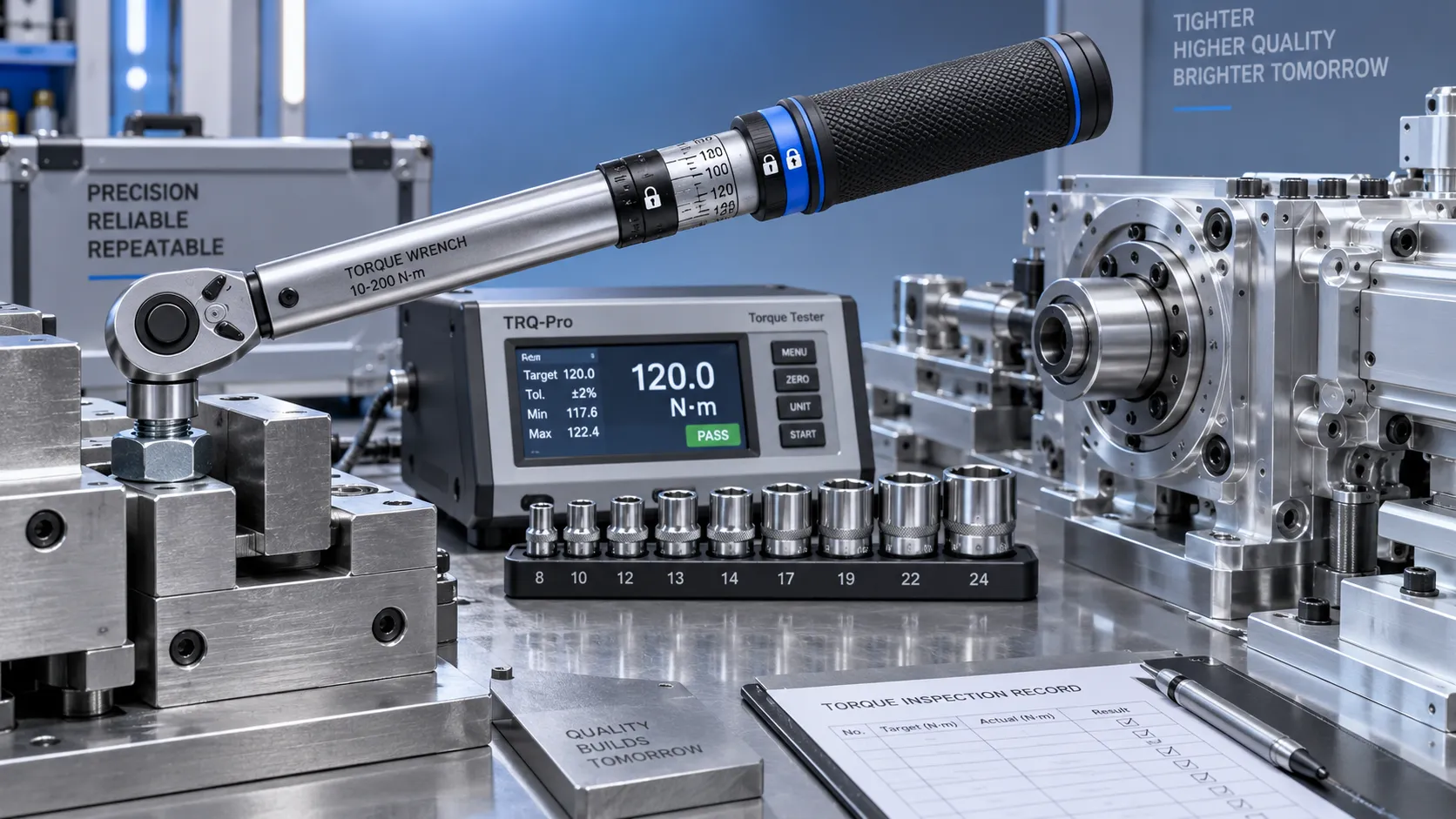
Selecting Adjustable Torque Tools for Repeatable Fastener Assembly
Adjustable torque tools: learn how to match range, accuracy, control methods, calibration, and ergonomics for repeatable, reliable fastener assembly.

How to Select Aerospace Inspection Tools for Aircraft Maintenance Tasks
Aerospace maintenance inspection tools: learn how to select reliable, traceable equipment for aircraft access, accuracy, calibration, and compliant maintenance decisions.

How to Select Wire Bonding Tools for Fine-Pitch Semiconductor Packaging
Explore semiconductor manufacturing tools for wire bonding and learn how to select precision solutions for fine-pitch packaging, reliable loops, accuracy, and yield.
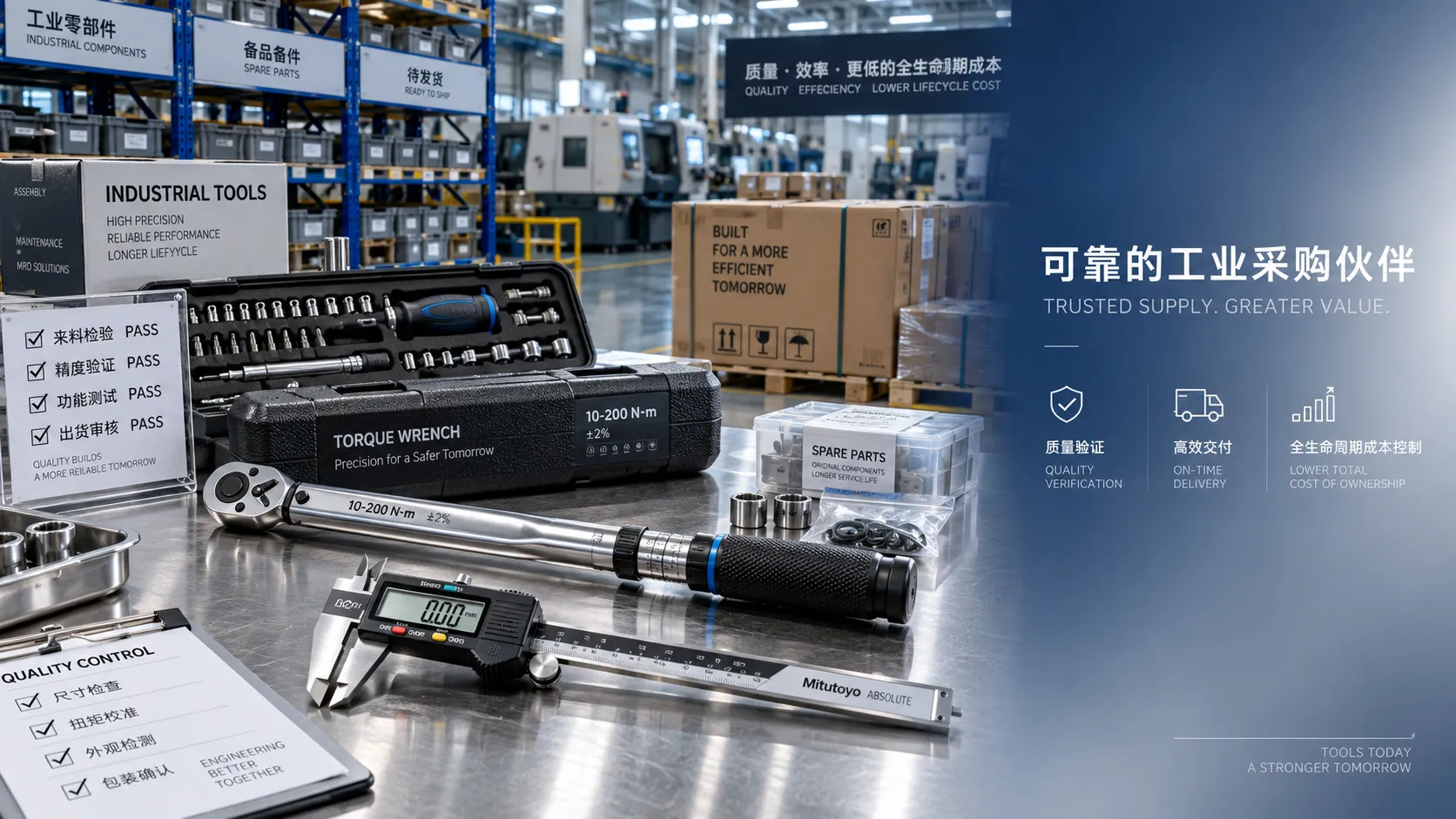
How to Compare Industrial Tool Suppliers for Quality, Lead Time, and Total Cost
Industrial tool selection supplier comparison made simple: evaluate quality, lead times, total cost, service, and supply resilience for confident sourcing decisions.
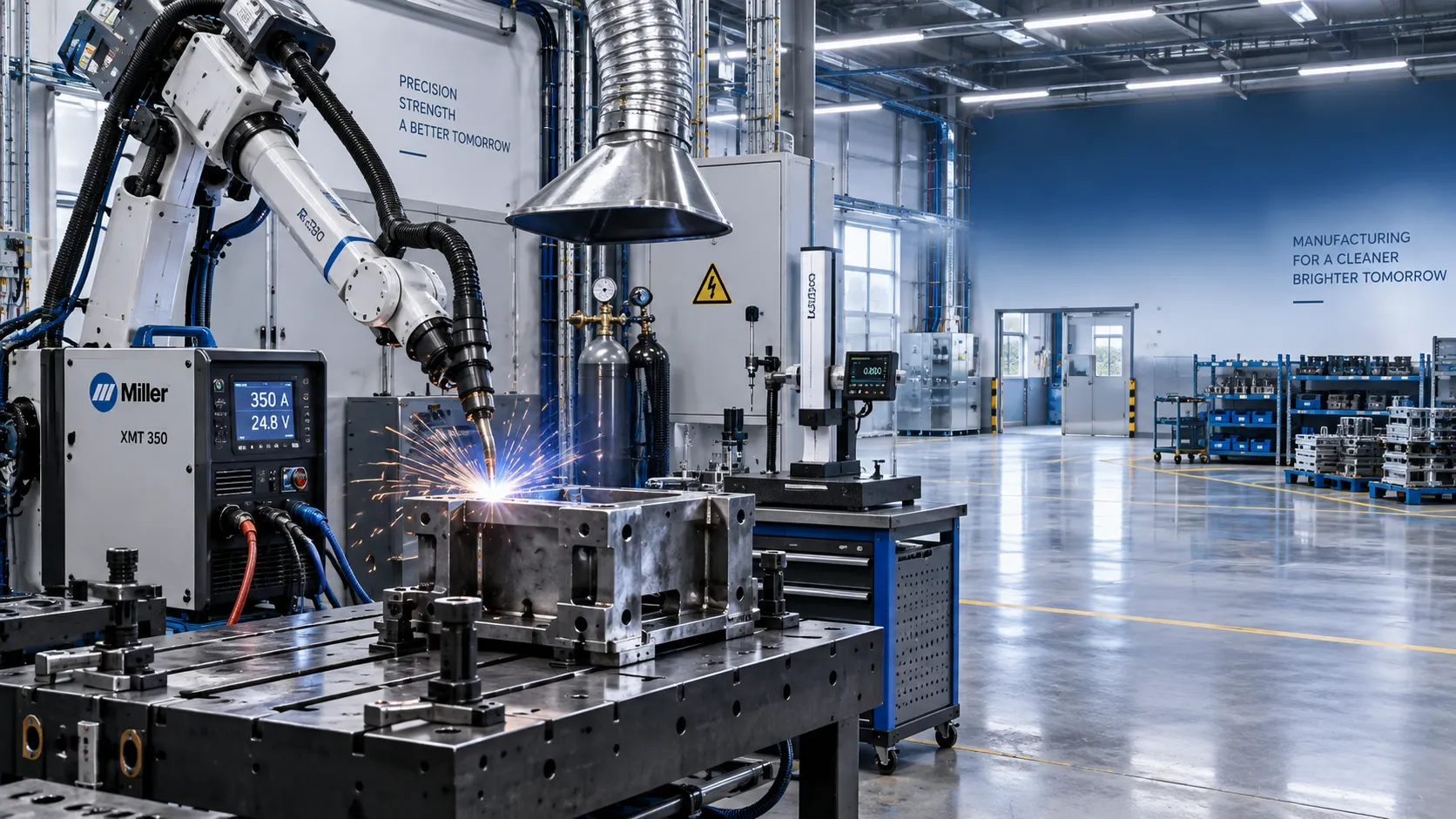
Industrial Equipment Application Guidance: Match Machines to Operating Conditions
Application guidance industrial equipment: match capacity, duty cycle, materials, site conditions, safety, and lifecycle cost to improve reliable output. Read the guide.
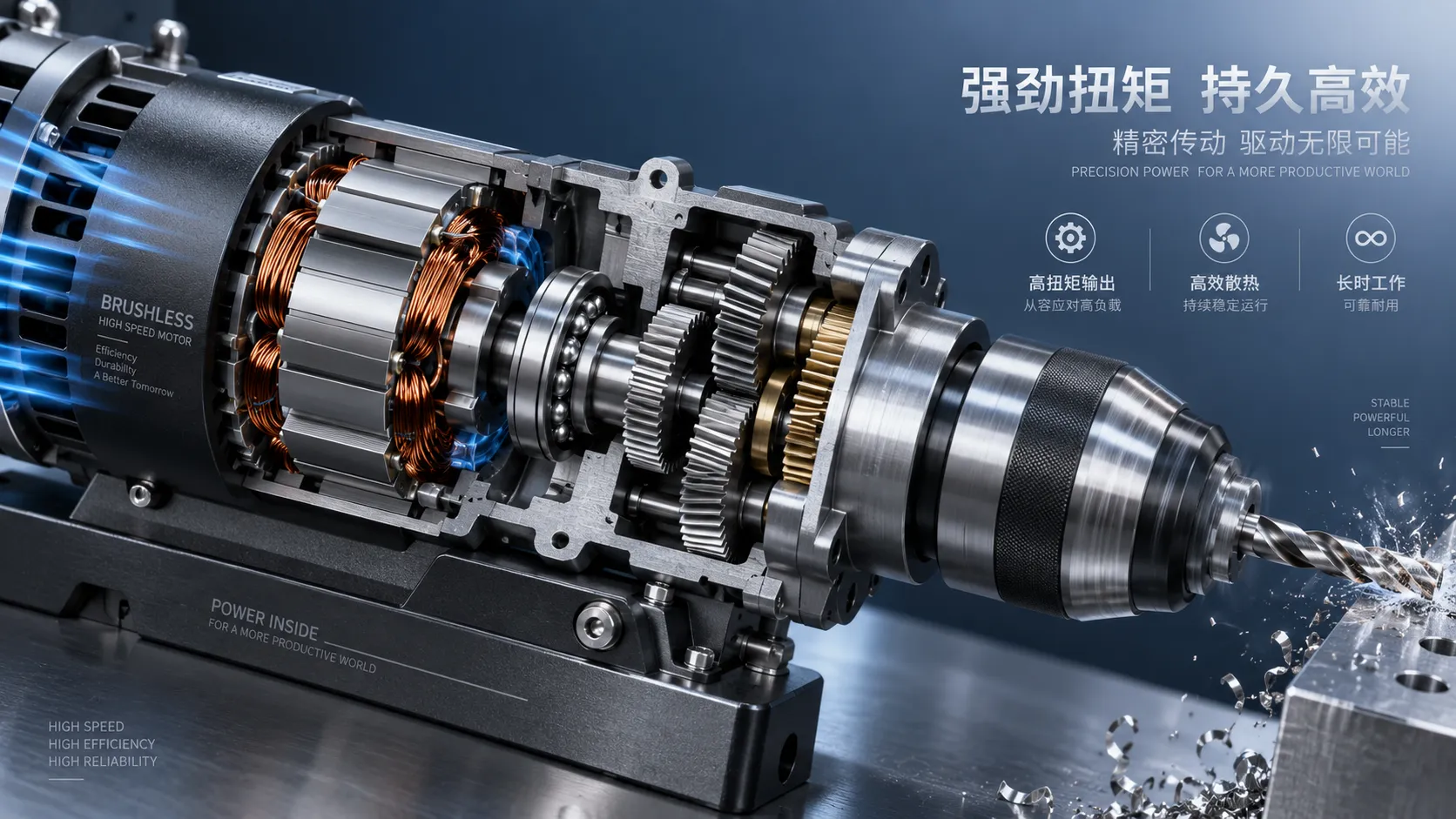
Selecting High-Speed Brushless Tool Motors for Torque, Heat, and Duty Cycle
High speed brushless tool motors: learn how to balance torque, heat, gearing, and duty cycle for reliable industrial tool performance and longer service life.
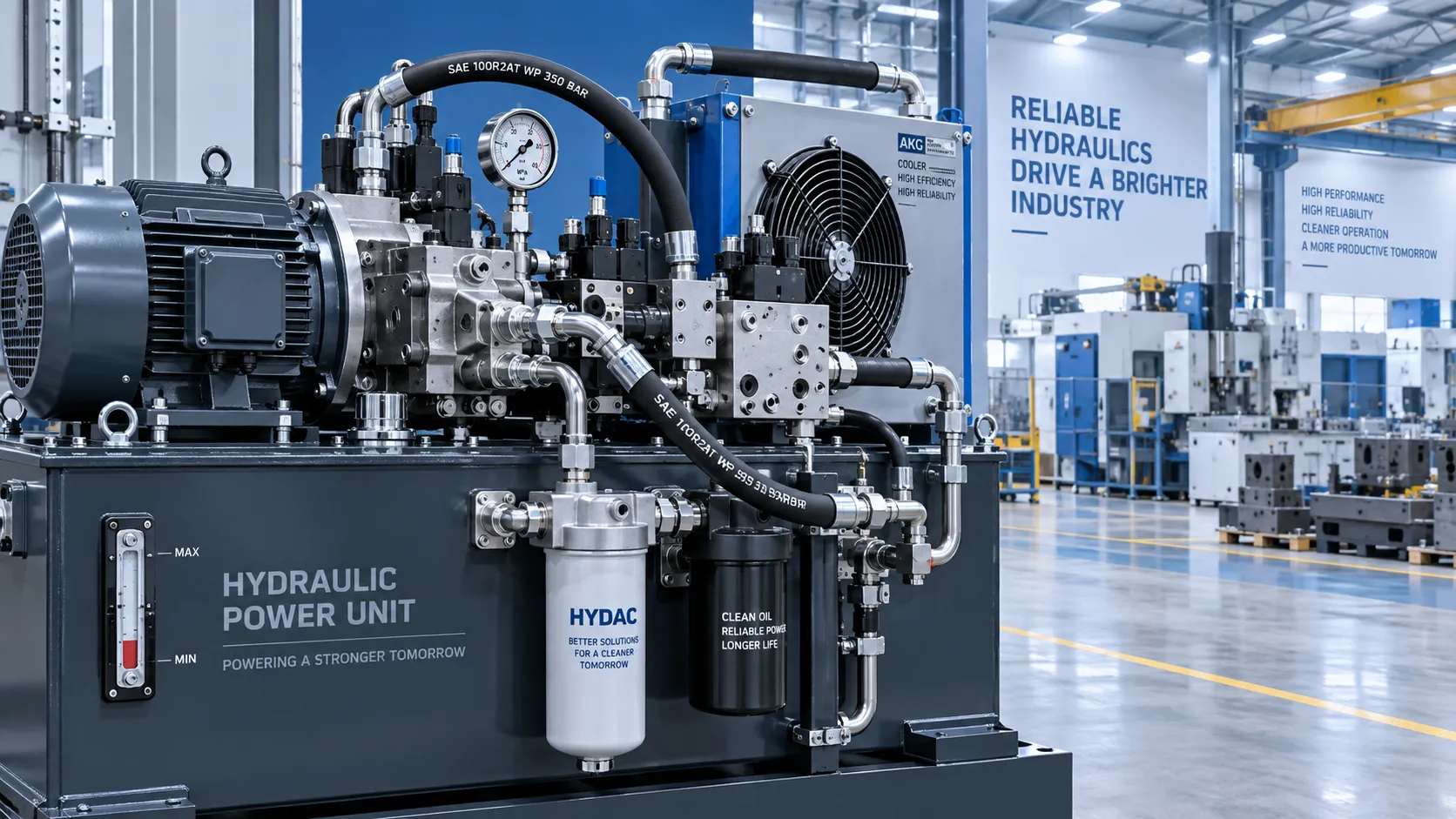
What Determines Industrial Hydraulic System Price for Heavy-Duty Equipment?
Industrial hydraulic system price depends on duty cycle, pressure, components, cooling, and integration. Compare quotes intelligently to secure reliable heavy-duty performance.

Welding Fume Extraction PPE: When Respirators Are Not Enough for Shop Safety
Welding fume extraction PPE: learn why respirators alone fall short and how source capture, ventilation, and layered controls improve shop safety.

How to Select Optical Metrology Solutions for Tight-Tolerance Manufacturing
Optical industrial metrology solutions for tight-tolerance manufacturing: evaluate accuracy, surface compatibility, workflow, and traceability to select with confidence.
Related News
- 00
0000-00
Planning Access, Material Flow, and Clearance Around a 3200mm Sliding Saw - 00
0000-00
How to Select Vernier Precision Calipers for Tight-Tolerance Machining Inspection - 00
0000-00
How to Choose Metalworking Tools for Sheet Metal by Thickness and Forming Tasks - 00
0000-00
Metrology Technology Europe: Which Systems Improve Inspection Accuracy on the Line? - 00
0000-00
How to Choose Precision Measuring Instruments in North America for Tighter Tolerance Work
Metrology Fellow
Weekly Insights
Stay ahead with our curated technology reports delivered every Monday.