
When do brand premiums bring value instead of extra cost?





Brand premiums are not always wasted money. In many categories, a higher price reflects tighter tolerances, safer operation, longer service life, and more dependable support. The real question is not whether brand premiums exist, but when they create measurable value. In industrial tools, consumer goods, electronics, vehicles, and service contracts, paying more only makes sense when the premium reduces risk, downtime, replacement frequency, or performance variability.
This matters even more in markets shaped by technical standards, warranty obligations, and hidden ownership costs. GPTWM closely tracks how quality consistency, metrology accuracy, motor efficiency, welding safety, and after-sales ecosystems affect real-world value. That same logic applies across sectors. A label alone does not justify a premium, but repeatable outcomes often do.
Why a checklist is necessary before paying brand premiums
Brand premiums often mix tangible value with emotional pricing. Without a checklist, it is easy to overpay for image or underpay for reliability. Both mistakes are costly. A structured review helps separate marketing from performance and short-term savings from lifecycle value.
This approach is useful in broad industry settings because buying decisions rarely depend on sticker price alone. Durability, calibration stability, safety compliance, consumable compatibility, service lead time, and resale value all shape the true cost. A checklist turns those factors into a practical decision tool.
Core checklist: when do brand premiums bring value?
- Check failure cost first. Brand premiums make sense when breakdowns create safety hazards, production delays, quality defects, or expensive rework beyond the initial purchase difference.
- Compare lifecycle cost, not shelf price. Include maintenance intervals, spare parts, calibration frequency, energy use, training time, and replacement cycles before judging the premium.
- Verify consistency across batches. Valuable brand premiums often come from tighter manufacturing control, lower variance, and more predictable performance in repeated use.
- Review safety and compliance records. A premium can be justified when certified design, traceable testing, and regulatory conformity reduce legal, operational, or workplace risk.
- Test after-sales depth. Strong service networks, fast parts supply, technical documentation, and responsive warranty handling often explain why brand premiums protect long-term value.
- Measure performance under real load. Higher-priced products should show better endurance, precision retention, thermal control, or output stability in actual operating conditions.
- Assess compatibility with existing systems. Brand premiums are worthwhile when integration with tools, software, accessories, or standards avoids costly workflow disruption.
- Examine total risk transfer. Paying more can be sensible if the brand assumes more responsibility through stronger warranties, support commitments, and clearer accountability.
- Study independent reputation signals. Look beyond advertising toward field reviews, return rates, service data, calibration records, and verified reliability benchmarks.
- Confirm residual value. Some brand premiums return value later through stronger resale prices, easier trade-ins, and better confidence in second-life use.
A simple test for judging brand premiums
Ask one practical question: if the product fails, drifts, or performs inconsistently, what is the financial impact? If the answer is minor inconvenience, the premium may be extra cost. If the answer includes downtime, safety exposure, missed deadlines, or costly errors, brand premiums may be rational insurance.
How brand premiums work in different scenarios
Industrial tools and precision equipment
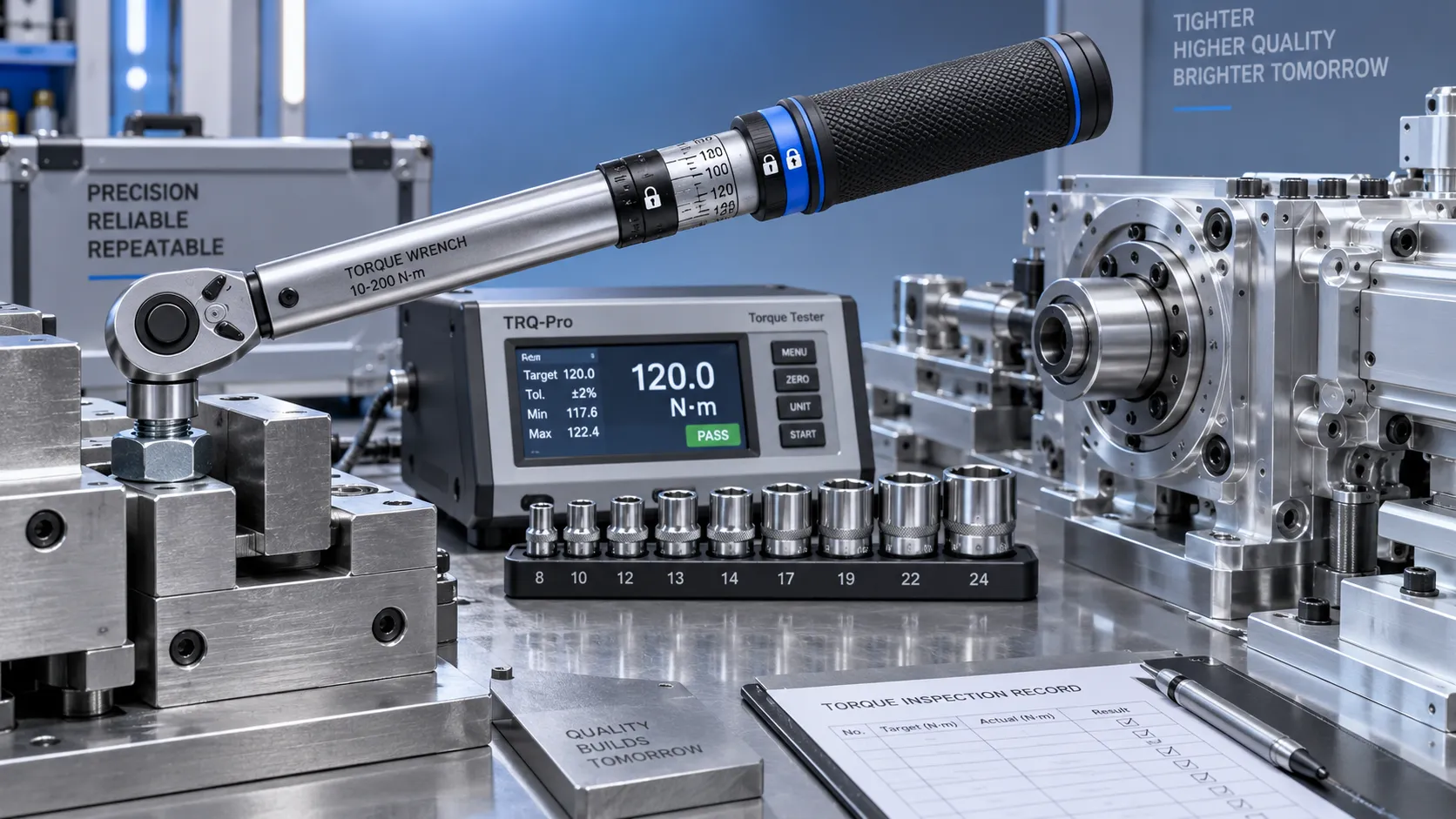
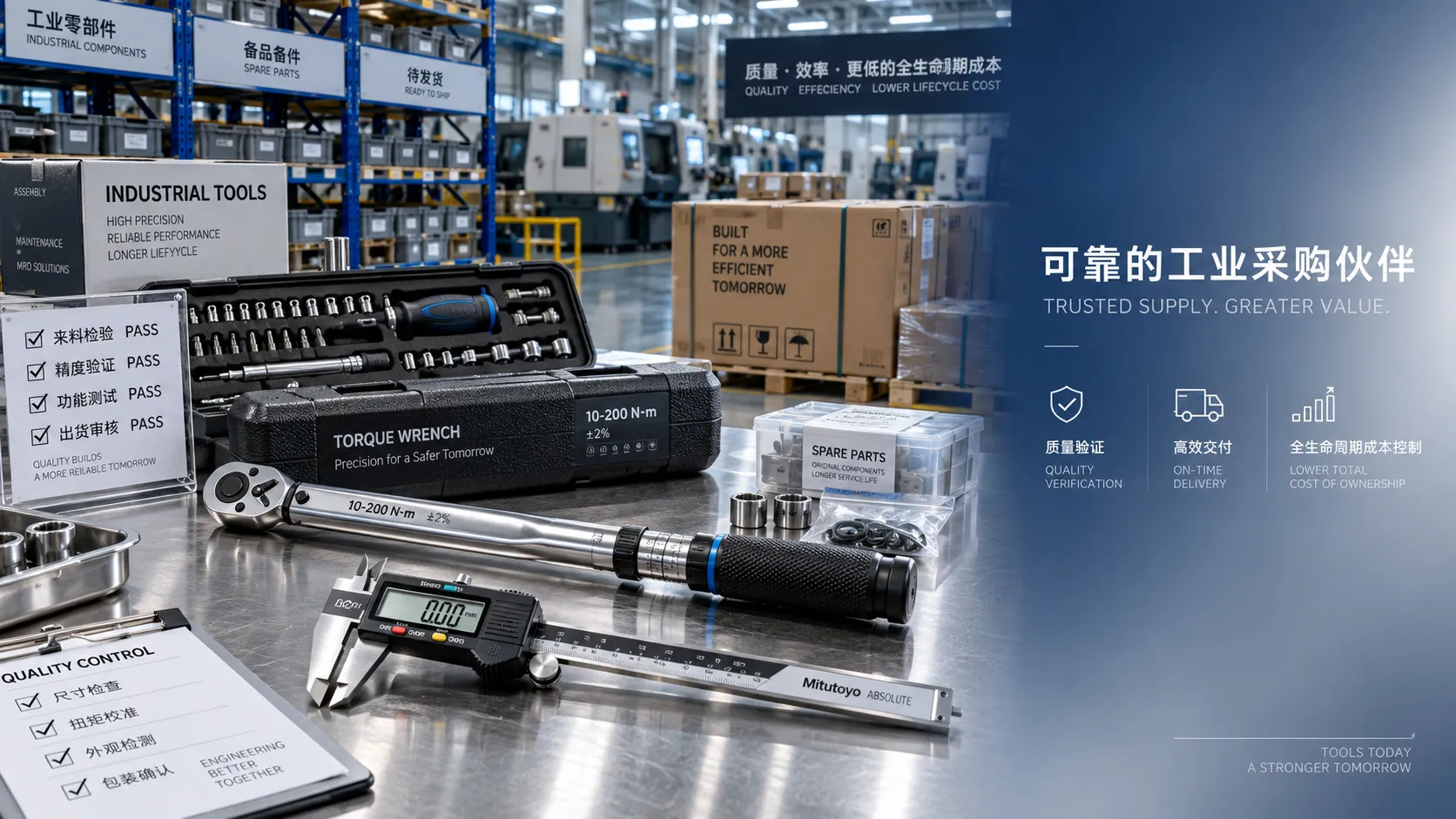
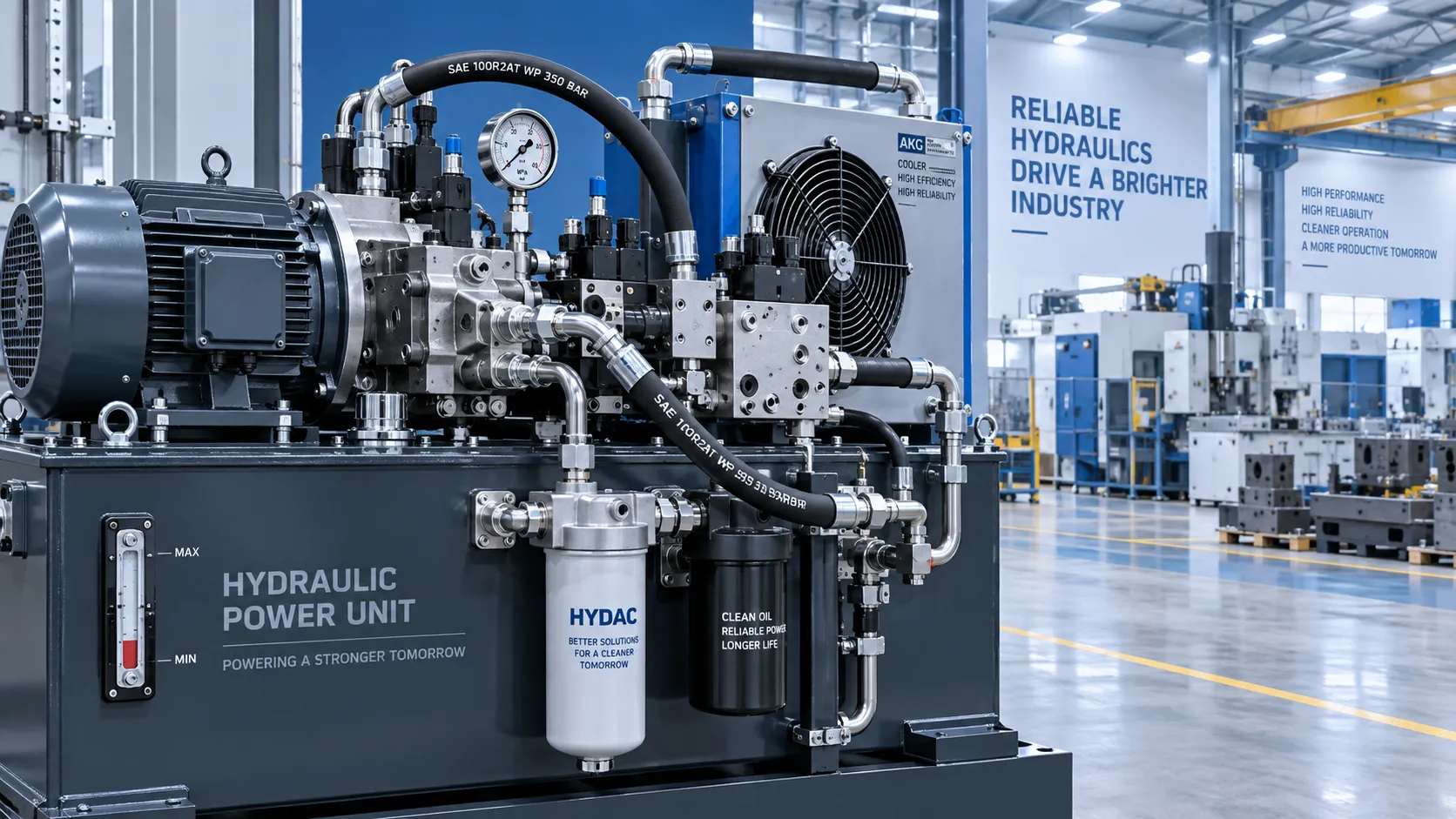
In torque tools, calipers, welding systems, and hydraulic equipment, brand premiums often reflect engineering control rather than image. Better materials, lower vibration, safer insulation, and stable calibration can prevent rework and operator fatigue. In these cases, a premium may directly improve throughput and quality.
GPTWM research frequently shows that consistency matters more than peak specifications. A cheaper unit that varies from batch to batch can create hidden process instability. Here, brand premiums may buy repeatability, documented testing, and more reliable global service coverage.
Consumer electronics and appliances
Brand premiums can be justified when repairability, software support, battery health, and component quality extend usable life. A low-price device that loses updates quickly or requires early replacement may cost more over time. In this scenario, premium value comes from longevity and support continuity.
However, many electronics also carry image-heavy pricing. If two products share similar components, warranty terms, and real performance, extra brand premiums may deliver little beyond status appeal. Independent teardown data and long-term review patterns are useful filters.
Vehicles, parts, and maintenance services
Vehicles often combine functional and symbolic brand premiums. The value side may include better safety systems, stronger corrosion protection, wider service access, and higher resale value. Those factors can offset a higher purchase price, especially where maintenance quality varies by region.
Yet premium badging alone does not ensure lower ownership cost. Fuel efficiency, repair complexity, spare parts pricing, and insurance can erase the advantage. The smartest comparison uses five-year cost, not showroom impressions.
Professional services and software
In software, logistics, inspection, or consulting, brand premiums may signal proven processes and lower execution risk. A recognized provider often brings documented methodology, stronger cybersecurity, better reporting discipline, and easier cross-border coordination.
Still, service brand premiums need evidence. Ask for service-level metrics, error history, response times, and case outcomes. If the premium cannot be tied to measurable delivery quality, it may be branding without operational value.
Commonly ignored signs that brand premiums are worth paying
One ignored sign is lower variability. Many buyers compare average performance only. In real use, reduced deviation is often more valuable than a slightly better headline specification.
Another is documentation quality. Clear manuals, maintenance guides, traceable certifications, and spare-part coding save time and reduce errors. These quiet benefits often sit inside brand premiums.
A third is ecosystem strength. Accessory availability, firmware updates, calibration labs, and authorized repair channels can extend working life significantly. Weak ecosystems turn cheap purchases into expensive interruptions.
Risk reminders: when brand premiums become extra cost
Be careful when the premium rests mainly on lifestyle messaging. If claims focus on image, exclusivity, or vague innovation without test data, the price may exceed practical value.
Watch for feature duplication. Paying more makes little sense when lower-priced alternatives offer comparable reliability, compliance, and support for the intended use case.
Avoid assuming that the highest-priced option is the safest choice. Some products are over-engineered for routine needs. Excess specification can create unnecessary brand premiums without meaningful benefit.
Question outdated reputation. A legacy brand may still command premiums after quality leadership has narrowed. Recent field data matters more than historical prestige.
Practical steps to evaluate brand premiums before buying
- List the top three failure consequences, then assign rough cost values to downtime, defects, safety incidents, inconvenience, and early replacement.
- Build a five-part comparison covering purchase price, maintenance, consumables, support, and residual value across at least three alternatives.
- Request proof points such as certifications, service response terms, calibration history, return rates, or endurance testing summaries.
- Test under actual conditions whenever possible, because brand premiums should show value in load, heat, repetition, and workflow fit.
- Set a decision threshold: pay the premium only if it improves reliability, safety, lifespan, or support enough to exceed the price gap.
Conclusion: use evidence, not labels
Brand premiums bring value when they reduce uncertainty and improve outcomes you can actually measure. That may mean fewer failures, safer operation, lower lifecycle cost, better service access, or stronger resale value. When those benefits are missing, the premium is often just extra cost.
The best next step is simple: review the checklist, score each option against real-use risks, and compare total value instead of headline price. In any industry, smarter decisions come from evidence. That is when brand premiums stop being a marketing burden and start becoming a practical investment.
Related News
Selecting Adjustable Torque Tools for Repeatable Fastener Assembly
Adjustable torque tools: learn how to match range, accuracy, control methods, calibration, and ergonomics for repeatable, reliable fastener assembly.

How to Select Aerospace Inspection Tools for Aircraft Maintenance Tasks
Aerospace maintenance inspection tools: learn how to select reliable, traceable equipment for aircraft access, accuracy, calibration, and compliant maintenance decisions.

How to Select Wire Bonding Tools for Fine-Pitch Semiconductor Packaging
Explore semiconductor manufacturing tools for wire bonding and learn how to select precision solutions for fine-pitch packaging, reliable loops, accuracy, and yield.
How to Compare Industrial Tool Suppliers for Quality, Lead Time, and Total Cost
Industrial tool selection supplier comparison made simple: evaluate quality, lead times, total cost, service, and supply resilience for confident sourcing decisions.

Industrial Equipment Application Guidance: Match Machines to Operating Conditions
Application guidance industrial equipment: match capacity, duty cycle, materials, site conditions, safety, and lifecycle cost to improve reliable output. Read the guide.
Selecting High-Speed Brushless Tool Motors for Torque, Heat, and Duty Cycle
High speed brushless tool motors: learn how to balance torque, heat, gearing, and duty cycle for reliable industrial tool performance and longer service life.
What Determines Industrial Hydraulic System Price for Heavy-Duty Equipment?
Industrial hydraulic system price depends on duty cycle, pressure, components, cooling, and integration. Compare quotes intelligently to secure reliable heavy-duty performance.

Welding Fume Extraction PPE: When Respirators Are Not Enough for Shop Safety
Welding fume extraction PPE: learn why respirators alone fall short and how source capture, ventilation, and layered controls improve shop safety.

How to Select Optical Metrology Solutions for Tight-Tolerance Manufacturing
Optical industrial metrology solutions for tight-tolerance manufacturing: evaluate accuracy, surface compatibility, workflow, and traceability to select with confidence.
Related News
- 00
0000-00
Why Data-Driven Intelligence Costs Are Reshaping Enterprise Automation Budgets - 00
0000-00
What Does Data-Driven Intelligence Cost? Budgeting for Data, Tools, and Talent - 00
0000-00
What Determines Metrology Technology Prices for Factory Inspection Systems? - 00
0000-00
Welding Tools Price Guide: What Affects Cost and How Buyers Can Compare Options - 00
0000-00
What Drives Industrial Tools Cost? A Buyer’s Guide to Materials, Volume, and Lifecycle Expenses
Ms. Elena Rodriguez
Weekly Insights
Stay ahead with our curated technology reports delivered every Monday.