
Technology integration fails when systems cannot scale





When technology integration works in theory but fails on the factory floor
Technology integration often starts with clear goals: faster workflows, better visibility, and lower operational friction across industrial and business environments.
Yet technology integration fails when connected systems cannot scale beyond pilot conditions into full production complexity.
The issue is rarely the idea of integration itself. The issue is whether data, devices, software, and human processes remain stable under growing load.
In sectors linked to assembly, welding, metrology, maintenance, logistics, and digital operations, scalability defines long-term value.
For platforms like GPTWM, this matters because industrial intelligence is only useful when insight connects reliably with real operating conditions.
A scalable technology integration strategy protects accuracy, uptime, and investment efficiency across changing demand, equipment expansion, and compliance pressure.
Why scenario-based evaluation matters before expanding technology integration
Not every operating environment stresses systems in the same way. A small test cell behaves differently from a multi-site industrial network.
Technology integration must be judged by scenario, not by feature lists alone. Scale problems often appear only after usage patterns multiply.
Three variables usually expose hidden weakness: data volume, process concurrency, and cross-platform dependency.
In industrial settings, these variables intensify when smart tools, welding equipment, torque systems, inspection instruments, and ERP or MES layers exchange live information.
A decision that looks efficient in one line, one shift, or one site may become a bottleneck across multiple products, suppliers, and compliance regimes.
Scenario 1: Pilot-line success can hide future technology integration failure
Pilot projects usually run with limited users, clean datasets, and controlled exceptions. That makes technology integration appear smoother than it really is.
Once production expands, new machine states, shift variations, maintenance events, and operator workarounds create system stress.
Core judgment points in pilot environments
- Can interfaces process higher transaction frequency without delay?
- Will data mappings survive model changes or firmware updates?
- Can alerts remain meaningful when exception volume increases?
- Does the architecture support line duplication without custom rebuilding?
If these questions remain untested, early wins may mislead later investment decisions.
Scenario 2: Multi-site operations reveal where technology integration cannot scale
A single facility may tolerate informal fixes. Multi-site operations cannot depend on local improvisation.
Technology integration becomes fragile when each site uses different naming rules, device standards, network conditions, or calibration procedures.
Core judgment points in distributed environments
First, assess data consistency. Shared dashboards mean little if one site records torque, weld quality, or inspection results differently.
Second, test governance maturity. Version control, access rights, and traceability must scale with geography.
Third, review latency tolerance. Real-time decisions fail if edge devices, cloud layers, and local systems respond at different speeds.
This is especially important for maintenance, safety, and quality escalation across regulated industrial processes.
Scenario 3: High-mix production puts technology integration under real pressure
High-volume repetition is easier to digitize than high-mix production. Product variation exposes weak workflows and rigid system logic.
Technology integration often fails here because systems were designed for stable routines, not changing parameters and frequent configuration shifts.
Core judgment points in variable production
- How fast can recipes, tolerances, and work instructions update?
- Can measurement data stay linked to the correct product version?
- Do tool settings synchronize without manual re-entry?
- Will exception handling remain reliable during frequent changeovers?
In welding, fastening, inspection, and service operations, these factors directly affect throughput and traceability.
Scenario 4: Data-rich environments can still weaken technology integration
More data does not guarantee better control. It may only create noise at scale.
Technology integration becomes costly when raw signals multiply faster than systems can validate, contextualize, and convert them into action.
Metrology, condition monitoring, energy tracking, and connected tools often generate valuable streams. But value depends on clean structure and trusted timestamps.
Without strong data discipline, dashboards may look advanced while decisions become slower and less accurate.
How different scenarios change technology integration requirements
Practical ways to adapt technology integration to each scenario
Effective planning starts by matching architecture choices to operating reality, not vendor claims.
- Map process dependencies before connecting systems.
- Define one source of truth for critical production data.
- Test scaling with exception-heavy simulations, not ideal workflows.
- Standardize naming, timestamps, and unit logic across platforms.
- Set upgrade rules for firmware, APIs, and middleware compatibility.
- Use edge and cloud roles intentionally, based on response needs.
- Audit manual touchpoints that can break technology integration later.
In industrial intelligence environments, this approach supports stronger decisions around tools, welding systems, measurement devices, and digital control layers.
Common misjudgments that make technology integration fail
A common mistake is assuming interoperability equals scalability. Two systems may connect successfully but still fail under volume or variation.
Another mistake is prioritizing dashboard visibility over process resilience. Visibility without reliable inputs creates false confidence.
Some teams underestimate change management. Human workarounds often reveal where technology integration does not match operational reality.
Others ignore lifecycle costs. Scaling integration means maintaining connectors, security, version alignment, and data models over time.
In regulated or quality-sensitive sectors, these misjudgments can damage traceability, service response, and compliance readiness.
A stronger next step for scalable technology integration
The best next move is a structured scenario review. Examine where technology integration must perform next year, not only where it works today.
Start with one practical checklist: expected data growth, site expansion, product variation, response speed, and compliance impact.
Then compare current architecture against those conditions and identify failure points before they become operational bottlenecks.
For organizations following industrial intelligence through GPTWM, this method supports more reliable choices across precision tools, welding technology, metrology, and connected production systems.
Technology integration creates value only when systems can scale with reality. If they cannot, integration becomes friction instead of advantage.
Related News
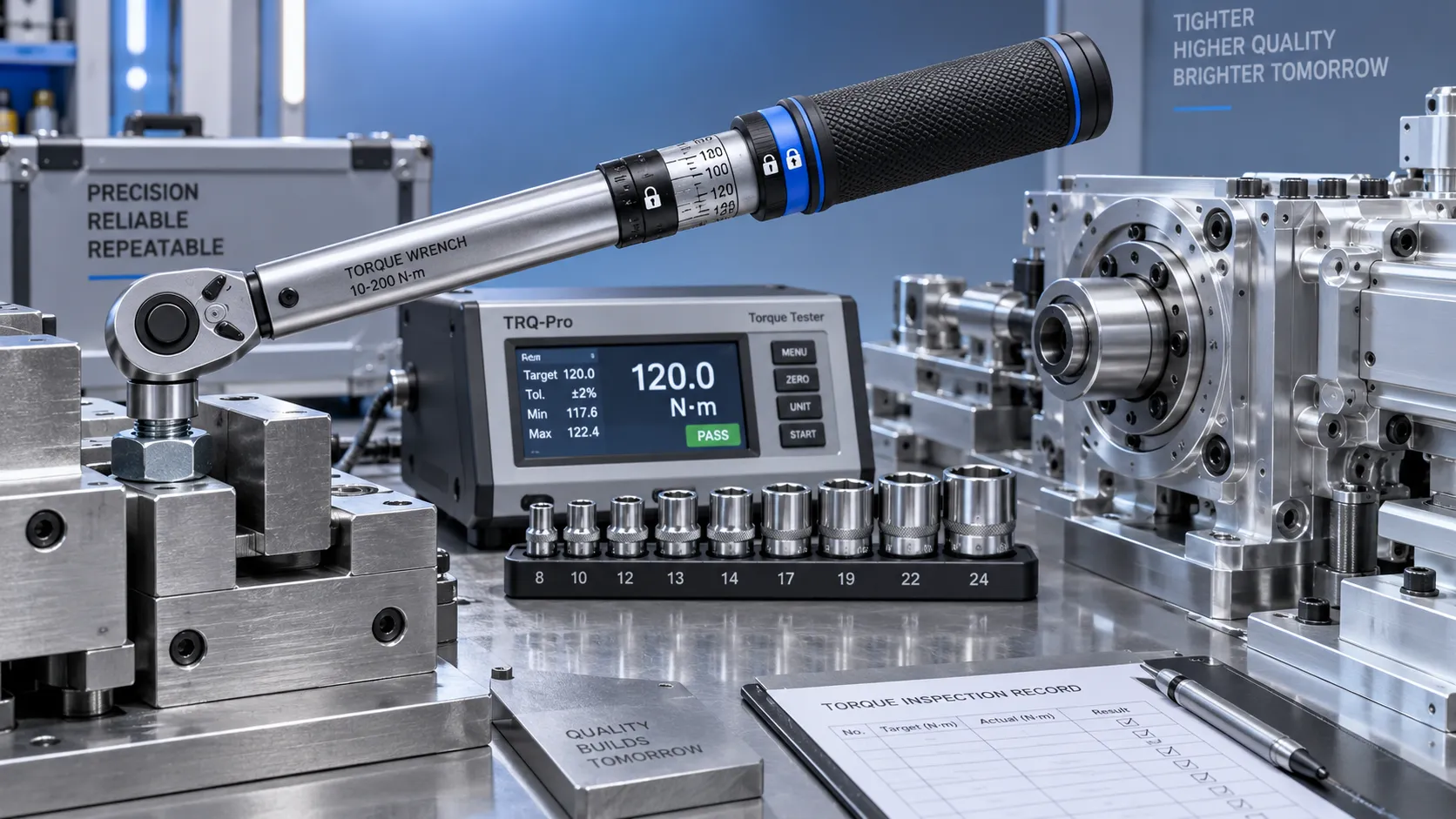
Selecting Adjustable Torque Tools for Repeatable Fastener Assembly
Adjustable torque tools: learn how to match range, accuracy, control methods, calibration, and ergonomics for repeatable, reliable fastener assembly.
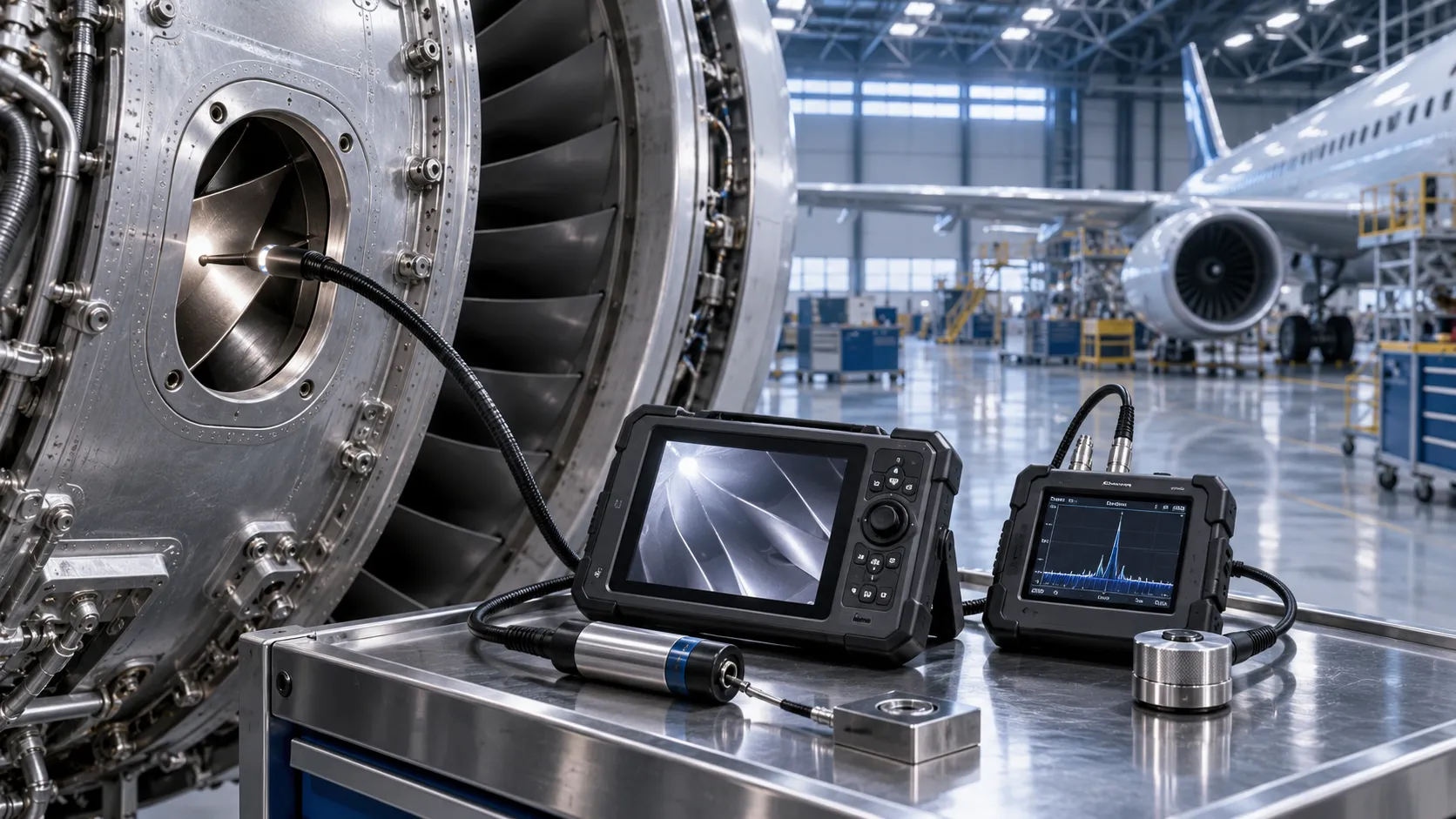
How to Select Aerospace Inspection Tools for Aircraft Maintenance Tasks
Aerospace maintenance inspection tools: learn how to select reliable, traceable equipment for aircraft access, accuracy, calibration, and compliant maintenance decisions.

How to Select Wire Bonding Tools for Fine-Pitch Semiconductor Packaging
Explore semiconductor manufacturing tools for wire bonding and learn how to select precision solutions for fine-pitch packaging, reliable loops, accuracy, and yield.
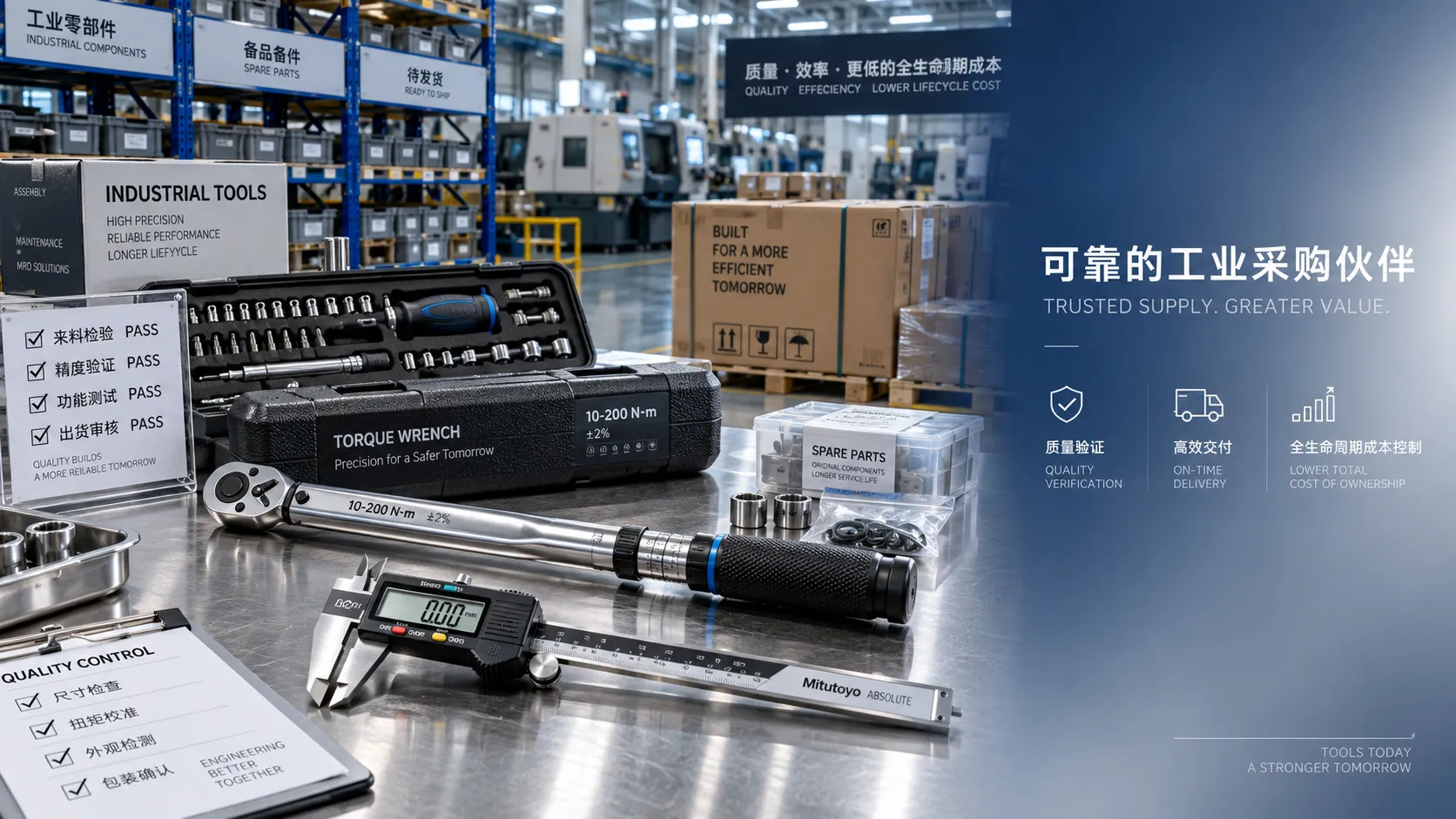
How to Compare Industrial Tool Suppliers for Quality, Lead Time, and Total Cost
Industrial tool selection supplier comparison made simple: evaluate quality, lead times, total cost, service, and supply resilience for confident sourcing decisions.
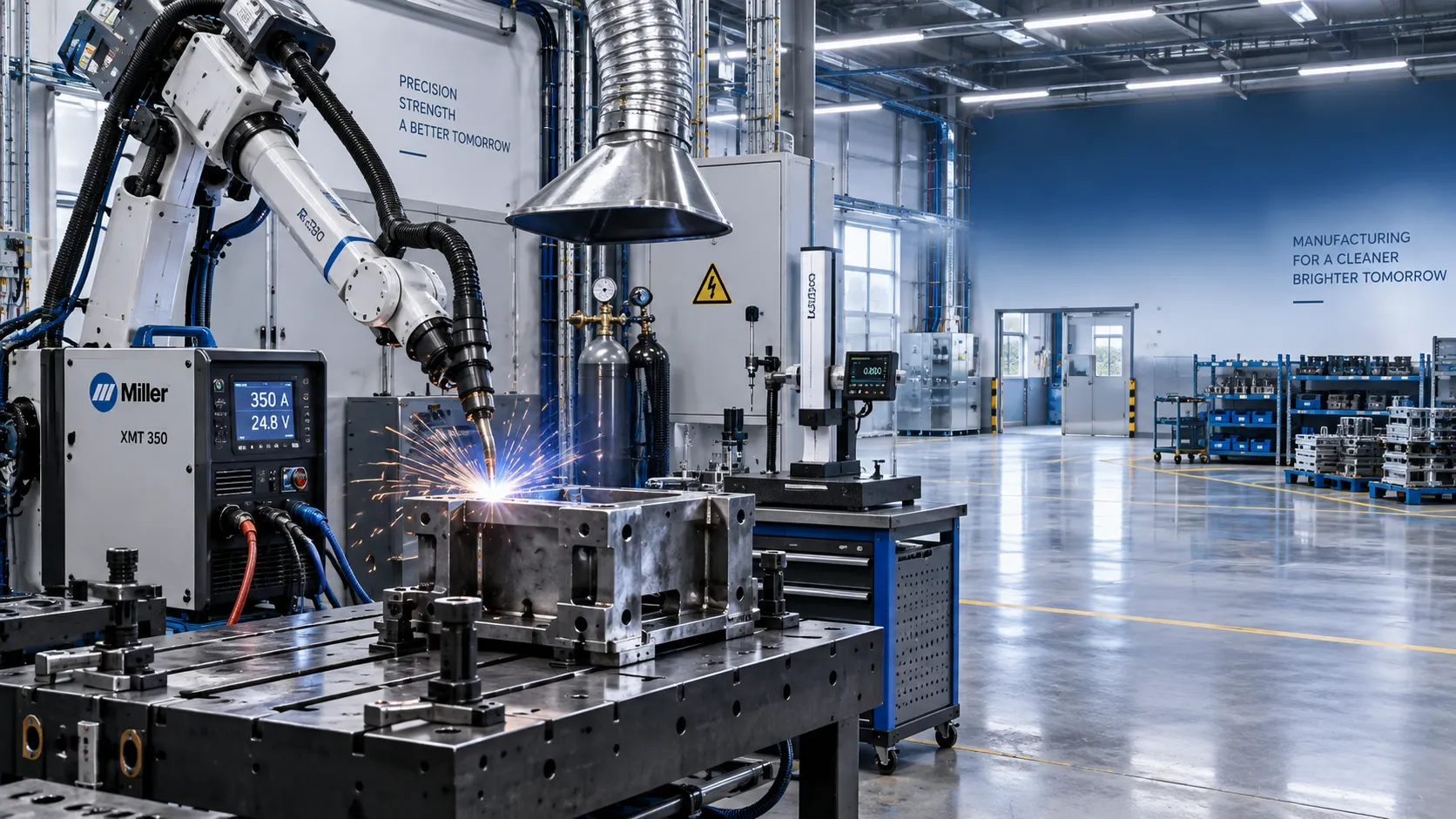
Industrial Equipment Application Guidance: Match Machines to Operating Conditions
Application guidance industrial equipment: match capacity, duty cycle, materials, site conditions, safety, and lifecycle cost to improve reliable output. Read the guide.
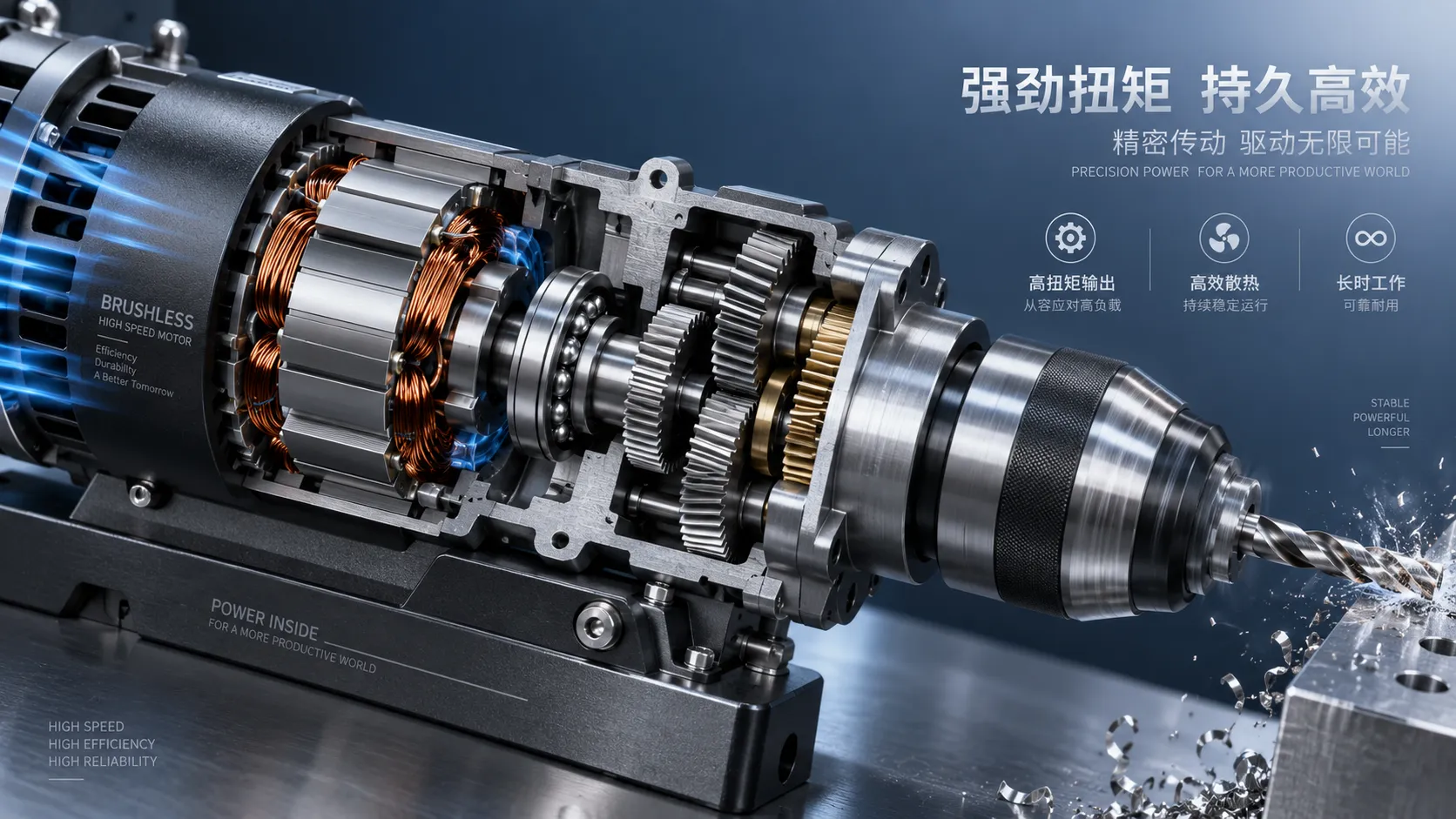
Selecting High-Speed Brushless Tool Motors for Torque, Heat, and Duty Cycle
High speed brushless tool motors: learn how to balance torque, heat, gearing, and duty cycle for reliable industrial tool performance and longer service life.
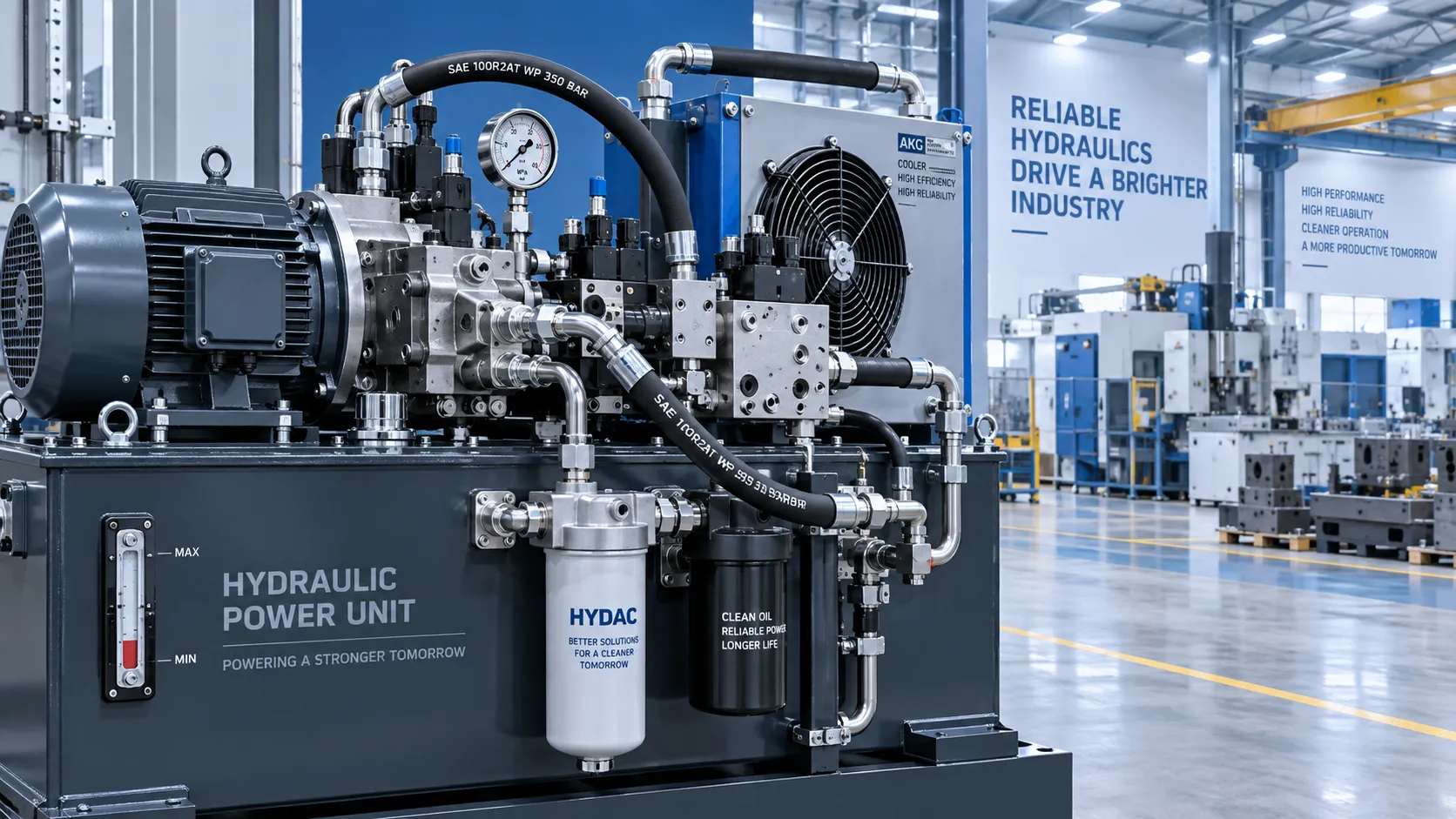
What Determines Industrial Hydraulic System Price for Heavy-Duty Equipment?
Industrial hydraulic system price depends on duty cycle, pressure, components, cooling, and integration. Compare quotes intelligently to secure reliable heavy-duty performance.
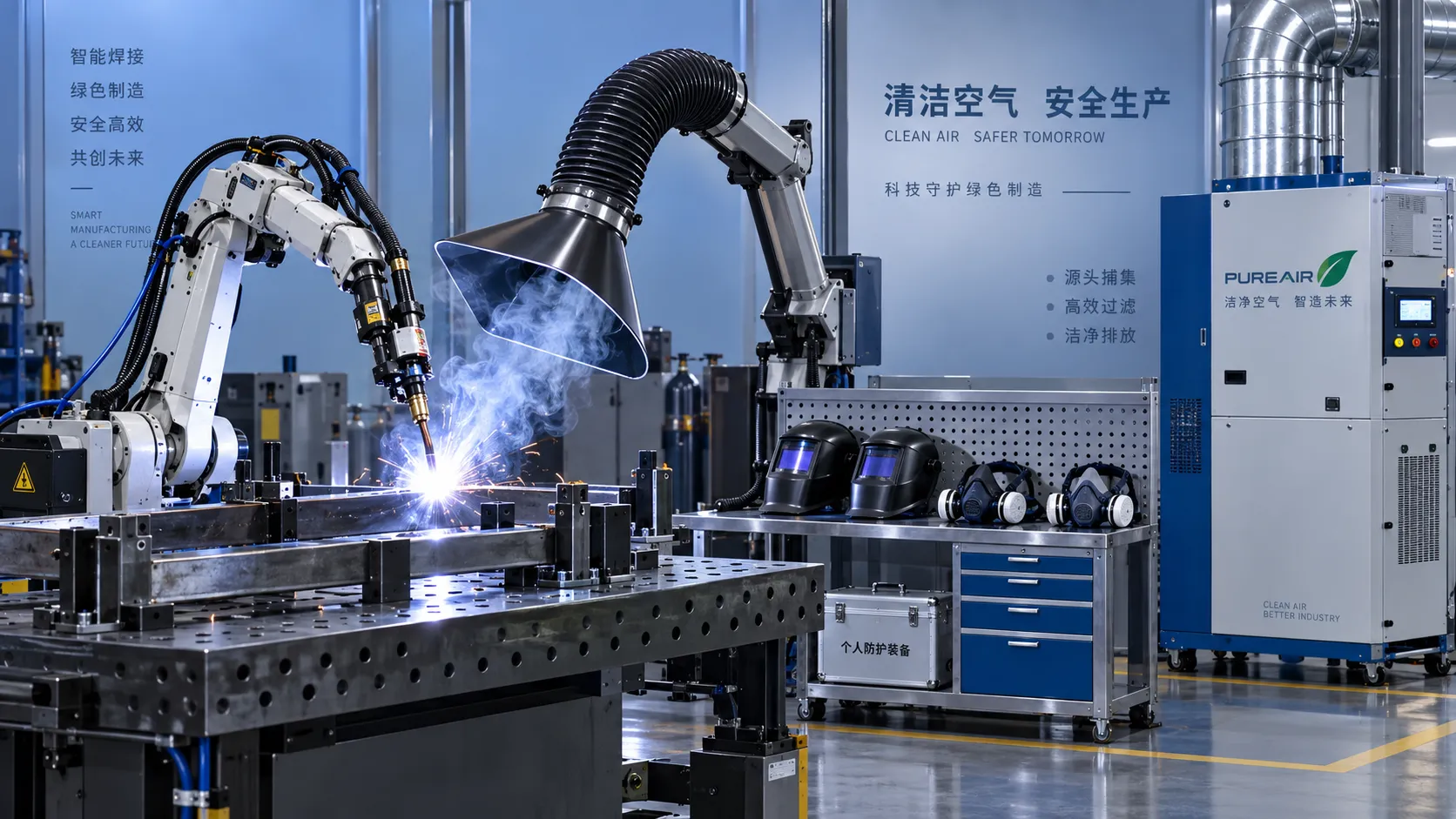
Welding Fume Extraction PPE: When Respirators Are Not Enough for Shop Safety
Welding fume extraction PPE: learn why respirators alone fall short and how source capture, ventilation, and layered controls improve shop safety.
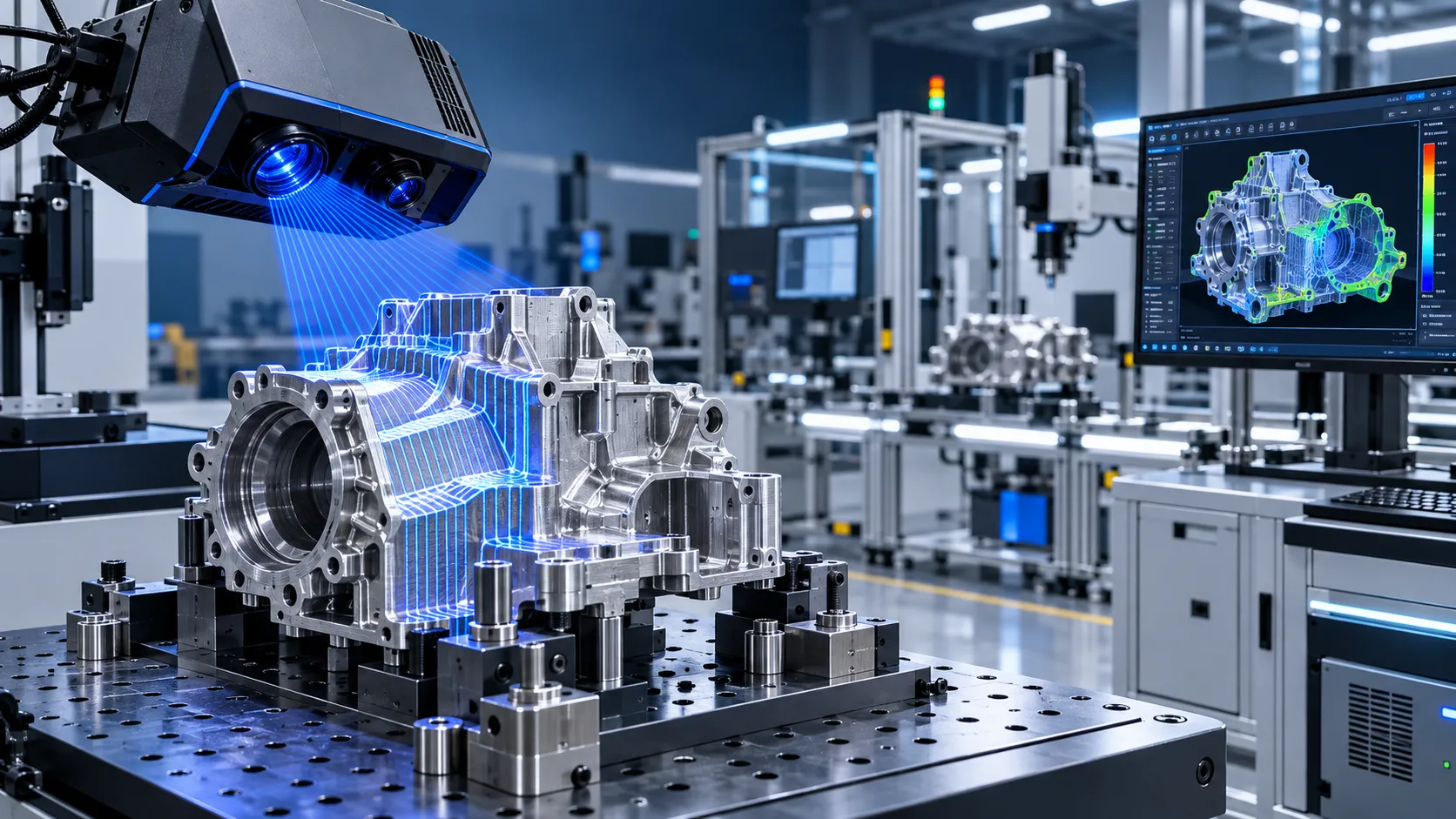
How to Select Optical Metrology Solutions for Tight-Tolerance Manufacturing
Optical industrial metrology solutions for tight-tolerance manufacturing: evaluate accuracy, surface compatibility, workflow, and traceability to select with confidence.
Related News
- 00
0000-00
Selecting Adjustable Torque Tools for Repeatable Fastener Assembly - 00
0000-00
How to Select Aerospace Inspection Tools for Aircraft Maintenance Tasks - 00
0000-00
How to Select Wire Bonding Tools for Fine-Pitch Semiconductor Packaging - 00
0000-00
Industrial Equipment Application Guidance: Match Machines to Operating Conditions - 00
0000-00
Selecting High-Speed Brushless Tool Motors for Torque, Heat, and Duty Cycle
Prof. Marcus Chen
Weekly Insights
Stay ahead with our curated technology reports delivered every Monday.