
When manufacturing technology cuts costs but adds risk





Manufacturing technology often promises faster output, lower labor intensity, and tighter repeatability. Yet cost reduction alone never defines a sound decision.
In many industrial settings, manufacturing technology shifts risk rather than removing it. Savings at purchase can reappear through downtime, training gaps, compliance exposure, or unstable suppliers.
For sectors tracked by GPTWM, the real question is practical. Which production scenarios benefit most, and where do hidden liabilities outweigh visible savings?
Why manufacturing technology delivers different outcomes across operating scenarios
Not every plant, workshop, or service network uses manufacturing technology under the same pressure. Output volume, product complexity, operator skill, and regulatory burden all change the risk profile.
A robotic welding cell in automotive parts behaves differently from handheld laser welding in field repair. A metrology upgrade for aerospace inspection faces stricter tolerance consequences than a basic fabrication line.
That is why manufacturing technology should be judged by application context. The same machine can be a cost weapon in one setting and a financial trap in another.
Key variables that change the value equation
- Production stability and forecast accuracy
- Tolerance sensitivity and failure costs
- Worker training depth and turnover rate
- Safety regulation intensity and audit exposure
- Spare parts lead time and service access
- Software dependence and cyber maintenance needs
Scenario 1: High-volume production where manufacturing technology cuts cost fastest
In repetitive manufacturing, manufacturing technology usually creates the clearest payback. Automated fastening, CNC optimization, sensor-based quality control, and brushless power systems reduce labor variability.
Unit economics improve because cycle times shrink. Scrap rates often fall. Throughput planning becomes easier when digital tools capture torque, temperature, dimensions, or weld consistency.
However, this scenario also concentrates risk. When one automated line stops, the cost of lost output can erase weeks of savings.
A low-cost machine with poor service support may look attractive on paper. In practice, it can create severe downtime, calibration drift, and unstable quality escapes.
Core judgment points in high-volume settings
- Can the supplier guarantee uptime response?
- Does the process need certified traceability?
- How costly is one hour of interruption?
- Are software licenses recurring or fixed?
Scenario 2: Precision-critical work where manufacturing technology adds hidden quality risk
In metrology-heavy sectors, manufacturing technology can improve consistency only when calibration discipline matches process ambition. Precision tools without control routines invite expensive mistakes.
A cheaper digital measuring platform may accelerate inspection. Yet if it lacks repeatability, environmental compensation, or audit-ready data integrity, downstream rework can multiply quickly.
This applies strongly to aerospace maintenance, medical components, energy assemblies, and export-oriented fabrication. Tolerance failure can trigger claims, shipment holds, and certification damage.
Here, manufacturing technology should be valued against total quality cost, not only equipment price. Traceability, recalibration intervals, and operator interpretation matter as much as hardware capability.
Signals that savings may be overstated
- Calibration schedules are unclear or outsourced with delays
- Measurement software cannot export reliable audit records
- Tolerance drift appears under temperature variation
- Operators rely on manual interpretation without standard work
Scenario 3: Flexible low-volume operations where manufacturing technology may be overspecified
Job shops and mixed-model production often chase manufacturing technology for flexibility. Modular tools, intelligent torque systems, and programmable welders can indeed reduce setup waste.
But overspecification is common. Advanced features may remain unused while service contracts, software complexity, and retraining requirements continue to generate cost.
When demand is irregular, payback assumptions become fragile. The issue is not whether manufacturing technology works, but whether actual utilization supports the investment model.
In these settings, simpler and rugged equipment sometimes delivers better returns. Adaptability must be weighed against idle capability.
Core judgment points in flexible operations
- Expected utilization over twelve to twenty-four months
- Changeover frequency and programming effort
- Availability of cross-trained operators
- Compatibility with current fixtures and workflows
Scenario 4: Safety-sensitive applications where manufacturing technology lowers labor but raises exposure
Manufacturing technology can reduce ergonomic strain and manual hazards. Yet certain upgrades, especially laser, thermal, hydraulic, or connected systems, introduce new control obligations.
Handheld laser welding is a strong example. It may improve speed and aesthetic finish, but eye protection, reflective surface control, enclosure practice, and certification discipline become critical.
Safety-related savings claims often exclude training hours, compliance documentation, ventilation improvement, and insurance review. Those omissions distort the business case.
For many industrial environments, the risk is not the technology itself. The risk is adoption without a mature operating framework.
How scenario needs differ when evaluating manufacturing technology
Practical fit recommendations before adopting manufacturing technology
A disciplined review process helps separate real productivity gains from attractive but risky assumptions. The goal is balanced value, not the cheapest acquisition path.
- Map the exact production scenario, not only the department budget.
- Estimate failure cost, downtime cost, and retraining cost separately.
- Review spare part access, service distance, and software dependency.
- Validate calibration, safety, and data traceability requirements early.
- Run a pilot using realistic load, materials, and operator conditions.
- Use total cost of ownership, not invoice price, as the final gate.
What strong evaluation usually includes
- Process capability data before and after adoption
- Operator learning curve assumptions
- Regulatory checklist for the target market
- Contingency plan for equipment or software failure
Common misjudgments when manufacturing technology appears cheaper
One common mistake is treating labor savings as guaranteed. In reality, supervision, debugging, and exception handling often rise after installation.
Another mistake is ignoring ecosystem risk. Manufacturing technology tied to proprietary consumables, locked software, or weak distributors can become costly over time.
A third error is assuming quality automation replaces process discipline. Sensors and intelligent tools support judgment, but they do not repair unstable inputs or unclear standards.
Finally, decision models often miss geopolitical and export-control factors. For globally traded industrial equipment, compliance shifts can suddenly affect service, parts, and certification pathways.
Next-step actions to balance savings and resilience
Manufacturing technology creates real advantage when matched to the right scenario, governed by clear standards, and supported through the full operating lifecycle.
Start with one production case. Define target savings, acceptable risk, compliance obligations, and service expectations before comparing options.
Then build a decision sheet covering uptime, calibration, training, traceability, consumables, and supplier resilience. This turns manufacturing technology from a price discussion into a strategic investment review.
For organizations following industrial assembly, metal joining, and precision metrology trends, sharper intelligence is the best safeguard. Lower cost matters, but resilient performance matters more.
Related News
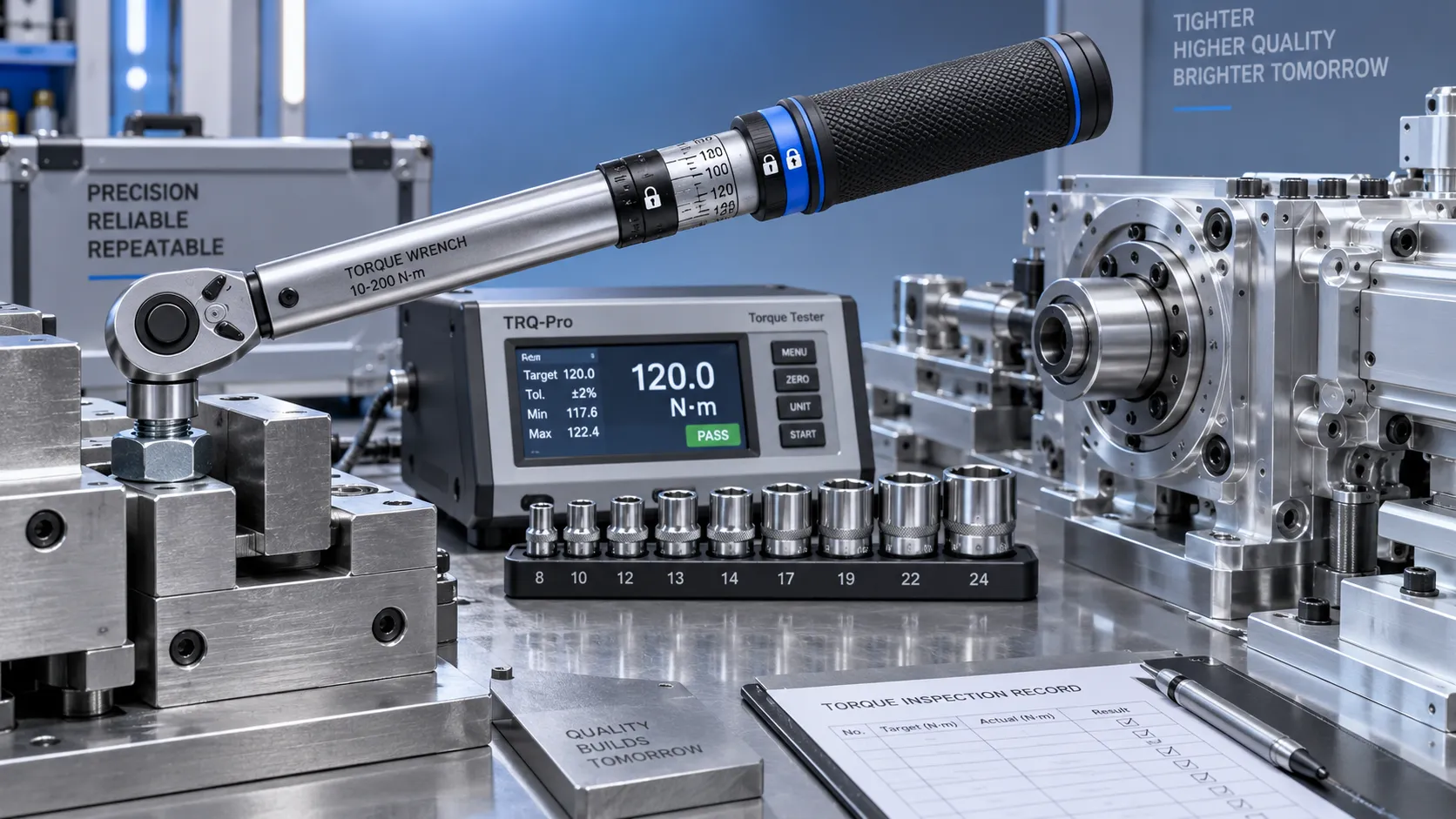
Selecting Adjustable Torque Tools for Repeatable Fastener Assembly
Adjustable torque tools: learn how to match range, accuracy, control methods, calibration, and ergonomics for repeatable, reliable fastener assembly.

How to Select Aerospace Inspection Tools for Aircraft Maintenance Tasks
Aerospace maintenance inspection tools: learn how to select reliable, traceable equipment for aircraft access, accuracy, calibration, and compliant maintenance decisions.

How to Select Wire Bonding Tools for Fine-Pitch Semiconductor Packaging
Explore semiconductor manufacturing tools for wire bonding and learn how to select precision solutions for fine-pitch packaging, reliable loops, accuracy, and yield.
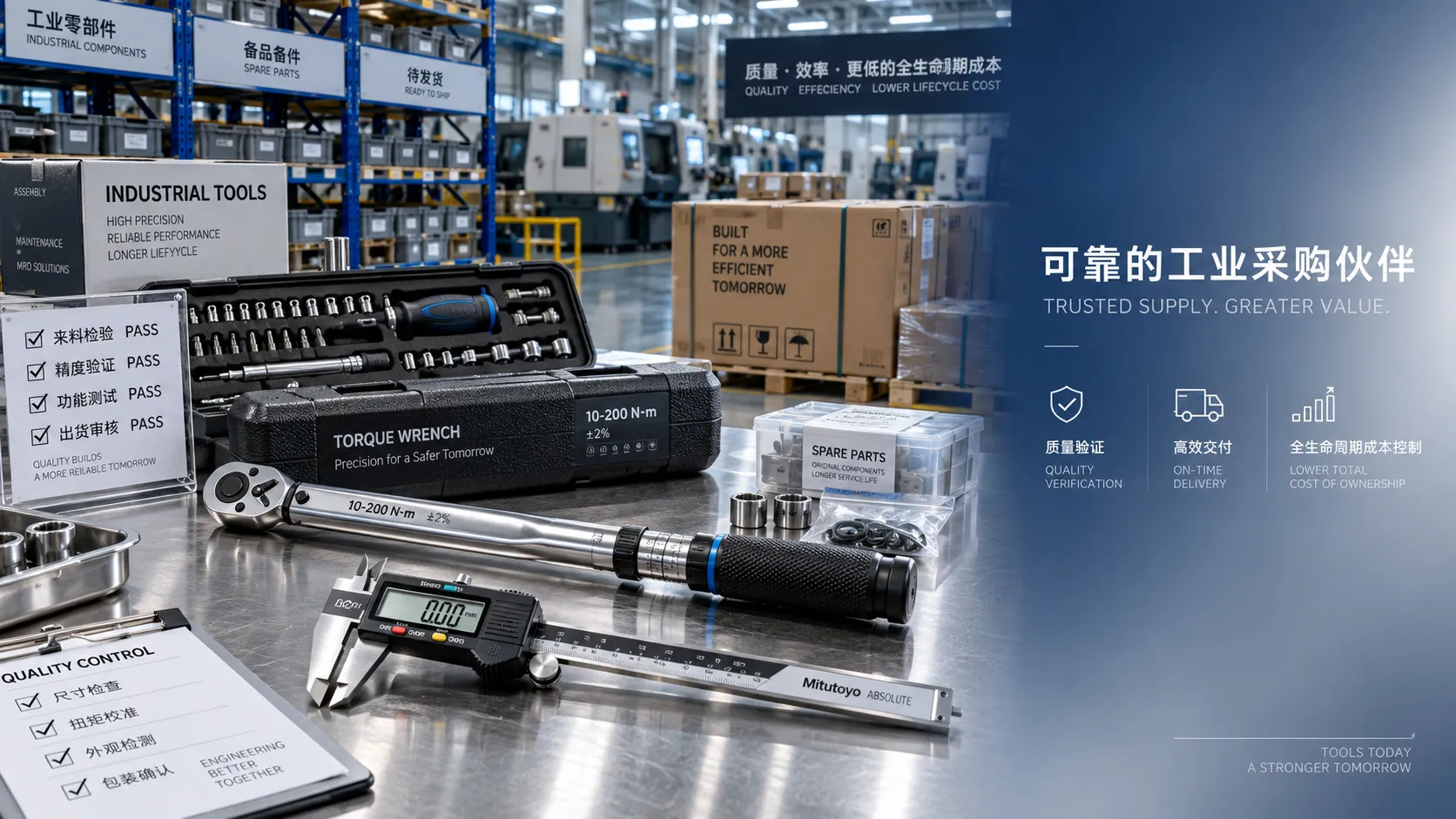
How to Compare Industrial Tool Suppliers for Quality, Lead Time, and Total Cost
Industrial tool selection supplier comparison made simple: evaluate quality, lead times, total cost, service, and supply resilience for confident sourcing decisions.
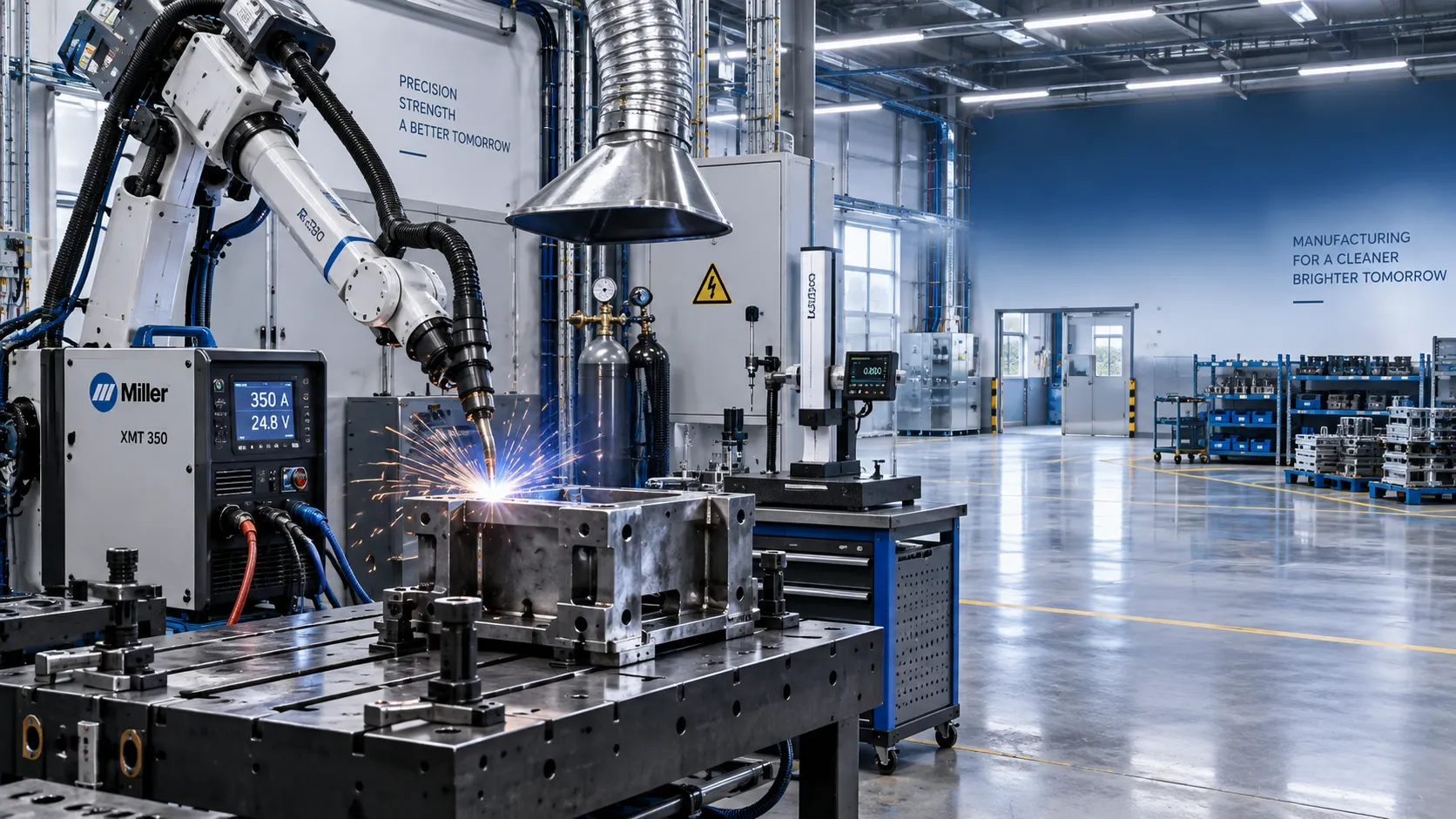
Industrial Equipment Application Guidance: Match Machines to Operating Conditions
Application guidance industrial equipment: match capacity, duty cycle, materials, site conditions, safety, and lifecycle cost to improve reliable output. Read the guide.
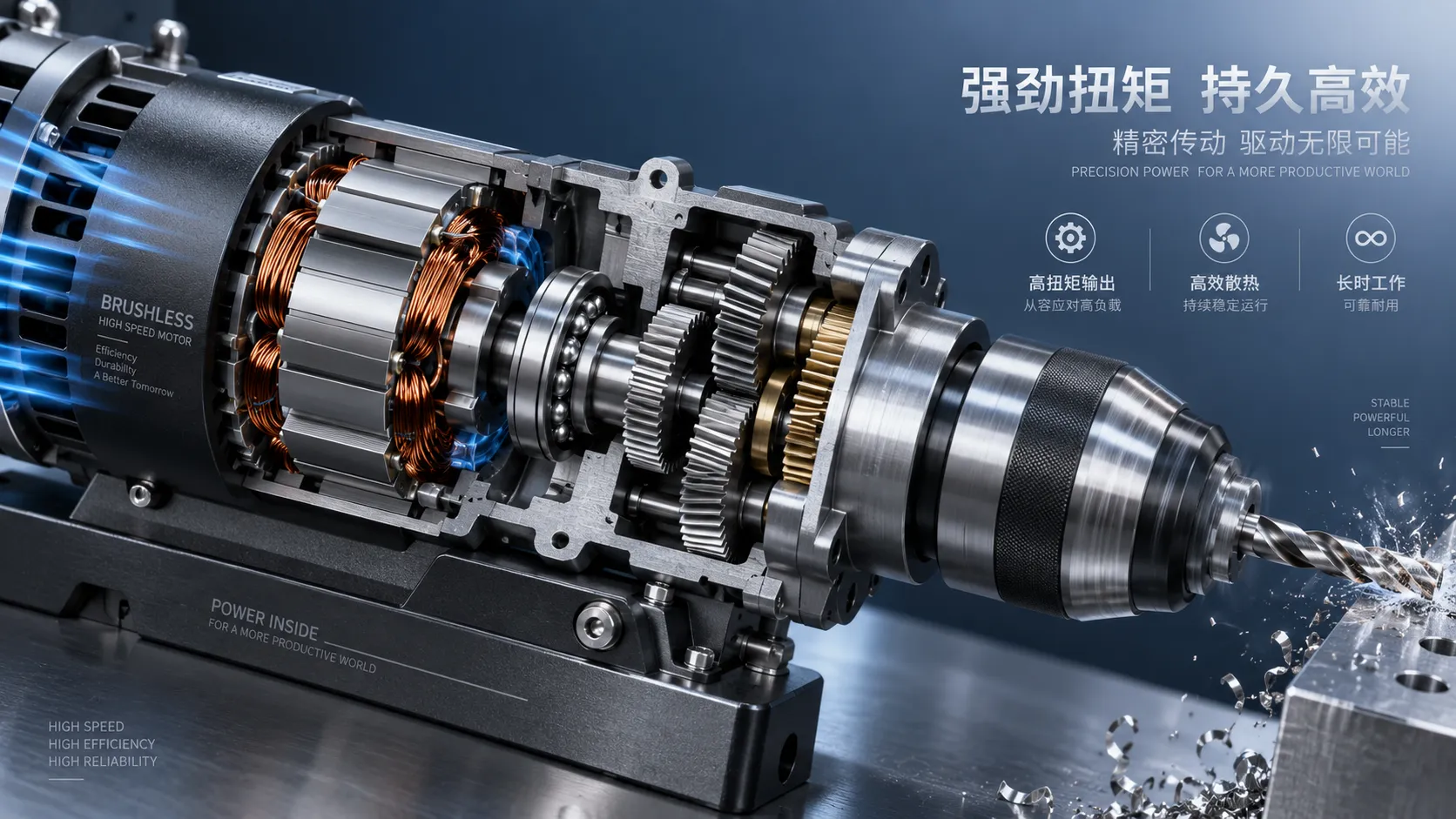
Selecting High-Speed Brushless Tool Motors for Torque, Heat, and Duty Cycle
High speed brushless tool motors: learn how to balance torque, heat, gearing, and duty cycle for reliable industrial tool performance and longer service life.
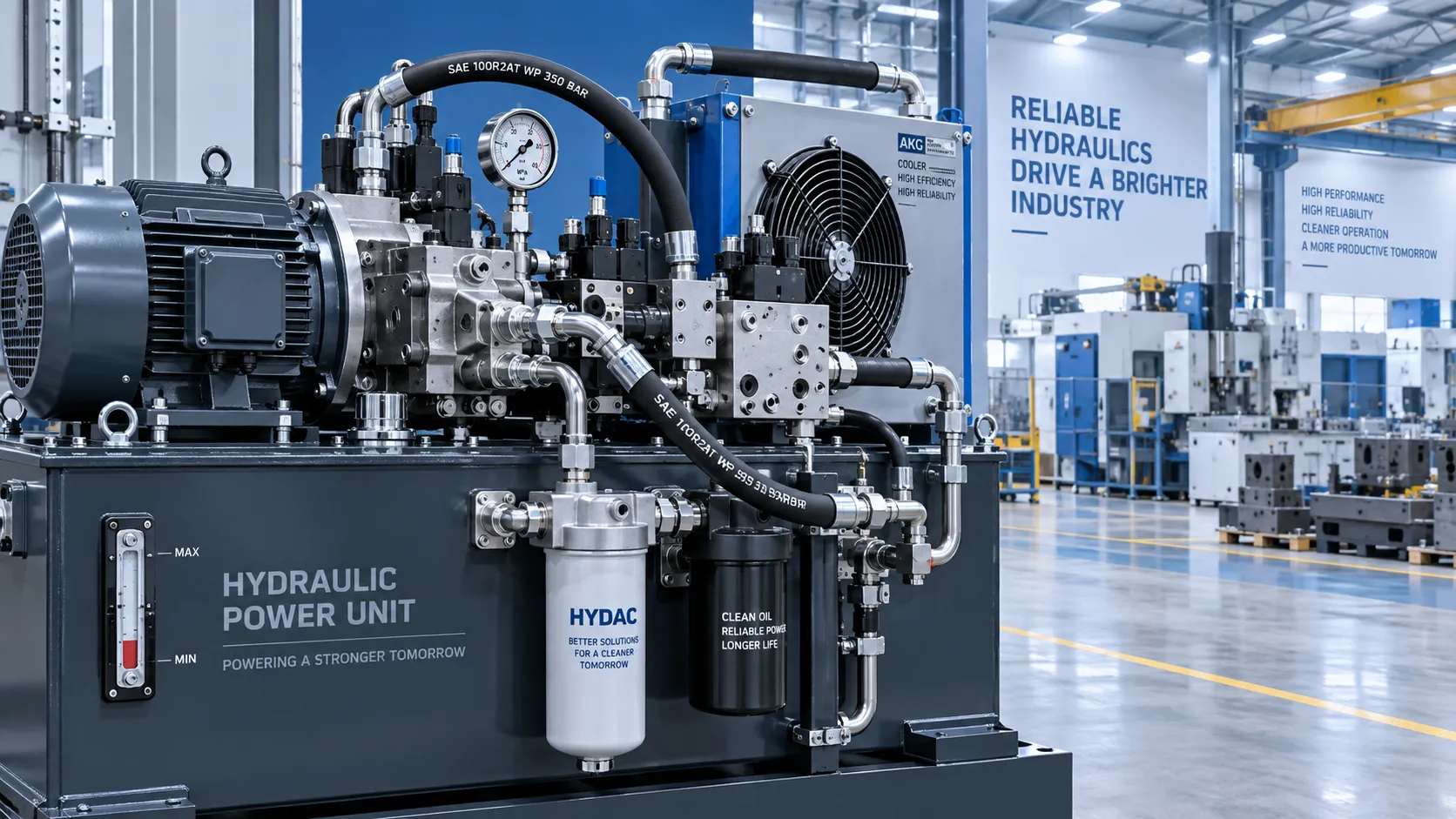
What Determines Industrial Hydraulic System Price for Heavy-Duty Equipment?
Industrial hydraulic system price depends on duty cycle, pressure, components, cooling, and integration. Compare quotes intelligently to secure reliable heavy-duty performance.
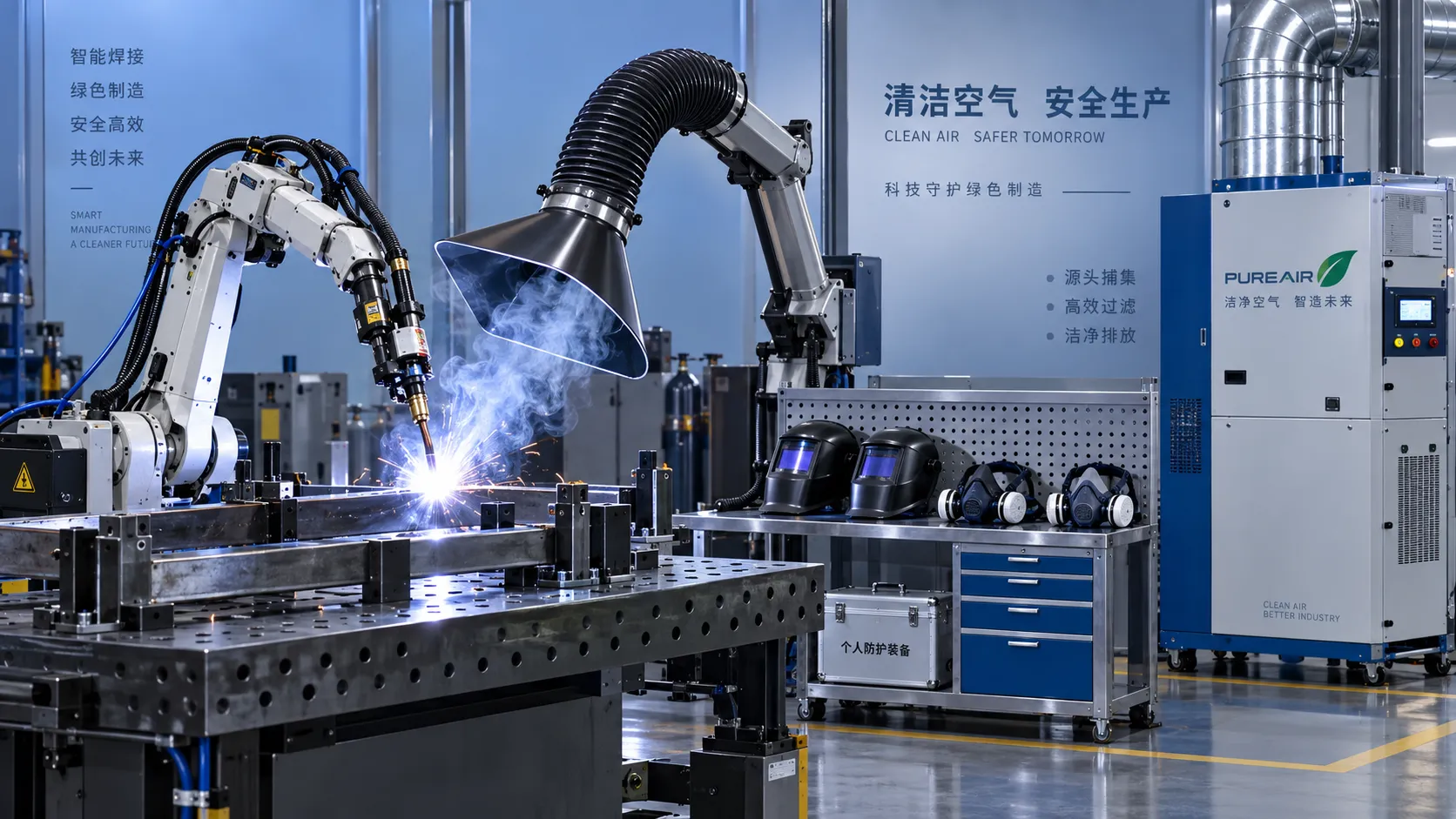
Welding Fume Extraction PPE: When Respirators Are Not Enough for Shop Safety
Welding fume extraction PPE: learn why respirators alone fall short and how source capture, ventilation, and layered controls improve shop safety.
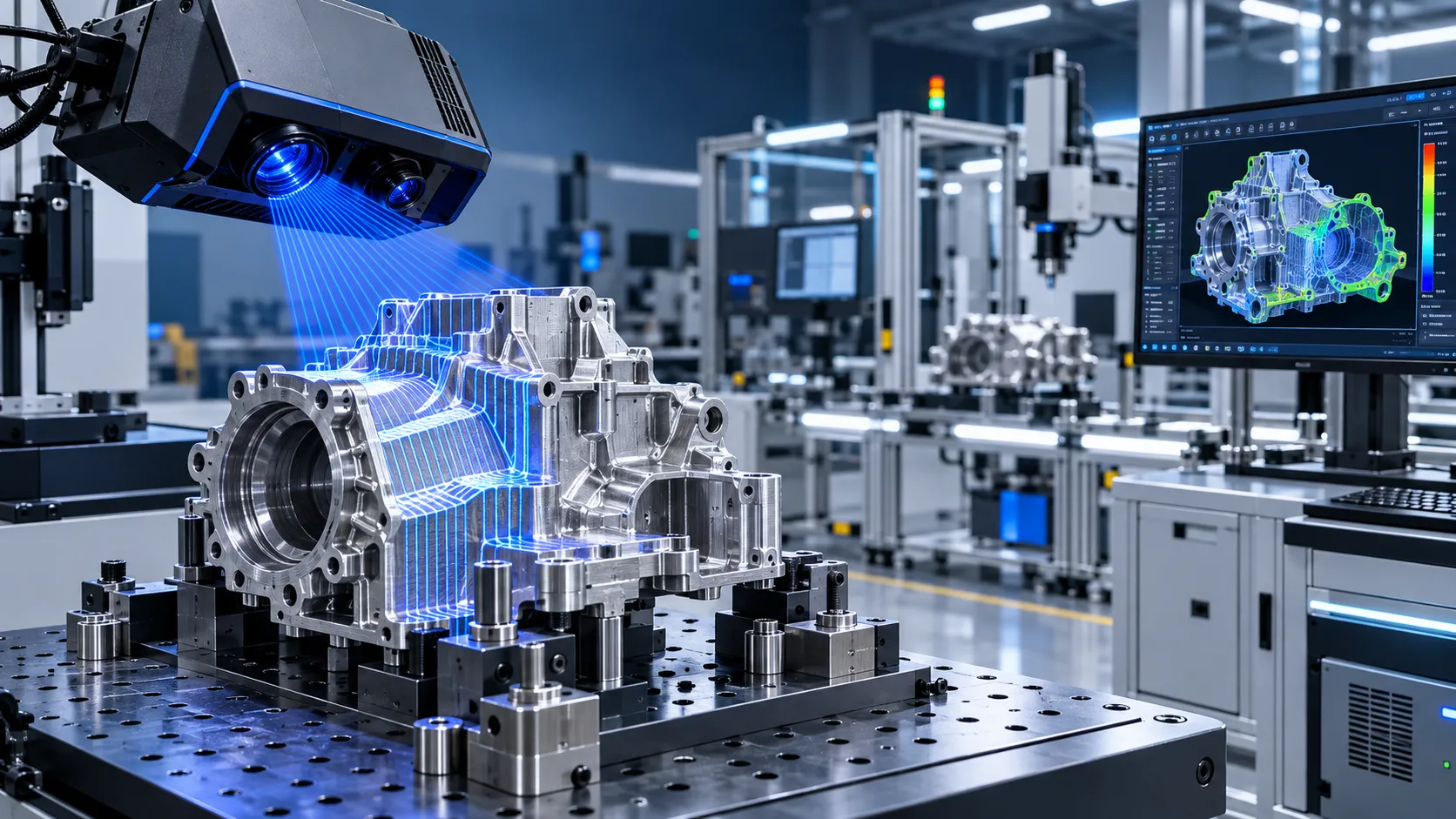
How to Select Optical Metrology Solutions for Tight-Tolerance Manufacturing
Optical industrial metrology solutions for tight-tolerance manufacturing: evaluate accuracy, surface compatibility, workflow, and traceability to select with confidence.
Related News
- 00
0000-00
Selecting Adjustable Torque Tools for Repeatable Fastener Assembly - 00
0000-00
How to Select Aerospace Inspection Tools for Aircraft Maintenance Tasks - 00
0000-00
How to Select Wire Bonding Tools for Fine-Pitch Semiconductor Packaging - 00
0000-00
Industrial Equipment Application Guidance: Match Machines to Operating Conditions - 00
0000-00
Selecting High-Speed Brushless Tool Motors for Torque, Heat, and Duty Cycle
Prof. Marcus Chen
Weekly Insights
Stay ahead with our curated technology reports delivered every Monday.