
Is industrial automation still worth it for mixed output?





For business evaluators facing mixed-output production, the real question is not whether industrial automation is advanced, but whether it can deliver flexible returns across changing product volumes, labor costs, and quality demands.
In today’s manufacturing landscape, automation is no longer a one-size-fits-all upgrade. It is a strategic investment that must balance efficiency, adaptability, risk, and the realities of product variety.
The short answer is yes: industrial automation is still worth it for mixed output, but only when the automation strategy is matched to production variability, changeover frequency, quality risk, and cost structure.
For companies producing multiple SKUs, short runs, custom variants, or fluctuating order volumes, the winning approach is rarely full automation everywhere. It is selective, modular, and data-driven automation.
What business evaluators actually need to know first
If you are assessing industrial automation for mixed-output operations, the key issue is not technical capability alone. The key issue is economic fit under variable production conditions.
Many mixed-output factories assume automation loses value when demand is inconsistent. In reality, the value shifts from pure labor replacement toward quality stability, throughput control, traceability, and resilience.
That distinction matters because business cases often fail when they are built on headcount reduction alone. In diversified production, automation pays back through multiple channels, not just direct labor savings.
For evaluators, the best starting question is simple: where does production variability create the highest cost, the highest risk, or the greatest operational drag?
Is industrial automation still worth it for mixed output?
In most cases, yes, but not in the same way it is worth it for high-volume, low-mix manufacturing. Mixed-output environments require a more selective return model.
When production changes frequently, traditional fixed automation can become underutilized or difficult to justify. However, newer automation systems are more flexible, programmable, modular, and easier to redeploy.
This means industrial automation can remain financially attractive even when batch sizes are smaller, product variants are higher, and schedules are less predictable than before.
The real value emerges when automation targets bottlenecks that remain repetitive despite product variation. These may include material handling, torque control, welding consistency, inspection, labeling, or packaging.
If those functions are still repeated across many product types, mixed output does not eliminate the business case. It often strengthens it by reducing variability-related cost and quality exposure.
Why mixed-output production changes the investment logic
In high-volume plants, automation is usually justified by cycle time and labor reduction. In mixed-output production, the evaluation model must be broader and more nuanced.
Frequent changeovers can reduce machine utilization. Product diversity may require flexible tooling, software adjustments, or operator intervention that lowers the gains from rigid systems.
At the same time, mixed output often increases complexity costs. These include setup errors, inconsistent quality, training burden, rework, scrap, scheduling friction, and uneven operator performance.
That is where industrial automation can create strong value. It standardizes critical steps, shortens learning curves, and protects process stability when product combinations become harder to manage manually.
Business evaluators should therefore compare automation not against an ideal manual operation, but against the actual cost of complexity already present in the process.
Where automation usually delivers the best returns in mixed-output operations
Not every production step deserves automation. In mixed-output manufacturing, the best returns usually come from processes that combine repetition with high cost of error.
Inspection and metrology are common examples. Automated measurement systems can support changing product lines while maintaining traceability, reducing subjective judgment, and preventing escaped defects.
Joining processes also stand out. In welding, fastening, and torque-critical assembly, automation improves consistency even when part designs vary, especially if recipes can be switched digitally.
Material handling is another strong candidate. Moving parts between stations may not define product value, but it often absorbs labor, creates waiting time, and introduces avoidable risk.
Packaging, marking, code verification, and digital documentation can also produce fast returns because they remain necessary regardless of product mix and can scale with operational fluctuations.
In contrast, highly customized steps with frequent engineering changes may be poor candidates for full automation unless modular tooling or collaborative systems can preserve flexibility.
What types of automation make more sense than traditional fixed systems
For mixed output, the most practical solutions are usually not large, inflexible automation lines. They are modular cells, cobots, programmable tools, smart fixtures, and software-connected workstations.
Collaborative robots can be attractive where tasks are repetitive but layouts must remain adaptable. They generally offer easier redeployment than conventional hard automation.
Programmable fastening, laser-based measurement, machine vision, and recipe-driven welding systems are also valuable because they can switch between products without major mechanical rework.
Flexible automation does not always produce the lowest unit cost at maximum volume. What it offers instead is better economic performance across a wider range of volumes and product combinations.
That tradeoff is often exactly what mixed-output manufacturers need. They do not need the absolute fastest line. They need a system that keeps producing efficiently when conditions keep changing.
How to evaluate ROI when product volumes are unstable
A strong automation case for mixed output should use scenario-based ROI, not a single fixed-volume assumption. This is one of the most important differences in business evaluation.
Model at least three demand cases: conservative, expected, and upside. Then test how equipment utilization, labor savings, scrap reduction, and quality gains perform in each case.
Do not stop at direct labor. Include the cost of rework, warranty exposure, downtime from human error, training turnover, delayed shipments, and inspection bottlenecks.
Also evaluate changeover time. If an automated cell cuts setup time or reduces setup mistakes, that benefit may matter more than raw cycle speed in mixed-output production.
Payback periods should be judged alongside strategic resilience. A slightly longer payback may still be justified if automation protects output capacity during labor shortages or demand swings.
In many industries, the hidden value of industrial automation is that it makes performance more predictable. Predictability supports quoting accuracy, delivery confidence, and customer retention.
Common concerns that make evaluators hesitate
One major concern is underutilization. If production schedules fluctuate, evaluators worry that expensive equipment will sit idle and dilute return on capital.
That concern is valid, but it usually points to the wrong automation architecture rather than to automation itself. Systems with narrow use cases carry the highest utilization risk.
A second concern is flexibility loss. Some decision-makers fear that automation locks the factory into current product designs and limits responsiveness to future customer changes.
This risk can be reduced through modular tooling, software-based recipe management, open controls, and equipment selected for family-level adaptability rather than single-part optimization.
A third concern is integration complexity. If automation adds programming burden, maintenance dependence, or long commissioning delays, the business case can weaken quickly.
That is why implementation planning matters as much as machine selection. Evaluators should ask not only what the system can do, but how easily the organization can absorb it.
How labor realities are changing the equation
Industrial automation is increasingly justified by labor market risk, not just wage arithmetic. Mixed-output production often depends on skilled operators who are difficult to recruit and retain.
When operations require repeatable judgment, careful handling, or process discipline across many variants, staffing instability becomes a hidden cost center.
Automation can reduce dependence on scarce manual precision while allowing experienced workers to focus on setup, oversight, exceptions, and process improvement.
For business evaluators, this means the comparison should include the cost of vacancies, overtime, retraining, quality drift from turnover, and productivity loss during ramp-up.
In sectors where craftsmanship still matters, automation does not necessarily replace skilled people. Often it protects their expertise by embedding best practices into repeatable workflows.
Quality, traceability, and compliance often matter more than speed
In mixed-output settings, poor quality is especially expensive because errors may go unnoticed across multiple product variants before patterns are detected.
Automation helps by creating standard execution, digital records, parameter control, and closed-loop verification. These features are increasingly valuable in regulated and export-oriented industries.
For assembly, welding, and precision measurement processes, traceability can become a deciding factor in the investment case. Customers increasingly expect proof, not just claims, of process consistency.
If automation enables better data capture, easier audits, and lower defect escape rates, its value extends well beyond the production floor.
This is particularly relevant for manufacturers serving automotive, aerospace maintenance, construction equipment, and high-spec industrial markets where quality events have outsized commercial impact.
How to tell when automation is not the right move
Industrial automation is not automatically the right answer. If product designs change constantly, volumes are very low, and processes are still poorly defined, automation may simply institutionalize instability.
It can also be a poor fit when upstream engineering discipline is weak. Frequent undocumented changes, inconsistent part quality, or unclear work instructions can undermine any automated investment.
If the process lacks repeatability, solve the process first. Standard work, fixture discipline, and basic measurement control often need to come before higher-capital automation decisions.
Automation should not be used to avoid process understanding. It should be used after the process economics and failure points are clearly visible.
For evaluators, this is a useful filter: if the root issue is product chaos rather than execution inefficiency, automation alone will not fix the business problem.
A practical decision framework for business evaluators
Start by identifying tasks that are repeated across many product variants. These shared tasks often create the strongest and most defensible automation opportunities.
Next, quantify complexity costs. Measure changeover loss, defect cost, operator variability, waiting time, rework, and overtime linked to mixed-output execution.
Then classify potential automation by flexibility level: fixed, configurable, modular, or portable. In mixed output, flexibility itself should be treated as an economic variable.
After that, build a scenario-based financial model. Include direct and indirect savings, utilization sensitivity, implementation costs, maintenance needs, and risk reduction benefits.
Finally, assess organizational readiness. A technically suitable system can still fail if programming support, maintenance capability, operator training, or data discipline are inadequate.
The best investment cases are usually phased. Companies begin with high-pain, cross-product applications, then expand once the first gains are verified operationally and financially.
Conclusion: industrial automation is still worth it, but only with the right scope
For mixed-output production, industrial automation remains highly relevant. The difference is that success depends less on maximum speed and more on flexible value creation.
Business evaluators should not ask whether automation can replace manual work everywhere. They should ask where automation can reduce complexity cost, stabilize quality, and improve resilience across changing output mixes.
In that context, the strongest investments are usually selective, modular, and aligned with shared process needs across multiple products. They create returns not only through labor efficiency, but through predictability and control.
So, is industrial automation still worth it for mixed output? Yes, when it is evaluated as a strategic operating model upgrade rather than a simple equipment purchase.
The companies that benefit most are not the ones chasing automation for its own sake. They are the ones using it to make mixed-output manufacturing more scalable, more consistent, and more commercially reliable.
Related News
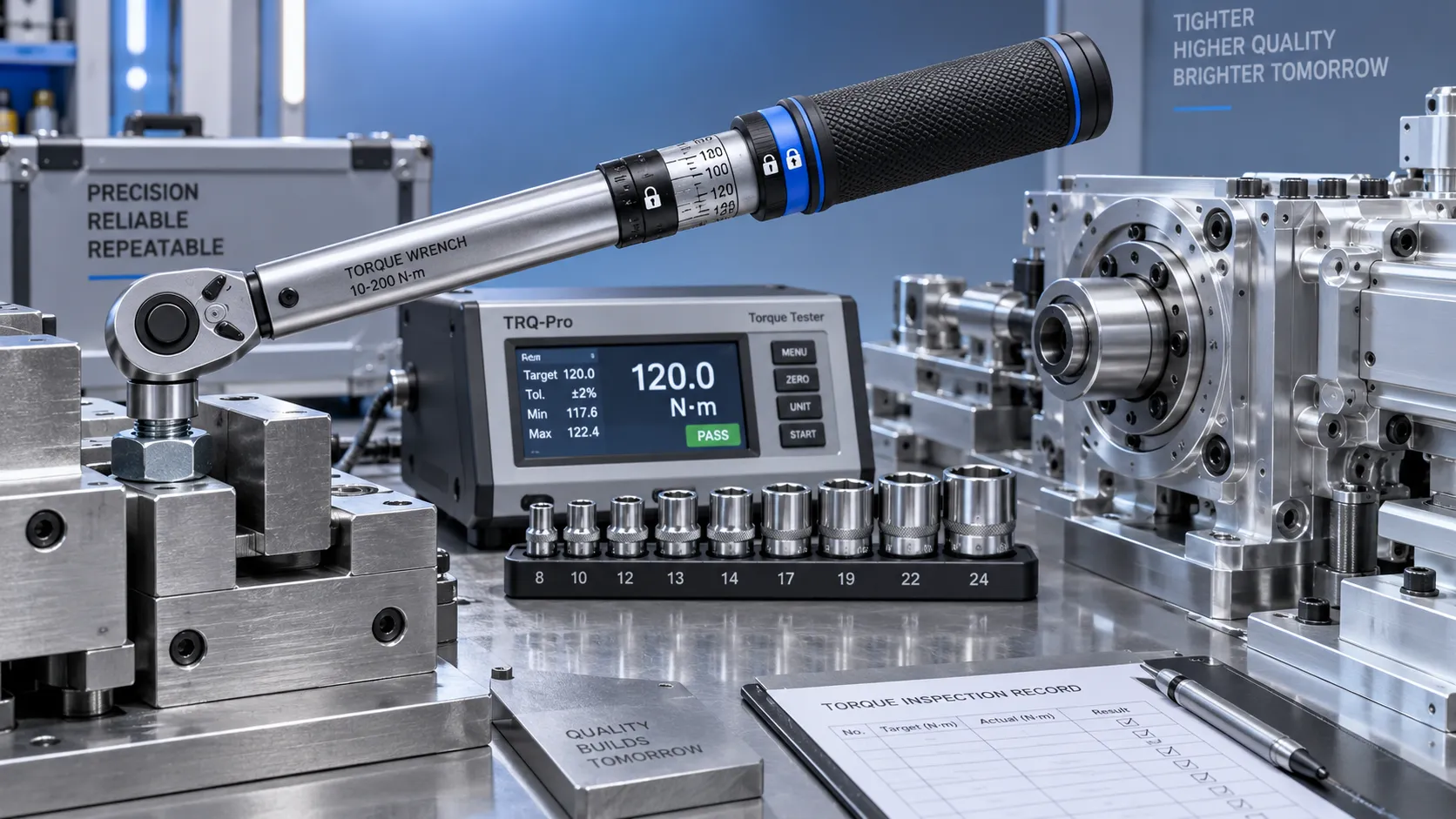
Selecting Adjustable Torque Tools for Repeatable Fastener Assembly
Adjustable torque tools: learn how to match range, accuracy, control methods, calibration, and ergonomics for repeatable, reliable fastener assembly.
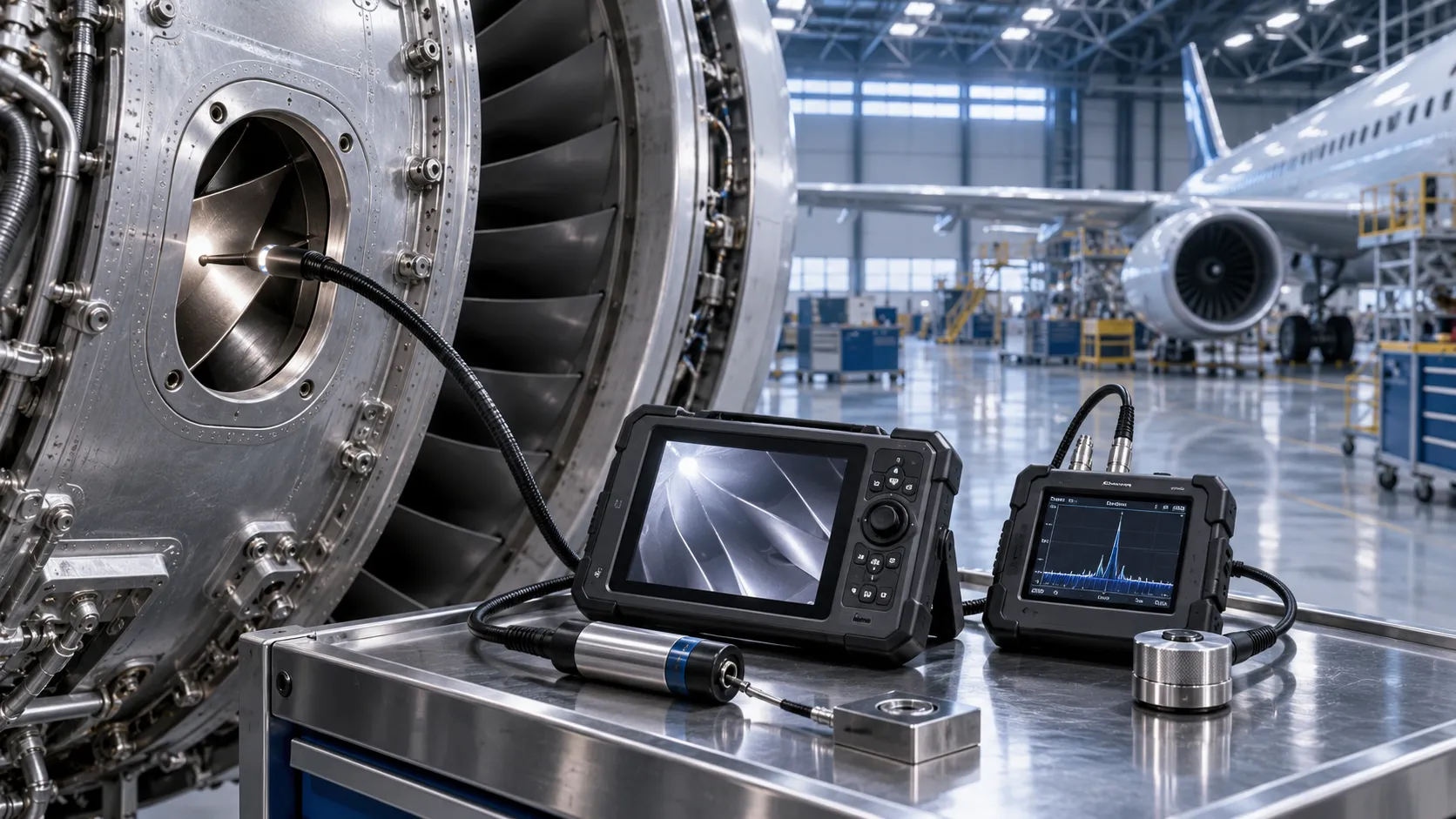
How to Select Aerospace Inspection Tools for Aircraft Maintenance Tasks
Aerospace maintenance inspection tools: learn how to select reliable, traceable equipment for aircraft access, accuracy, calibration, and compliant maintenance decisions.
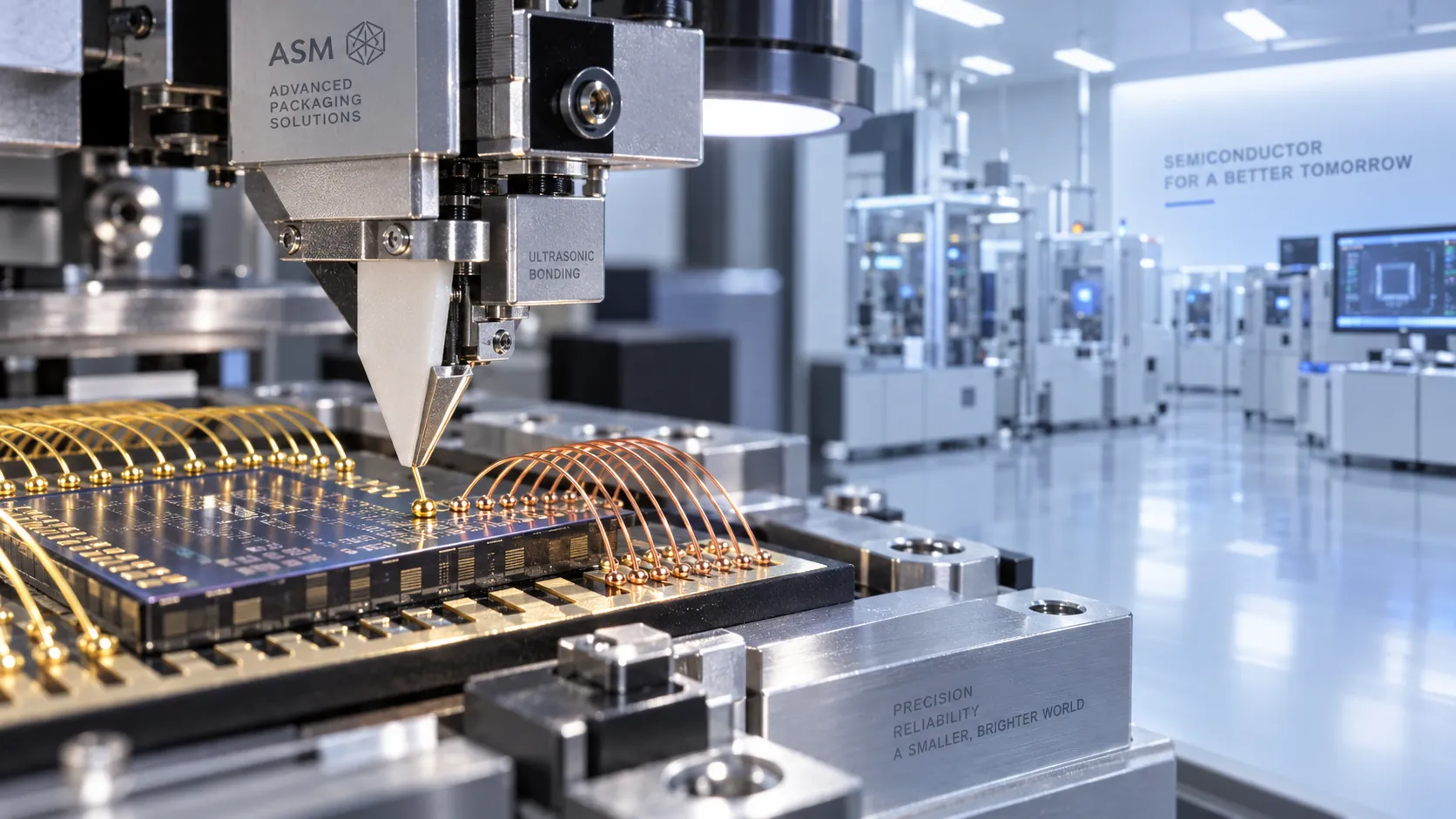
How to Select Wire Bonding Tools for Fine-Pitch Semiconductor Packaging
Explore semiconductor manufacturing tools for wire bonding and learn how to select precision solutions for fine-pitch packaging, reliable loops, accuracy, and yield.
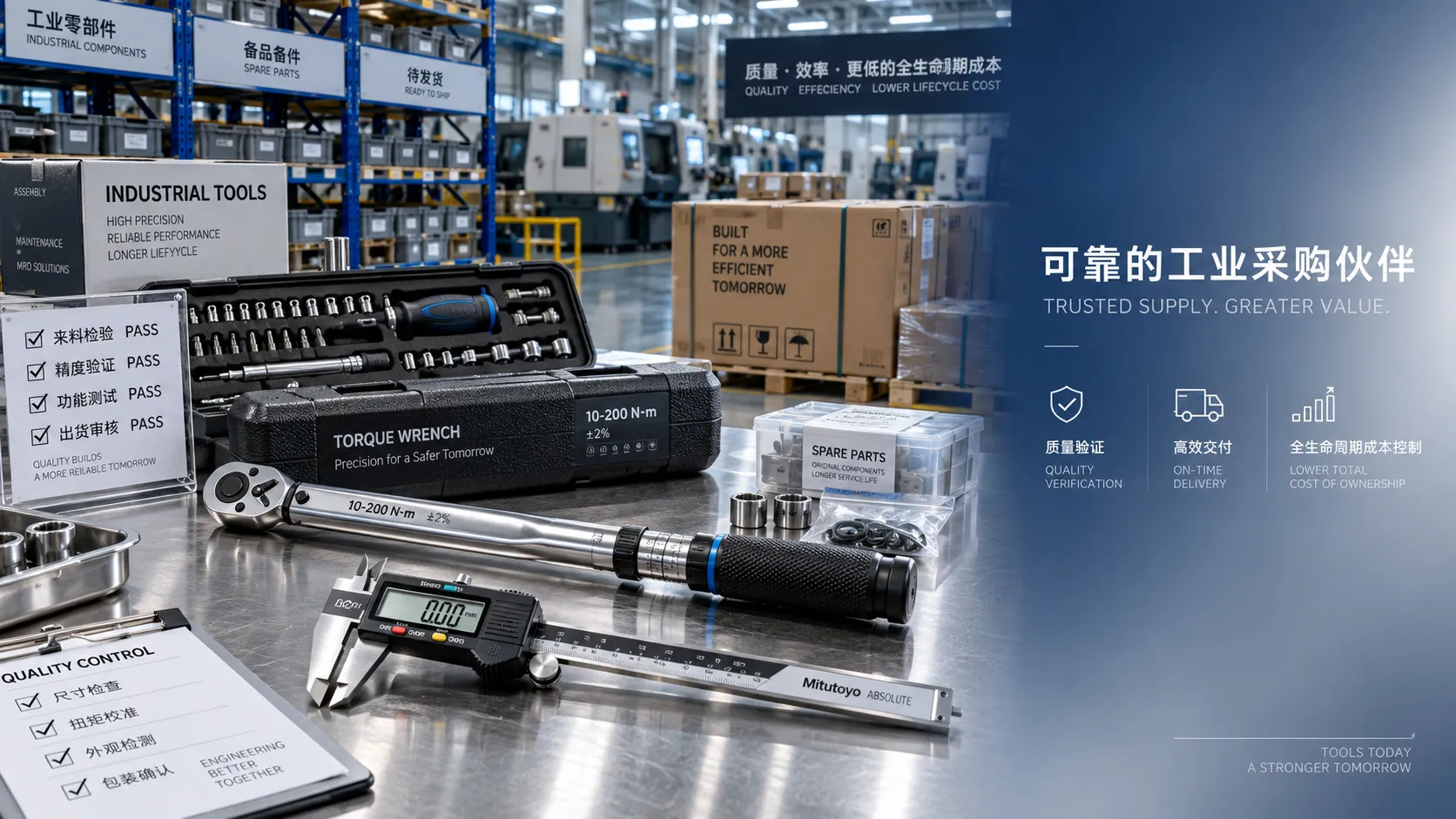
How to Compare Industrial Tool Suppliers for Quality, Lead Time, and Total Cost
Industrial tool selection supplier comparison made simple: evaluate quality, lead times, total cost, service, and supply resilience for confident sourcing decisions.
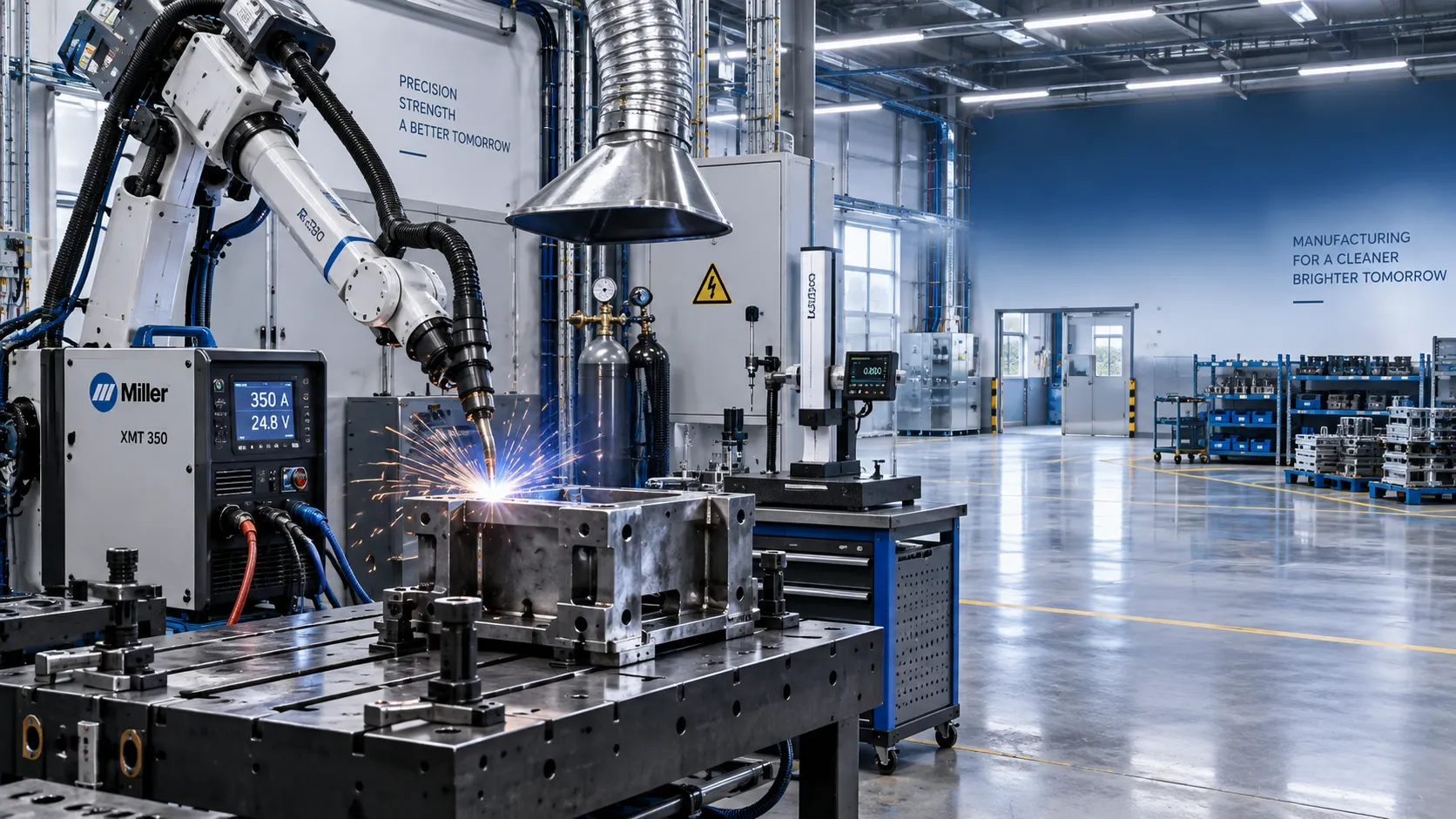
Industrial Equipment Application Guidance: Match Machines to Operating Conditions
Application guidance industrial equipment: match capacity, duty cycle, materials, site conditions, safety, and lifecycle cost to improve reliable output. Read the guide.
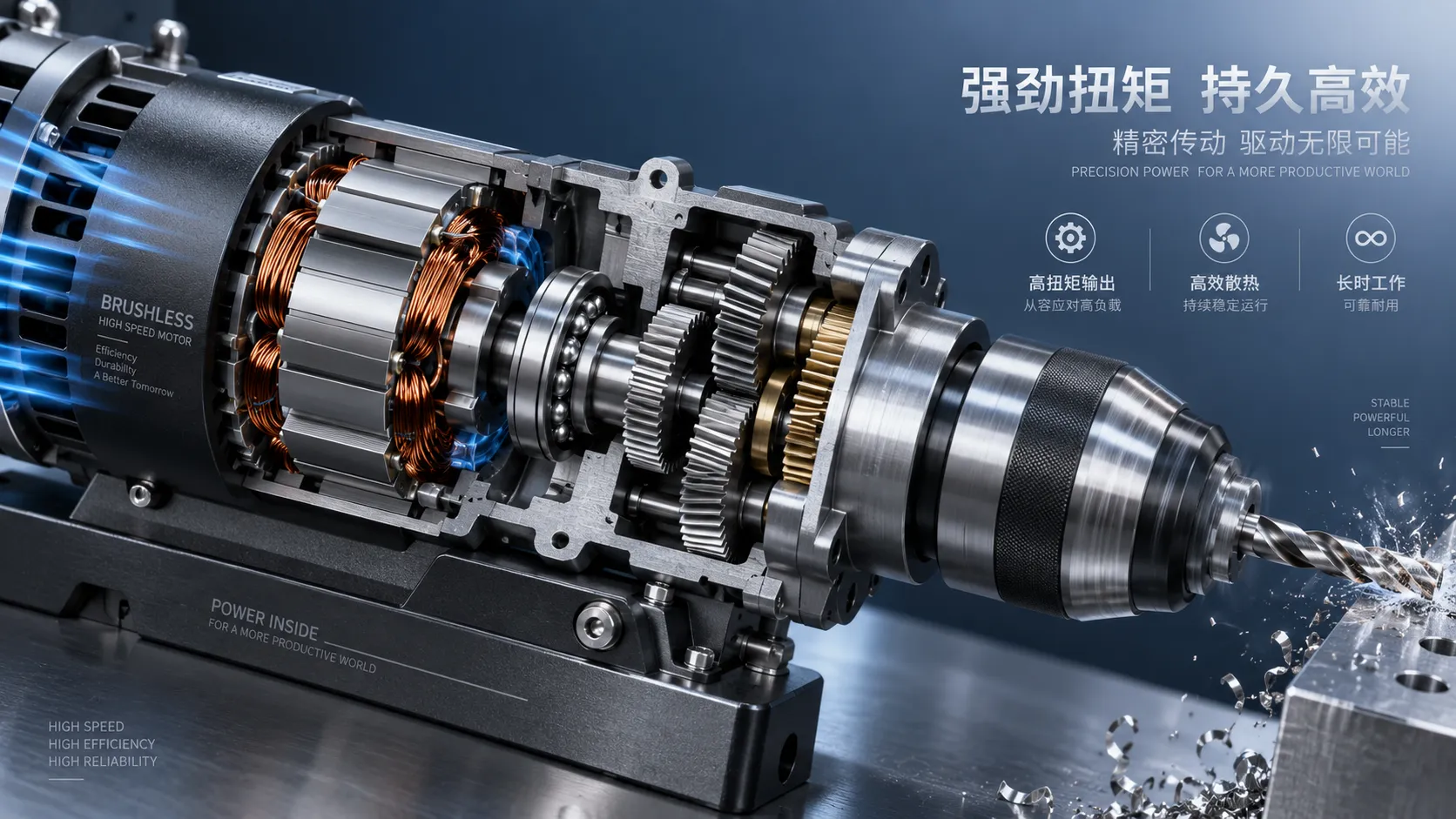
Selecting High-Speed Brushless Tool Motors for Torque, Heat, and Duty Cycle
High speed brushless tool motors: learn how to balance torque, heat, gearing, and duty cycle for reliable industrial tool performance and longer service life.
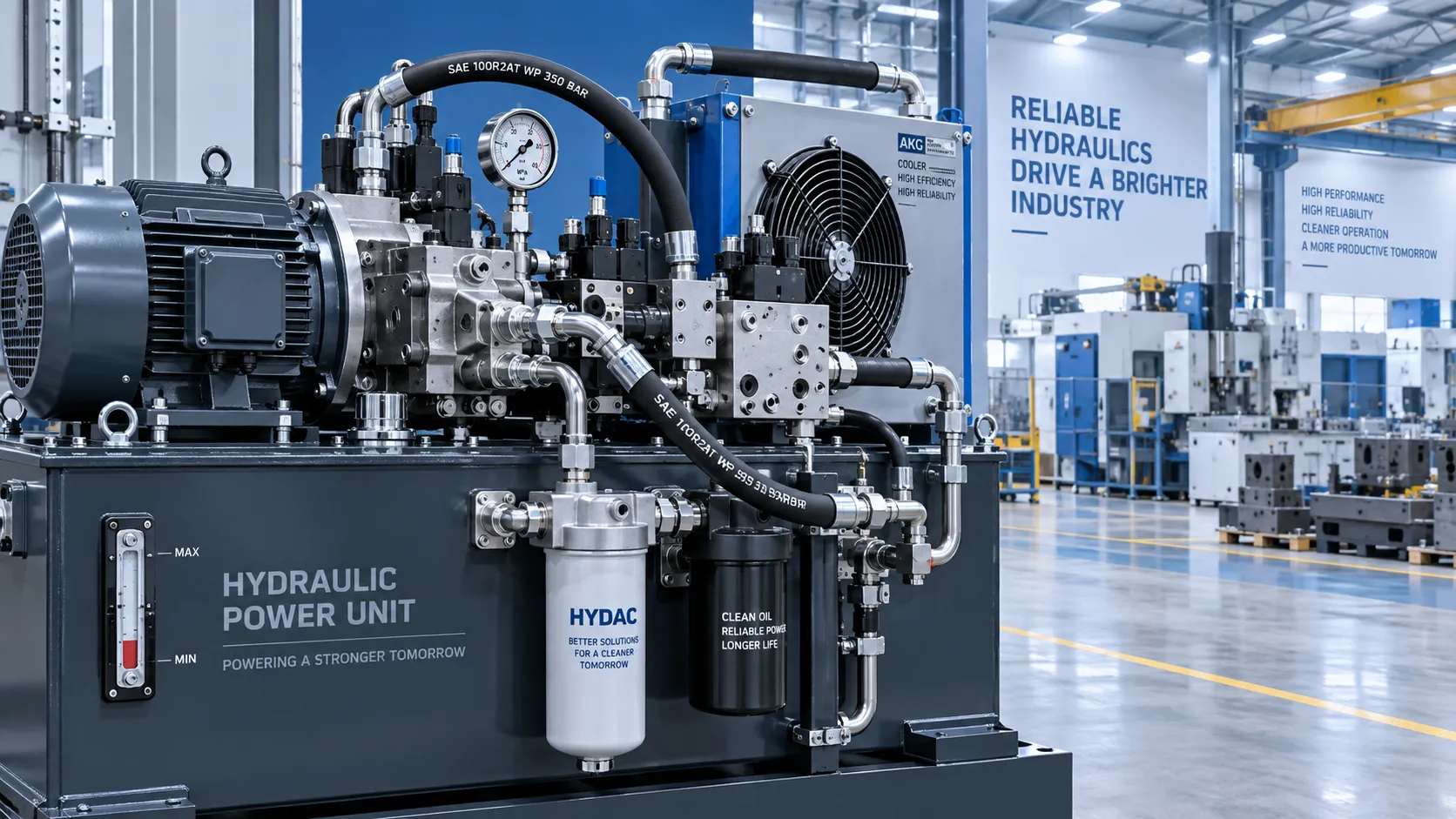
What Determines Industrial Hydraulic System Price for Heavy-Duty Equipment?
Industrial hydraulic system price depends on duty cycle, pressure, components, cooling, and integration. Compare quotes intelligently to secure reliable heavy-duty performance.
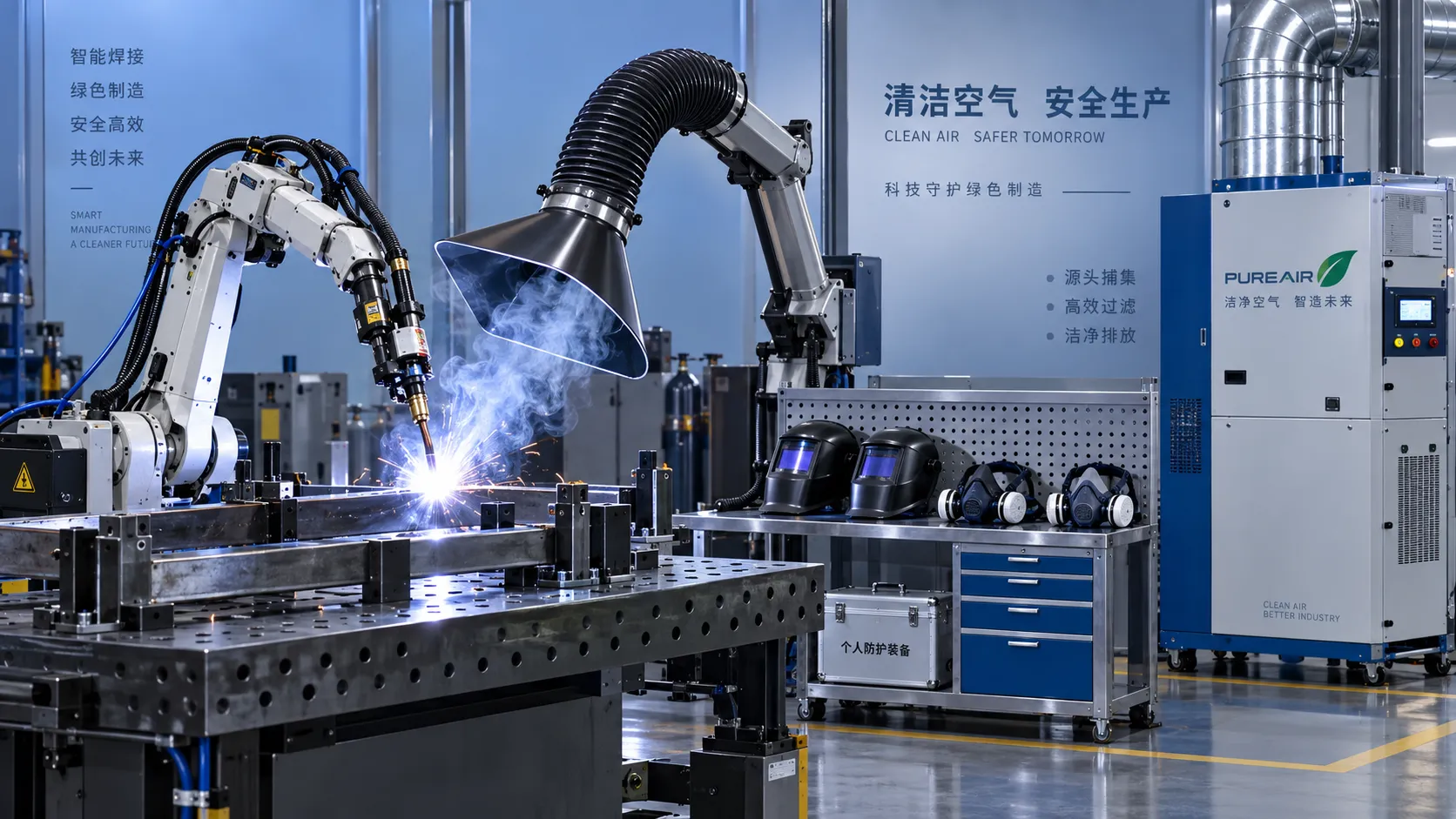
Welding Fume Extraction PPE: When Respirators Are Not Enough for Shop Safety
Welding fume extraction PPE: learn why respirators alone fall short and how source capture, ventilation, and layered controls improve shop safety.
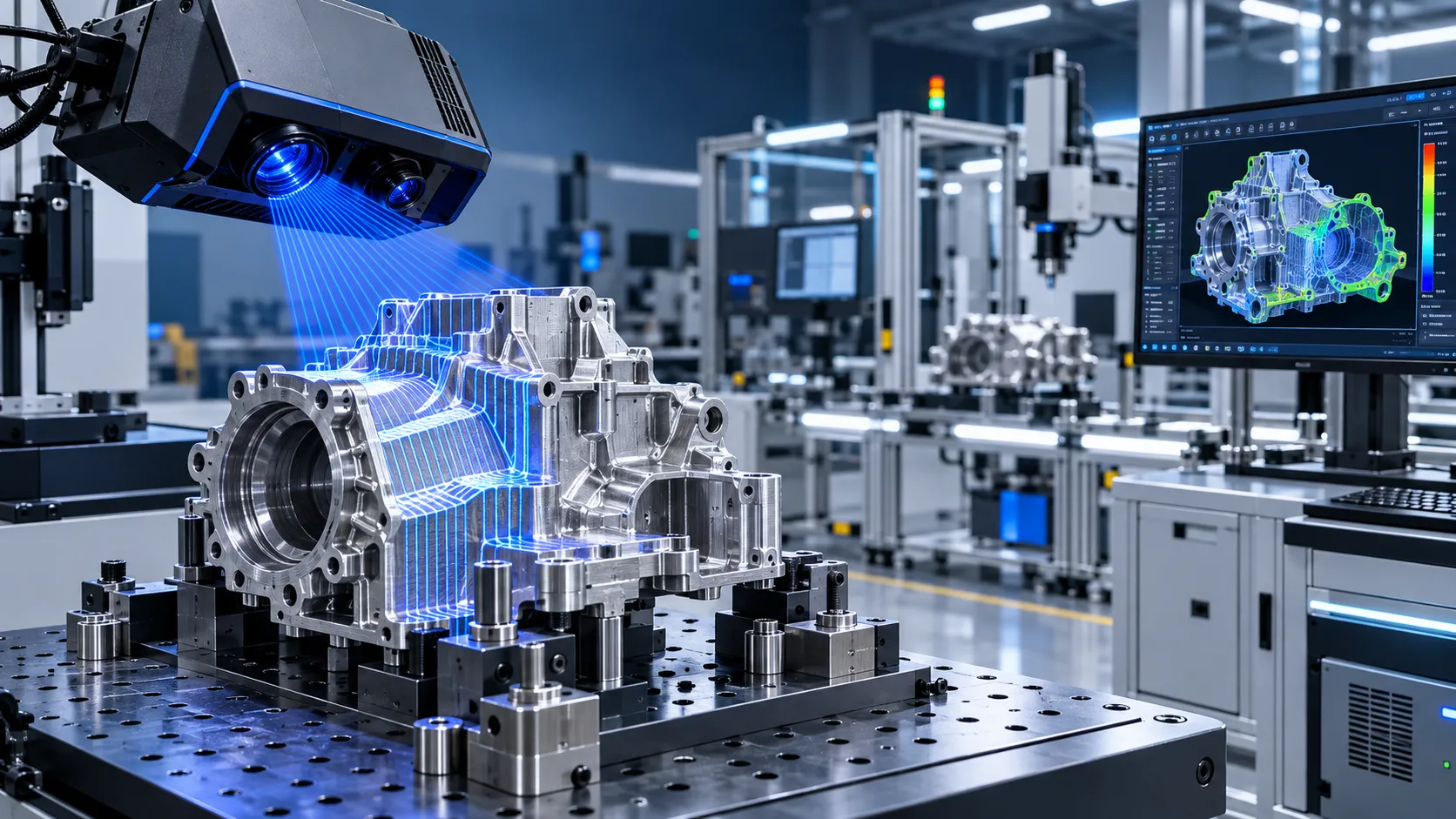
How to Select Optical Metrology Solutions for Tight-Tolerance Manufacturing
Optical industrial metrology solutions for tight-tolerance manufacturing: evaluate accuracy, surface compatibility, workflow, and traceability to select with confidence.
Related News
- 00
0000-00
Selecting Adjustable Torque Tools for Repeatable Fastener Assembly - 00
0000-00
How to Select Aerospace Inspection Tools for Aircraft Maintenance Tasks - 00
0000-00
How to Select Wire Bonding Tools for Fine-Pitch Semiconductor Packaging - 00
0000-00
Industrial Equipment Application Guidance: Match Machines to Operating Conditions - 00
0000-00
Selecting High-Speed Brushless Tool Motors for Torque, Heat, and Duty Cycle
Prof. Marcus Chen
Weekly Insights
Stay ahead with our curated technology reports delivered every Monday.