
How to Choose Metal Joining Equipment for Battery Tabs: Key Factors for Cell Assembly





Choosing metal joining equipment for battery tabs is rarely a simple machine comparison. The joining step sits close to electrochemical performance, heat management, safety margin, and yield stability. A weak choice can create hidden resistance, spatter, cracks, or excessive thermal input long before a cell reaches pack assembly.
That is why metal joining equipment for battery tabs now draws attention far beyond welding alone. In cell assembly, the decision has to connect material behavior, process control, inspection, and production economics. From the perspective of GPTWM, this is part of the manufacturing last mile where precision tooling and intelligence directly shape quality.
Why tab joining has become a strategic process
Battery tabs look small, but they carry demanding electrical and thermal duties. They link active cell components to current paths that must remain stable through charging cycles, vibration, and temperature changes.
At the same time, cell formats are diversifying. Cylindrical, pouch, and prismatic cells can require different tab materials, stack-ups, and access conditions. A joining method that works well in one line may underperform in another.
Raw material volatility also matters. As copper, aluminum, nickel-coated parts, and dissimilar combinations shift in availability, metal joining equipment for battery tabs must tolerate realistic sourcing changes without forcing constant revalidation.
Start with the joint, not the machine
A sound evaluation begins with the joint specification. That means conductor material, thickness, plating, overlap geometry, access direction, target resistance, allowable indentation, and expected mechanical load.
Different cells impose different limits on heat input and deformation. Thin foils may require precise energy control. Heavier tabs may tolerate more force but still fail if the heat-affected zone becomes too wide.
This is where many equipment comparisons go off track. Rated power alone says little. The real question is whether the process window is wide enough for normal production variation.
Core joint variables to define early
- Tab and terminal materials, including surface coatings and oxide sensitivity.
- Total stack thickness and layer consistency.
- Electrical resistance target after joining.
- Mechanical pull or peel requirements.
- Maximum acceptable heat spread near sensitive cell areas.
- Cycle time, uptime target, and traceability depth.
Compare process families by their fit to the application
Metal joining equipment for battery tabs may include resistance welding, laser welding, ultrasonic metal welding, and selected micro-joining variants. None is universally best. Each has a narrower zone where it performs well.
Resistance welding remains attractive for many tab connections because it is mature, fast, and relatively economical. It can deliver strong throughput, but electrode wear, access constraints, and heat concentration require close control.
Laser welding offers precision, speed, and flexible automation. It is often chosen when access is limited or when consistent seam placement matters. Still, reflectivity, fit-up tolerance, plume control, and safety infrastructure must be included in the evaluation.
Ultrasonic metal welding is valued for low bulk heating, especially with foil stacks and certain dissimilar materials. Yet tool wear, horn design, and stack sensitivity can affect repeatability over long runs.
Material compatibility should drive the shortlist
Battery tab assemblies frequently involve aluminum, copper, nickel, and plated combinations. These materials do not respond equally to heat, pressure, or vibration. Surface films and conductivity differences can change the process window dramatically.
Copper is especially challenging in some laser applications because of reflectivity and thermal conductivity. Aluminum can introduce oxide-related issues. Dissimilar joints may add intermetallic concerns, higher contact resistance risk, or tougher long-term validation demands.
For that reason, metal joining equipment for battery tabs should be screened against actual production coupons, not only supplier sample data. Lab results matter, but production-like contamination, alignment drift, and lot variation matter more.
Useful validation checks
- Cross-section analysis for nugget or seam consistency.
- Contact resistance measurement across sample batches.
- Mechanical testing after thermal cycling.
- Microscopy for cracks, voids, splash, and interface defects.
- Capability studies using realistic line tolerances.
Process control matters as much as joining energy
A technically capable process can still fail in volume production if control architecture is weak. In battery manufacturing, stable output depends on sensor feedback, parameter locking, alarming logic, and useful data capture.
That includes waveform monitoring, force control, displacement tracking, optical seam verification, vision alignment, and recipe management. The more demanding the cell design, the more valuable closed-loop control becomes.
GPTWM regularly tracks how intelligent torque, metrology, and industrial data systems are reshaping tool selection. The same principle applies here. Good metal joining equipment for battery tabs should support measurable process evidence, not just operator confidence.
Questions worth asking during evaluation
- Which parameters are monitored in real time?
- Can failed joins be isolated by serial data history?
- How are recipes protected from uncontrolled edits?
- What is the calibration method for sensors and optics?
- How easily can the system connect to MES or quality platforms?
Look beyond initial throughput claims
Cycle time is important, but nameplate speed rarely tells the full story. A faster process that suffers from frequent tool changes, unstable startup, or difficult maintenance may lose its advantage over a quarter.
Practical capacity depends on uptime, consumable life, cleaning intervals, alignment stability, spare part access, and service support. Export restrictions and regional compliance requirements can also affect replacement timing and validation schedules.
This broader view is especially relevant in global programs. GPTWM’s commercial intelligence perspective is useful here because equipment value is shaped by operating context, not only process physics.
Typical decision paths by assembly scenario
The best metal joining equipment for battery tabs often depends on cell architecture and factory priorities. A pilot line may value flexibility and parameter visibility. A mature EV program may prioritize throughput, traceability, and process capability at scale.
For foil-rich stacks, low thermal burden and controlled deformation tend to lead the decision. For thicker conductors or compact joint zones, energy density and access geometry may dominate. For highly automated lines, digital connectivity becomes a core selection factor.
In practical terms, equipment selection should be treated as a joint design project with manufacturing consequences, not as an isolated capex purchase.
A workable framework for the next evaluation round
A disciplined shortlist usually starts with three filters: material compatibility, control capability, and lifecycle reliability. Once those are clear, throughput and cost become easier to compare without distortion.
It is worth building a scorecard that combines weld quality data, traceability functions, maintenance exposure, and supplier support depth. Trials should use real tab stacks, realistic fixtures, and production-rate conditions whenever possible.
For teams tracking broader shifts in industrial assembly, GPTWM’s intelligence approach offers a useful lens: follow the interaction between materials, precision tools, metrology, and digital control. That is where durable decisions usually emerge.
The next step is not to search for a universal answer. It is to define the joint clearly, test the real process window, and compare metal joining equipment for battery tabs against the failure modes that matter most in the target cell program.
Related News
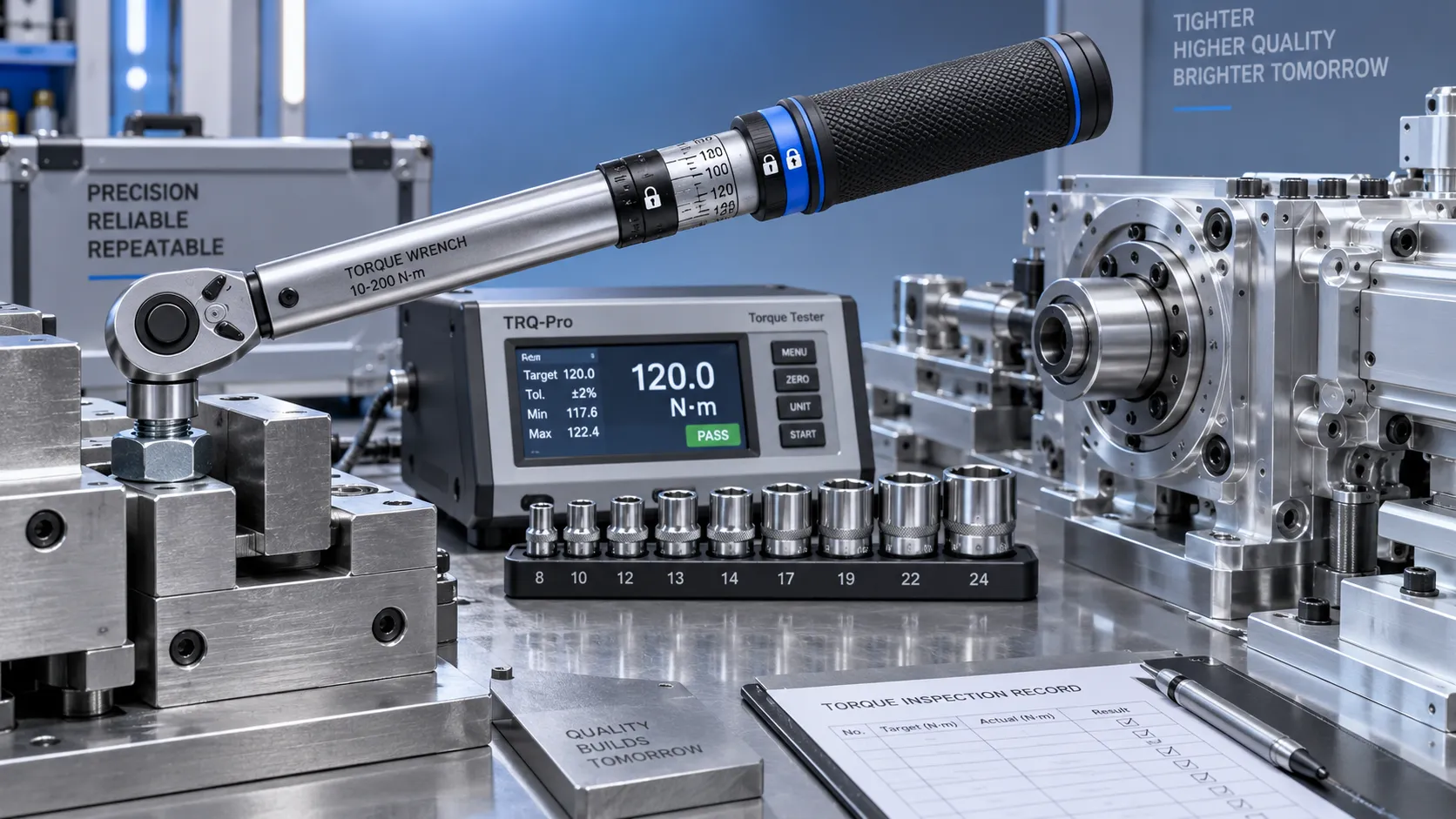
Selecting Adjustable Torque Tools for Repeatable Fastener Assembly
Adjustable torque tools: learn how to match range, accuracy, control methods, calibration, and ergonomics for repeatable, reliable fastener assembly.

How to Select Aerospace Inspection Tools for Aircraft Maintenance Tasks
Aerospace maintenance inspection tools: learn how to select reliable, traceable equipment for aircraft access, accuracy, calibration, and compliant maintenance decisions.

How to Select Wire Bonding Tools for Fine-Pitch Semiconductor Packaging
Explore semiconductor manufacturing tools for wire bonding and learn how to select precision solutions for fine-pitch packaging, reliable loops, accuracy, and yield.
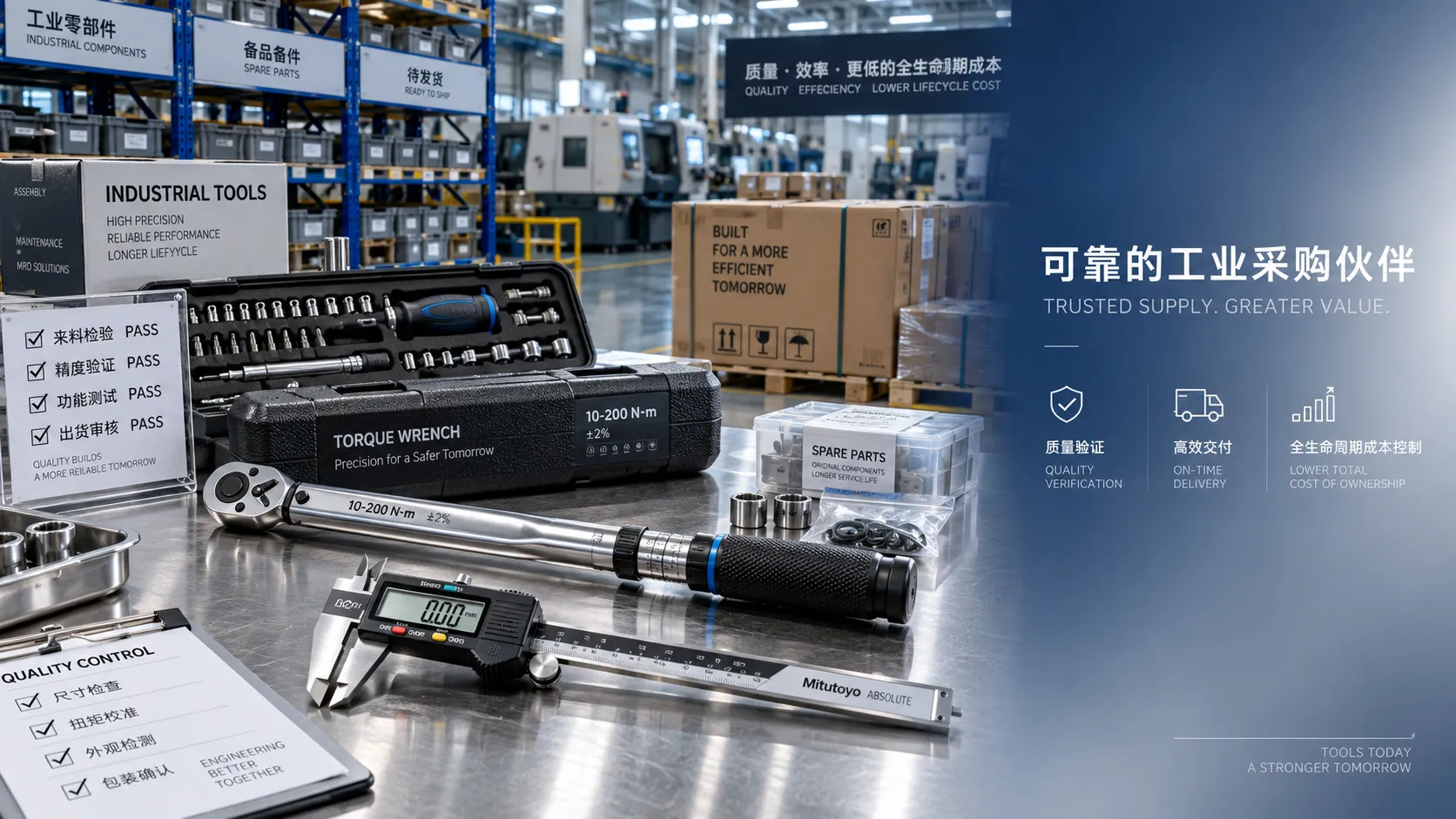
How to Compare Industrial Tool Suppliers for Quality, Lead Time, and Total Cost
Industrial tool selection supplier comparison made simple: evaluate quality, lead times, total cost, service, and supply resilience for confident sourcing decisions.
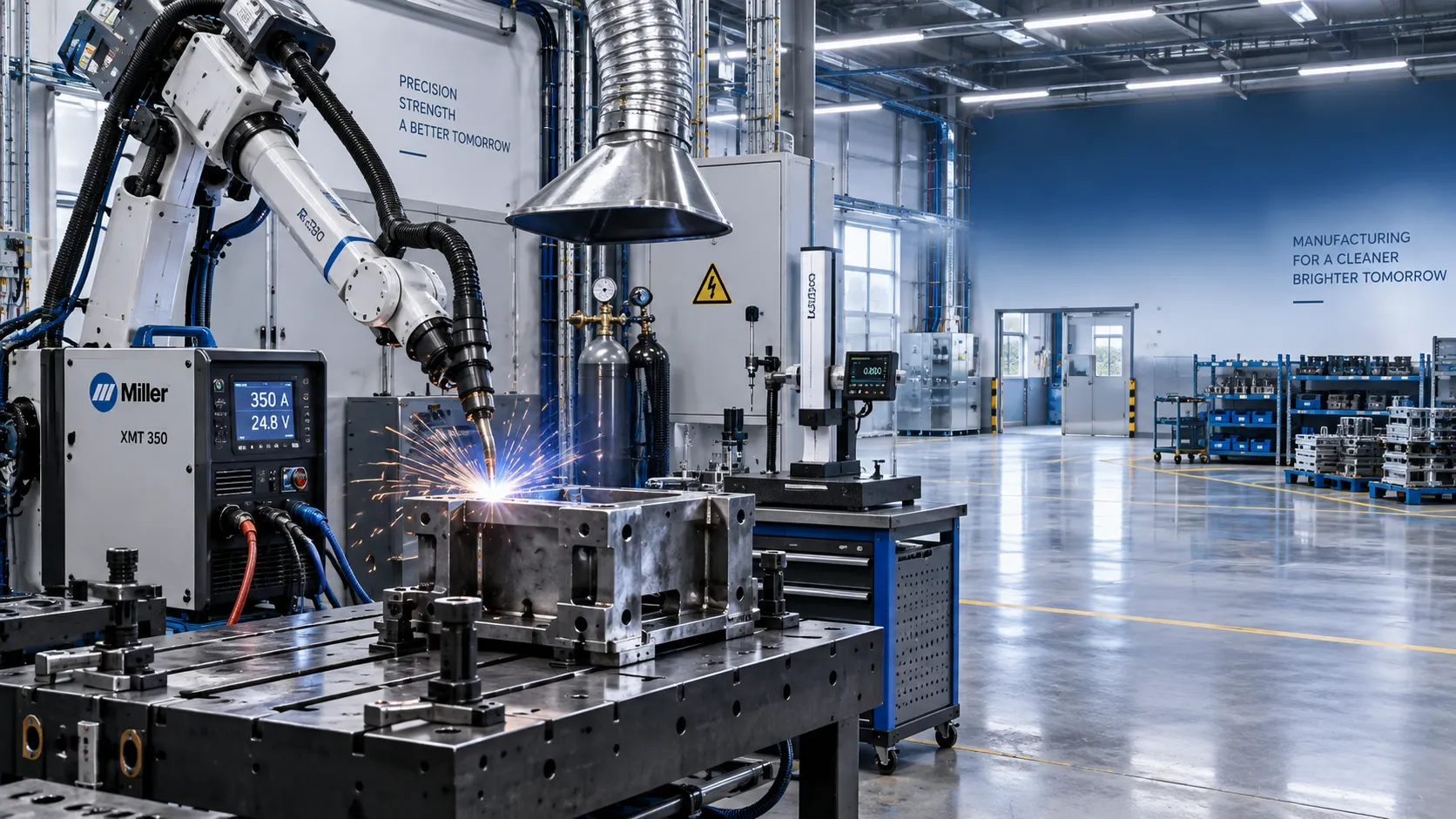
Industrial Equipment Application Guidance: Match Machines to Operating Conditions
Application guidance industrial equipment: match capacity, duty cycle, materials, site conditions, safety, and lifecycle cost to improve reliable output. Read the guide.
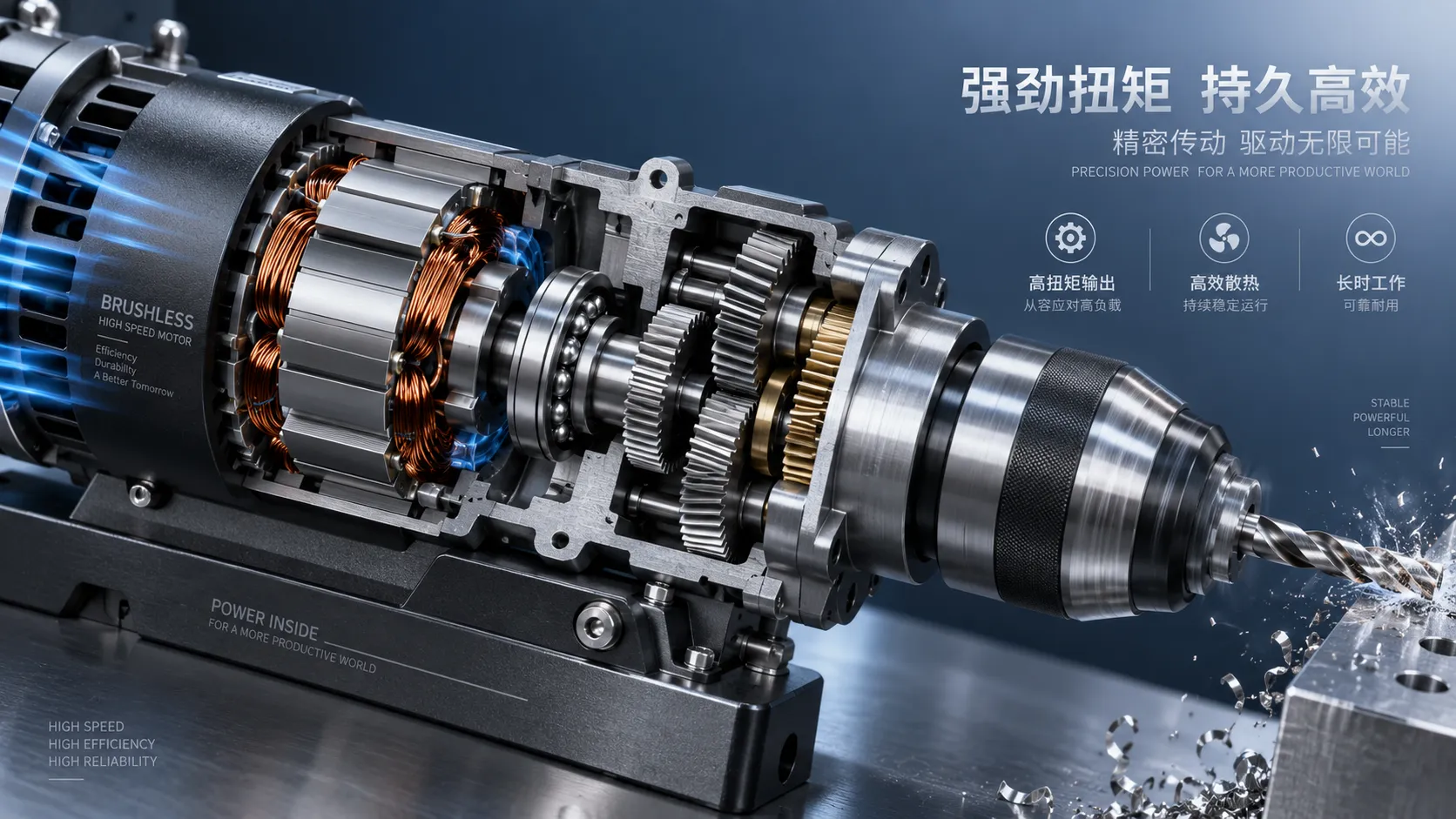
Selecting High-Speed Brushless Tool Motors for Torque, Heat, and Duty Cycle
High speed brushless tool motors: learn how to balance torque, heat, gearing, and duty cycle for reliable industrial tool performance and longer service life.
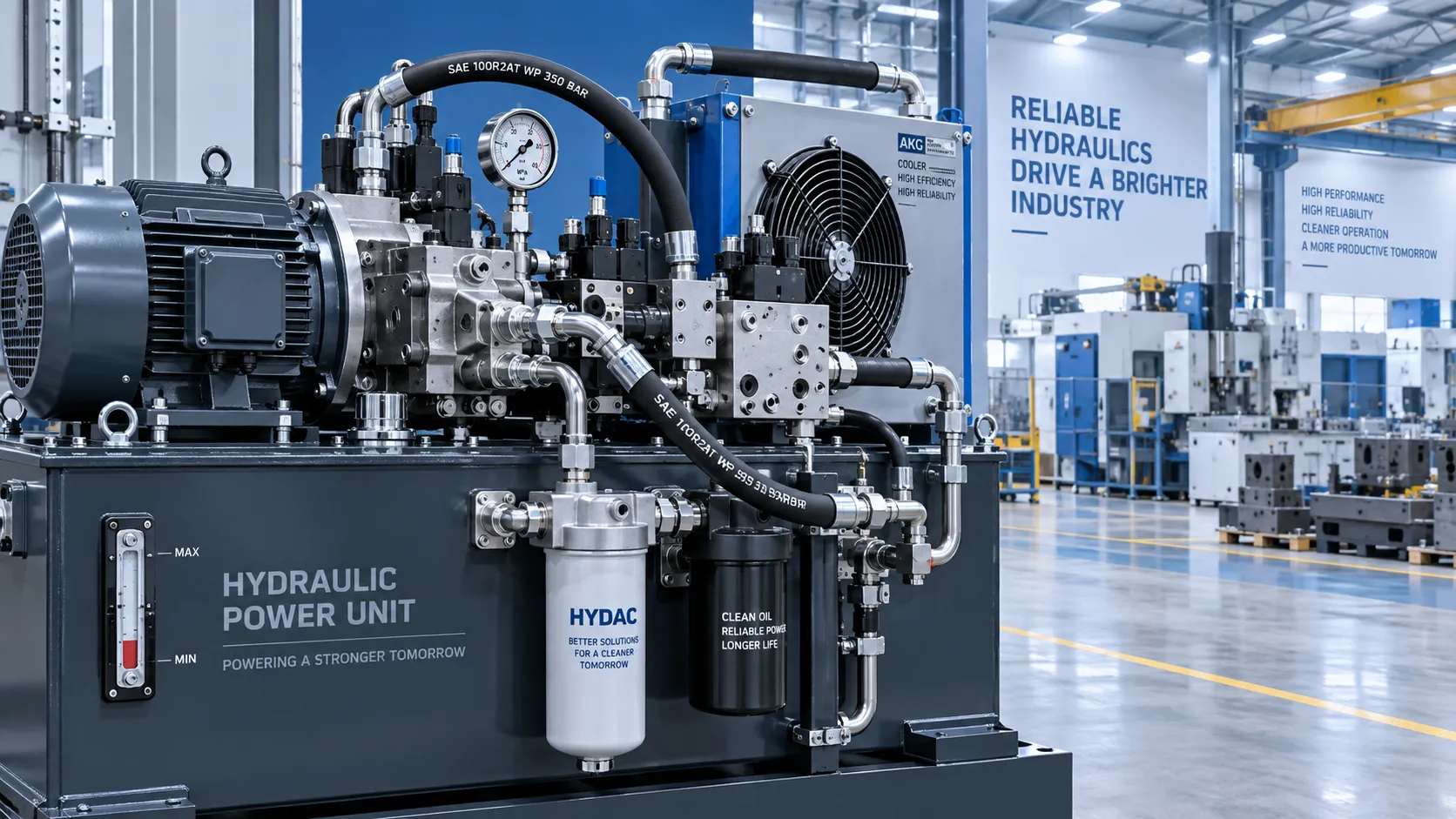
What Determines Industrial Hydraulic System Price for Heavy-Duty Equipment?
Industrial hydraulic system price depends on duty cycle, pressure, components, cooling, and integration. Compare quotes intelligently to secure reliable heavy-duty performance.
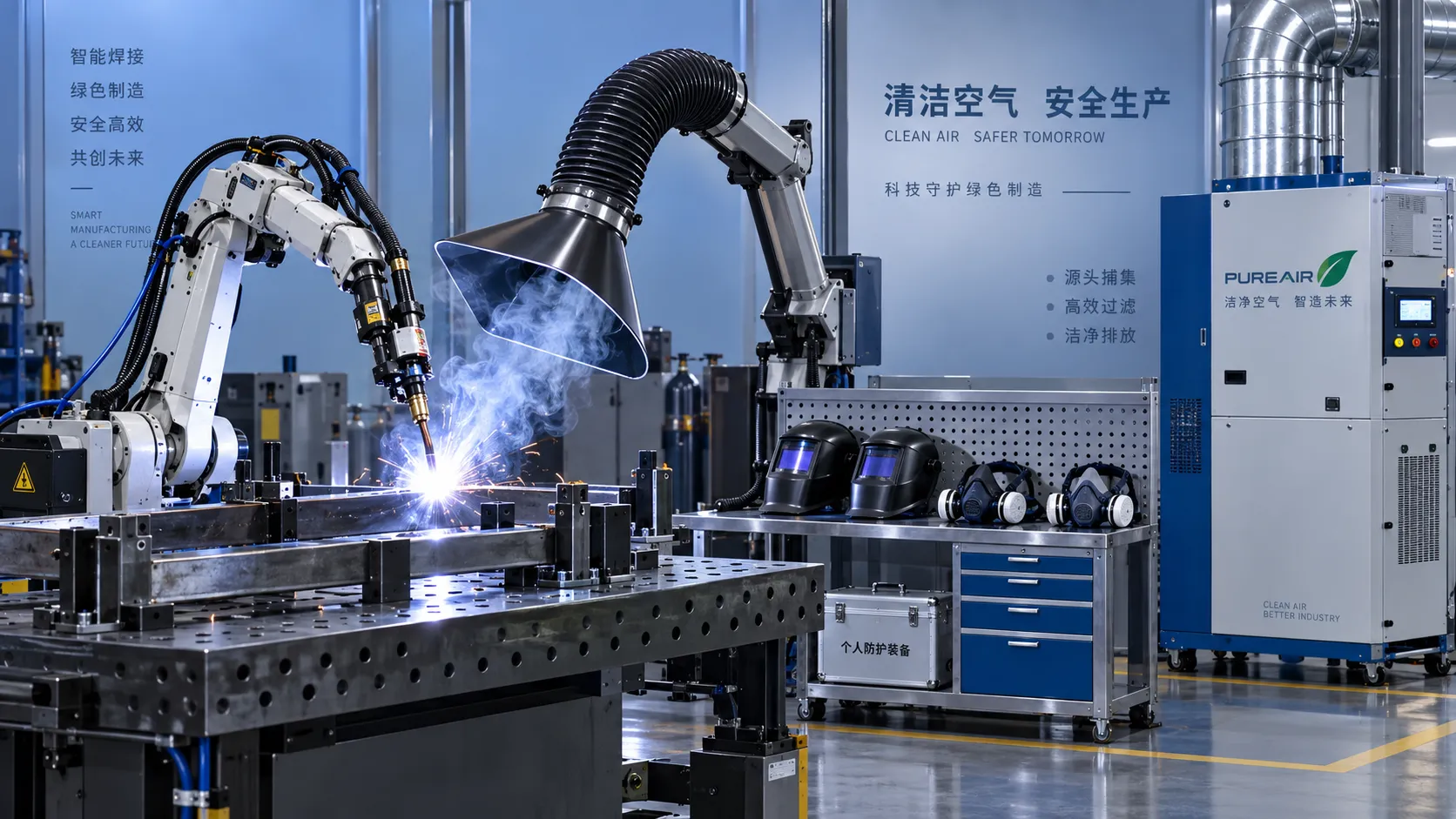
Welding Fume Extraction PPE: When Respirators Are Not Enough for Shop Safety
Welding fume extraction PPE: learn why respirators alone fall short and how source capture, ventilation, and layered controls improve shop safety.

How to Select Optical Metrology Solutions for Tight-Tolerance Manufacturing
Optical industrial metrology solutions for tight-tolerance manufacturing: evaluate accuracy, surface compatibility, workflow, and traceability to select with confidence.
Related News
- 00
0000-00
Selecting Adjustable Torque Tools for Repeatable Fastener Assembly - 00
0000-00
How to Select Aerospace Inspection Tools for Aircraft Maintenance Tasks - 00
0000-00
How to Select Wire Bonding Tools for Fine-Pitch Semiconductor Packaging - 00
0000-00
Industrial Equipment Application Guidance: Match Machines to Operating Conditions - 00
0000-00
Selecting High-Speed Brushless Tool Motors for Torque, Heat, and Duty Cycle
Prof. Marcus Chen
Weekly Insights
Stay ahead with our curated technology reports delivered every Monday.