
Precision Tool Applications for Fine Adjustment: What Specs Matter Before You Buy





Precision Tool Applications for Fine Adjustment: What Specs Matter Before You Buy
For buyers reviewing precision tool applications for fine adjustment, specifications are never just technical details. They shape output quality, operator stability, maintenance frequency, and long-term cost.
A tool that looks similar on paper can behave very differently on the line. Small differences in tolerance, torque repeatability, or material fit often become expensive later.
That is why precision tool applications for fine adjustment should be evaluated in the context of actual use. Purchase price matters, but performance consistency matters more.
In practical sourcing, the best buying decision usually comes from balancing accuracy, service life, training needs, and process compatibility before issuing an order.
Why Fine Adjustment Specs Matter More Than Basic Product Claims
Precision tool applications for fine adjustment are common in assembly, calibration, inspection, welding preparation, and maintenance. These tasks demand controlled movement, stable force, and predictable results.
General marketing claims like “high precision” or “industrial grade” are rarely enough. They do not explain how the tool performs under repeated cycles or variable materials.
A procurement decision should focus on measurable specifications. This includes adjustment resolution, repeatability, calibration interval, contact material, and environmental limits.
From recent market shifts, a clearer signal is this: buyers now care less about nominal capacity and more about process stability across mixed-batch production.
Core Specifications to Check Before Purchase
1. Tolerance and Measurement Resolution
For precision tool applications for fine adjustment, tolerance is the first filter. If the acceptable error band is unclear, every later comparison becomes weaker.
Resolution should match the adjustment task. Buying more resolution than the process can use often raises cost without improving real output.
Check whether the quoted figure reflects laboratory conditions or real operating conditions. That difference can be substantial in metalworking or field maintenance environments.
2. Repeatability and Torque Consistency
Repeatability is often more valuable than peak precision. In production, a tool that performs the same way every cycle reduces rework and inspection burden.
For torque-based precision tool applications for fine adjustment, ask for repeatability data across different load levels. One-point test values can hide instability.
Brushless drive systems, electronic controls, and closed-loop feedback can improve consistency. Still, the real issue is whether those features remain stable over time.
3. Material Compatibility
Fine adjustment tools may contact aluminum, coated steel, composites, copper alloys, or sensitive finished surfaces. Material mismatch can damage parts or reduce adjustment accuracy.
Review jaw material, tip hardness, anti-slip coating, and corrosion resistance. In some cases, softer contact surfaces protect the workpiece better than harder ones.
4. Ergonomics and Operator Control
Precision tool applications for fine adjustment are highly sensitive to human input. A tool that feels awkward can increase drift, fatigue, and inconsistency within a single shift.
Handle geometry, trigger response, grip texture, and visual scale readability all affect control. These details directly influence productivity in repeated adjustment work.
5. Calibration and Maintenance Requirements
A precise tool that cannot stay calibrated becomes a hidden cost center. Buyers should confirm calibration intervals, service access, spare part availability, and downtime expectations.
This also means checking whether local or regional support exists. Service delays can outweigh any savings from a lower initial unit price.
How to Match Specs to Actual Industrial Scenarios
The right specification depends on the working environment. Precision tool applications for fine adjustment in aerospace maintenance differ from those in construction equipment service.
In clean assembly settings, micro-adjustment sensitivity may matter most. In harsh field conditions, dust protection, shock resistance, and fast recalibration may matter more.
For metal joining preparation, stable alignment and surface-safe contact are critical. For inspection work, scale clarity and measurement traceability may take priority.
This is where many sourcing mistakes happen. The tool is technically capable, but its design assumptions do not match the operating context.
- High-cycle assembly: prioritize repeatability, ergonomic comfort, and low maintenance.
- Aerospace or automotive repair: prioritize traceable accuracy and material-safe contact points.
- Welding preparation: prioritize alignment stability, heat tolerance, and robust adjustment locking.
- Construction maintenance: prioritize durability, contamination resistance, and simple field servicing.
Cost Evaluation Should Go Beyond Unit Price
In procurement, cost pressure is real. Still, the cheapest option in precision tool applications for fine adjustment often produces the highest total ownership cost.
A more complete evaluation should include calibration expense, failure rate, operator training time, spare part consumption, and process interruption risk.
Recent buying patterns also show stronger attention to tool life under variable workloads. Consistent output across shifts has become a major commercial factor.
Questions Worth Asking Suppliers Before Ordering
Supplier comparison becomes much easier when questions are specific. This is especially true for precision tool applications for fine adjustment, where vague claims are common.
- What is the repeatability range across full operating load?
- Which standards support the stated accuracy or calibration traceability?
- How does the tool perform with the target material and surface finish?
- What is the recommended service interval under daily production use?
- Are wear parts stocked regionally, and what are average lead times?
- Can the supplier provide trial data, sample testing, or user references?
These questions reveal whether the supplier understands operational reality. They also make it easier to compare quotes on performance, not just on price.
Common Buying Mistakes in Precision Tool Applications for Fine Adjustment
One frequent mistake is overbuying specification levels that never affect output. Extra precision sounds attractive, but it may deliver no measurable process gain.
Another mistake is ignoring operator interaction. Even strong hardware underperforms when control feel, visibility, or adjustment feedback are poor.
A third issue is weak verification. Many teams compare catalogs carefully, then skip practical testing under actual materials, temperatures, and cycle conditions.
More noticeably now, buyers also underestimate post-sale support. In precision tool applications for fine adjustment, service responsiveness is part of the specification set.
A Practical Shortlist for Better Purchase Decisions
A disciplined shortlist helps turn complex data into a workable decision. For precision tool applications for fine adjustment, keep evaluation tied to process outcomes.
- Define the true adjustment requirement before comparing tool features.
- Match tolerance and repeatability to the production or maintenance task.
- Review material compatibility and workpiece protection features.
- Calculate lifecycle cost, not just quoted price.
- Validate support capability, calibration access, and spare parts availability.
The strongest buying decisions usually come from this sequence: define the task, verify the environment, test the tool, then negotiate the commercial terms.
When precision tool applications for fine adjustment are evaluated this way, the result is usually lower risk, stronger consistency, and a better return over the full service life.
Related News
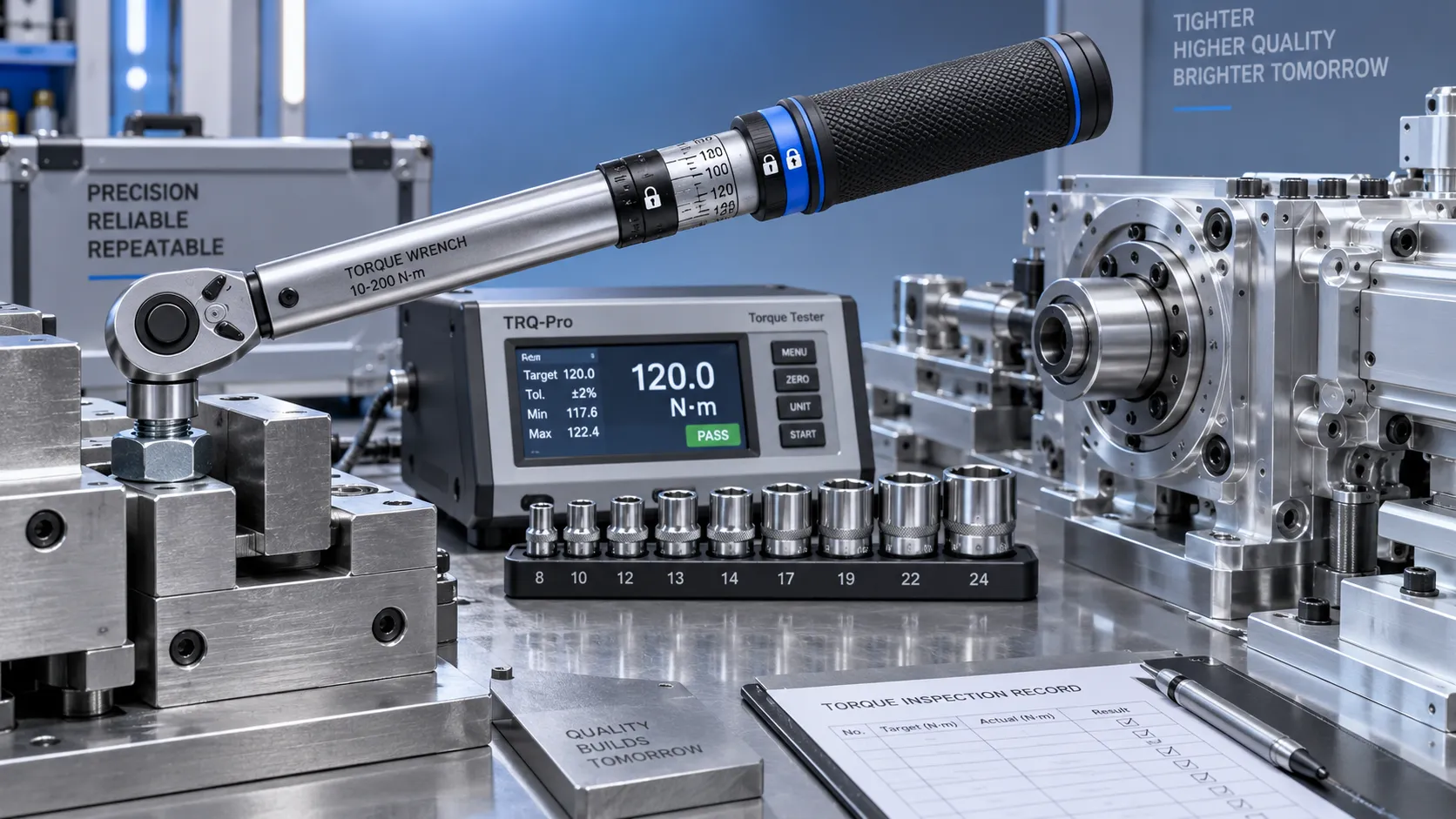
Selecting Adjustable Torque Tools for Repeatable Fastener Assembly
Adjustable torque tools: learn how to match range, accuracy, control methods, calibration, and ergonomics for repeatable, reliable fastener assembly.

How to Select Aerospace Inspection Tools for Aircraft Maintenance Tasks
Aerospace maintenance inspection tools: learn how to select reliable, traceable equipment for aircraft access, accuracy, calibration, and compliant maintenance decisions.

How to Select Wire Bonding Tools for Fine-Pitch Semiconductor Packaging
Explore semiconductor manufacturing tools for wire bonding and learn how to select precision solutions for fine-pitch packaging, reliable loops, accuracy, and yield.
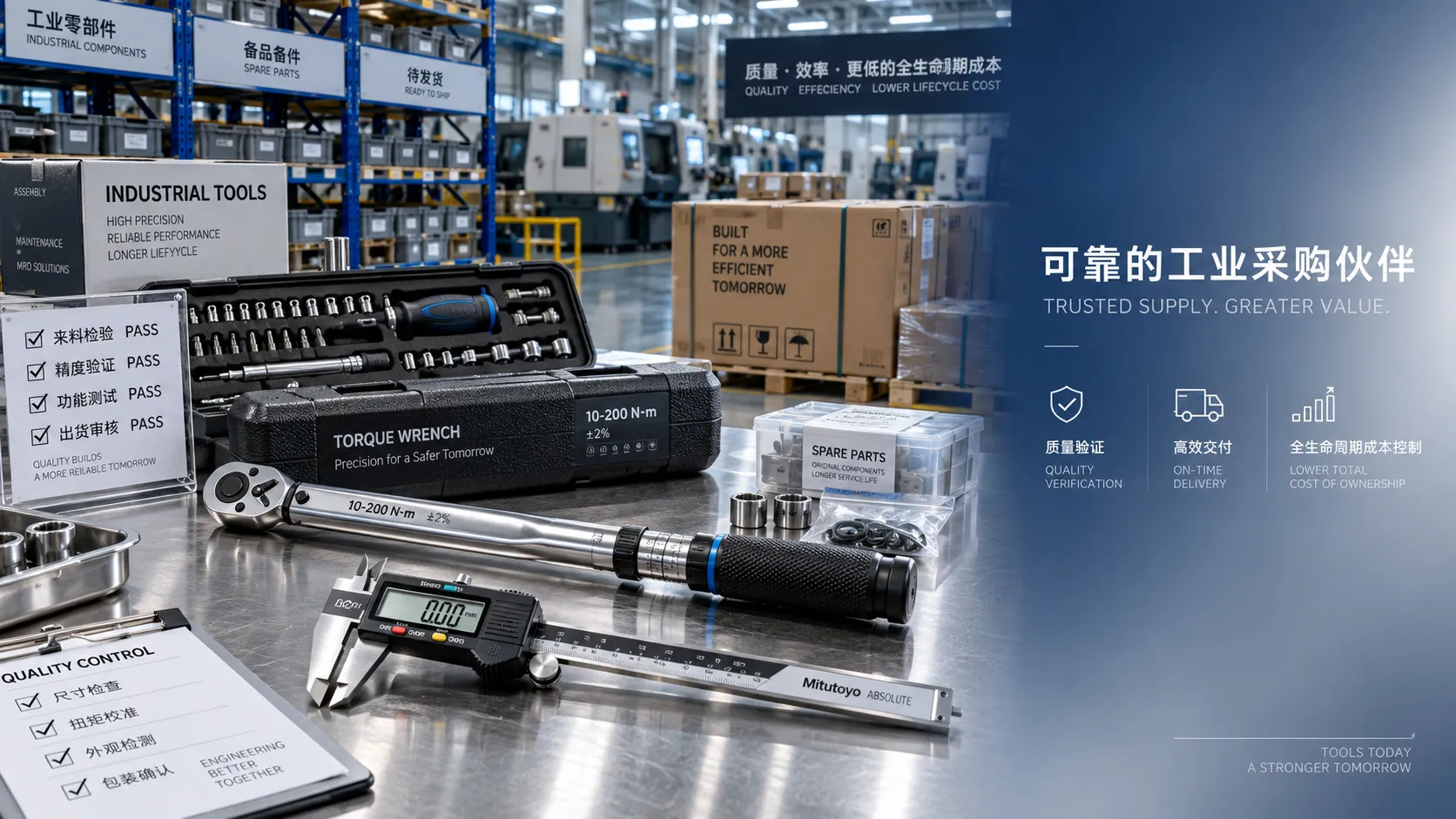
How to Compare Industrial Tool Suppliers for Quality, Lead Time, and Total Cost
Industrial tool selection supplier comparison made simple: evaluate quality, lead times, total cost, service, and supply resilience for confident sourcing decisions.
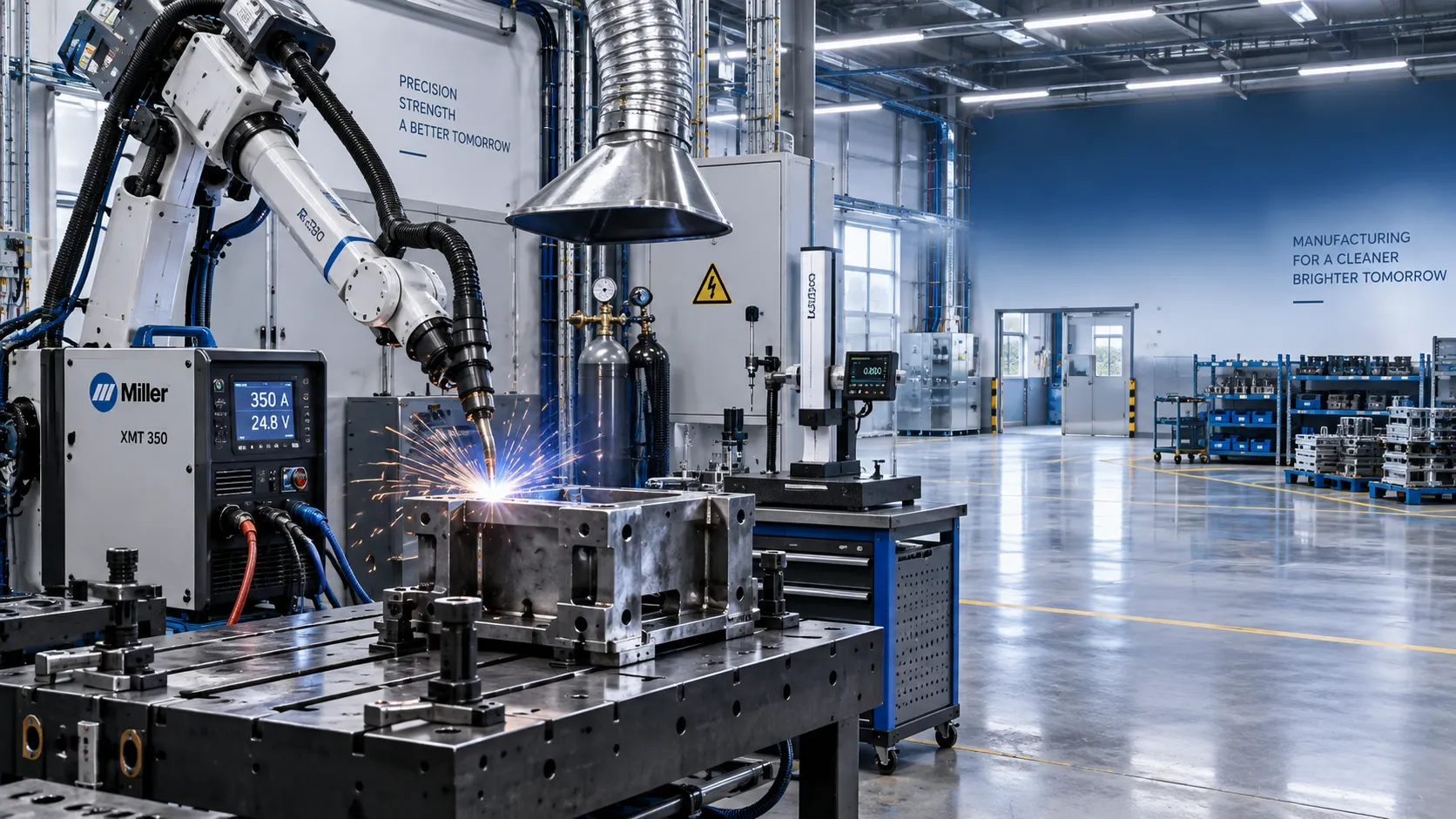
Industrial Equipment Application Guidance: Match Machines to Operating Conditions
Application guidance industrial equipment: match capacity, duty cycle, materials, site conditions, safety, and lifecycle cost to improve reliable output. Read the guide.
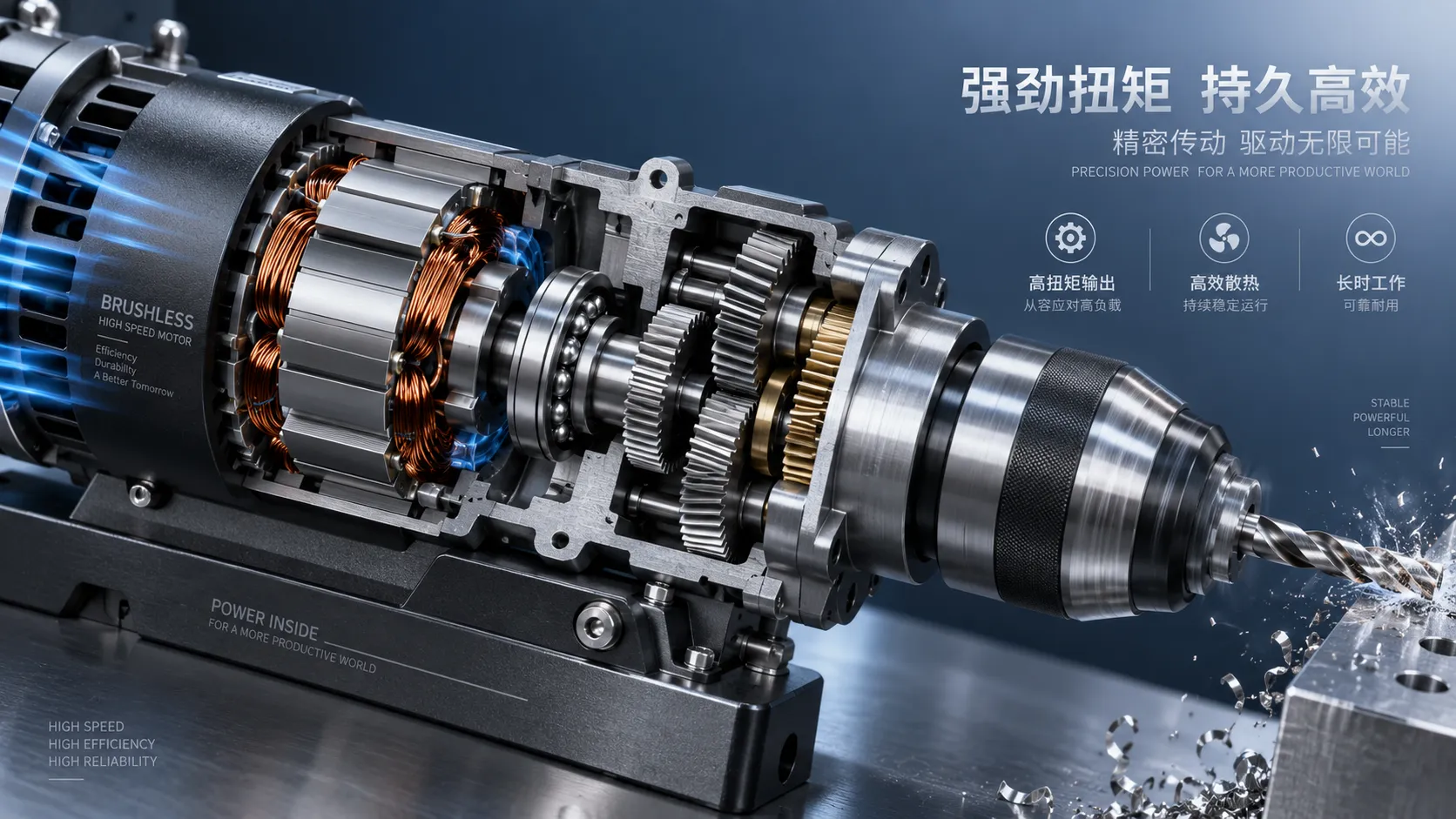
Selecting High-Speed Brushless Tool Motors for Torque, Heat, and Duty Cycle
High speed brushless tool motors: learn how to balance torque, heat, gearing, and duty cycle for reliable industrial tool performance and longer service life.
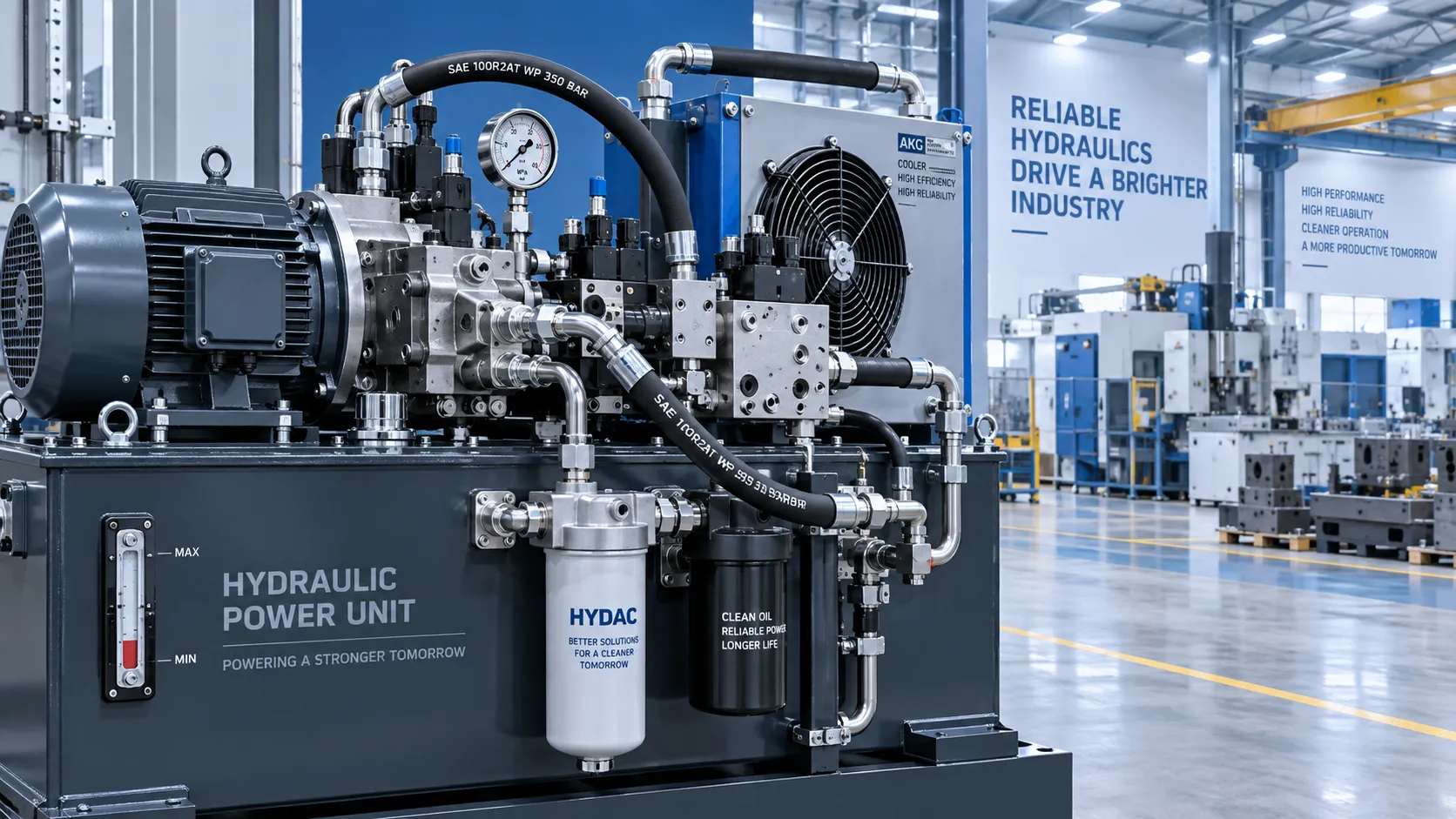
What Determines Industrial Hydraulic System Price for Heavy-Duty Equipment?
Industrial hydraulic system price depends on duty cycle, pressure, components, cooling, and integration. Compare quotes intelligently to secure reliable heavy-duty performance.
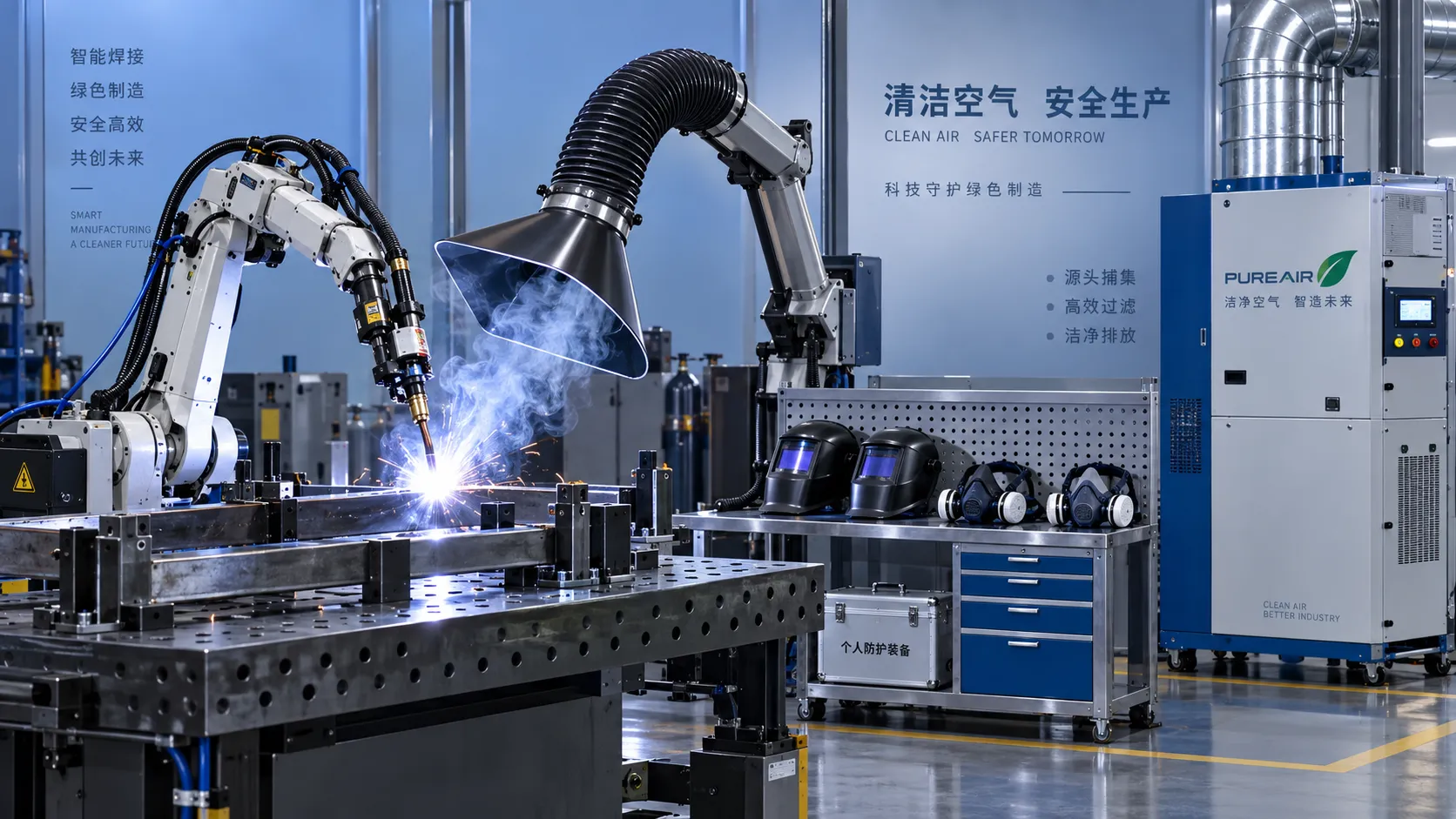
Welding Fume Extraction PPE: When Respirators Are Not Enough for Shop Safety
Welding fume extraction PPE: learn why respirators alone fall short and how source capture, ventilation, and layered controls improve shop safety.

How to Select Optical Metrology Solutions for Tight-Tolerance Manufacturing
Optical industrial metrology solutions for tight-tolerance manufacturing: evaluate accuracy, surface compatibility, workflow, and traceability to select with confidence.
Related News
- 00
0000-00
How to Select Battery Assembly Tools for Torque Control and High-Volume Production - 00
0000-00
How Battery, Torque, and Duty Cycle Affect Cordless Power Tool Efficiency - 00
0000-00
How to Size High-Torque Tool Motors for Continuous-Duty Assembly Lines - 00
0000-00
How to Choose 24V Brushless Tool Motors for Torque, Runtime, and Duty Cycle? - 00
0000-00
Automotive Repair Tools List: What Every Workshop Needs for Daily Service Jobs
Electro-Mech Tool Designer
Weekly Insights
Stay ahead with our curated technology reports delivered every Monday.