
Welding Equipment Applications and Price: Which Machines Fit Thin Metal, Pipe, and Heavy Fabrication?





Why does welding equipment applications price vary so much in real projects?
Choosing by catalog price alone usually creates the wrong shortlist. The real question is how a machine performs on thin sheet, pipe joints, or heavy structural fabrication.
That is where welding equipment applications price becomes a practical decision topic, not just a product keyword. Application drives power range, process stability, duty cycle, wire feed quality, and safety needs.
In actual sourcing work, cost is shaped by more than the machine body. Consumables, training time, rework rate, shielding gas, energy use, and maintenance intervals matter just as much.
GPTWM tracks this from the industrial “last mile” perspective. Its intelligence focus on metal joining, safety evolution, and efficiency trends is useful because equipment value changes with standards, labor skill, and production mix.
A compact inverter that looks expensive per unit may still reduce total cost if it lowers distortion on thin materials. A lower-priced machine can become costly when uptime, penetration consistency, or operator fatigue are weak.
For thin metal, which welding machines usually make the most sense?
Thin sheet work is less about brute power and more about control. Common materials include stainless sheet, light carbon steel panels, cabinets, ducts, and automotive repair parts.
For these jobs, MIG and TIG are usually the first comparison. In some newer workshops, handheld laser welding also enters the discussion, especially where cosmetic finish matters.
When is MIG the better buy?
MIG works well when throughput is important and material thickness is fairly repeatable. It is often easier to train on, and deposition speed is higher than TIG in production settings.
For thin sheet, look for low-amperage stability, smooth wire feeding, and inductance control. Without these, burn-through and spatter rise quickly.
Where does TIG still win?
TIG is usually preferred for precise heat input, cleaner beads, and visible finish quality. It fits stainless kitchen equipment, instrument enclosures, light aerospace maintenance, and detailed repair work.
The tradeoff is slower output and higher skill dependence. So the welding equipment applications price for TIG often looks moderate at purchase, but labor cost per part may be higher.
What about handheld laser welding?
It attracts attention because heat-affected zones are smaller and post-grinding can be reduced. Still, the decision depends on enclosure design, safety compliance, and local training capability.
GPTWM has highlighted how handheld laser welding safety is becoming a serious adoption filter. That matters because the cheapest entry option may fail once protective systems are added.
Pipe welding: should you compare TIG, stick, or multi-process systems?
Pipe work changes the selection logic. Joint access, root pass quality, material grade, field conditions, and inspection requirements usually decide the process before price does.
For stainless and high-spec pipe, TIG is often chosen for root control. For outdoor or site work, stick welding remains common because it tolerates wind and rough conditions better.
Multi-process machines are frequently the most balanced answer. They allow TIG root passes, then filler and cap with MIG or stick, depending on project standards.
The practical benefit is flexibility across maintenance, fabrication, and installation. The practical risk is underestimating accessories, leads, torches, cooling needs, and qualification procedures.
A useful way to compare welding equipment applications price in pipe projects is to ask three things: how often the process changes, how demanding the inspection level is, and whether work happens indoors or on site.
Heavy fabrication needs power, but what kind of power actually matters?
Heavy fabrication often involves beams, frames, pressure components, mining parts, ship sections, and large construction assemblies. Here, headline amperage alone tells only part of the story.
Duty cycle is usually the first serious filter. If long welds are common, a machine that overheats or derates quickly will create hidden downtime.
High-duty-cycle MIG systems are widely used because they balance deposition rate, operator productivity, and automation potential. For repetitive long seams, submerged arc may offer a better cost-per-meter result.
This is also where facility infrastructure affects welding equipment applications price. Three-phase power, wire package handling, extraction systems, and crane access may change the final investment more than the base machine quote.
In broader market analysis, GPTWM’s attention to construction, automotive, and aerospace maintenance demand is relevant. Those sectors influence service expectations, parts availability, and which machine classes hold value over time.
How should total ownership cost be judged, not just purchase price?
A fair buying decision compares lifecycle cost. That means the machine, the process, and the operating environment must be reviewed together.
The most common mistake is treating all welding processes as interchangeable once they can join the metal. In reality, the ownership curve can be very different.
- Machine cost: inverter design, cooling system, digital controls, and brand service network affect entry price.
- Consumables: wire, electrodes, nozzles, contact tips, tungsten, and shielding gas can shift annual cost significantly.
- Labor: faster travel speed may offset a higher machine price within months.
- Quality loss: distortion, porosity, and rework often create the most expensive hidden waste.
- Maintenance: board replacement, torch wear, calibration checks, and spare part lead time should be priced early.
A simple ownership review should also include training burden. If only a small group can run the machine well, production resilience drops when schedules tighten.
Where digital monitoring exists, it may improve cost control. GPTWM’s reporting on IoT-based intelligent torque and industrial intelligence trends reflects a wider shift toward measurable tool performance, not just nominal specifications.
What buying mistakes show up most often when comparing welding equipment applications price?
One common error is buying for the thickest occasional job instead of the most frequent production task. That often leads to oversized machines running inefficiently on daily work.
Another is ignoring application detail. “Pipe welding” can mean sanitary stainless tubing, carbon steel site repair, or coded pressure work. Those are very different purchase cases.
It is also risky to compare only named processes. Two MIG units may differ sharply in arc stability, waveform control, feeder quality, and serviceability.
More subtle mistakes appear around compliance and export conditions. Safety standards, local voltage requirements, and certification expectations can change the true landed cost.
A more reliable decision path is usually this:
- List the top three materials and thickness ranges.
- Define whether appearance, speed, or penetration control matters most.
- Check duty cycle against the real shift pattern.
- Price consumables and accessories for one year, not one month.
- Confirm service response, spare parts, and operator learning time.
So which machine is the right fit for thin metal, pipe, and heavy fabrication?
There is no single best answer, but there is usually a best-fit answer. Thin metal often favors controlled MIG or TIG. Pipe work frequently rewards TIG, stick, or multi-process flexibility. Heavy fabrication usually demands durable, high-duty-cycle systems.
That is why welding equipment applications price should be judged by application match, quality risk, and total operating cost together. A lower purchase quote is useful only when it supports the real workload.
A practical next step is to build a comparison sheet around material type, thickness, daily weld length, required finish, inspection standard, and service support. That framework makes supplier quotes easier to challenge and easier to compare.
For ongoing market shifts, GPTWM’s intelligence model is relevant because it connects tooling performance, safety trends, and sector demand signals. In a volatile sourcing environment, that context helps separate a cheap machine from a sound decision.
Related News
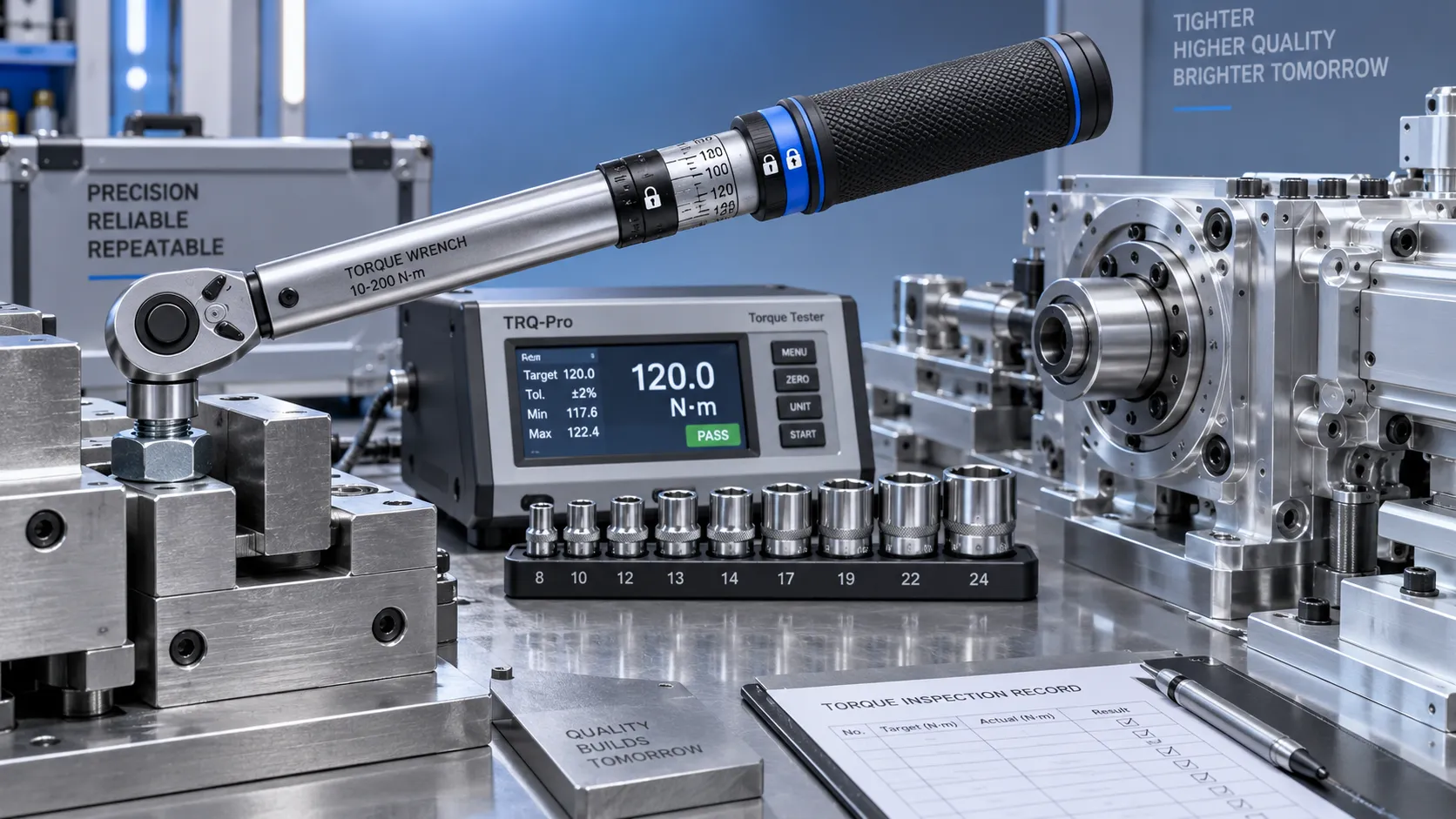
Selecting Adjustable Torque Tools for Repeatable Fastener Assembly
Adjustable torque tools: learn how to match range, accuracy, control methods, calibration, and ergonomics for repeatable, reliable fastener assembly.
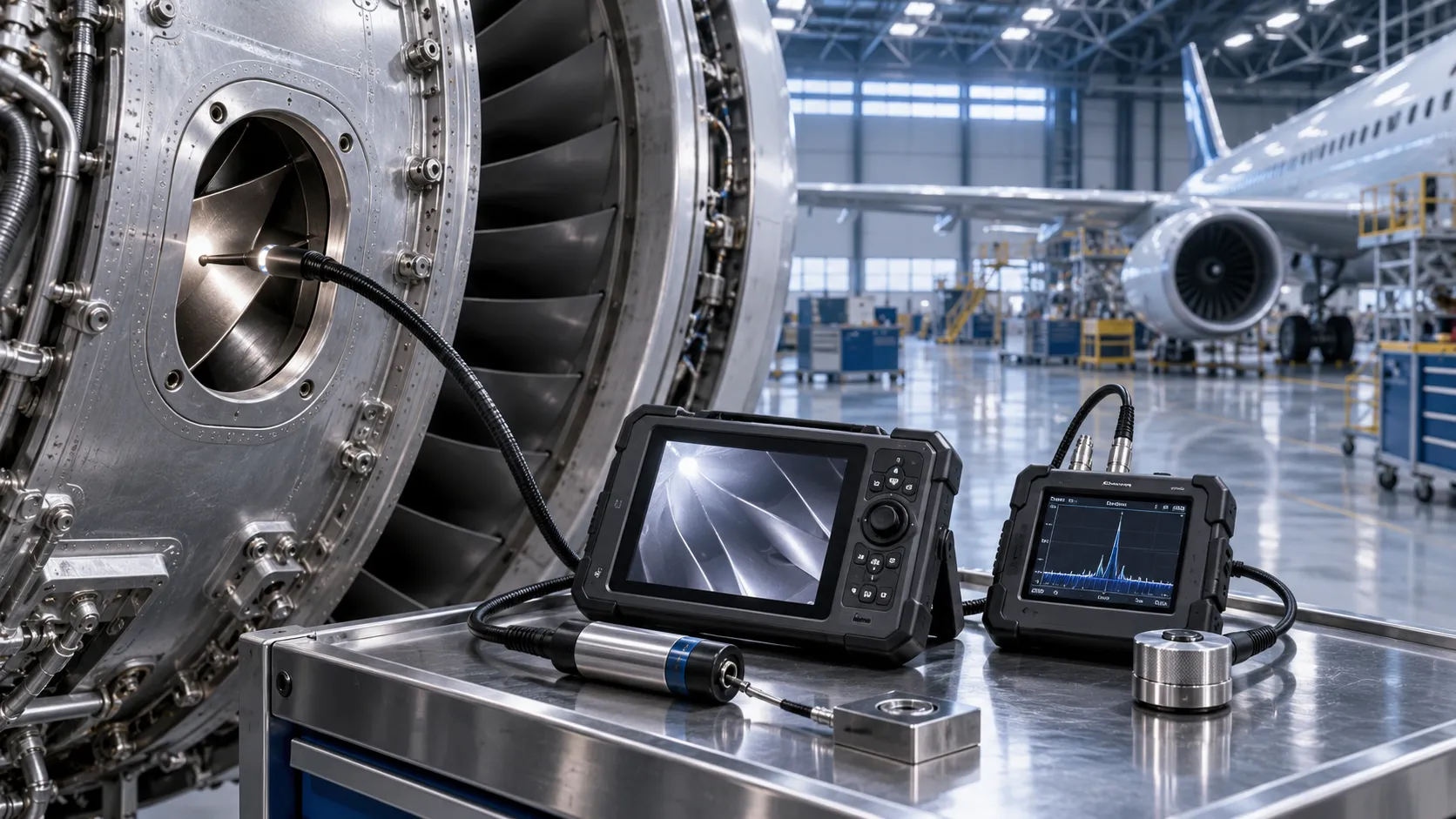
How to Select Aerospace Inspection Tools for Aircraft Maintenance Tasks
Aerospace maintenance inspection tools: learn how to select reliable, traceable equipment for aircraft access, accuracy, calibration, and compliant maintenance decisions.

How to Select Wire Bonding Tools for Fine-Pitch Semiconductor Packaging
Explore semiconductor manufacturing tools for wire bonding and learn how to select precision solutions for fine-pitch packaging, reliable loops, accuracy, and yield.
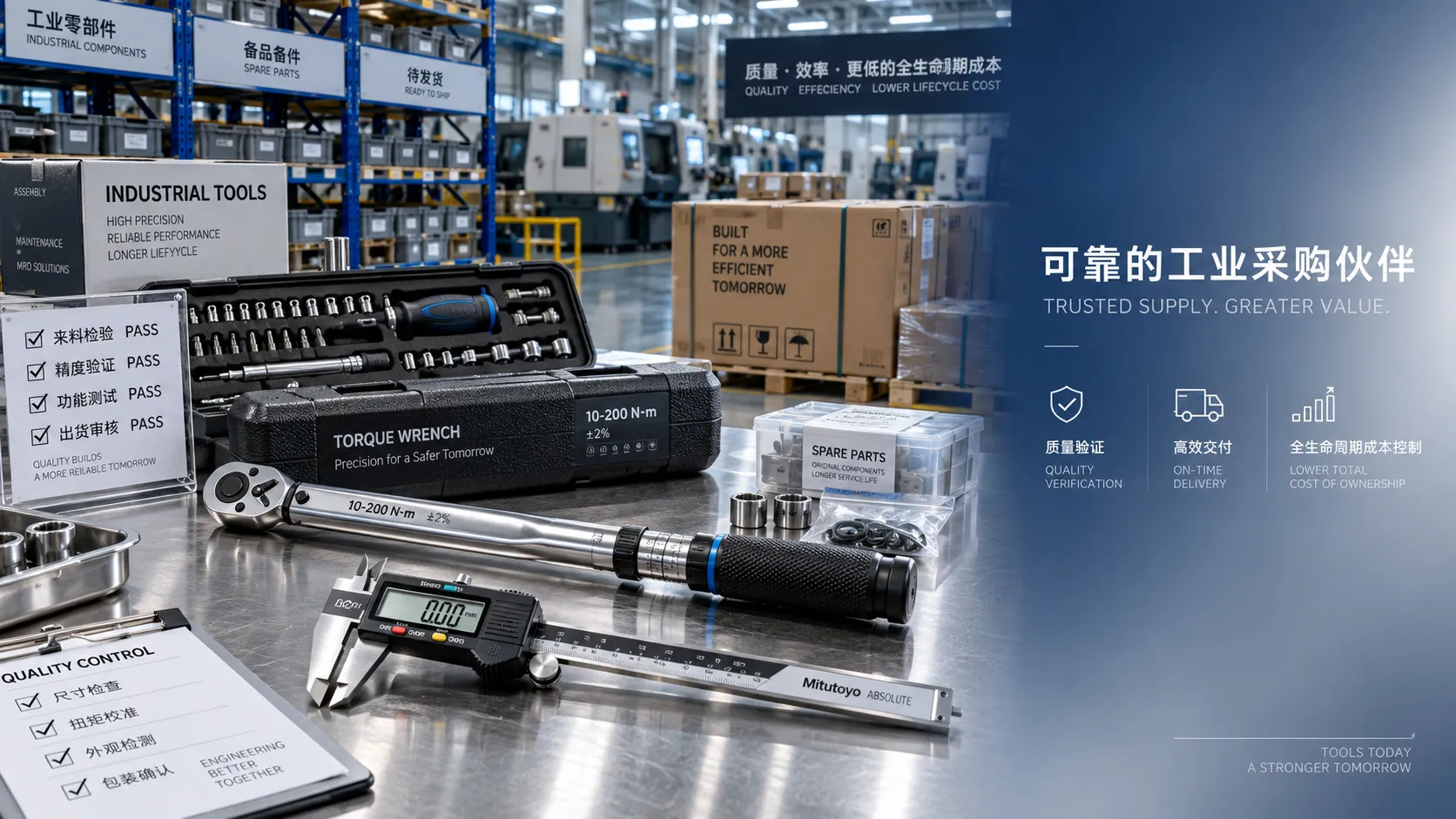
How to Compare Industrial Tool Suppliers for Quality, Lead Time, and Total Cost
Industrial tool selection supplier comparison made simple: evaluate quality, lead times, total cost, service, and supply resilience for confident sourcing decisions.
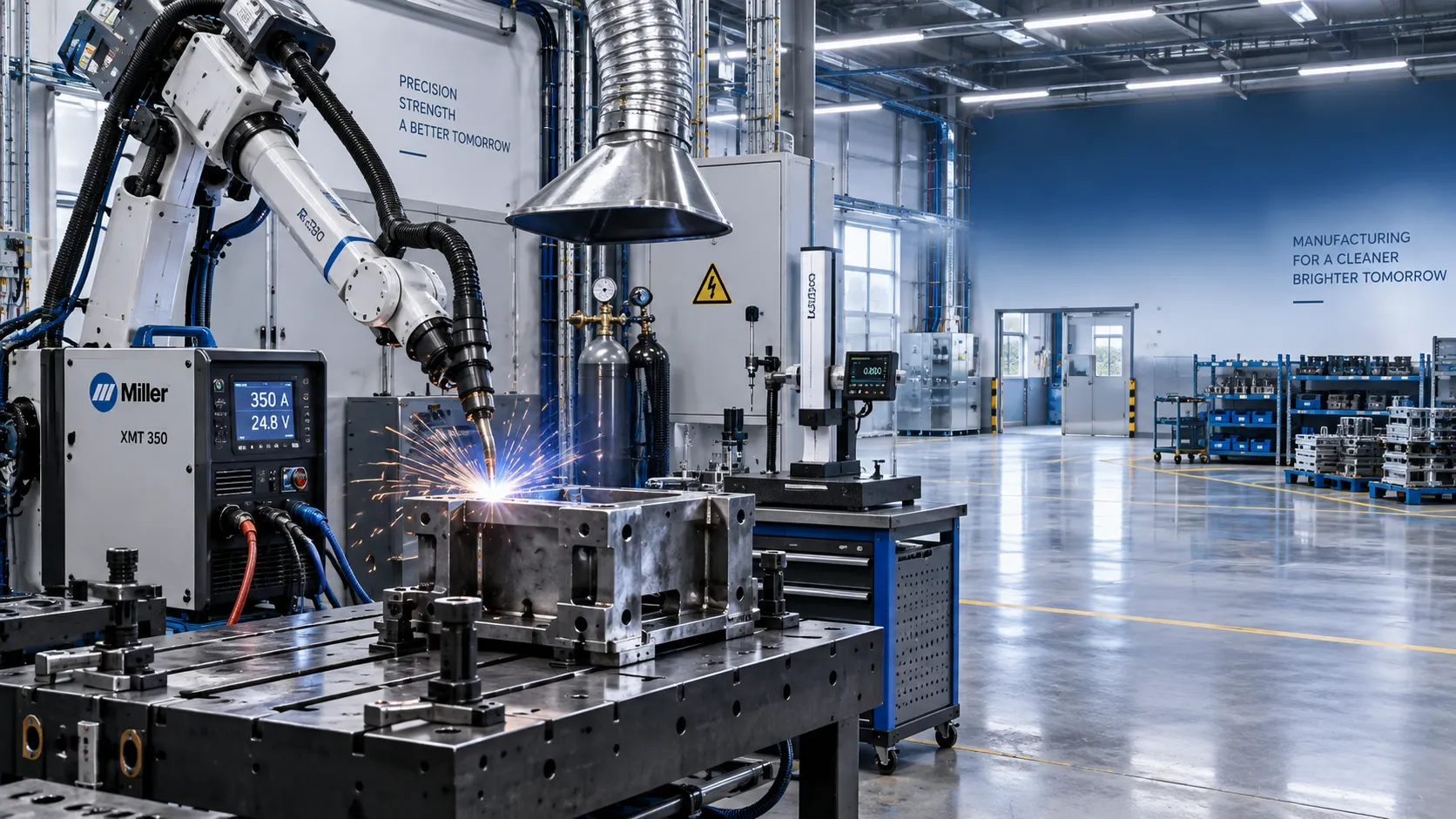
Industrial Equipment Application Guidance: Match Machines to Operating Conditions
Application guidance industrial equipment: match capacity, duty cycle, materials, site conditions, safety, and lifecycle cost to improve reliable output. Read the guide.
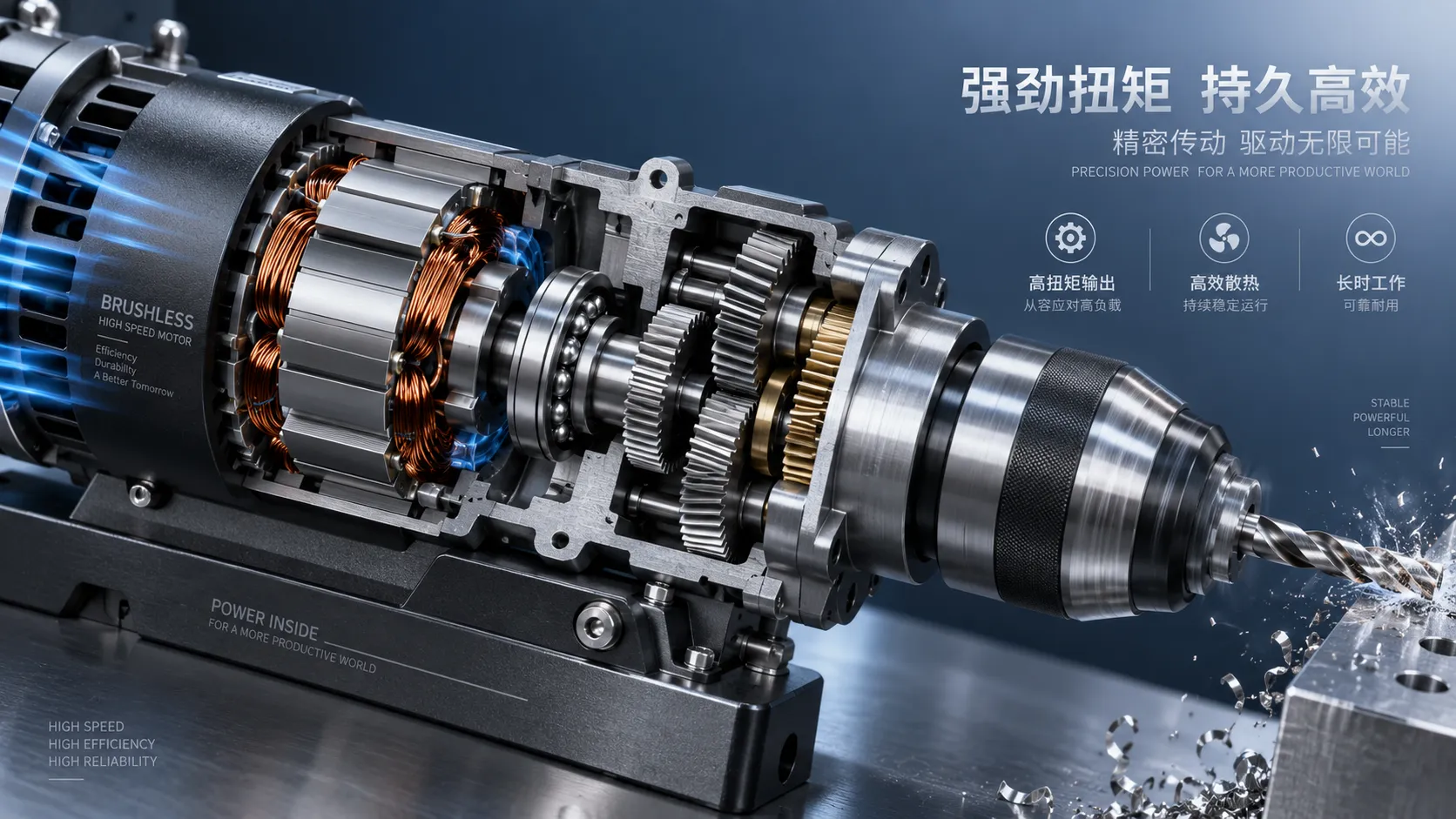
Selecting High-Speed Brushless Tool Motors for Torque, Heat, and Duty Cycle
High speed brushless tool motors: learn how to balance torque, heat, gearing, and duty cycle for reliable industrial tool performance and longer service life.
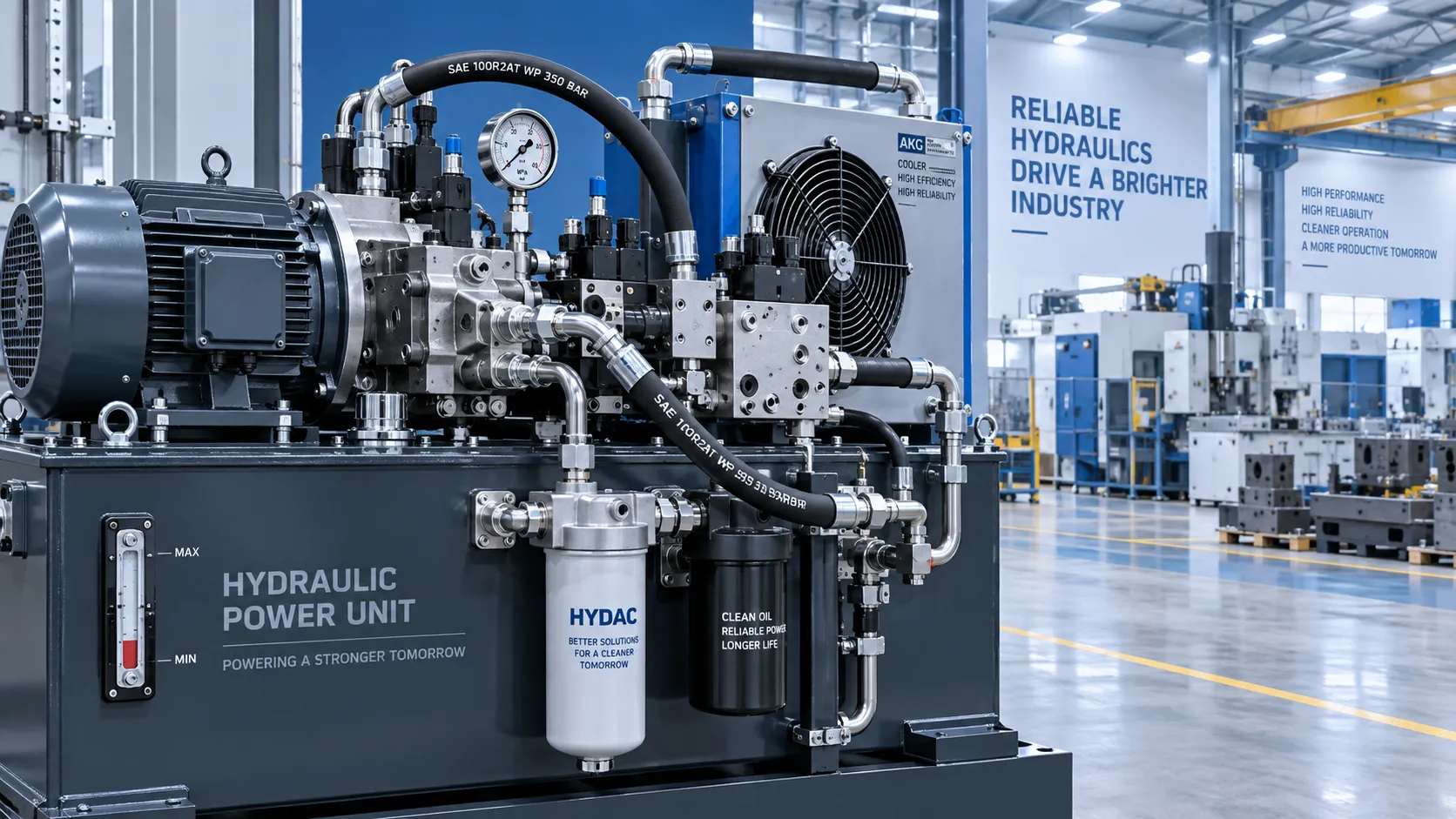
What Determines Industrial Hydraulic System Price for Heavy-Duty Equipment?
Industrial hydraulic system price depends on duty cycle, pressure, components, cooling, and integration. Compare quotes intelligently to secure reliable heavy-duty performance.
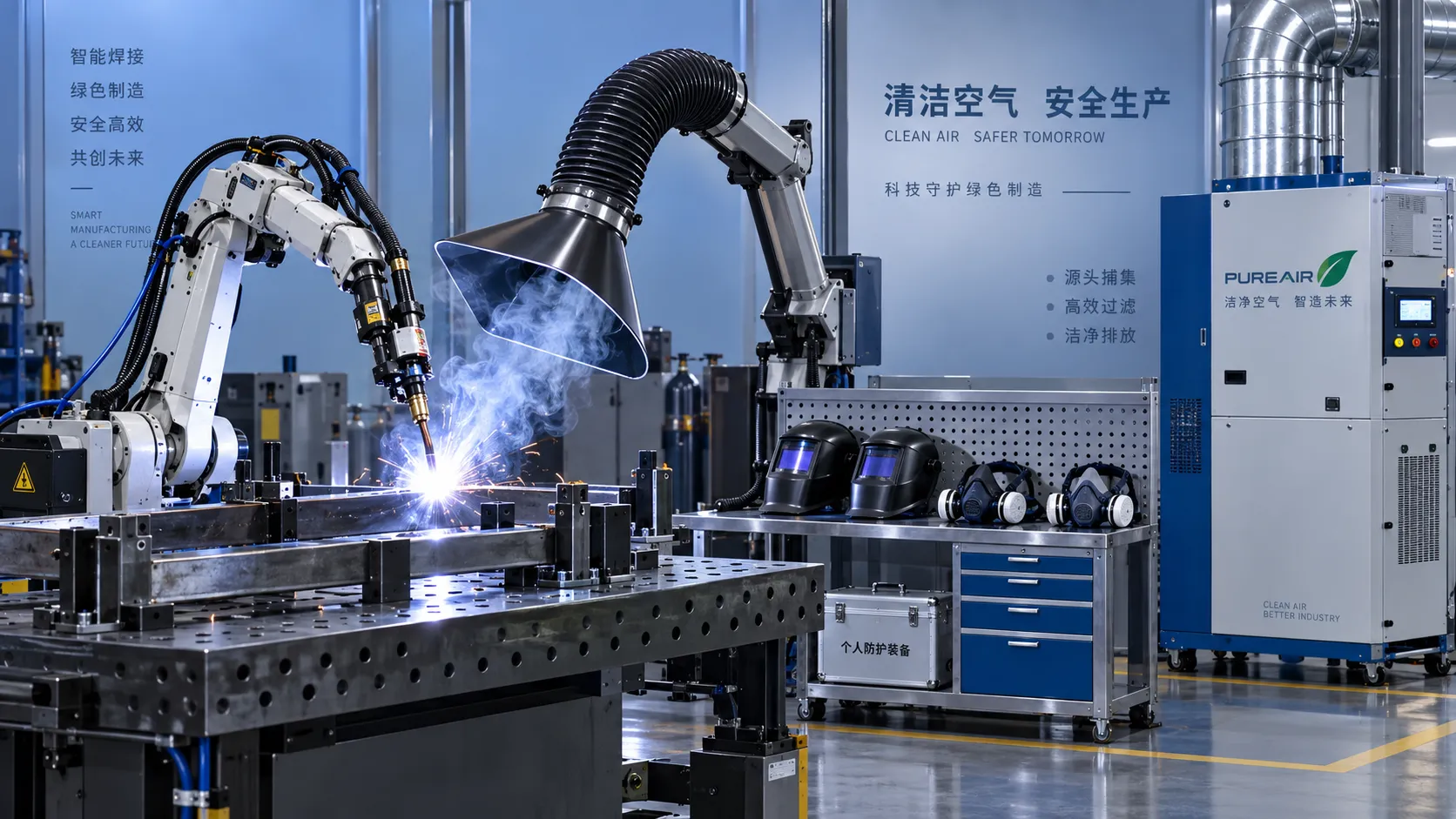
Welding Fume Extraction PPE: When Respirators Are Not Enough for Shop Safety
Welding fume extraction PPE: learn why respirators alone fall short and how source capture, ventilation, and layered controls improve shop safety.
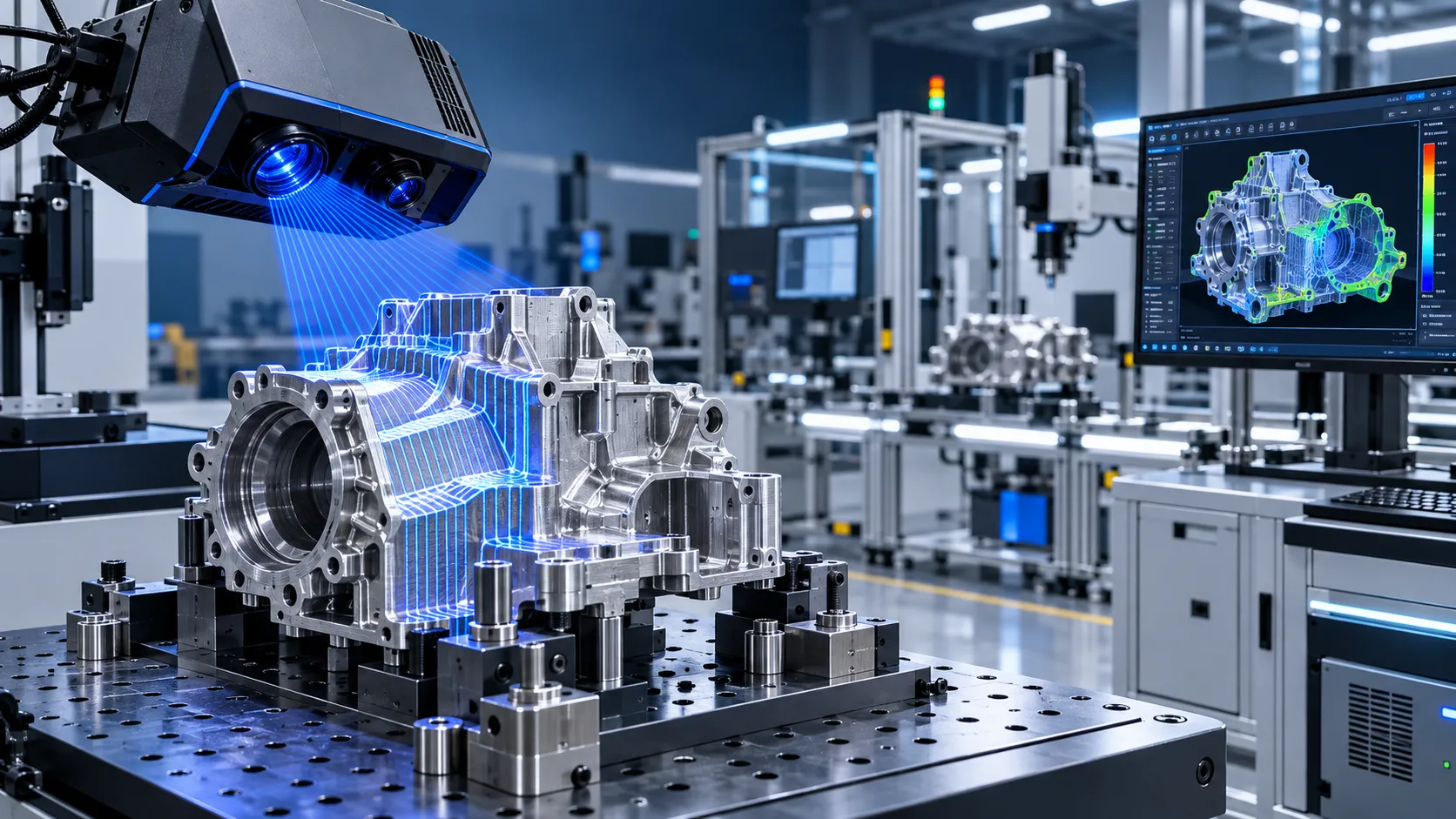
How to Select Optical Metrology Solutions for Tight-Tolerance Manufacturing
Optical industrial metrology solutions for tight-tolerance manufacturing: evaluate accuracy, surface compatibility, workflow, and traceability to select with confidence.
Related News
- 00
0000-00
Welding Fume Extraction PPE: When Respirators Are Not Enough for Shop Safety - 00
0000-00
Which ANSI Standards Apply to Welding Equipment in Industrial Fabrication? - 00
0000-00
How Energy-Efficient Welding Equipment Cuts Power Use in High-Volume Fabrication - 00
0000-00
Which ISO Standards Govern Welding Technology Quality Control and Qualification? - 00
0000-00
North American Welding Innovations Reshaping Automation, Quality, and Labor Productivity
Welding Metallurgy Expert
Weekly Insights
Stay ahead with our curated technology reports delivered every Monday.