
Construction Maintenance Tools for Site Repair: What to Pack for Concrete, Steel, and Pipe Fixes





Construction maintenance tools for site repair work best when the repair kit matches the surface and failure mode
Construction maintenance tools for site repair are rarely chosen by category alone. The smarter method is to match tools to material behavior, access limits, and repair urgency.
A concrete spall, a bent steel bracket, and a leaking pipe may all look like routine site fixes. In practice, each one creates different risks for downtime, safety, and finish quality.
That is why well-prepared site repair kits are built around judgment, not just inventory. The best kits reduce guesswork when conditions change mid-shift.
Within GPTWM’s industrial intelligence perspective, the last mile of maintenance matters because field repairs often expose the real limits of tools, consumables, and measurement discipline.
Recent shifts in brushless power tools, handheld joining safety, and precision inspection are also changing what belongs in modern construction maintenance tools for site repair.
Actual jobsite conditions change what needs to be packed
The same repair can require different tools depending on location, substrate condition, and time pressure. Indoor repair near finished areas demands cleaner processes than open structural work.
Moisture, dust, access height, and available power also affect tool choice. A repair kit that performs well in workshop preparation may fail on an exposed slab or congested service corridor.
More common mistakes happen when teams treat similar materials as identical. Cracked concrete with active movement is not the same as surface scaling. Corroded steel is not always weld-ready.
For construction maintenance tools for site repair, the first question should be simple: is the job mainly about removal, preparation, joining, sealing, or verification?
A useful packing logic starts with four checks
- Confirm whether the damage is cosmetic, structural, or pressure related.
- Check if the repair area allows sparks, heat, water, or vibration.
- Identify what must be measured before and after the repair.
- Estimate whether the fix is temporary stabilization or service-life recovery.
Concrete repair usually depends on preparation quality more than patch volume
When concrete is chipped, cracked, or delaminated, surface preparation drives the outcome. Packing only patch mortar and a trowel leaves the most important work unfinished.
Construction maintenance tools for site repair in concrete zones should usually include a rotary hammer, crack chaser, angle grinder with dust shroud, wire brush, moisture meter, and mixing tools.
Inspection matters here. A straightedge, depth gauge, and compact laser level help confirm whether the defect is shallow wear or a sign of deeper settlement.
For horizontal patches, mixing consistency and bond preparation matter more than speed. For vertical areas, sag resistance and anchoring accessories become more important than batch size.
A frequent misjudgment is using general demolition tools for precise edge cutting. That creates weak feather edges and raises material consumption during reinstatement.
What is worth packing for concrete fixes
- Dust-controlled grinder and vacuum for clean bond surfaces.
- Measuring tools for crack width, patch depth, and flatness.
- Mixing paddle matched to repair mortar viscosity.
- Injection gun or cartridge tools when crack sealing is specified.
- Curing covers or spray equipment if moisture retention is required.
Steel fixes call for a different balance of cutting, joining, and dimensional control
Steel repair on site is less forgiving than concrete patching. If the surface is deformed, corroded, or misaligned, the repair decision must consider residual strength and fit-up tolerance.
That is where construction maintenance tools for site repair overlap with metal joining and precision inspection. GPTWM often tracks this link because field efficiency depends on both tool output and measurement reliability.
A practical steel repair kit may include magnetic squares, clamps, torque tools, inspection calipers, angle gauges, flap discs, portable welding gear, and surface cleaning accessories.
Not every damaged steel part should be welded immediately. In many live environments, bolted reinforcement, temporary bracing, or cold correction may be safer and faster.
Another common mistake is packing high-output tools without checking power stability, grounding, and fume control. On real sites, support conditions often limit the repair method more than tool specifications do.
Where steel repairs usually differ
Pipe repairs are shaped by pressure, media, and shutdown limits
Pipe fixes often look straightforward until the system details are checked. A small leak in a drain line needs a very different tool set from a damaged pressurized service pipe.
For construction maintenance tools for site repair around pipes, packing should follow three questions: what is flowing, how much isolation is possible, and what seal performance is acceptable.
Compact pipe cutters, strap wrenches, deburring tools, pressure gauges, temporary clamps, sealant guns, and thread inspection tools are often more valuable than oversized general tools.
When metal pipe sections require joining, surface cleanliness and fit-up become critical. When polymer pipe is involved, temperature control and compatibility checks usually matter more.
A typical misread is choosing a sealant by convenience. Site conditions, chemical exposure, vibration, and cure time should drive that decision.
What changes from one pipe repair to another
- Visible seepage needs diagnosis of source, not just surface sealing.
- Pressurized lines demand isolation tools and verification gauges.
- Corroded couplings often need measurement before replacement selection.
- Confined pipe runs require short-body tools and lower spark methods.
Different repair environments create different packing priorities
The table below is useful when comparing construction maintenance tools for site repair across mixed material jobs. It helps avoid overpacking one task and underpreparing another.
What is often overlooked before the kit leaves the yard
One issue is packing by habit rather than failure pattern. Another is relying on a powerful tool without carrying the accessories that make it precise and safe.
Measurement tools are often underpacked. Yet on mixed-material repairs, a caliper, torque wrench, moisture reader, and inspection light can prevent expensive rework.
Consumables also deserve more attention. Blades, discs, nozzles, mixer paddles, seal cartridges, and compatible fasteners usually determine whether the repair finishes in one visit.
The broader lesson from GPTWM’s precision and assembly coverage is clear: tool value is not only in output power. It is in repeatable control under field constraints.
A practical next step is to build a repair kit around recurring site patterns
Start by reviewing the repairs that happen most often across concrete, steel, and pipe systems. Group them by preparation, joining, sealing, and verification needs.
Then compare which construction maintenance tools for site repair are truly shared and which should stay material-specific. That usually trims excess weight and improves response speed.
It also helps to record access limits, power availability, safety restrictions, and preferred consumables for each recurring repair type. Those details matter more than a generic packing checklist.
When the kit reflects real site patterns, repairs move with less interruption, better quality control, and fewer wrong assumptions at the point of work.
Related News
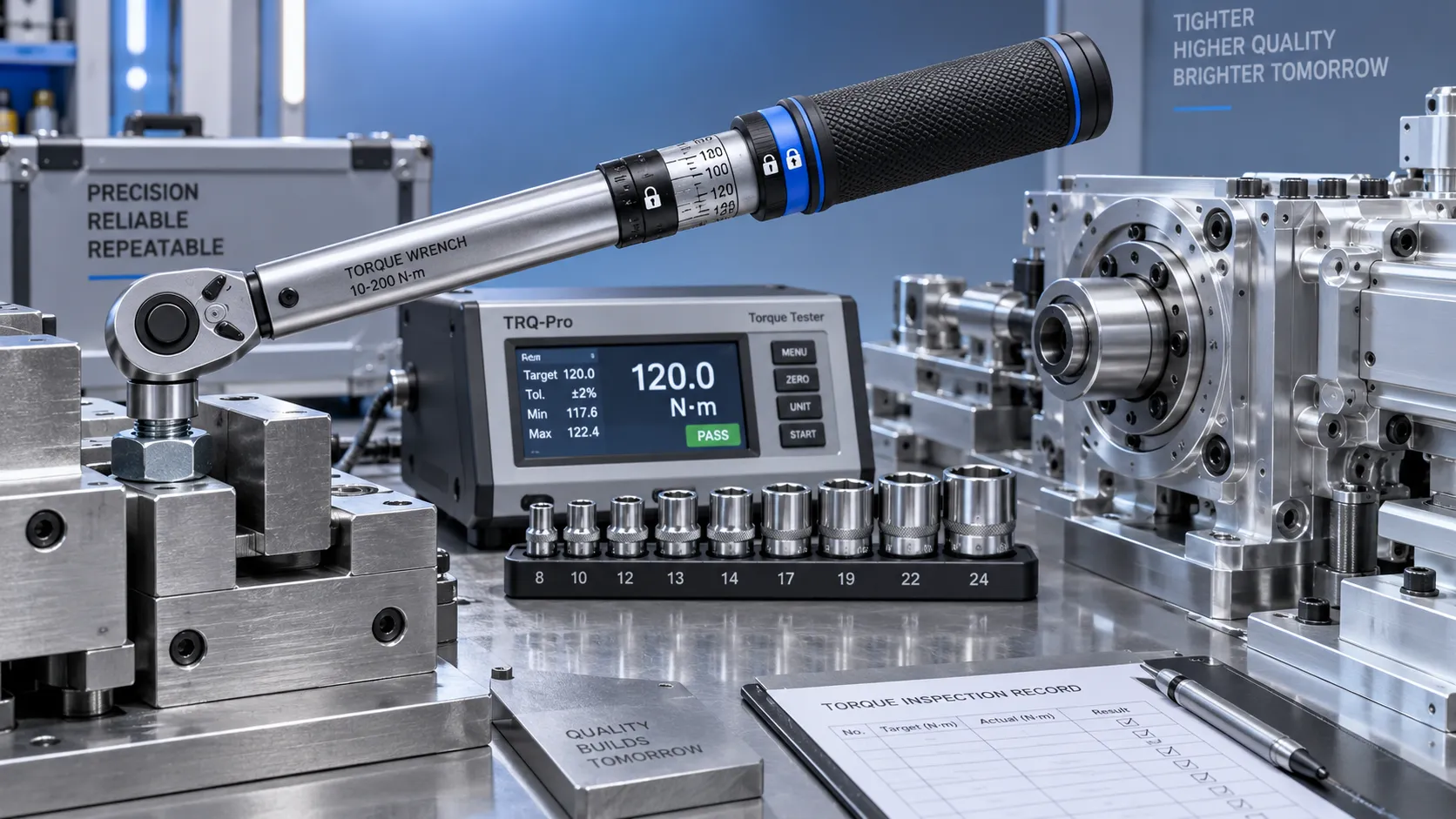
Selecting Adjustable Torque Tools for Repeatable Fastener Assembly
Adjustable torque tools: learn how to match range, accuracy, control methods, calibration, and ergonomics for repeatable, reliable fastener assembly.

How to Select Aerospace Inspection Tools for Aircraft Maintenance Tasks
Aerospace maintenance inspection tools: learn how to select reliable, traceable equipment for aircraft access, accuracy, calibration, and compliant maintenance decisions.

How to Select Wire Bonding Tools for Fine-Pitch Semiconductor Packaging
Explore semiconductor manufacturing tools for wire bonding and learn how to select precision solutions for fine-pitch packaging, reliable loops, accuracy, and yield.
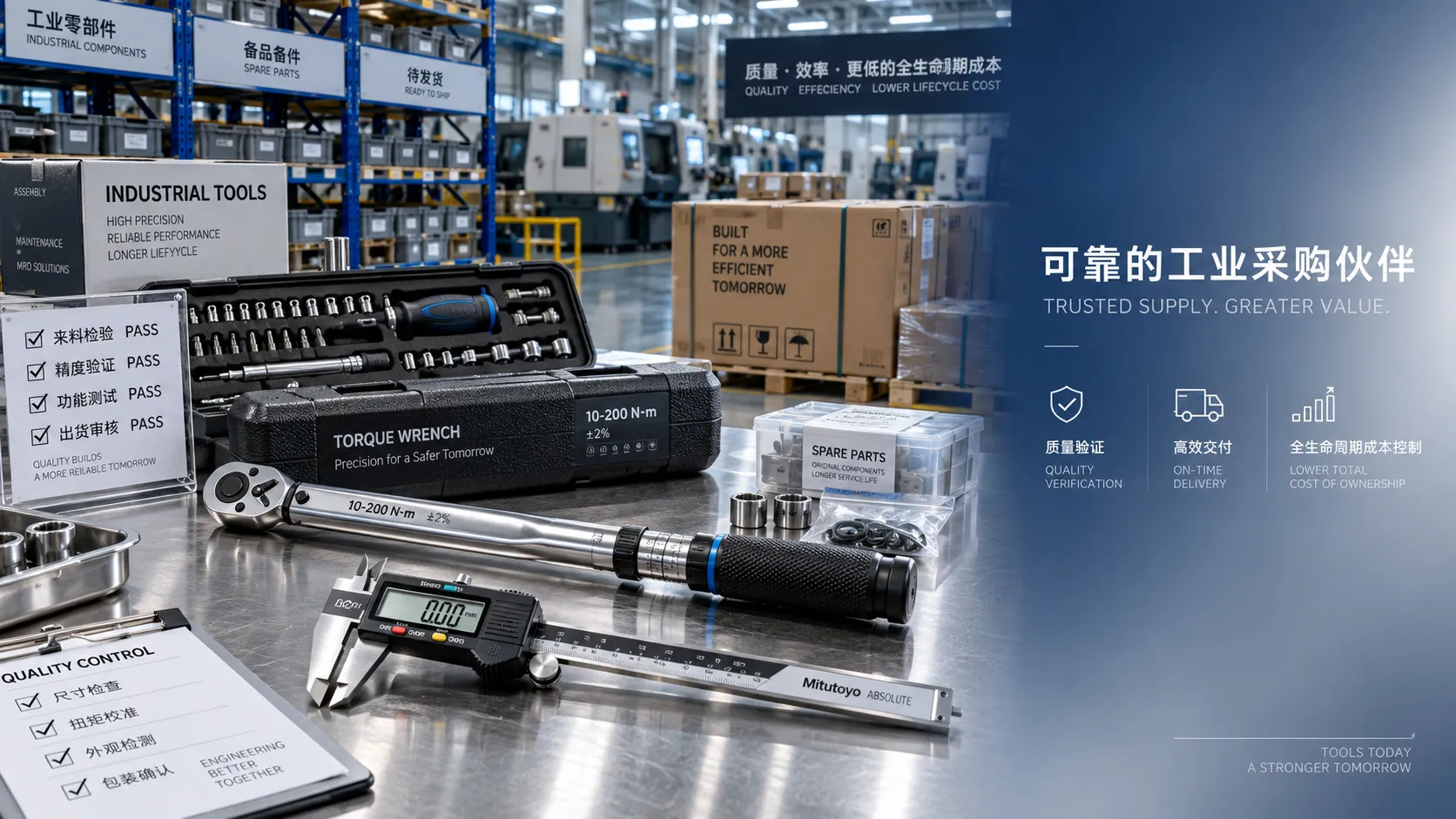
How to Compare Industrial Tool Suppliers for Quality, Lead Time, and Total Cost
Industrial tool selection supplier comparison made simple: evaluate quality, lead times, total cost, service, and supply resilience for confident sourcing decisions.
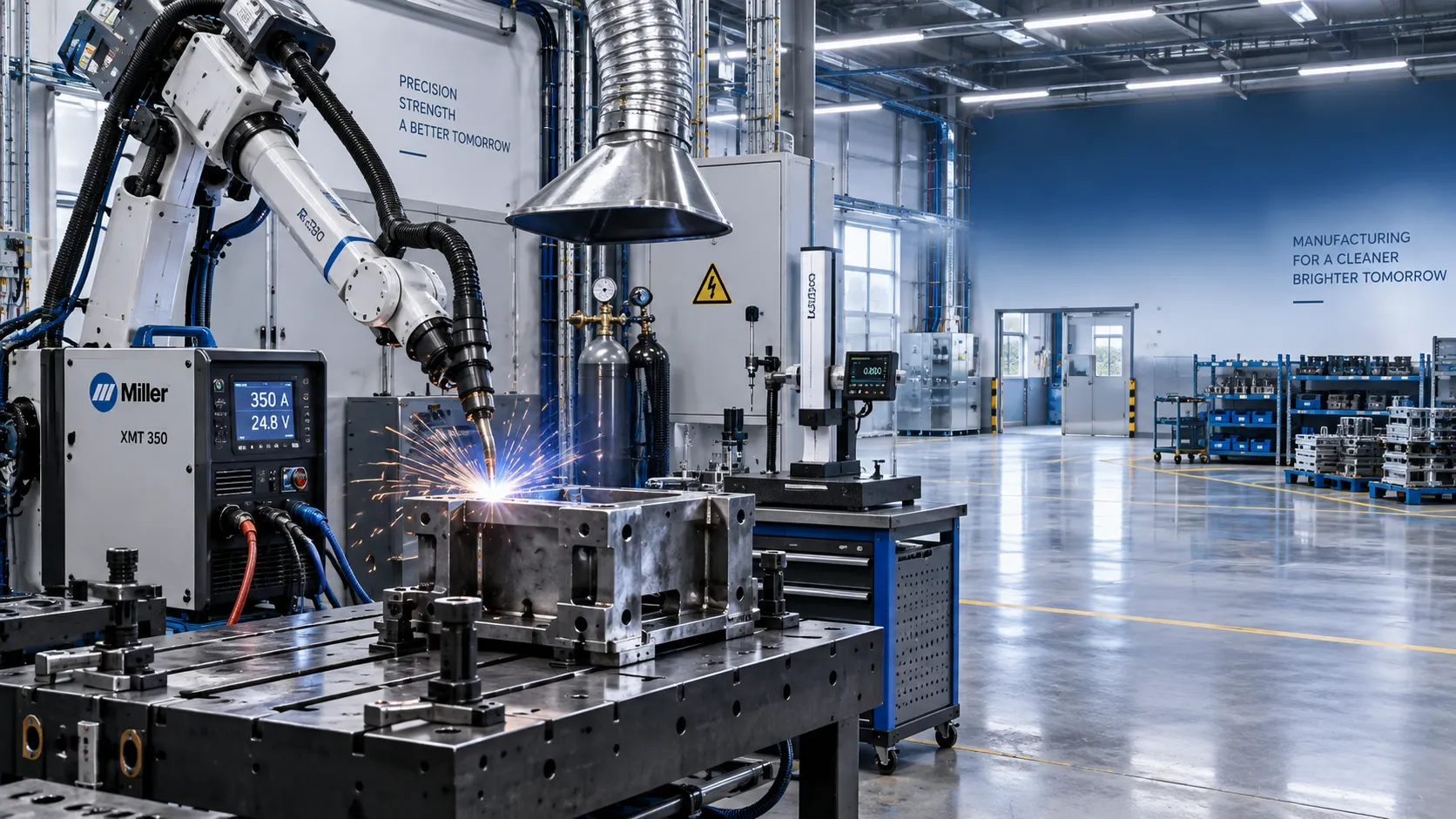
Industrial Equipment Application Guidance: Match Machines to Operating Conditions
Application guidance industrial equipment: match capacity, duty cycle, materials, site conditions, safety, and lifecycle cost to improve reliable output. Read the guide.
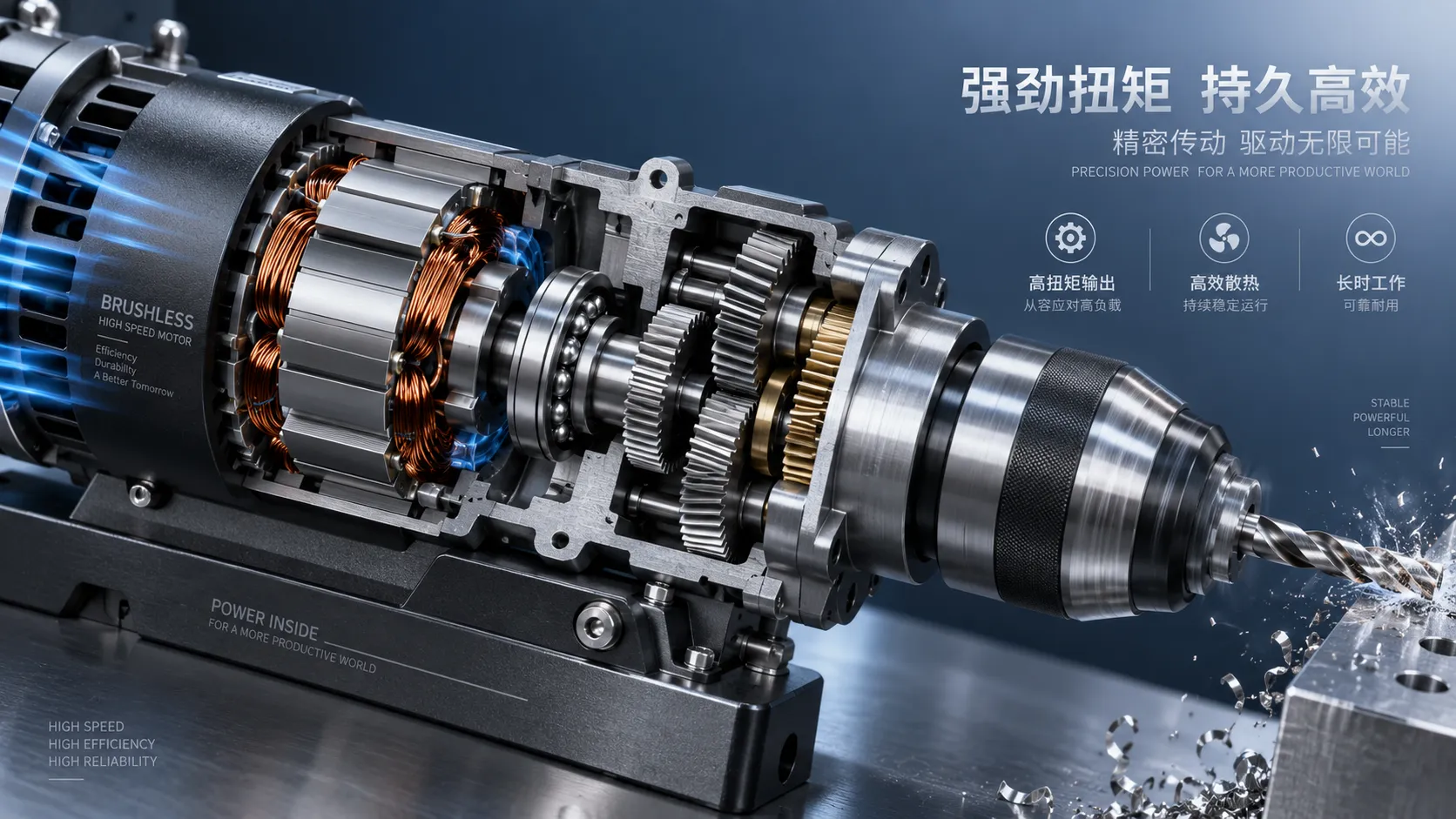
Selecting High-Speed Brushless Tool Motors for Torque, Heat, and Duty Cycle
High speed brushless tool motors: learn how to balance torque, heat, gearing, and duty cycle for reliable industrial tool performance and longer service life.
What Determines Industrial Hydraulic System Price for Heavy-Duty Equipment?
Industrial hydraulic system price depends on duty cycle, pressure, components, cooling, and integration. Compare quotes intelligently to secure reliable heavy-duty performance.
Welding Fume Extraction PPE: When Respirators Are Not Enough for Shop Safety
Welding fume extraction PPE: learn why respirators alone fall short and how source capture, ventilation, and layered controls improve shop safety.

How to Select Optical Metrology Solutions for Tight-Tolerance Manufacturing
Optical industrial metrology solutions for tight-tolerance manufacturing: evaluate accuracy, surface compatibility, workflow, and traceability to select with confidence.
Related News
- 00
0000-00
Automotive Tools: How to Build a Reliable Toolkit for Routine Vehicle Service - 00
0000-00
How to Build an Automotive Hand Tool Set for Routine Vehicle Service - 00
0000-00
Construction Maintenance Tools for Site Repair: What to Pack for Concrete, Steel, and Pipe Fixes - 00
0000-00
Product Information Resources for Assembly Tools: What Specs Matter Before You Compare Models? - 00
0000-00
Industrial Applications of Torque Control Wrenches in Assembly Lines and Field Maintenance
Industrial Craft Curator
Weekly Insights
Stay ahead with our curated technology reports delivered every Monday.