
What Is Metal Joining for Sheet Metal? Processes, Strength Limits, and Best Uses





Why does metal joining for sheet metal matter so much?
Metal joining for sheet metal sits at the center of modern fabrication, repair, and assembly. It affects strength, appearance, speed, inspection needs, and total production cost.
That is why this topic appears across construction hardware, appliance panels, vehicle bodies, enclosures, ducts, and aerospace subassemblies. The joining method often decides whether a design is practical.
In simple terms, sheet metal parts are thin enough that heat distortion, edge tearing, and surface damage become real concerns. A strong joint on thick plate may fail differently on thin gauge material.
The better question is not which method is strongest in theory. The useful question is which process fits the material, load path, production volume, and downstream finishing steps.
At GPTWM, industrial assembly is usually viewed through that practical lens. Joining choices are rarely isolated. They connect to metrology, tool capability, safety rules, and supply chain pressure.
So when people ask about metal joining for sheet metal, they are often asking several things at once: how it works, where it breaks down, and what to choose without creating hidden problems later.
What counts as metal joining for sheet metal, and which methods are most common?
Metal joining for sheet metal includes any process that locks separate thin metal parts into a usable assembly. Some methods melt metal. Others deform it, fasten it, or bond it chemically.
The most common options are welding, riveting, adhesive bonding, mechanical fastening, soldering or brazing, and clinching. Each one solves a different manufacturing problem.
- Welding joins by fusion, often with MIG, TIG, resistance spot, or laser processes.
- Riveting creates a mechanical lock and works well when heat must be avoided.
- Adhesives spread load over a larger area and help with mixed-material designs.
- Clinching forms an interlock by local deformation without extra fasteners.
- Bolts, screws, and inserts support serviceable assemblies or thicker stacked parts.
- Brazing and soldering are useful where lower temperatures and sealing matter.
In actual production, the choice also depends on coating condition, access from one or both sides, required appearance, and whether the joint must later be disassembled.
That is why metal joining for sheet metal is rarely decided by one data sheet value. Joint geometry and process control usually matter as much as base material strength.
Which process is strongest, and where do strength limits usually appear?
This is the most searched question, but the answer needs context. The strongest process on paper can still be the weakest choice if it introduces warping, coating damage, or poor fatigue behavior.
For static strength, a well-designed welded joint is often the benchmark. It can approach parent metal performance, especially when penetration, fit-up, and heat input stay under control.
Yet sheet metal welding has limits. Thin sections burn through easily. Heat-affected zones may soften some alloys. Distortion can also reduce dimensional accuracy on large panels.
Riveted joints generally handle vibration well, but they concentrate load around holes. If edge distance is too short, tearing and bearing failure become more likely.
Adhesive-bonded joints can perform surprisingly well in shear. Their limit often appears under peel, impact, high heat, contamination, or poor surface preparation.
Clinched joints are fast and repeatable, but they usually have lower ultimate strength than a full weld. They are commonly selected for moderate loads and high-volume assembly.
A useful way to think about strength is failure mode. Does the joint fail by shear, peel, fatigue cracking, pull-out, local buckling, or corrosion-assisted damage? That answer guides process selection better than a generic ranking.
That comparison is a starting point, not a final answer. For metal joining for sheet metal, joint design, overlap length, flange width, and process consistency can shift real performance dramatically.
How do you choose the best method for a real application?
A practical selection process begins with four checks: material combination, load type, production volume, and finish requirements. This quickly eliminates methods that look attractive but create downstream issues.
If the parts are galvanized steel or painted sheet, welding may require coating removal and rework. If appearance matters, adhesive bonding or laser welding may offer cleaner visible results.
If the joint sees cyclic loads, fatigue performance deserves extra attention. A slightly lower static strength method can outperform another process in long-term vibration service.
Where disassembly is expected, mechanical fasteners often make more sense than permanent joining. That matters in maintenance-driven sectors and field-installed assemblies.
For high-volume lines, takt time changes the decision. Resistance spot welding and clinching can be faster than manual fastening. Adhesives add cure considerations unless the line is designed around them.
- Choose welding when structural continuity and sealing matter most.
- Choose riveting when heat damage must be avoided.
- Choose adhesives when stiffness, damping, and surface appearance matter.
- Choose clinching when speed and low consumable use are priorities.
GPTWM often frames this as a last-mile decision. The best metal joining for sheet metal is usually the method that preserves quality while fitting tool capability, inspection routines, and cost targets.
What mistakes cause sheet metal joints to fail earlier than expected?
Early failure is often blamed on the process, but the root cause is usually a design or control issue. Thin material leaves less room for error.
One frequent mistake is ignoring joint geometry. A good process cannot rescue a poor overlap, weak edge distance, or a design that creates peel instead of shear.
Another problem is treating all metals alike. Aluminum, stainless steel, coated carbon steel, and mixed-metal stacks behave differently under heat, pressure, and corrosion exposure.
Surface preparation is another dividing line. Adhesives fail early when oil, oxide, or inconsistent roughness remains. Welds also suffer when contamination creates porosity or unstable arcs.
Measurement discipline matters more than many expect. In precision assembly, gap, flatness, and alignment directly affect weld penetration, rivet set quality, and bondline thickness.
That is where metrology connects to joining. GPTWM regularly highlights how gauges, torque control, and process monitoring reduce variation before defects appear at final inspection.
- Do not judge strength from one coupon test alone.
- Check corrosion exposure before mixing metals and fasteners.
- Confirm access, fixturing, and rework feasibility early.
- Review heat input limits on thin and coated sheet.
How do cost, speed, and quality trade off in metal joining for sheet metal?
The cheapest joint on a per-piece basis is not always the lowest-cost system. Rework, inspection time, consumables, operator skill, and cycle variation all change the real number.
Manual welding may appear flexible, but distortion correction and finishing can add hidden labor. Riveting adds hardware cost, yet often reduces thermal damage and post-process correction.
Adhesives save surface appearance and distribute load well, but cure time and environmental control must be priced in. Clinching reduces consumables, though tool wear and access geometry still matter.
A balanced evaluation usually includes these questions:
This is also why market intelligence has value. Changes in alloy prices, export restrictions, and safety expectations can shift the preferred joining route faster than many design guides suggest.
So what is the smartest next step before choosing a joining process?
Start by mapping the joint, not just naming a process. Define the material, thickness, load direction, service environment, appearance requirement, and acceptable rework window.
Then compare two or three realistic options under the same criteria. For metal joining for sheet metal, a small comparison matrix often reveals trade-offs faster than broad theory.
Where uncertainty remains, test the real joint geometry. Coupon tests help, but prototype assemblies show distortion, fit-up issues, access problems, and inspection limits more honestly.
The main takeaway is straightforward. There is no universal best method for metal joining for sheet metal. There is only a best fit for a defined application.
A sound decision usually combines process knowledge, measurement discipline, and awareness of broader manufacturing signals. That perspective is exactly where industrial intelligence platforms such as GPTWM become useful.
Before moving forward, list the joint’s real demands, compare likely failure modes, and verify the cost of quality control. That approach leads to better choices than selecting by habit alone.
Related News
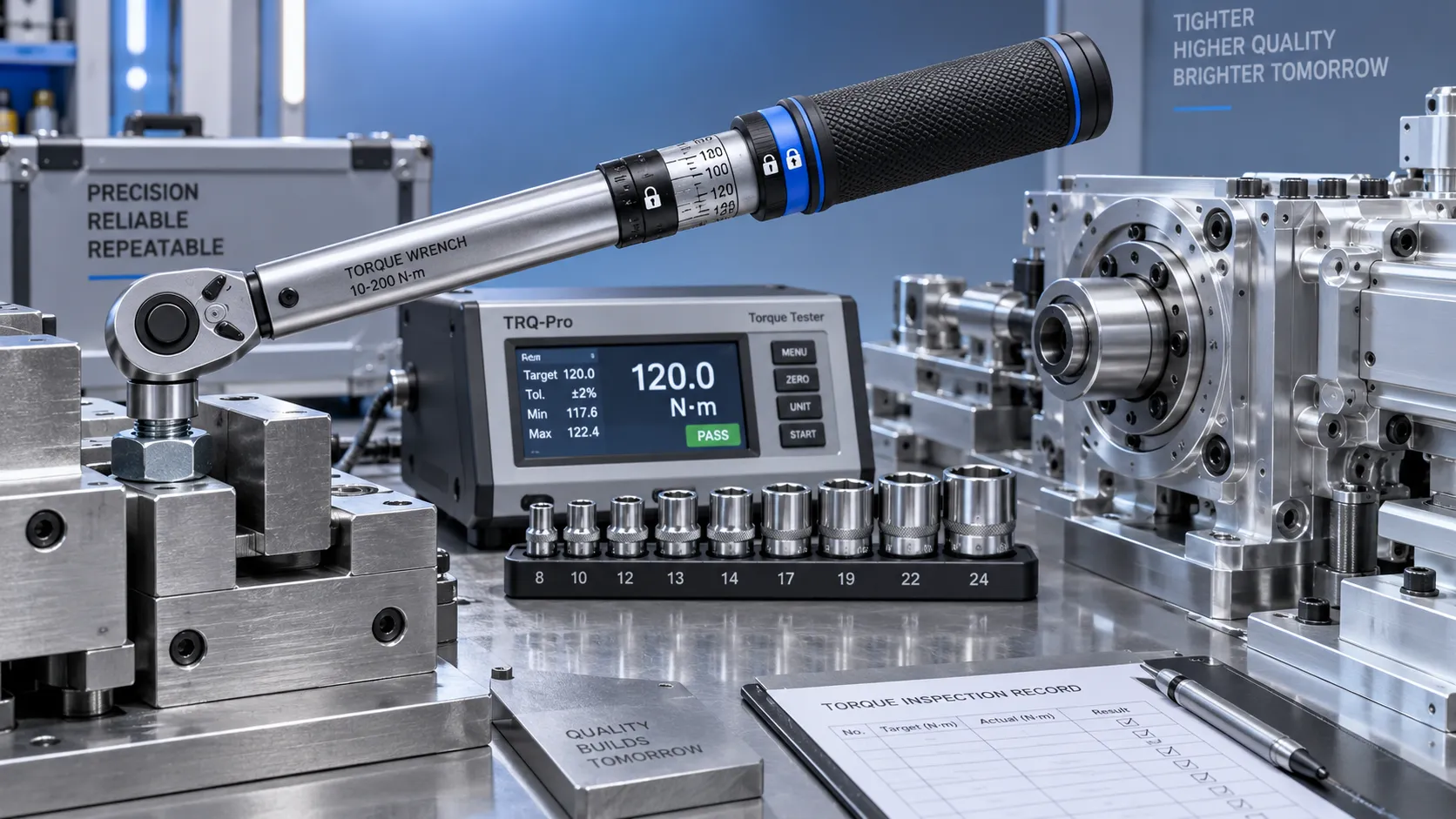
Selecting Adjustable Torque Tools for Repeatable Fastener Assembly
Adjustable torque tools: learn how to match range, accuracy, control methods, calibration, and ergonomics for repeatable, reliable fastener assembly.

How to Select Aerospace Inspection Tools for Aircraft Maintenance Tasks
Aerospace maintenance inspection tools: learn how to select reliable, traceable equipment for aircraft access, accuracy, calibration, and compliant maintenance decisions.

How to Select Wire Bonding Tools for Fine-Pitch Semiconductor Packaging
Explore semiconductor manufacturing tools for wire bonding and learn how to select precision solutions for fine-pitch packaging, reliable loops, accuracy, and yield.
How to Compare Industrial Tool Suppliers for Quality, Lead Time, and Total Cost
Industrial tool selection supplier comparison made simple: evaluate quality, lead times, total cost, service, and supply resilience for confident sourcing decisions.
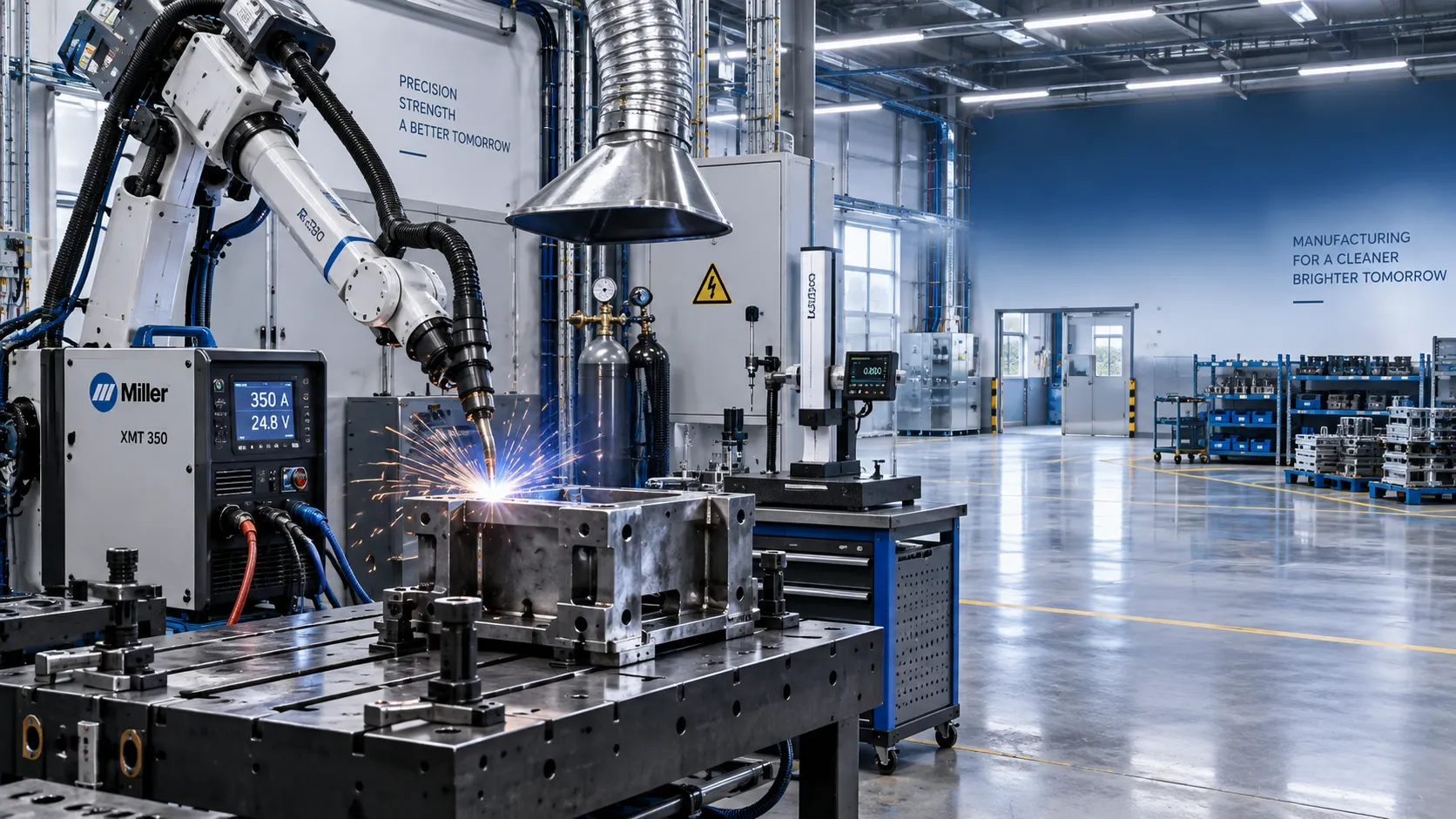
Industrial Equipment Application Guidance: Match Machines to Operating Conditions
Application guidance industrial equipment: match capacity, duty cycle, materials, site conditions, safety, and lifecycle cost to improve reliable output. Read the guide.
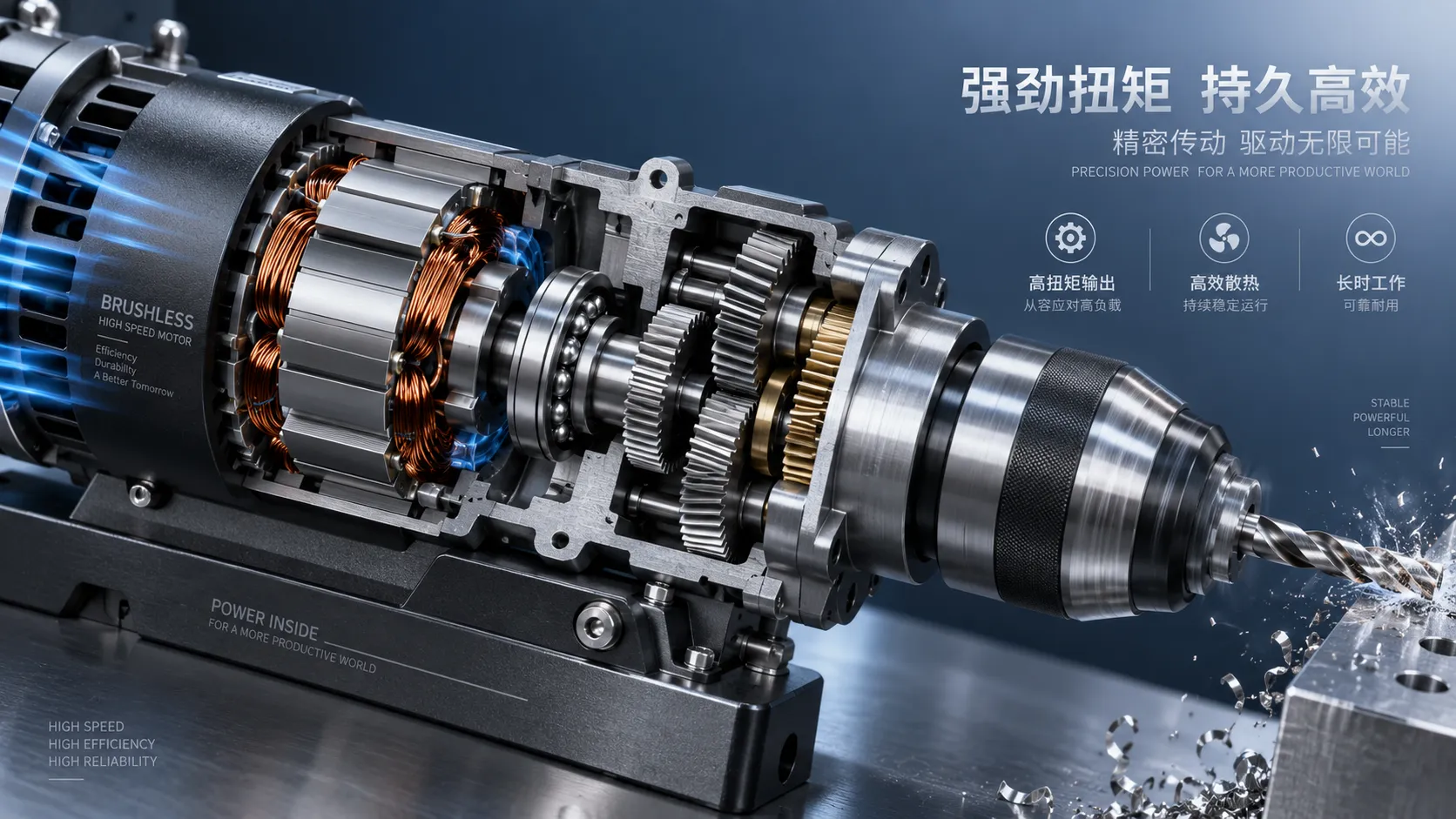
Selecting High-Speed Brushless Tool Motors for Torque, Heat, and Duty Cycle
High speed brushless tool motors: learn how to balance torque, heat, gearing, and duty cycle for reliable industrial tool performance and longer service life.
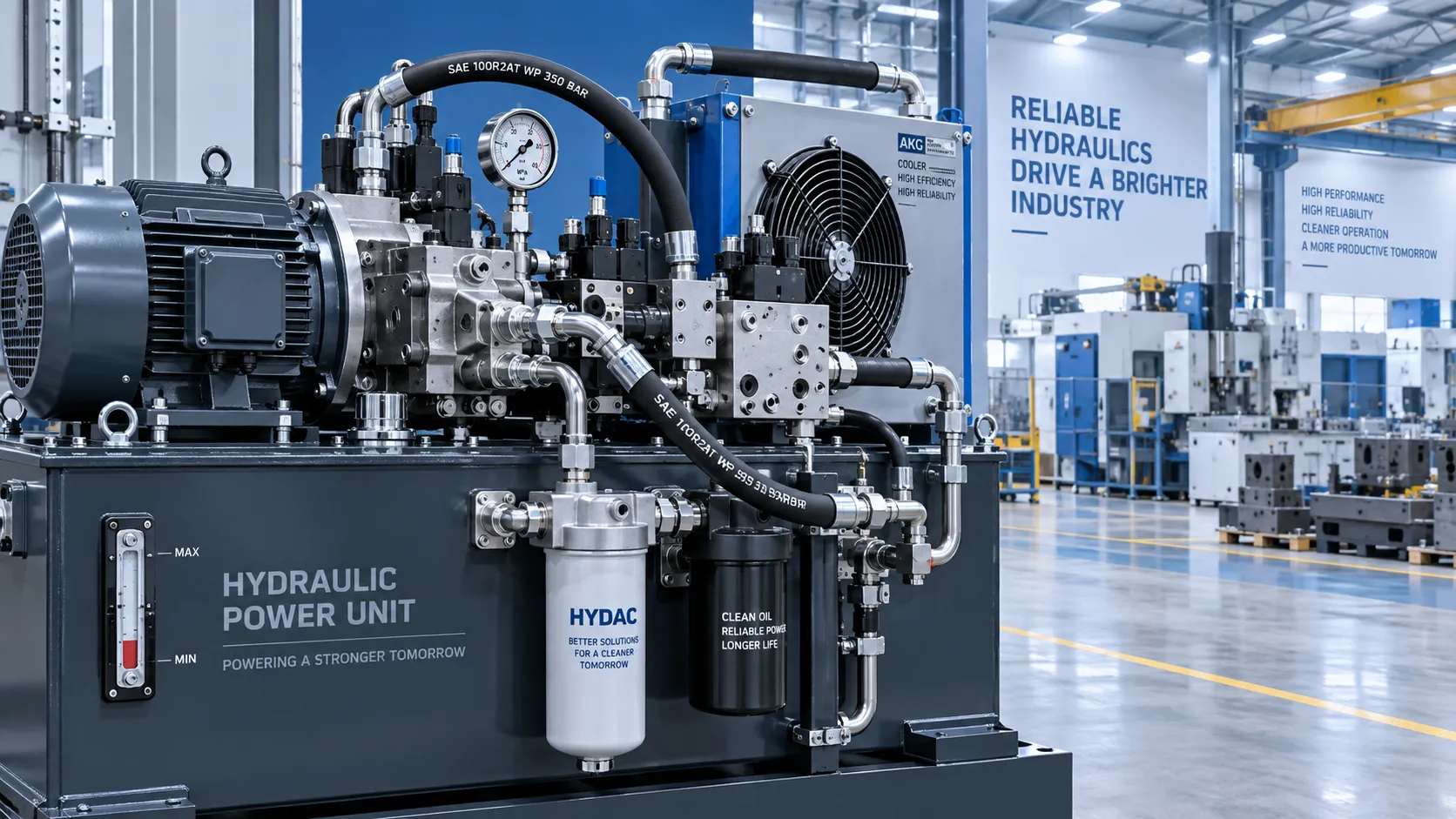
What Determines Industrial Hydraulic System Price for Heavy-Duty Equipment?
Industrial hydraulic system price depends on duty cycle, pressure, components, cooling, and integration. Compare quotes intelligently to secure reliable heavy-duty performance.
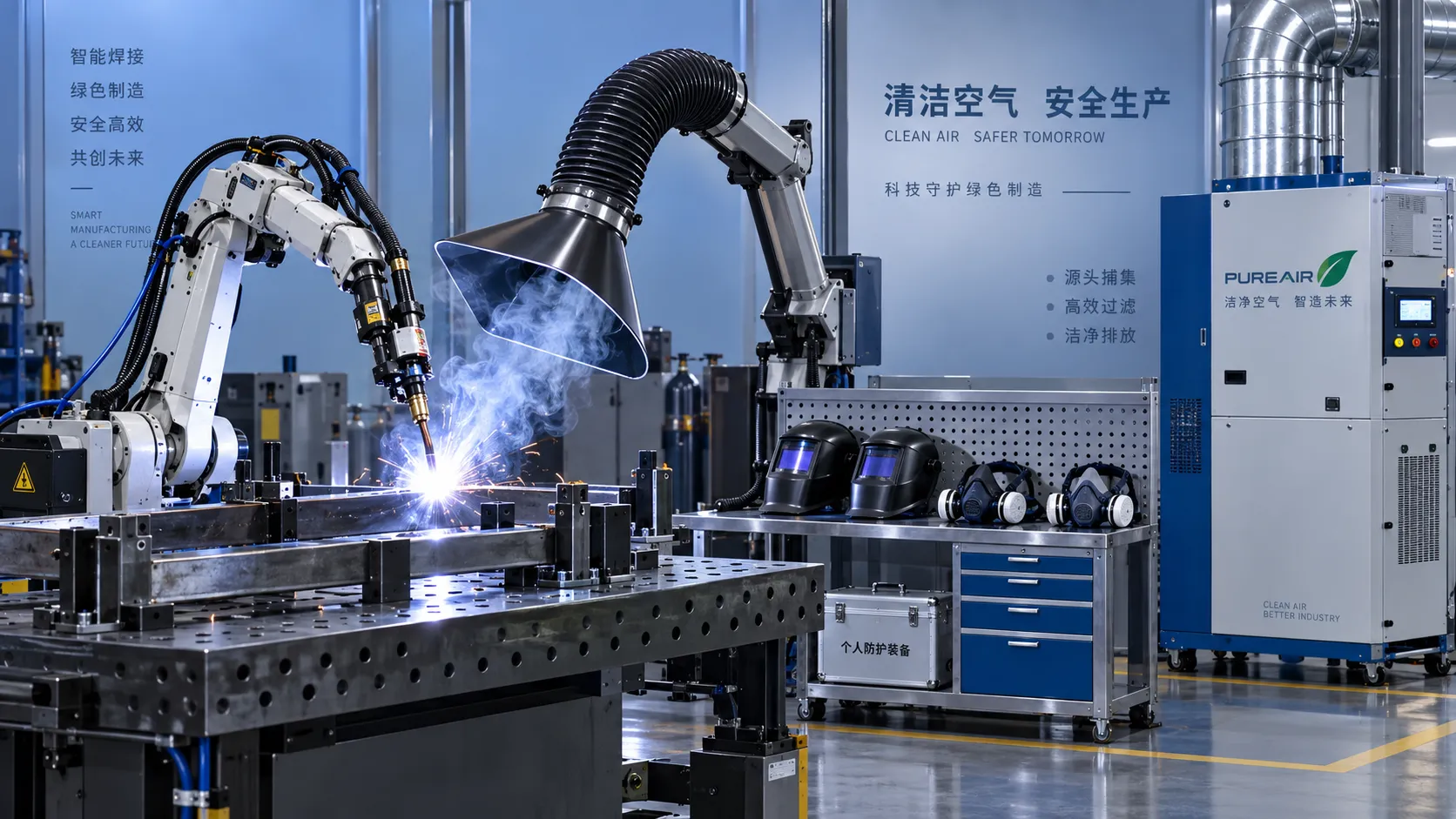
Welding Fume Extraction PPE: When Respirators Are Not Enough for Shop Safety
Welding fume extraction PPE: learn why respirators alone fall short and how source capture, ventilation, and layered controls improve shop safety.

How to Select Optical Metrology Solutions for Tight-Tolerance Manufacturing
Optical industrial metrology solutions for tight-tolerance manufacturing: evaluate accuracy, surface compatibility, workflow, and traceability to select with confidence.
Related News
- 00
0000-00
Welding Fume Extraction PPE: When Respirators Are Not Enough for Shop Safety - 00
0000-00
Which ANSI Standards Apply to Welding Equipment in Industrial Fabrication? - 00
0000-00
How Energy-Efficient Welding Equipment Cuts Power Use in High-Volume Fabrication - 00
0000-00
Which ISO Standards Govern Welding Technology Quality Control and Qualification? - 00
0000-00
North American Welding Innovations Reshaping Automation, Quality, and Labor Productivity
Welding Metallurgy Expert
Weekly Insights
Stay ahead with our curated technology reports delivered every Monday.