
How to Choose Compact Metal Joining Equipment for Small Parts and Tight Workspaces





Choosing compact metal joining equipment for small parts and tight workspaces is a decision about control as much as footprint. In dense production cells, repair stations, and precision assembly lines, reduced size must still support stable heat input, repeatable weld quality, operator safety, and predictable cycle time. That balance matters across sectors where miniature brackets, thin-gauge housings, tabs, sensors, frames, and service-access parts are joined under space pressure.
The current market gives this topic extra weight. Lightweight tools, stricter safety expectations, and closer tolerance requirements are reshaping how industrial teams evaluate compact metal joining equipment. Intelligence platforms such as GPTWM track the same shift through reports on handheld laser welding safety, brushless motor limits, export standards, and precision metrology demand. The practical takeaway is clear: compact form is useful only when it supports a reliable process.
What “compact” should mean in real operations
Compact metal joining equipment is often described by size alone, yet the more useful definition is functional. A compact system should improve access to constrained joints while preserving arc or beam stability, ergonomic handling, and process consistency.
That means evaluating the full working envelope, not only the machine body. Torch head dimensions, cable flexibility, cooling requirements, power source placement, and line-of-sight to the joint all affect whether equipment truly fits the workspace.
For small parts, compact equipment also needs fine output control. A unit that reaches the joint but delivers excessive heat is still the wrong choice. In precision work, accessibility and restraint must come together.
Why selection is getting more complex
Metal joining tasks are becoming more varied. A single facility may handle stainless enclosures, aluminum subassemblies, plated connectors, and maintenance parts within one workflow. That diversity places more pressure on compact metal joining equipment to adapt without frequent reconfiguration.
At the same time, quality expectations are moving upward. Rework on tiny joints is expensive, especially when nearby components are heat-sensitive or difficult to remove. In these cases, the hidden cost of a poor equipment match can exceed the purchase price difference between tool options.
Another factor is compliance. Regional safety rules, electrical standards, fume management requirements, and export restrictions are no longer side issues. They influence which compact metal joining equipment can be deployed across sites or standardized globally.
Key equipment types for small-part joining
Different joining methods solve different space and material problems. The right choice depends on joint geometry, base metal, cosmetic expectations, and throughput targets.
Usually, compact metal joining equipment performs best when the process window is narrow and clearly defined. Problems start when one machine is expected to cover every material, every joint type, and every access condition.
The parameters that matter most
Access and joint visibility
The first question is whether the tool can reach the joint without forcing awkward angles. Short torch heads, slim nozzles, and flexible leads often matter more than headline power ratings.
Visibility is part of access. If the operator cannot see the puddle, beam position, or electrode contact clearly, quality variation will rise even with premium equipment.
Heat input and distortion control
Small parts absorb less heat before shape, finish, or nearby components are affected. Compact metal joining equipment should offer low-end stability, pulse control, and repeatable parameter storage for delicate work.
This is especially important for assemblies with coatings, electronics, seals, or tight dimensional limits. Lower heat is not always better, but unmanaged heat is usually the source of scrap.
Power consistency in short cycles
Compact systems are often used in high-mix environments with frequent starts and stops. Output stability during short welds, repeated tack points, or intermittent repair work should be tested directly, not assumed from brochure claims.
Ergonomics and fatigue
In tight spaces, poor ergonomics quickly becomes a quality problem. Handle balance, trigger position, cable drag, and cooling weight all influence repeatability over a full shift.
How application context changes the right choice
A compact unit that works well in bench assembly may struggle in field maintenance. Likewise, a tool optimized for aerospace repair can be too slow for appliance subassemblies or light automotive fixtures.
- For enclosed production cells, cable routing, extraction, and fixture compatibility should be checked early.
- For mobile repair work, portability, start-up speed, and power-source flexibility often outrank maximum output.
- For cosmetic or customer-facing parts, arc stability and post-join finishing time deserve heavier weighting.
- For regulated sectors, data traceability and parameter lockout may be required, not optional.
From an operational view, compact metal joining equipment should be judged within the full process around it. Fixtures, inspection steps, shielding gas setup, and part handling either support performance or quietly undermine it.
Where metrology and intelligence improve the decision
The best selection process does not stop at welding output. Precision measurement closes the loop. Joint gap variation, distortion after joining, and surface finish changes reveal whether compact equipment is truly matched to the application.
That perspective aligns with GPTWM’s broader view of the industrial last mile. Metal joining, tooling ergonomics, and metrology are increasingly connected. Equipment decisions are stronger when they combine process data, operator feedback, and evolving market intelligence.
This matters when comparing technologies such as handheld laser systems, compact TIG platforms, or brushless-driven portable units. The question is not which trend is most visible. The question is which option produces measurable stability under real constraints.
A practical evaluation framework
A structured comparison keeps selection grounded. Short trials are useful, but they need a consistent scoring method.
It is also worth tracking supply-side considerations. Consumable availability, service coverage, firmware support, and parts lead time can become decisive for compact metal joining equipment used in distributed operations.
Common mistakes that weaken performance
One frequent mistake is buying on portability alone. Small size is helpful, but not when it limits duty cycle, destabilizes output, or creates avoidable fatigue.
Another is testing on ideal samples only. Real validation should include awkward joints, repeated cycles, operator changes, and nearby heat-sensitive components.
A third mistake is separating joining from inspection. Without dimensional checks or visual acceptance criteria, teams often misread short-term convenience as long-term process capability.
What to do next
A sound next step is to map the joining task before comparing brands or technologies. Define the smallest joint area, the most restricted access point, acceptable distortion, target cycle time, and the training level available on site.
Then compare compact metal joining equipment against those conditions with measurable criteria. Include trial parts, inspection data, and operational factors around safety, maintenance, and consumables. That approach turns a compact-tool purchase into a process decision, which is usually where the best results begin.
Related News
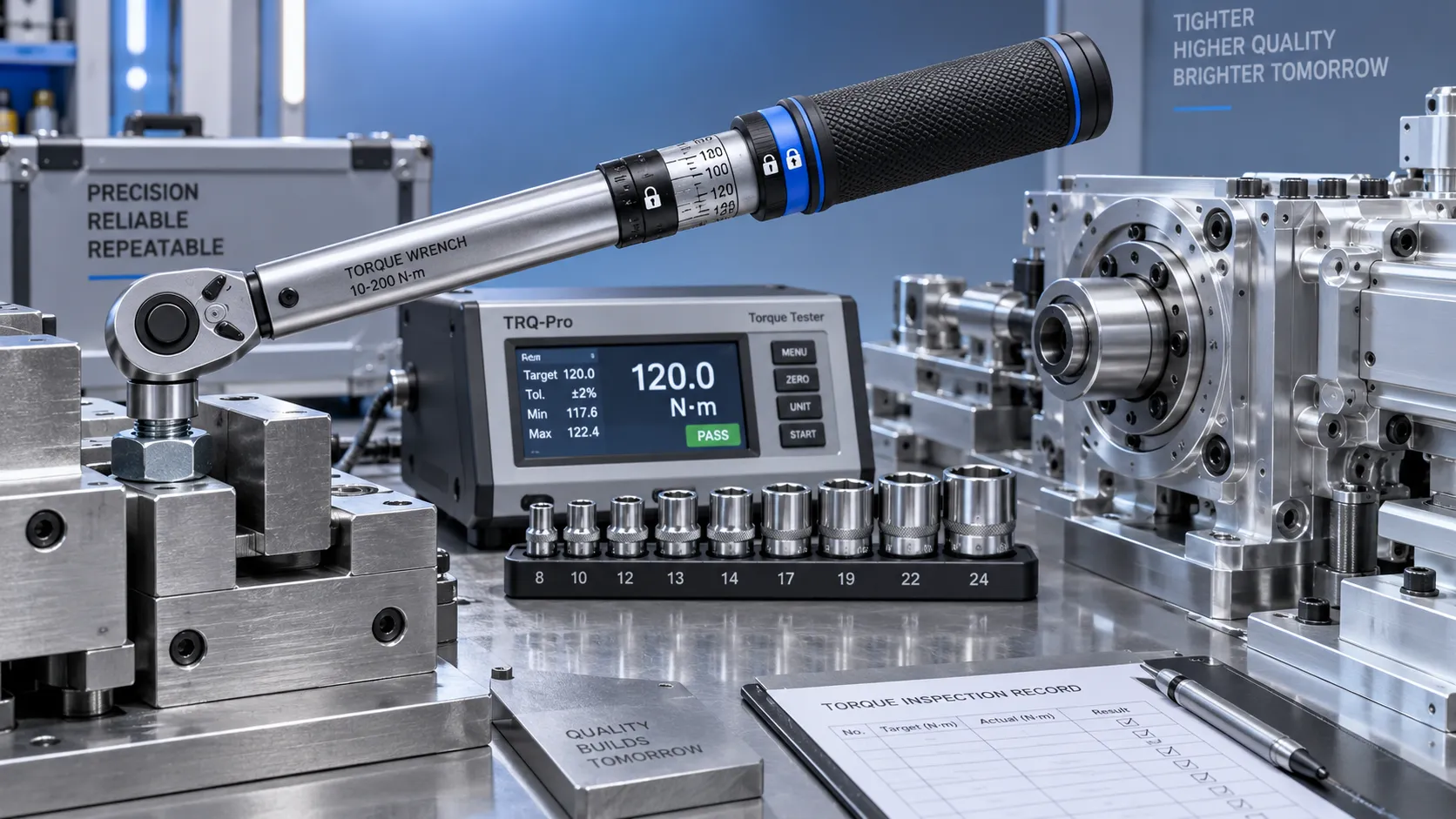
Selecting Adjustable Torque Tools for Repeatable Fastener Assembly
Adjustable torque tools: learn how to match range, accuracy, control methods, calibration, and ergonomics for repeatable, reliable fastener assembly.
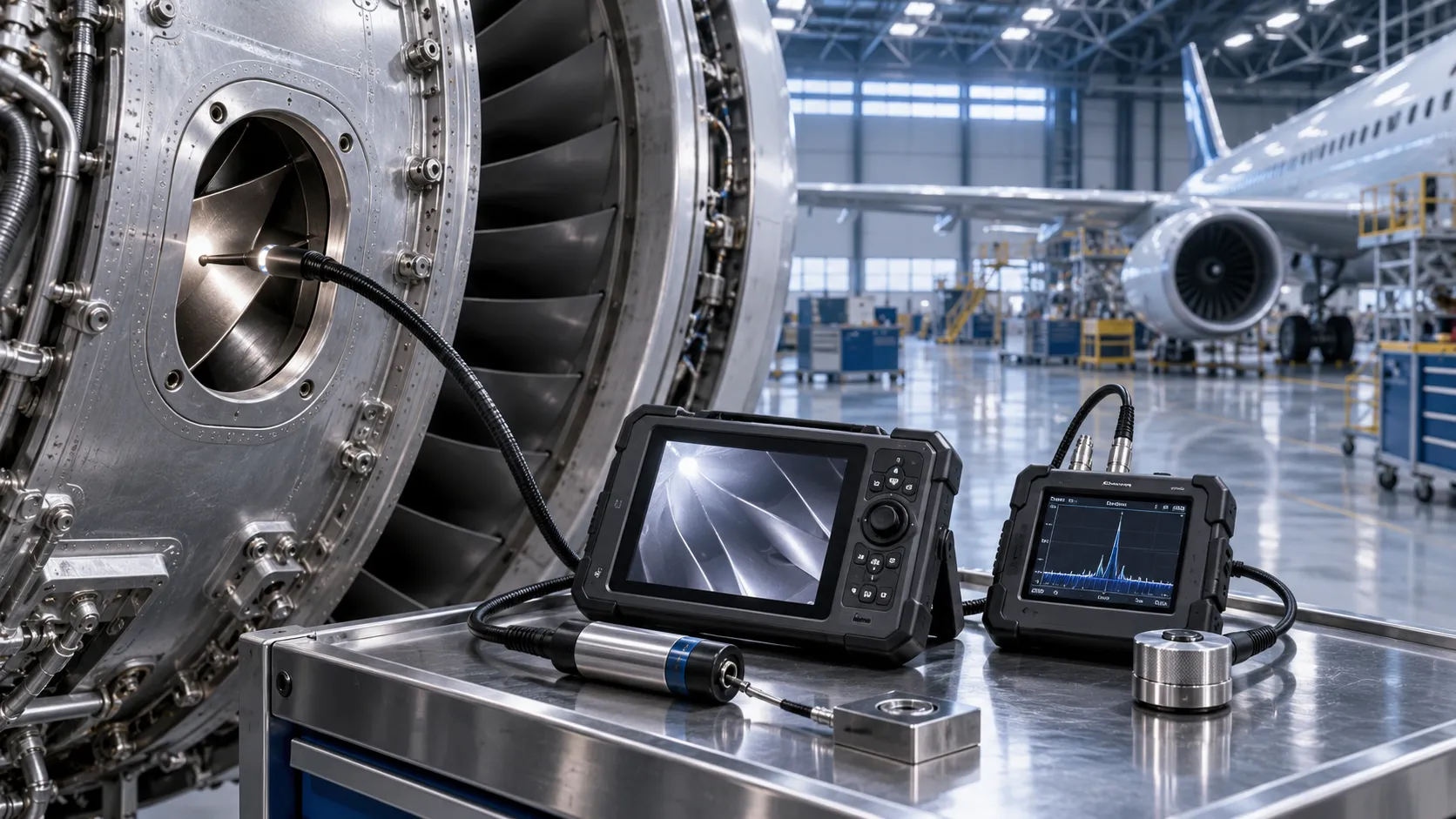
How to Select Aerospace Inspection Tools for Aircraft Maintenance Tasks
Aerospace maintenance inspection tools: learn how to select reliable, traceable equipment for aircraft access, accuracy, calibration, and compliant maintenance decisions.
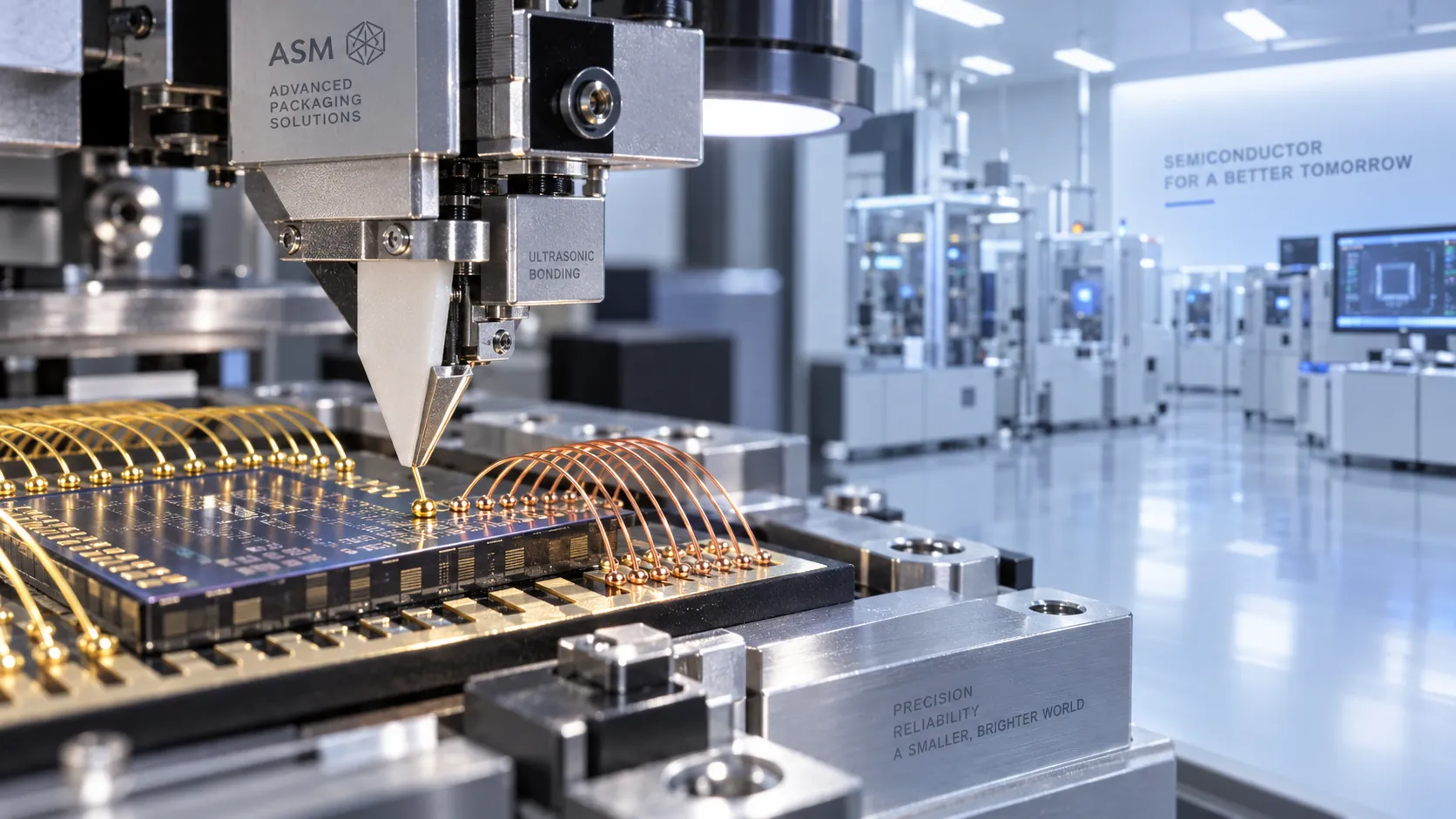
How to Select Wire Bonding Tools for Fine-Pitch Semiconductor Packaging
Explore semiconductor manufacturing tools for wire bonding and learn how to select precision solutions for fine-pitch packaging, reliable loops, accuracy, and yield.
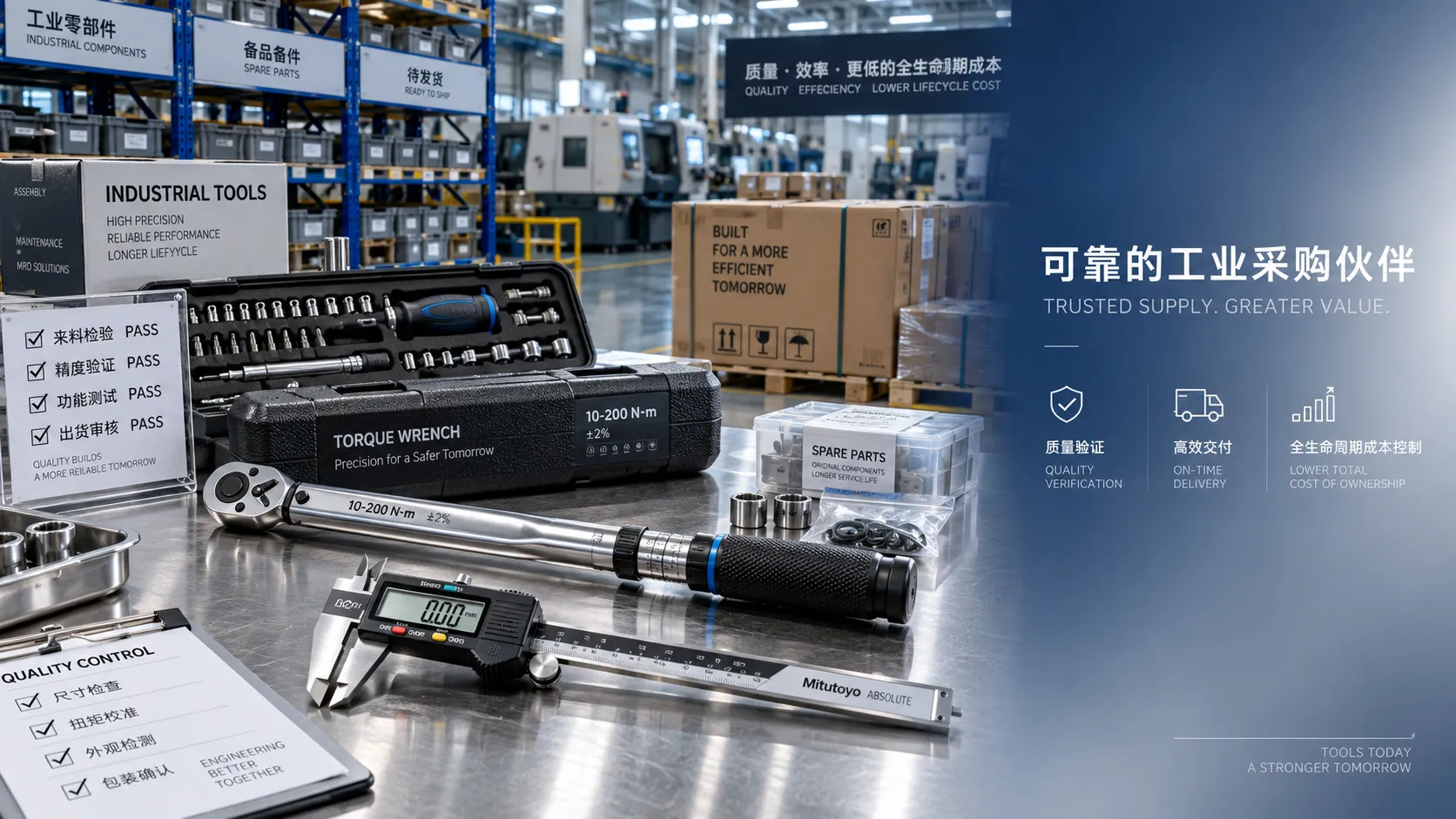
How to Compare Industrial Tool Suppliers for Quality, Lead Time, and Total Cost
Industrial tool selection supplier comparison made simple: evaluate quality, lead times, total cost, service, and supply resilience for confident sourcing decisions.
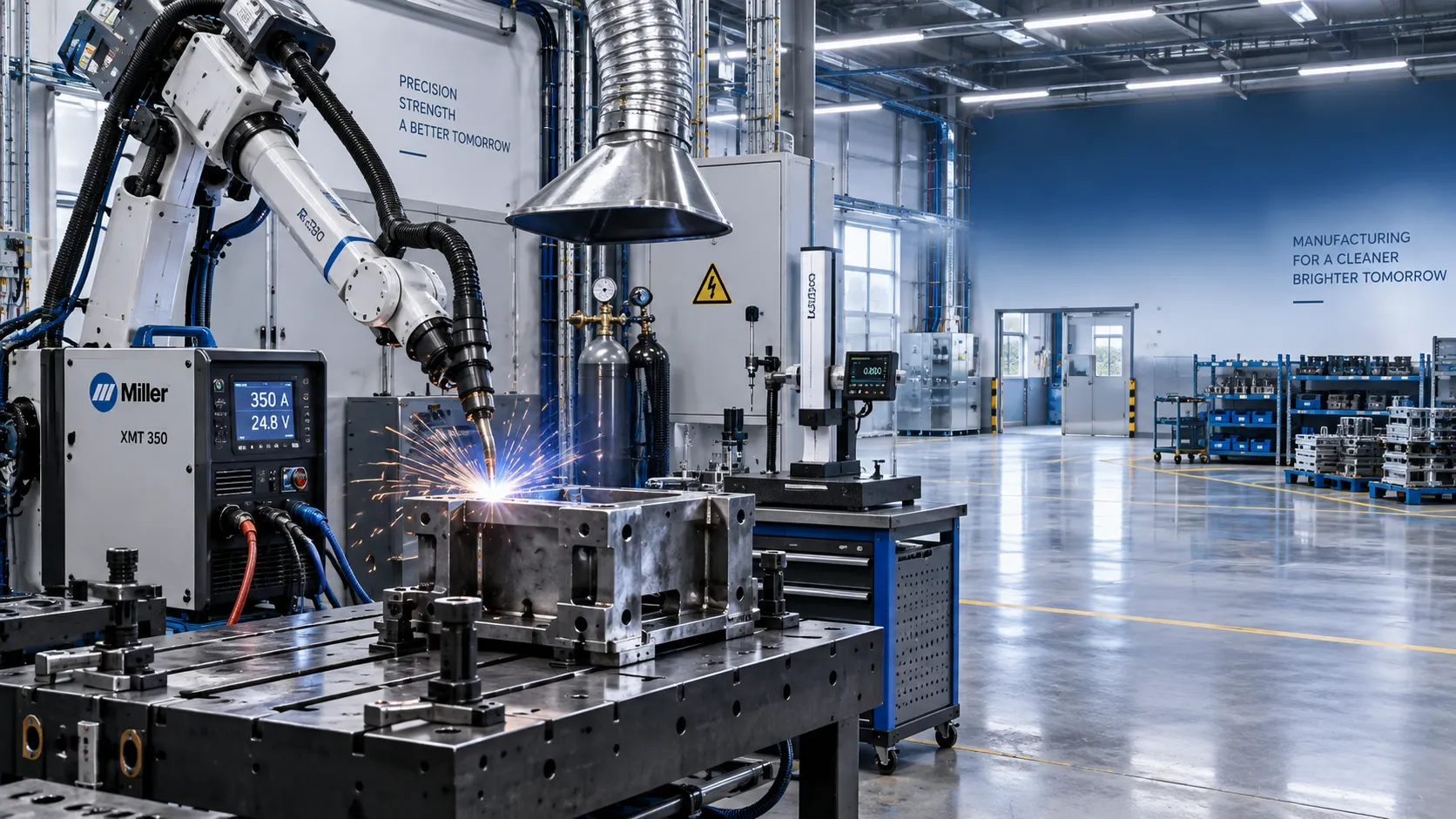
Industrial Equipment Application Guidance: Match Machines to Operating Conditions
Application guidance industrial equipment: match capacity, duty cycle, materials, site conditions, safety, and lifecycle cost to improve reliable output. Read the guide.
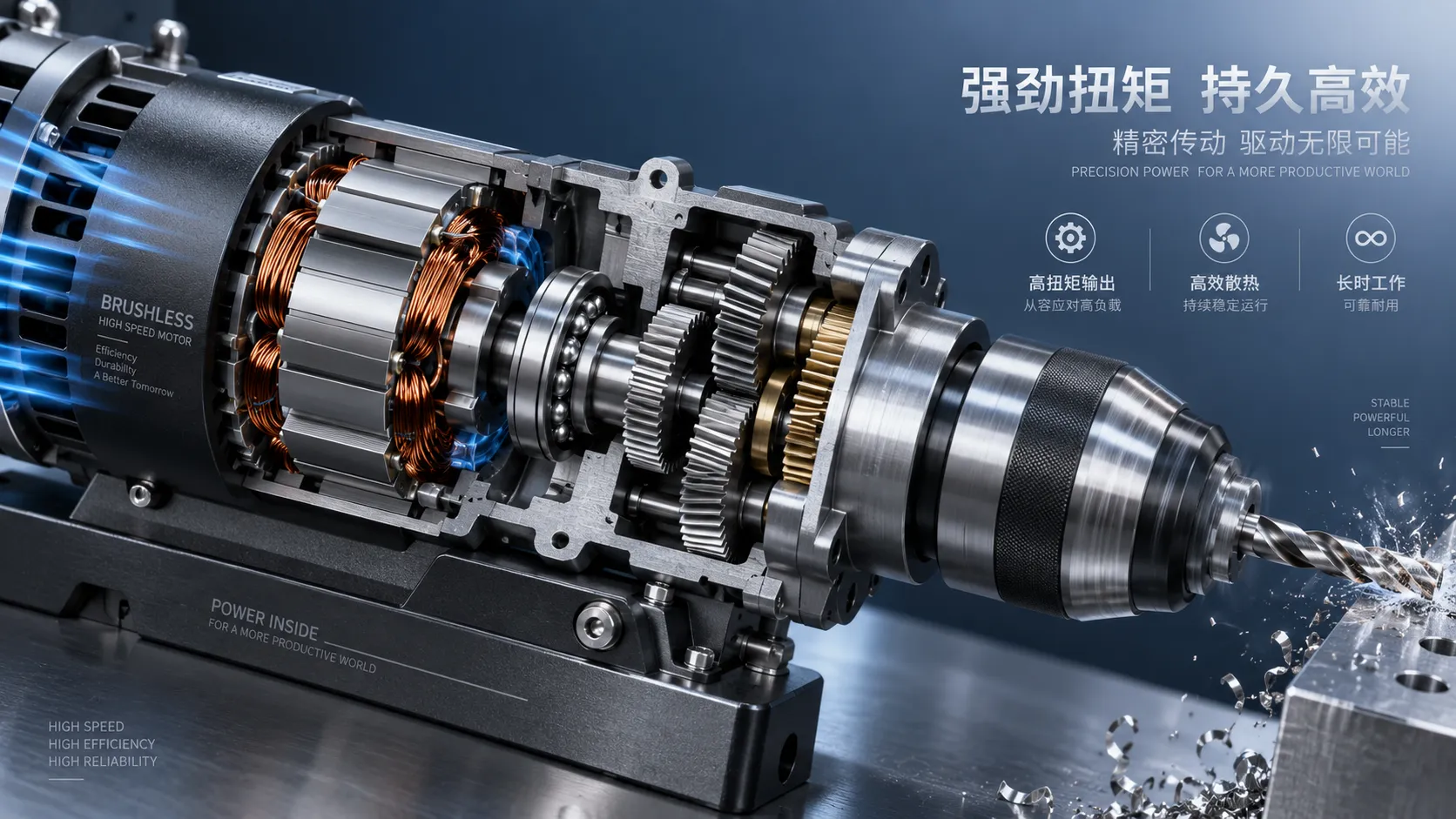
Selecting High-Speed Brushless Tool Motors for Torque, Heat, and Duty Cycle
High speed brushless tool motors: learn how to balance torque, heat, gearing, and duty cycle for reliable industrial tool performance and longer service life.
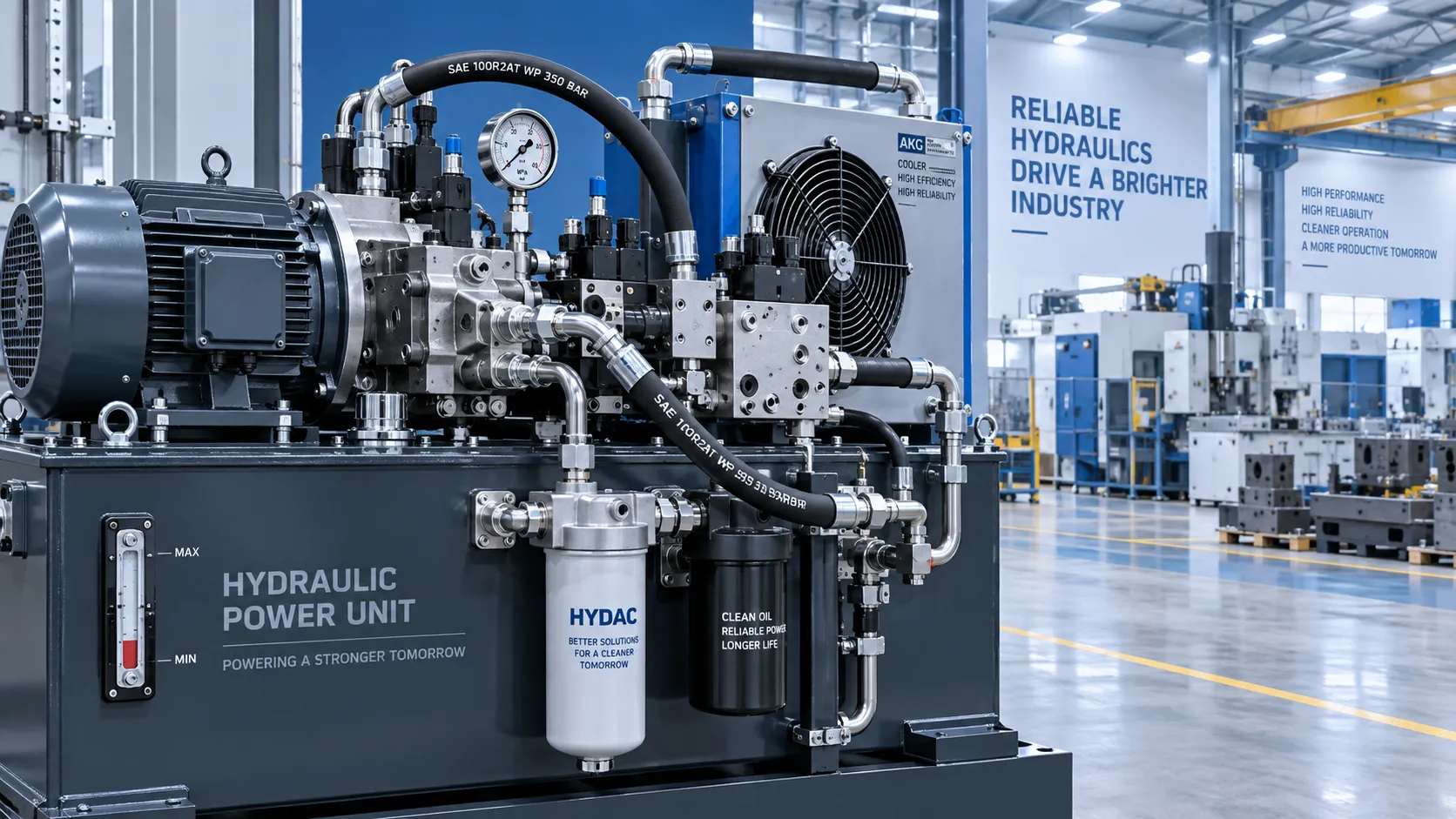
What Determines Industrial Hydraulic System Price for Heavy-Duty Equipment?
Industrial hydraulic system price depends on duty cycle, pressure, components, cooling, and integration. Compare quotes intelligently to secure reliable heavy-duty performance.
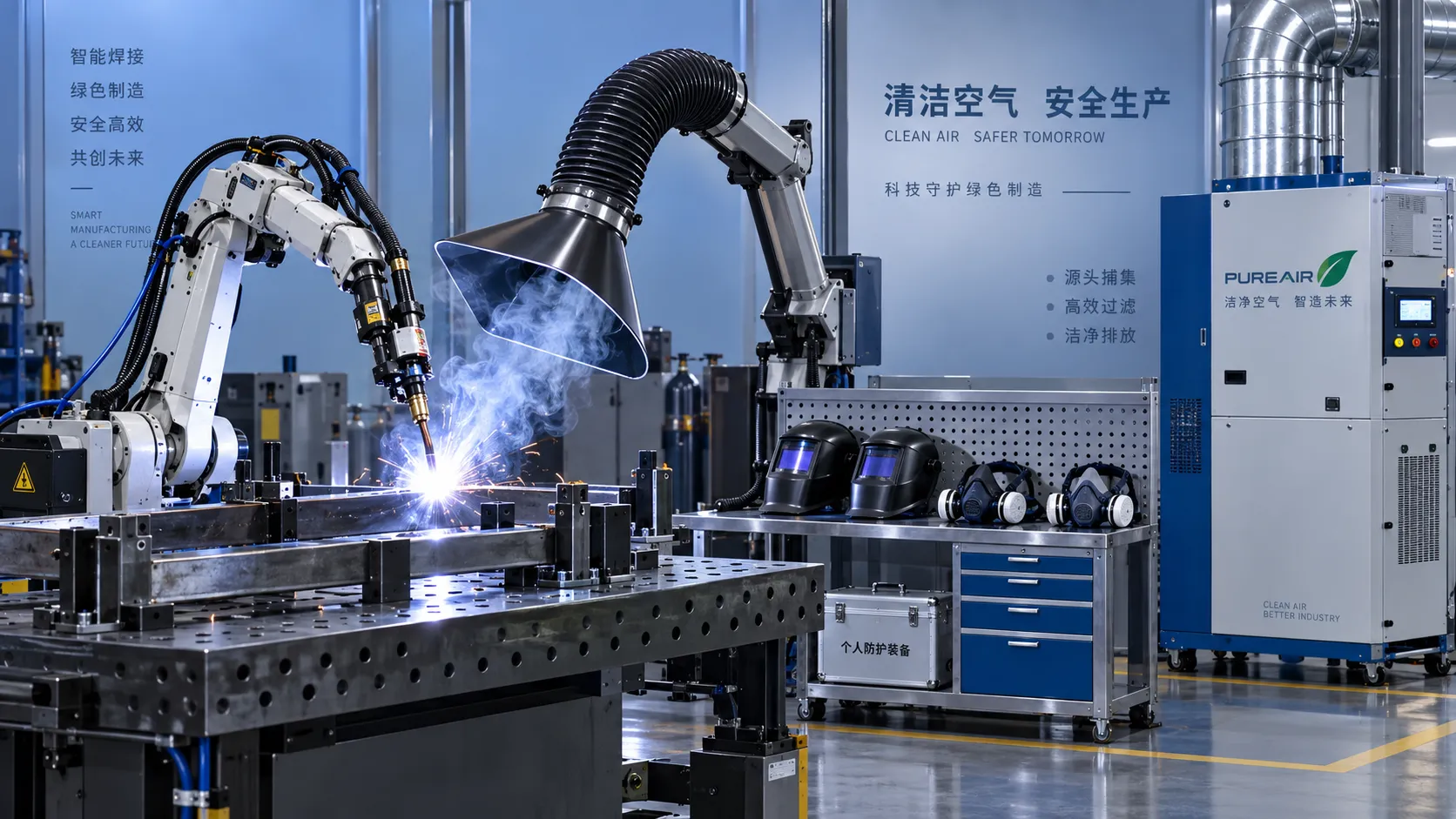
Welding Fume Extraction PPE: When Respirators Are Not Enough for Shop Safety
Welding fume extraction PPE: learn why respirators alone fall short and how source capture, ventilation, and layered controls improve shop safety.
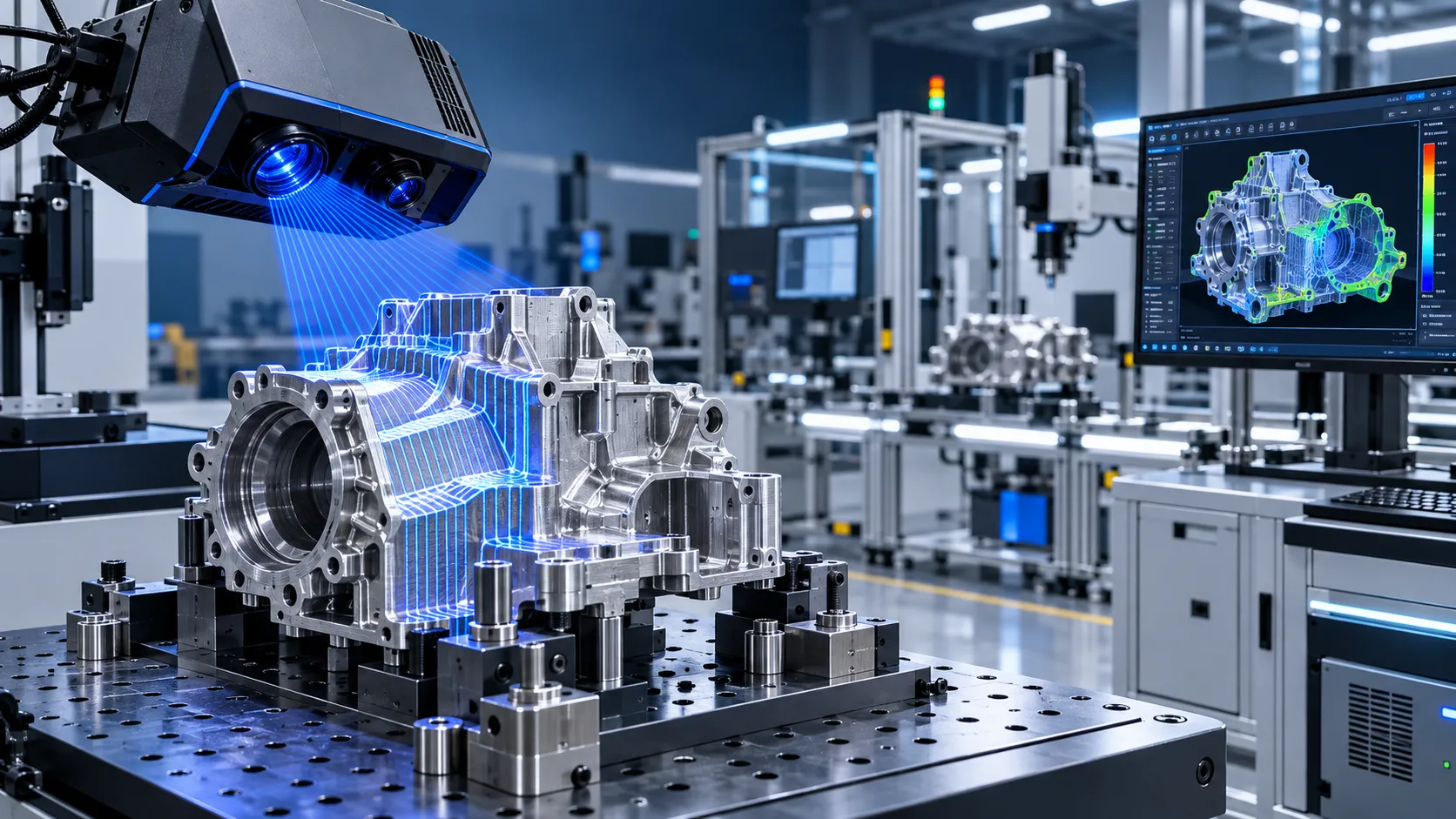
How to Select Optical Metrology Solutions for Tight-Tolerance Manufacturing
Optical industrial metrology solutions for tight-tolerance manufacturing: evaluate accuracy, surface compatibility, workflow, and traceability to select with confidence.
Related News
- 00
0000-00
Selecting Adjustable Torque Tools for Repeatable Fastener Assembly - 00
0000-00
How to Select Aerospace Inspection Tools for Aircraft Maintenance Tasks - 00
0000-00
How to Select Wire Bonding Tools for Fine-Pitch Semiconductor Packaging - 00
0000-00
Industrial Equipment Application Guidance: Match Machines to Operating Conditions - 00
0000-00
Selecting High-Speed Brushless Tool Motors for Torque, Heat, and Duty Cycle
Prof. Marcus Chen
Weekly Insights
Stay ahead with our curated technology reports delivered every Monday.